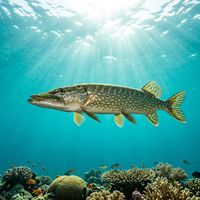
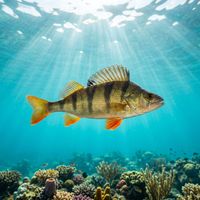
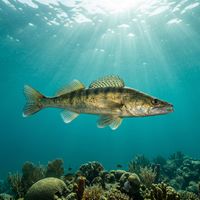
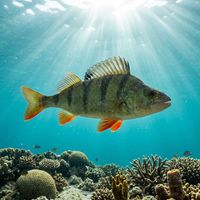
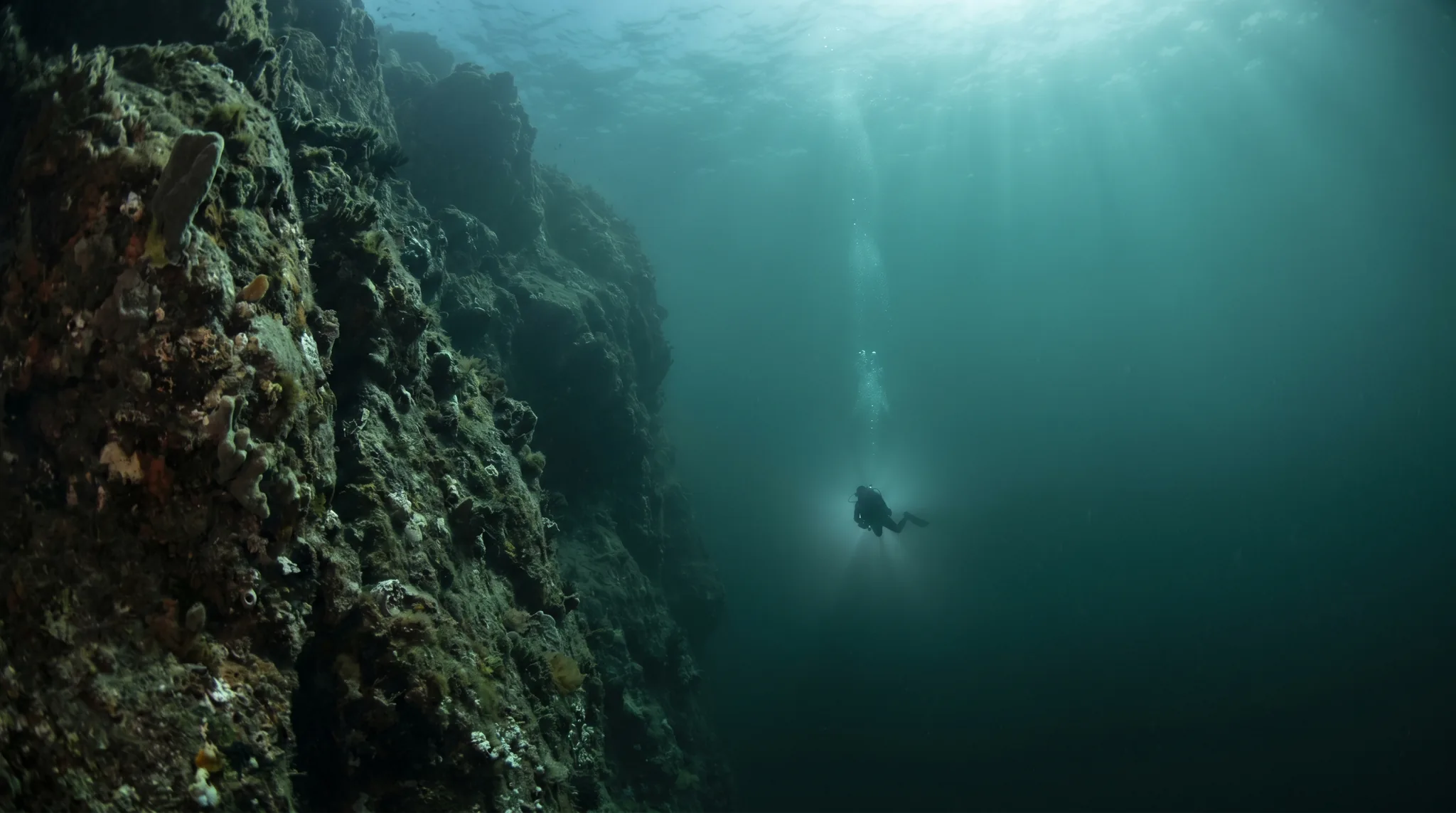
Finnish Lakeland is a freshwater diving destination defined by flooded quarries, cave systems, rock walls and artificial reefs spread across sub-areas including Päijänne & Heinola, Saimaa & Eastern Lakeland, Tampere and Lohja. The site mix runs from very shallow beginner lakes to deep technical wall dives, with Rappukallio offering a sheer drop for experienced divers and Ojamo Mine presenting a demanding overhead environment. Common Perch, Pike Perch and Pike are regularly encountered, and Water Lily adds a distinctly freshwater character to shallower sites. Almost all sites are shore-entry, making logistics straightforward.
4 areas
Monthly water temperature across Finnish Lakeland's sites, from satellite sea-surface data corrected for depth. The band shows the site-to-site spread.
Water temperatures climb steadily from late spring, peaking in July and August when conditions are most comfortable for recreational diving. The cooler shoulder months of May and September still offer rewarding dives, particularly in quarry sites where conditions are sheltered. From late autumn through winter, temperatures drop sharply and dry-suit experience becomes essential.
29 operators
Loppi, Finland
13 more sites to explore
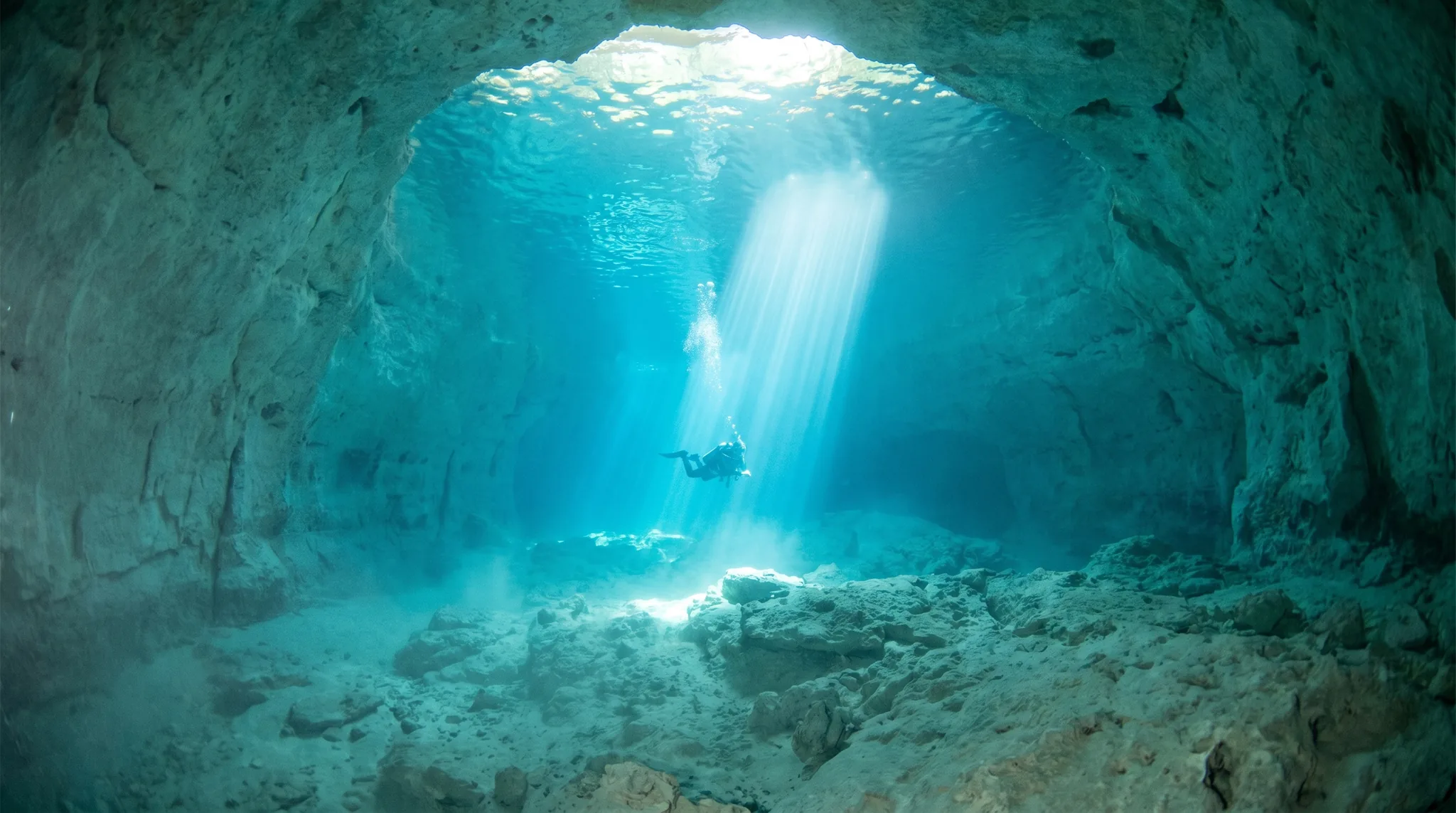
Freshwater diving from beginner reefs to deep technical walls, with Perch and Pike among the regularly observed species.
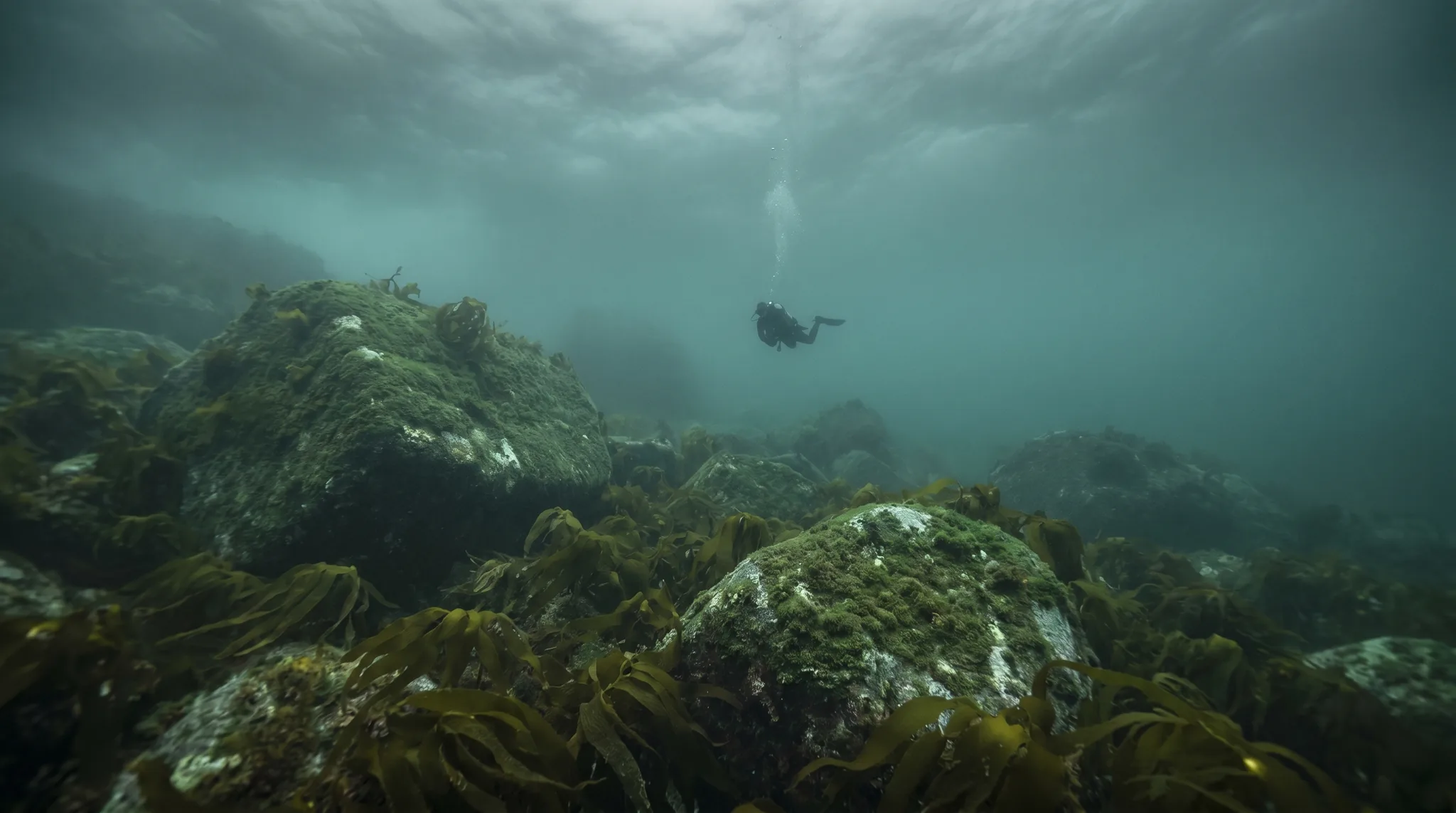
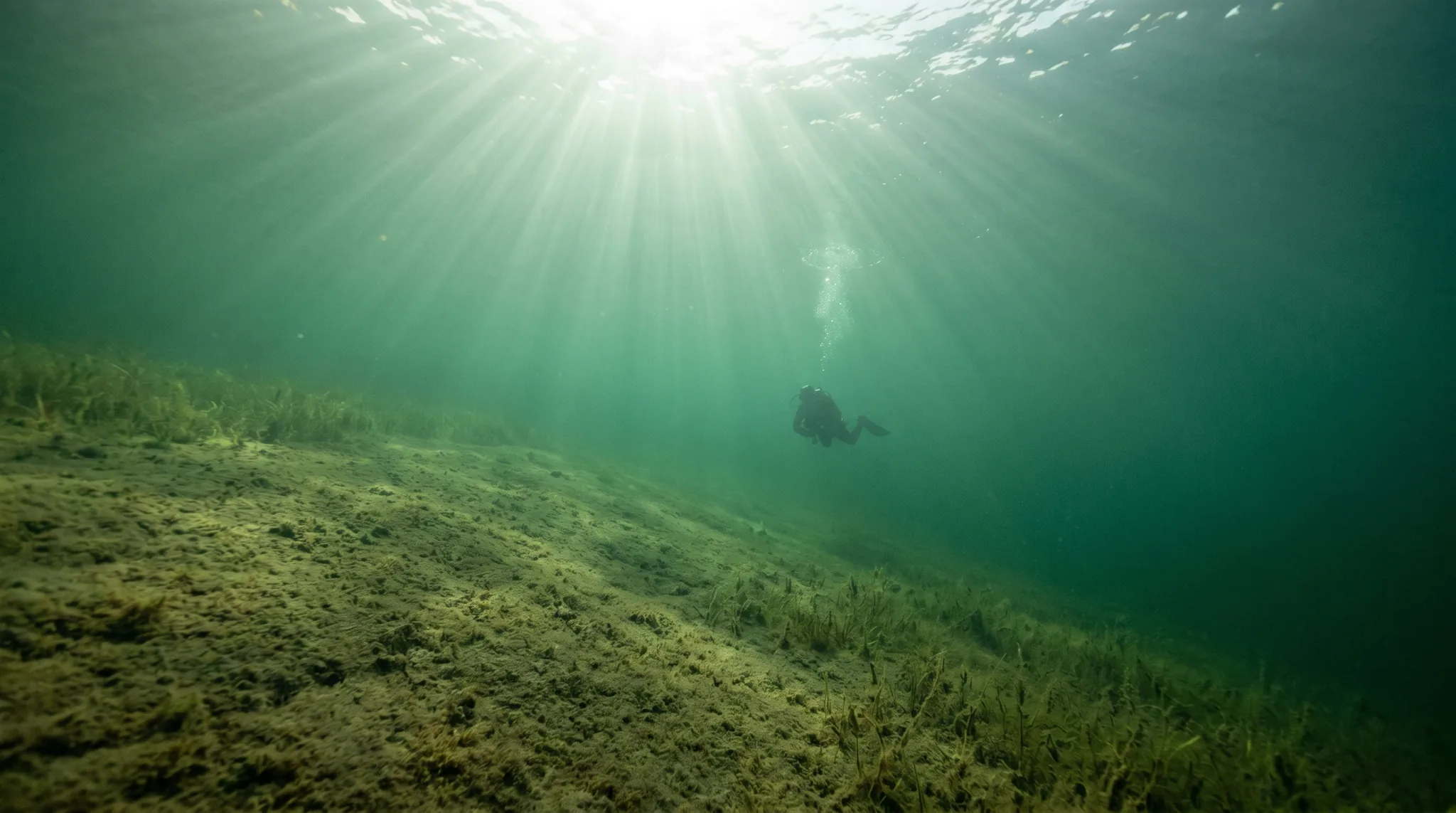
Water temperature around Finnish Lakeland ranges from about 1°C in February to 18°C in August, based on satellite sea-temperature data for its dive sites.
In the warm season (about 18°C) a 5mm suit is comfortable in Finnish Lakeland; in the coldest months (about 1°C) step up to a drysuit.
Fin maps 49 sites in Finnish Lakeland (49 scuba diving sites and 2 snorkelling spots, with some suited to both), organised into 4 areas.
Across Finnish Lakeland's dive sites, June, July, August and September are most often reported as the best months to visit.
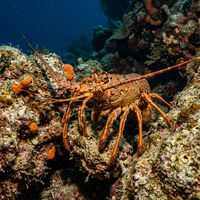
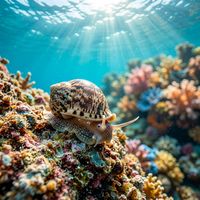
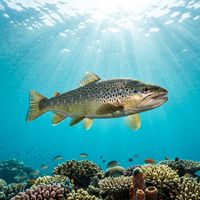
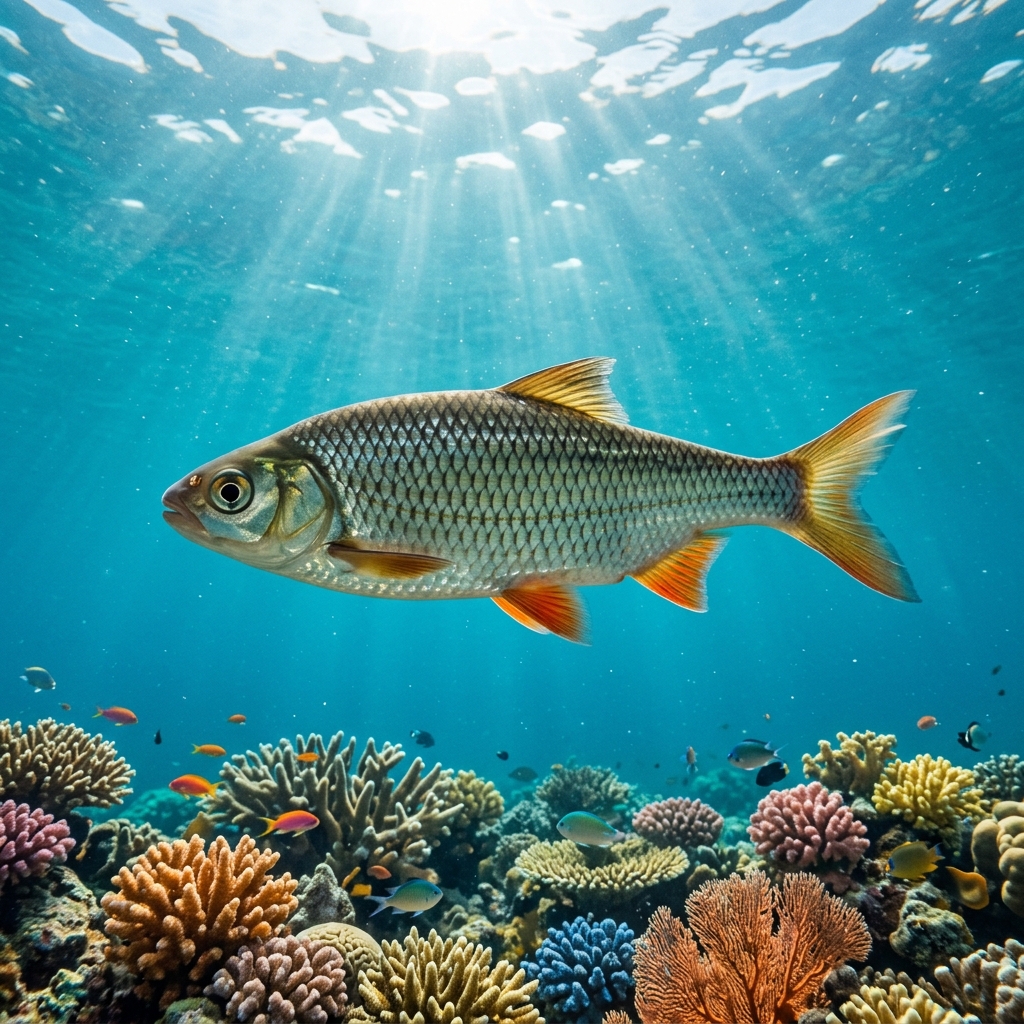
The lakes are dominated by freshwater species observed across the region. Common Perch and Pike Perch are seen at the majority of sites, while Pike is also frequently encountered. Trout, Roach, Crayfish and Snail have all been observed, and Water Lily is a characteristic feature of shallower freshwater dives.
A large proportion of sites are rated for beginners, including calm, shallow lakes and sheltered flooded quarries with shore entry. Sites such as Siikajarvi, Iso-Tiilijärvi and several quarry locations offer manageable depths in still freshwater. More advanced divers will find overhead cave environments and deep wall dives available when they are ready to progress.
Päijänne & Heinola has the largest concentration of sites and includes the deep technical wall dive at Rappukallio. Saimaa & Eastern Lakeland features cave and artificial reef combinations, including the well-known Paakkila site. Tampere offers a compact cluster of accessible sites, while Lohja is home to Ojamo Mine, a flooded industrial overhead environment suited to advanced and technical divers.
The great majority of sites in Finnish Lakeland are accessible directly from shore, which keeps planning simple and reduces the need for organised boat charters. Rappukallio is a notable exception, requiring boat access to reach its deep wall. Several local operators, including DiveTime Oy, Sukelluspalvelu Scuba Saimaa and Paakkila Open Pit, are based in the region and can assist with access and guided dives.