Cephalopholis miniata
Spot the vivid orange-red coral grouper across the Red Sea, Maldives, and Indo-Pacific. Year-round on tropical reefs in 23-29 °C water.
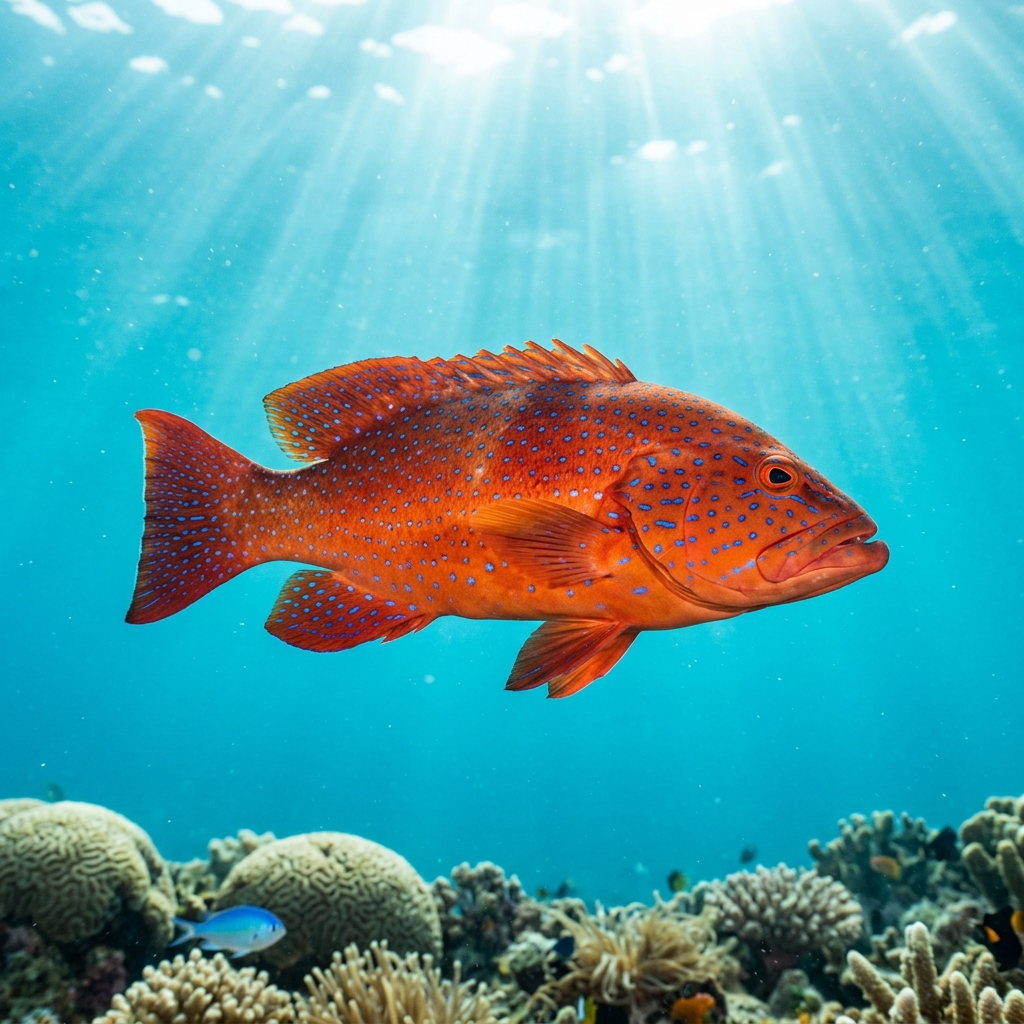
Few reef fish are as immediately recognisable as this one: a stocky, rounded body in vivid orange-red, covered from snout to tail in small, evenly spaced blue or blue-edged spots. In the water it reads almost uniformly warm-red, which makes it stand out sharply against coral. Adults typically hold close to the reef structure, so you tend to see the whole fish at once. The spots distinguish it from plain reddish groupers at a glance.
Coral groupers are solitary and territorial, typically found resting motionless on or just above a coral head, scanning for small fish prey. They tend to be approachable but wary, often retreating slowly into a crevice rather than bolting when a diver gets close. Most sightings are during daytime dives on the reef slope or along coral-rich walls, where they hold a defined patch they return to repeatedly.
Like most groupers, coral groupers are protogynous hermaphrodites (they begin life female and can transition to male later). In a group, the dominant individual becomes or remains male, which means the largest fish you see on a reef is almost certainly male.
In the Northern Hemisphere it is present year-round with no concentrated season, which fits its preference for warm tropical water between roughly 23 and 29 °C. Southern Hemisphere sightings concentrate from June through April, with the quieter months around May.
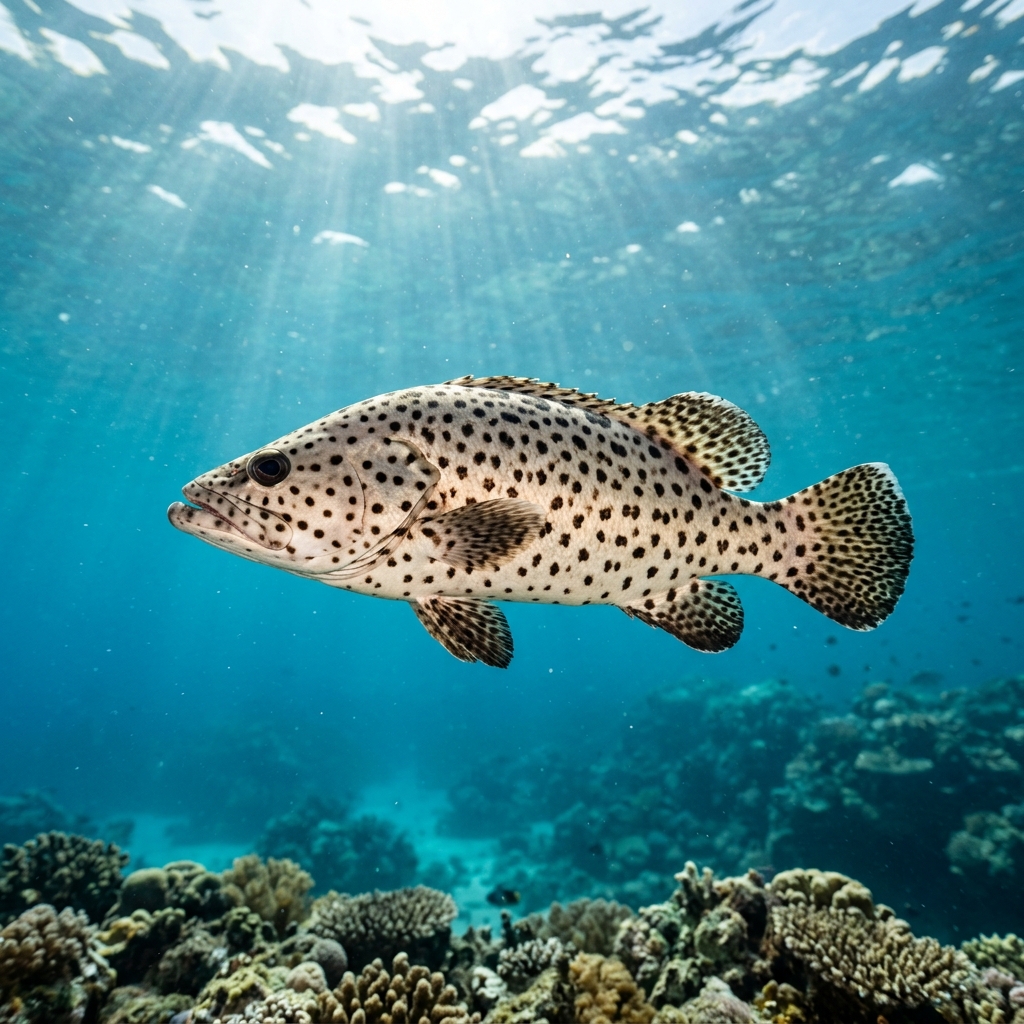
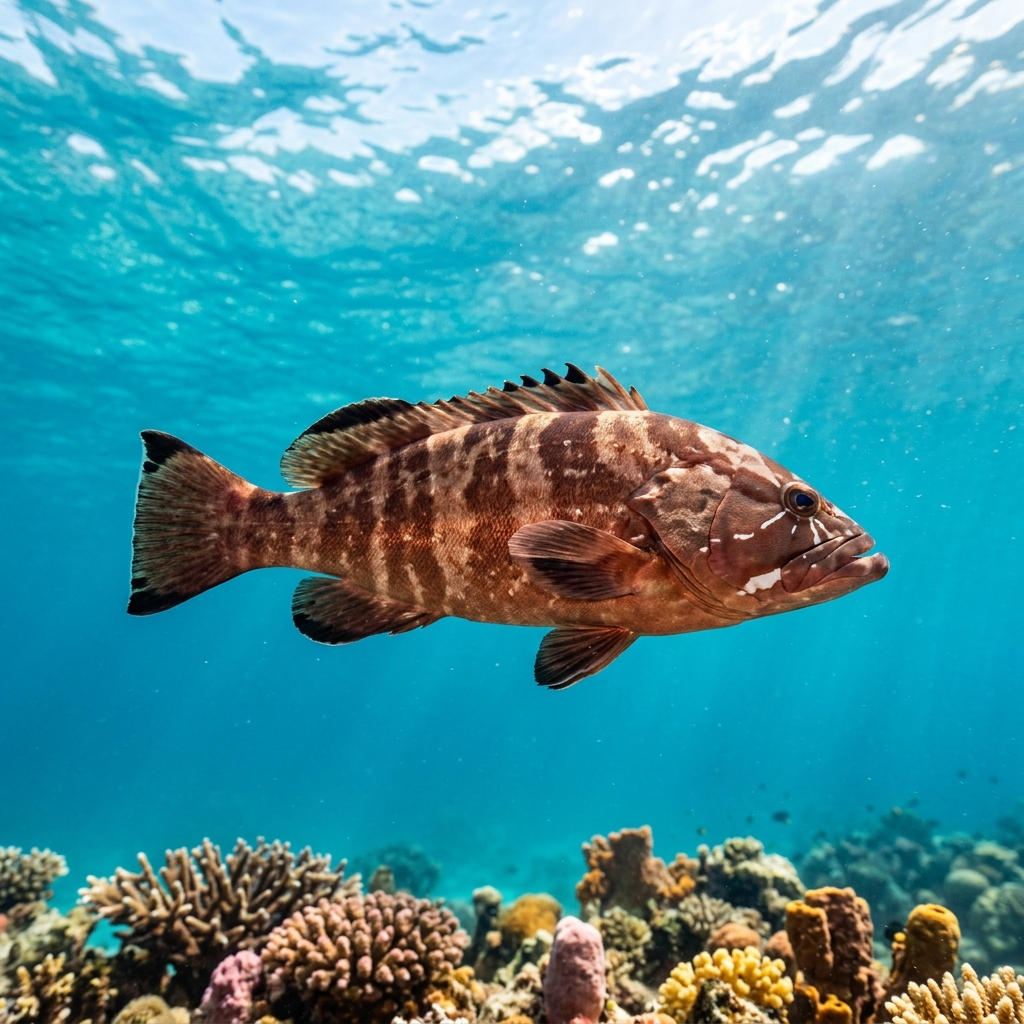
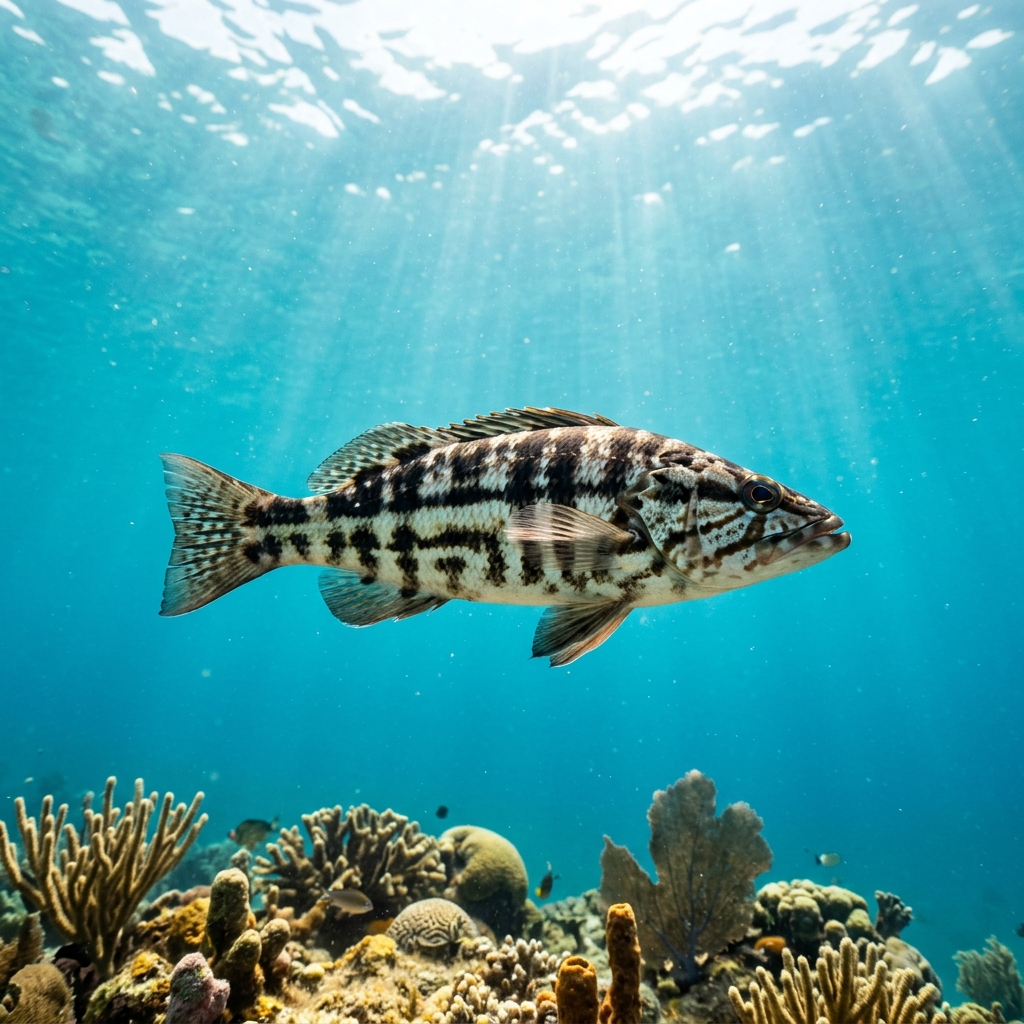
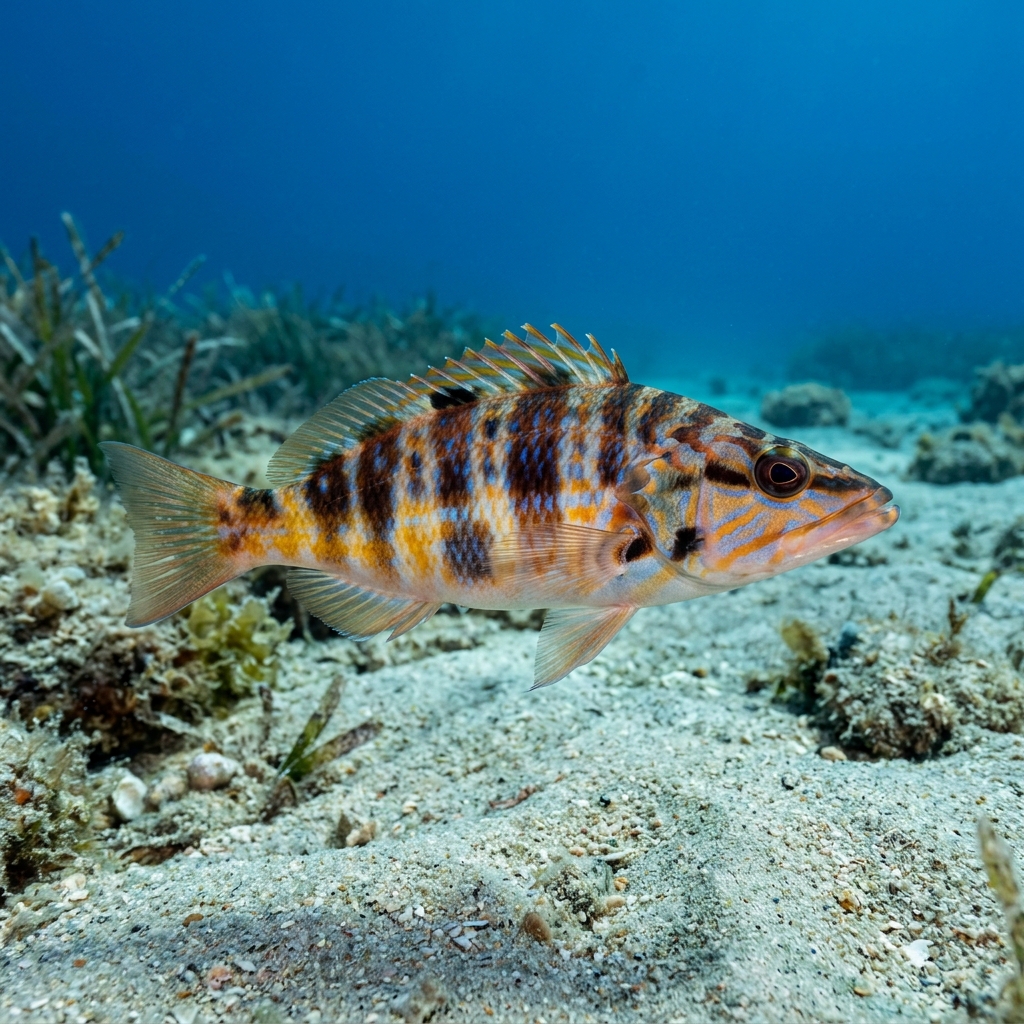
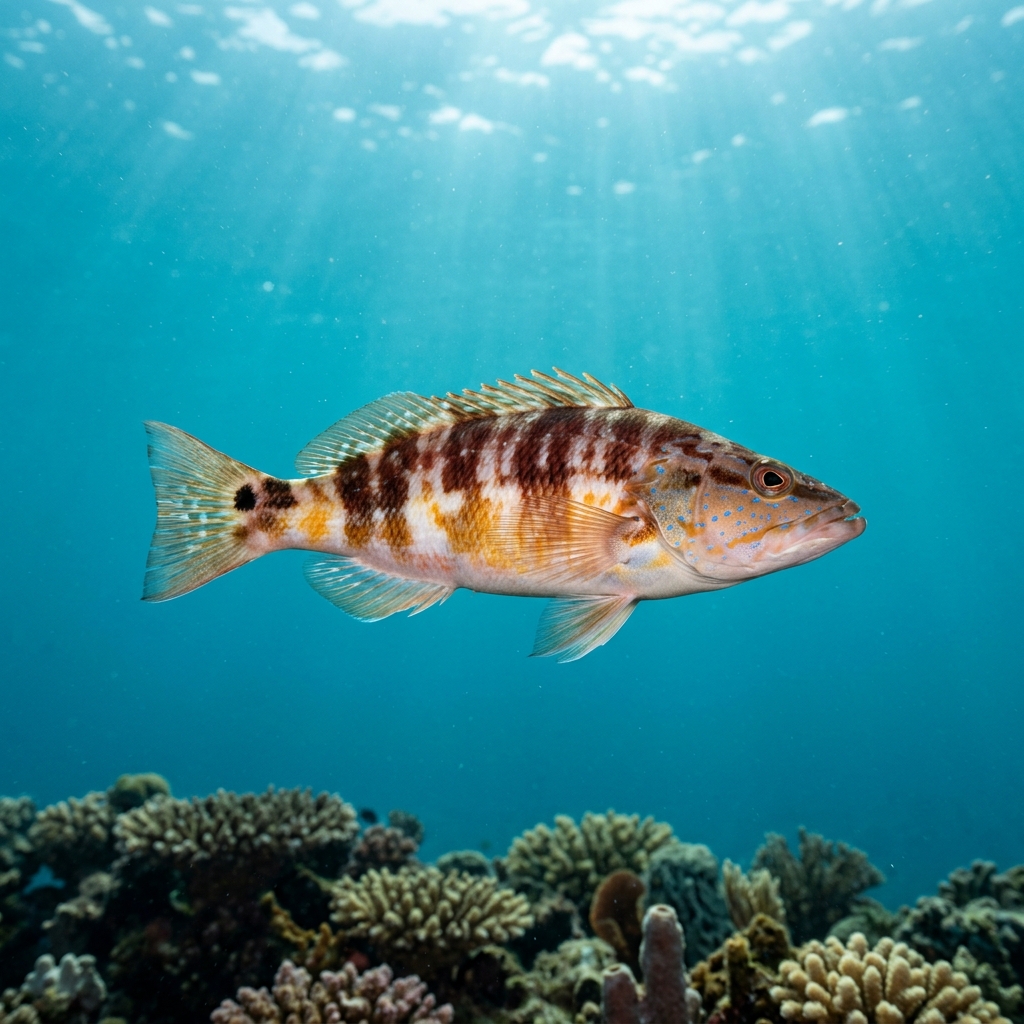
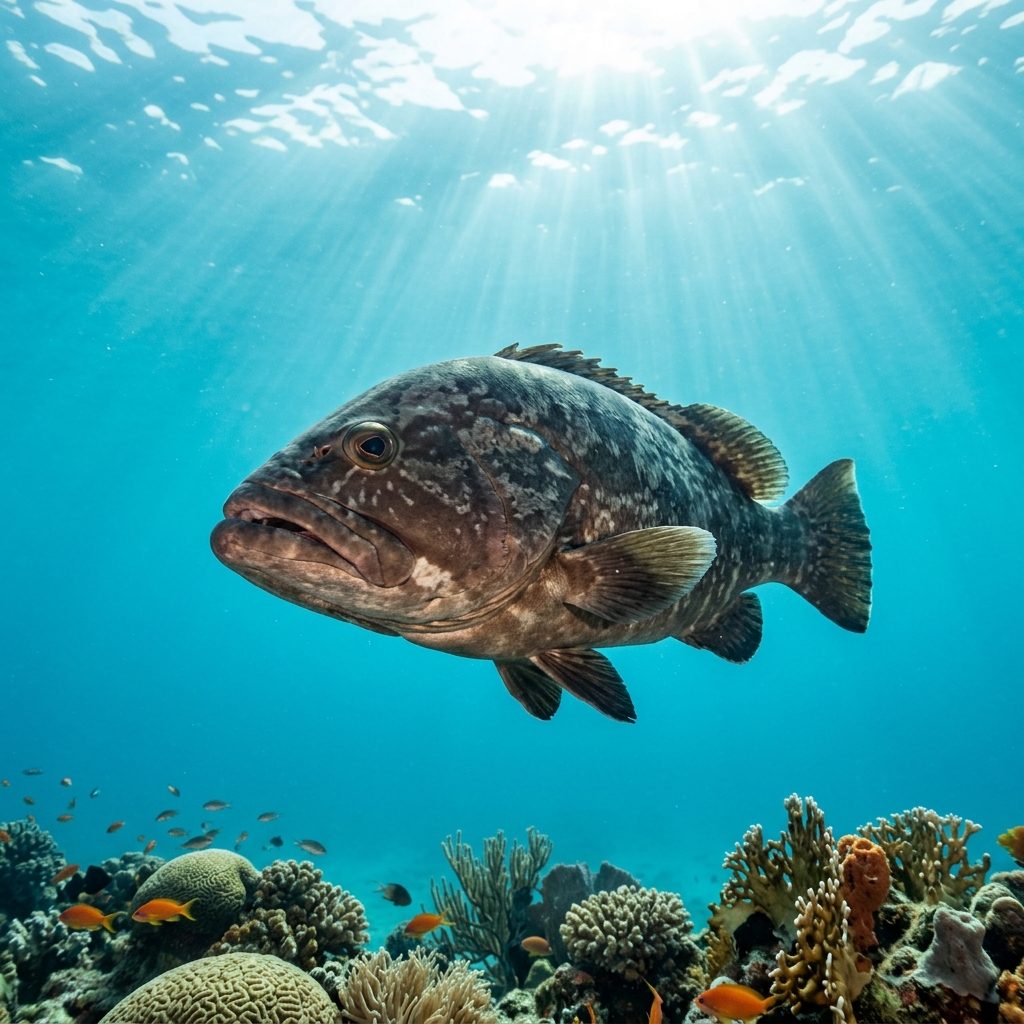
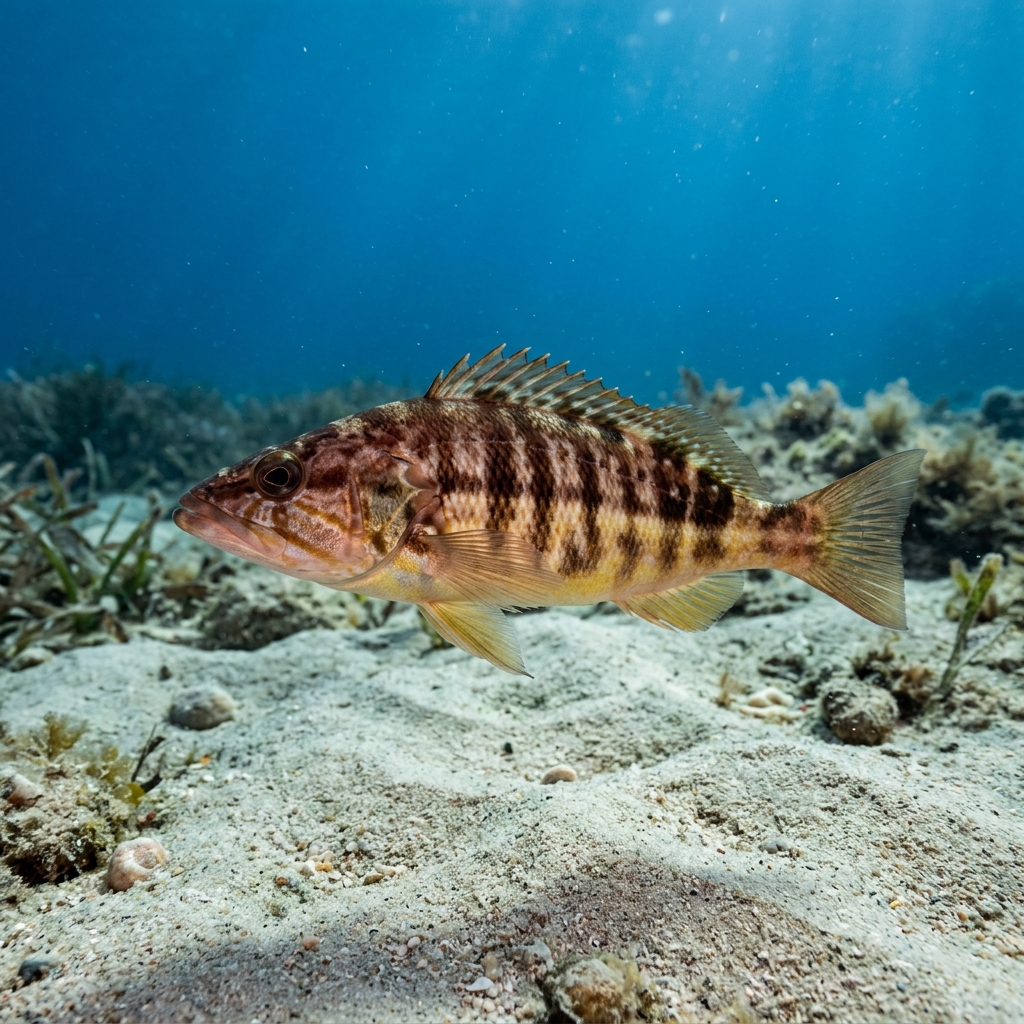
Reef neighbours a diver could mistake it for. Use the identification notes above to tell them apart.
Most consistently logged in Egypt's Red Sea, particularly around Marsa Alam, Sharm el Sheikh, and Safaga, and across the Maldives' Male and Ari Atolls. Strong populations also appear in Indonesian waters (especially Sulawesi and Maluku), the Philippines, Malaysia's Sipadan region, and the Seychelles, making it one of the more widespread Indo-Pacific groupers.
Mapping where Coral Grouper is logged…
The Red Sea is the top destination, with strong records around Marsa Alam, Sharm el Sheikh, and Safaga. The Maldives' Male and Ari Atolls are close behind, and Sulawesi, Sipadan in Malaysia, the Philippines, and the Seychelles all offer reliable encounters across the Indo-Pacific.
In the Red Sea, Maldives, and other Northern Hemisphere sites it can be spotted any month of the year, as it lives comfortably in the 23-29 °C water those reefs maintain throughout the year. In Southern Hemisphere locations, sightings are most frequent between June and April.
Look for a stocky, medium-sized reef fish in bright orange-red covered entirely in small blue spots, including the head and fins. That combination is distinctive and unlikely to be confused at a glance on most Indo-Pacific reefs.
Adults typically reach around 35-40 cm in length, though larger individuals approaching 50 cm are recorded. On the reef they look chunky and compact relative to their length, which makes them appear more substantial than the numbers suggest.
Yes. Coral groupers are protogynous hermaphrodites, meaning individuals start life as females and the dominant fish in a social group can transition to male. This is common across the grouper family and explains why the biggest fish on a patch of reef is almost always male.
Site and sighting data is aggregated from diver logs, iNaturalist and GBIF. For taxonomy and conservation status:
Blacktip Grouper
2,726 sites