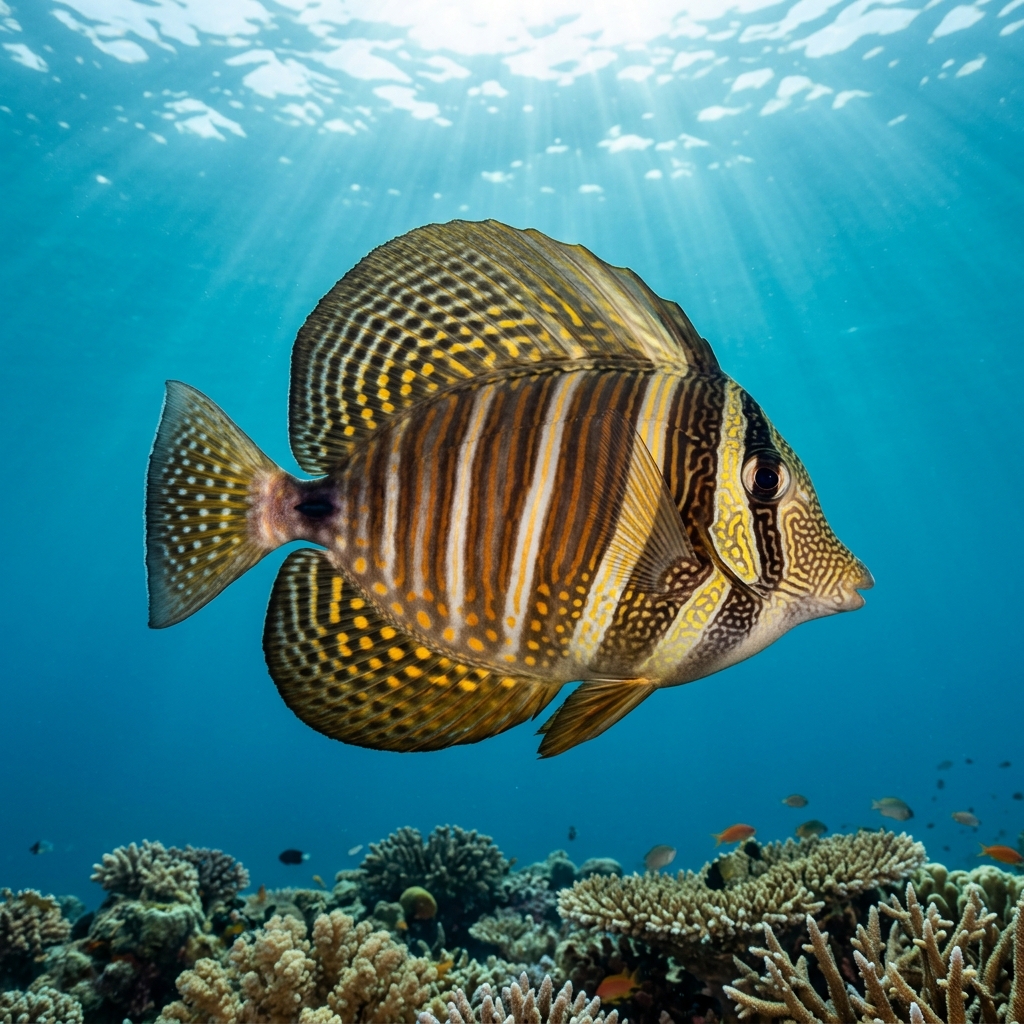
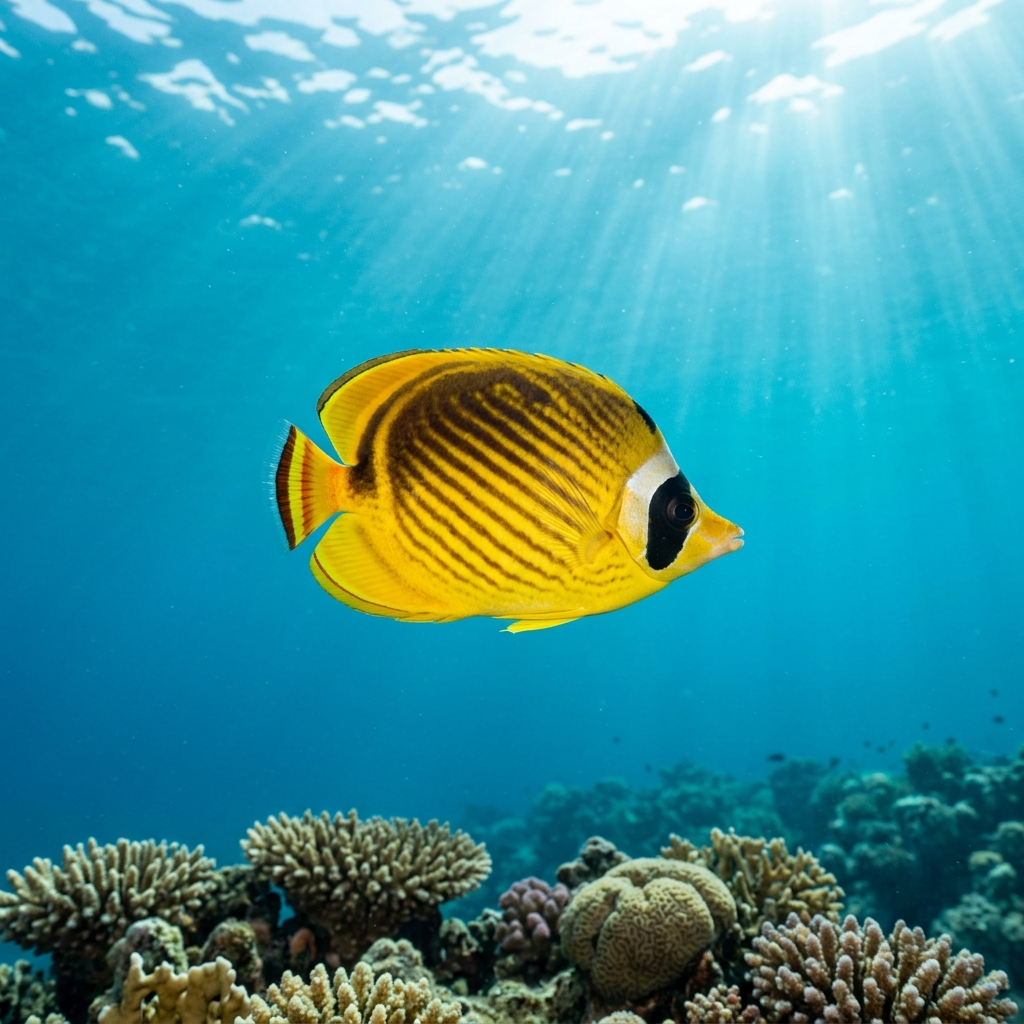
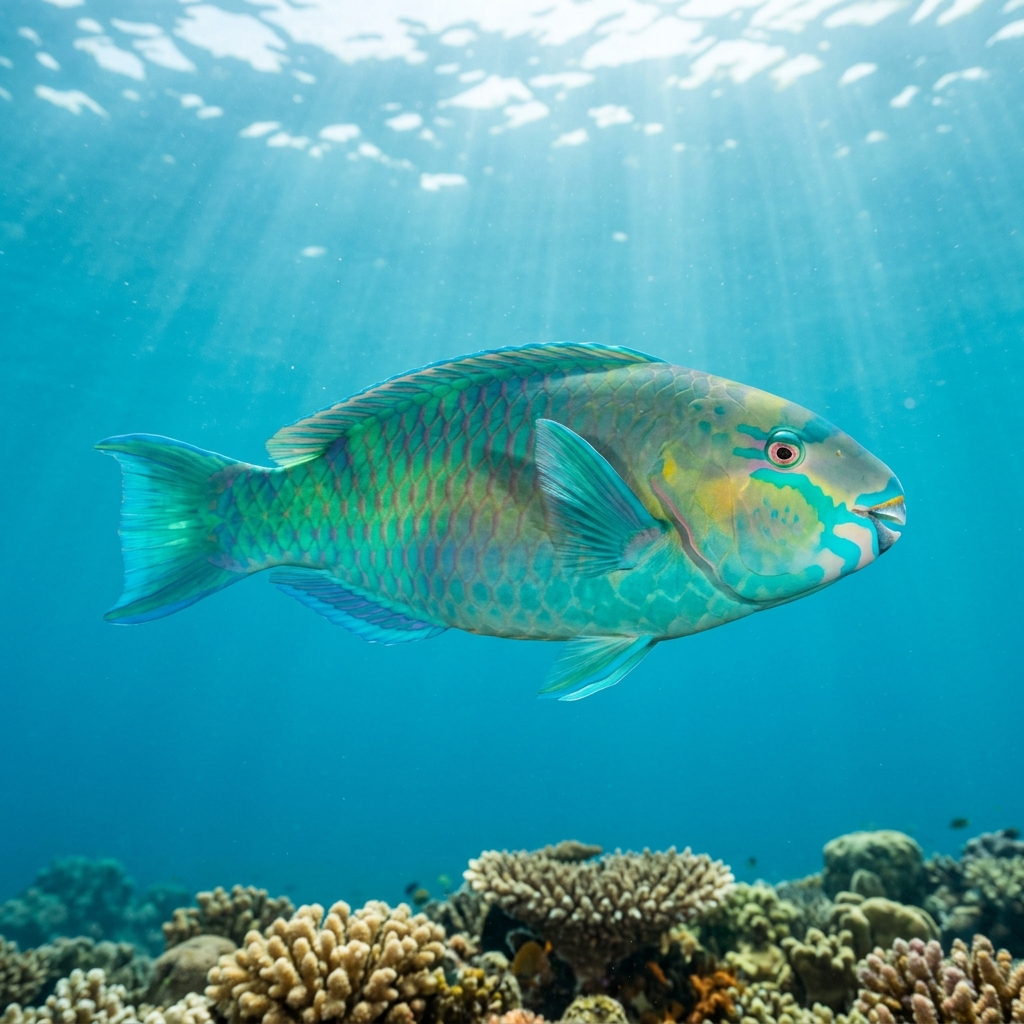
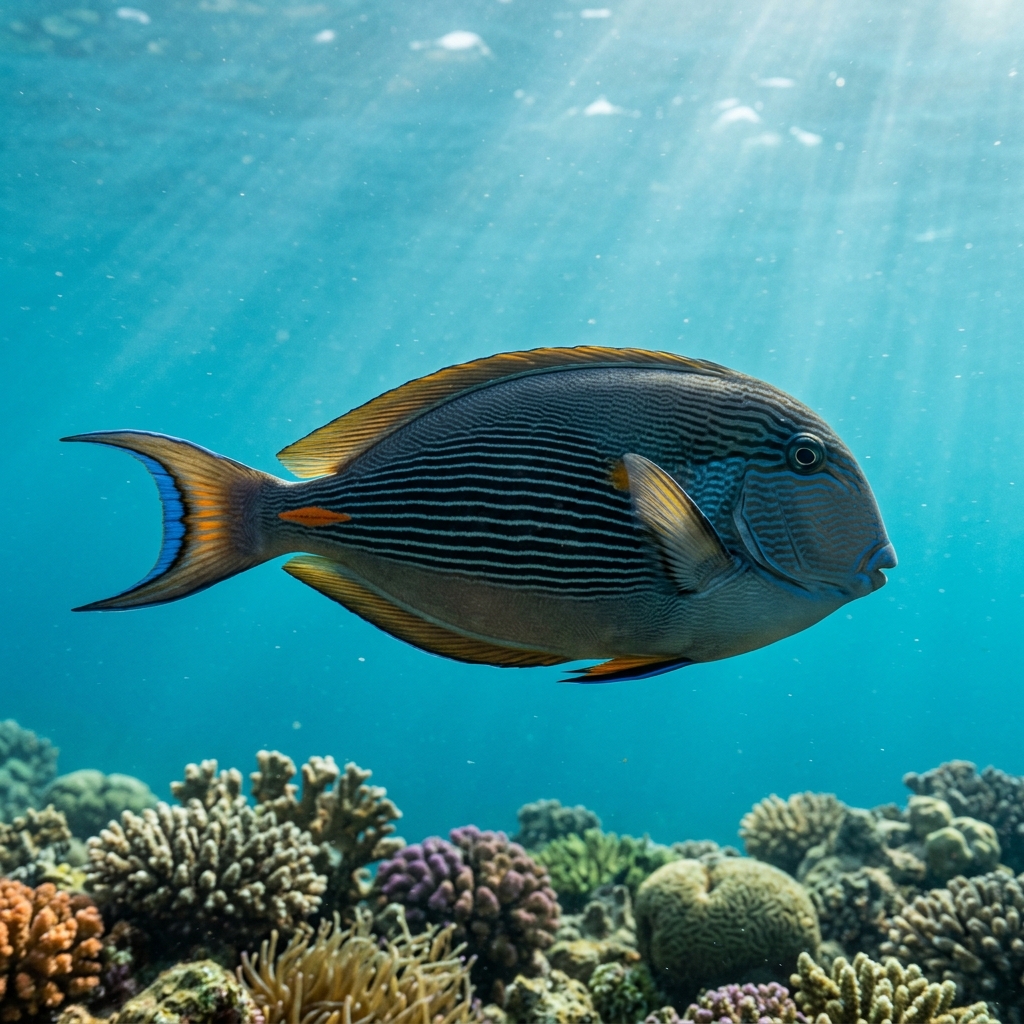
Best for beginner divers, 5-18m, boat entry, mild current.
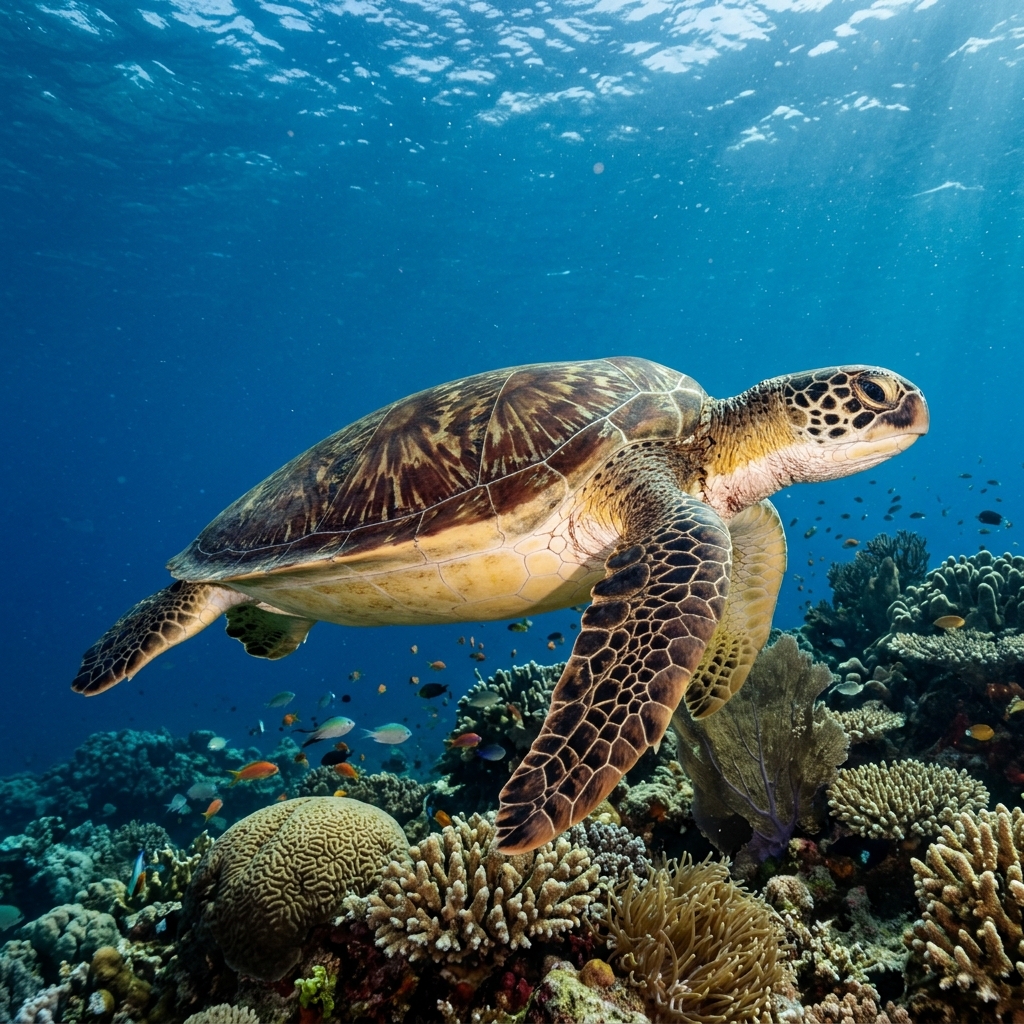
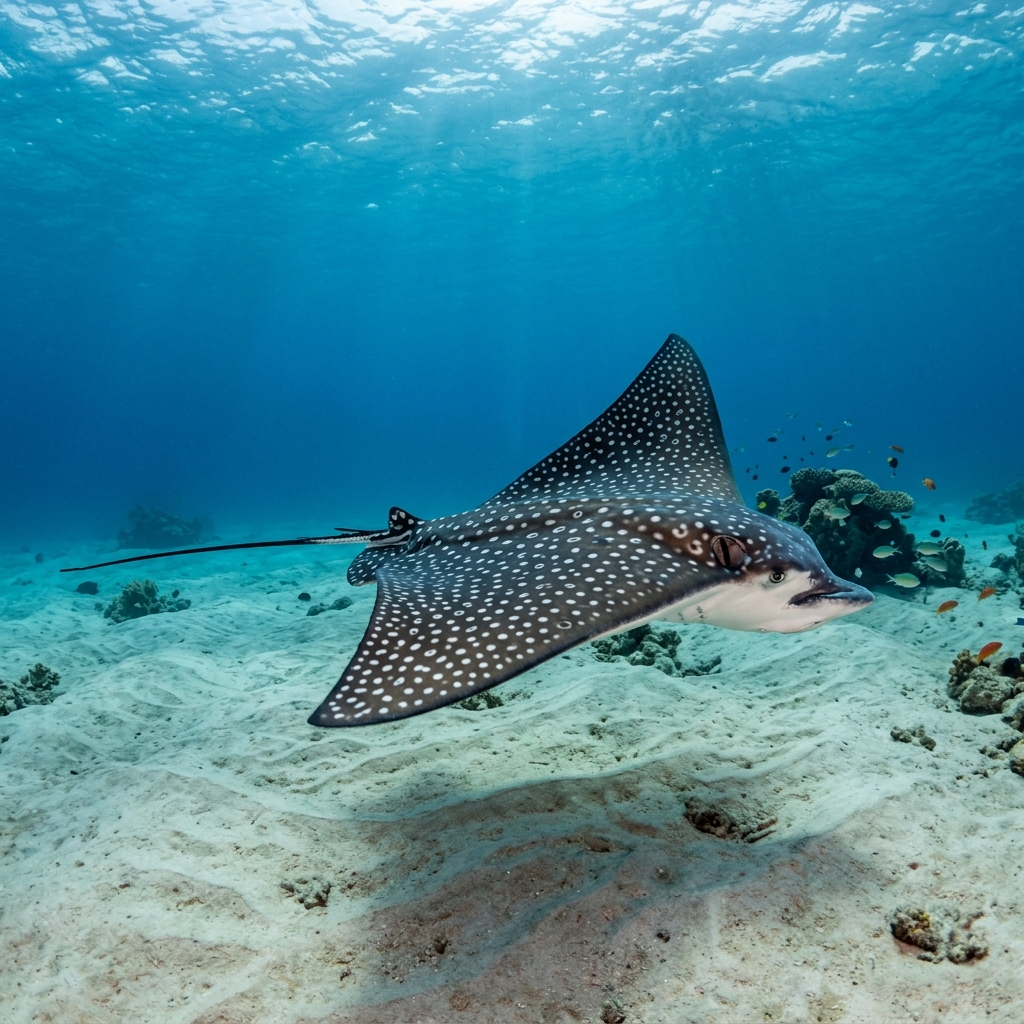
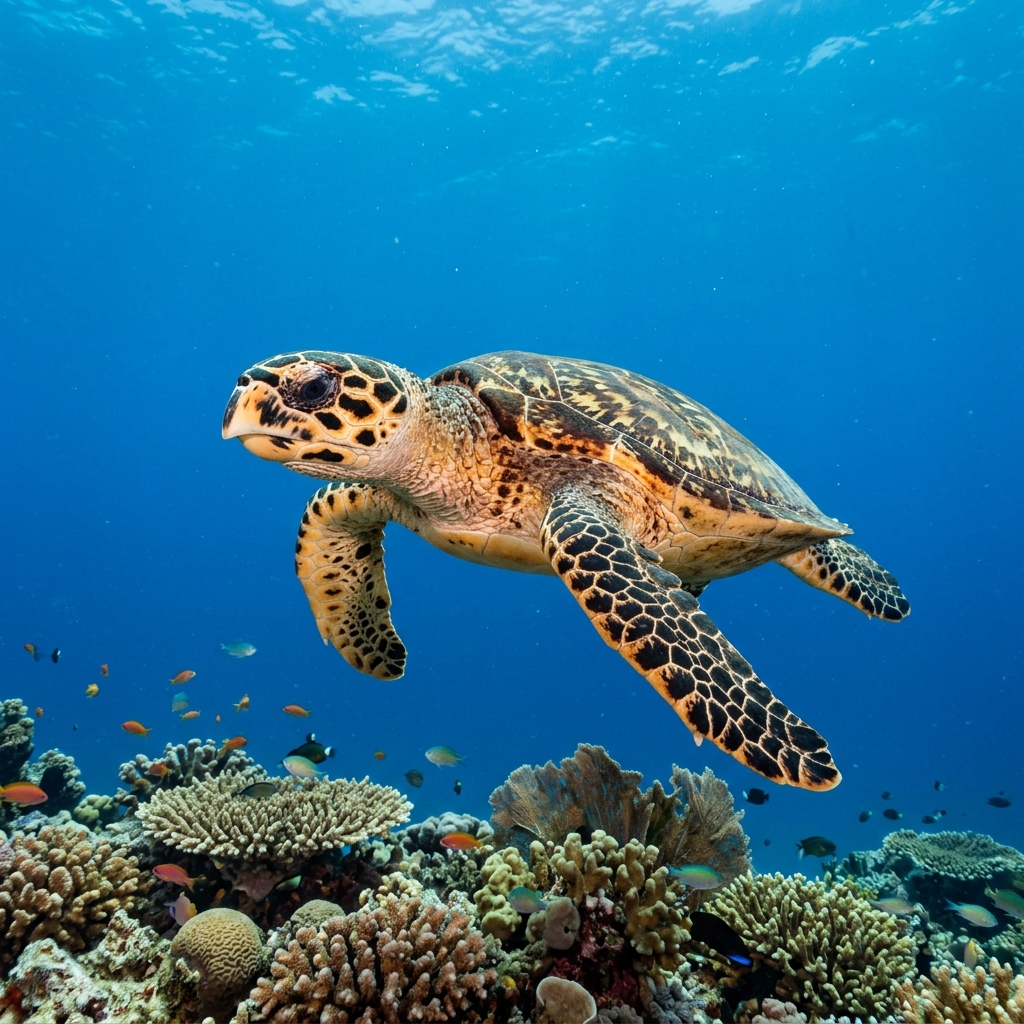
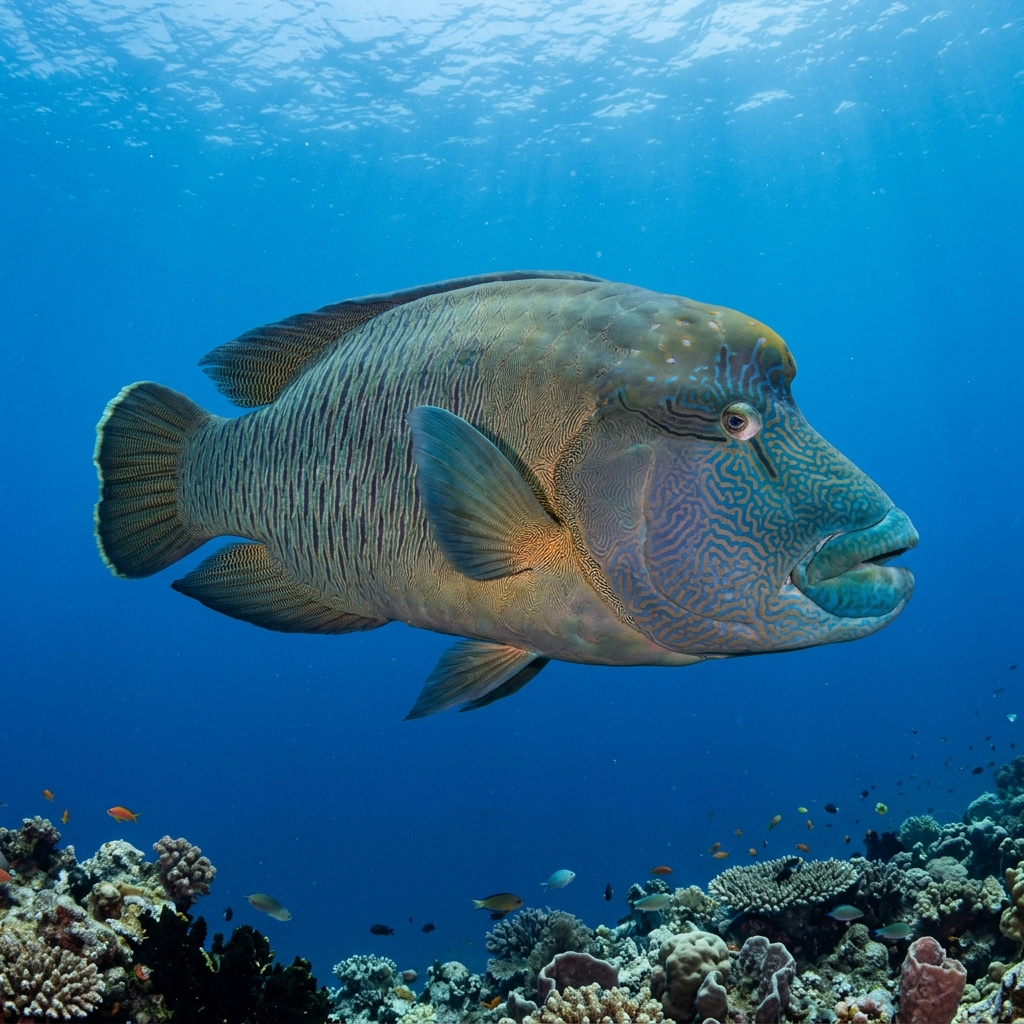
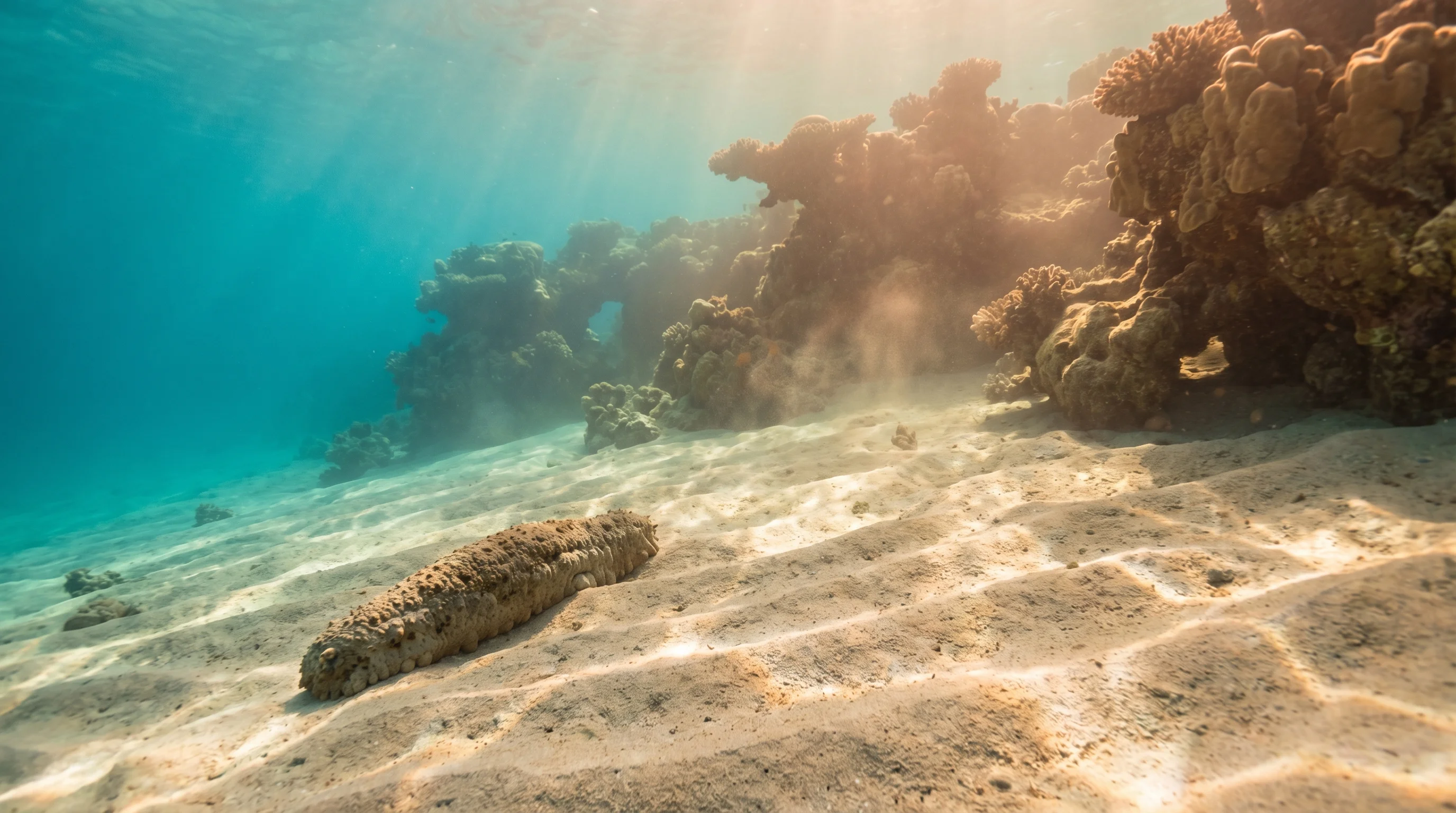
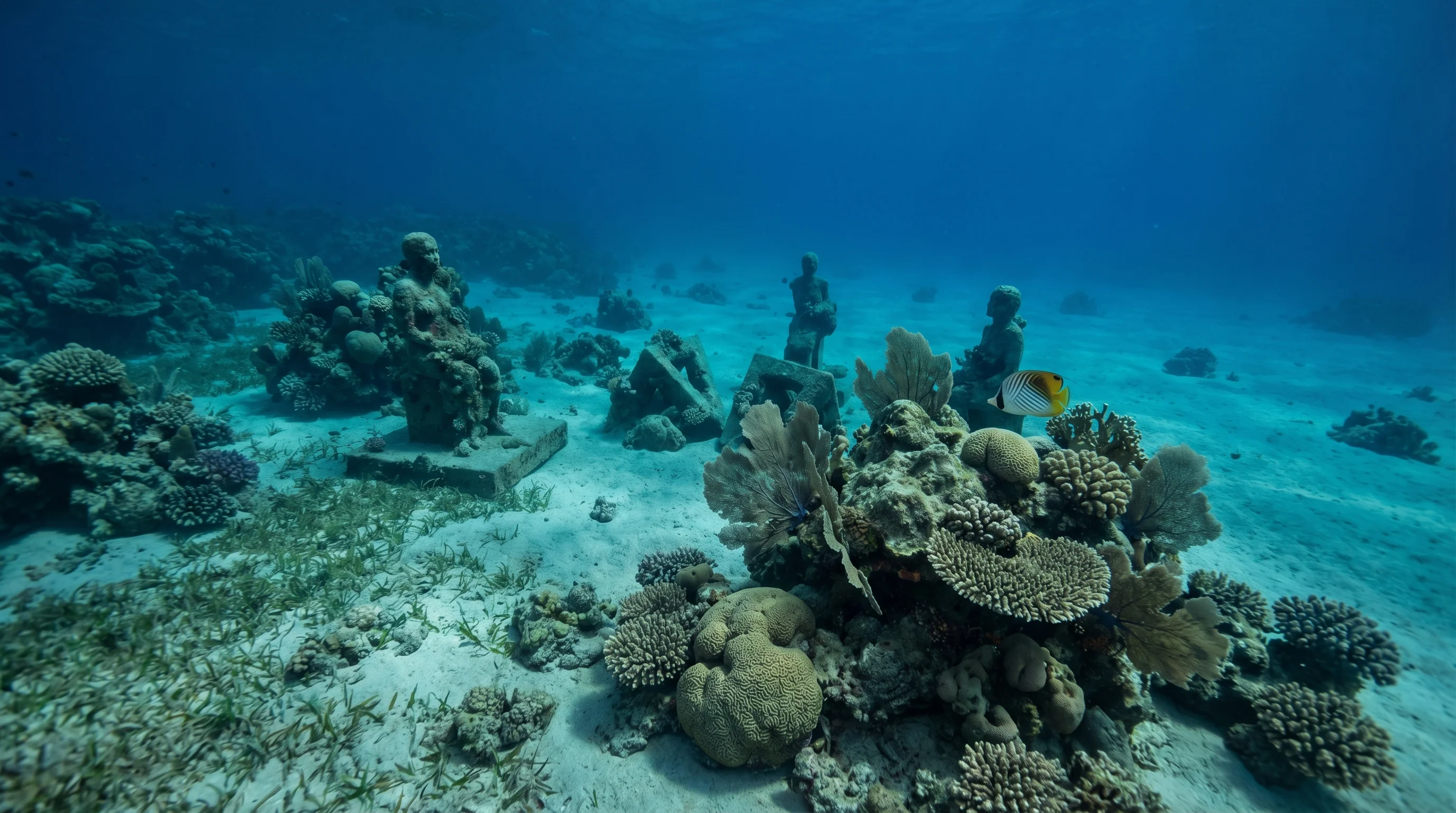
Shaab Sakara is a reef site located in the Fury Shoal area of Egypt. Suitable for beginners, the site features moderate depths reaching 18 metres and mild currents. Visibility is high, typically ranging between 20 and 50 metres. Access is exclusively by boat, with the site situated 5000 metres from the shore. Divers and snorkellers should remain aware of potential hazards, including jellyfish, lionfish, sea urchins, and stonefish. When exploring, maintain a distance from the reef structure to avoid contact with camouflaged species and to prevent damage to the coral. Typical dives last approximately 50 minutes.
24.24250, 35.41490
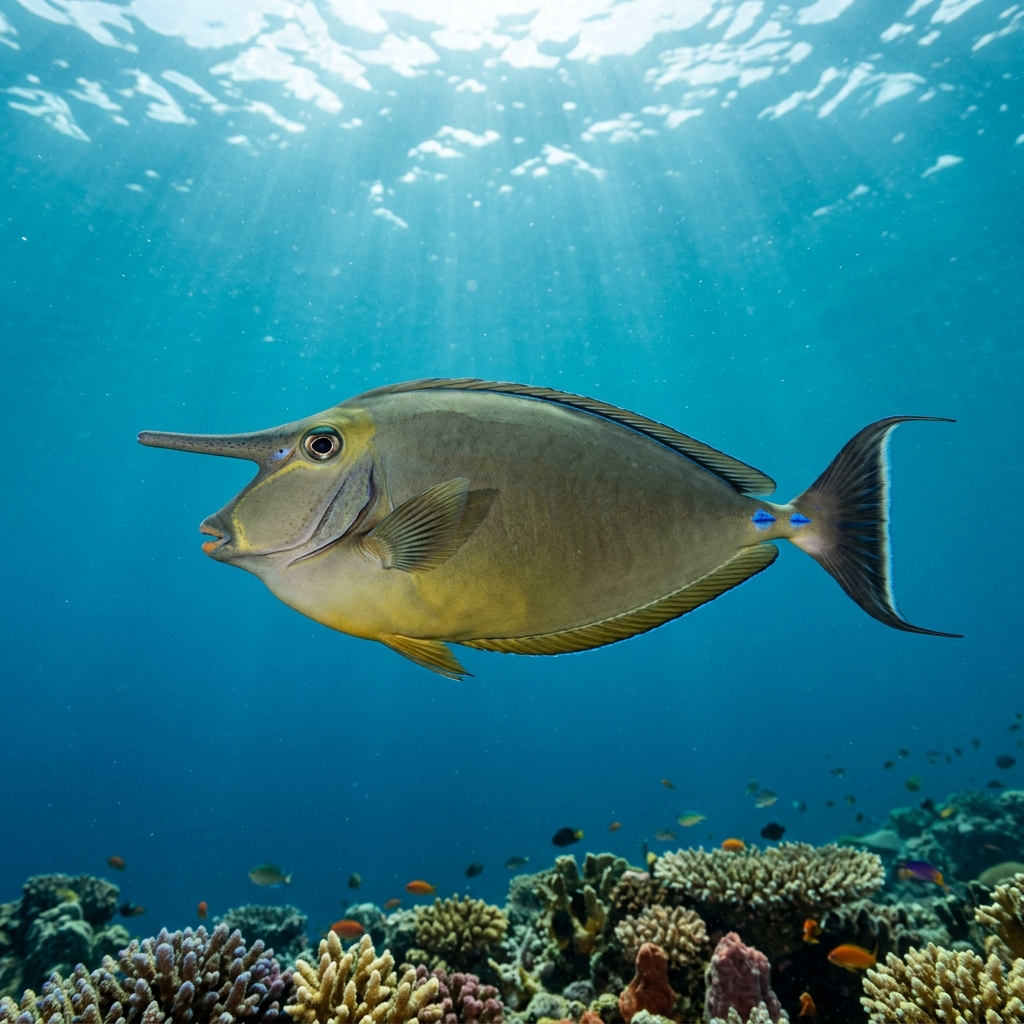
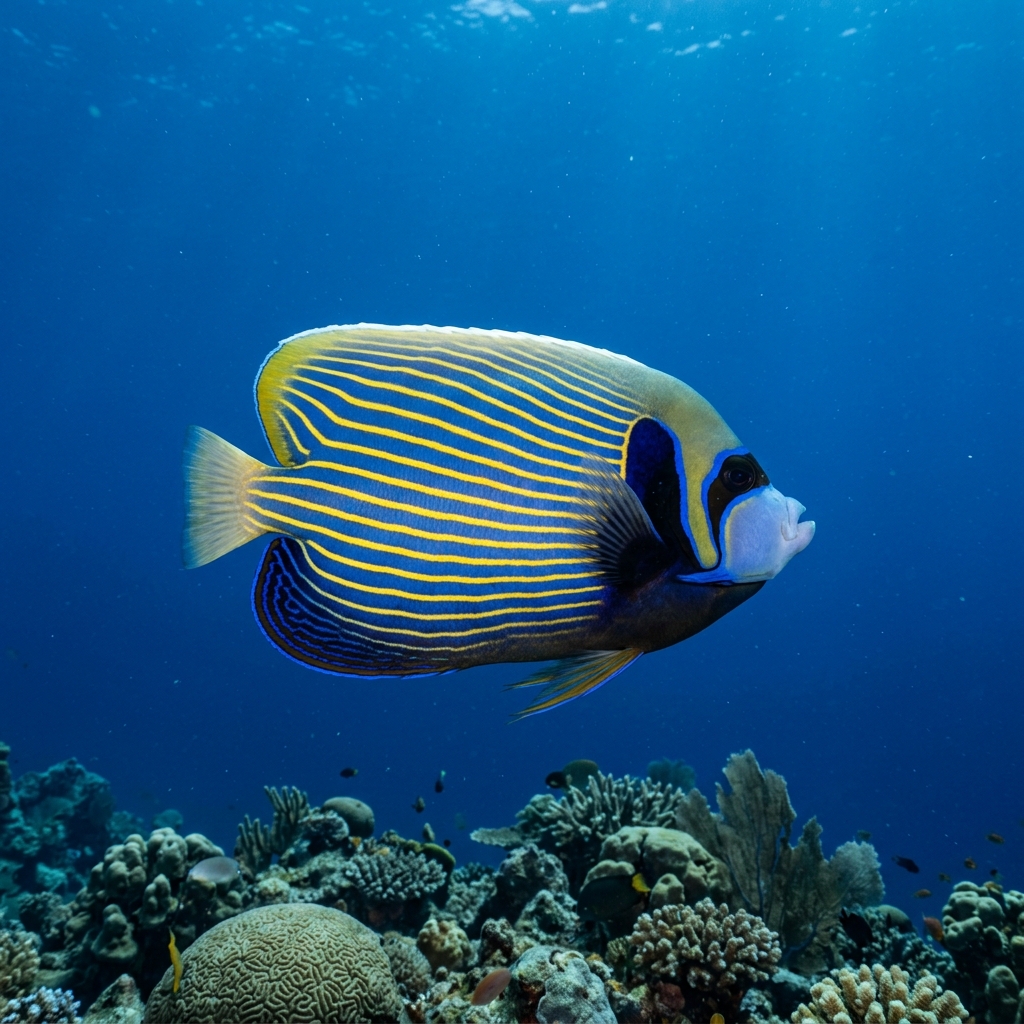
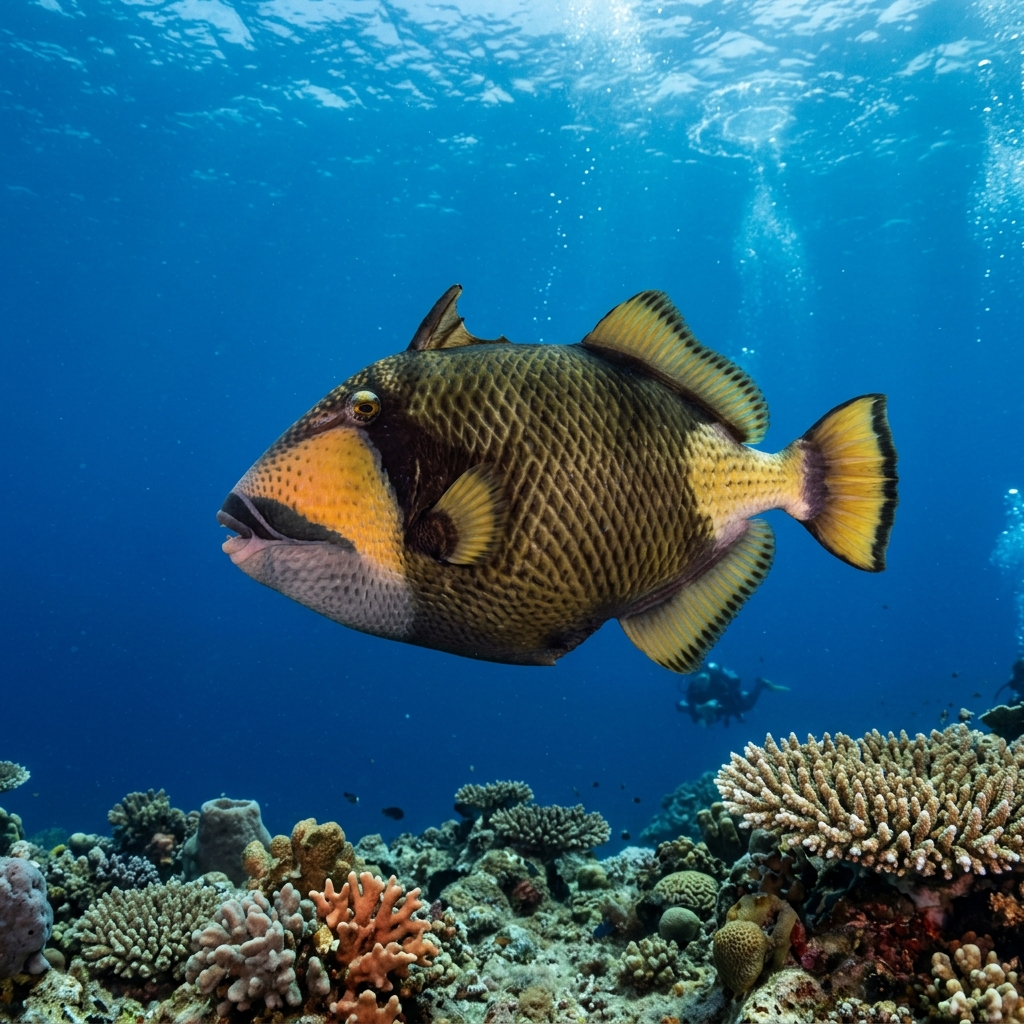
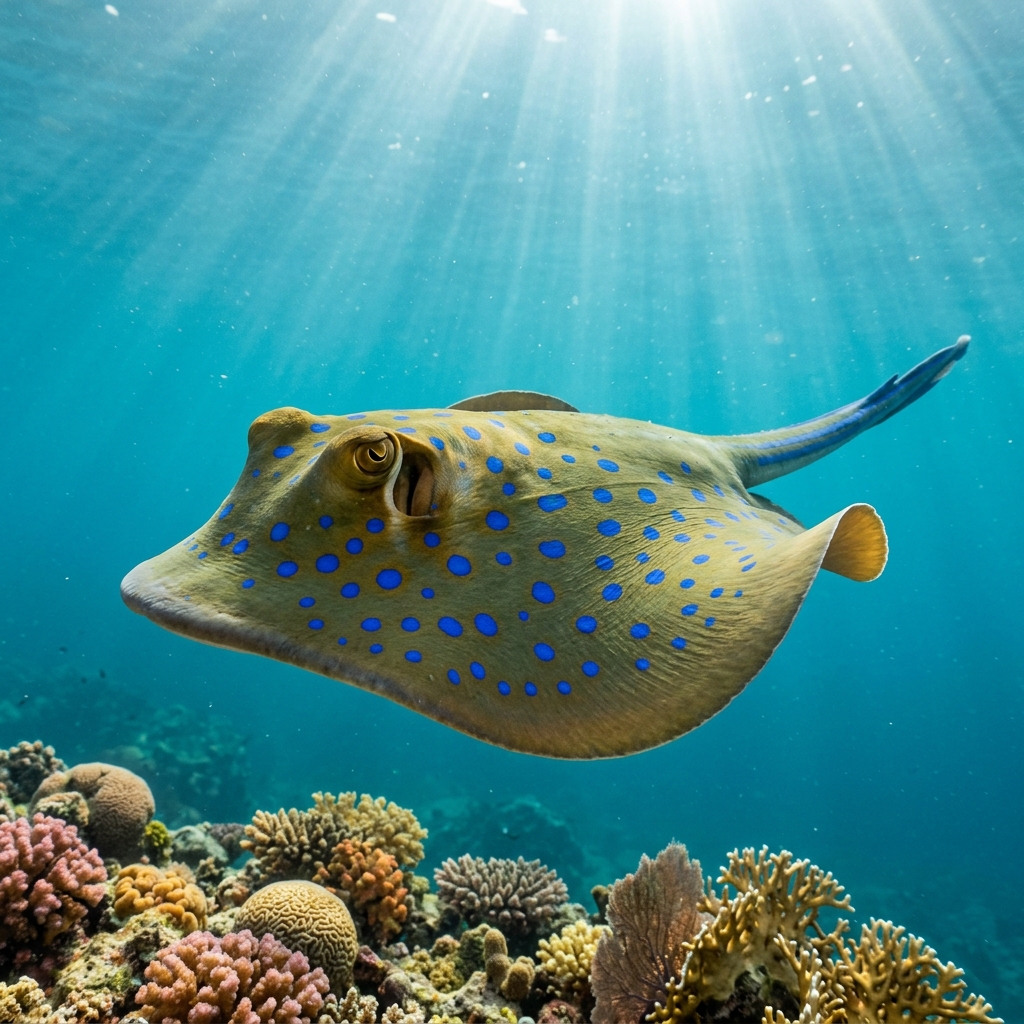
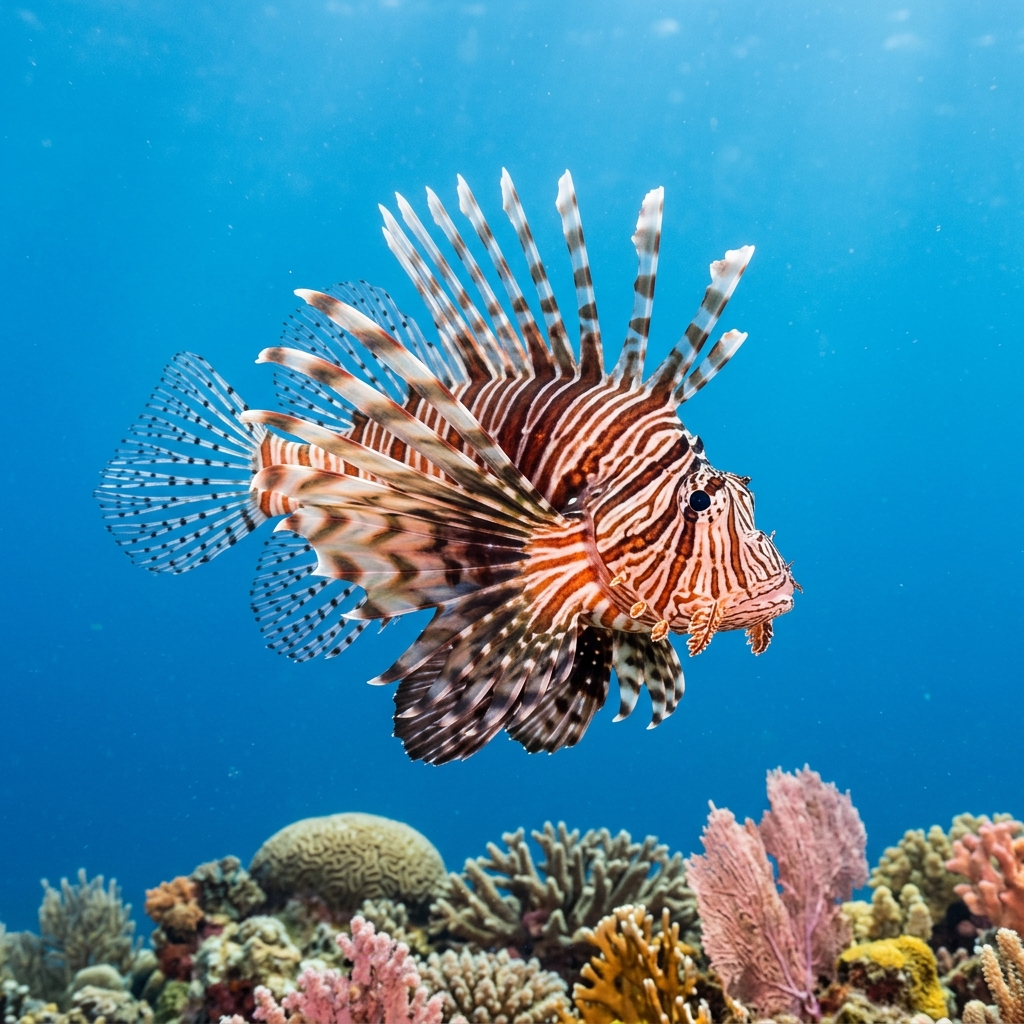
Lionfish and scorpionfish are well camouflaged against the reef here, so hover a little distance from the structure rather than reaching in to touch anything. A slow, calm approach to the reef will also give clownfish and other smaller species a chance to come out rather than hiding.
Accessible only by boat from Marsa Alam marina or nearby resorts.
Recorded at this site
Depth
5-18m
Visibility
20-50m
Skill Level
Beginner
Entry
Boat
Boat required
Water Temp
23-31°C
Current
Mild
Typical Dive
50 min
Yes, the site is suitable for beginners due to the mild currents and moderate depths.
The site reaches depths of up to 18 metres.
This is a boat-only site located 5000 metres from the shore.
Yes, the site is suitable for both diving and snorkelling.
Hazards include jellyfish, lionfish, sea urchins, and stonefish. Divers should watch where they place their hands and scan the water for jellyfish before entering.
Diving at Shaab Sakara in Marsa Alam requires the following certifications: Open Water. Always dive within your training limits.
A 3mm wetsuit is recommended for diving at Shaab Sakara in Marsa Alam. Water temperatures range from 23°C to 31°C.
Shaab Sakara in Marsa Alam typically has mild currents that most divers can handle comfortably.
Visibility at Shaab Sakara in Marsa Alam typically ranges from 20 metres to 50 metres. Conditions vary with weather, tides, and seasons.