Chaetodon fasciatus
Spot the Diagonal Butterflyfish in the Red Sea, most reliably logged around Sharm el Sheikh and Marsa Alam in waters from 22 to 28 °C.
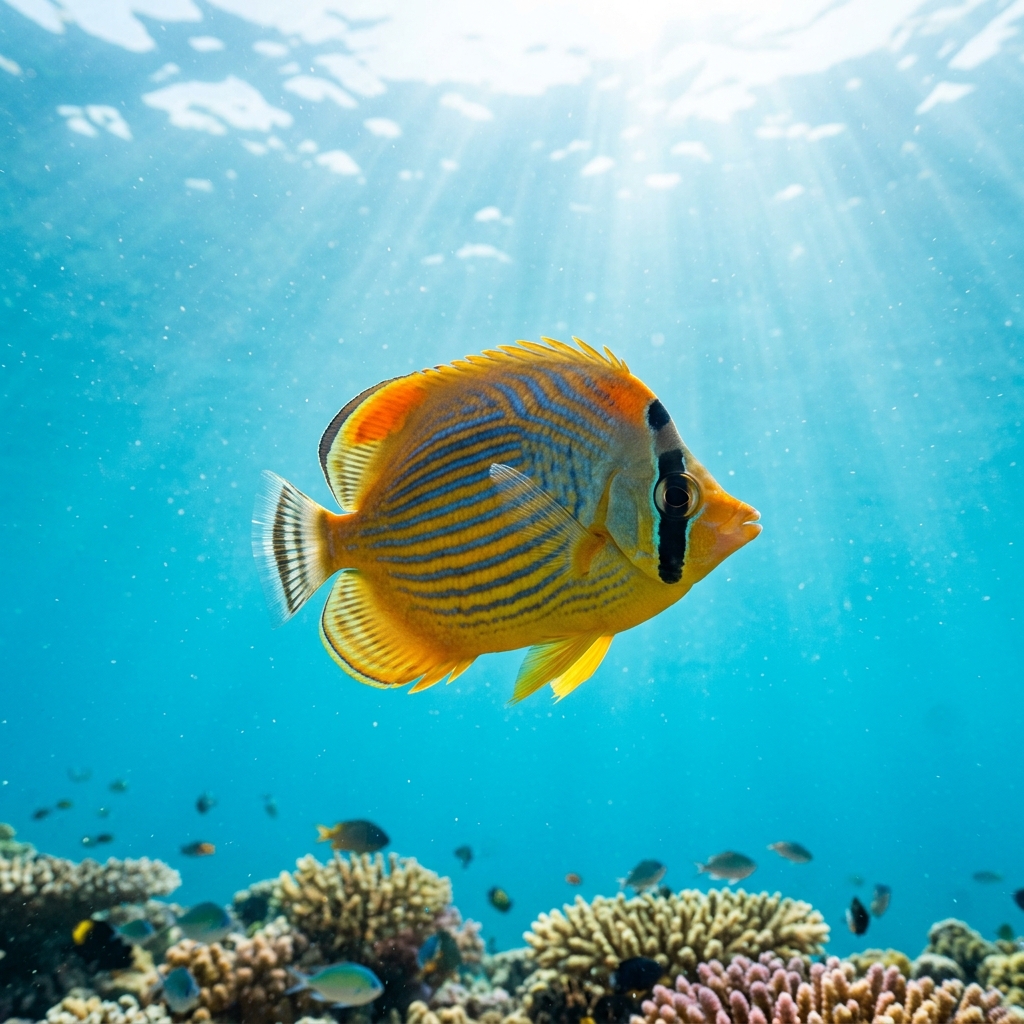
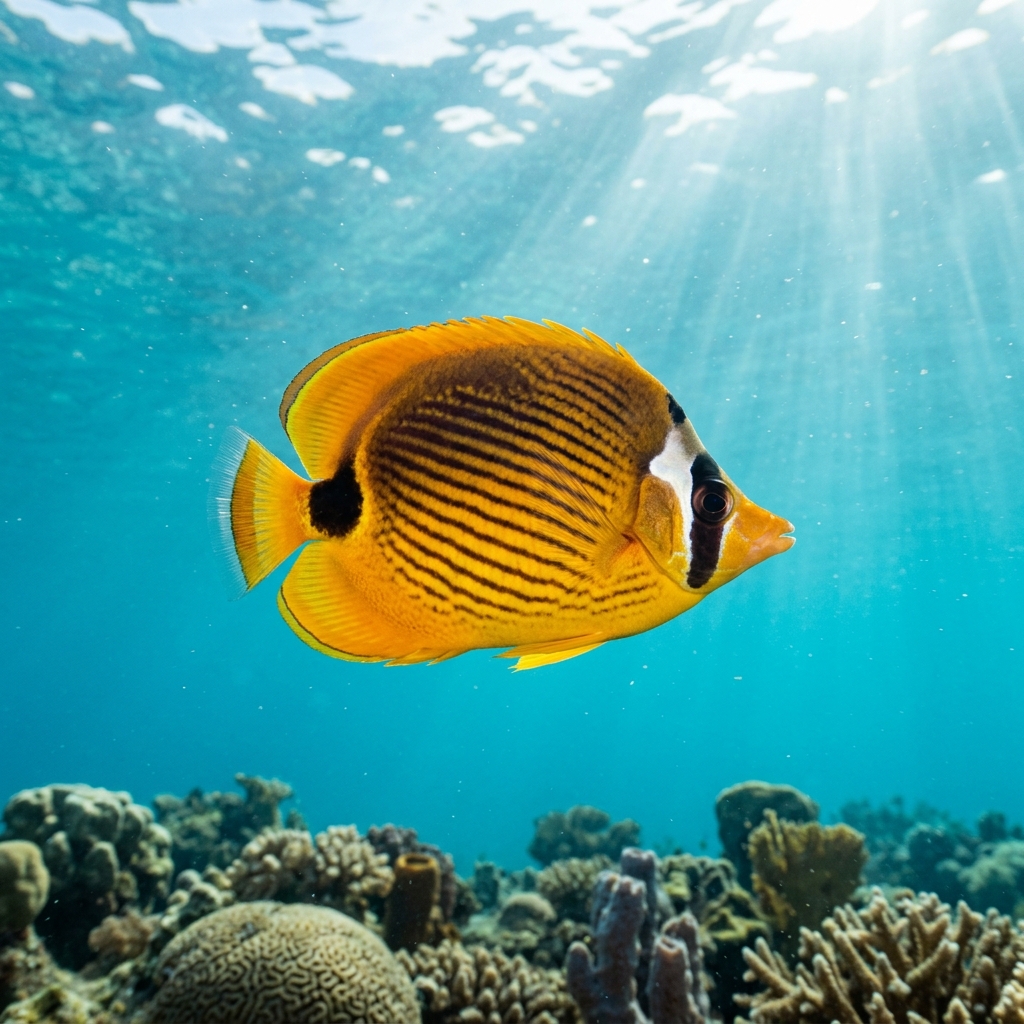
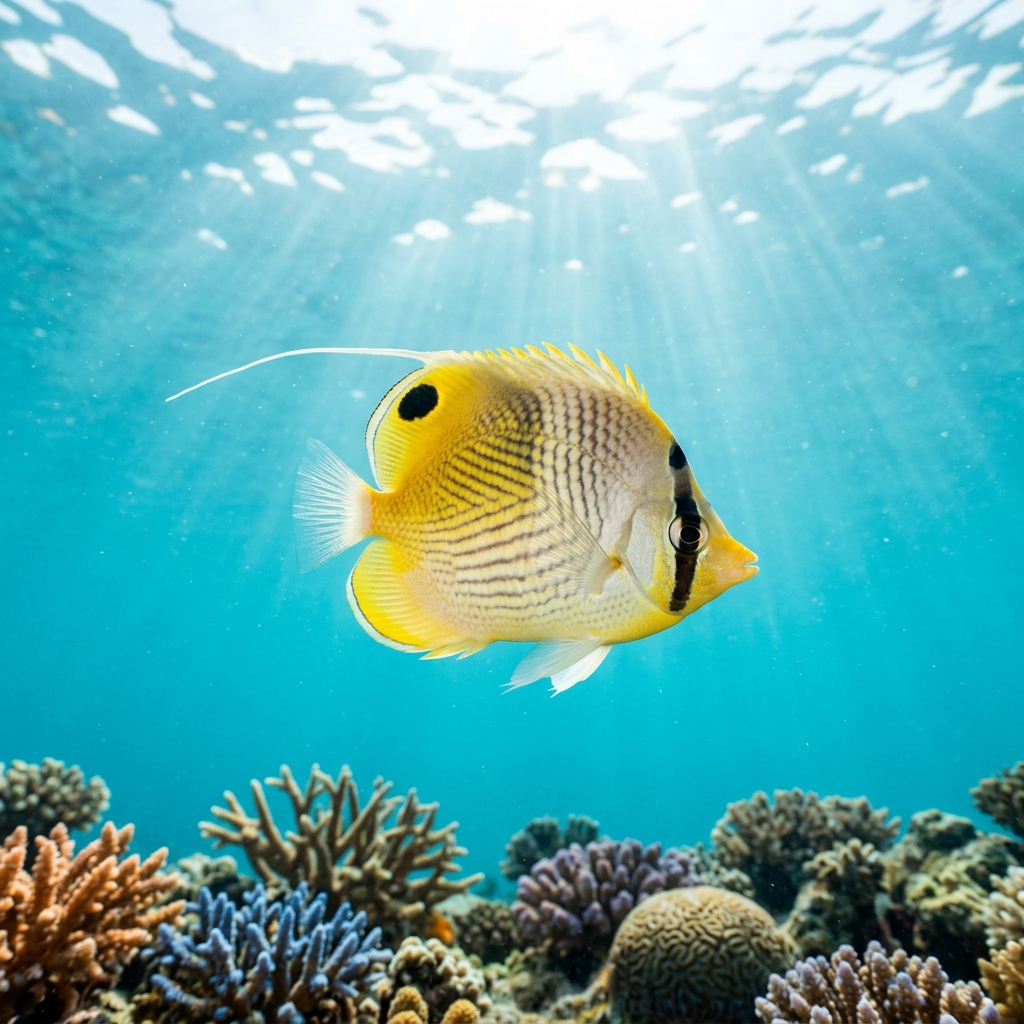
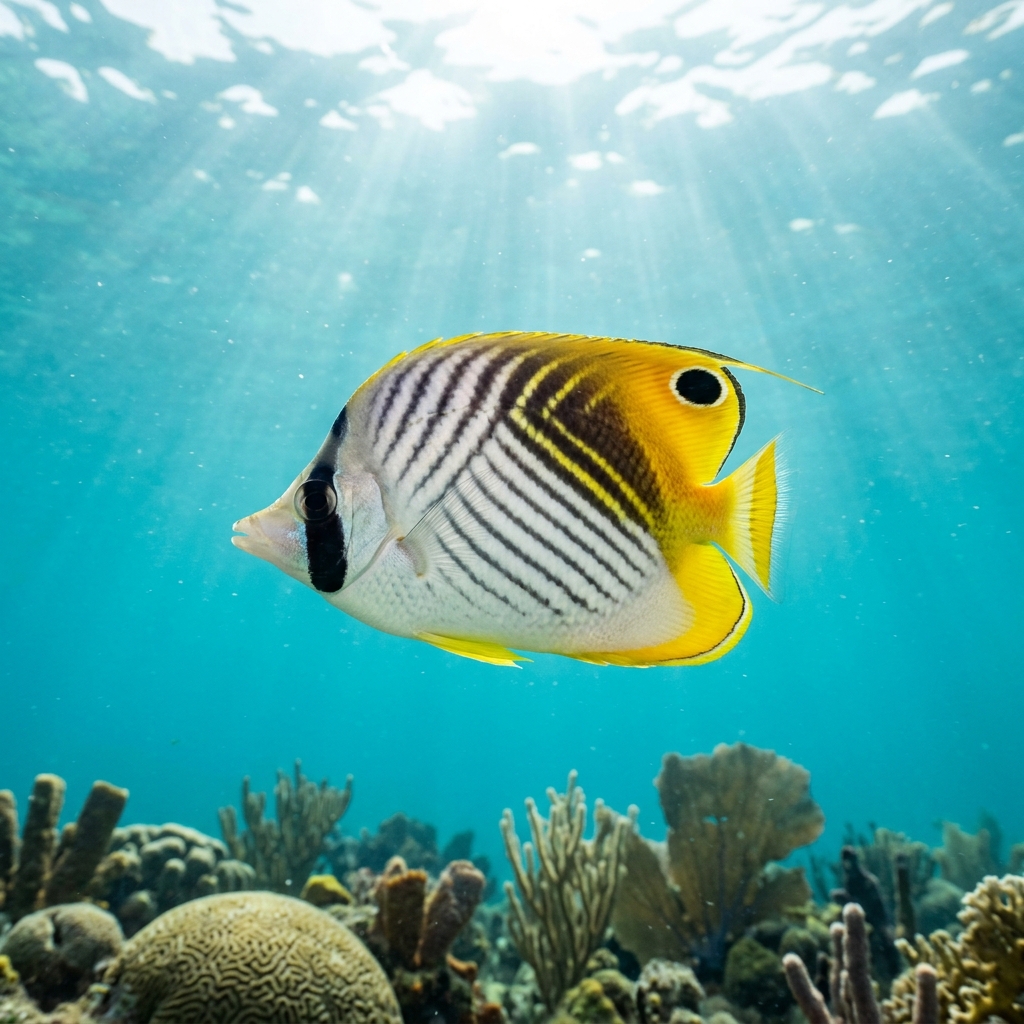
A bright yellow body is crossed by bold, dark-edged diagonal stripes that run from lower-front to upper-back, the source of the common name and the quickest underwater key. A thick black bar cuts through the eye, and the rear edge of the body and tail are banded in black and white. It is a mid-sized butterflyfish with the classic disc-shaped, laterally compressed body typical of the family. The contrast between the vivid yellow ground colour and the crisp diagonal banding makes it one of the more straightforward butterflyfish to identify at a glance.
Diagonal butterflyfish are typically seen moving purposefully over coral reef slopes and along wall edges, picking at coral polyps and small invertebrates with their pointed snouts. They are usually encountered singly or in pairs and are not particularly skittish, often allowing a slow, calm diver to approach for a close look before drifting away. Depths logged by divers suggest they favour shallower reef zones where coral cover is dense.
Like many butterflyfish, diagonal butterflyfish are thought to form long-term pair bonds, and spotting two individuals moving in close synchrony is a reliable sign you are watching a bonded pair rather than two unrelated fish.
Seasonality data from Northern Hemisphere sites shows sightings concentrate from July through to April, suggesting a quieter window only around May and June. Given the observed water temperatures of 22 to 28 °C across those months, the Red Sea suits this species for most of the year.
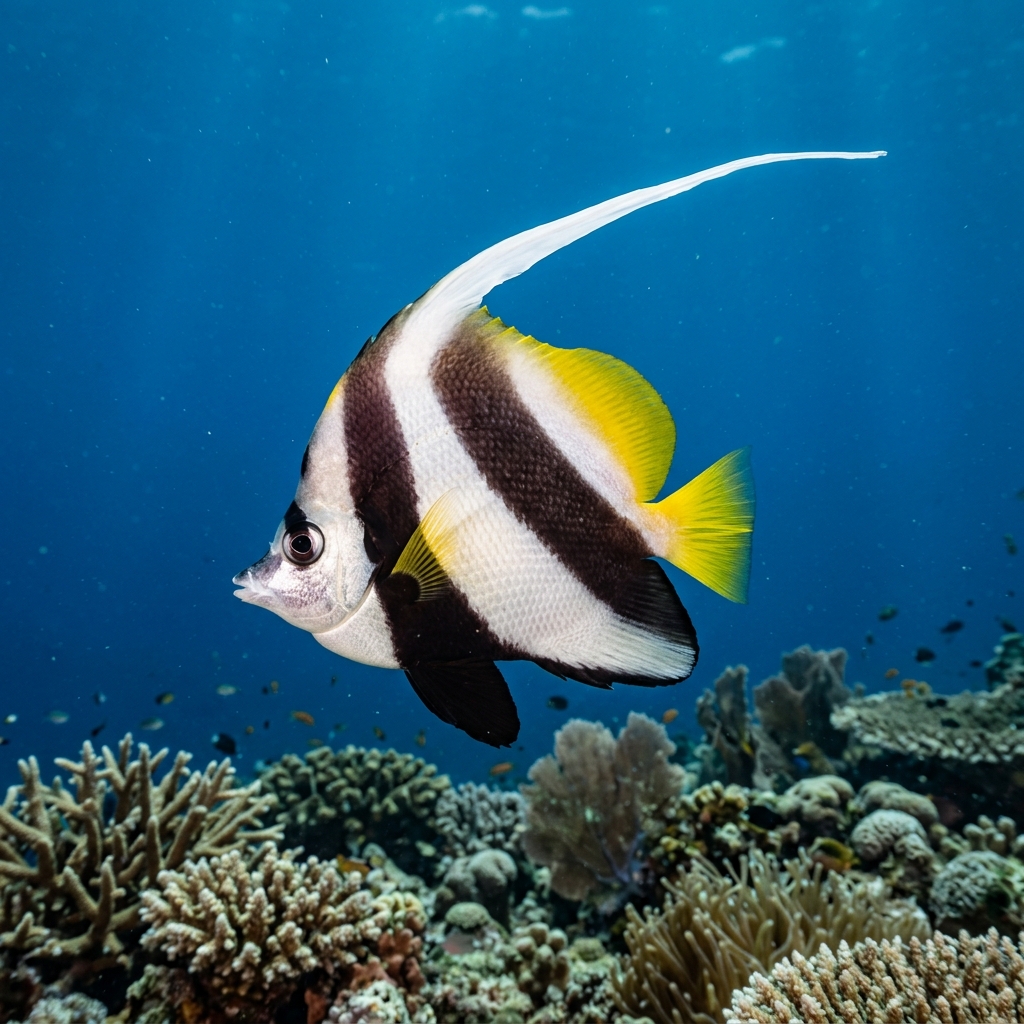
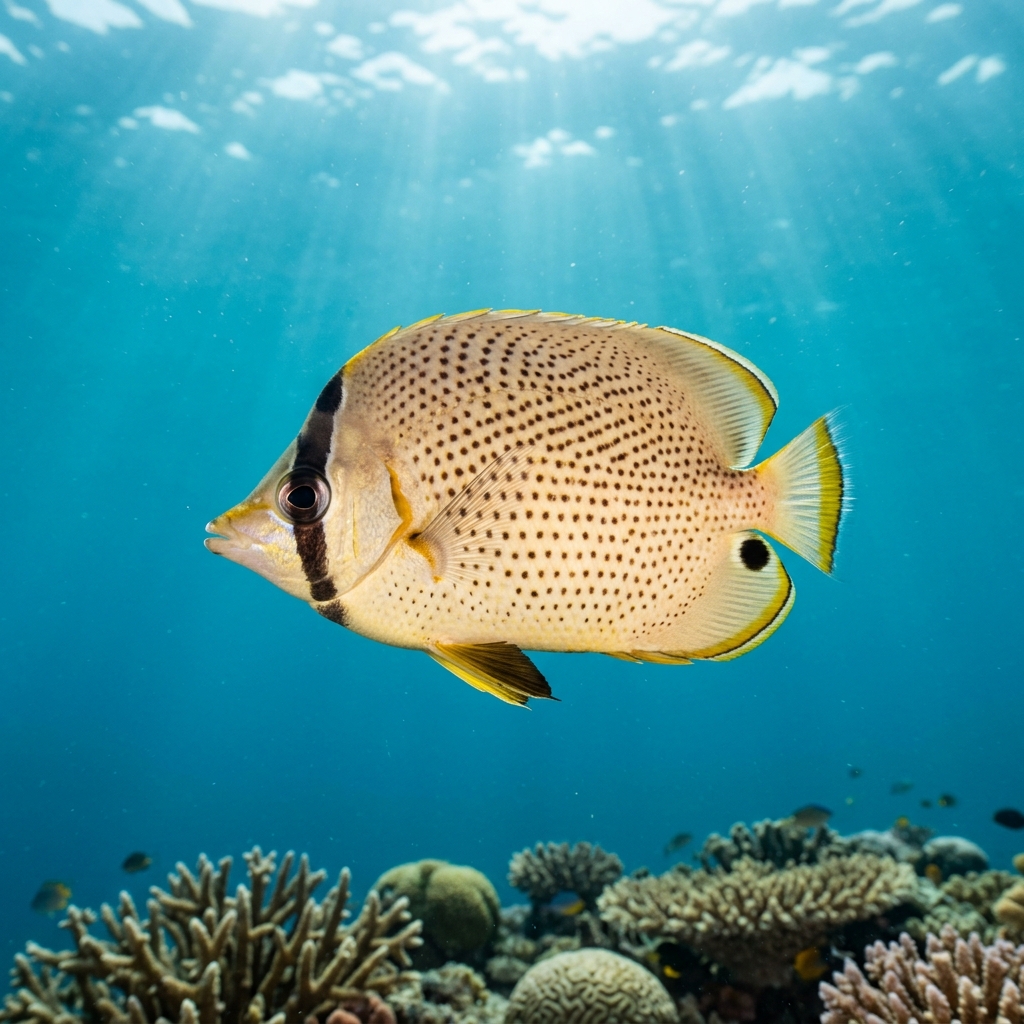
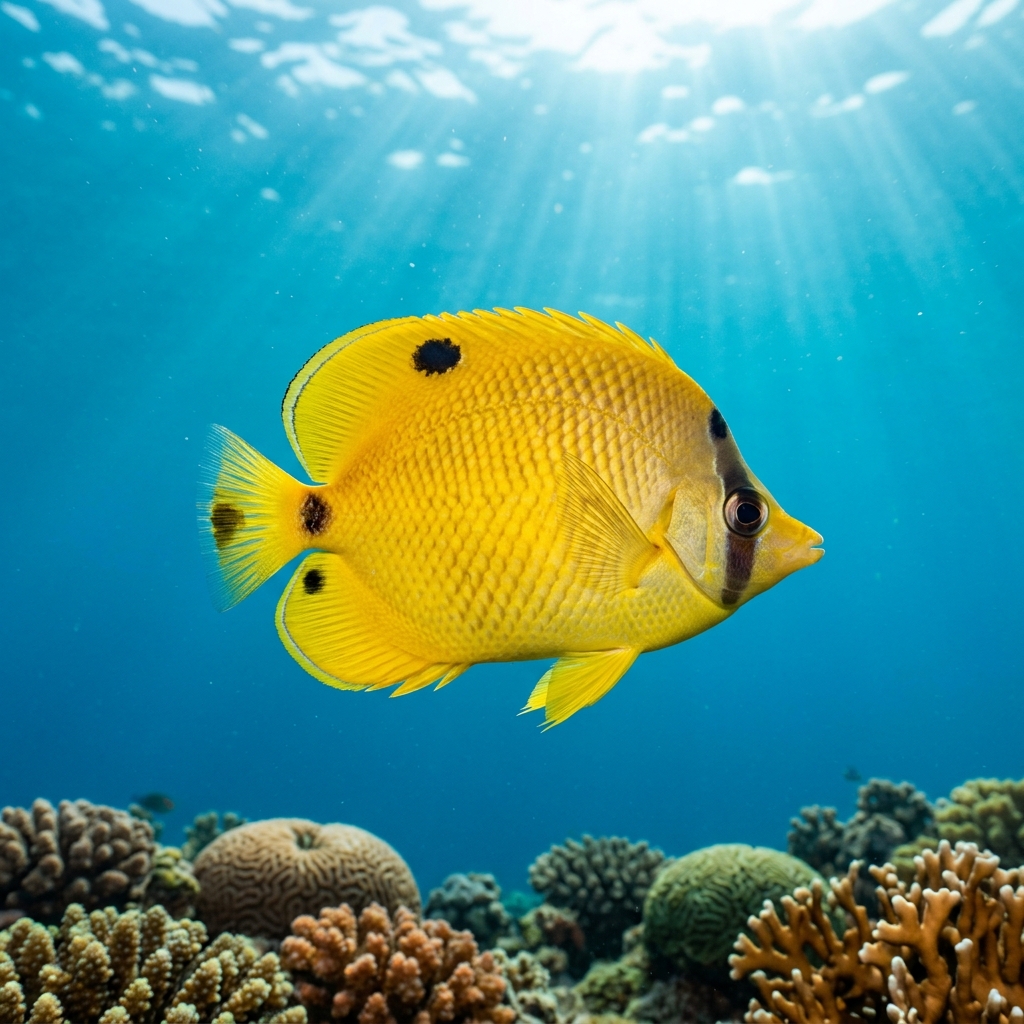
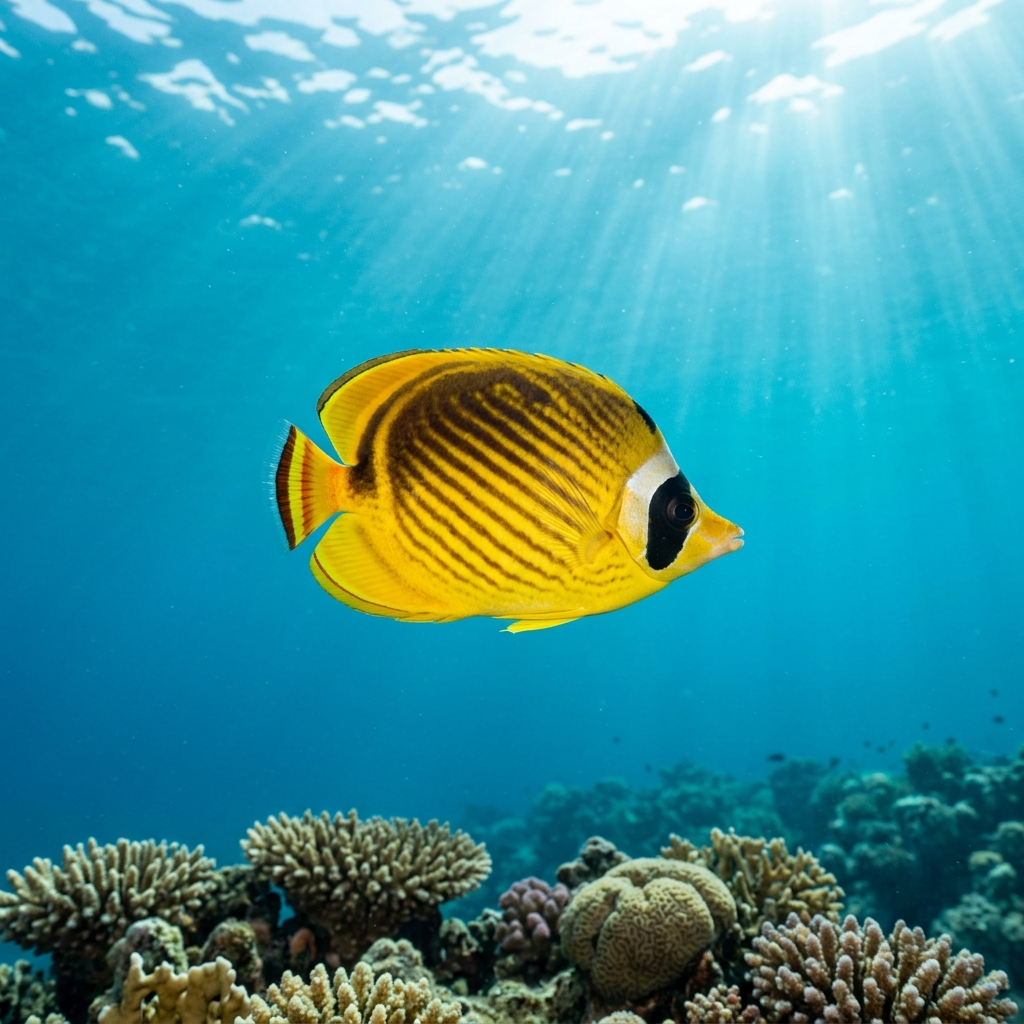
Reef neighbours a diver could mistake it for. Use the identification notes above to tell them apart.
Almost all logged sightings come from the Red Sea and Gulf of Aqaba, making this effectively an endemic of that region. Egypt dominates the records, with Sharm el Sheikh and Marsa Alam the strongest hotspots, followed by Safaga and Hurghada. Jordan's Aqaba sites and Israel's Eilat are also reliable, reflecting the species' strong presence throughout the northern Red Sea.
Mapping where Diagonal Butterflyfish is logged…
The Diagonal Butterflyfish is strongly associated with the Red Sea and Gulf of Aqaba. Sharm el Sheikh, Marsa Alam, Safaga, and Hurghada in Egypt are the most frequently logged locations, with good numbers also recorded at Aqaba in Jordan and Eilat in Israel. Outside the Red Sea, sightings are rare.
Sightings are recorded across most of the year, with the data pointing to July through April as the most productive window in the Red Sea. May and June appear slightly quieter. Water temperatures throughout the region stay comfortably within the species' observed range of 22 to 28 °C for the majority of the year.
Look for a vivid yellow disc-shaped fish with bold diagonal dark stripes running from lower-front to upper-rear across the body. A black eye-bar and a black-and-white banded tail edge complete the pattern. The diagonal angle of the stripes is the key feature that sets it apart from other butterflyfish in the Red Sea.
At the sites where divers log it, the Diagonal Butterflyfish is most often described as uncommon, meaning you may not see one on every dive but encounters are not unusual on a week-long trip to Sharm el Sheikh or Marsa Alam. A small number of sites, particularly in the northern Red Sea, report it as common.
No. The Diagonal Butterflyfish is currently assessed as Least Concern on the IUCN Red List, indicating no major population-level concerns at this time.
Site and sighting data is aggregated from diver logs, iNaturalist and GBIF. For taxonomy and conservation status: