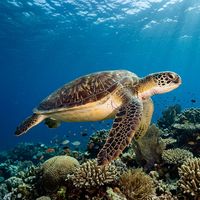
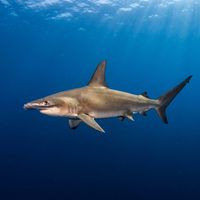
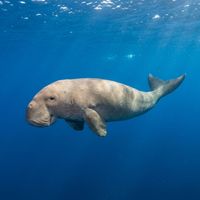
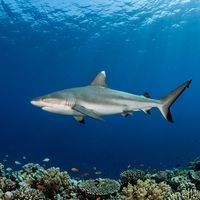
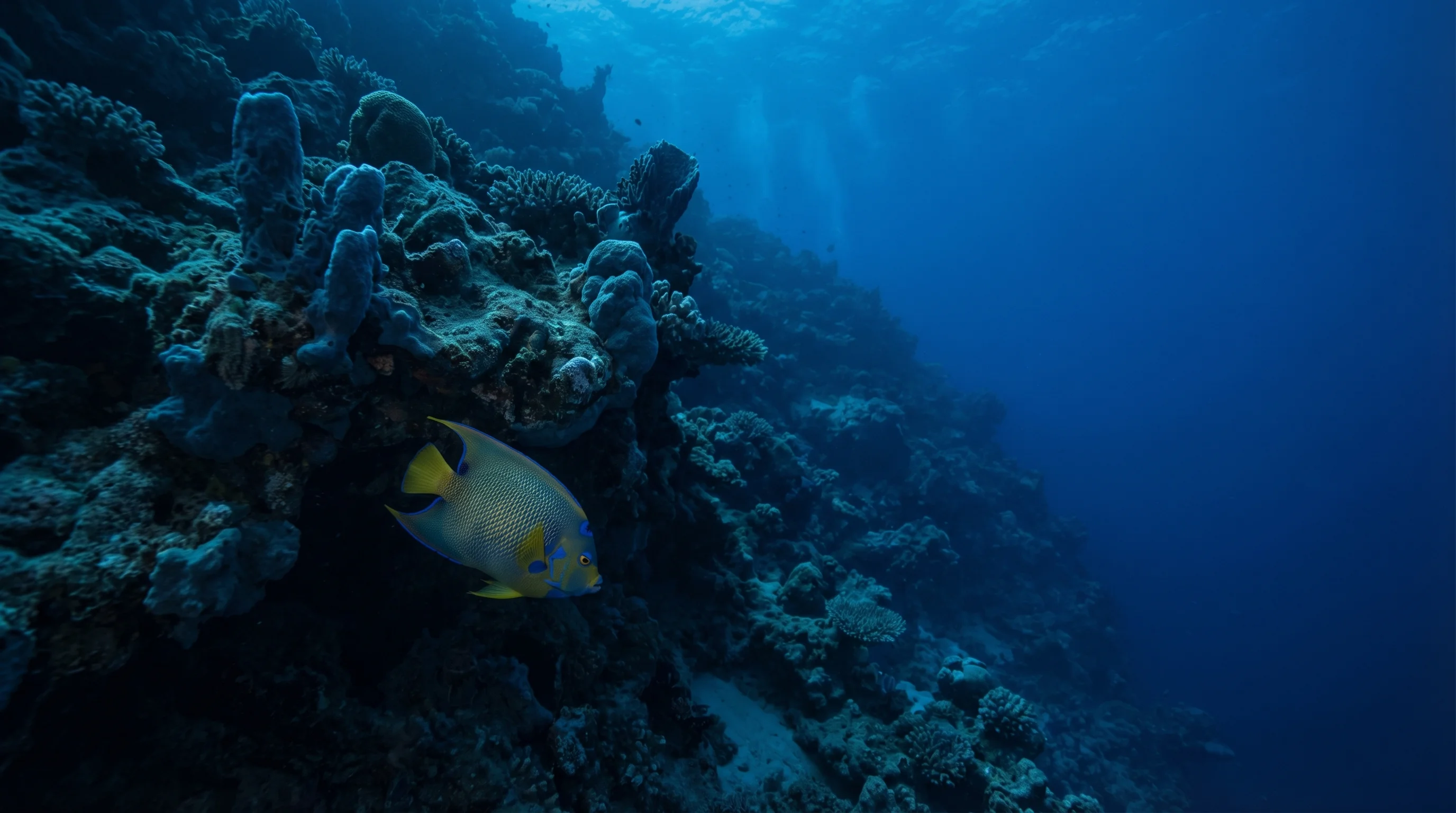
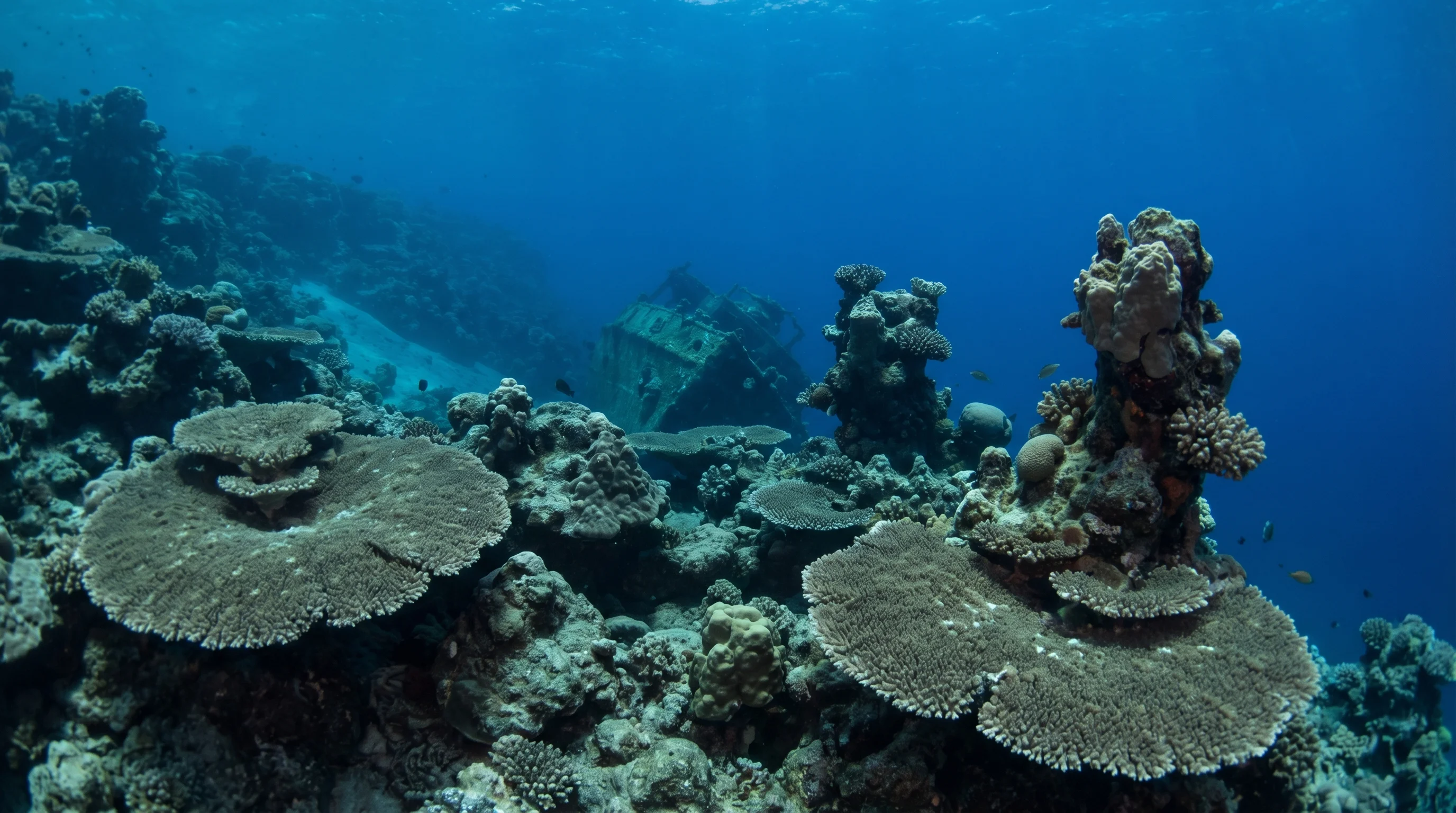
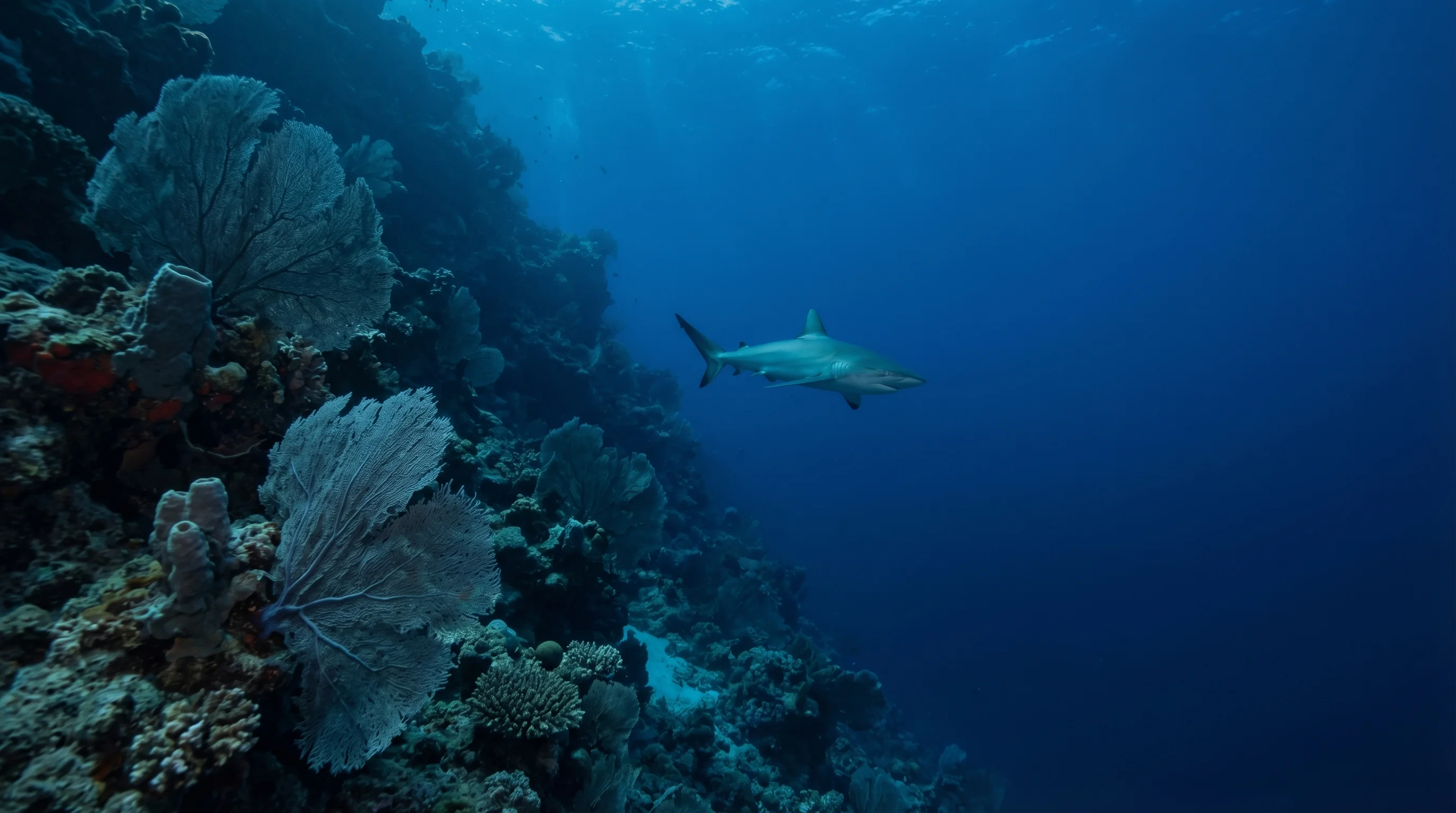
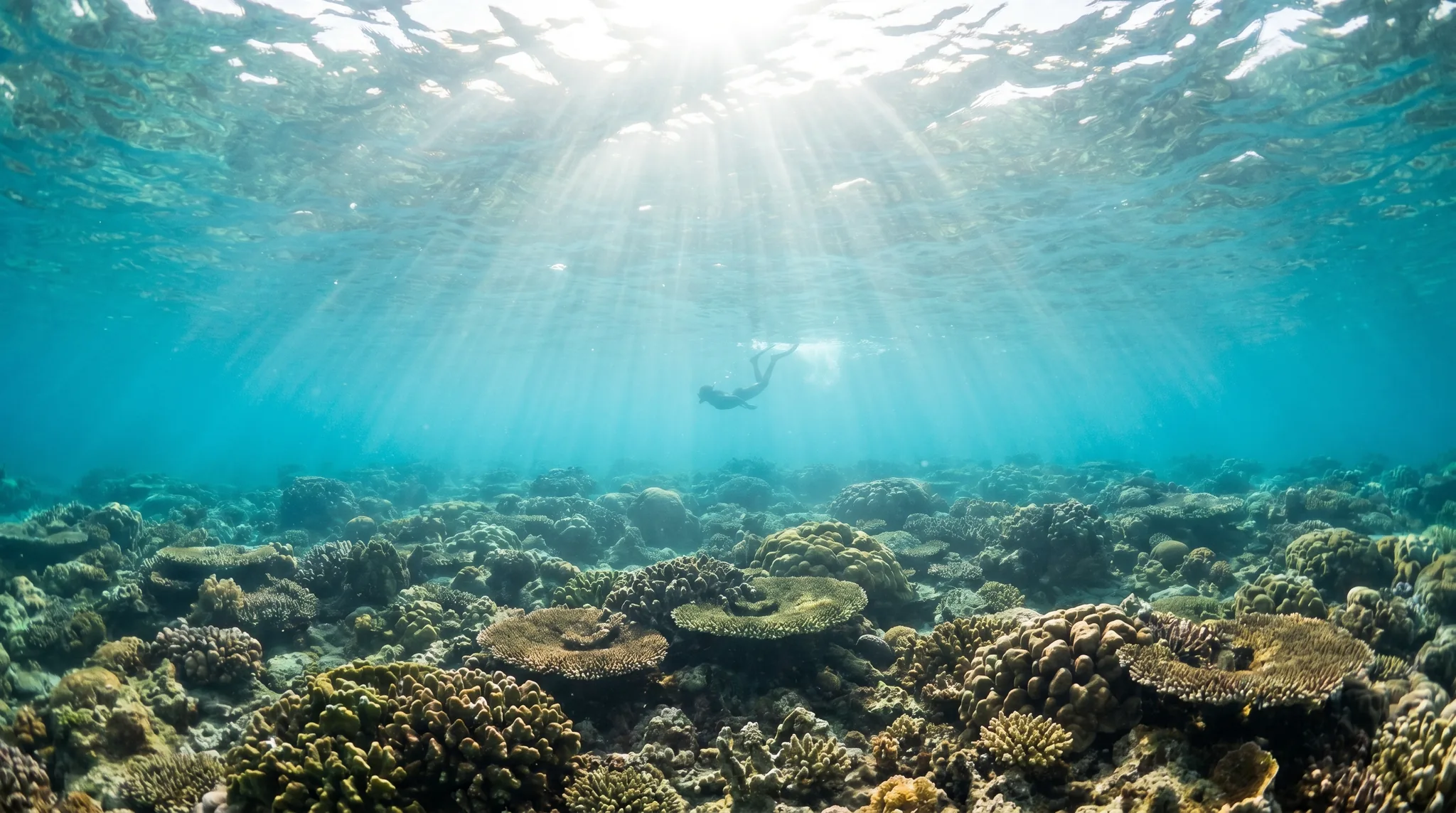
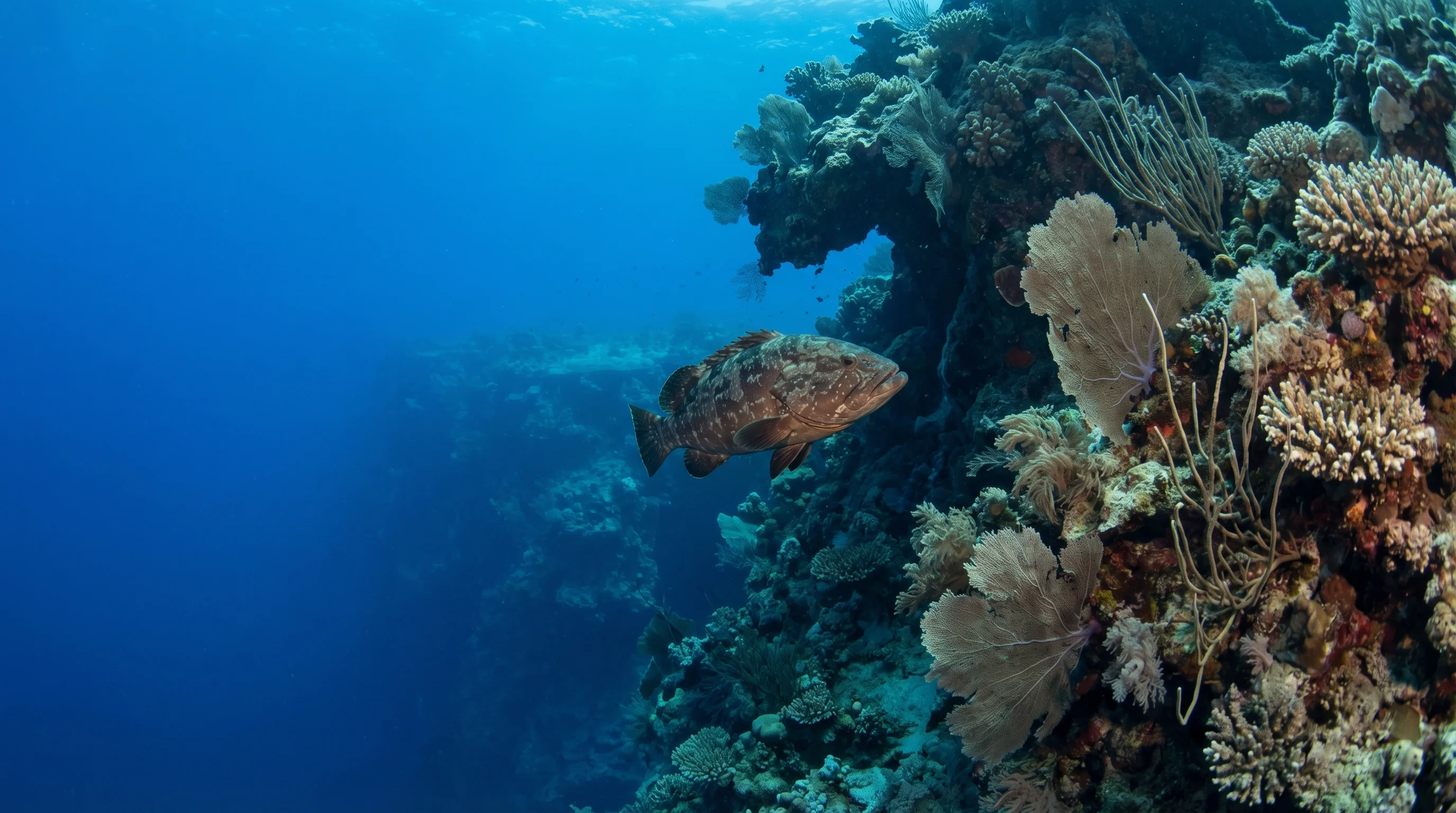
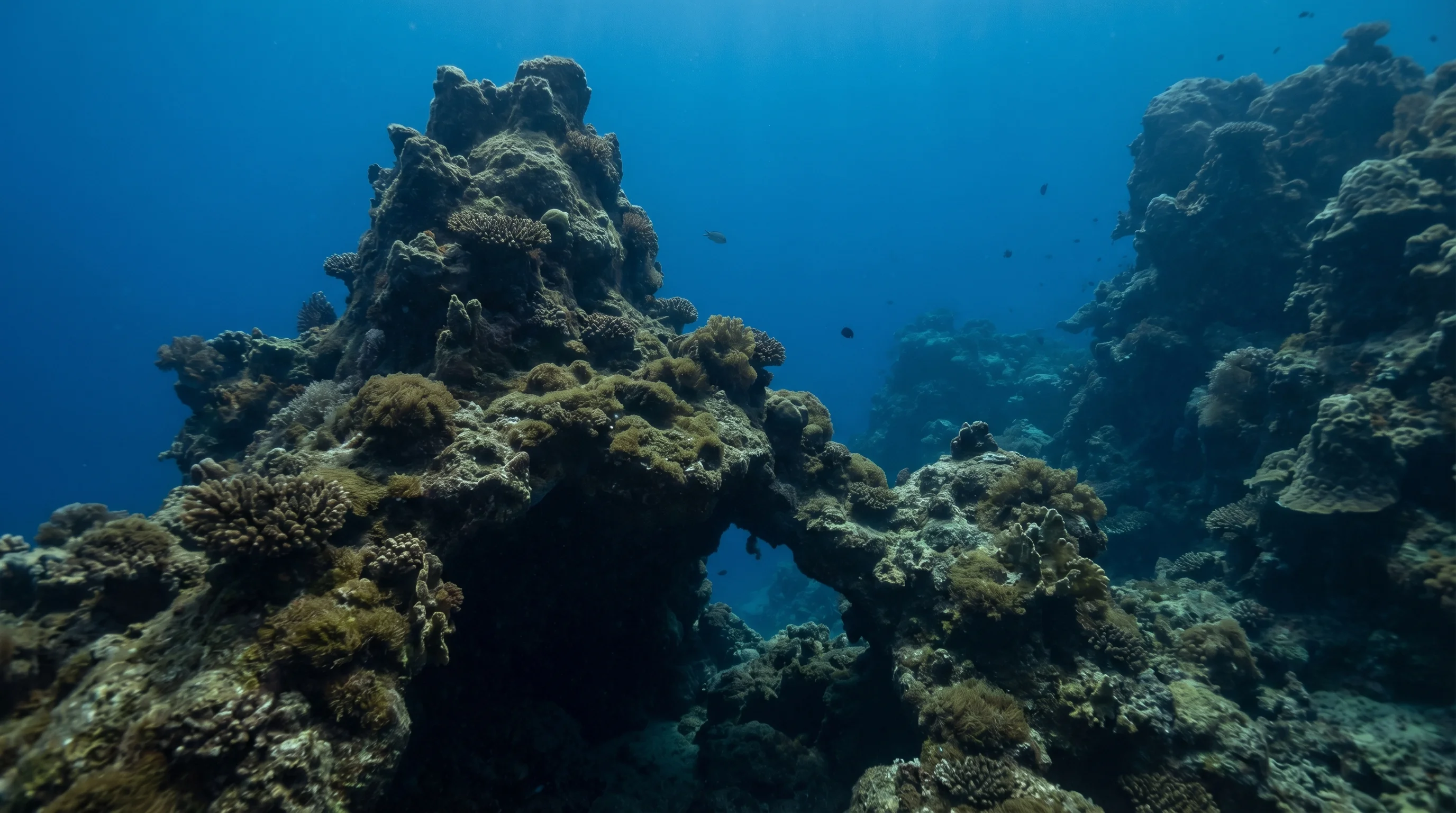
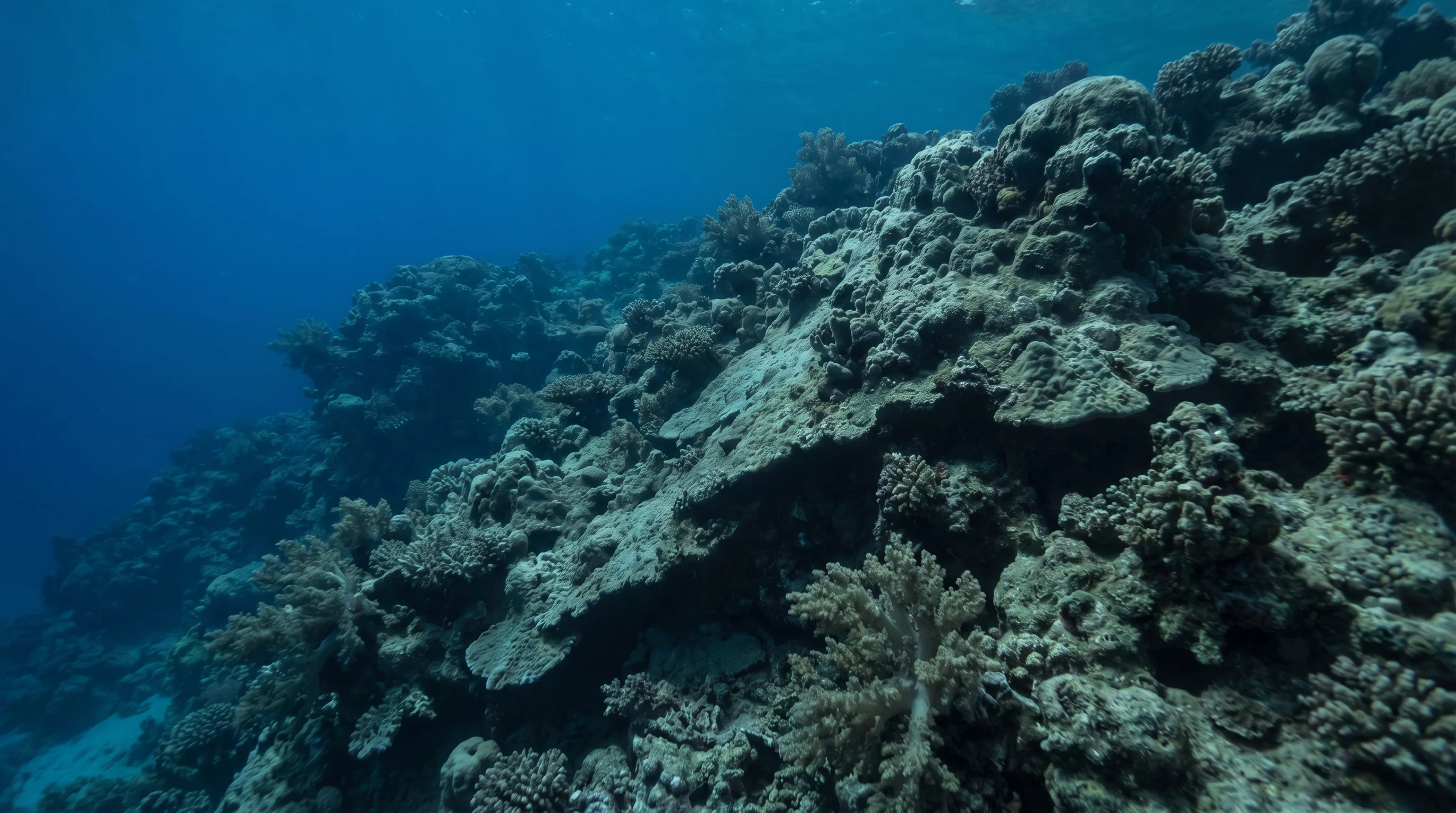
Hamata and St John's is a remote, boat-only diving region where offshore pinnacles, plunging walls, caverns, and cave systems dominate the site list. Nearly every dive requires a liveaboard or day-boat journey, which keeps the reefs relatively undisturbed. Intermediate divers will find plenty of reef and wall dives, while advanced divers can push deep on sites like Habili Ali or navigate the strong currents at Gota Soraya. Green Sea Turtle, Scalloped Hammerhead, Grey Reef Shark, and occasional Dugong make the marine life truly varied.
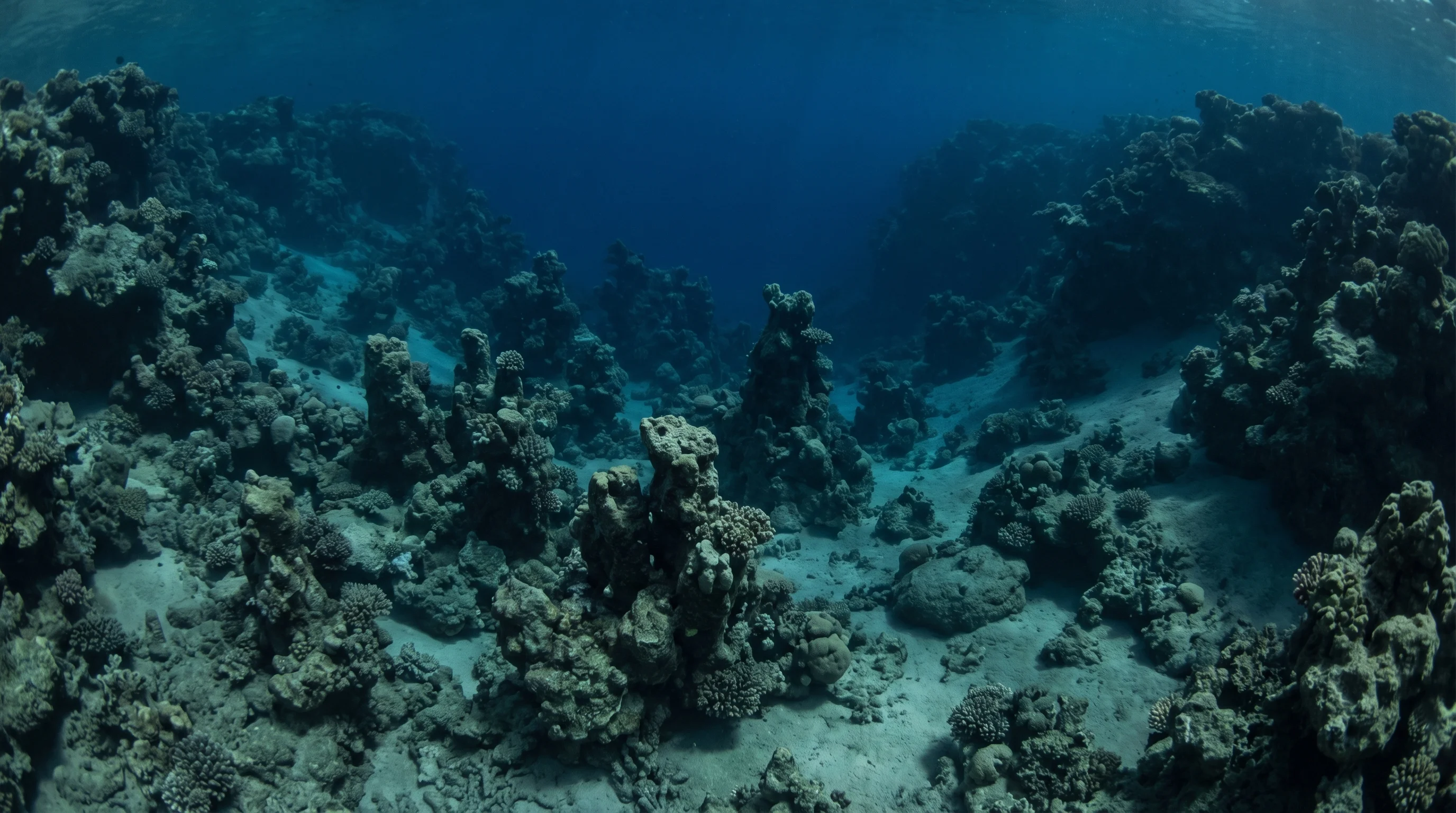
Monthly water temperature across Hamata & St John's's sites, from satellite sea-surface data corrected for depth. The band shows the site-to-site spread.
Water stays warm throughout the year, rising to its peak in late summer and cooling slightly towards late winter, which remains comfortable for most divers. The spring months of April and May, along with October and November, attract the most diver interest, likely reflecting calmer surface conditions and strong visibility. Many sites carry notable currents, particularly the advanced offshore pinnacles, so conditions vary considerably between sheltered reef dives and exposed open-water sites.
3 operators
28 more sites to explore
Water temperature around Hamata & St John's ranges from about 24°C in February to 31°C in August, based on satellite sea-temperature data for its dive sites.
In the warm season (about 31°C) a rash guard or 3mm shorty is comfortable in Hamata & St John's; in the coldest months (about 24°C) step up to a 3mm full suit.
Fin maps 40 sites in Hamata & St John's (40 scuba diving sites and 1 snorkelling spots, with some suited to both).
Across Hamata & St John's's dive sites, April, May, June, October and November are most often reported as the best months to visit.
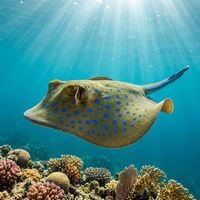
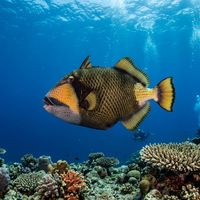
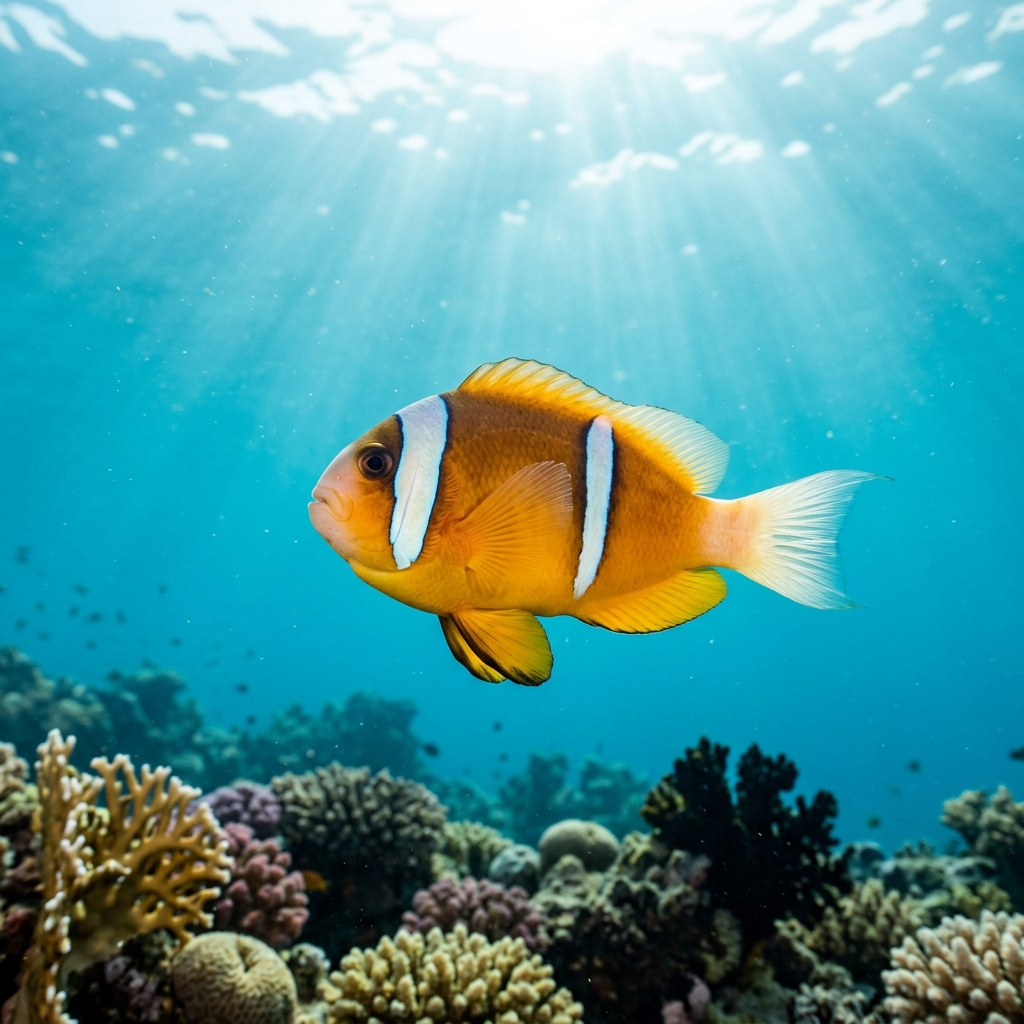
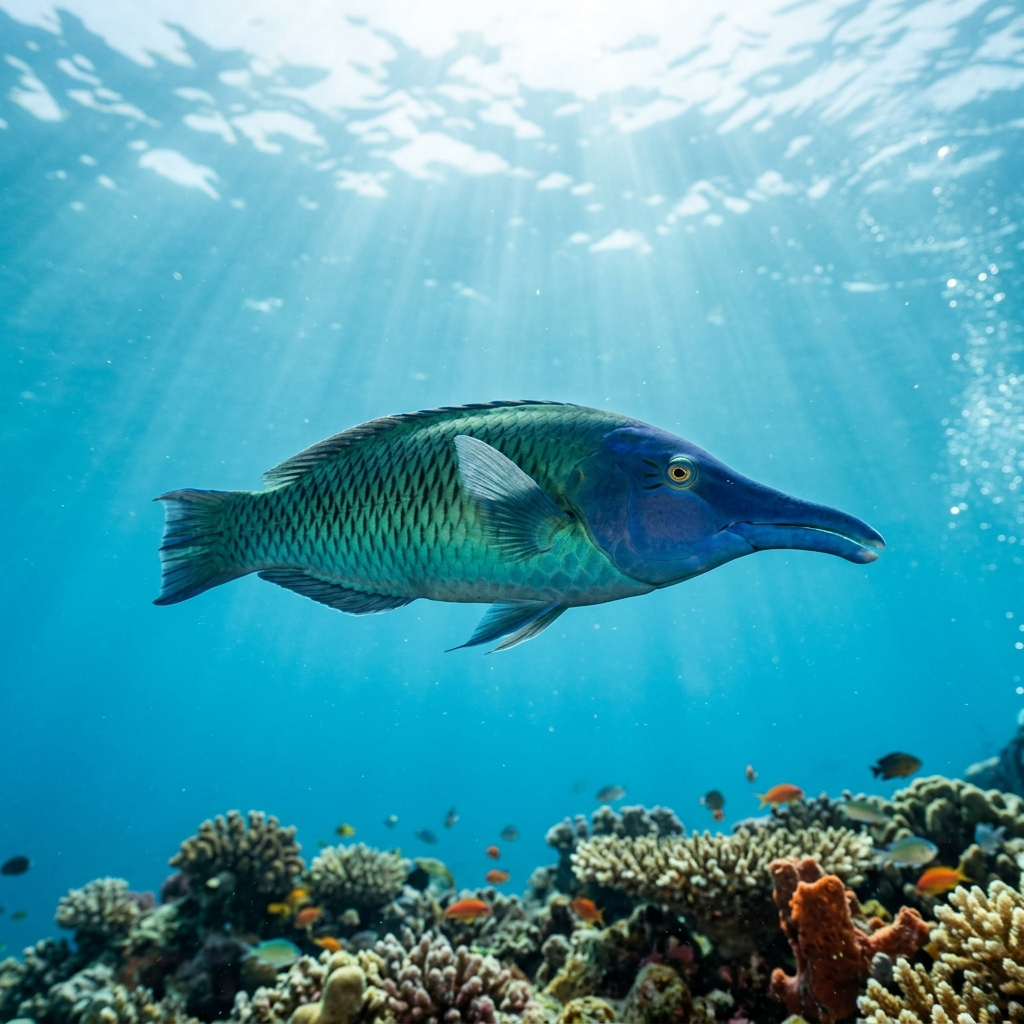
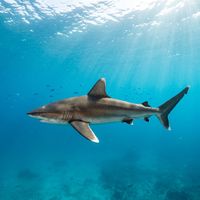
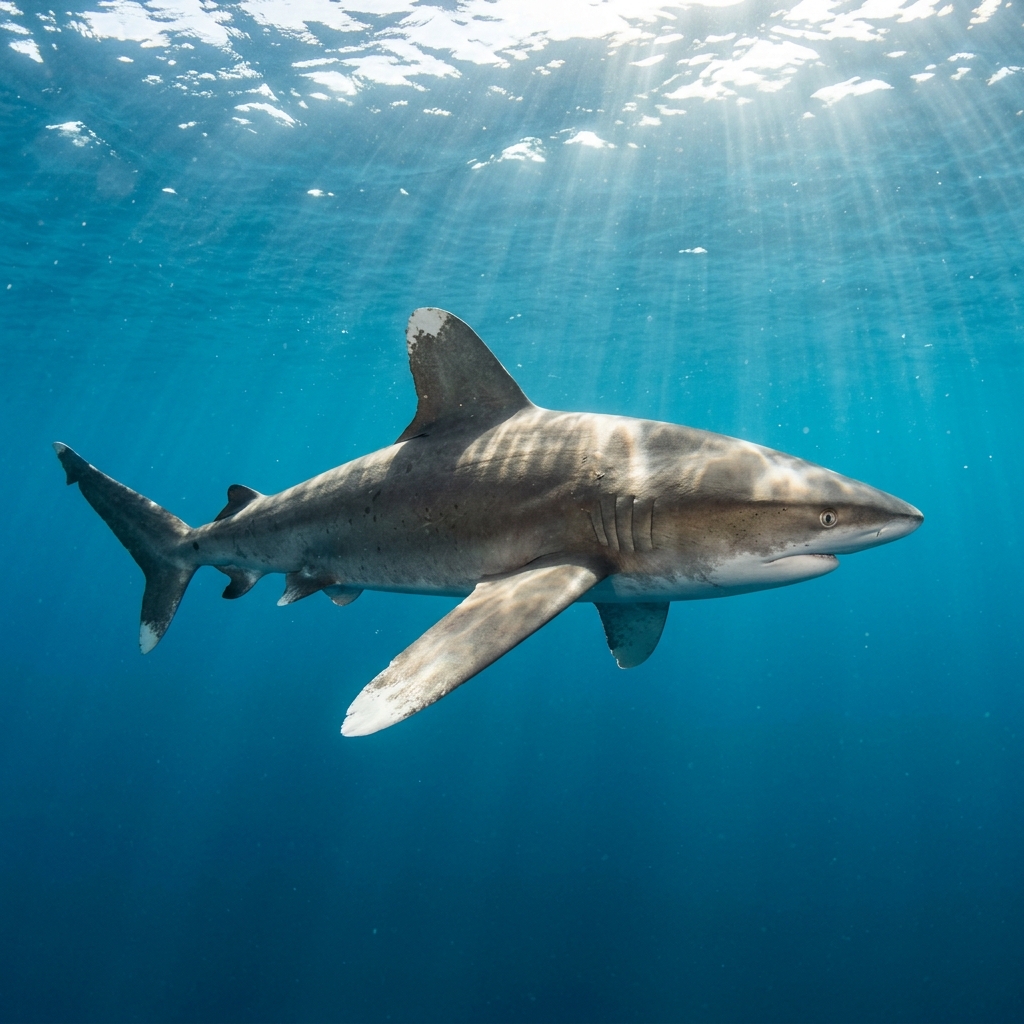
Observation-backed sightings include Green Sea Turtle, Grey Reef Shark, Silvertip Shark, and Scalloped Hammerhead across a wide range of sites. Oceanic Whitetip Shark and Dugong are recorded as occasional encounters, and Spinner Dolphin has also been observed. Closer to the reef, Bluespotted Fantail Ray, Titan Triggerfish, Emperor Angelfish, and Indian Lionfish are among the very commonly recorded species.
The region caters primarily to intermediate and advanced divers, as many sites involve strong currents, deep walls, and overhead environments such as caverns and caves. That said, a handful of sites, including Sha'ab El Nos and Eden Reef, are listed as beginner or intermediate-friendly, offering shallower reef topography and calmer conditions. All sites require boat access, so complete beginners should confirm their comfort with open-water boat diving before planning a trip.
Every site in the region is reached by boat, and several lie far offshore, making liveaboard trips the most practical way to cover the area. There are no shore-entry dives listed. The remote nature of sites like Habili Ali and the Russian Wreck means divers should plan their logistics carefully, as no dive operators are currently listed in the data for this region.
Pinnacles, walls, and drop-offs are the dominant features, often combined with drift conditions that reward divers who are comfortable reading currents. Several sites also include cave and cavern sections, adding an overhead-environment element. Umm Aruk, Habili Gaffar, and Gota Kebir each combine multiple topographic elements in a single dive, giving experienced divers a varied experience across one outing.