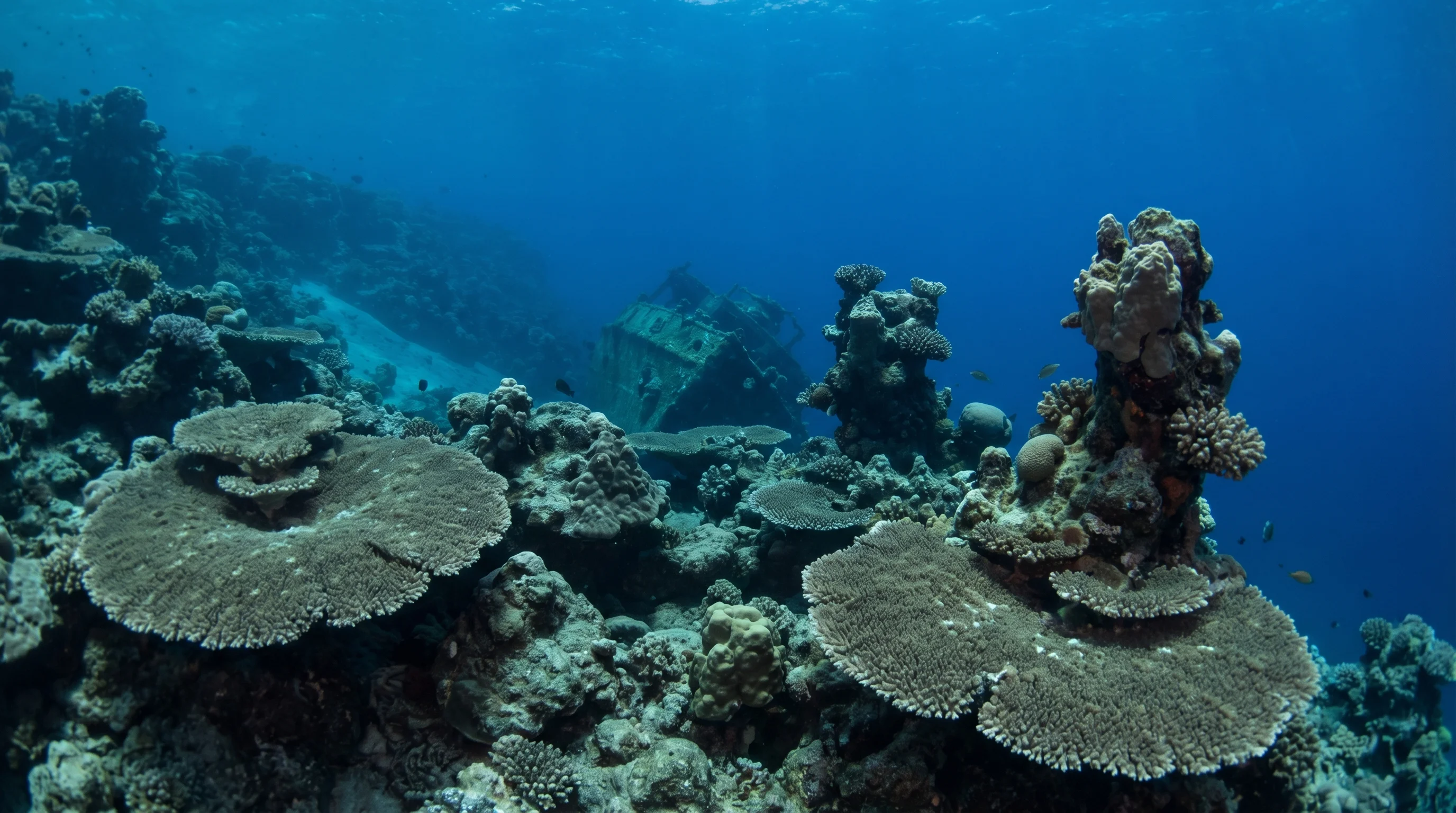
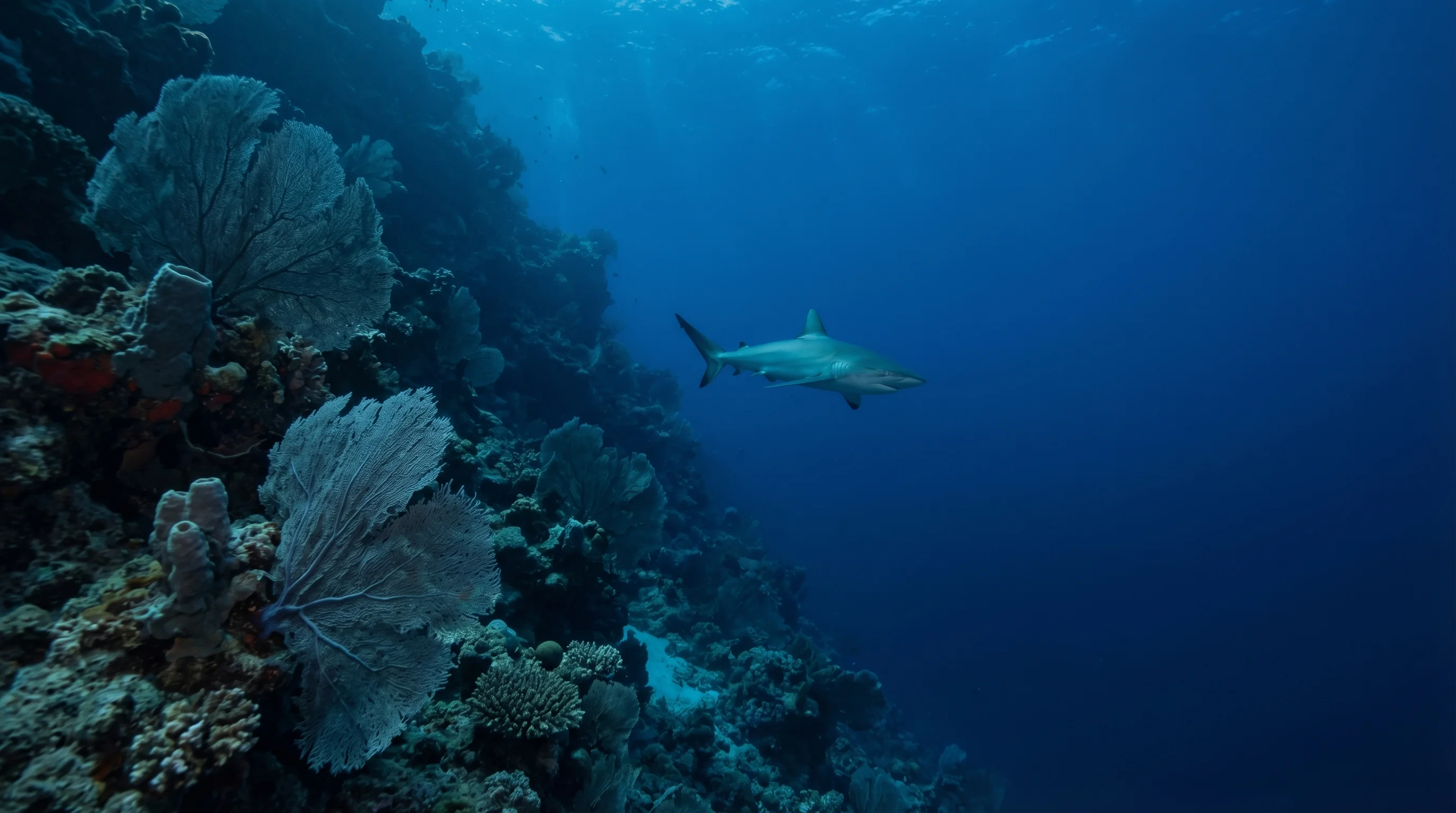
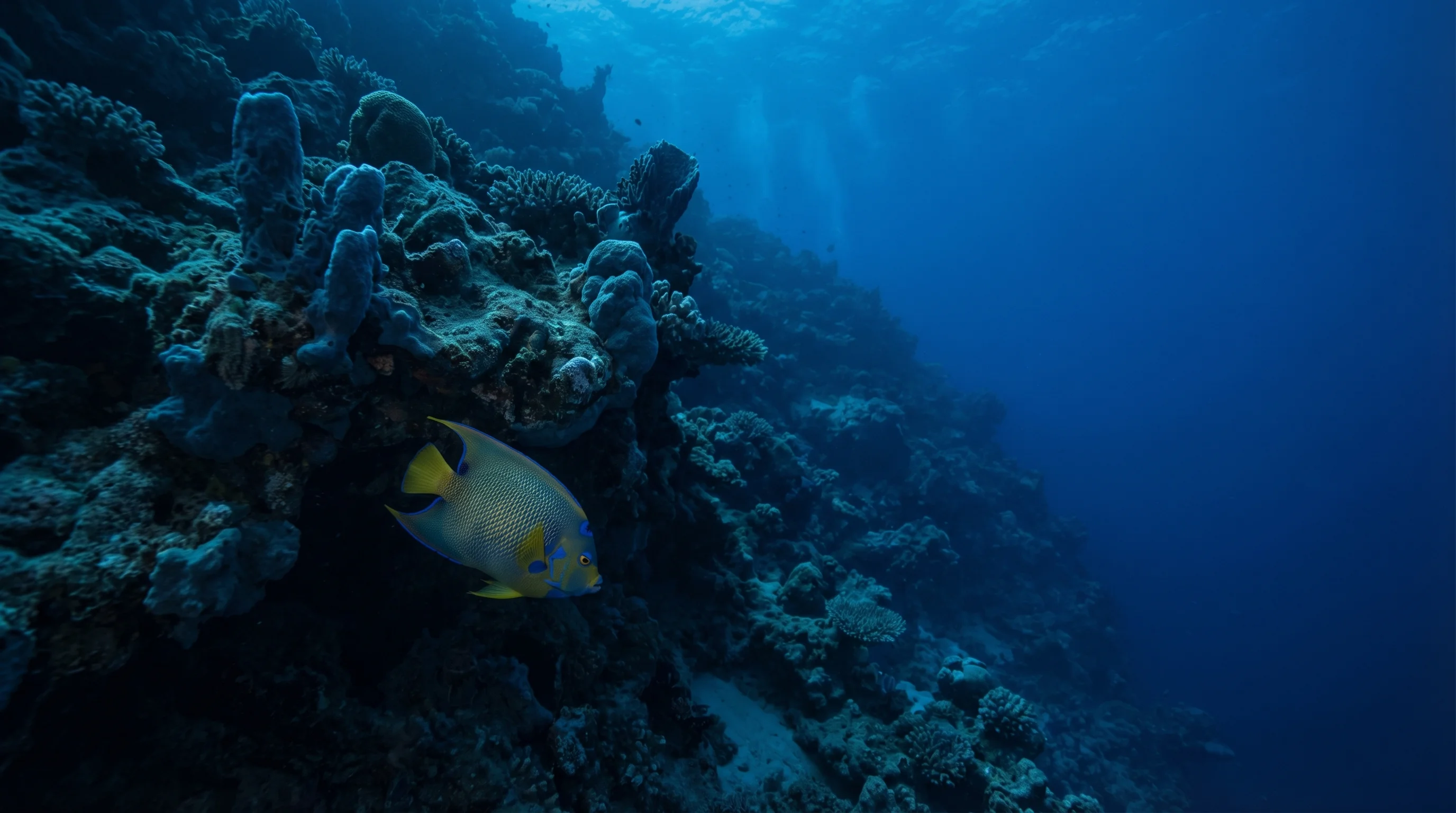
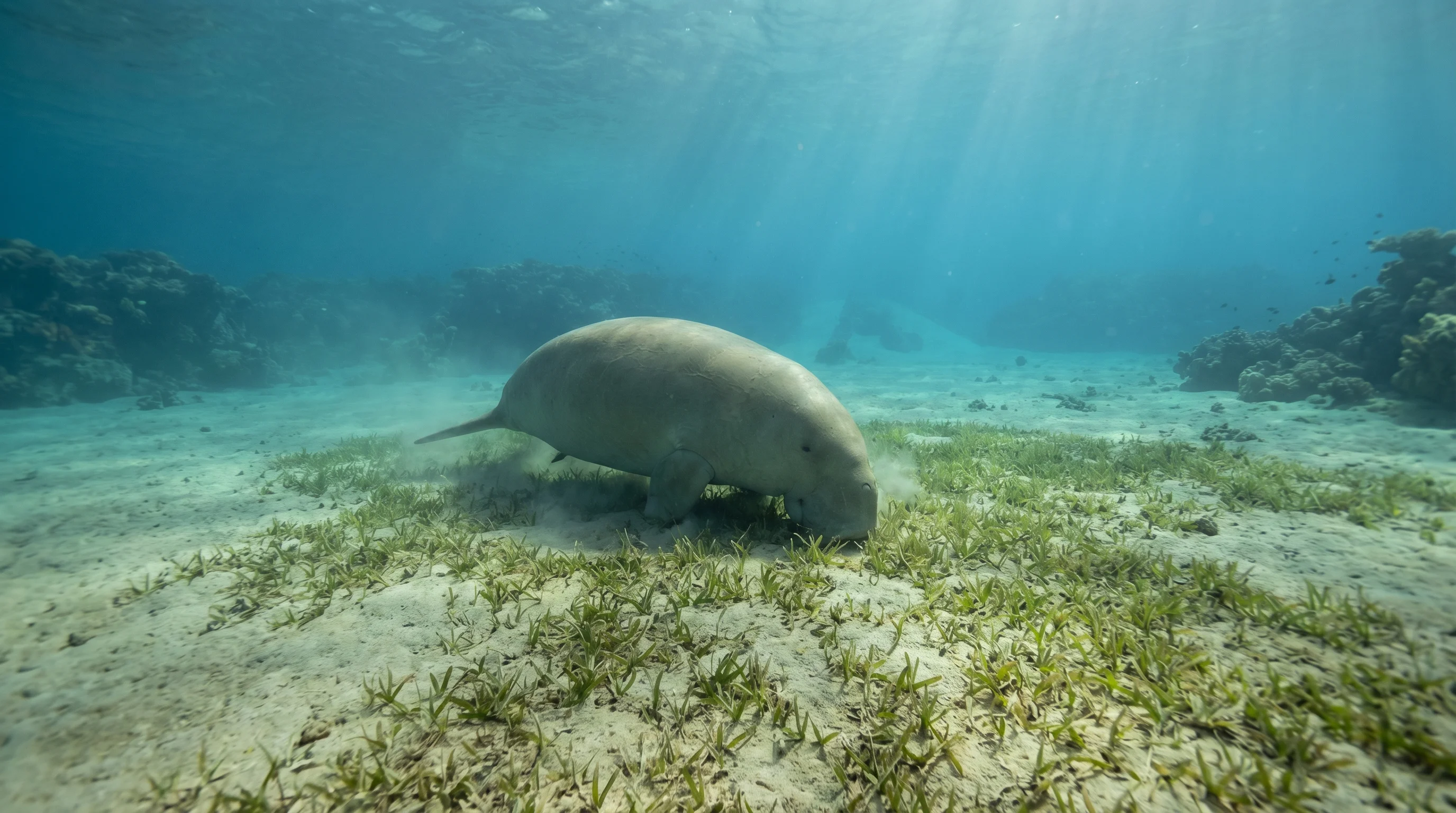
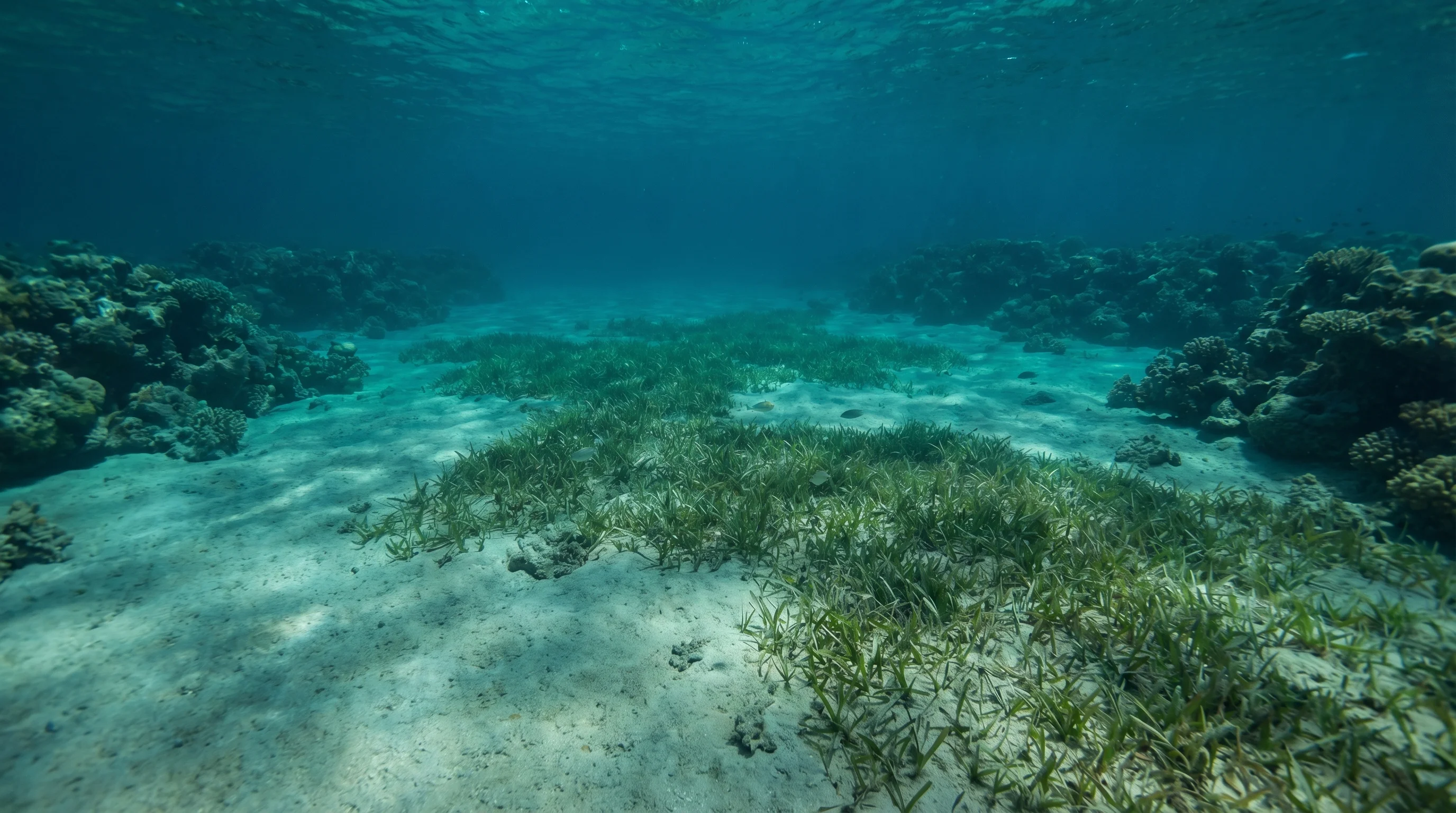
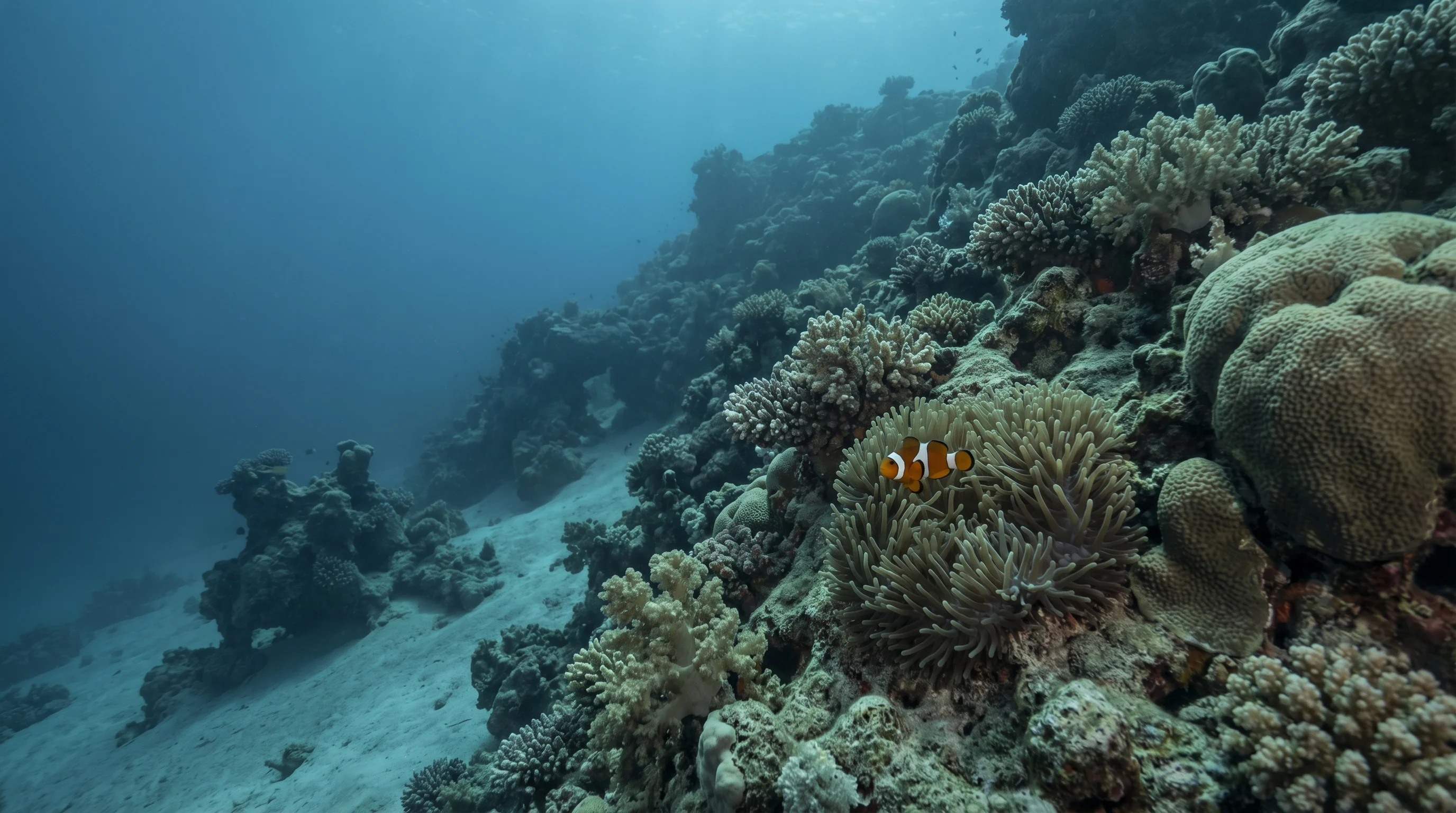
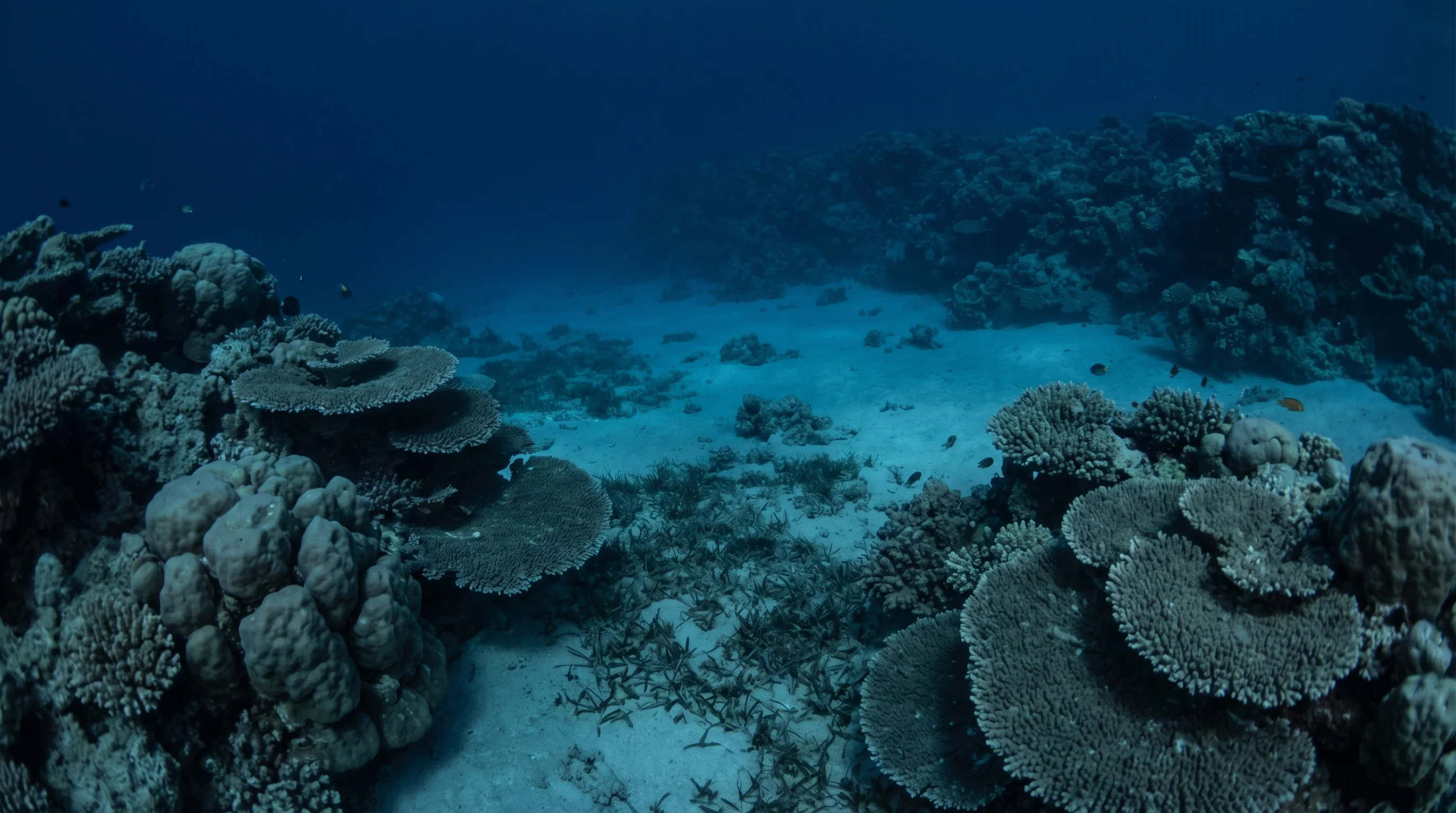
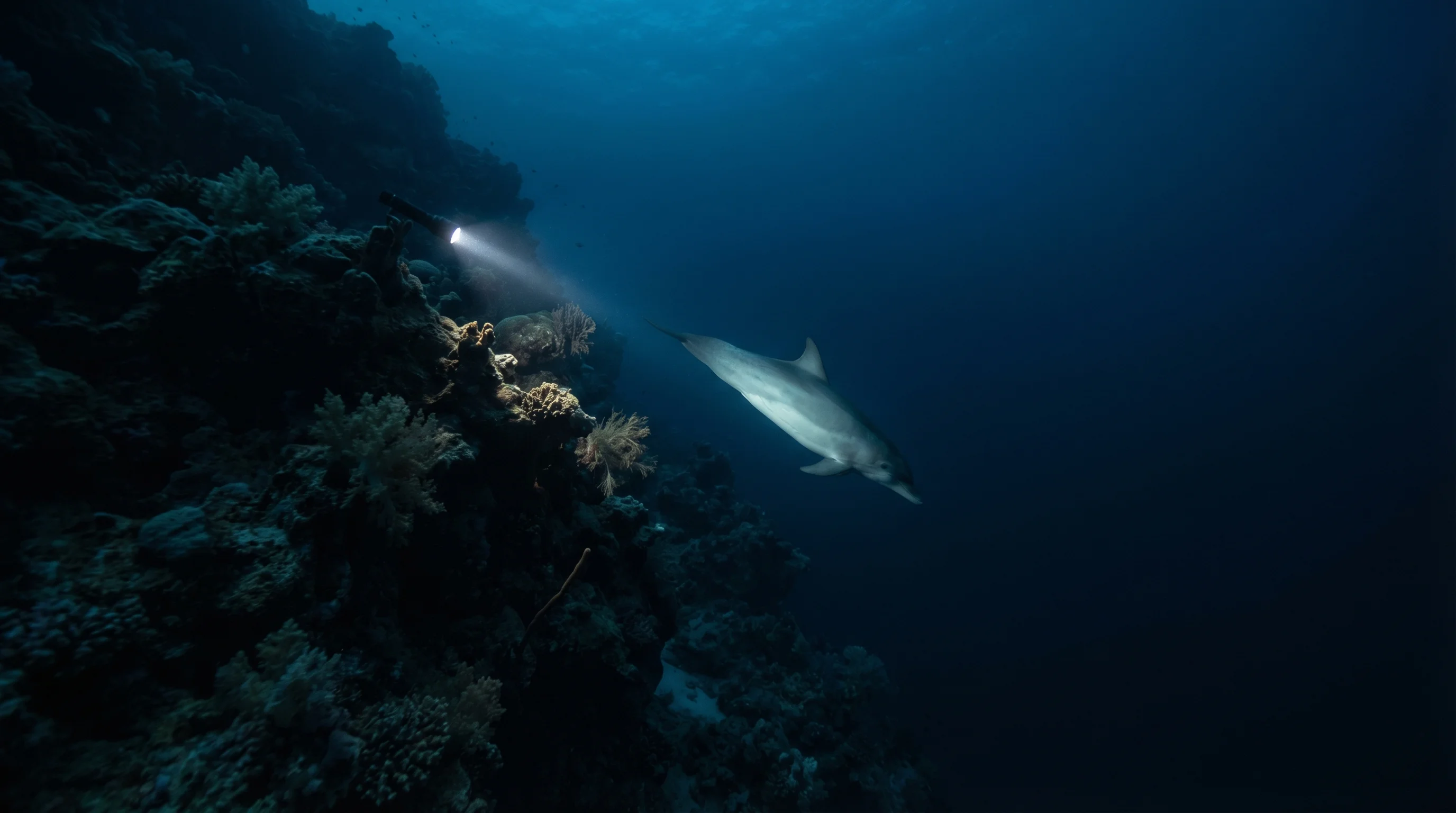
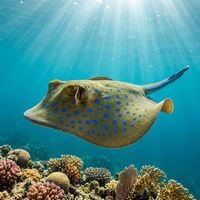
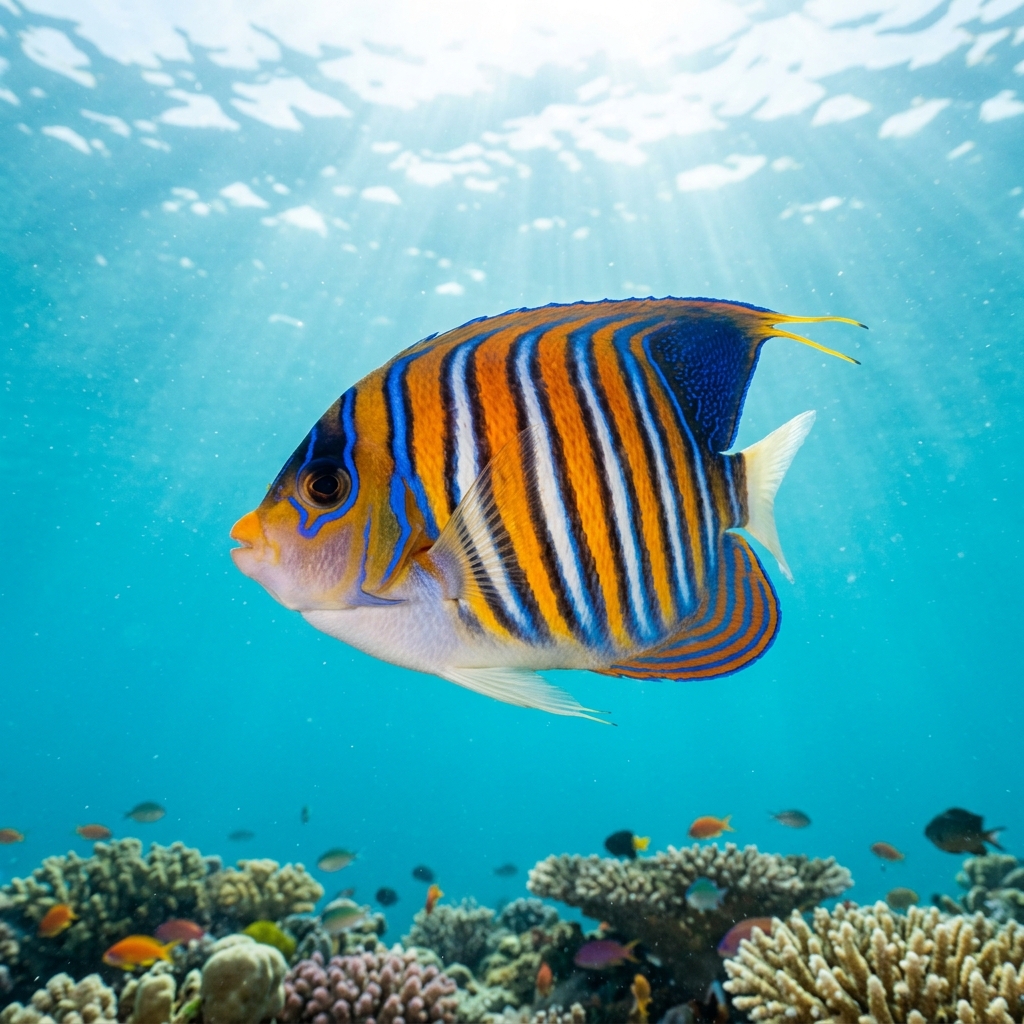
Abu Dabbab is defined by an unusually varied site mix: seagrass beds, coral reefs, caverns, walls, drop-offs, and even a wreck sit within a compact stretch of Egyptian coast. Shore-accessible beginner sites make the area welcoming, while offshore reefs such as Elphinstone Reef challenge advanced divers with dramatic walls. The seagrass habitat draws the area's most celebrated visitors, including the Dugong and Green Sea Turtle, and reef fish such as the Bluespotted Fantail Ray and Regal Angelfish appear across nearly every site. April and October are the standout months.

Monthly water temperature across Abu Dabbab's sites, from satellite sea-surface data corrected for depth. The band shows the site-to-site spread.
Water stays warm throughout the year, rising to its peak in late summer and cooling slightly in late winter, making year-round diving comfortable. April and October consistently draw the most visitors, benefiting from settled conditions and good visibility. Sites range from sheltered shore entries to exposed offshore reefs where currents demand more experience.
36 operators

66 more sites to explore
Water temperature around Abu Dabbab ranges from about 23°C in February to 29°C in August, based on satellite sea-temperature data for its dive sites.
In the warm season (about 29°C) a rash guard or 3mm shorty is comfortable in Abu Dabbab; in the coldest months (about 23°C) step up to a 3mm full suit.
Fin maps 78 sites in Abu Dabbab (77 scuba diving sites and 22 snorkelling spots, with some suited to both).
Across Abu Dabbab's dive sites, April and October are most often reported as the best months to visit.
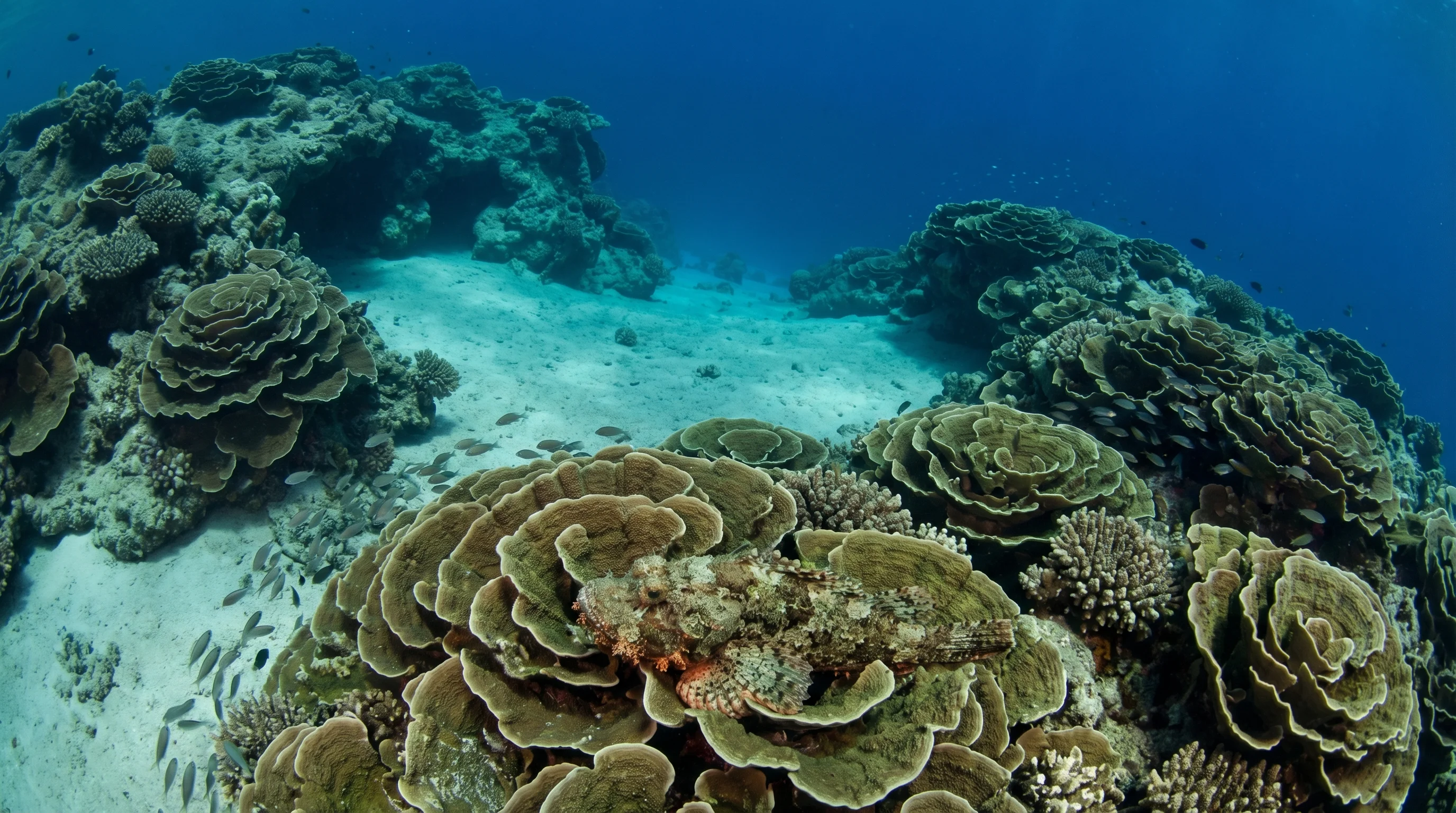
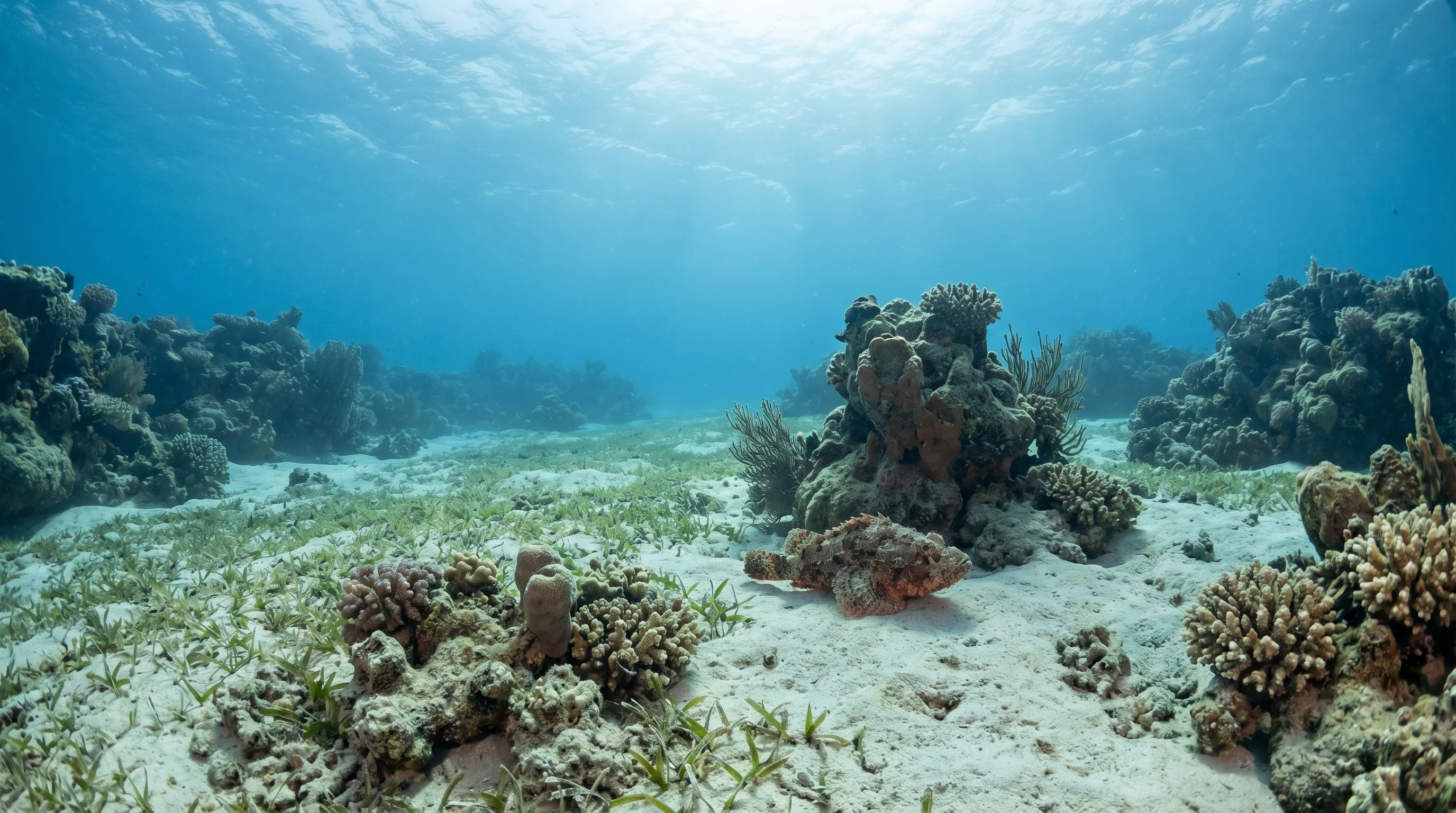
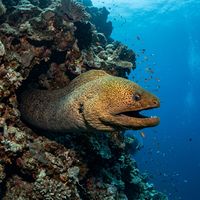
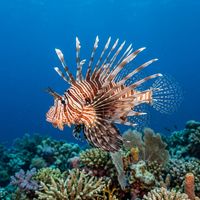
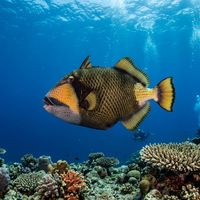
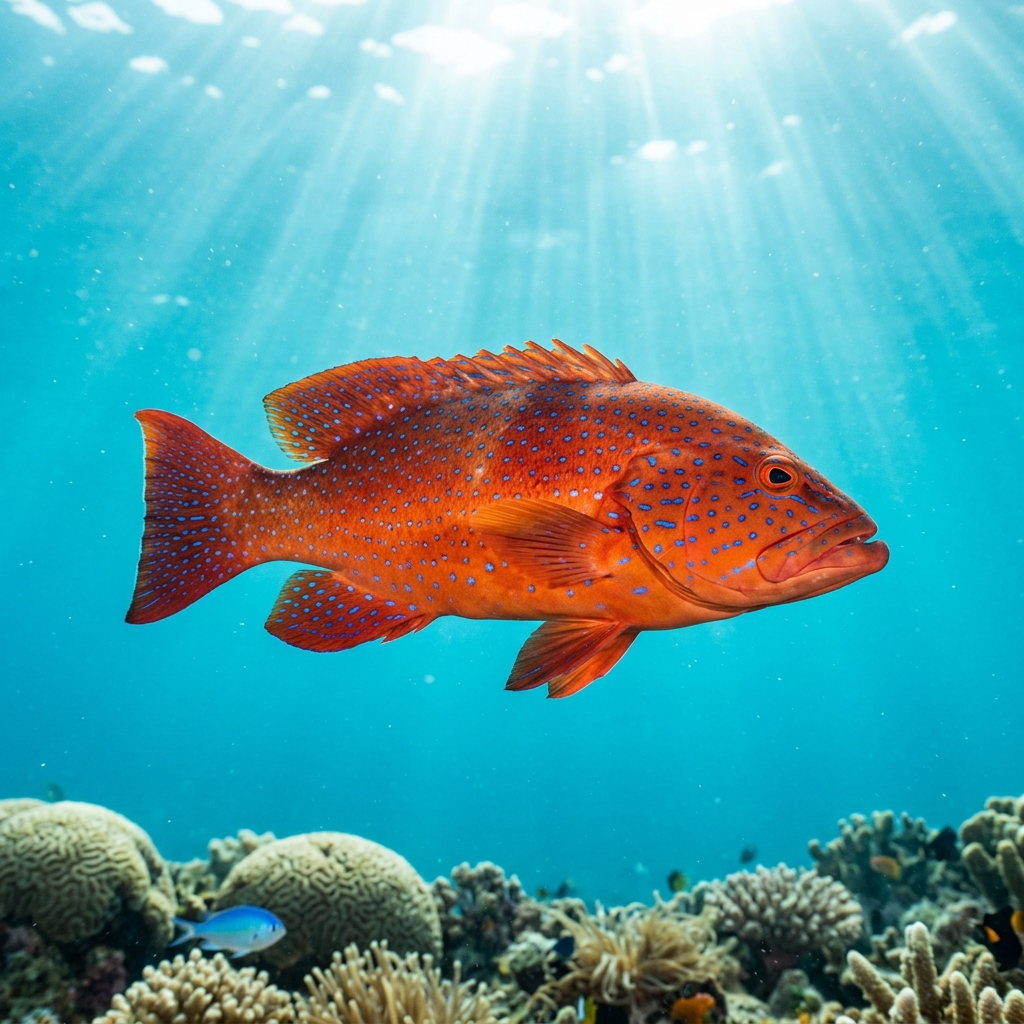
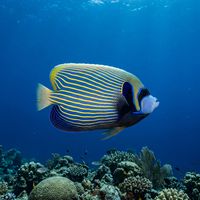
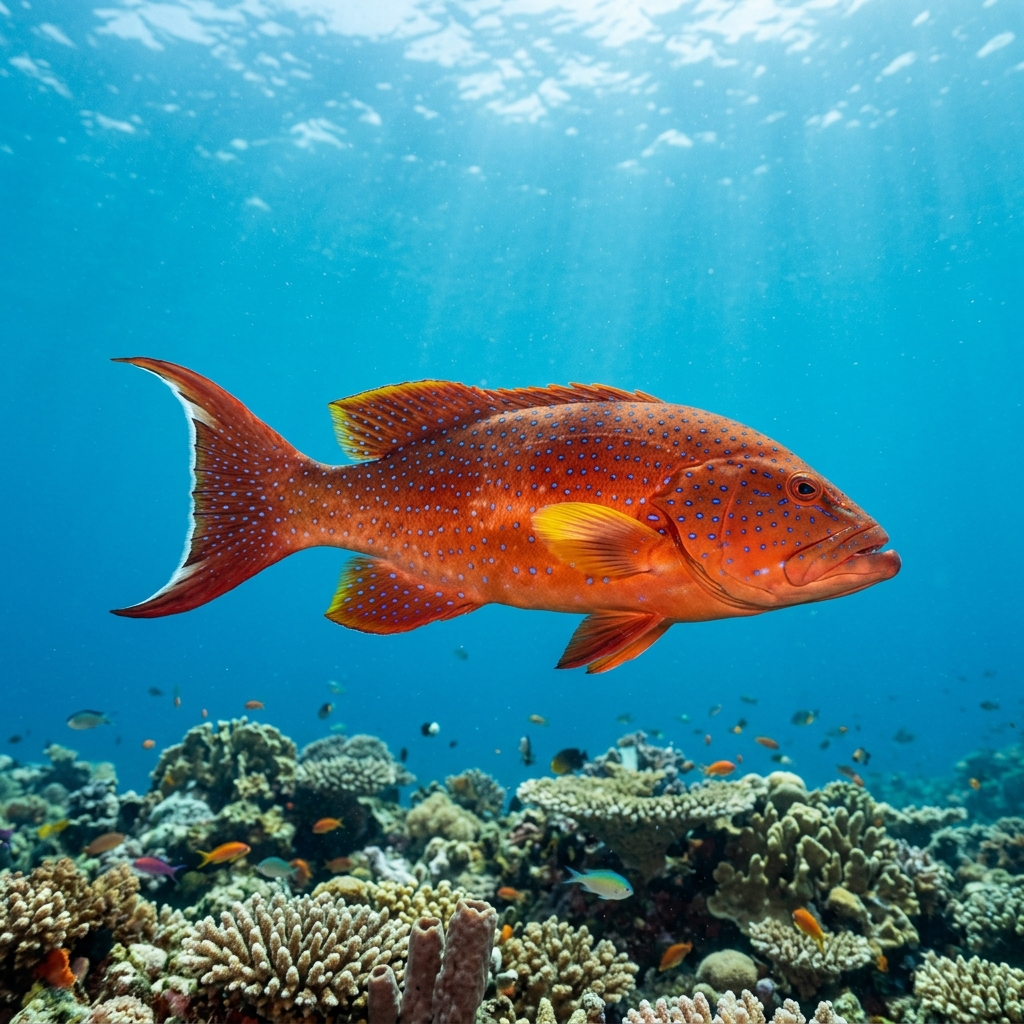
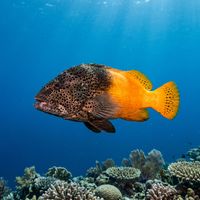
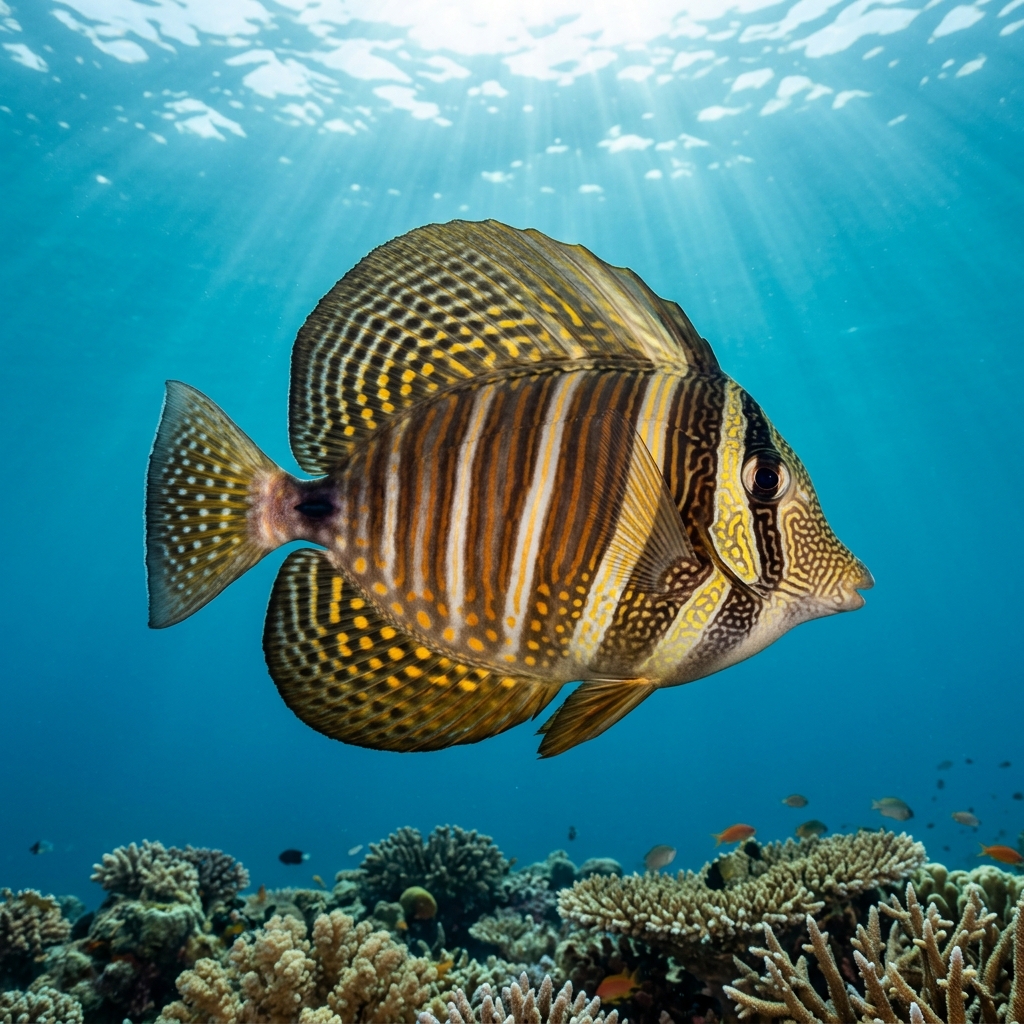
Abu Dabbab is one of the few places where Dugong has been observed, drawn by the extensive seagrass beds. Green Sea Turtle and Spotted Eagle Ray are also among the signature species, alongside the ever-present Bluespotted Fantail Ray and Regal Angelfish. Reef fish diversity is high, with Giant Moray, Coral Grouper, Emperor Angelfish and Indian Lionfish all regularly recorded.
The majority of sites in Abu Dabbab are rated for beginners, including popular shore-entry spots such as Abu Dabbab itself, Sheik Malek, and Marsa Shagra House Reef. Intermediate divers can progress to sites like Mo's Cavern or Torfet Zeyad, while Elphinstone Reef is reserved for advanced divers due to its depth and currents. The broad range of skill levels means mixed-ability groups are well catered for.
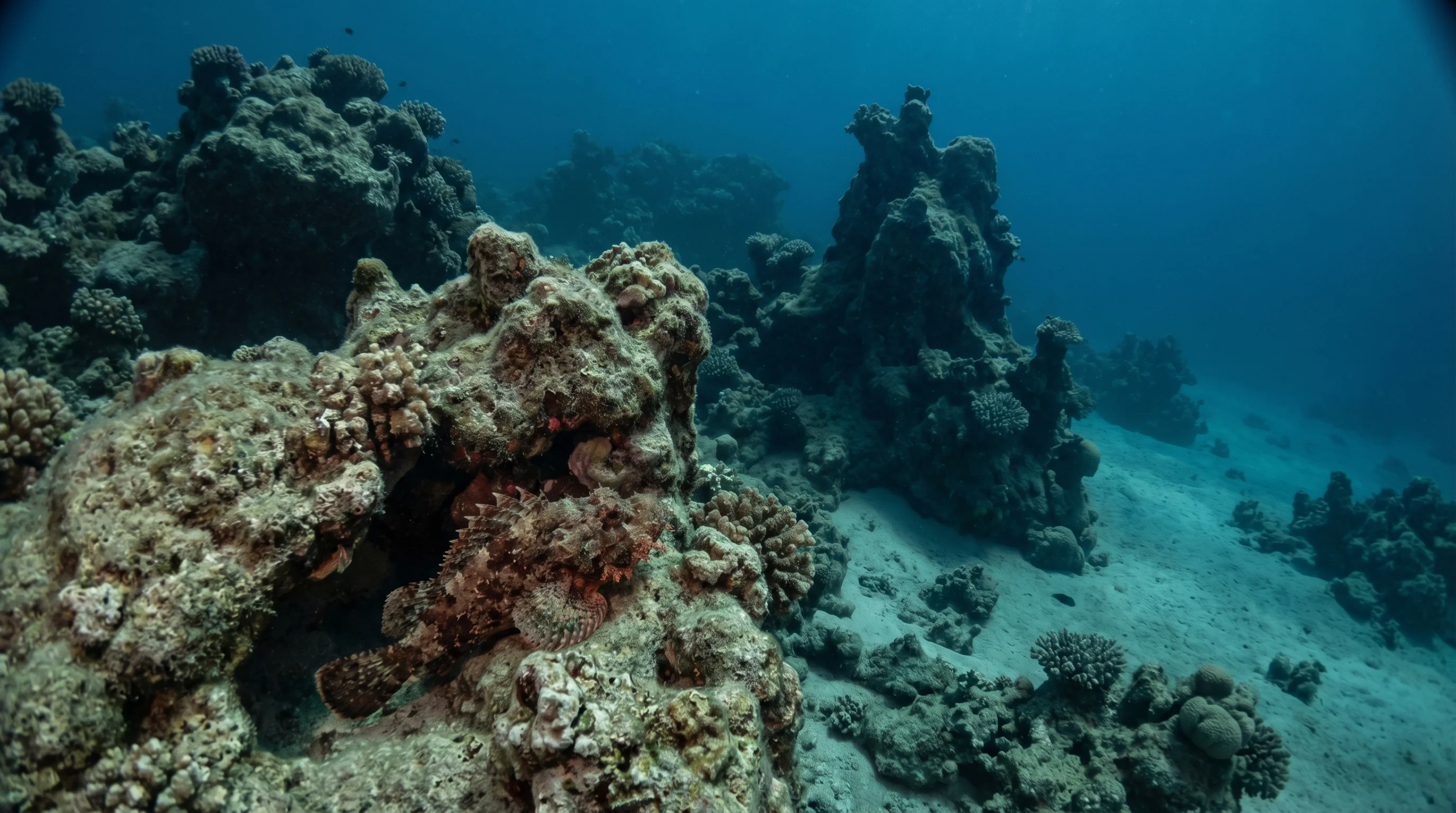
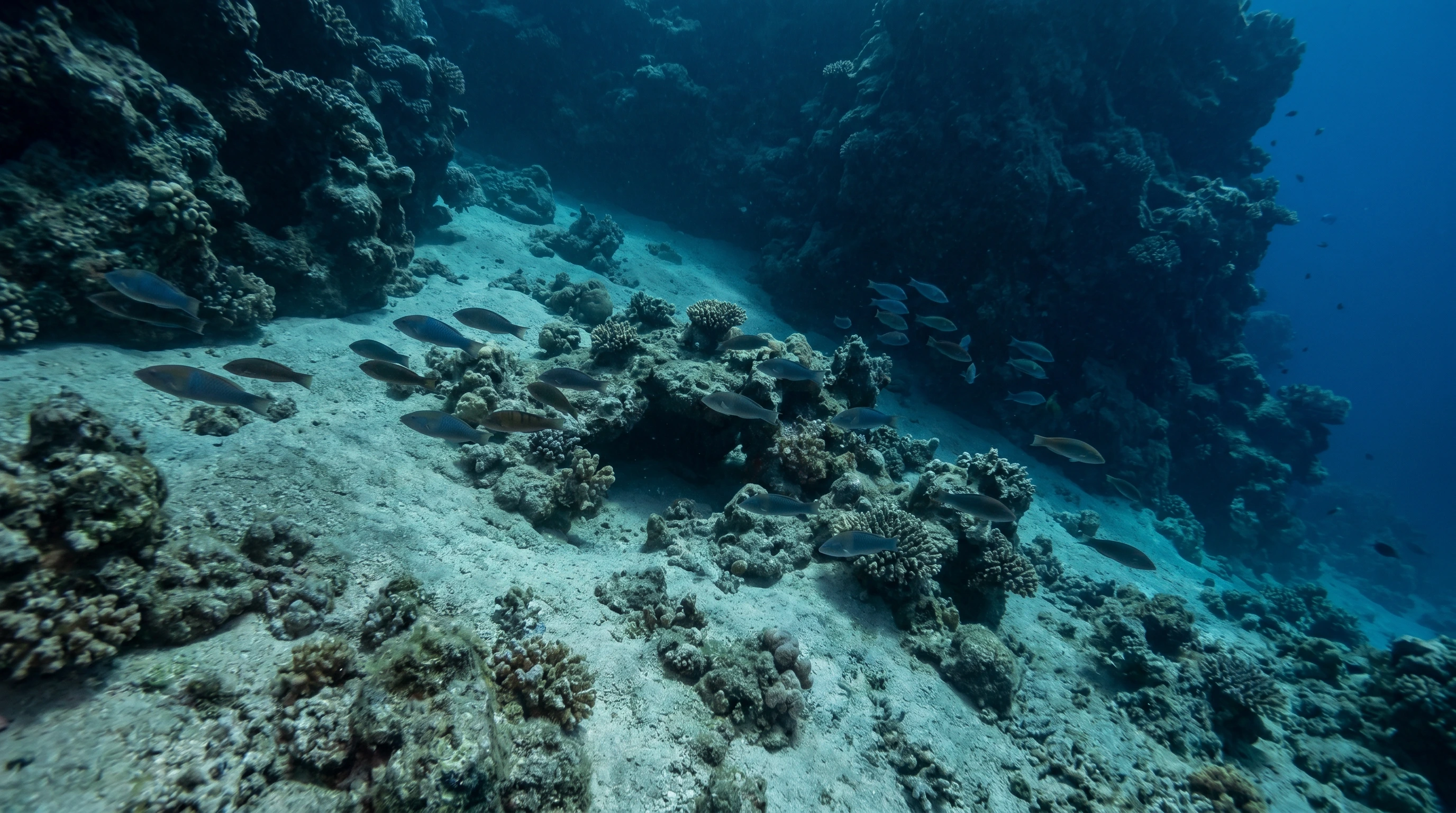
Inshore sites centre on seagrass beds, shallow reefs, and caverns, ideal for snorkelling and relaxed dives. Moving offshore, the character shifts to walls, pinnacles, drift dives, and a notable wreck at Long Canyon. Elphinstone Reef offers deep drop-offs for experienced divers looking for something more committing. This spread means very different experiences are available within the same region.
Several of the region's most popular sites offer direct shore entry, including Abu Dabbab, Sheik Malek, Port Ghalib Sand-Oasis, and Port Ghalib Palace. Some sites such as Ras Torombi and Marsa Shagra House Reef offer both shore and boat access. Boat-only sites include Long Canyon, Mo's Cavern, and Elphinstone Reef, so operators are needed for those.