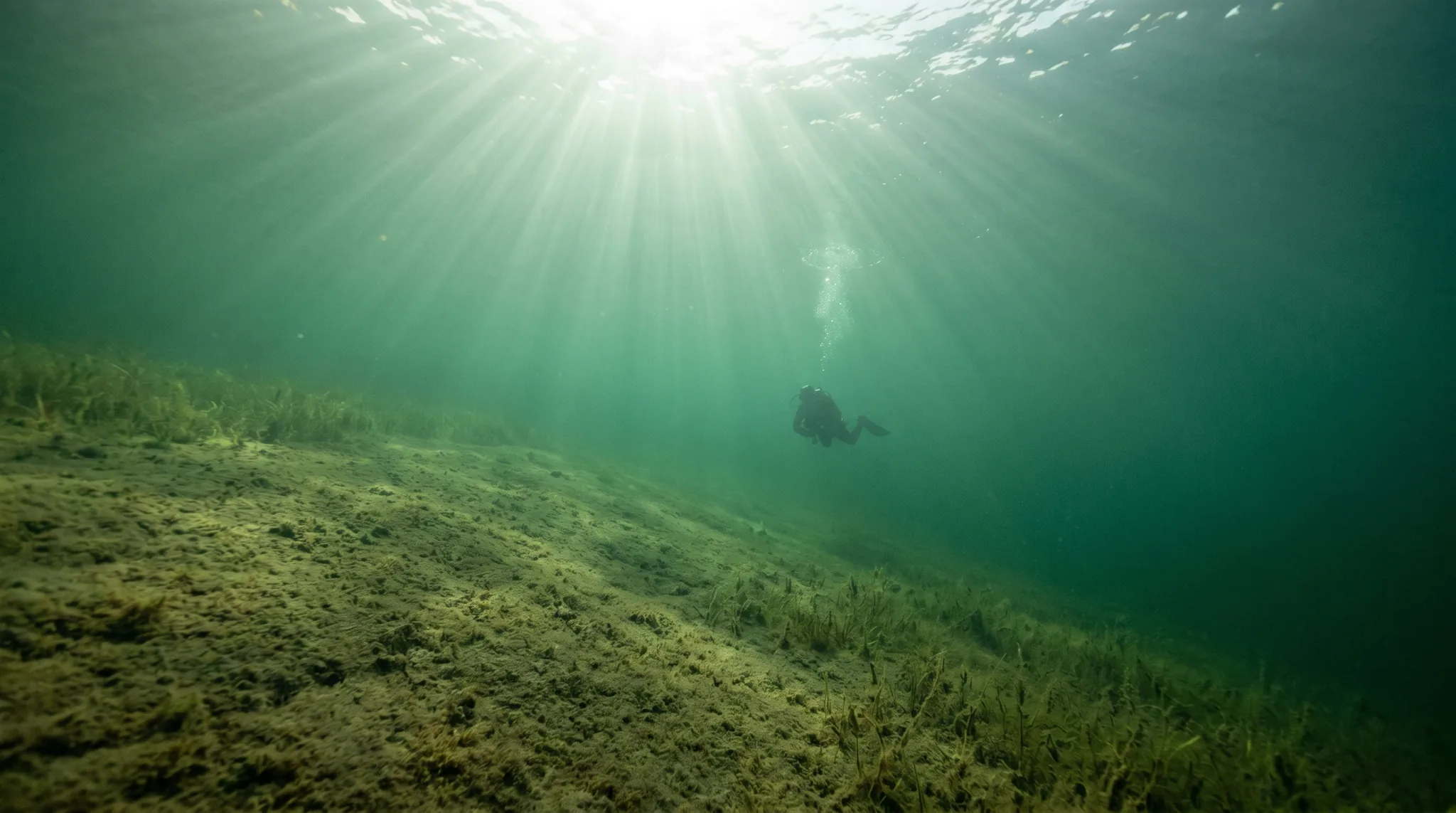
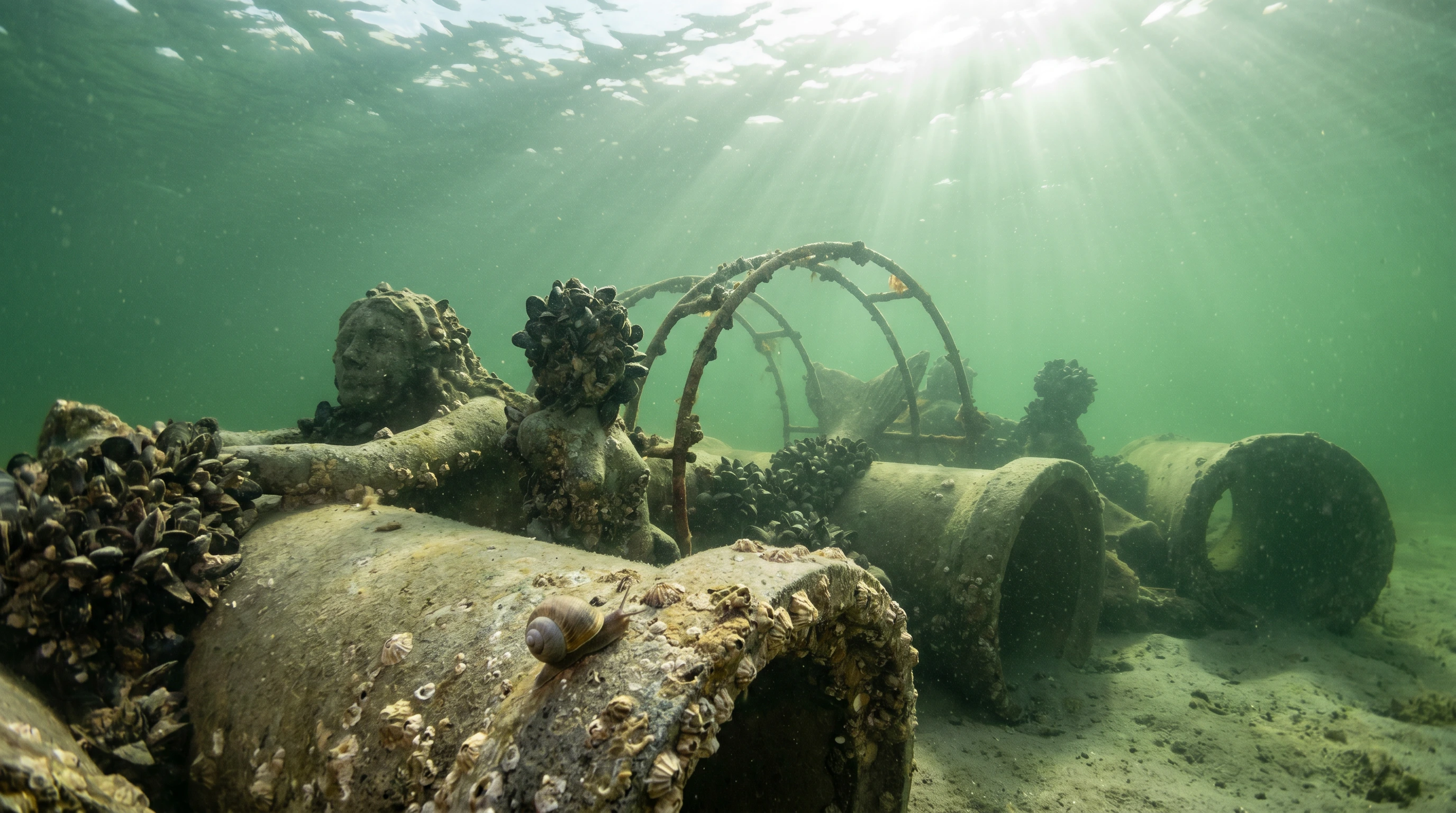
Copenhagen's dive sites are dominated by shallow artificial reefs and wrecks, many accessible directly from shore. Sites spread across three sub-areas: Copenhagen Coast, North Zealand Coast, and the inland lake of Furesø. Conditions reward divers who embrace cold, temperate water, with Righteye Flounder and Needlefish among the most reliably encountered species. The signature wildlife draws are the European Common Cuttlefish and Harbor Seal, both observation-backed. Most sites suit beginners, though the Ceylon af Bergkvara offers more depth for intermediate divers.
3 areas
Monthly water temperature across Copenhagen's sites, from satellite sea-surface data corrected for depth. The band shows the site-to-site spread.
Water is cold through winter and spring, warming noticeably from June through August before easing off in autumn. The warmest months draw the most dive activity, with summer offering the best balance of comfortable temperatures and visibility. Exposed coastal sites can carry currents, so checking conditions before entry is worthwhile, particularly on the North Zealand Coast.
46 operators
Vindinge, Denmark
28 more sites to explore
Urban shore diving on artificial reefs, with jellyfish, wrasse and pipefish observed across nearly every site.
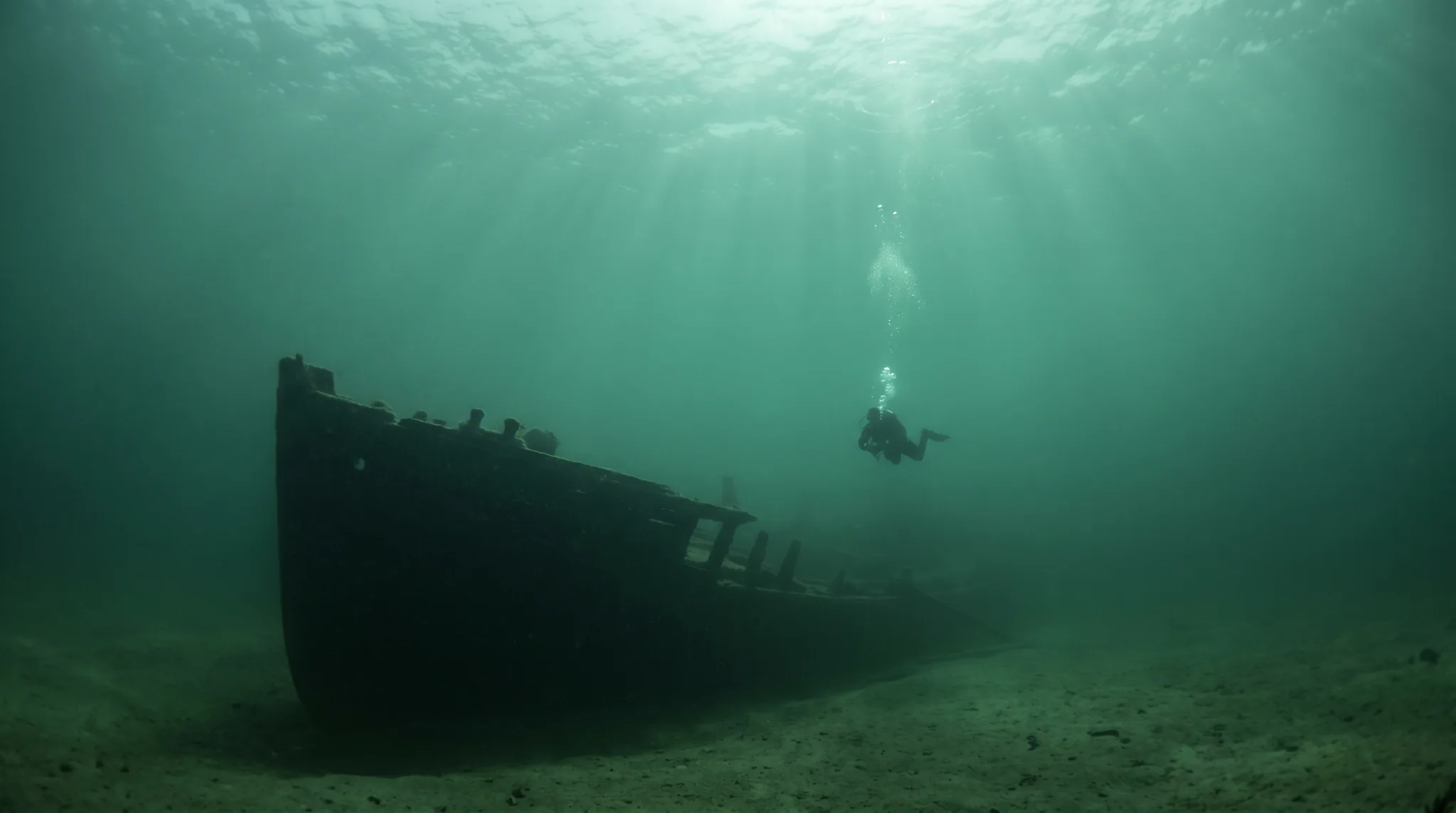
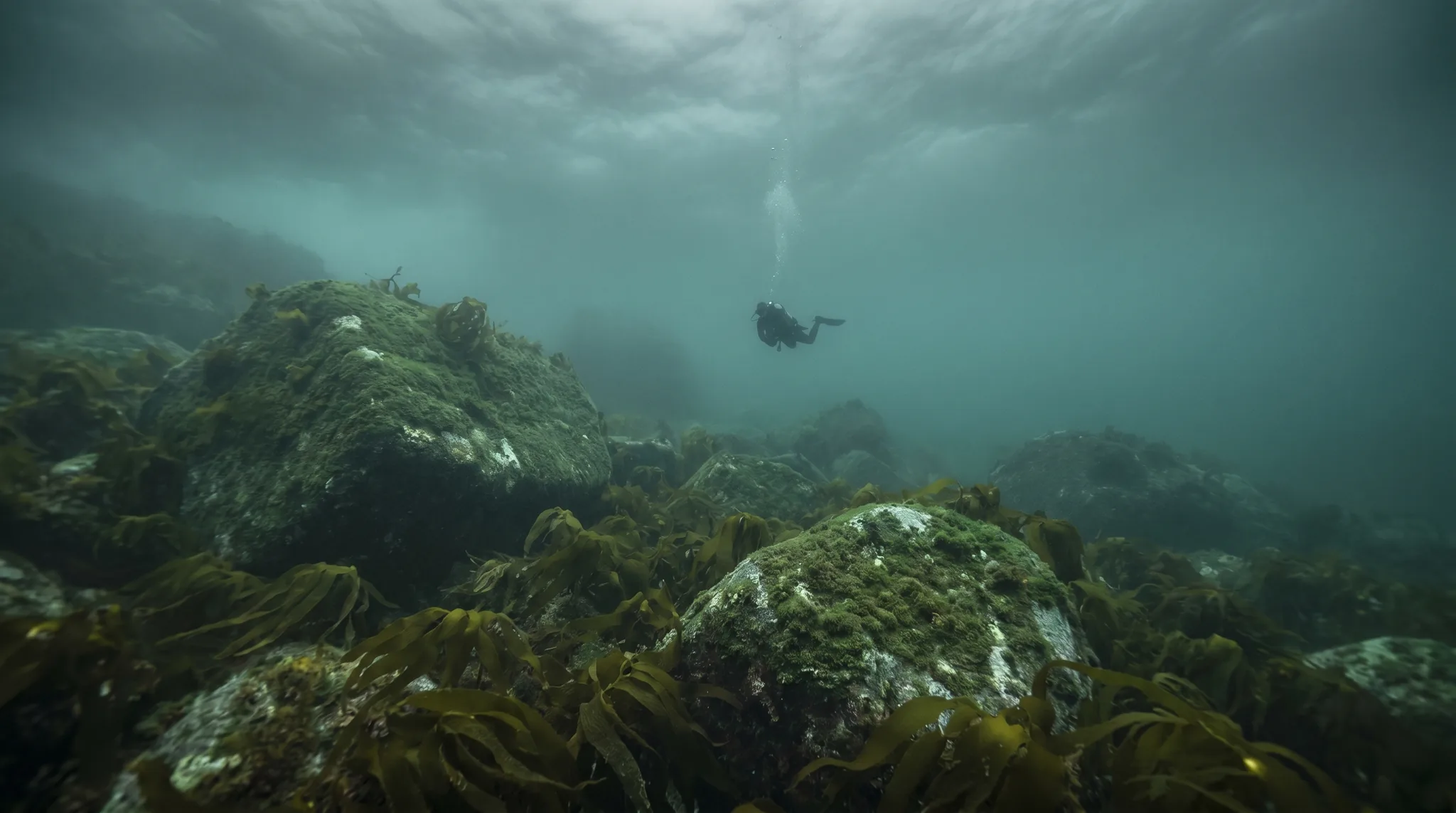
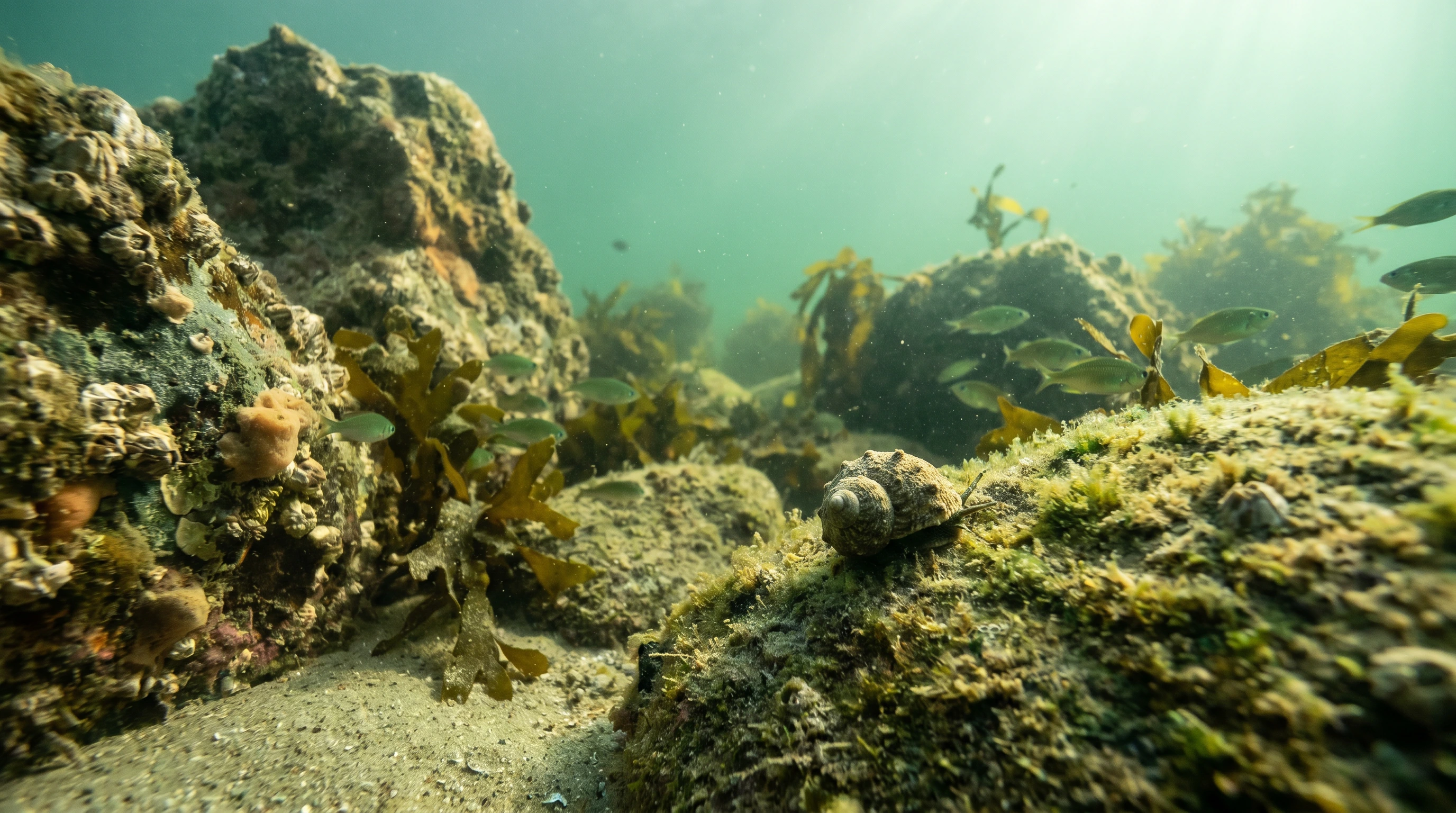
Water temperature around Copenhagen ranges from about 4°C in January to 18°C in July, based on satellite sea-temperature data for its dive sites.
In the warm season (about 18°C) a 5mm suit is comfortable in Copenhagen; in the coldest months (about 4°C) step up to a drysuit.
Fin maps 34 sites in Copenhagen (34 scuba diving sites and 4 snorkelling spots, with some suited to both), organised into 3 areas.
Across Copenhagen's dive sites, May, June, July, August and September are most often reported as the best months to visit.
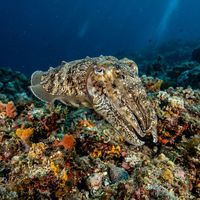
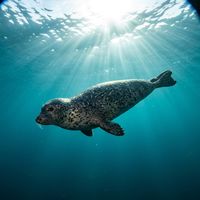
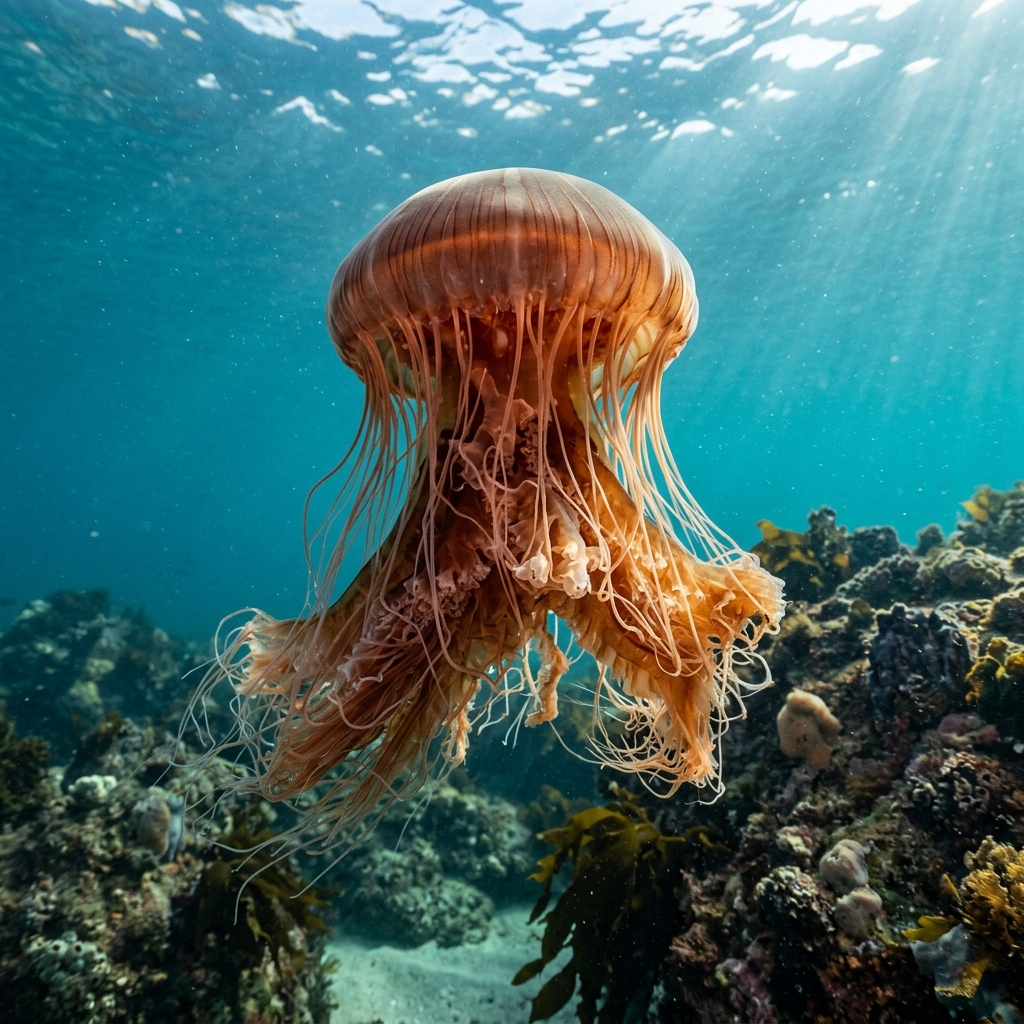
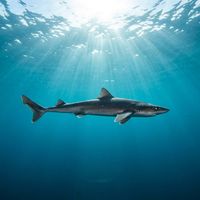
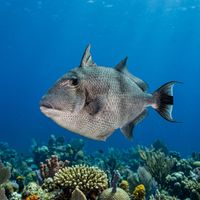
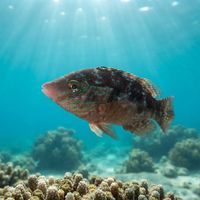
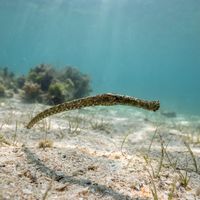
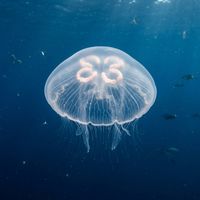
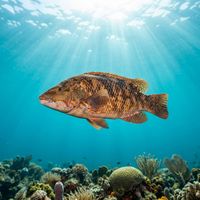
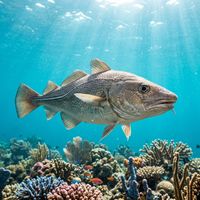
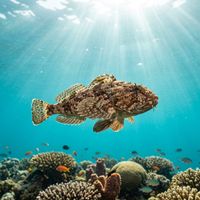
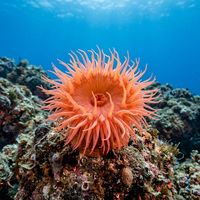
Righteye Flounder and Needlefish are among the most commonly observed species across the region. Cod, Pipefish, Wrasses, and Common Moon Jellyfish are also frequently encountered. The signature species are the European Common Cuttlefish and Harbor Seal, both of which have been observed across a broad range of sites. Giant Jellyfish and Dogfish round out the more notable encounters.
The majority of sites in Copenhagen are rated for beginners, including popular shore-entry spots such as Havheksen, Noas Ark, and Sjaelland. Most of these are shallow and calm enough for less experienced divers. Intermediate divers will find the Ceylon af Bergkvara a step up, reaching greater depths and requiring boat access.
Copenhagen Coast offers the largest concentration of sites, many with easy shore entry and a mix of artificial reefs and wrecks close to the city. North Zealand Coast has a similar range of site types with a slightly more open-water feel and includes the deeper Ceylon af Bergkvara. Furesø is an inland lake area with a smaller number of sites, offering a notably different environment from the coastal areas.
Many of the region's sites are shore-entry, so boat access is not always necessary. Havheksen, Noas Ark, Skovshoved Havn Syd, and Sjaelland are all accessible from shore. Sites like Trekroner fortet and Ceylon af Bergkvara do require a boat, and several local operators including Ocean Dive, Dykkercentret, and Københavns Dykkerskole can arrange guided boat dives.