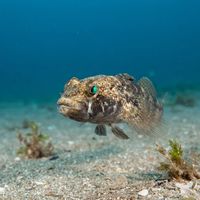
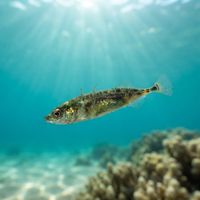
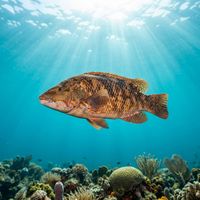
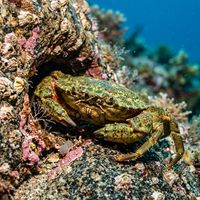
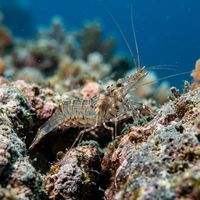
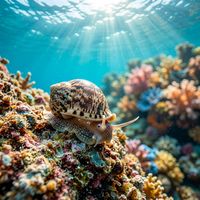
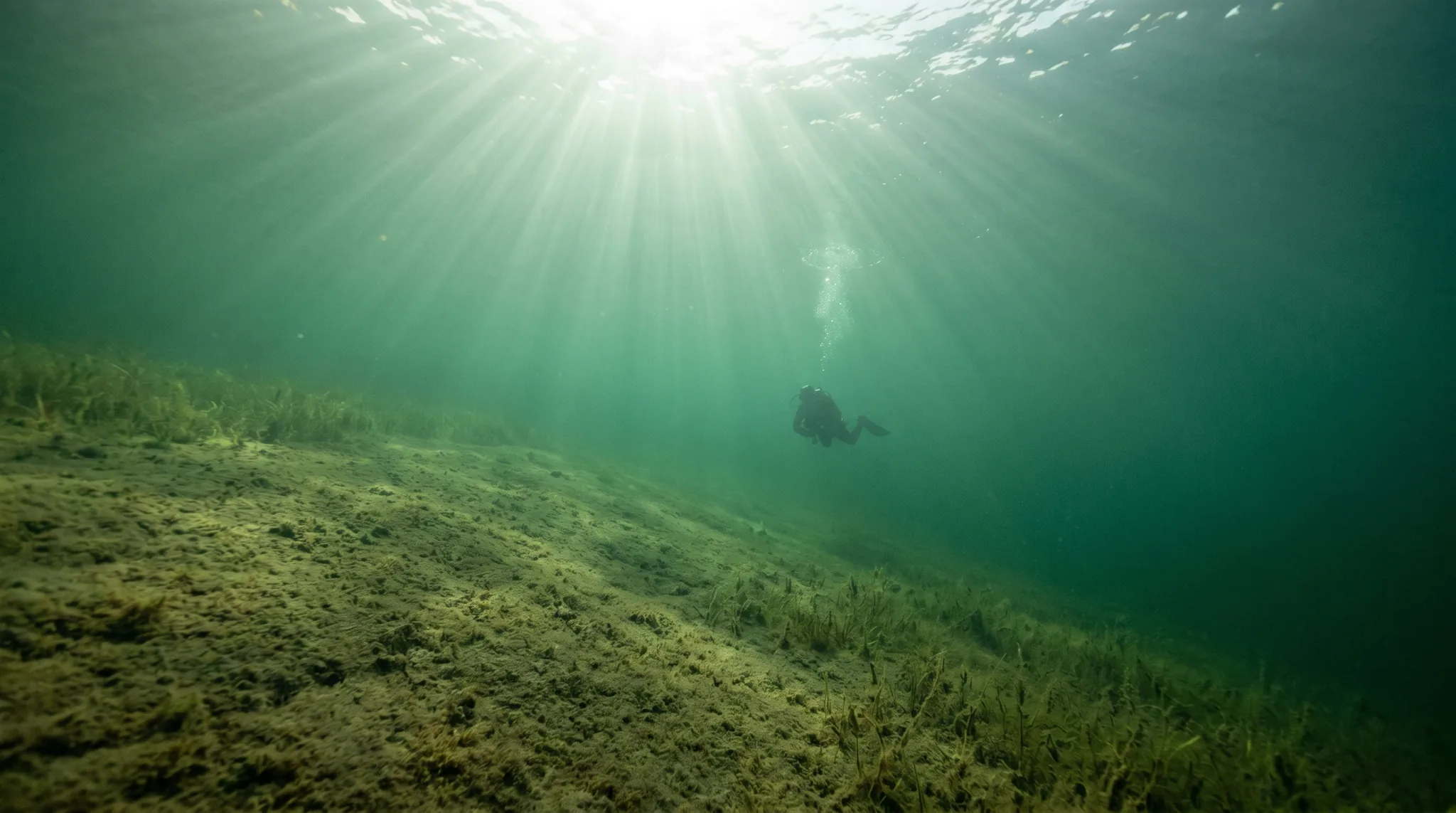
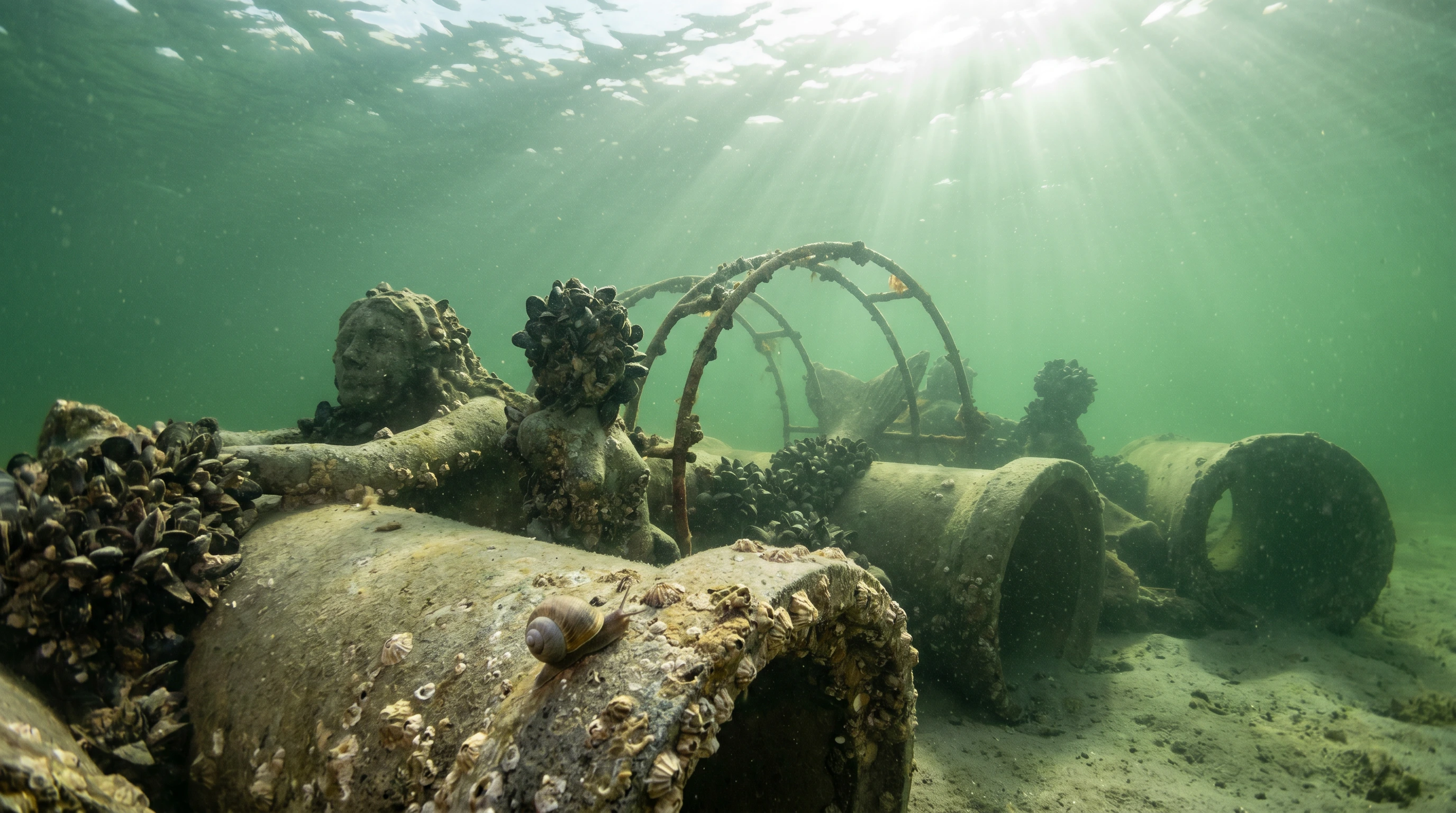
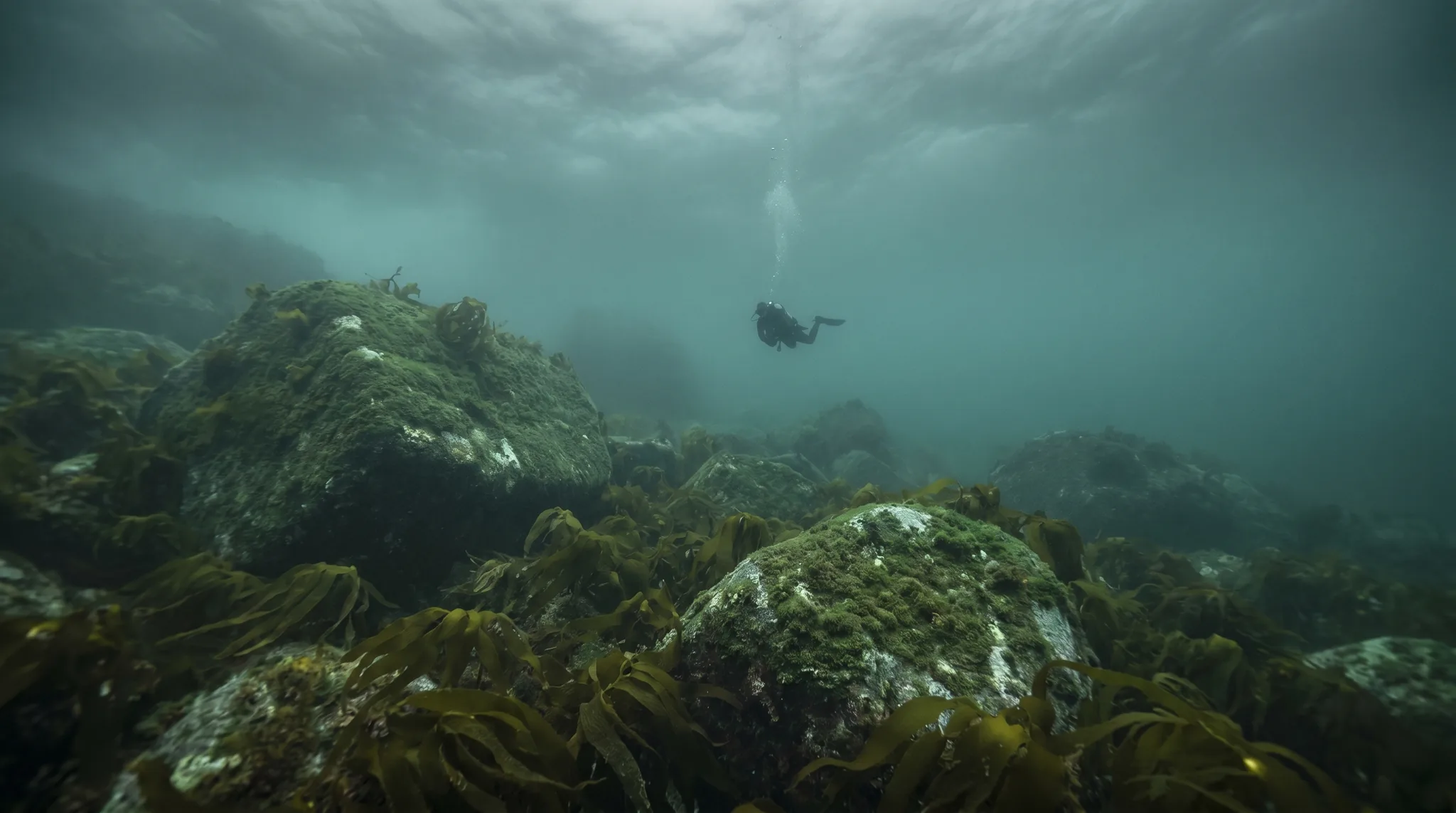
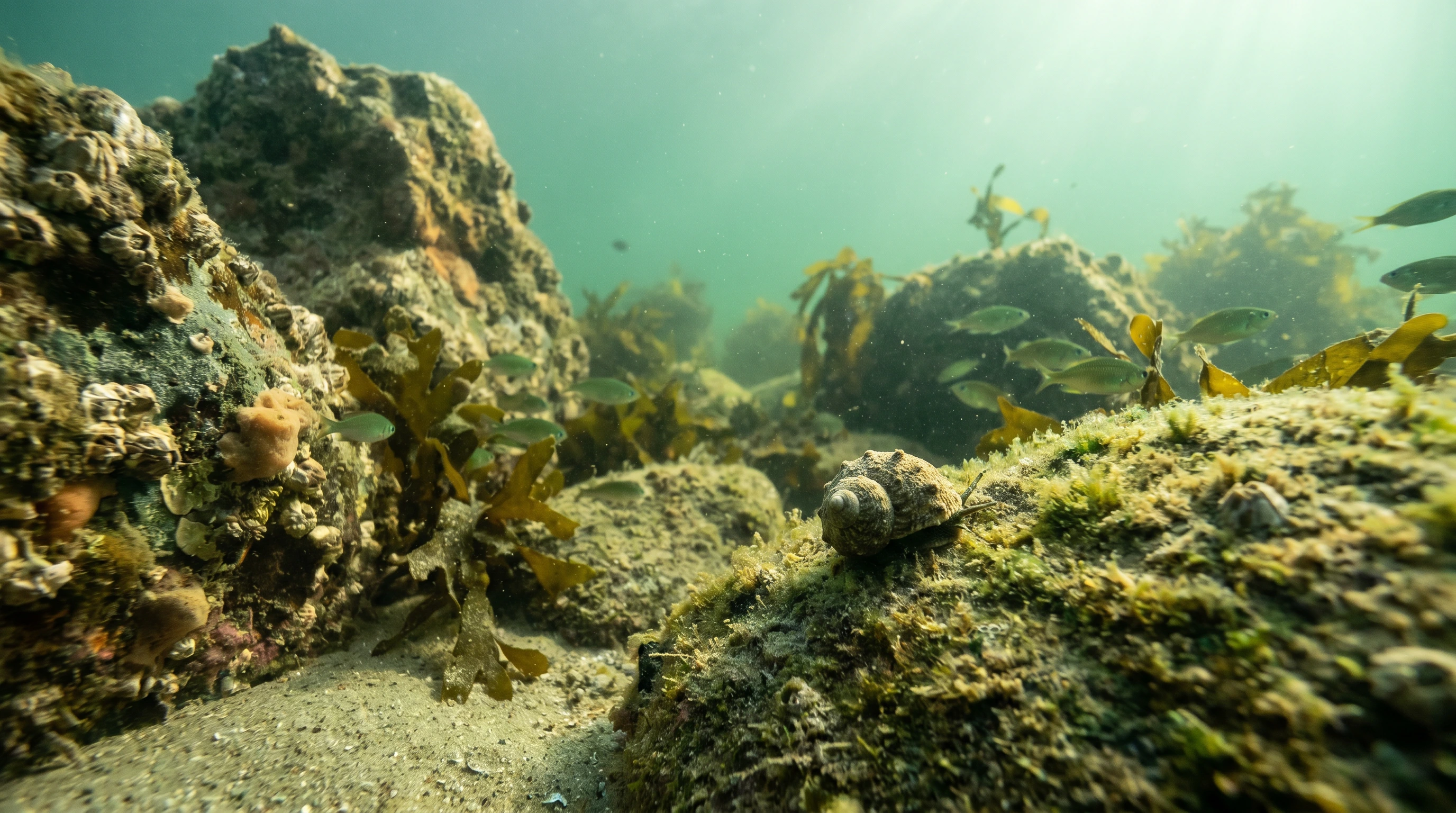
Copenhagen Coast diving is built around shallow artificial reefs and sheltered shore entries, making it one of the more accessible urban dive destinations in the region. Sites such as Havheksen and Noas Ark sit in very shallow water, while Trekroner fortet offers the fort foundations via boat. Expect Common Moon Jellyfish and European Green Crab at virtually every site, alongside Corkwing Wrasse, Deep-snouted Pipefish and Black Goby. Water is cold in winter and warm only in midsummer.
Monthly water temperature across Copenhagen Coast's sites, from satellite sea-surface data corrected for depth. The band shows the site-to-site spread.
Water temperatures climb from cold late-winter lows to their warmest in July and August, making summer the most comfortable window for diving. Spring and autumn offer a useful shoulder season, with conditions remaining diveable through October. Winter diving is possible but demands appropriate exposure protection for near-freezing water.
19 operators
12 more sites to explore
Water temperature around Copenhagen Coast ranges from about 4°C in January to 18°C in July, based on satellite sea-temperature data for its dive sites.
In the warm season (about 18°C) a 5mm suit is comfortable in Copenhagen Coast; in the coldest months (about 4°C) step up to a drysuit.
Fin maps 16 sites in Copenhagen Coast (16 scuba diving sites and 3 snorkelling spots, with some suited to both).
Across Copenhagen Coast's dive sites, June, July, August and September are most often reported as the best months to visit.
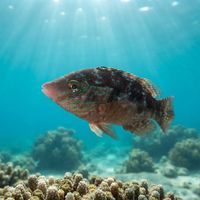
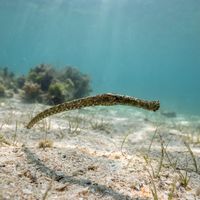
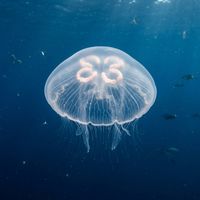
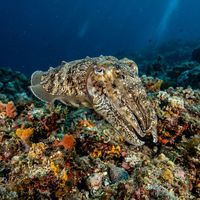
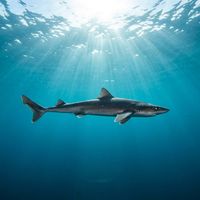
Common Moon Jellyfish and European Green Crab are observed across the full range of sites, making them near-certain encounters. Corkwing Wrasse, Deep-snouted Pipefish and Black Goby are also very frequently recorded. Less predictable sightings include European Common Cuttlefish, Conger Eel and European Flounder, all of which have been observed in the area.
The majority of sites are rated for beginners, with several featuring very shallow depths and calm, sheltered entries. Shore-entry sites such as Havheksen and Skovshoved Havn Syd are particularly forgiving for those building confidence. Boat-access sites like Trekroner fortet are still beginner-friendly but require a short transit on the water.
Most sites on the Copenhagen Coast are reachable from shore, which keeps logistics straightforward. Trekroner fortet is the main exception, requiring a boat to reach the fort foundations. Several operators listed in the area offer guided boat dives for those sites that need them.
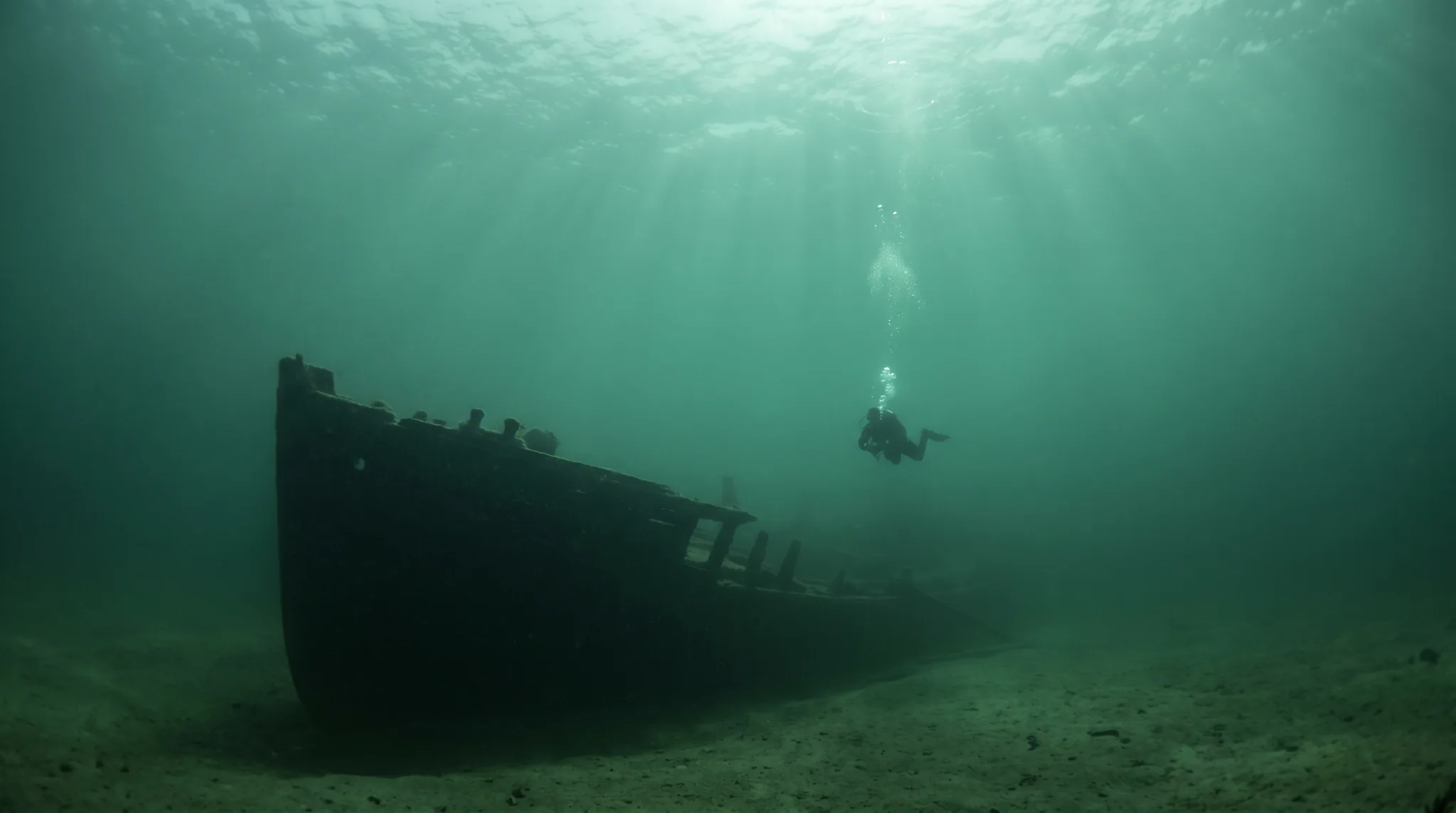
Artificial reefs are the defining site type here, several of them built over or alongside structural features such as harbour walls, fort foundations and purpose-placed rock formations. Noas Ark combines a shallow wreck with an artificial reef, adding some variety. Natural reef features also appear at Skovshoved Havn Syd alongside the artificial structures.