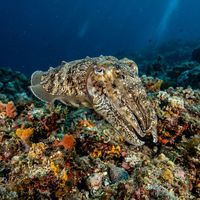
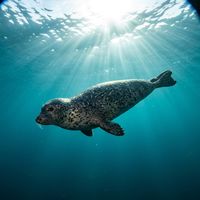
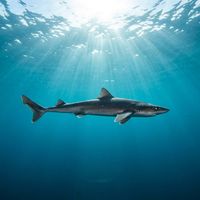
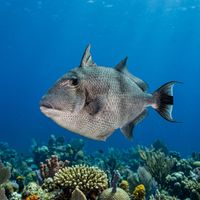
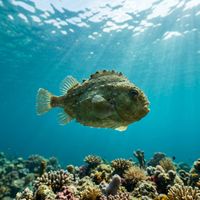
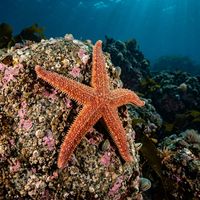
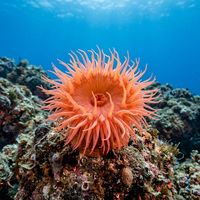
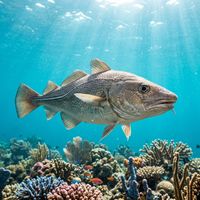
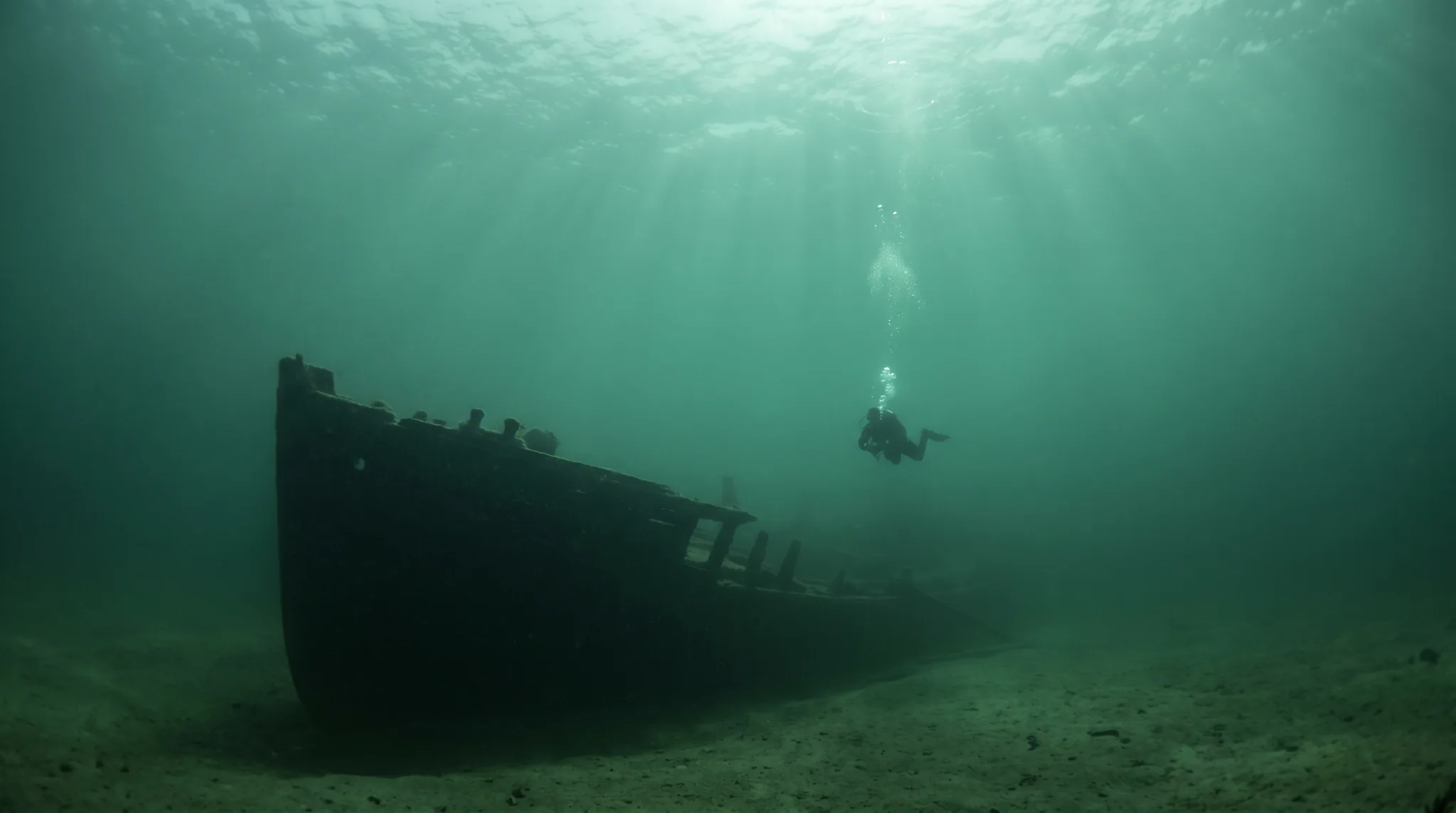
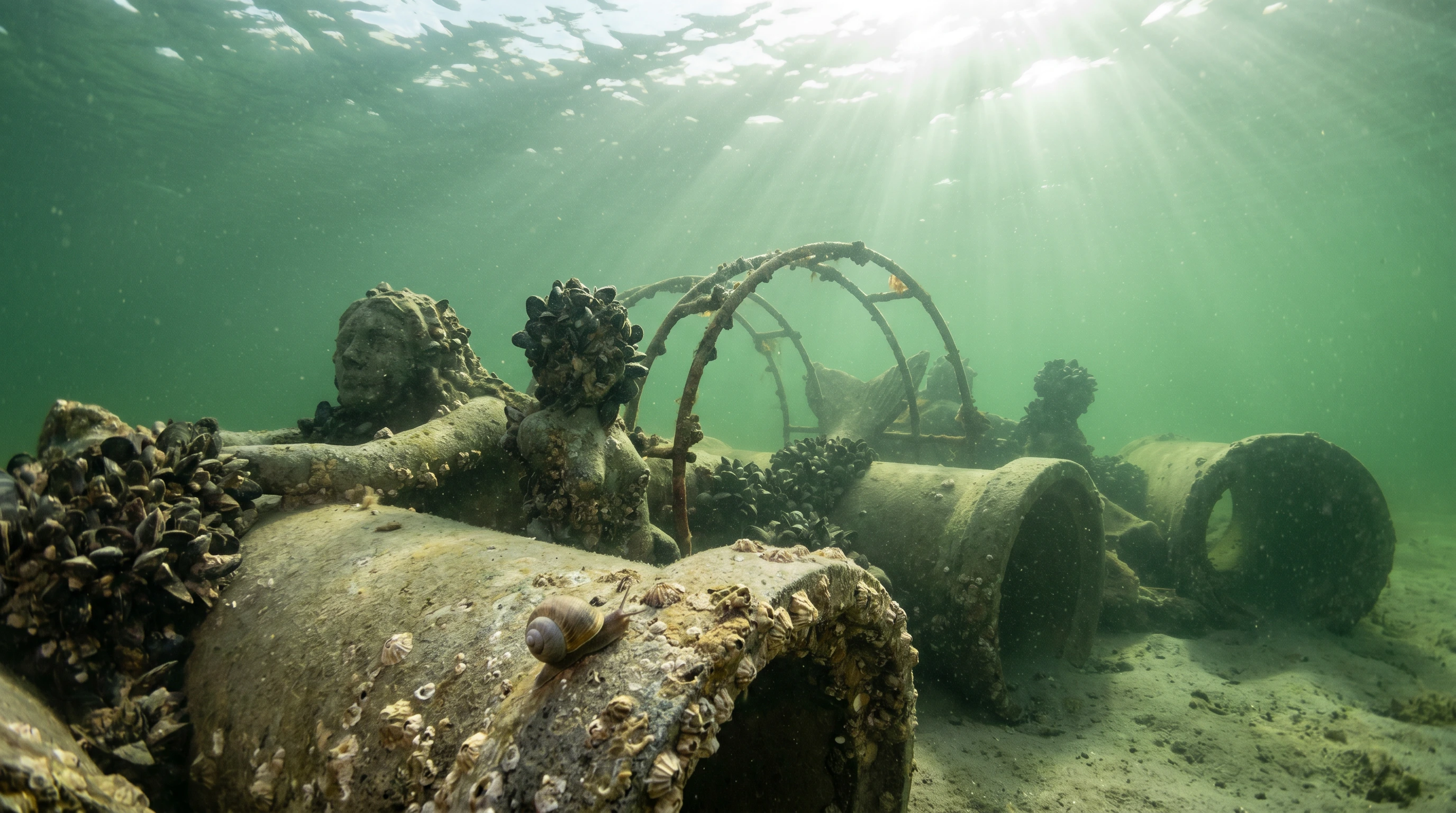
Zealand offers a distinctly northern diving experience built on wrecks, artificial reefs, and natural reef walls spread across three contrasting sub-areas. Copenhagen's urban coastline holds shallow artificial structures suited to beginners, while Stevns Klint delivers shore-entry reef and wreck dives reaching intermediate depths. Hesselø adds boat-accessed wrecks further offshore. The wildlife is characteristically cool-water: Righteye Flounder and Needlefish appear at high frequency, Harbor Seal and European Common Cuttlefish are signature sightings, and Cod, Dogfish, and Lumpfish round out a fauna that rewards patient, methodical diving.
3 areas
Monthly water temperature across Zealand's sites, from satellite sea-surface data corrected for depth. The band shows the site-to-site spread.
Water temperature swings considerably across the year, rising from very cold winter conditions to a moderate warm peak in late summer, making the period from late spring through early autumn the most comfortable window for most divers. June, July, and August see the highest concentration of recommended dive days, when conditions are at their most settled. Outside this window, diving remains possible but demands appropriate thermal protection for cold-water exposure.
59 operators


Vindinge, Denmark
18 more sites to explore
Shallow wrecks, artificial reefs, and cold-water wildlife including Harbor Seal and European Common Cuttlefish across three distinct coastal sub-areas.
Water temperature around Zealand ranges from about 4°C in January to 18°C in August, based on satellite sea-temperature data for its dive sites.
In the warm season (about 18°C) a 5mm suit is comfortable in Zealand; in the coldest months (about 4°C) step up to a drysuit.
Fin maps 67 sites in Zealand (67 scuba diving sites and 4 snorkelling spots, with some suited to both), organised into 3 areas.
Across Zealand's dive sites, May, June, July, August and September are most often reported as the best months to visit.
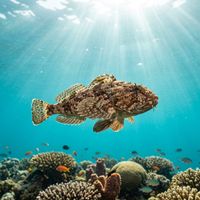
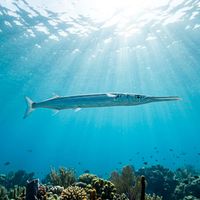
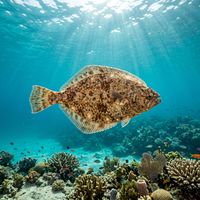
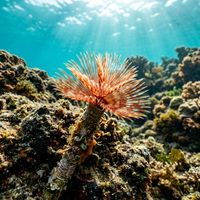
Zealand's most frequently observed species include Righteye Flounder, Needlefish, and Cod, all confirmed sightings across a wide range of sites. Harbor Seal and European Common Cuttlefish are the region's signature encounters. Other commonly recorded species include Dogfish, Grey Triggerfish, Lumpfish, Sculpin, Common Sea Star, and Sea Anemone, with occasional sightings of Conger Eel, Pipefish, and Giant Jellyfish.
Yes, a good proportion of Zealand's sites are rated for beginners, particularly around Copenhagen and Stevns Klint. Sites such as Havheksen, Noas Ark, and Hojrup Kirke offer shallow entry with mild conditions and shore access, making them well suited to those building confidence. Intermediate sites like Minos and Vapper are also available for divers ready to go deeper.
Copenhagen concentrates the largest number of sites and includes a mix of shallow artificial reefs and harbour structures, many accessible from shore. Stevns Klint offers a more varied profile, combining beginner reef dives with intermediate wreck and wall sites including the freshwater limestone pit at Karlstrup Kalkgrav. Hesselø is the most remote sub-area, with fewer sites reached primarily by boat, including the wreck at Anders Martin.
The majority of Zealand's sites are shore-entry, which makes independent diving straightforward at many locations. Sites like Minos, Vapper, and Stevns are all accessible from the shore. Boat access is needed for sites such as Anders Martin off Hesselø and Trekroner fortet near Copenhagen, and several operators including Ocean Dive, Dykkercentret, and Københavns Dykkerskole run guided trips across the region.