Pontastacus leptodactylus
Active in cold to cool water between 3 and 18 °C, the Turkish Crayfish is a freshwater crustacean worth knowing how to spot.
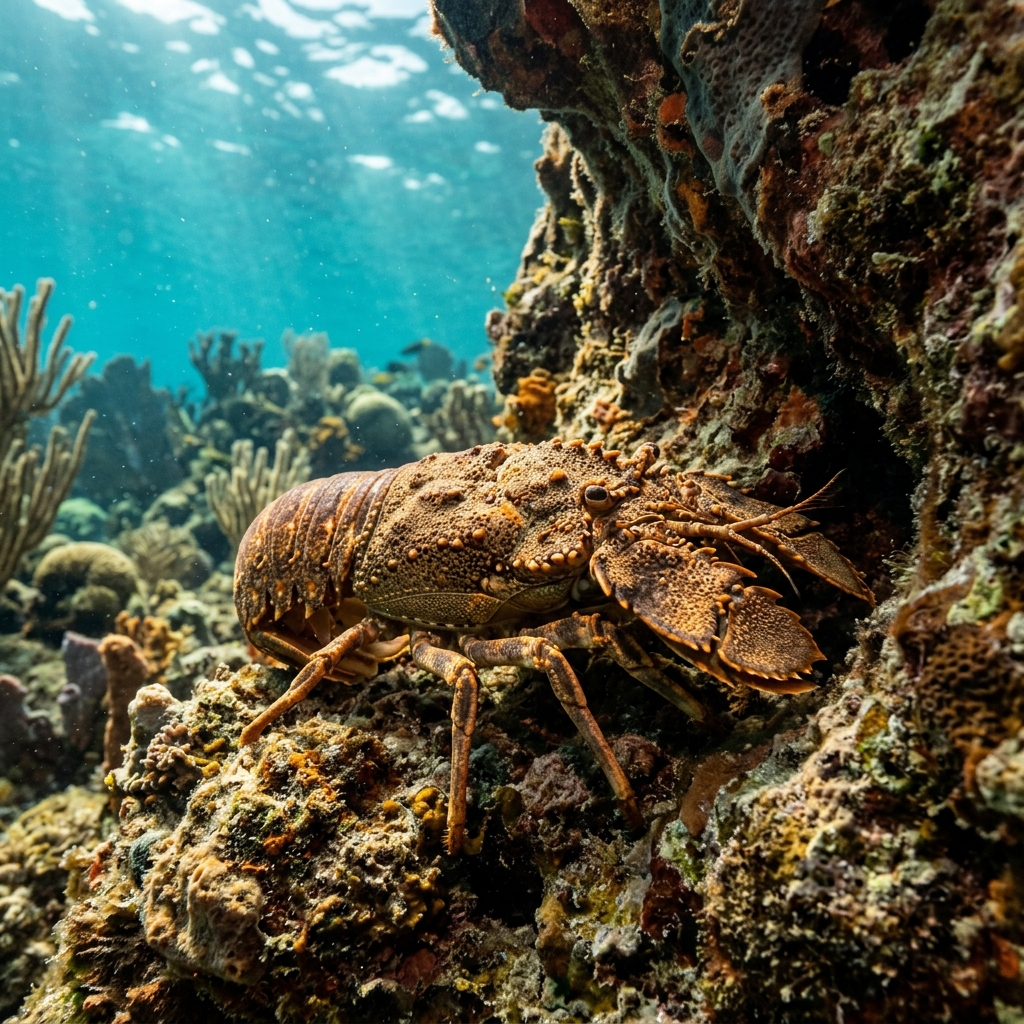
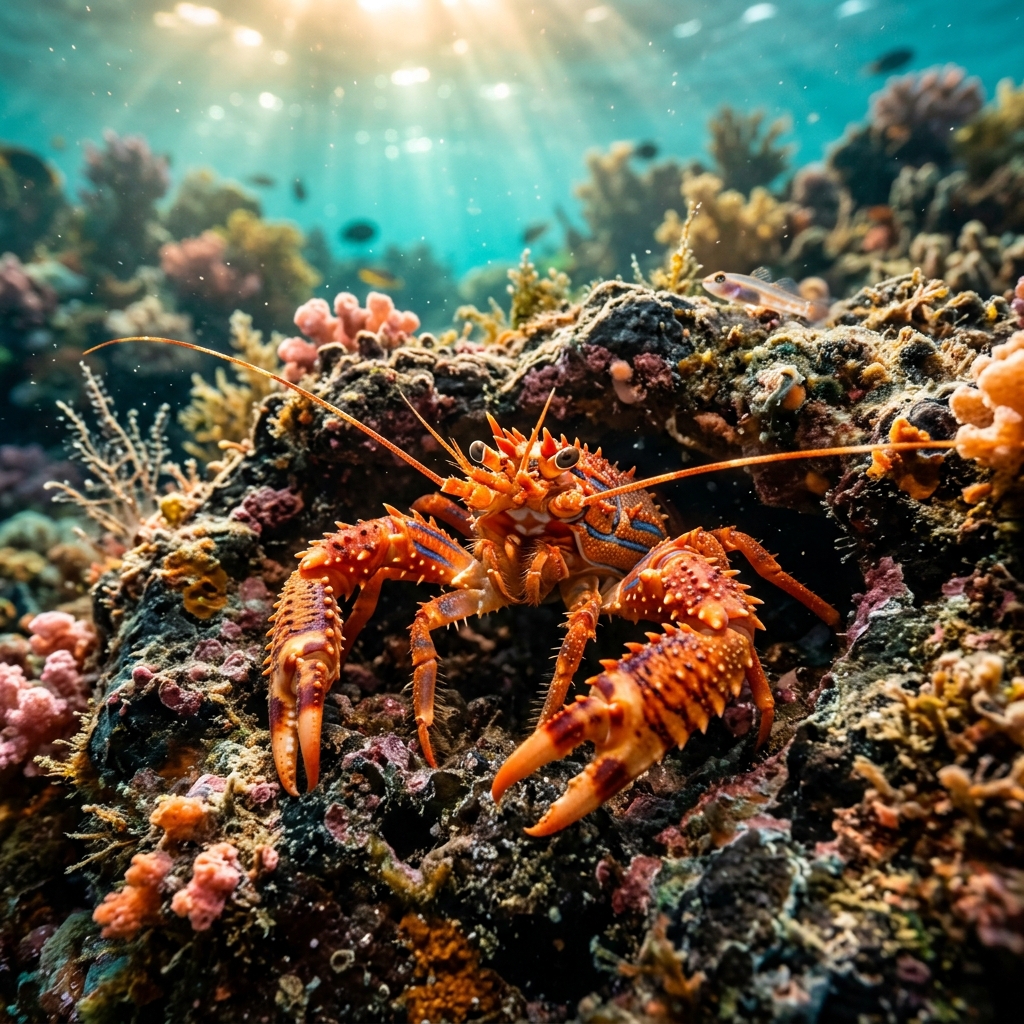
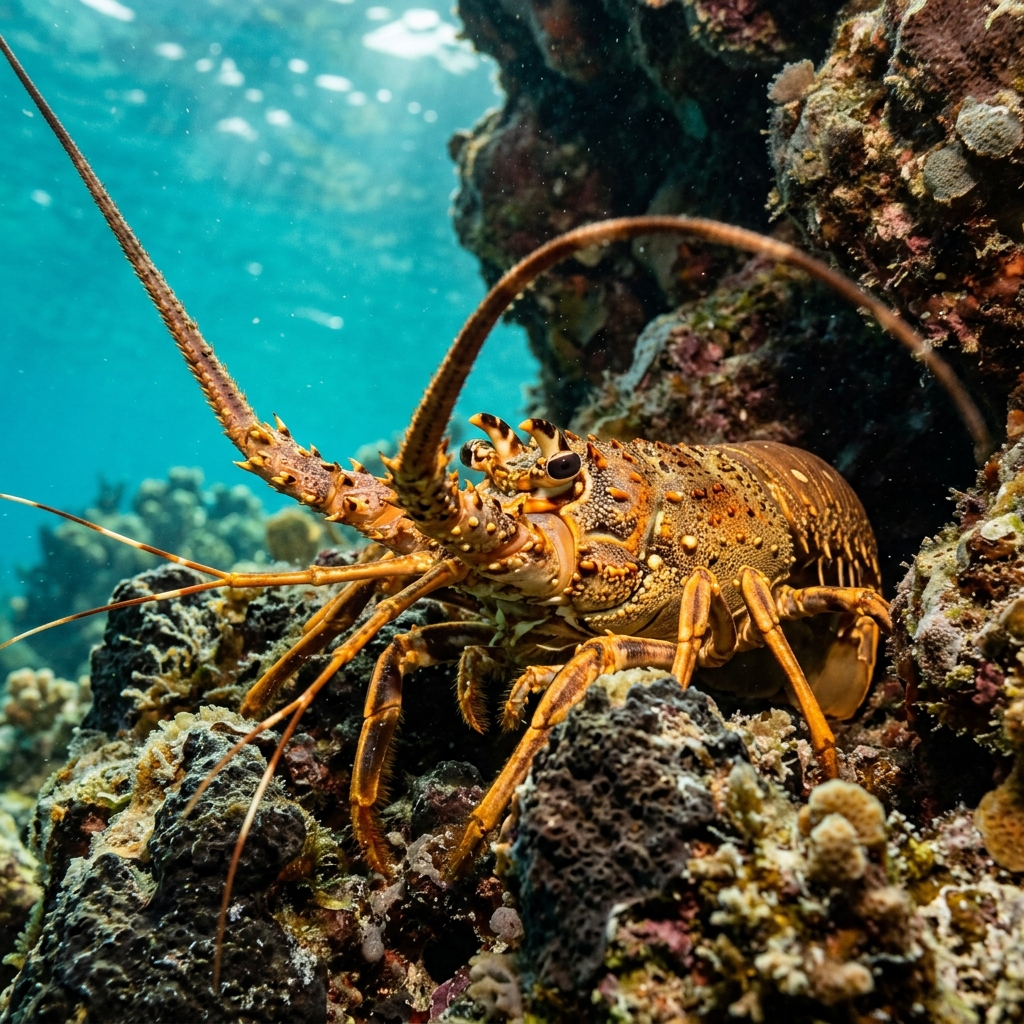
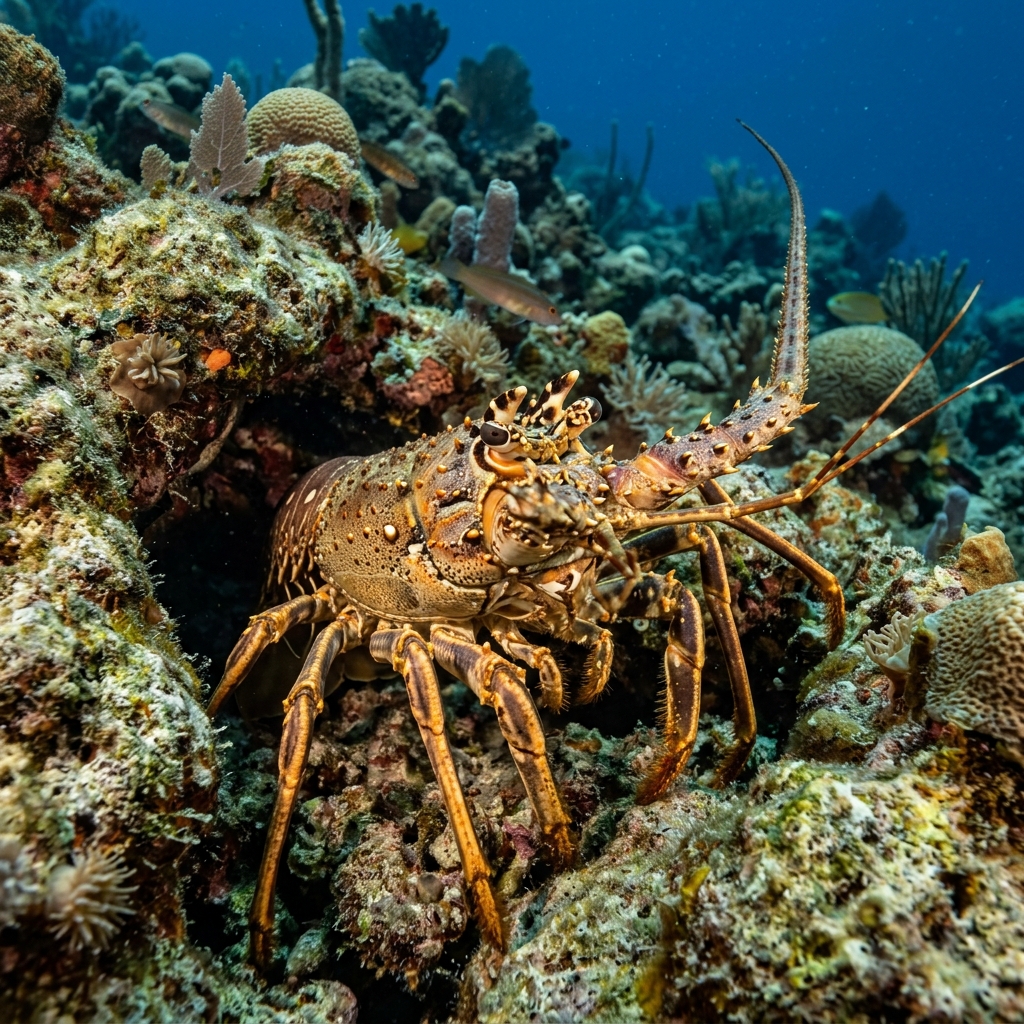
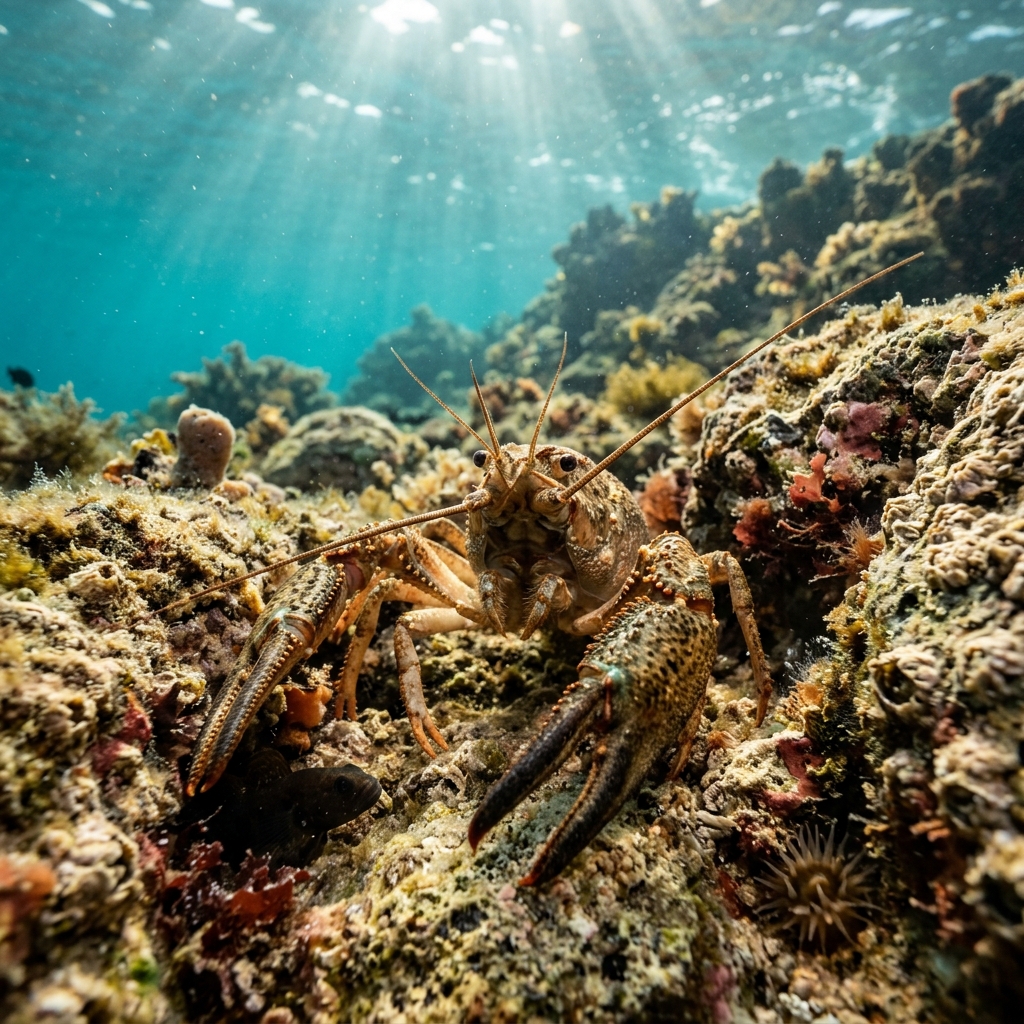
Notably slender, elongated claws (chelae) set this species apart from other European crayfishes, the narrow, almost finger-like pincers are the single most reliable field mark. The carapace (the hard upper shell) runs olive to reddish-brown depending on the substrate, and the underside tends to be paler, often cream or yellowish. Body length typically falls in the range of other medium-sized crayfishes, though the narrow claws give it a more delicate, stretched appearance underwater.
Like most crayfishes, it is primarily nocturnal, sheltering under rocks, submerged wood, or in burrows during daylight hours and venturing out after dark to forage. If approached by a diver, it will typically reverse quickly using tail-flip propulsion. Encounters during the day usually involve finding individuals tucked under ledges or in crevices along the bottom.
The species name leptodactylus means 'slender-fingered' in Greek, and those narrow claws are not just a visual quirk, they are an adaptation for extracting prey from tight crevices in rocky riverbeds.
There is insufficient seasonal sighting data to identify a peak period. Observed water temperatures range from around 3 to 18 °C, suggesting activity across a broad cool-water season, likely most accessible to snorkellers and river divers during warmer summer months when water is at its upper range.
No dive sites have been logged for this species on Fin yet, so there are no data-verified locations to recommend. The Turkish Crayfish is a freshwater species native to river and lake systems across Eastern Europe and Western Asia, so any encounters would take place in rivers, lakes, or reservoirs rather than marine or coastal sites.
Mapping where Turkish Crayfish is logged…
No dive sites have been logged on Fin for this species yet. It is a freshwater animal native to rivers and lakes in Eastern Europe and Western Asia, so encounters happen in freshwater environments rather than the sea. River snorkelling and lake diving in its native range are the most likely settings for a sighting.
There is no confirmed seasonal peak from diver data. The species tolerates water from around 3 to 18 °C, so summer months when freshwater temperatures are warmer are likely the most comfortable time to dive. Being nocturnal, a night dive or snorkel will give far better odds than a daytime search.
The key feature is the unusually slender, elongated claws, far narrower than those of most other European crayfishes. The body is olive to reddish-brown with a paler underside. If you are in a cool freshwater river or lake in Eastern Europe or Western Asia and see a crayfish with finger-like pincers, Turkish Crayfish is a strong candidate.
Precise size data are not available in current diver-observation records. As a medium-sized crayfish species, adults are broadly comparable to other European crayfishes, generally falling in the range of 10 to 20 cm in total body length, though individuals vary depending on age and habitat conditions.
The Turkish Crayfish is currently assessed as Least Concern on the IUCN Red List, meaning it is not considered at elevated extinction risk globally. However, freshwater crayfishes broadly face pressure from habitat degradation and invasive species, so local populations can be more vulnerable than the global status suggests.
The slender claws are an adaptation for foraging in rocky riverbeds, allowing the animal to reach into tight gaps to extract invertebrates, plant material, and detritus. This is also reflected in its scientific name, leptodactylus, which translates directly as 'slender-fingered'.
Site and sighting data is aggregated from diver logs, iNaturalist and GBIF. For taxonomy and conservation status:
Caribbean Spiny Lobster
2,209 sites