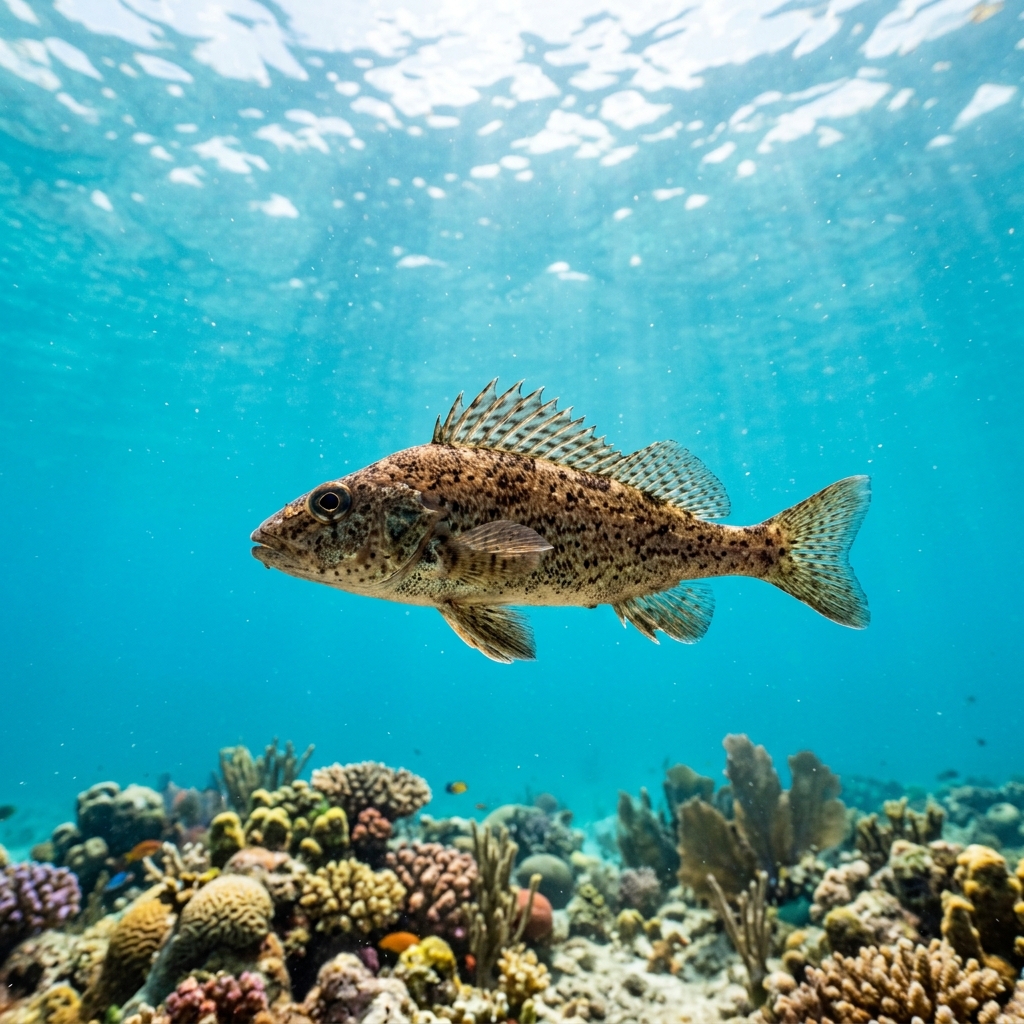
Gymnocephalus cernua
Spot ruffe in the cold freshwater lakes of Switzerland and Austria. Here's how to recognise this small perch-relative and where divers log it most.
A small, compact fish with an olive to grey-brown body covered in dark blotches and spots, easily mistaken for dead leaf litter against a muddy or gravelly lakebed. The most useful underwater marker is the single long dorsal fin where the spiny front portion flows directly into the soft rear portion without a visible gap, unlike most of its perch relatives. The underside is pale, almost cream, and the gill covers end in sharp spines that give the head a slightly armoured look. Eyes are large relative to the head, an adaptation to low-light, deeper water conditions.
Ruffe tend to sit tight near the bottom, often over soft sediment or among submerged structure, making them easy to overlook until they move. They are generally unfazed by slow-approaching divers and may hold position while you look closely, though a sudden movement will send them dashing under cover. Sightings most commonly involve solitary fish resting or moving slowly close to the substrate in relatively shallow to mid-depth zones of lakes.
Ruffe have a highly sensitive lateral line (the sensory organ running along a fish's side that detects vibrations) and can locate prey in near-zero visibility or complete darkness, which is why they thrive in turbid, low-light lake conditions where clearer-water competitors struggle.
There is not enough monthly sighting data to identify a peak season, so ruffe should be treated as a year-round resident. The observed water-temperature range of roughly 3 to 19 °C fits the cool conditions of Central European freshwater lakes throughout the year.
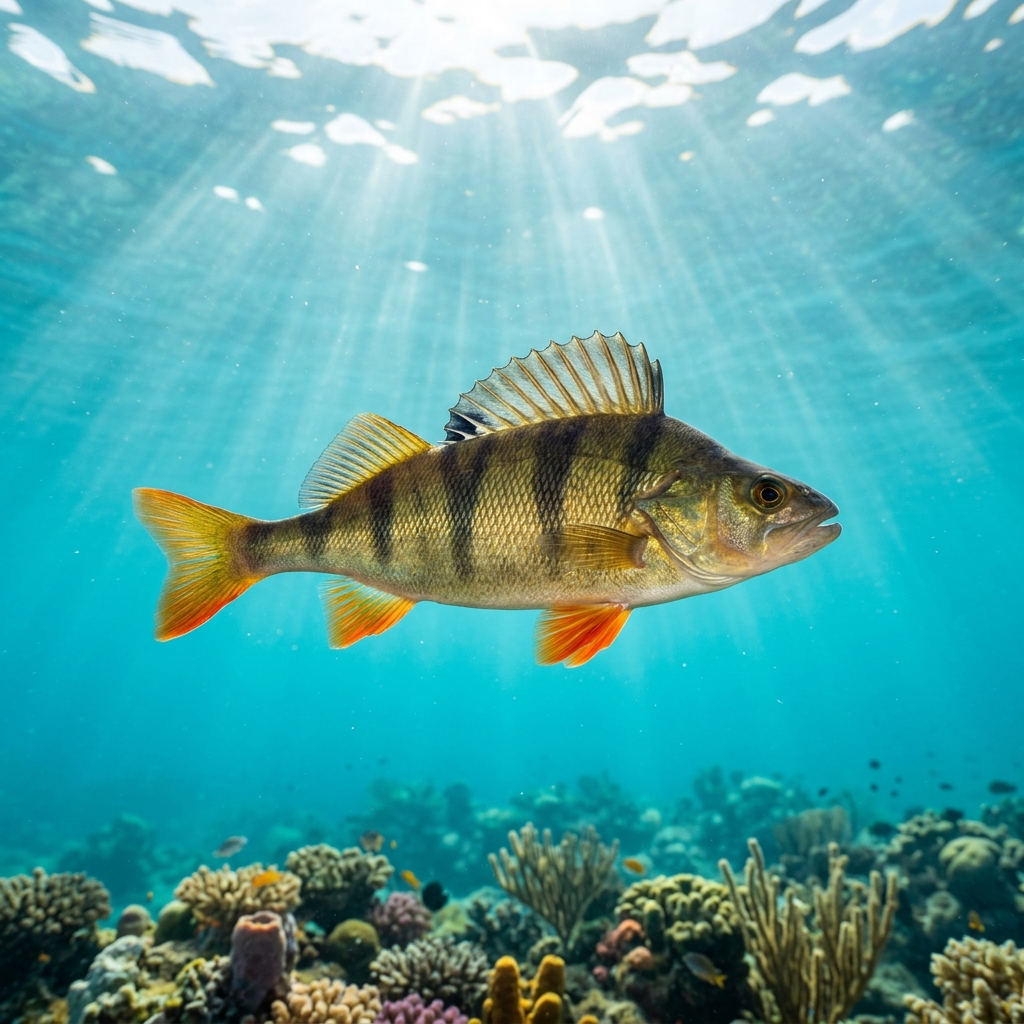
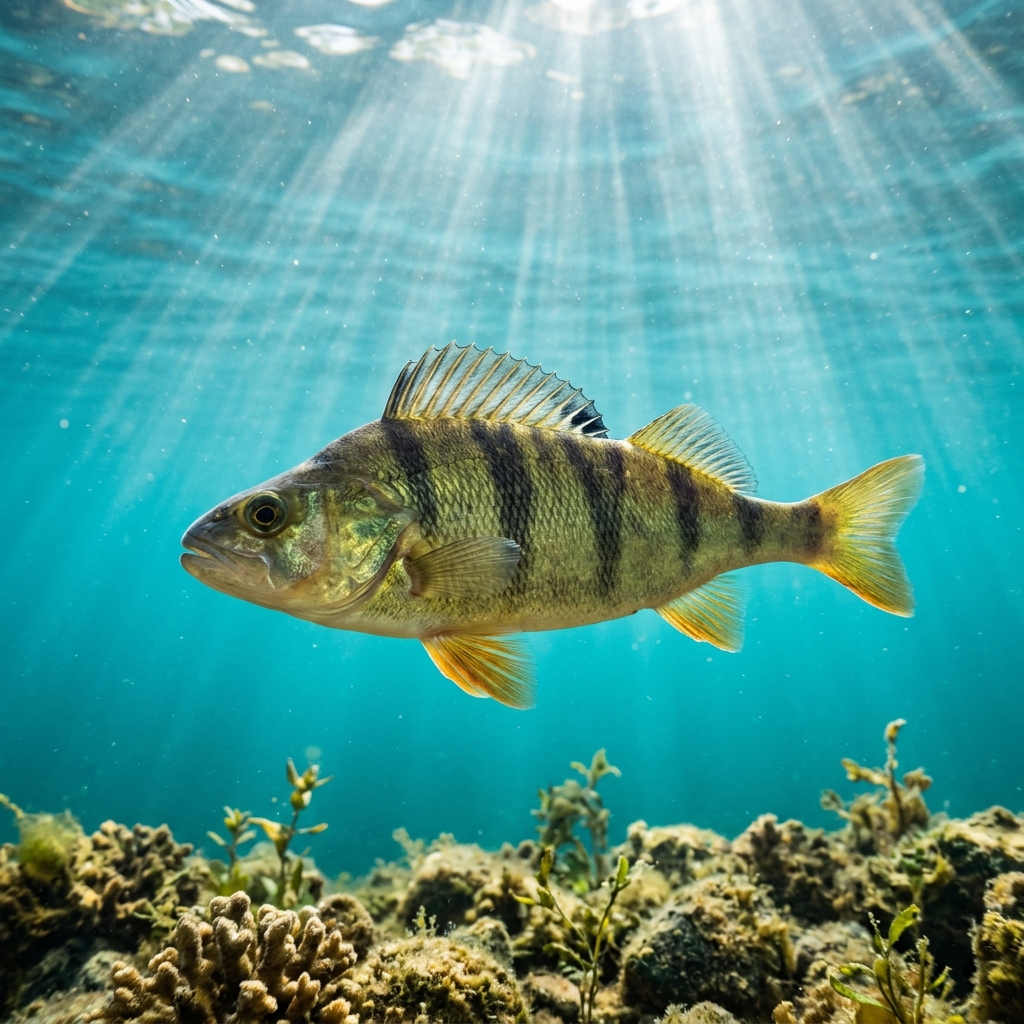
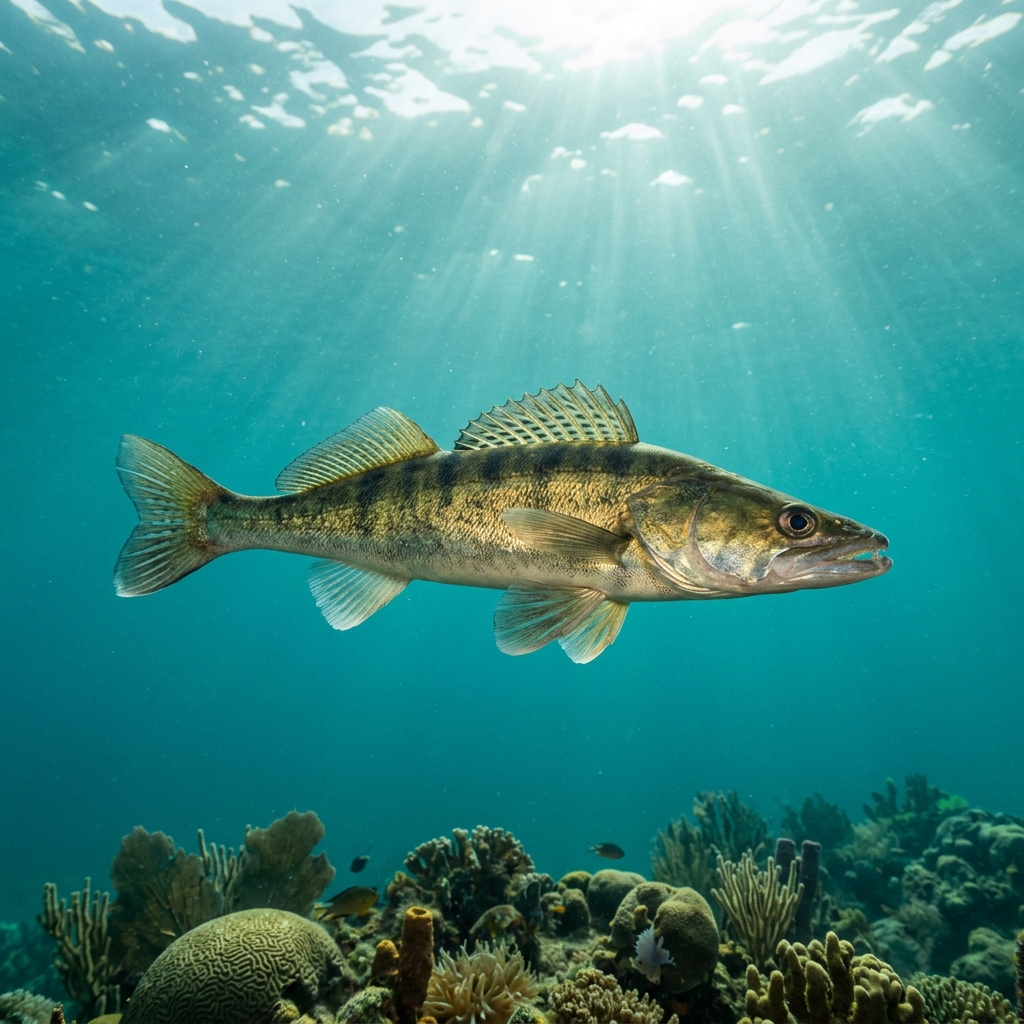
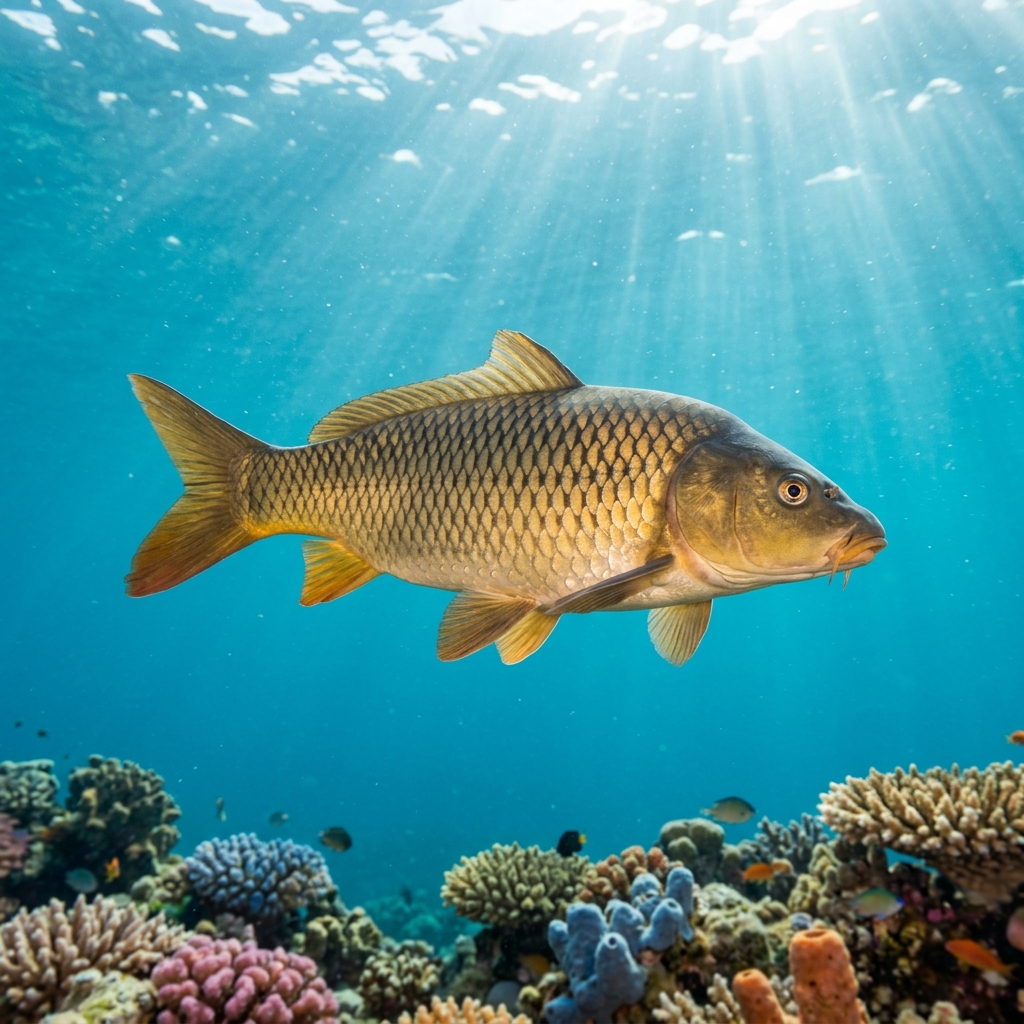
Reef neighbours a diver could mistake it for. Use the identification notes above to tell them apart.
Ruffe are most consistently logged across freshwater dive sites in Switzerland, particularly throughout Central Switzerland, where the bulk of sightings come from cold alpine and pre-alpine lakes. Austria is the other key destination, with divers reporting encounters mainly around the Carinthia Lakes and, to a lesser extent, Styria Lakes. Outside these two countries there are currently no verified dive-site records in Fin's data.
Mapping where Ruffe is logged…
Verified dive-site records are concentrated in Switzerland and Austria. Central Switzerland has the strongest spread of sighting locations, while the Carinthia Lakes in Austria and Styria Lakes are the next most reliable areas. All confirmed sightings come from freshwater lake dives.
There is no clear seasonal peak in the current sighting data, so ruffe can be encountered throughout the year. They are cold-tolerant and active in water as cool as 3 °C, meaning winter diving in alpine lakes remains a viable option.
Look for a small, speckled brown fish resting on the bottom with a single continuous dorsal fin, the spiny and soft sections join without a notch. Large eyes, a pale belly, and spiny gill covers complete the picture. Common perch, the most likely confusion species, shows bold dark vertical bars and a clear gap between its two dorsal fins.
Ruffe are a small species, typically reaching around 10 to 15 cm in most European lake populations, occasionally a little larger. They are noticeably smaller than common perch and considerably smaller than pike perch, which helps with underwater ID once you have a sense of scale.
No. Ruffe pose no threat to divers. They are small, non-aggressive, and will simply retreat if approached too quickly. The spines on the dorsal fin and gill covers can prick if you handle one carelessly out of the water, but this is not a concern during a normal dive encounter.
Site and sighting data is aggregated from diver logs, iNaturalist and GBIF. For taxonomy and conservation status:
Sun Perch
2,182 sites