Gasterosteus aculeatus
Small, spiny freshwater fish logged in cold lakes and channels from Zealand, Denmark to British Columbia, Canada, in water down to 2°C.
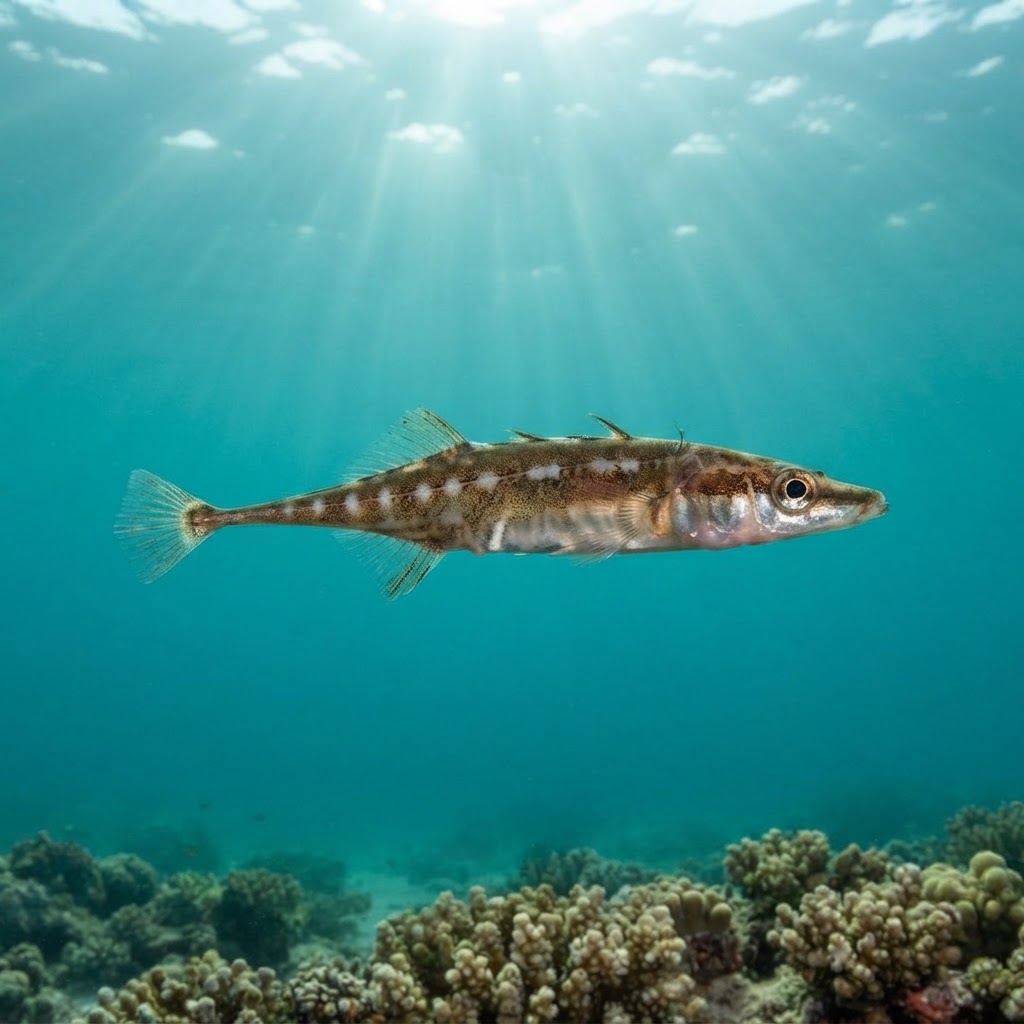
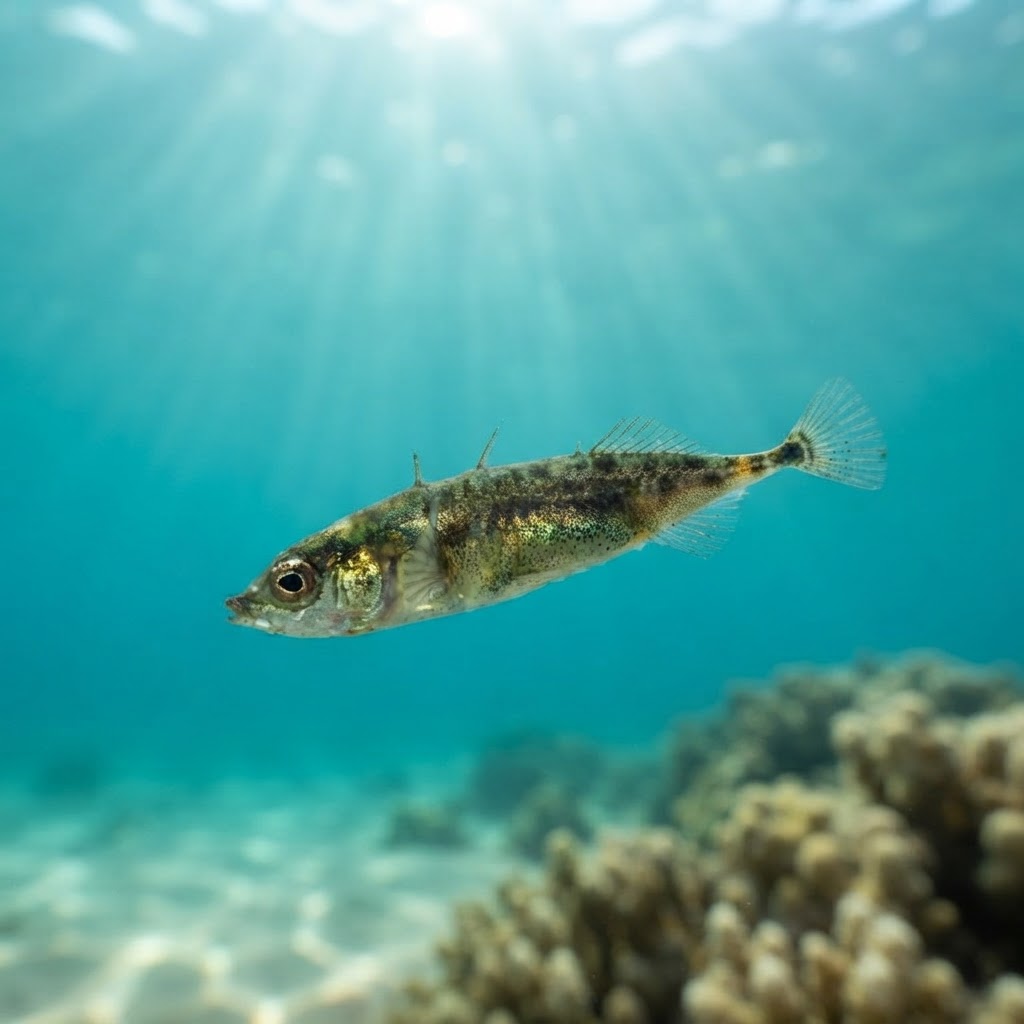
A tiny, slender fish rarely more than 8 cm long, easiest to spot by the row of sharp, isolated spines standing up along its back ahead of the dorsal fin. Body is silvery to olive-green, often with faint mottling, and it swims in short darting bursts rather than a steady glide. Breeding males flush a red-orange throat and belly with steel-blue eyes, a striking change from the plain silver of females and non-breeding fish.
Usually seen hovering low over sand, gravel or weed beds in shallow, sheltered water rather than out in open channels. It tends to hold station or dart between cover in short bursts, more curious than skittish, and pays little attention to a slow-moving diver. Around spring and early summer, males can be seen guarding a small nest of plant material, chasing off intruders many times their own size.
Male three-spined sticklebacks build and defend a nest woven from plant matter, then court females to lay eggs inside it, after which the male alone guards and fans the eggs until they hatch.
Sightings show no clear seasonal peak, and with a comfort range of roughly 2 to 13.5°C it can turn up through the colder months as readily as in summer. Treat it as a year-round find in the cool temperate sites where it's logged.
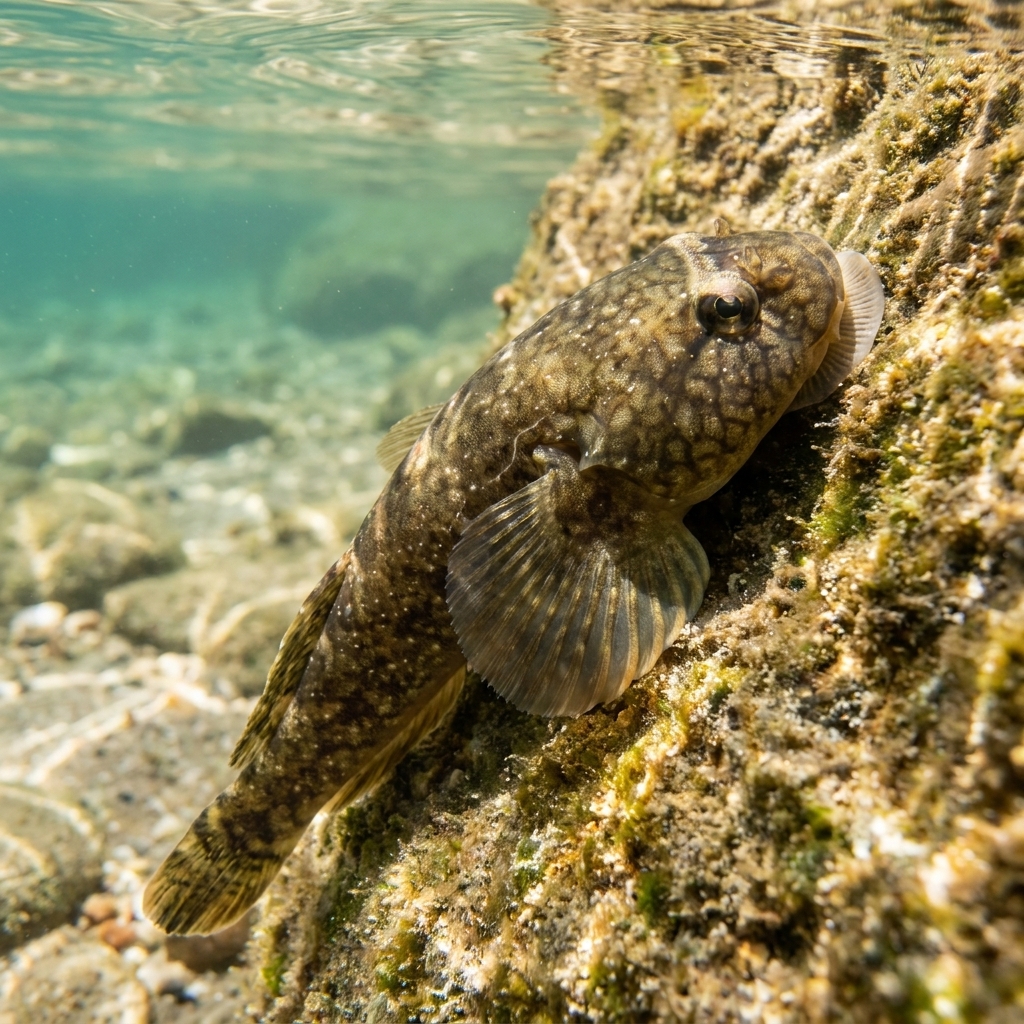
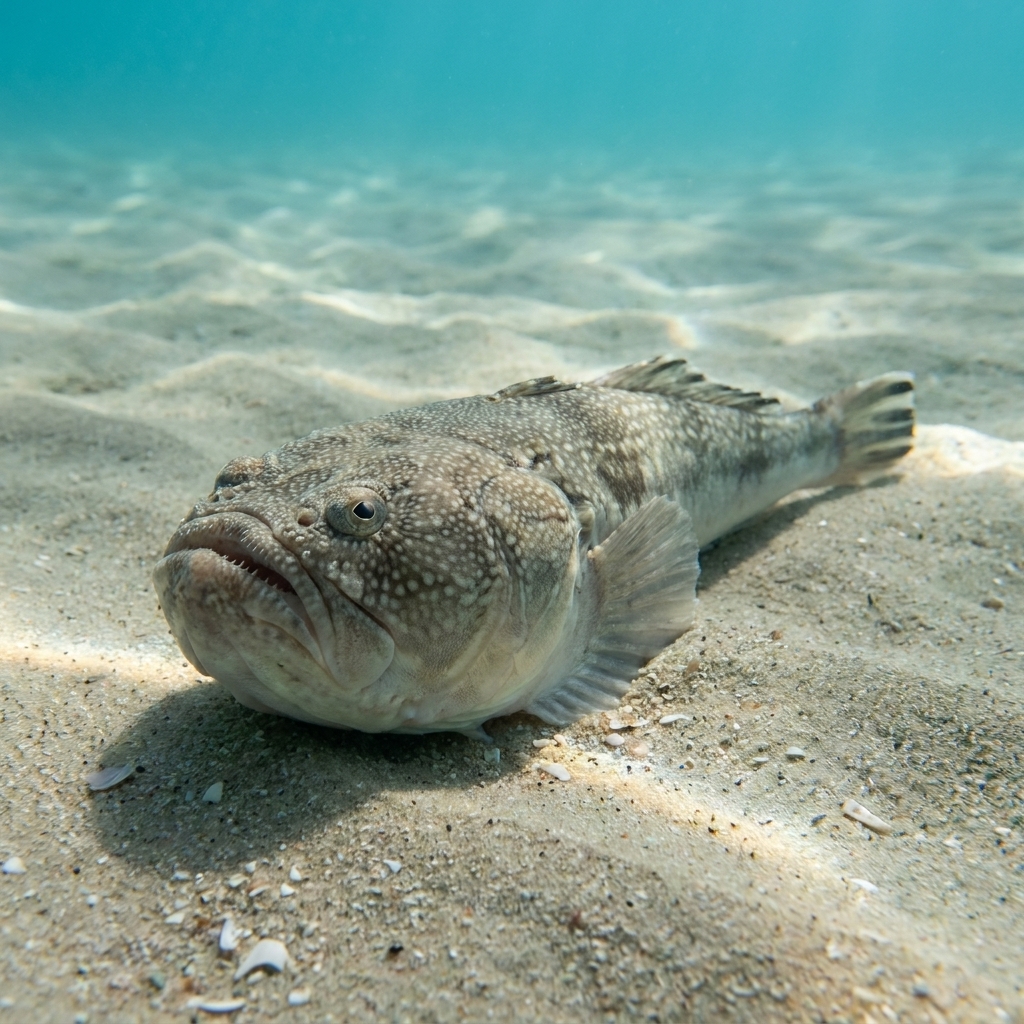
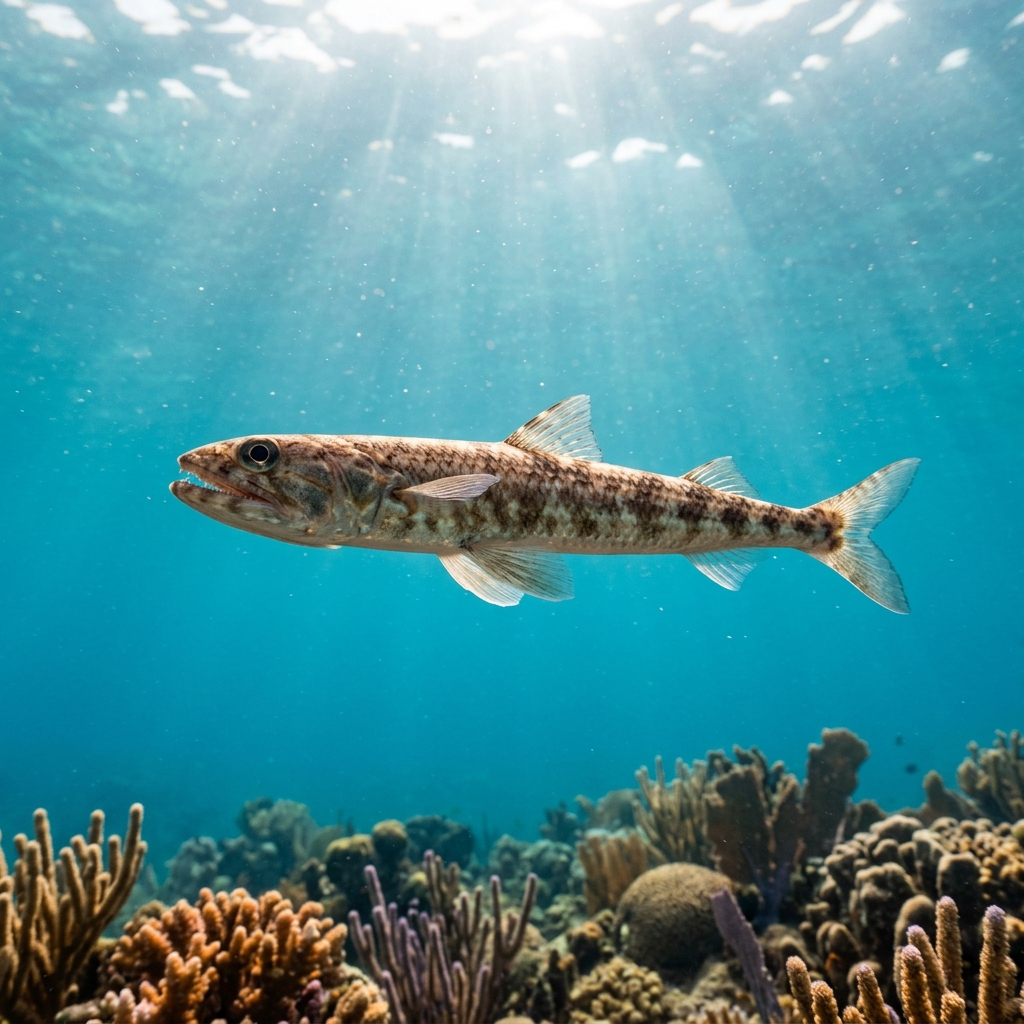
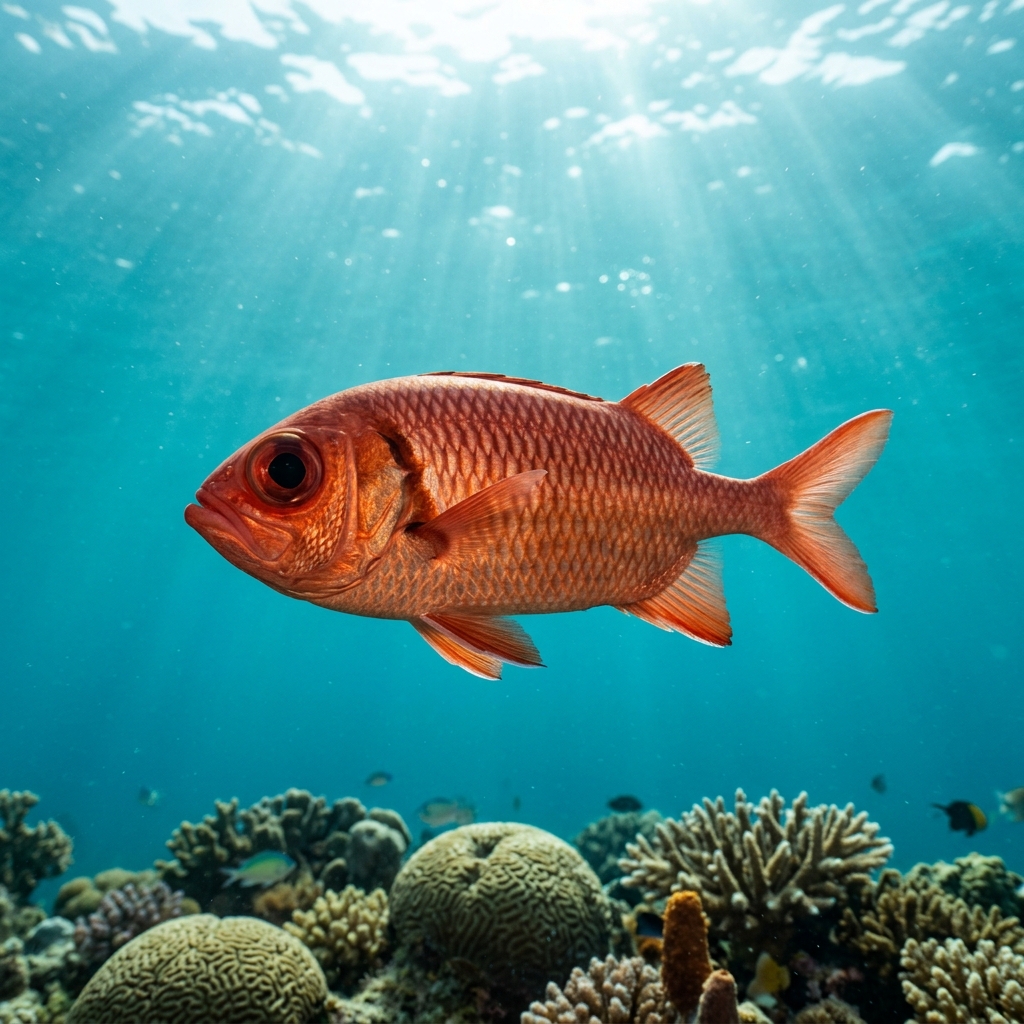
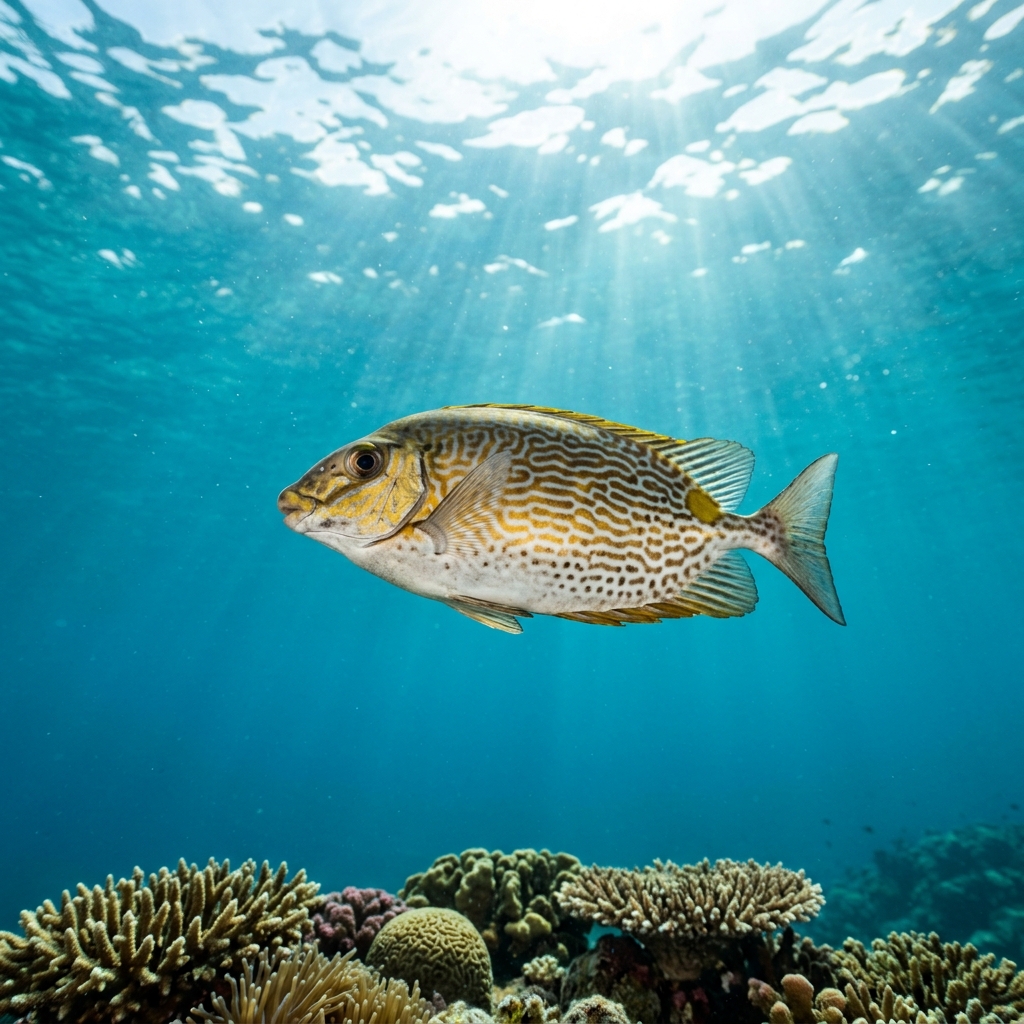
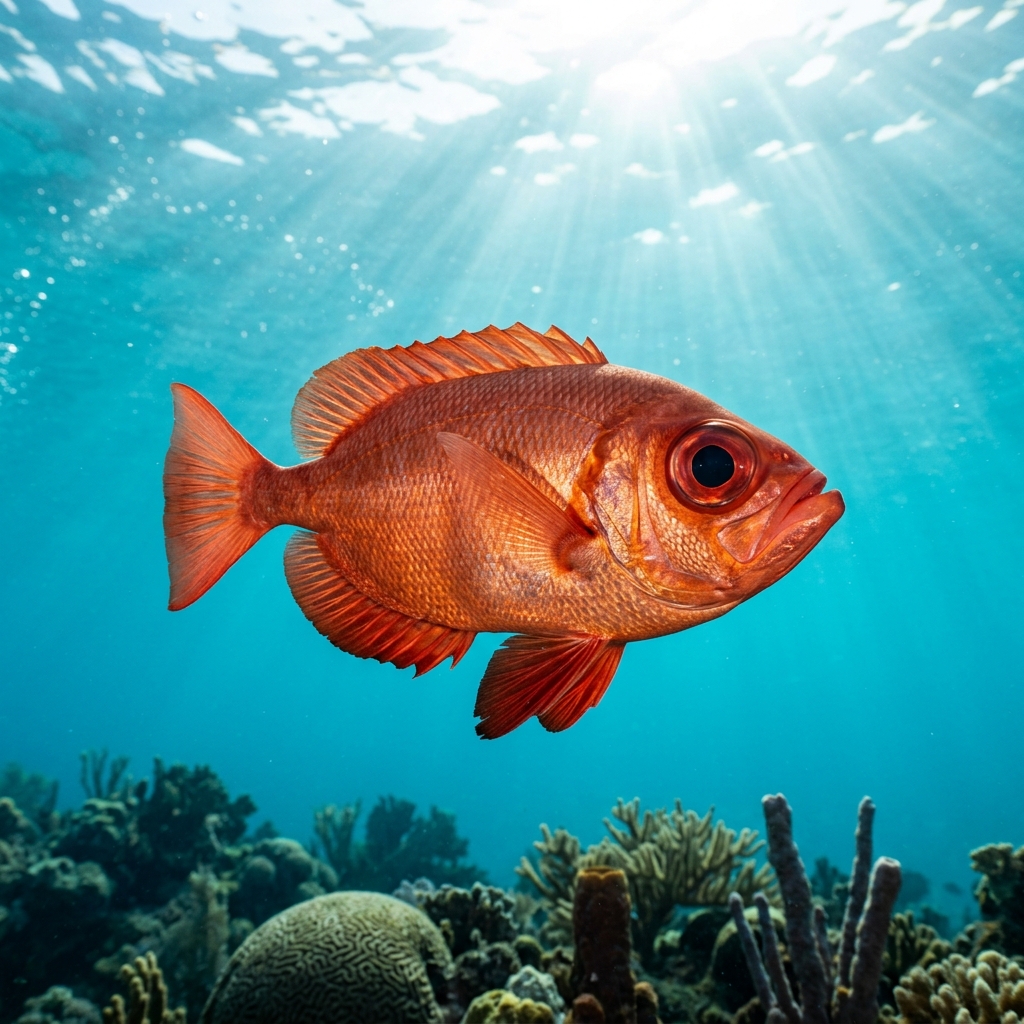
Reef neighbours a diver could mistake it for. Use the identification notes above to tell them apart.
Most often logged in Denmark, especially around Zealand and Jutland, and in Germany's Schleswig-Holstein region, all cold, shallow coastal and brackish waters. Strong numbers also turn up on the Canadian side, particularly British Columbia, with a scatter of sightings in the Pacific Northwest of the United States.
Mapping where Three-spined Stickleback is logged…
They're most reliably logged in Denmark, particularly Zealand and Jutland, and in Germany's Schleswig-Holstein region. British Columbia in Canada is another strong area, with scattered records in the Pacific Northwest of the United States.
There's no strong seasonal pattern in sightings, and they tolerate water from about 2 to 13.5°C, so they're seen across the year rather than in one short window.
Look for a small, slender fish around 8 cm with a row of free-standing spines along its back instead of a normal dorsal fin. It's silvery-green normally, but breeding males show a bright orange-red throat and blue eyes.
They're small, typically around 8 cm long, making the spine pattern on the back a more useful ID clue than size alone.
It's famous among biologists for its elaborate nest-building and courtship behaviour, where the male builds a nest, lures in females to spawn, then guards the eggs alone. Divers sometimes get to watch this defensive behaviour firsthand in shallow water.
No, they pose no danger to divers. They're too small to threaten anything larger than another stickleback and will simply dart off or hold their ground if approached slowly.
Site and sighting data is aggregated from diver logs, iNaturalist and GBIF. For taxonomy and conservation status:
Soldierfish
3,612 sites