Symphodus melops
A small, colourful reef wrasse logged from the Algarve to the Lisbon Coast, most often turning up as an uncommon find rather than a guaranteed sighting.
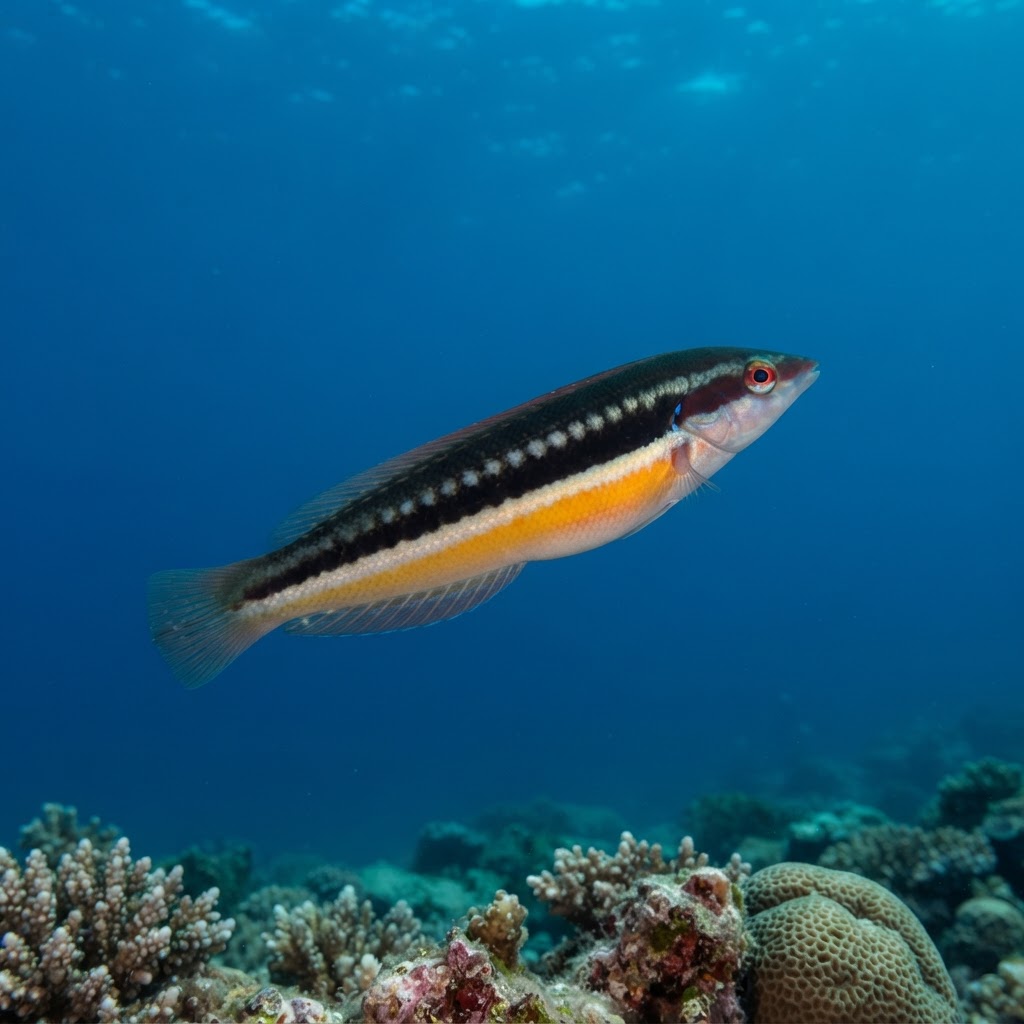
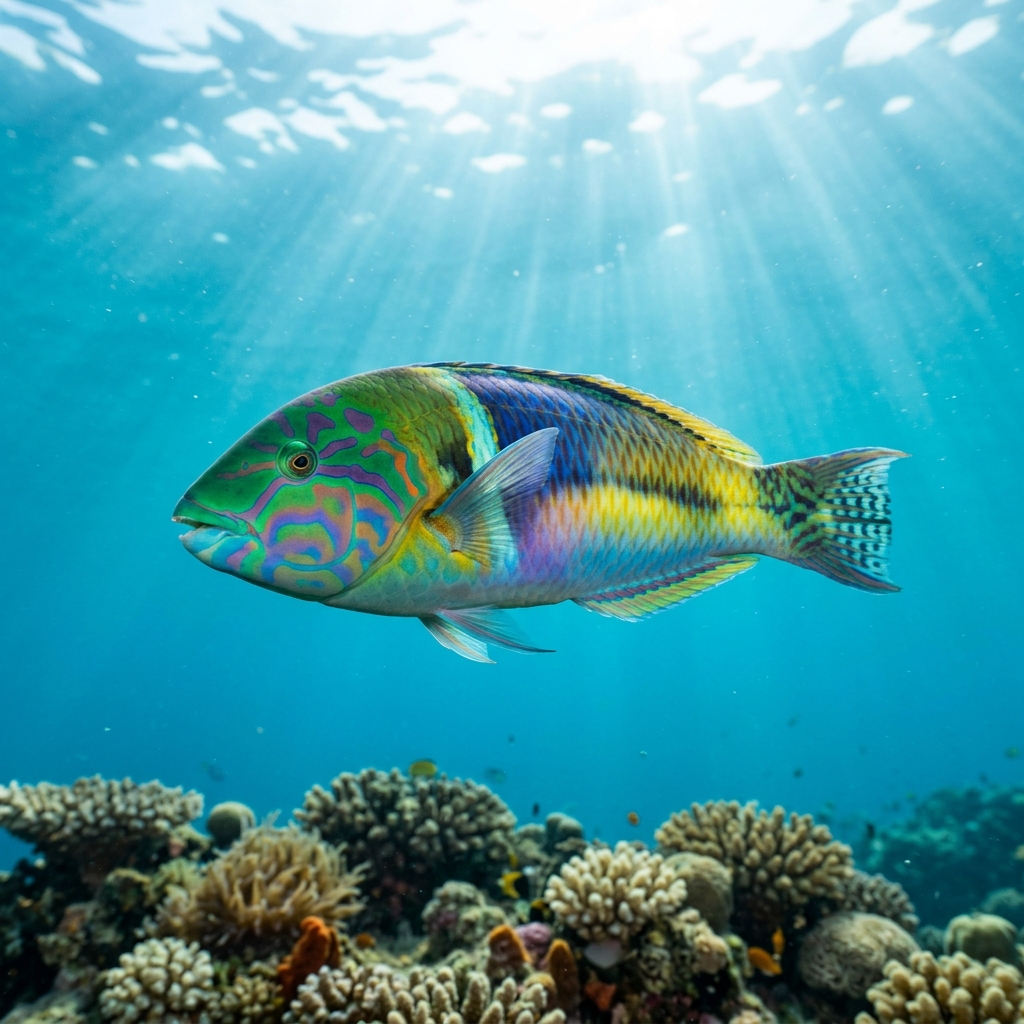
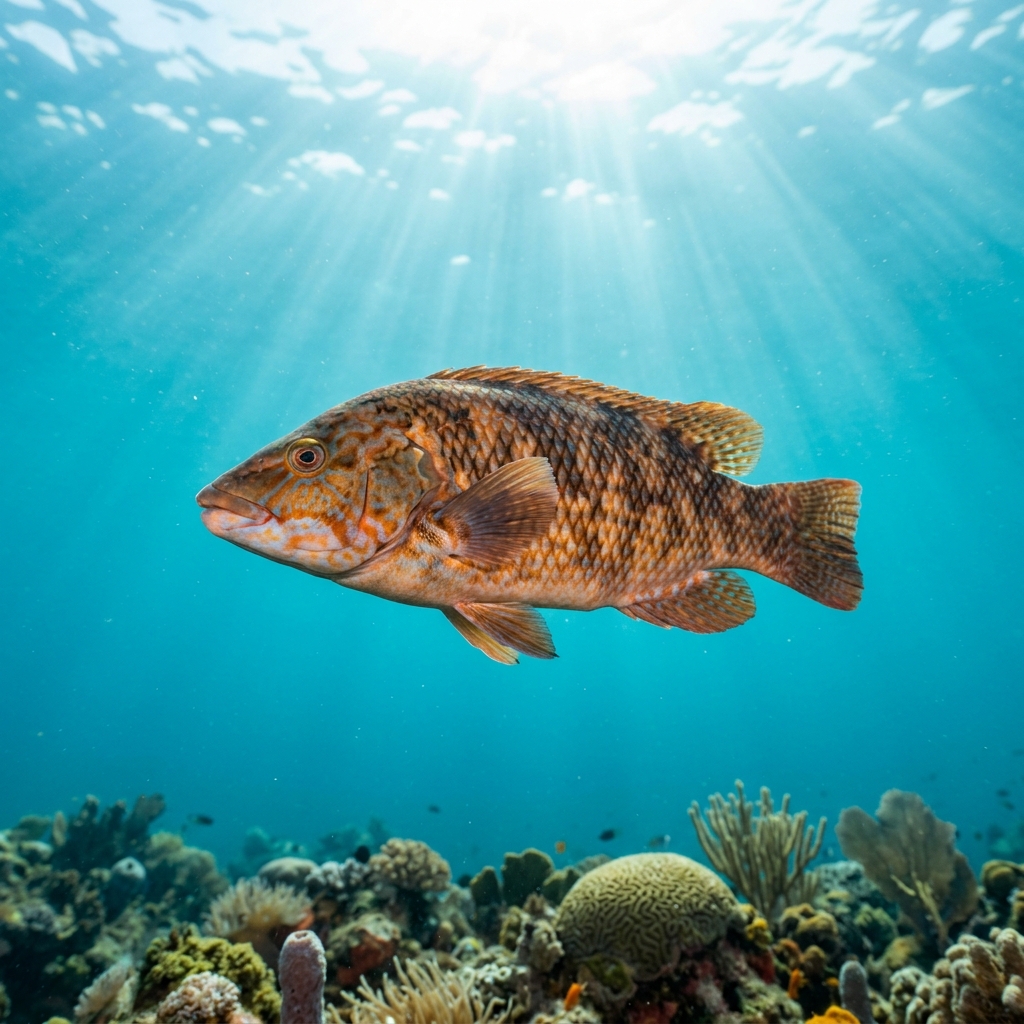
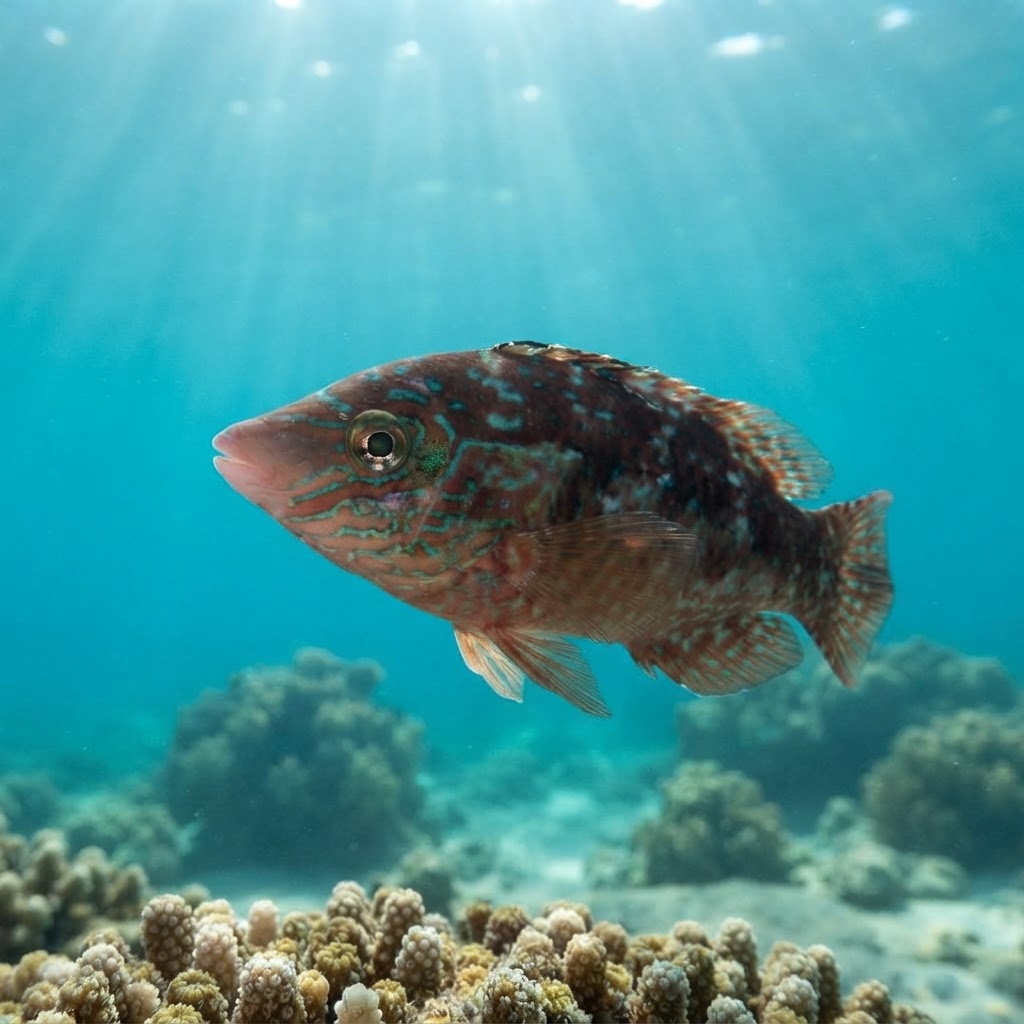
Look for a stocky, thick-bodied wrasse around 19 cm with a mottled green-to-brown body and fine blue or turquoise streaking across the head and gill area. The most reliable mark is a dark, sometimes eye-like spot on the upper tail base, useful for a quick ID before it darts back into the rocks. Colours can shift with mood and habitat, from olive-green over weed to sandy-brown over rock, but the tail spot stays fairly constant.
Expect to find it patrolling close to rock and weed cover on shallow reef, picking at small invertebrates rather than schooling in open water. It is generally unbothered by divers at a respectful distance but will dip into crevices if approached too fast, and males are known to build and guard nest sites of algae during the breeding season, chasing off intruders that get too close.
Male corkwing wrasse build a nest from strands of algae wedged into rock crevices and will actively defend it, making them one of the few wrasses divers can watch performing real nest-guarding behaviour on a European reef.
Divers log it year-round, which fits its wide observed temperature range of roughly 8.8 to 17.2 C, so there is no single peak season to plan around. Cooler northern sites tend to see it in the milder months while Iberian coasts offer more consistent conditions through the year.
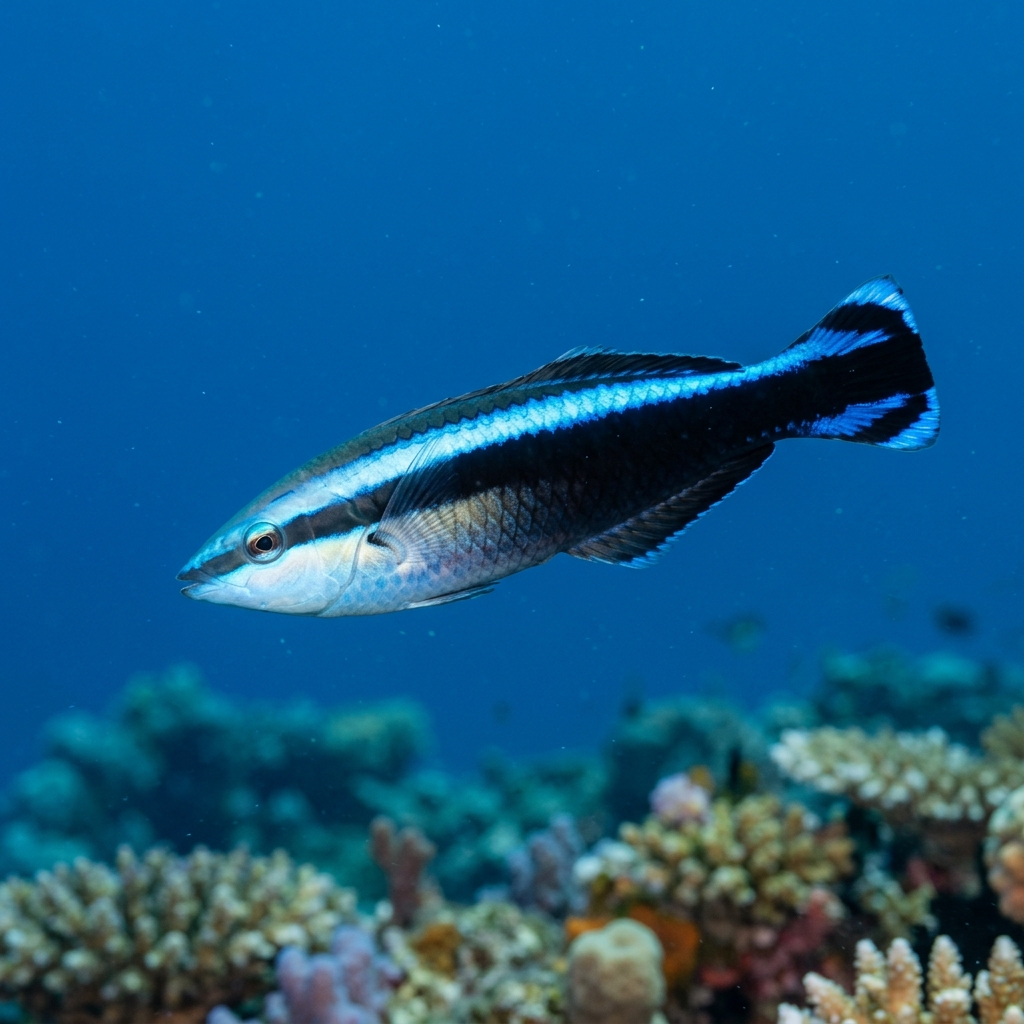
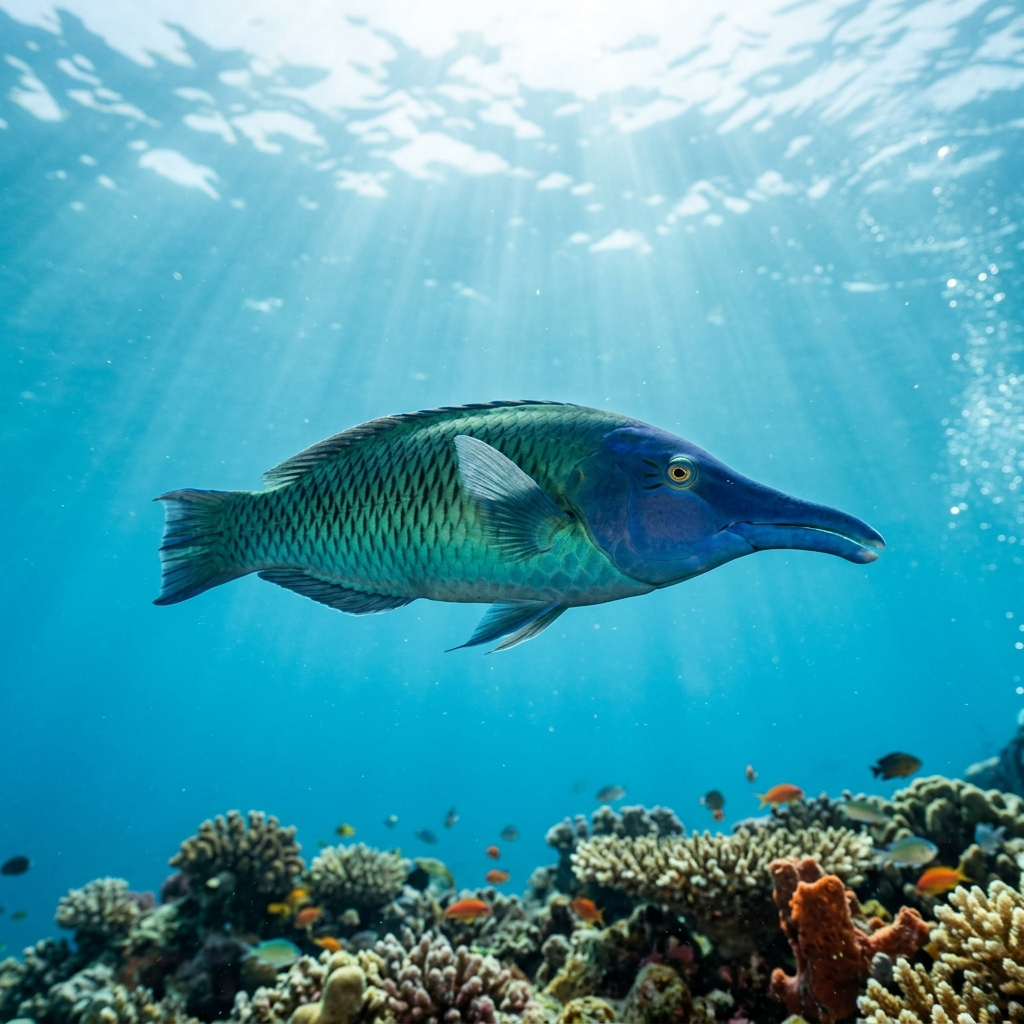
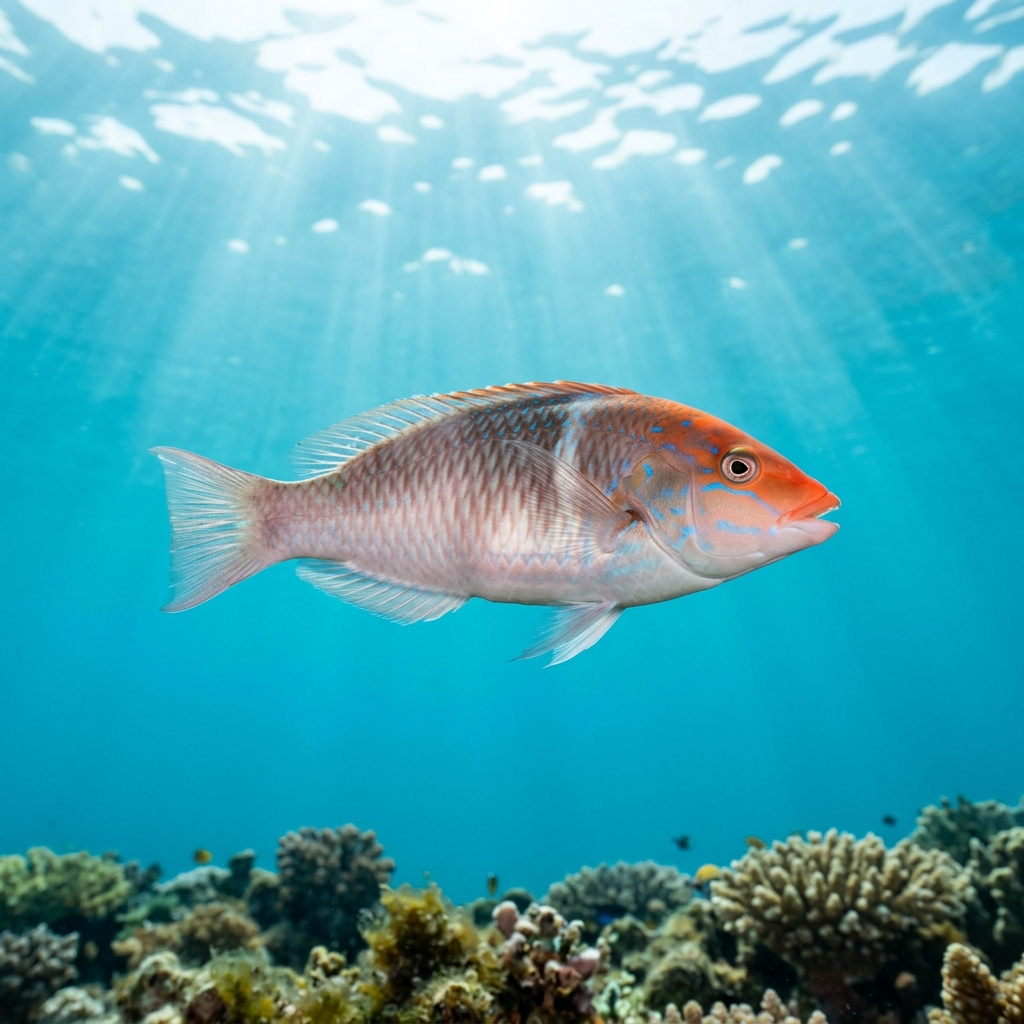
Reef neighbours a diver could mistake it for. Use the identification notes above to tell them apart.
Most reliably logged in Portugal, especially along the Lisbon Coast and the Algarve, with a strong showing across England and Northern Ireland in the UK and along Brittany and the Bay of Biscay in France. It also turns up on rocky reef sites in Cantabria, Spain, and in smaller numbers around Zealand in Denmark and coastal Norway and Germany.
Mapping where Corkwing Wrasse is logged…
Best logged along Portugal's Lisbon Coast and the Algarve, plus England and Northern Ireland in the UK and Brittany and the Bay of Biscay in France. Smaller but reliable numbers also come from Cantabria in Spain and Zealand in Denmark.
There's no strong seasonal pattern in the data, so it's considered a year-round sighting. It tolerates a wide temperature range from around 9 to 17 C, which keeps it visible on rocky reefs through most of the year.
Look for a chunky, roughly 19 cm wrasse with mottled green-brown colouring, blue streaks around the face, and a dark spot on the upper tail base. It usually stays close to rocky or weedy reef rather than swimming in open water.
They typically reach around 19 cm in length, making them a small to mid-sized wrasse compared to many other reef species.
Males build nests from woven algae in rock crevices and guard them aggressively, a behaviour divers can sometimes watch play out on shallow rocky reef during the breeding season.
No, they pose no danger to divers. They are small, reef-associated fish that will typically retreat into cover rather than confront anyone nearby.
Site and sighting data is aggregated from diver logs, iNaturalist and GBIF. For taxonomy and conservation status:
Bird Wrasses
3,632 sites