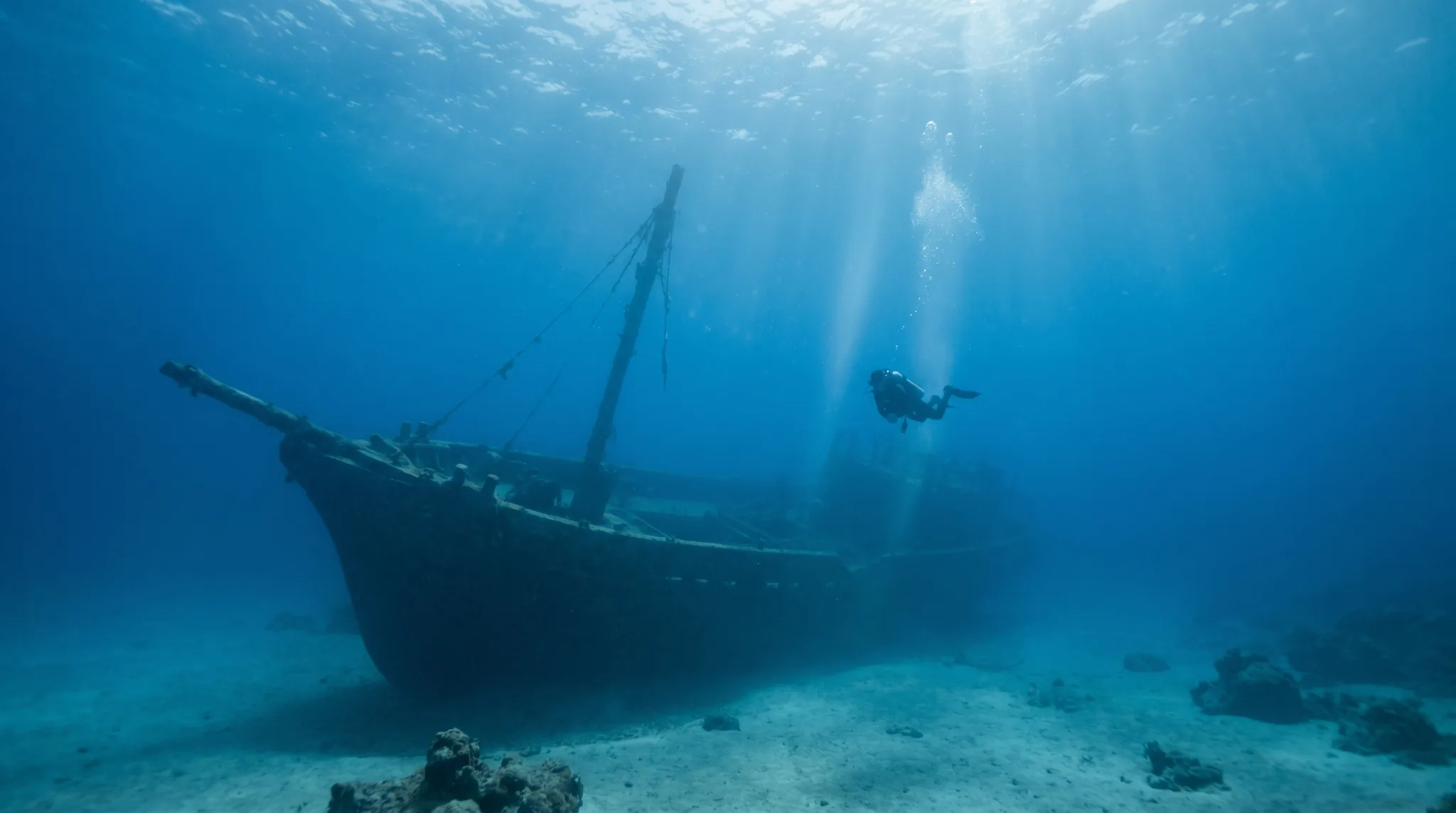
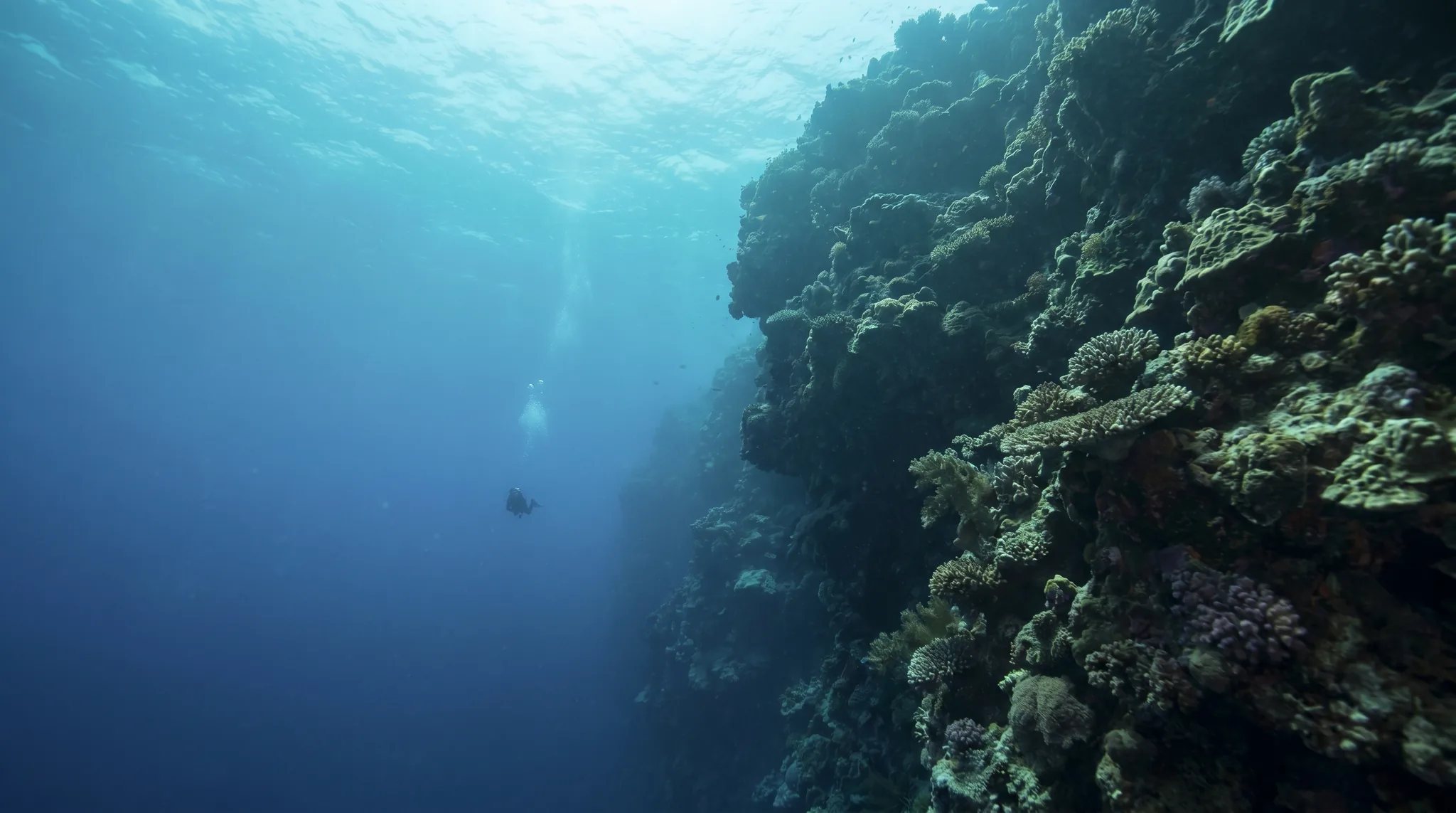
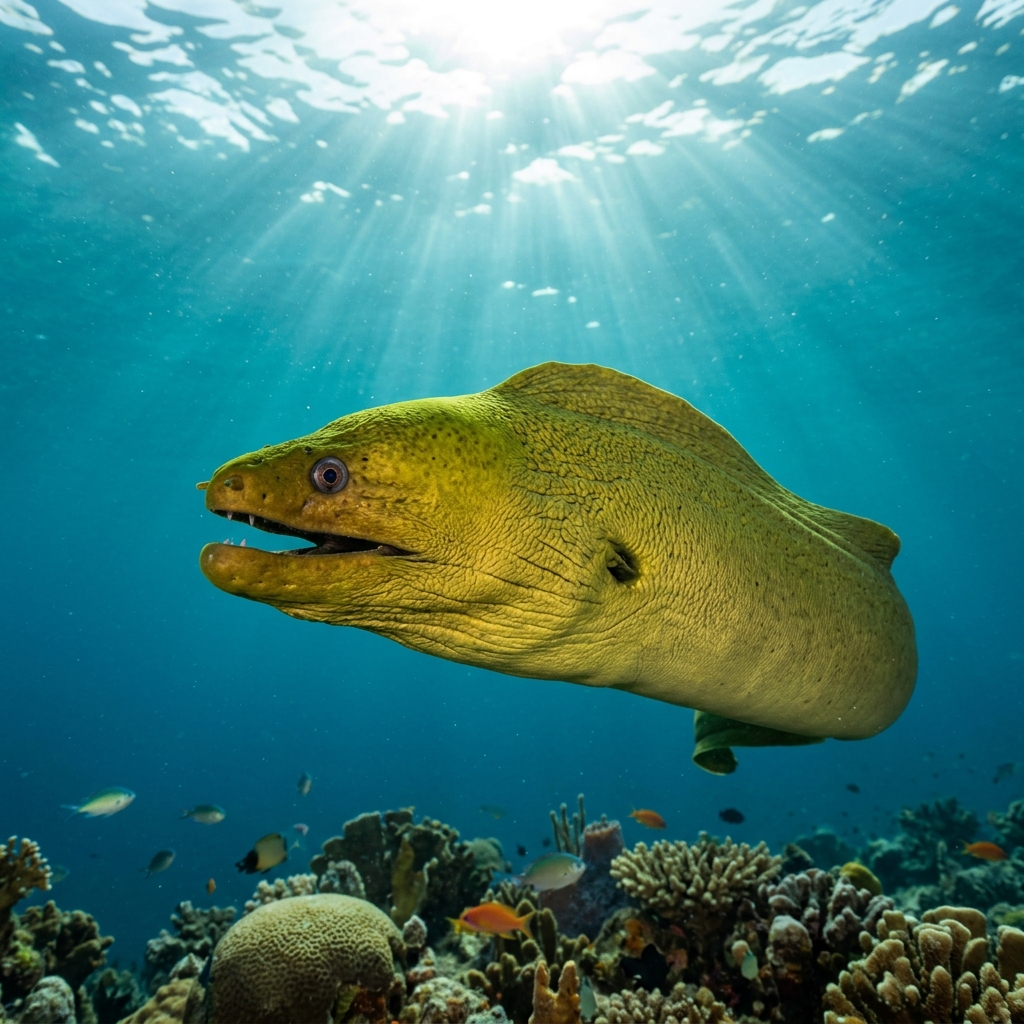
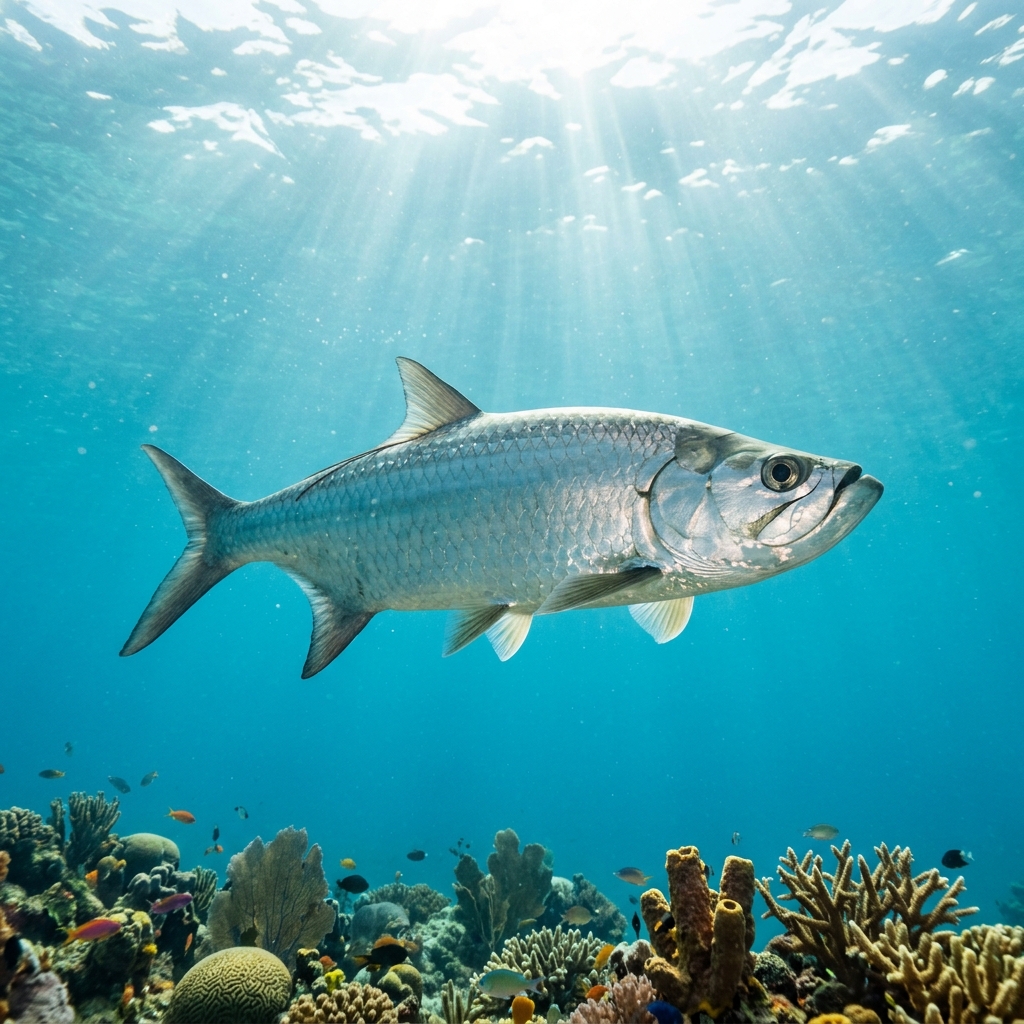
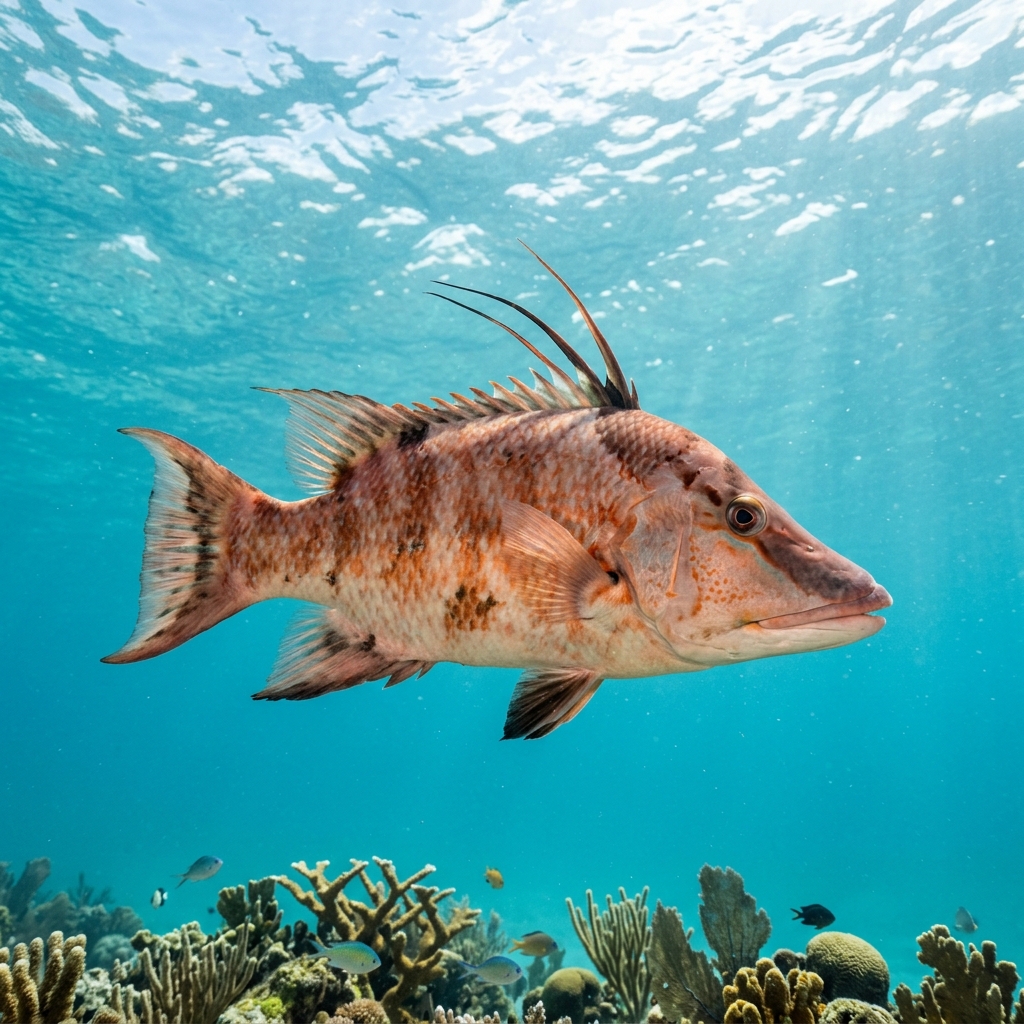
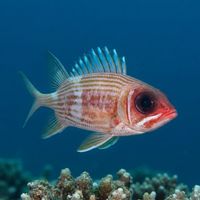
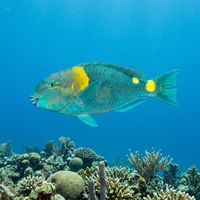
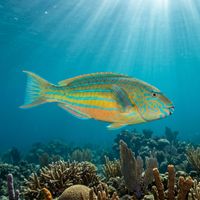
Jardines de la Reina sits off Cuba's central south coast, offering reef, wall, canyon, pinnacle and cave diving across boat-access sites. The fish life is dense and observed: Atlantic Tarpon, Schoolmaster Snapper, Soldierfish and multiple parrotfish species appear at virtually every site. Larger encounters, including Caribbean Reef Shark, Green Sea Turtle, Atlantic Goliath Grouper and Spotted Eagle Ray, add weight to the experience. Topography ranges from shallow reef suitable for beginners to deep walls at Cayo Anclitas that reward more experienced divers.
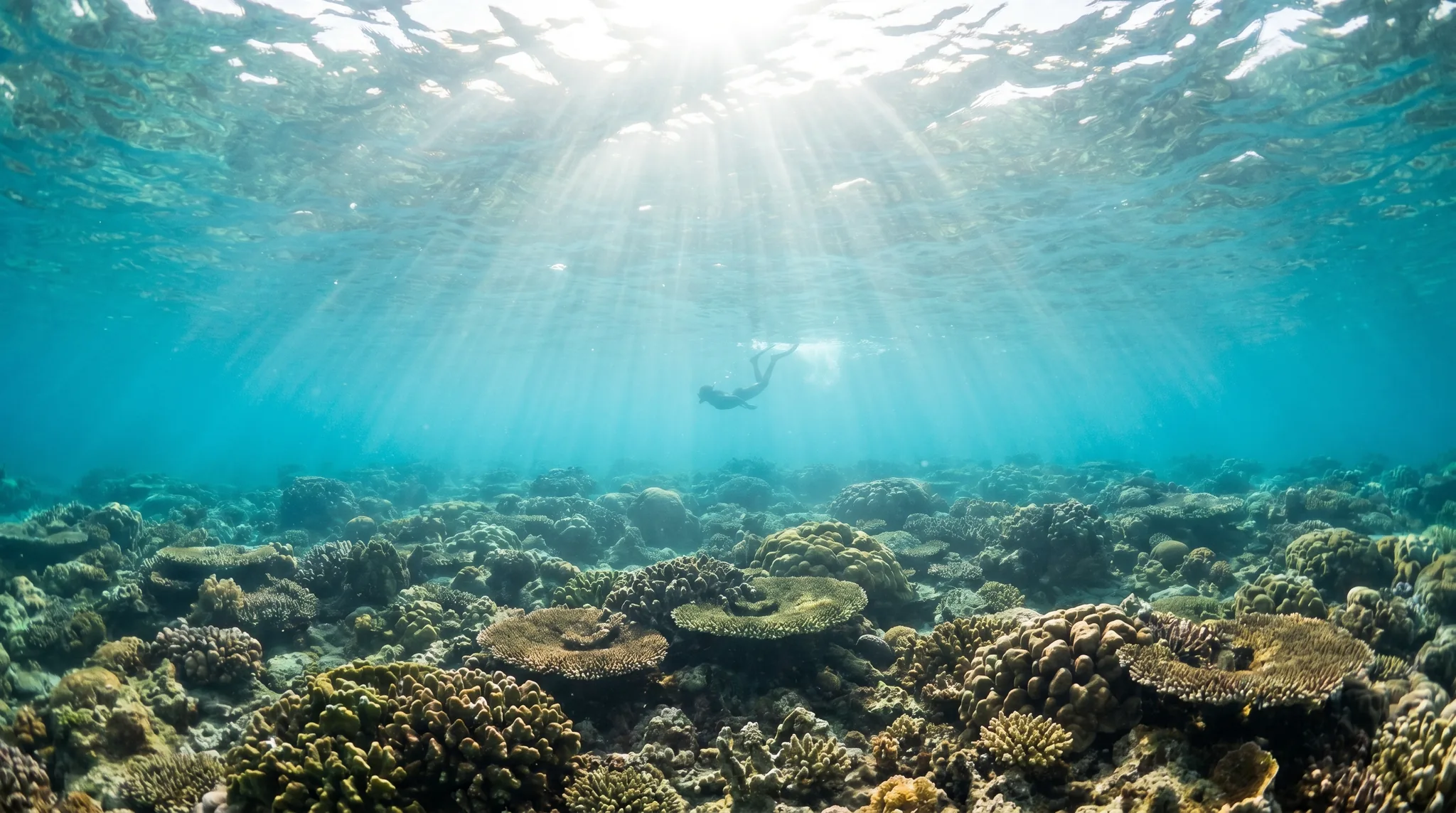
Monthly water temperature across Jardines de la Reina's sites, from satellite sea-surface data corrected for depth. The band shows the site-to-site spread.
Water stays warm throughout the year, peaking in late summer and easing slightly through the cooler months, though it never drops to uncomfortable levels. The best-months data points to the drier period from late autumn through early spring as the favoured window, when conditions tend to be most settled. All diving is boat access, and sites range from beginner-friendly reefs to deeper walls requiring more experience.
3 operators
8 more sites to explore
Water temperature around Jardines de la Reina ranges from about 26°C in January to 31°C in August, based on satellite sea-temperature data for its dive sites.
In the warm season (about 31°C) a rash guard or 3mm shorty is comfortable in Jardines de la Reina; in the coldest months (about 26°C) step up to a 3mm full suit.
Fin maps 11 sites in Jardines de la Reina (6 scuba diving sites and 6 snorkelling spots, with some suited to both).
Across Jardines de la Reina's dive sites, January, February, March, April and December are most often reported as the best months to visit.
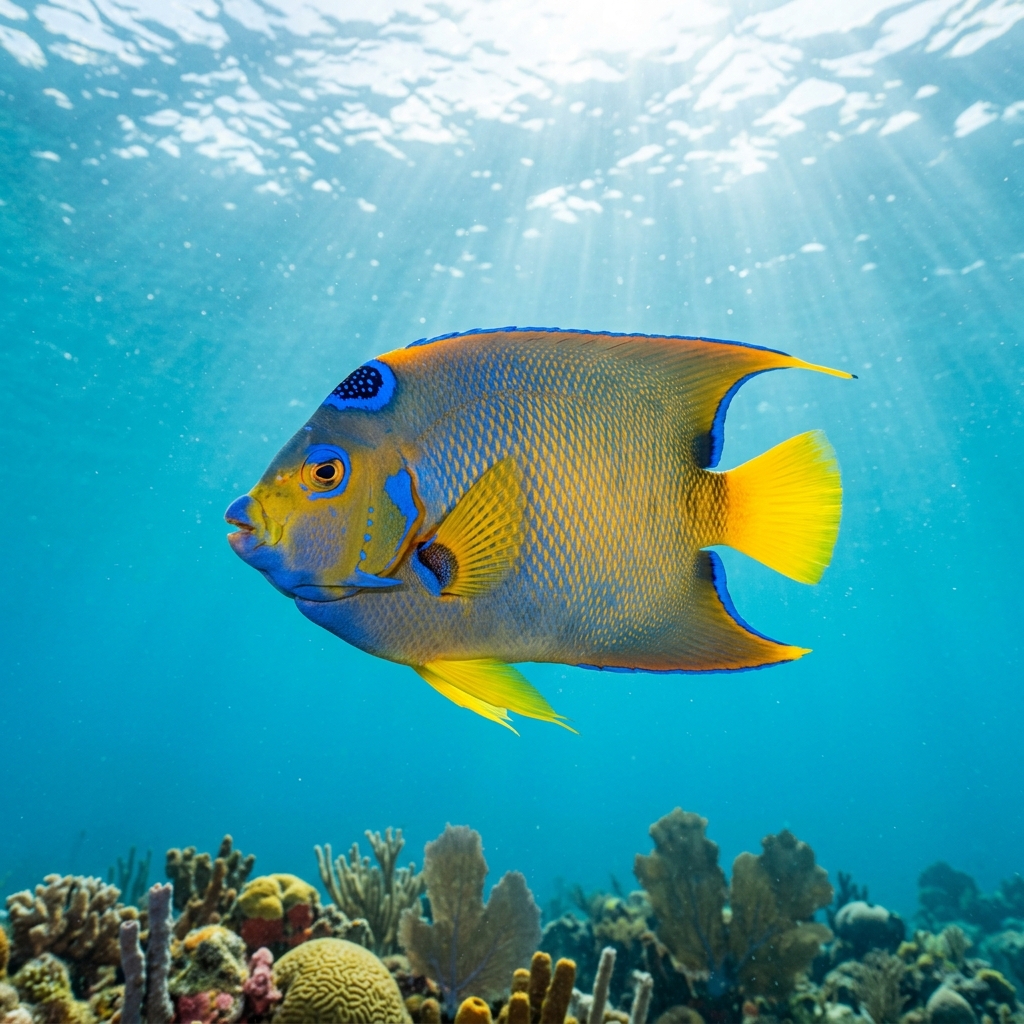
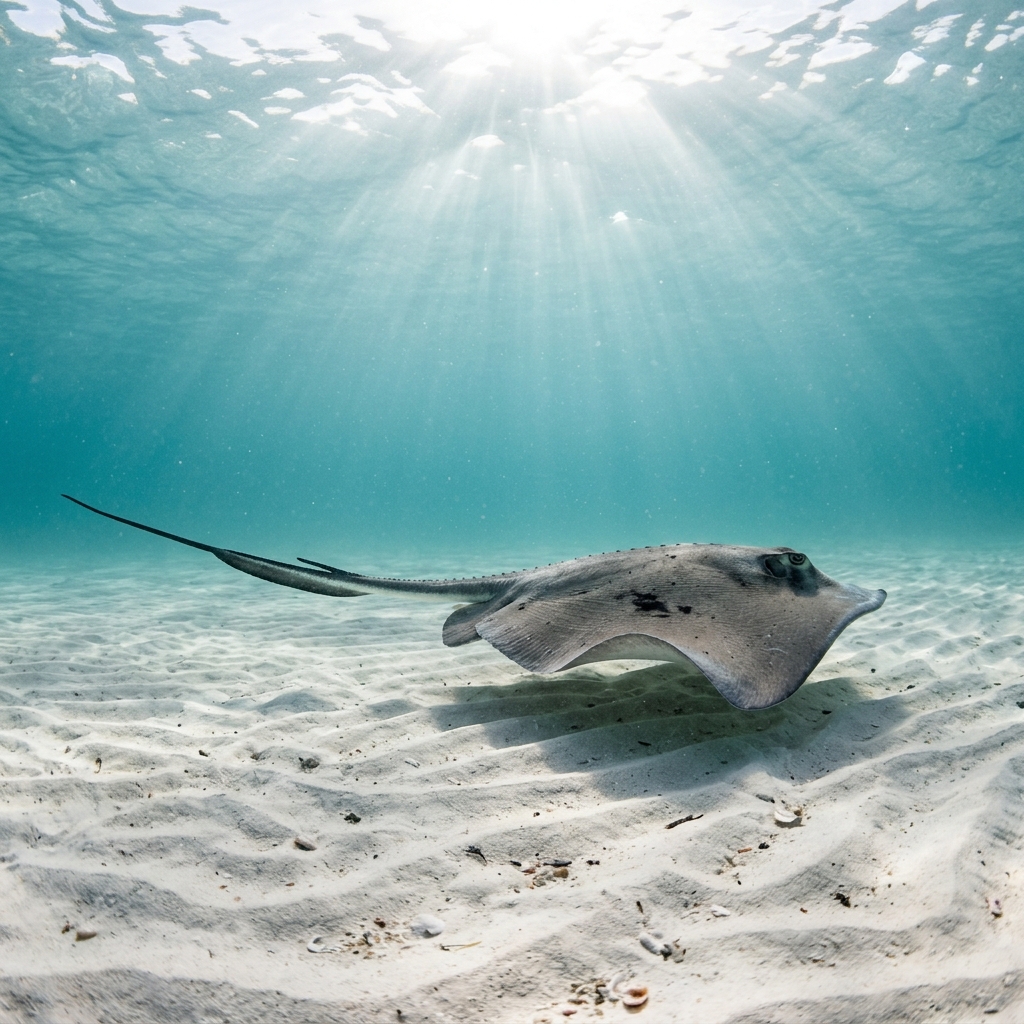
Sightings of Caribbean Reef Shark and Nurse Shark have been recorded across multiple sites, alongside occasional encounters with Atlantic Goliath Grouper and Spotted Eagle Ray. Green Sea Turtle is also observed here. Atlantic Tarpon are very commonly seen, and Whiptail Stingray turns up regularly too.
Several sites, including Cayo Anclitas and Los Mogotes, are rated beginner level, offering reef, wall and cave terrain at accessible depths. The main Jardines de la Reina site steps up to intermediate, with deeper structure and artificial reef elements. A beginner diver can find plenty to explore before progressing to the more demanding sites.
All listed sites require boat access. There are no shore-entry options in the data, which reflects the remote, offshore nature of this reef system. Visitors should plan to join a liveaboard or day-boat operation, as the sites lie well away from the coast.
The region covers natural reefs, walls, canyons, pinnacles, caves and at least one artificial reef structure. Cayo Anclitas alone combines all of reef, wall, canyon and pinnacle terrain across a wide depth range. Los Mogotes adds a cave system to the mix, making the overall topographic variety quite broad for a compact area.