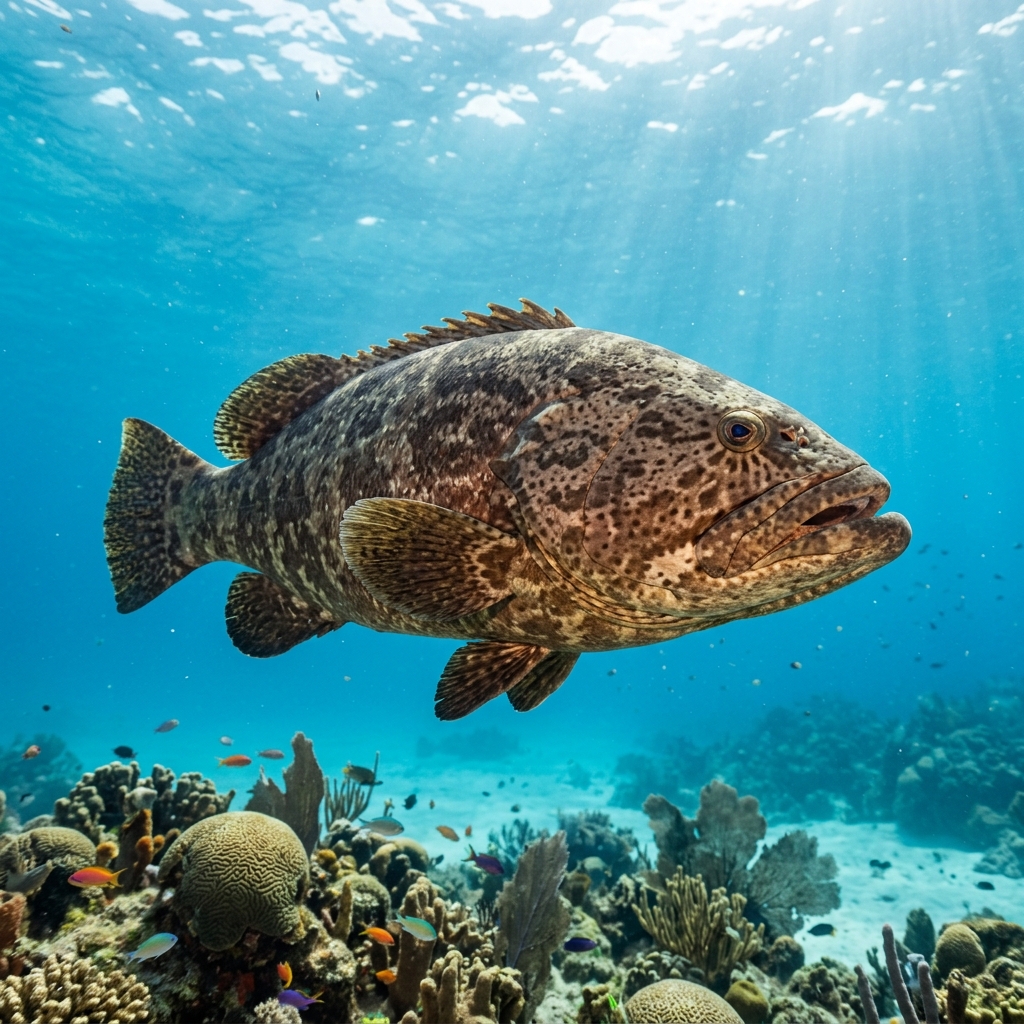
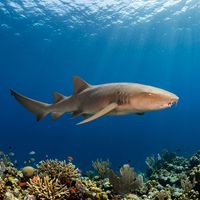
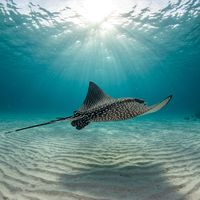
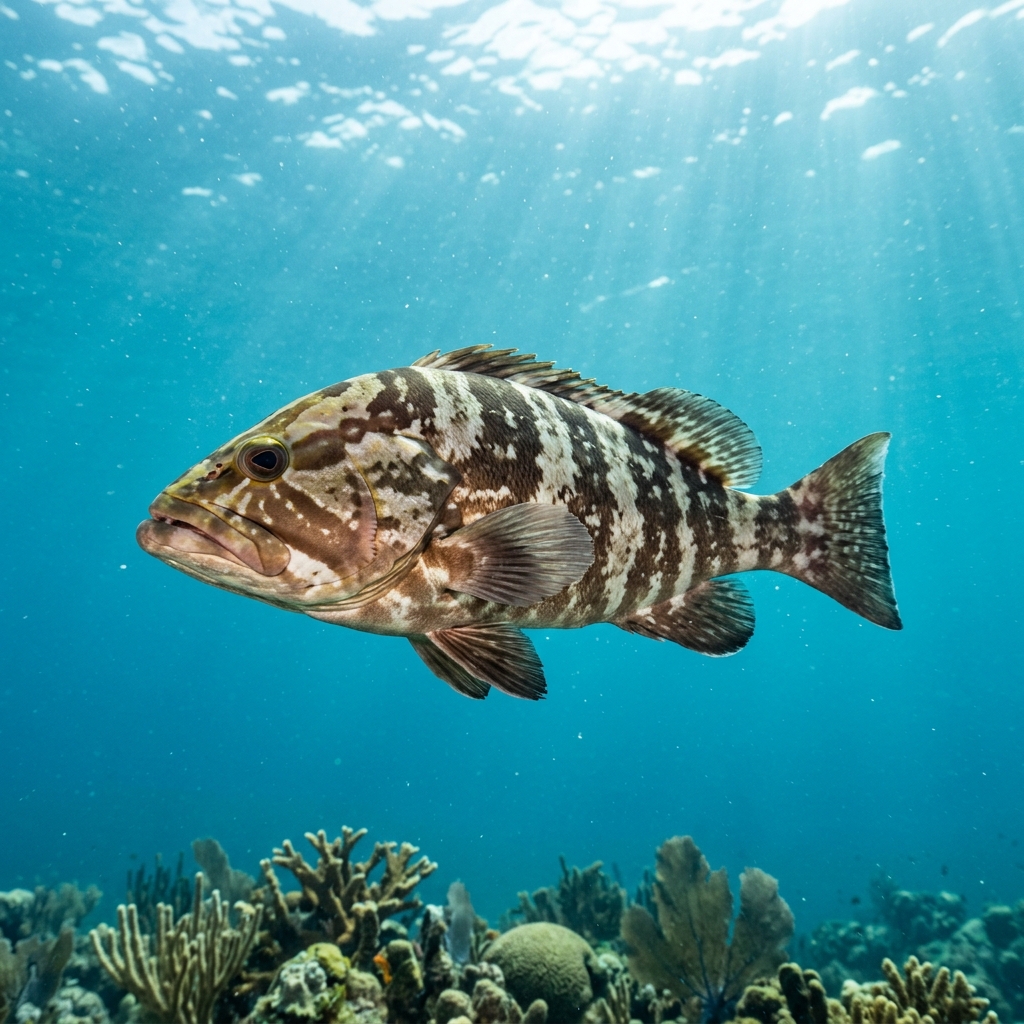
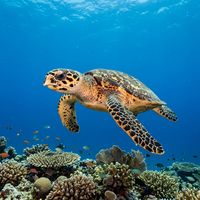
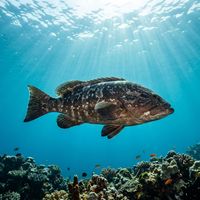
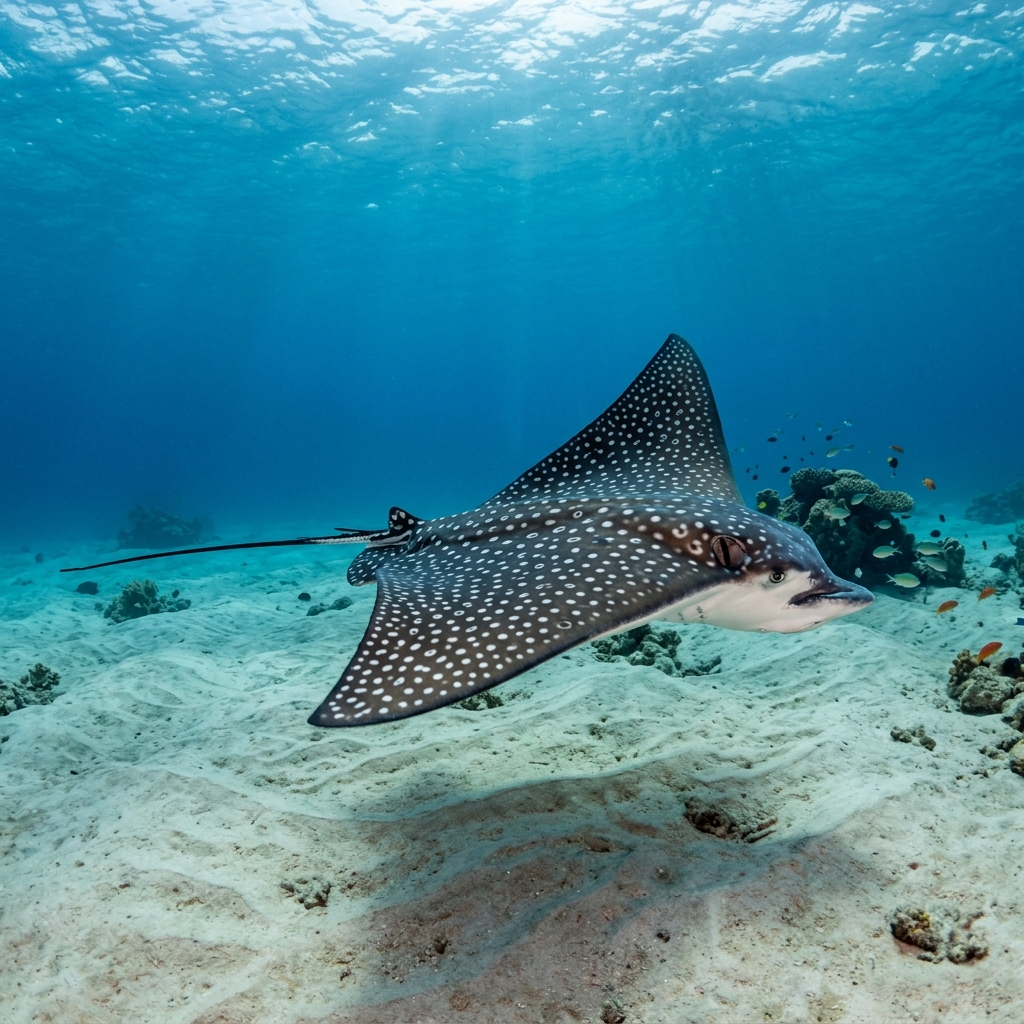
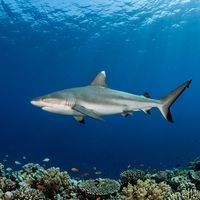
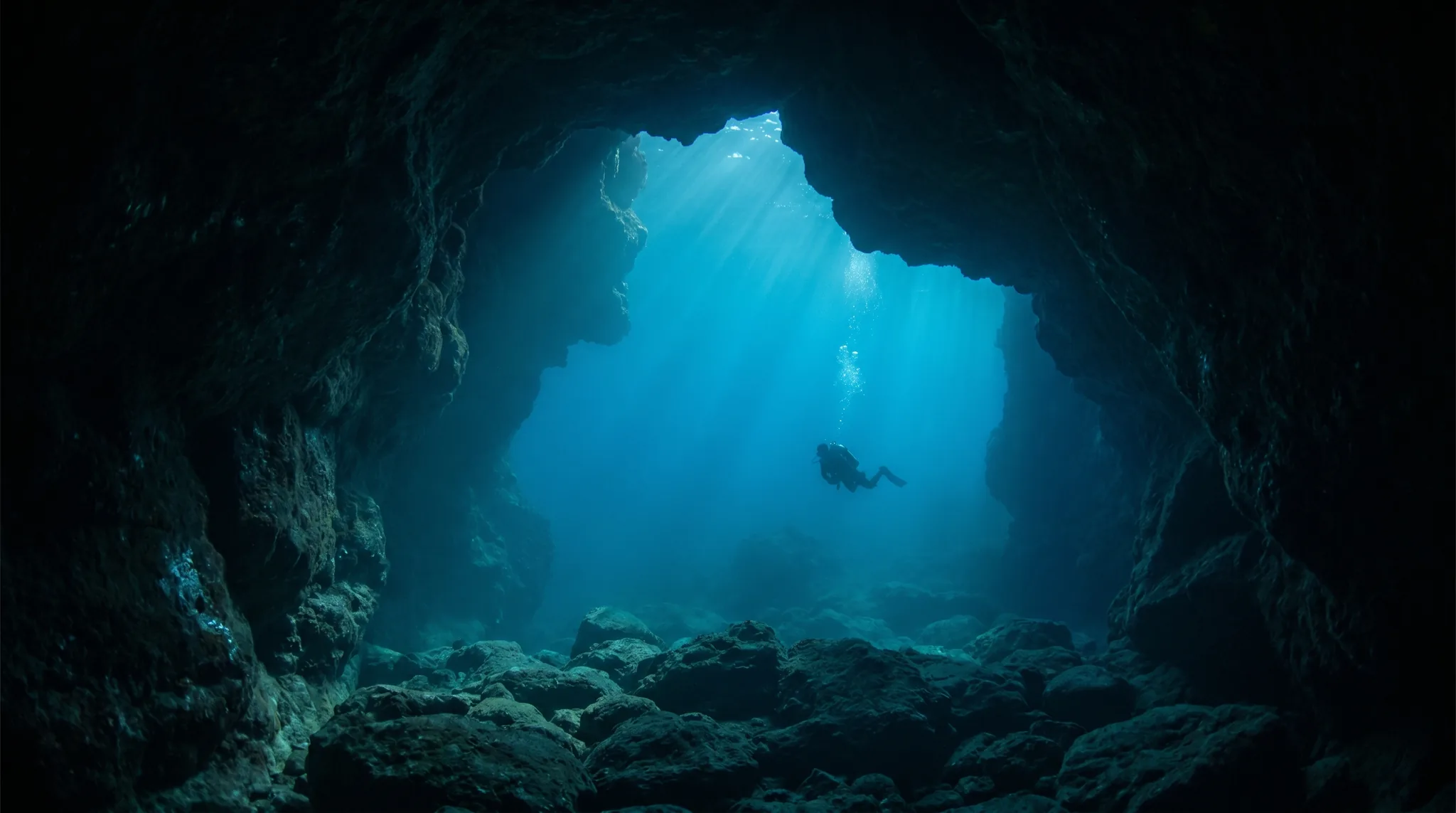
Isla de la Juventud, within the Canarreos Archipelago, is defined by boat-access wall and reef diving across a range of depths and skill levels. Shallow beginner sites such as Off Limit and Pecios Cayo los Indios sit alongside deep intermediate walls like Salon Maravilloso and El Escondite del Buzo. Cave and cavern systems at Cueva Azul and Tunel del Amor add overhead-environment variety. Atlantic Goliath Grouper, Caribbean Reef Shark, Nurse Shark and Green Sea Turtle are observed consistently across sites, with Spotted Eagle Ray also regularly encountered.

Monthly water temperature across Isla de la Juventud's sites, from satellite sea-surface data corrected for depth. The band shows the site-to-site spread.
Water stays warm throughout the year, rising to its peak during the summer months and easing slightly through winter, though remaining comfortable at all times. May tends to draw slightly stronger operator interest, making the late spring and early summer period a reliable window. The sites are all boat-access, and several intermediate walls are exposed enough that conditions should be assessed on the day.
3 more sites to explore
Water temperature around Isla de la Juventud ranges from about 27°C in January to 31°C in August, based on satellite sea-temperature data for its dive sites.
With water around 27–31°C, a rash guard or 3mm shorty works in Isla de la Juventud year-round.
Fin maps 15 sites in Isla de la Juventud (15 scuba diving sites and 1 snorkelling spots, with some suited to both).
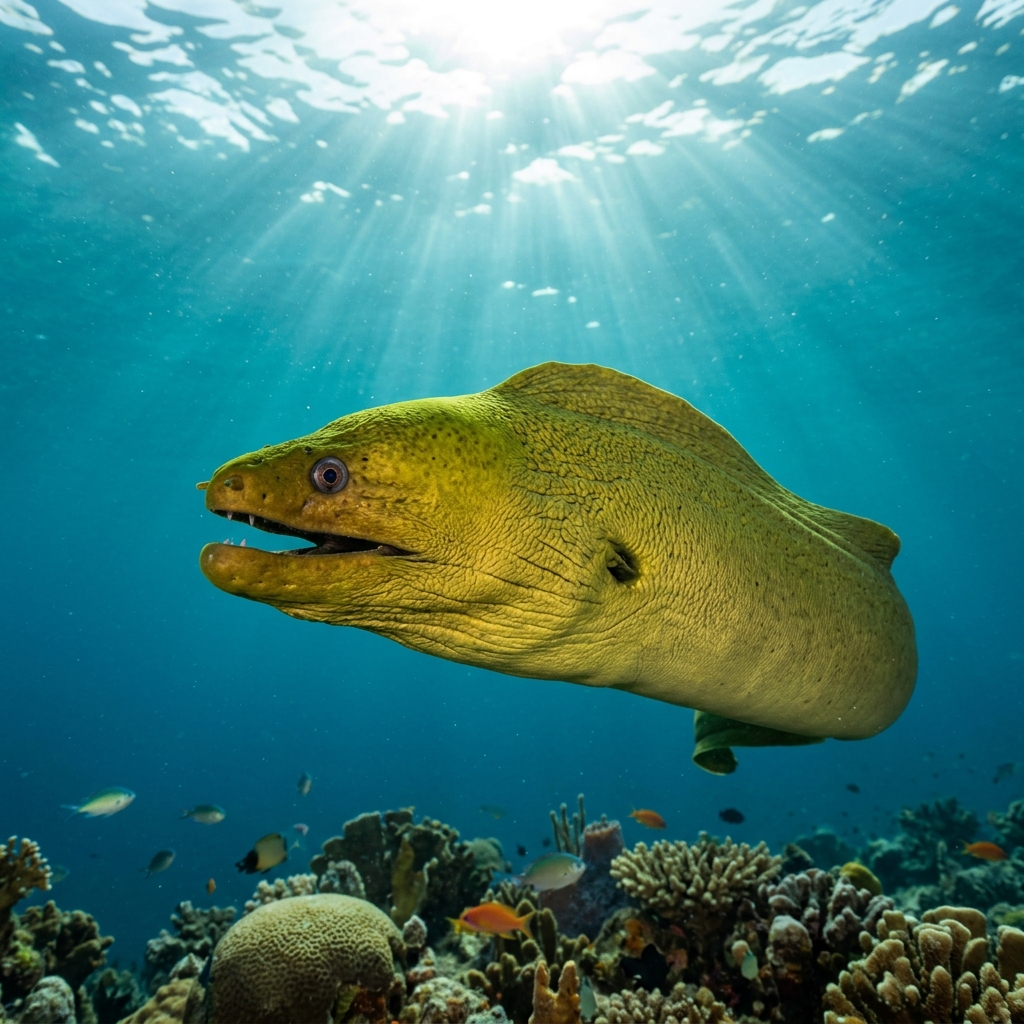
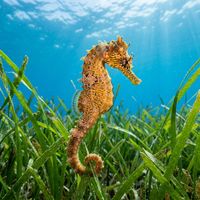
Observation records across the sites point to Atlantic Goliath Grouper, Caribbean Reef Shark and Nurse Shark as the most consistently seen large animals. Green Sea Turtle and Spotted Eagle Ray are also frequently encountered. Hawksbill Sea Turtle, Barracuda and Tarpon appear at a number of sites as well.
Yes, several sites are rated for beginners. Off Limit, Pecios Cayo los Indios, El Pequeno Reino and Paraiso de Muke all sit at shallower depths and are described as calm and accessible. Paraiso de Muke is notable for combining reef, cave and wreck features within that shallower range, offering variety without demanding advanced skills.
The region covers a broad mix of site types. Reef and wall combinations are the most common, with several sites featuring dramatic drop-offs. Cave and cavern systems add overhead-environment diving at sites such as Cueva Azul, Tunel del Amor and Reino Magico. There is also a wreck element at Paraiso de Muke, and drift diving is available at Jardines de la Reina.
All sites in Isla de la Juventud are reached by boat. There are no shore-entry dives listed in the data. This means a boat operator is required for every dive, so planning around vessel availability is essential, particularly given that no operators are currently listed on Fin for this region.