

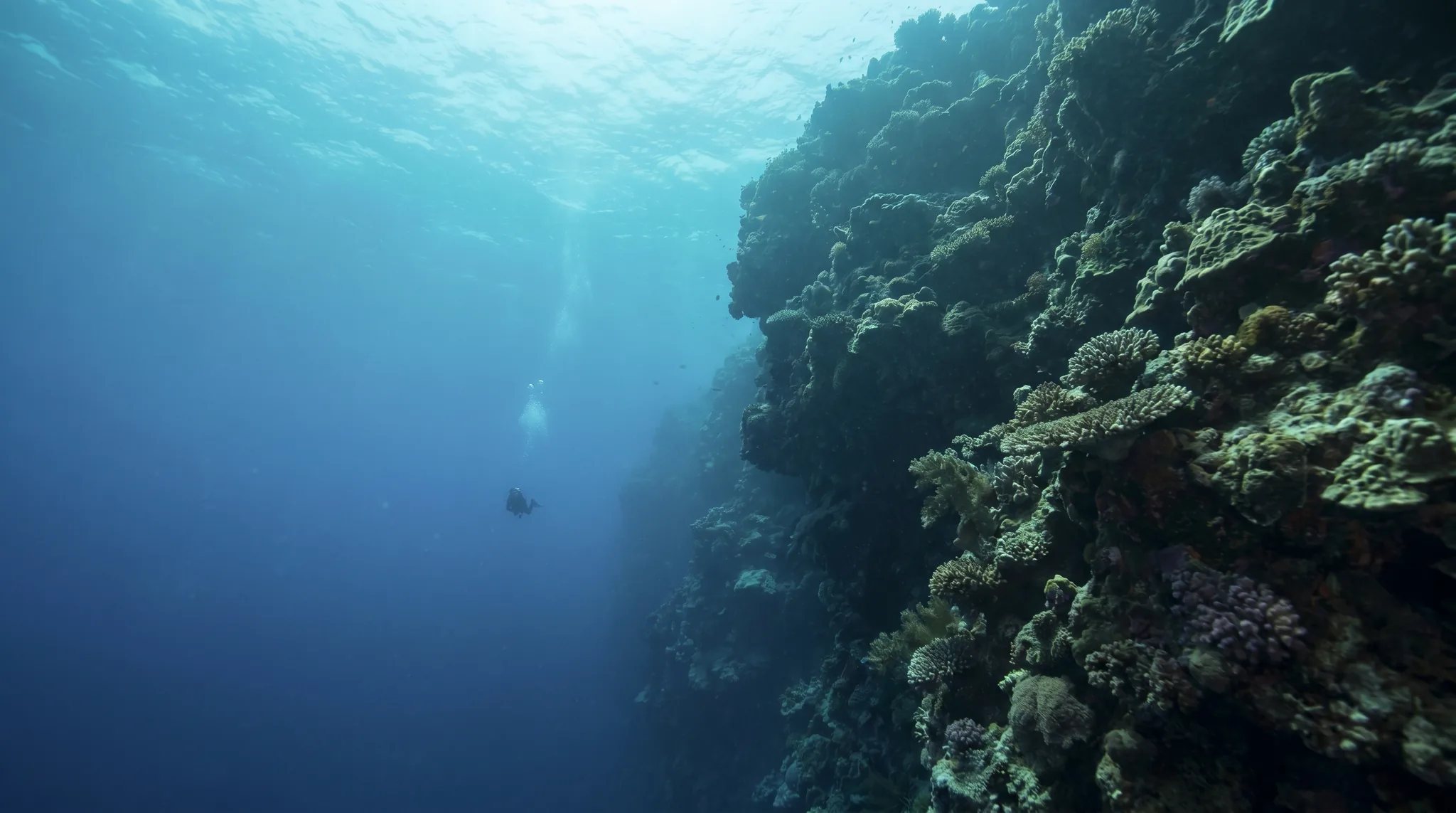
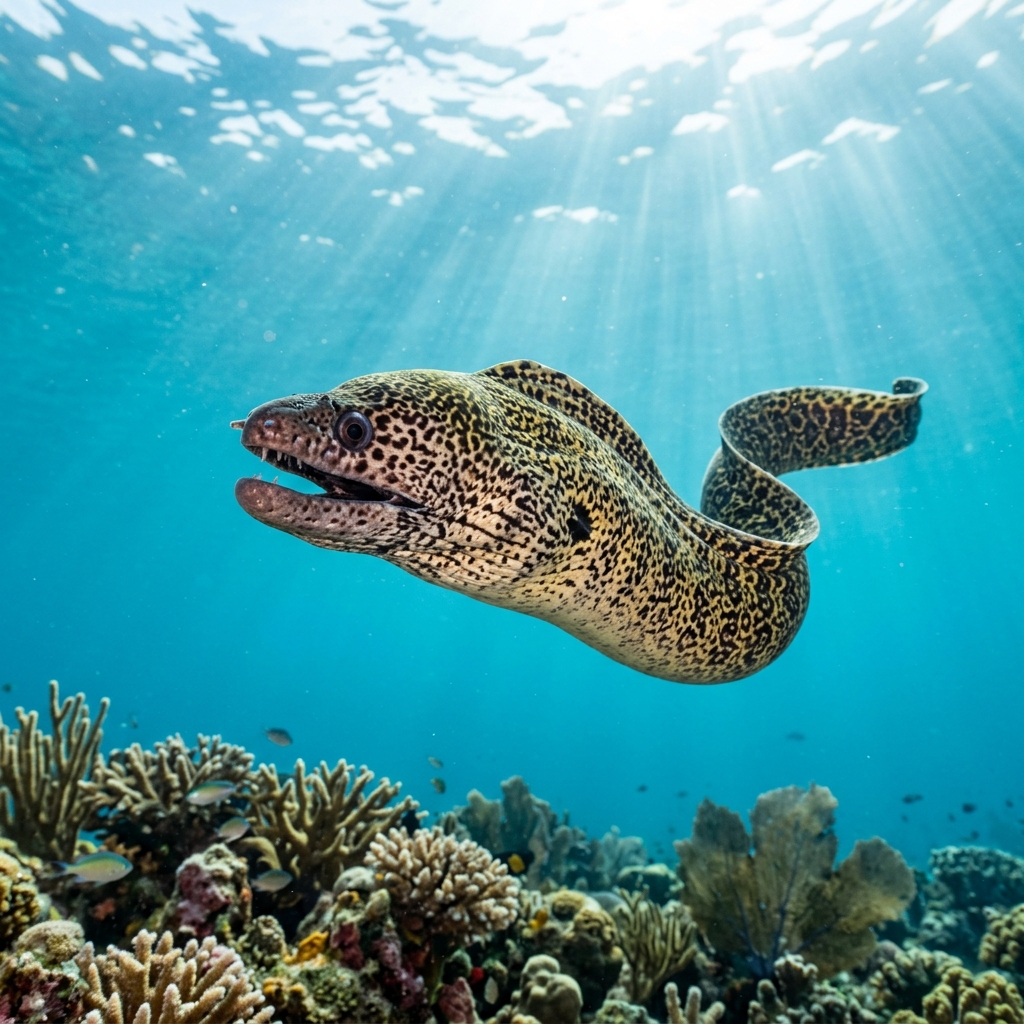
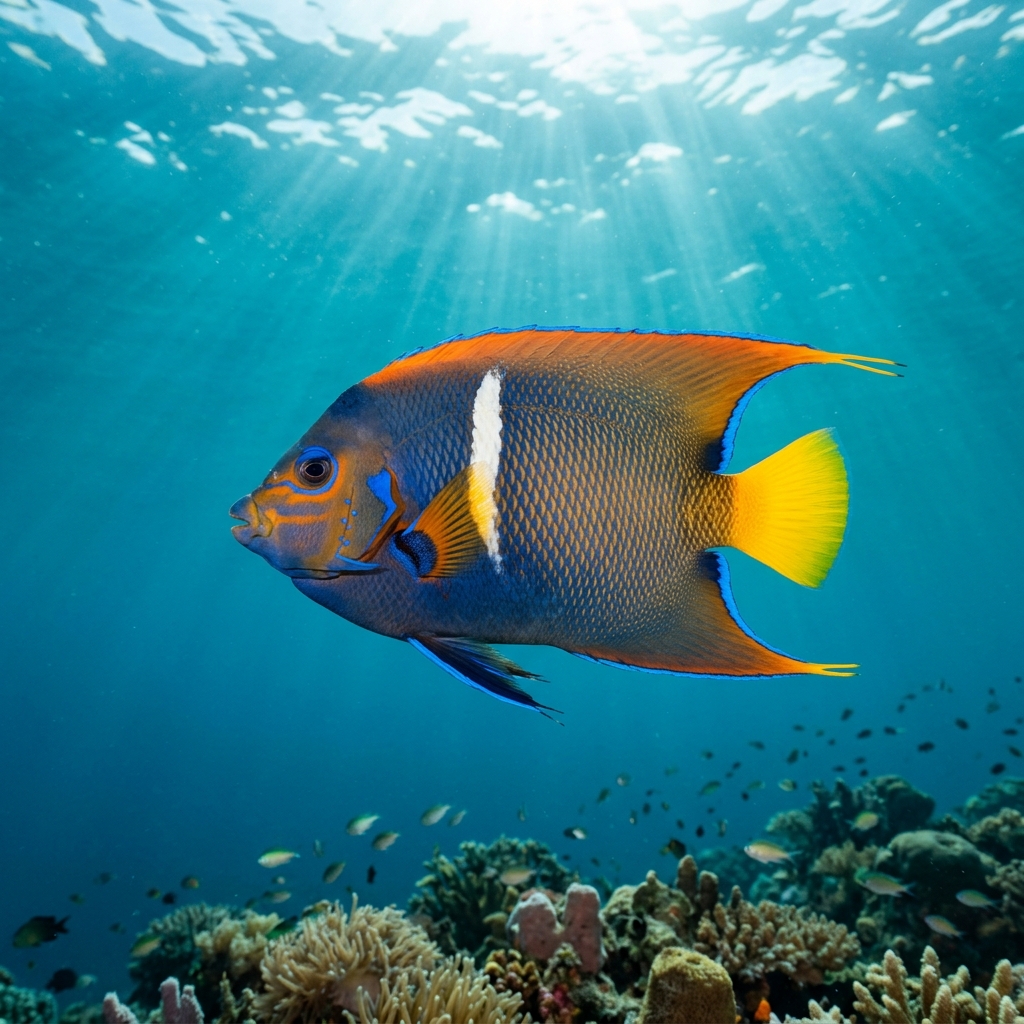
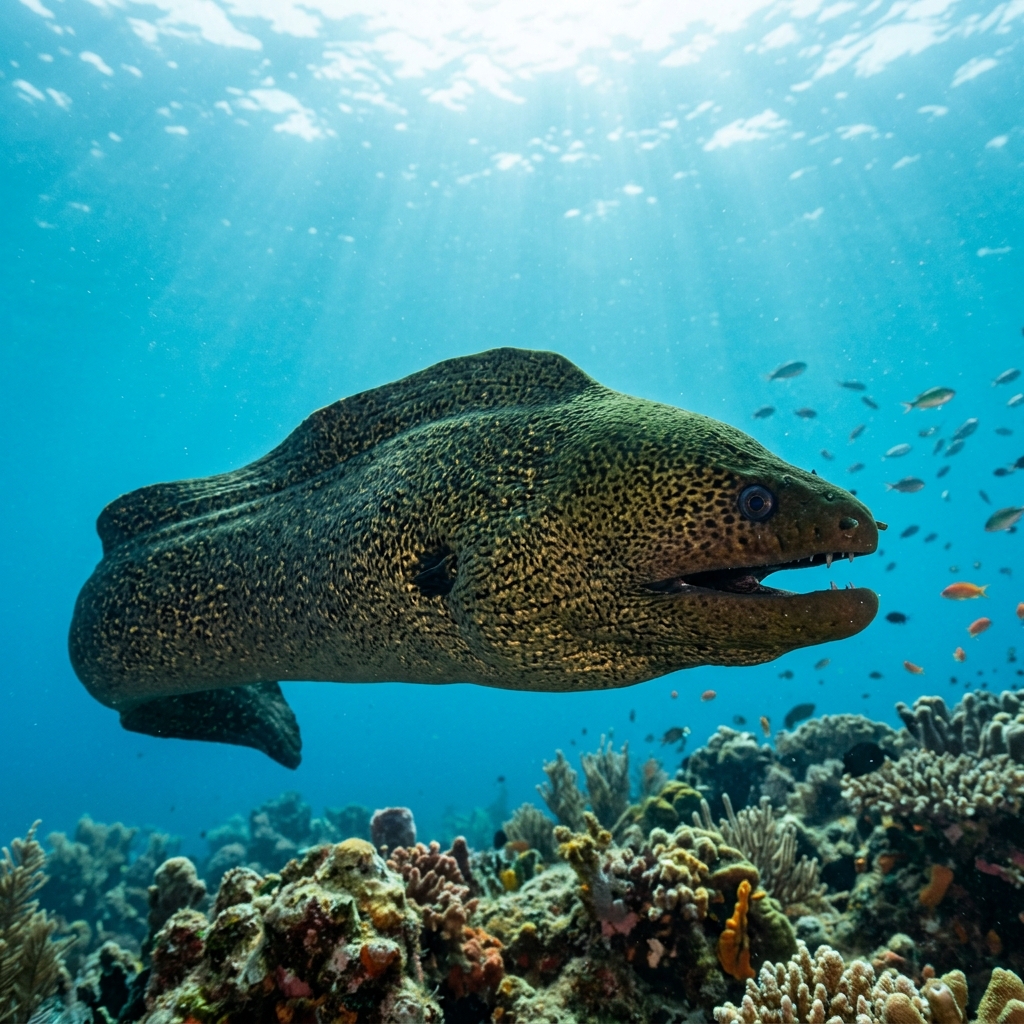
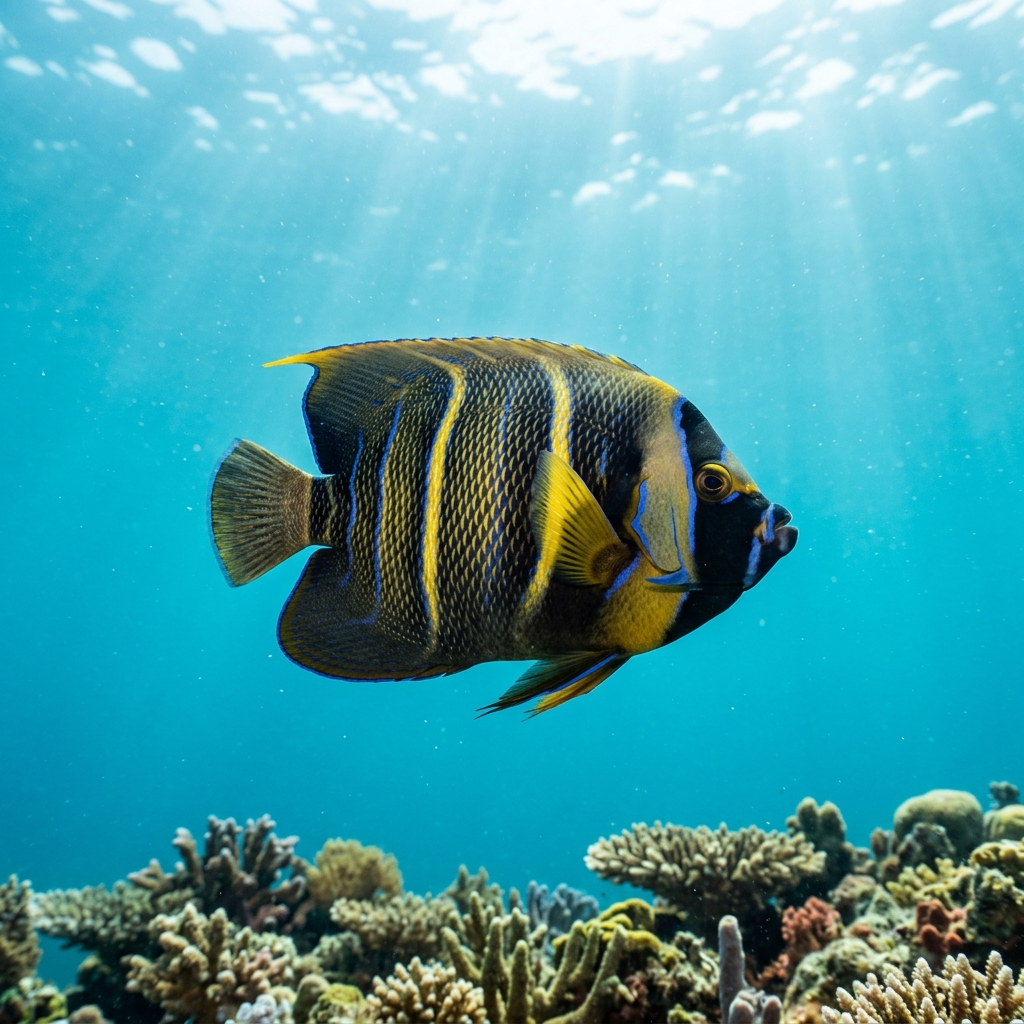
Guanacaste divides into two distinct sub-areas: the Gulf of Papagayo and the Catalina Islands. Together they deliver an unusually varied mix of site types, from shallow sheltered reefs and muck sites to walls, pinnacles, caves and drift channels. The Spotted Eagle Ray, Whitetip Reef Shark and Jewel Moray are reliably encountered across both areas, alongside the King Angelfish, Panamic Green Moray and Harlequin Shrimp. Conditions range from calm, beginner-friendly reefs to current-swept pinnacles suited to intermediate and advanced divers. Visibility swings considerably through the year, shaping when and where you dive.
2 areas
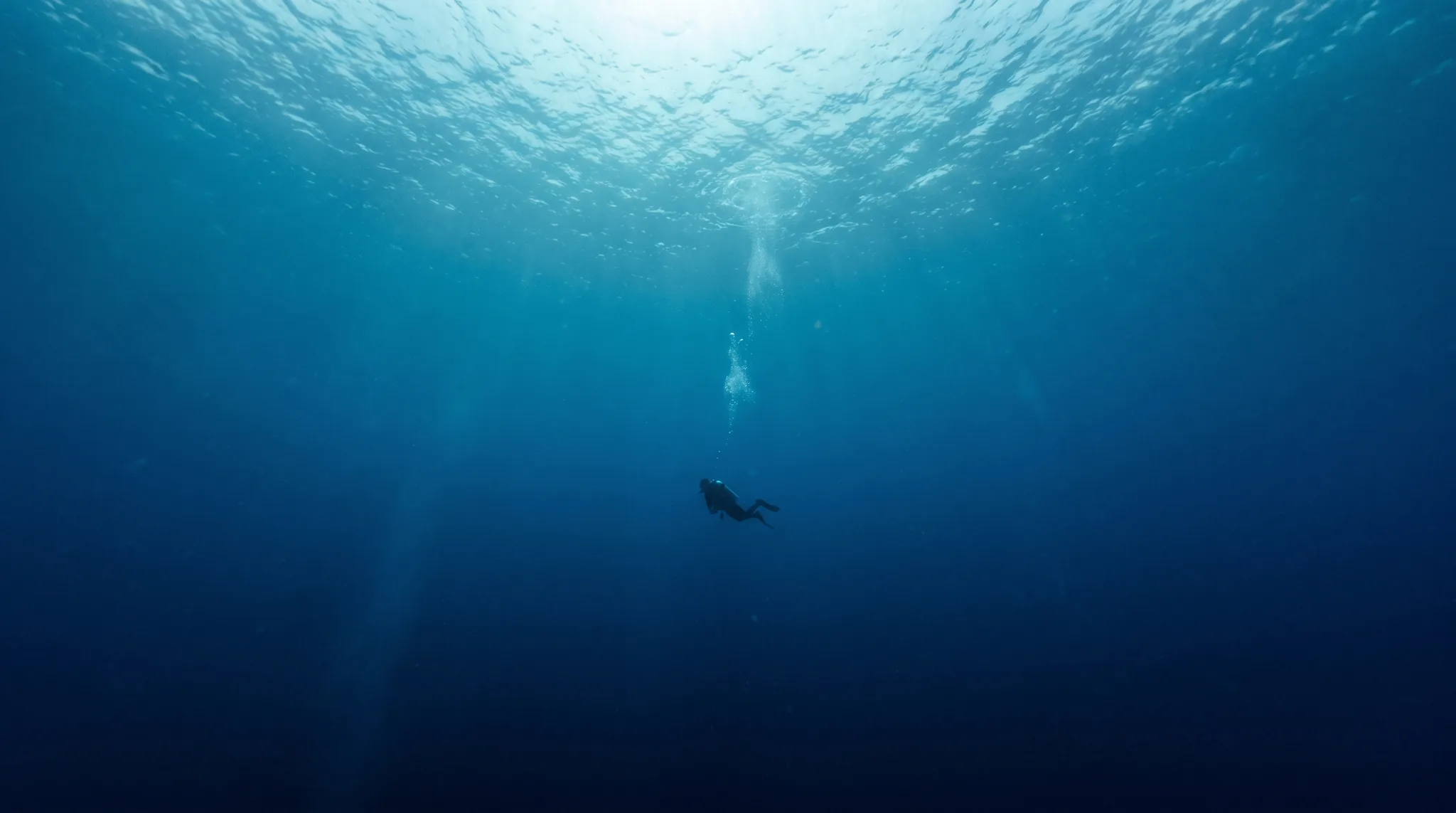

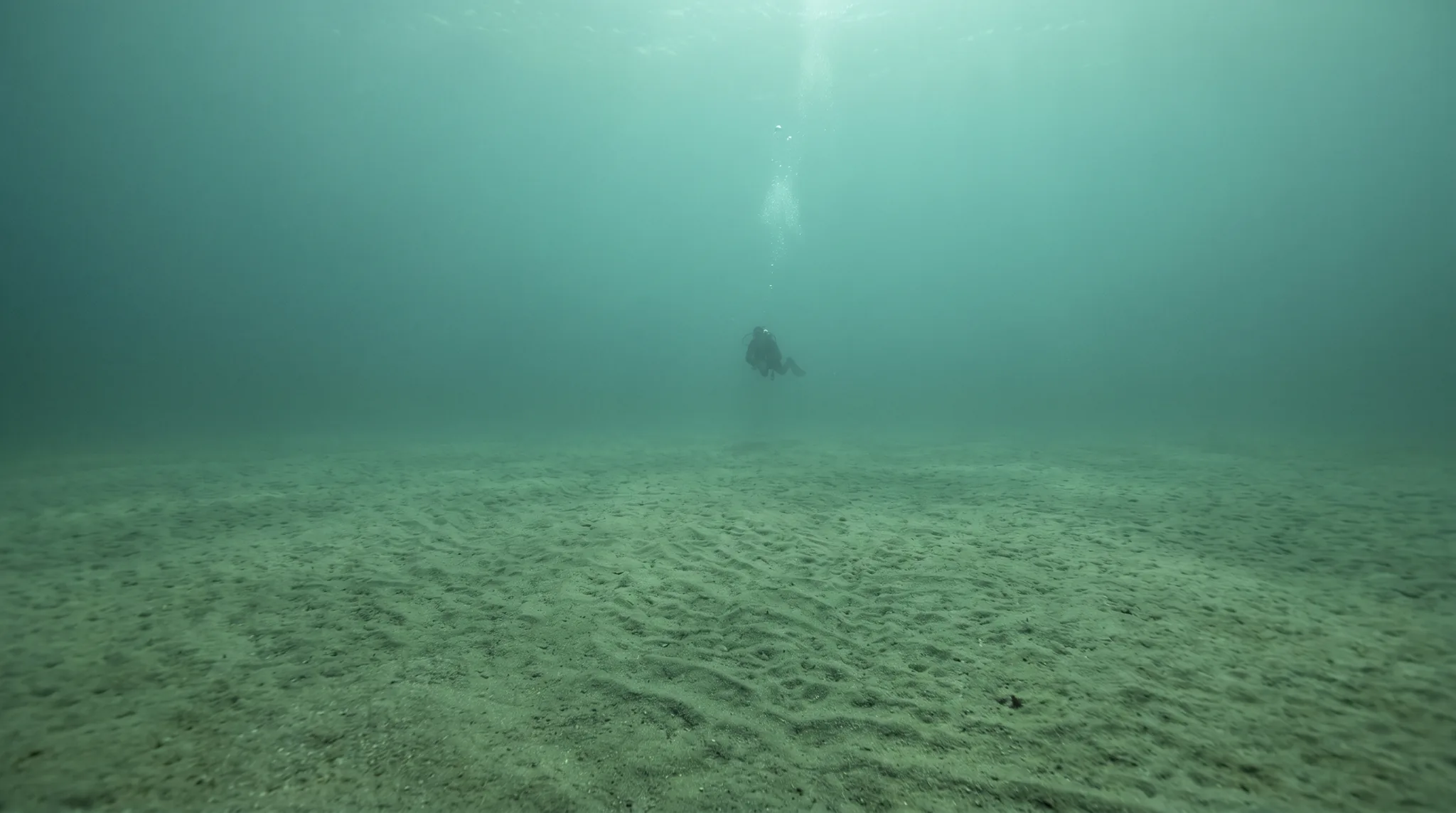
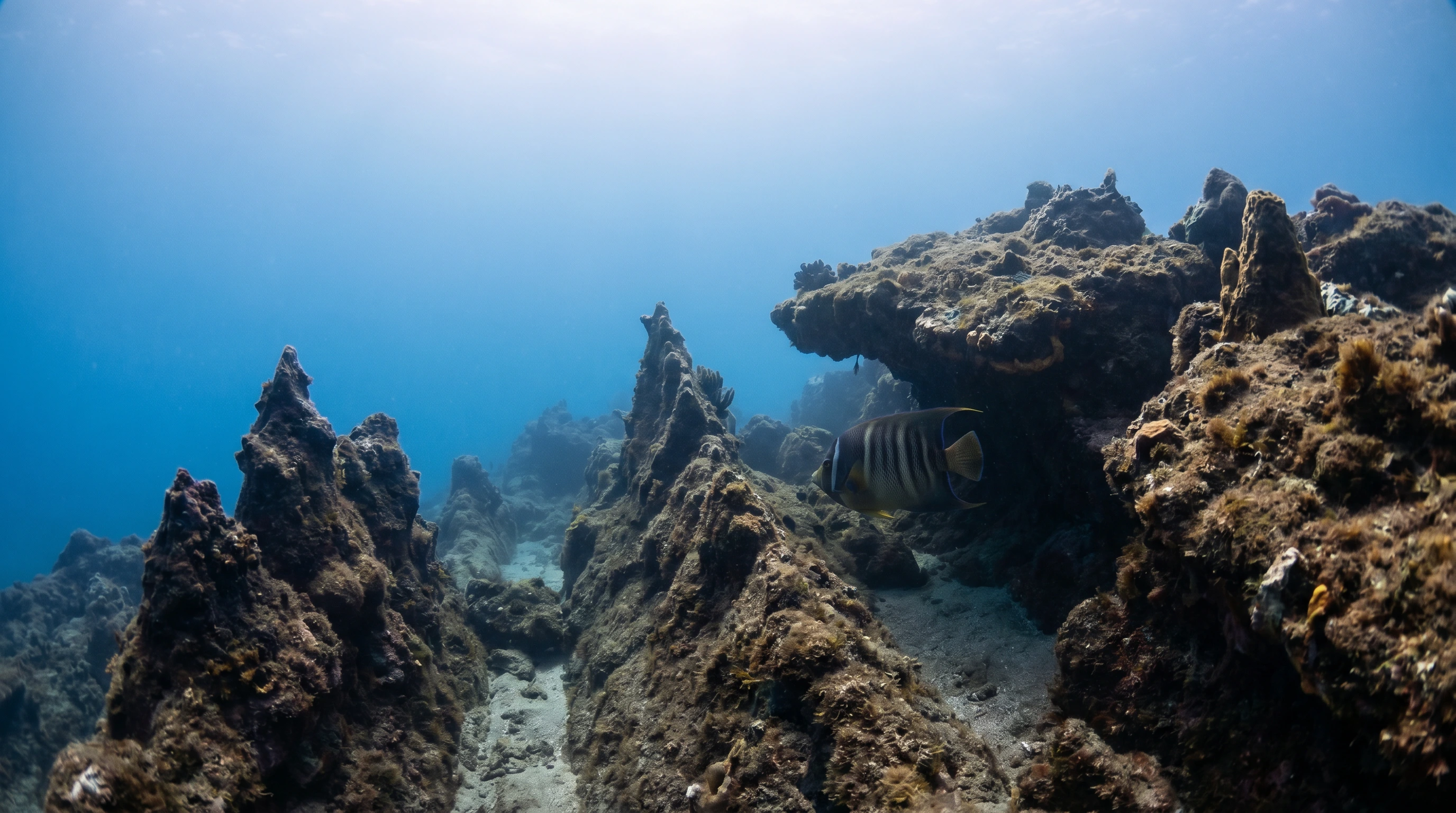
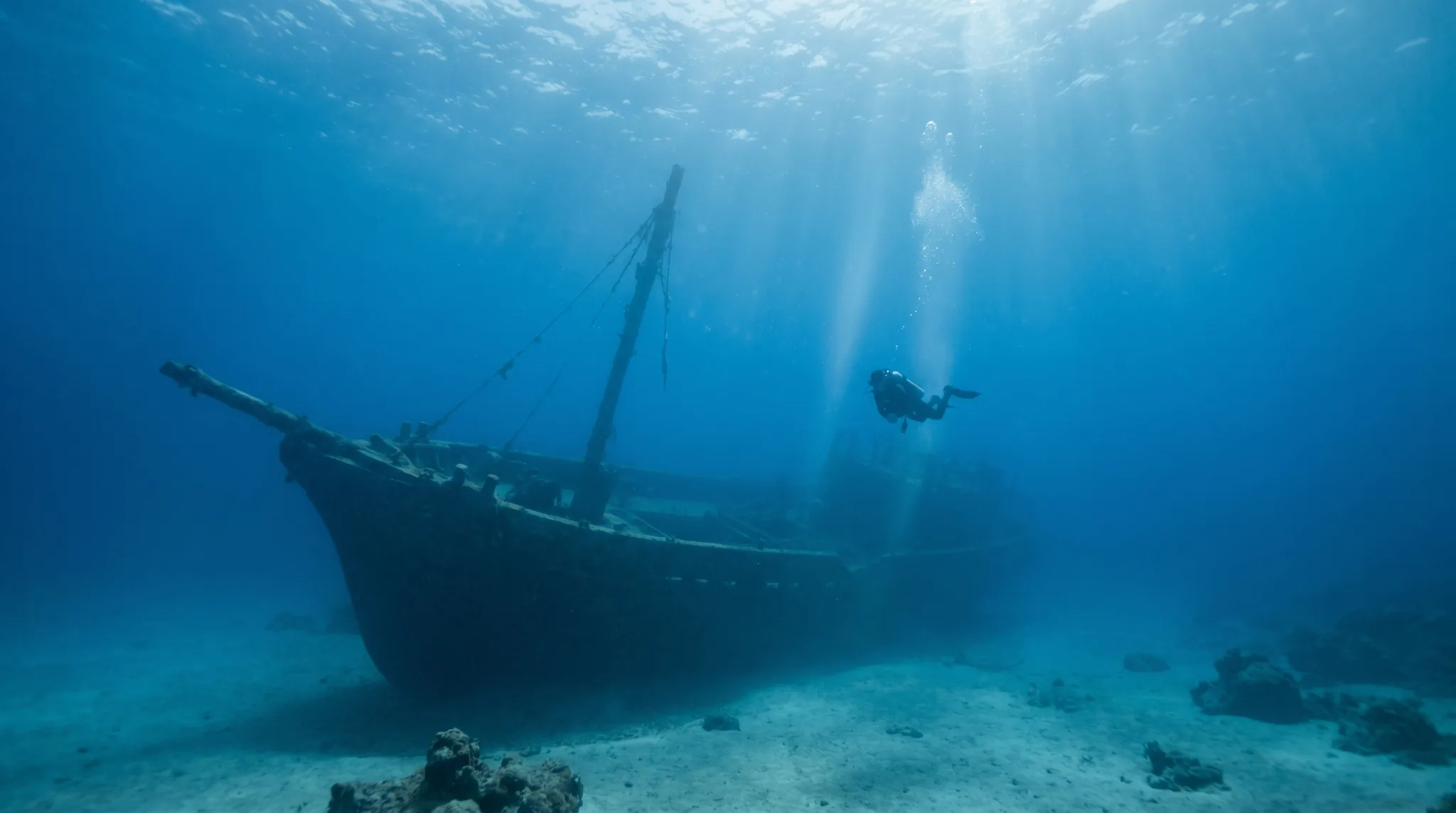
Monthly water temperature across Guanacaste's sites, from satellite sea-surface data corrected for depth. The band shows the site-to-site spread.
Water stays warm throughout the year, rising slightly during the wetter months from May through October. The dry season from December to April brings the most consistent conditions, with visibility at its peak in those months. September and October see the fewest favourable diving days, likely reflecting stronger weather influence, so those planning trips around reliable conditions tend to aim for the drier half of the year.
28 operators
Sardinal, Costa Rica

Sardinal, Costa Rica
Sardinal, Costa Rica
Water temperature around Guanacaste ranges from about 25°C in January to 28°C in May, based on satellite sea-temperature data for its dive sites.
In the warm season (about 28°C) a rash guard or 3mm shorty is comfortable in Guanacaste; in the coldest months (about 25°C) step up to a 3mm full suit.
Fin maps 64 sites in Guanacaste (56 scuba diving sites and 21 snorkelling spots, with some suited to both), organised into 2 areas.
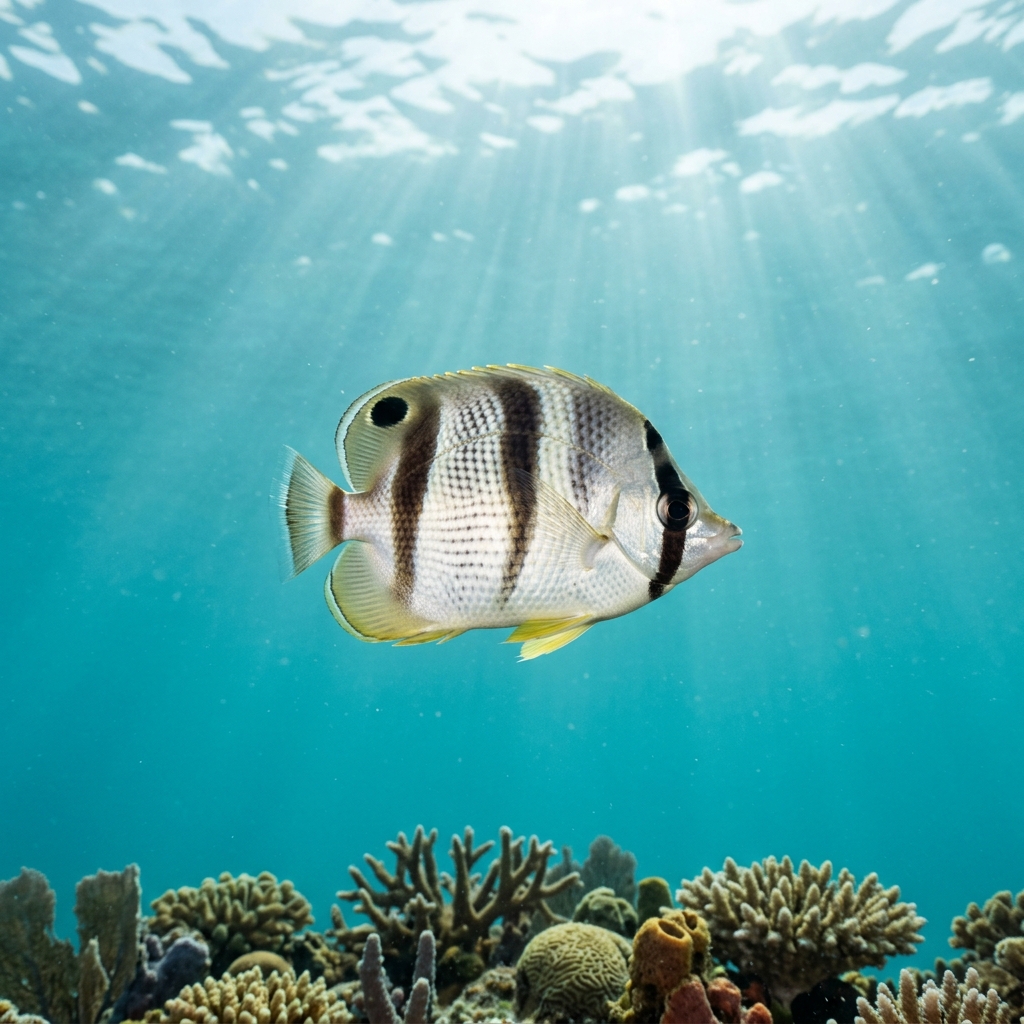
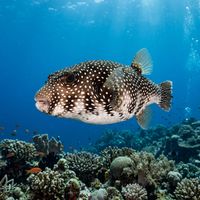
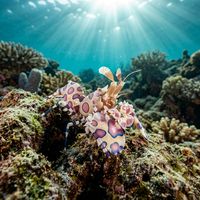
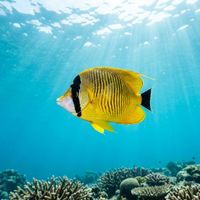
Guanacaste has a strong record of Whitetip Reef Shark and Spotted Eagle Ray sightings across many of its sites. The Jewel Moray, Panamic Green Moray and Snowflake Moray are all commonly observed, and the Harlequin Shrimp is a notable find for those who look carefully. Reef fish such as the King Angelfish, Cortez Angelfish, Barberfish, Threebanded Butterflyfish and Guineafowl Puffer are present at high frequency throughout the area.
A good portion of Guanacaste's dive sites are rated beginner level, including sheltered reefs such as Meros and Guacamaya Island in the Gulf of Papagayo. These sites tend to be shallower and more protected, allowing for relaxed, longer dives. Intermediate and advanced sites with stronger currents and deeper topography, such as Roca Peligrosa and Las Tetas, are also available for those with more experience.
The Gulf of Papagayo holds the larger share of sites and includes many of the calmer, beginner-friendly reefs such as Meros and Guacamaya Island, as well as more varied topography at sites like Sombreros and Las Tetas. The Catalina Islands form a separate sub-area with its own collection of sites, offering divers a distinct setting within Guanacaste. Visiting both areas gives a broader picture of what the region offers.
All of the listed top sites in Guanacaste are accessed by boat, so arranging a trip through one of the local operators is the standard approach. Operators such as Rich Coast Diving, Rocket Frog Divers, Scuba Tamarindo and Summer Salt Dive Center are among those running trips in the region. Boat trips range in length depending on how far offshore the site is, with some pinnacles and reef systems sitting well off the coast.


