
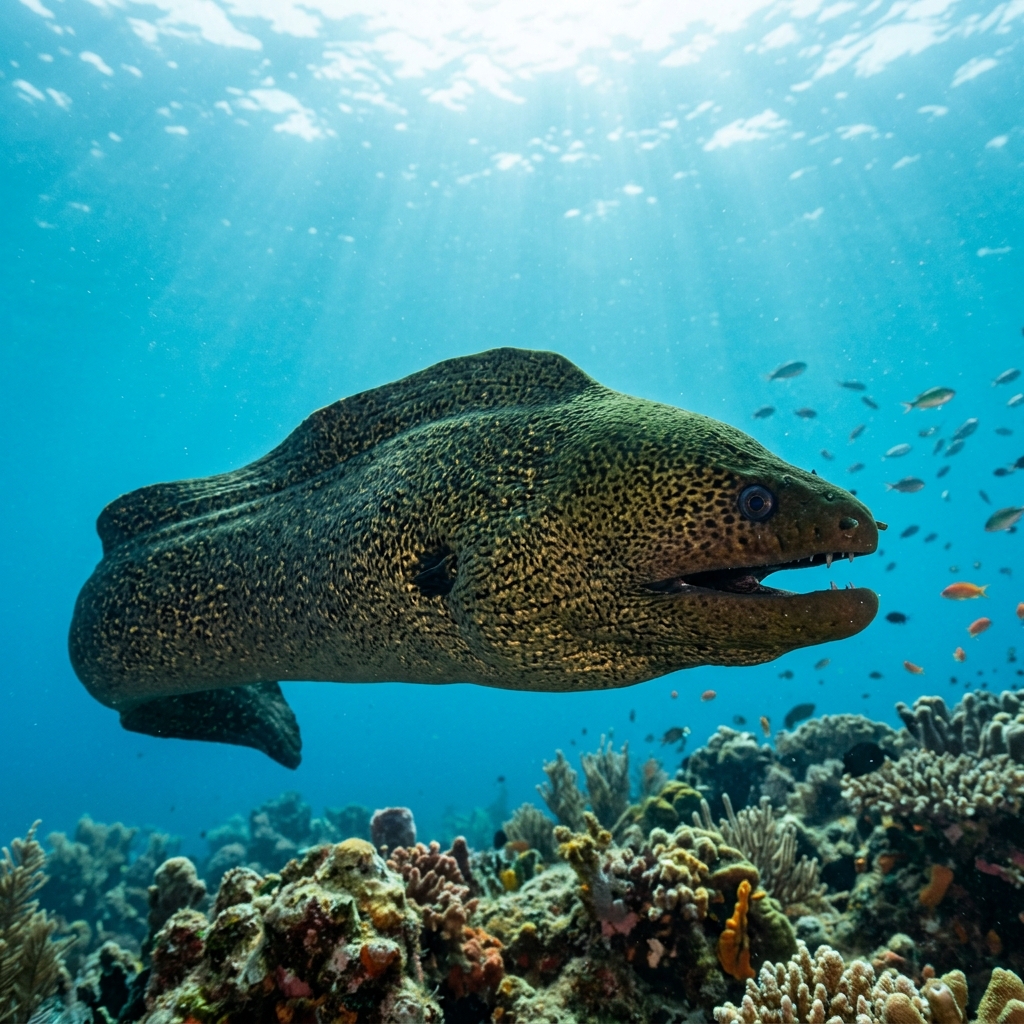
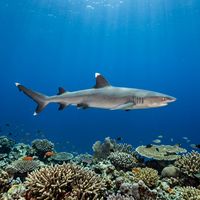
The Catalina Islands offer a concentrated mix of reef, wall, pinnacle, cave, and drift sites, all reached by boat. Shallow reefs suit beginners and snorkellers, while deeper pinnacles and walls with shifting currents challenge intermediate and advanced divers. Spotted Eagle Ray, Whitetip Reef Shark, Jewel Moray, and Panamic Green Moray are regularly sighted across sites. Water stays warm year-round, with the clearest conditions tending to favour the dry season months from December through April.
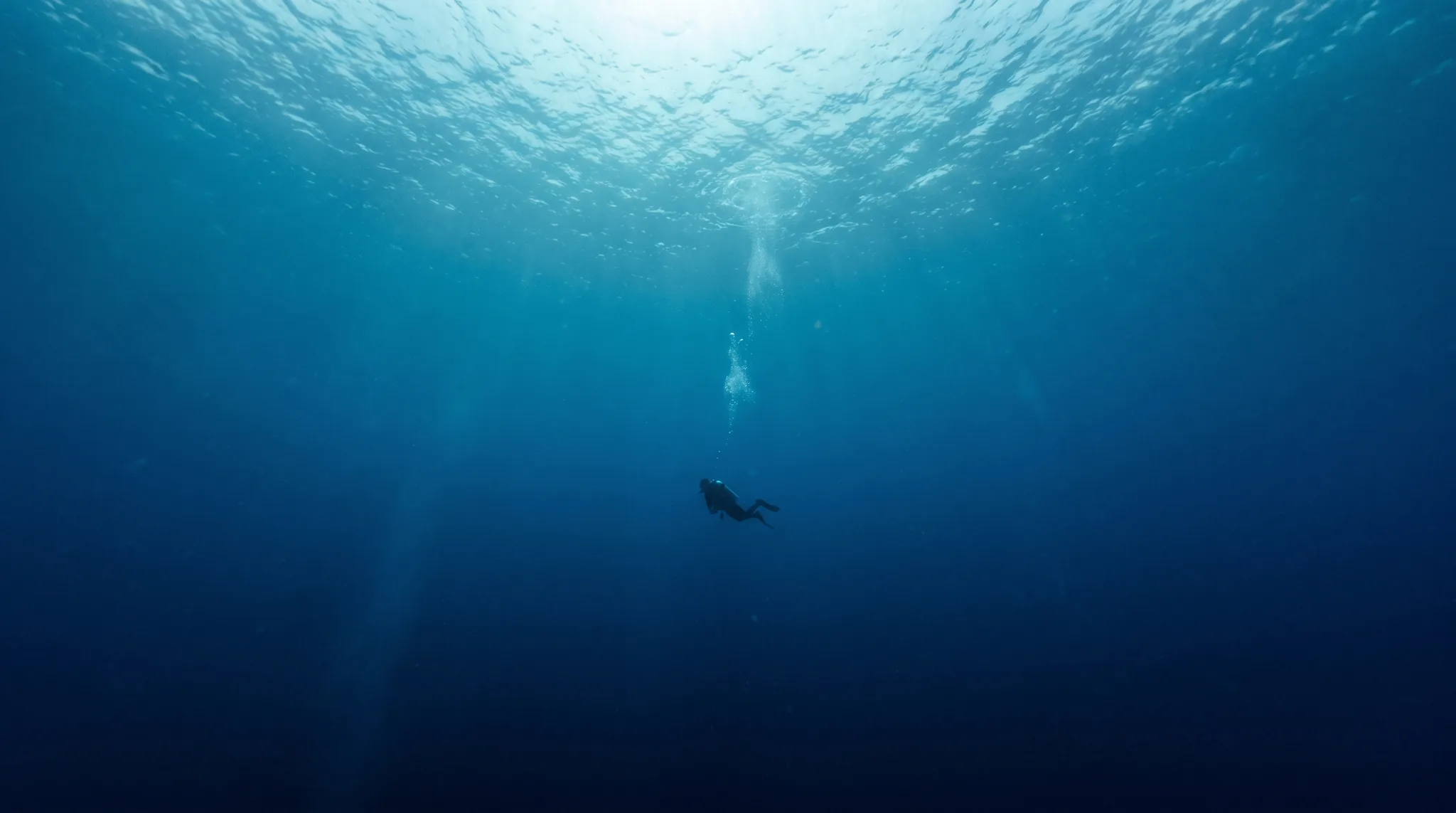

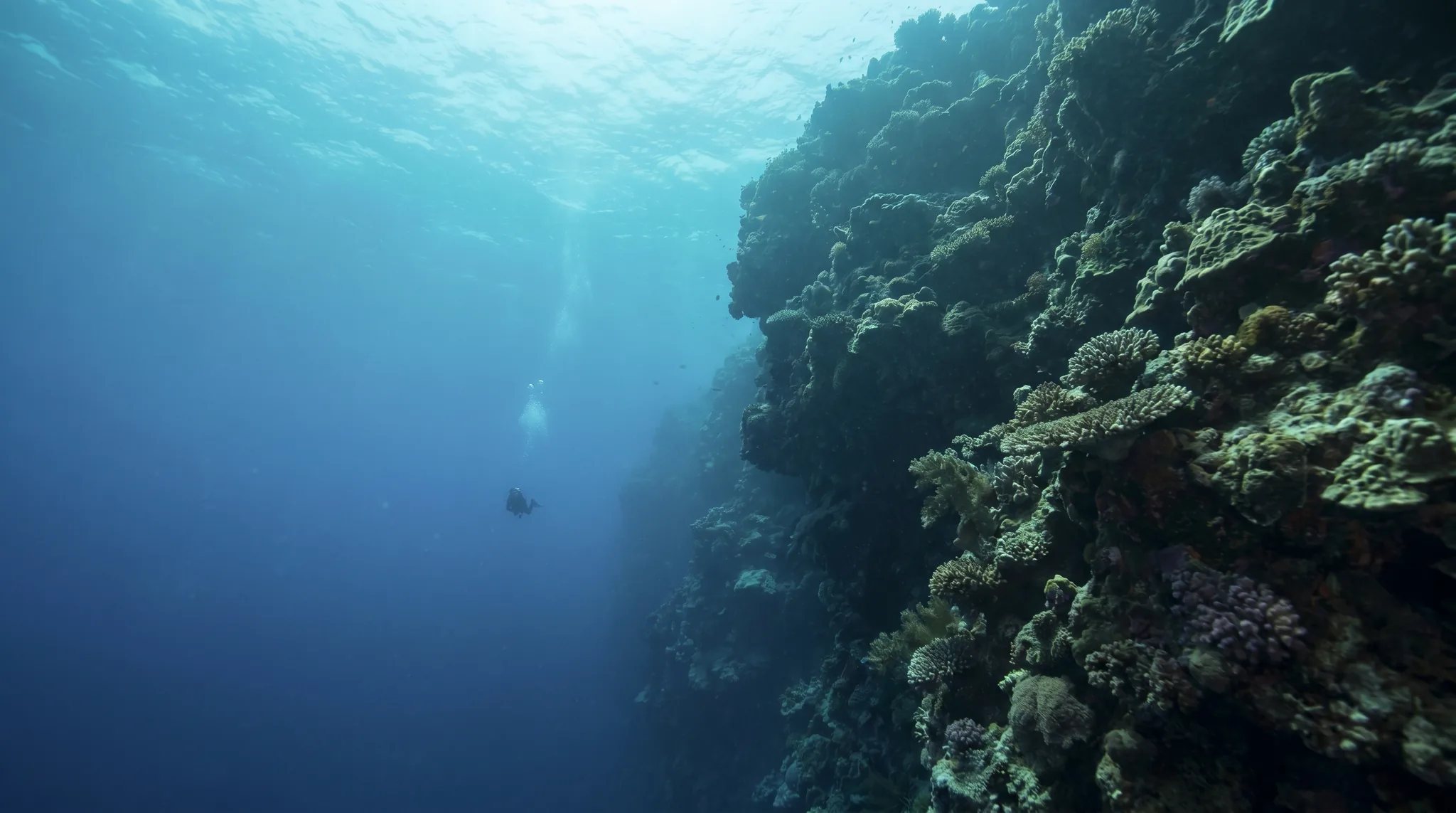
Monthly water temperature across Catalina Islands's sites, from satellite sea-surface data corrected for depth. The band shows the site-to-site spread.
Water temperature stays warm throughout the year, rising slightly toward the wetter months. Visibility is at its best during the dry season, roughly December through April, when conditions at pinnacle and drift sites are most favourable. The rainy season brings warmer water but reduced visibility and stronger currents at exposed sites.
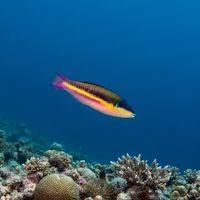
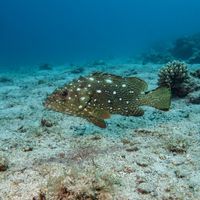
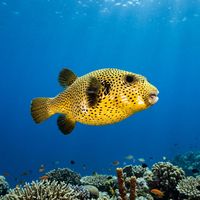
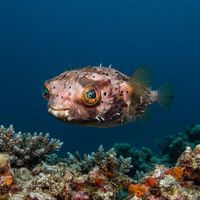
17 more sites to explore
Water temperature around Catalina Islands ranges from about 25°C in January to 28°C in May, based on satellite sea-temperature data for its dive sites.
In the warm season (about 28°C) a rash guard or 3mm shorty is comfortable in Catalina Islands; in the coldest months (about 25°C) step up to a 3mm full suit.
Fin maps 29 sites in Catalina Islands (25 scuba diving sites and 13 snorkelling spots, with some suited to both).
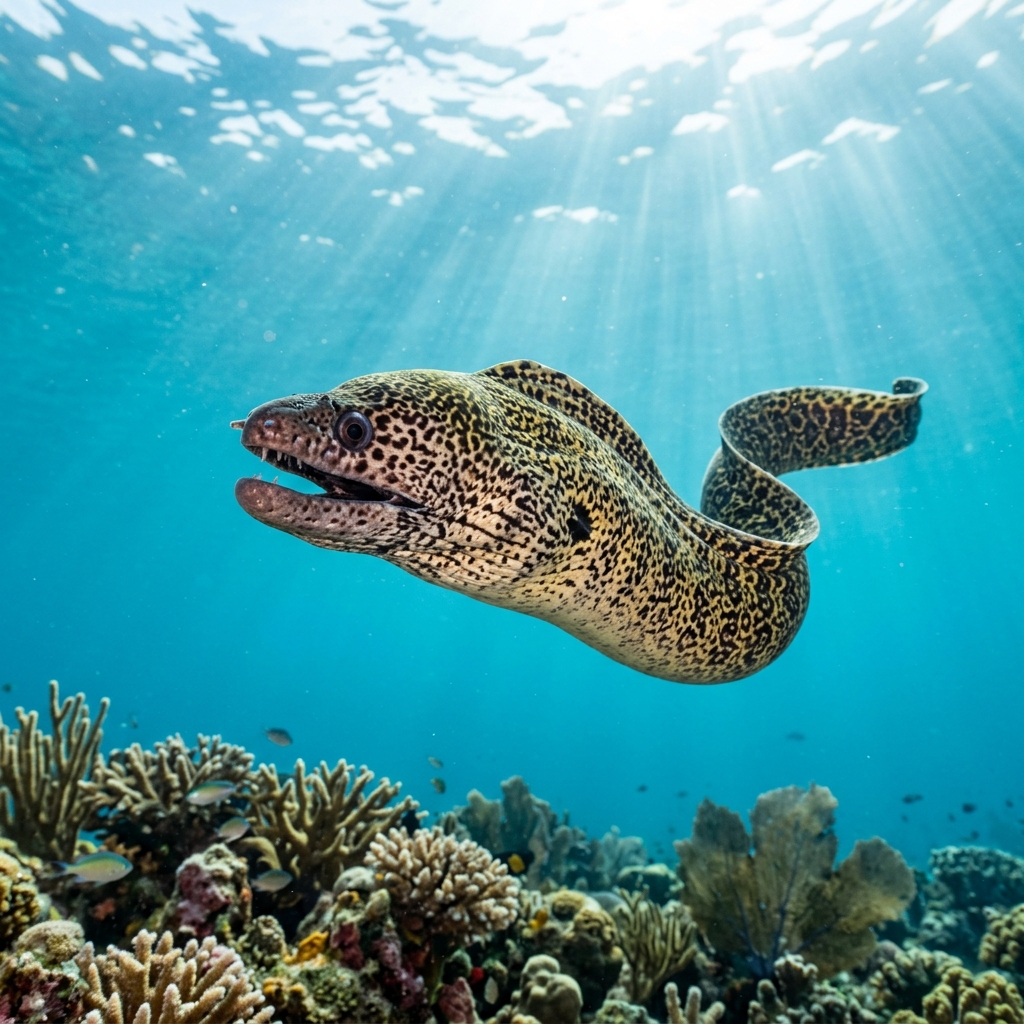
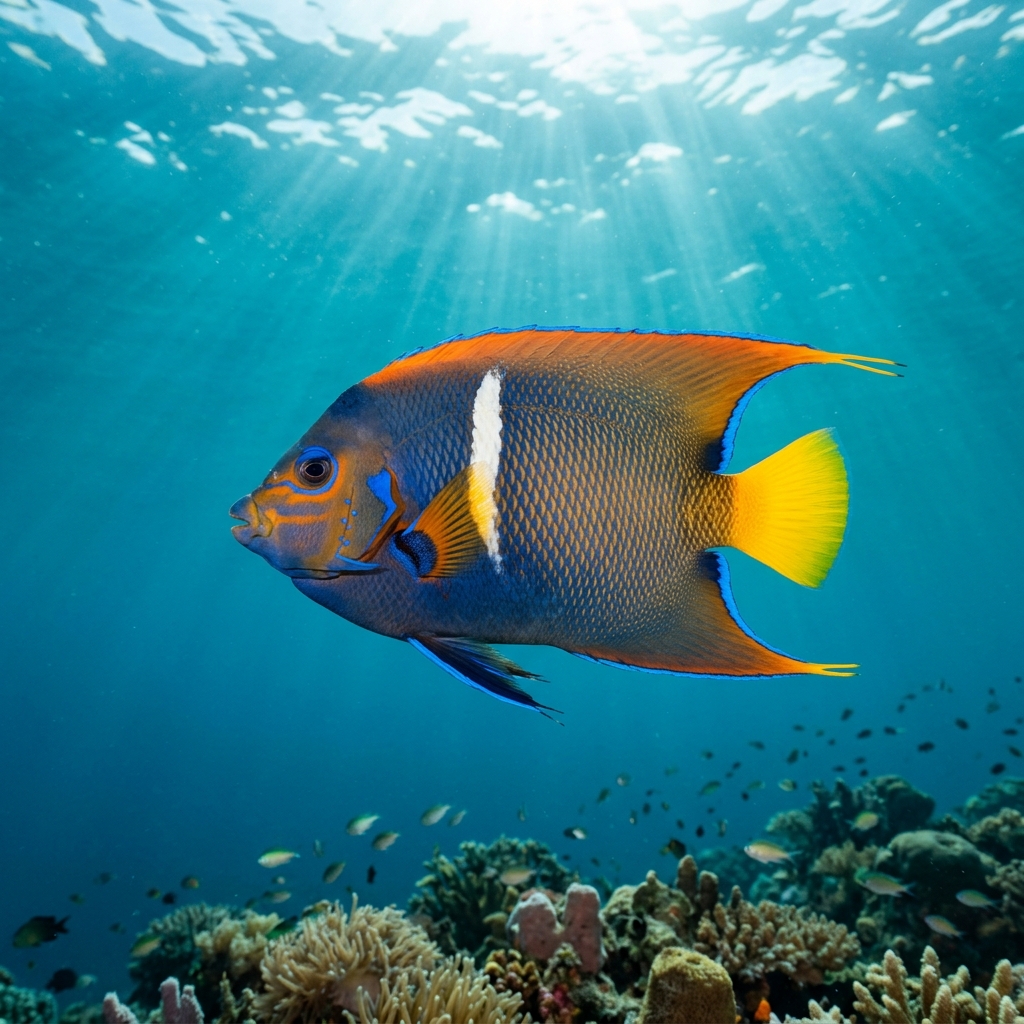
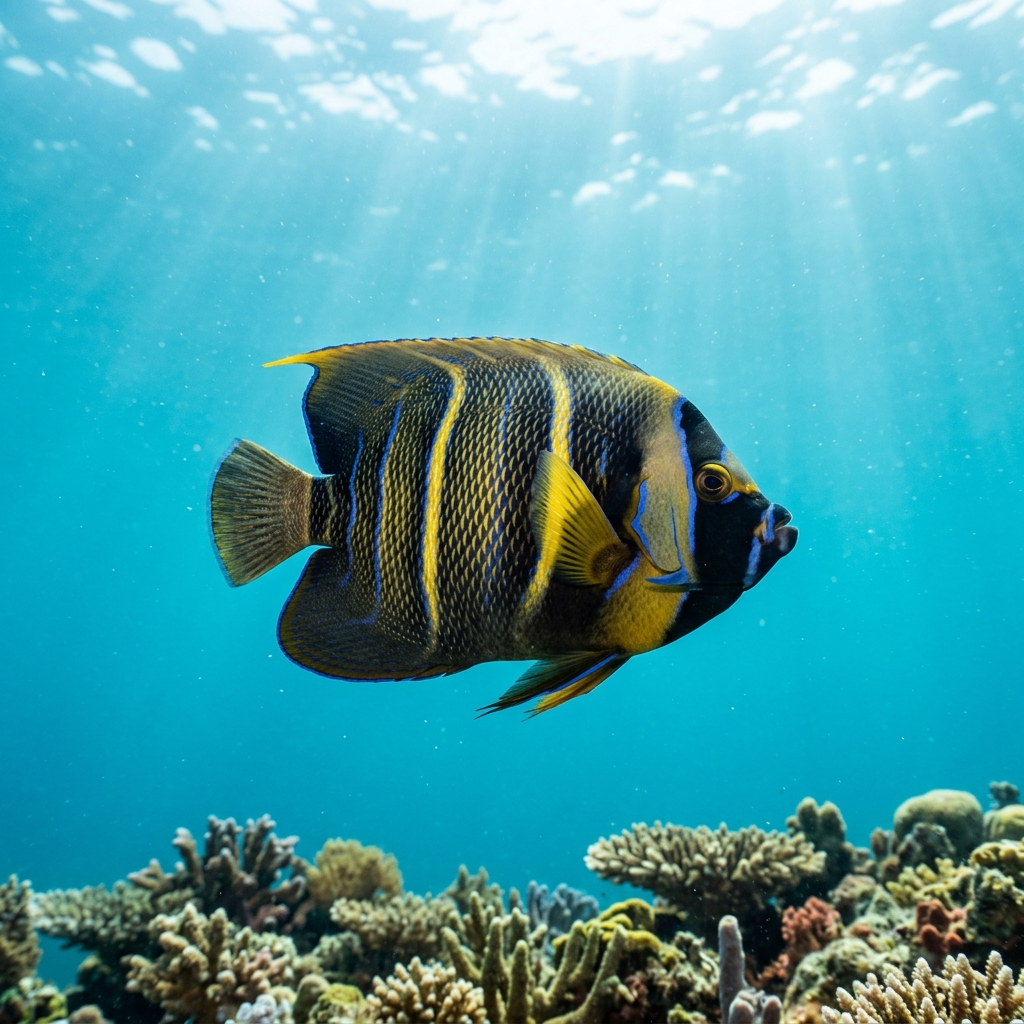
Spotted Eagle Ray and Whitetip Reef Shark are observed very commonly across sites. Jewel Moray and Panamic Green Moray are also frequent encounters on the reefs. King Angelfish and Barberfish add colour to most dives, and Harlequin Shrimp can be found at a good number of sites.
A good portion of the sites are rated beginner level, including Arco Iris, Cuatro Piedras, Brumel Shallow, and Las Catalinas North. These tend to be shallower reef sites with calmer conditions. Intermediate and advanced divers are catered for too, with deeper walls, pinnacles, and drift sites available.
All sites across the Catalina Islands are accessed by boat only. There are no shore-entry options listed among the sites here. Trips depart from the direction of Playas del Coco, with site distances varying from close inshore to further offshore.
The sites cover a wide range of topographies: rocky reef, wall, pinnacle, drift channel, cave, and a combined natural and artificial reef at Cuatro Piedras. Sites like Pailas combine multiple terrain types in a single dive. This variety means divers can experience quite different underwater environments within the same island group.