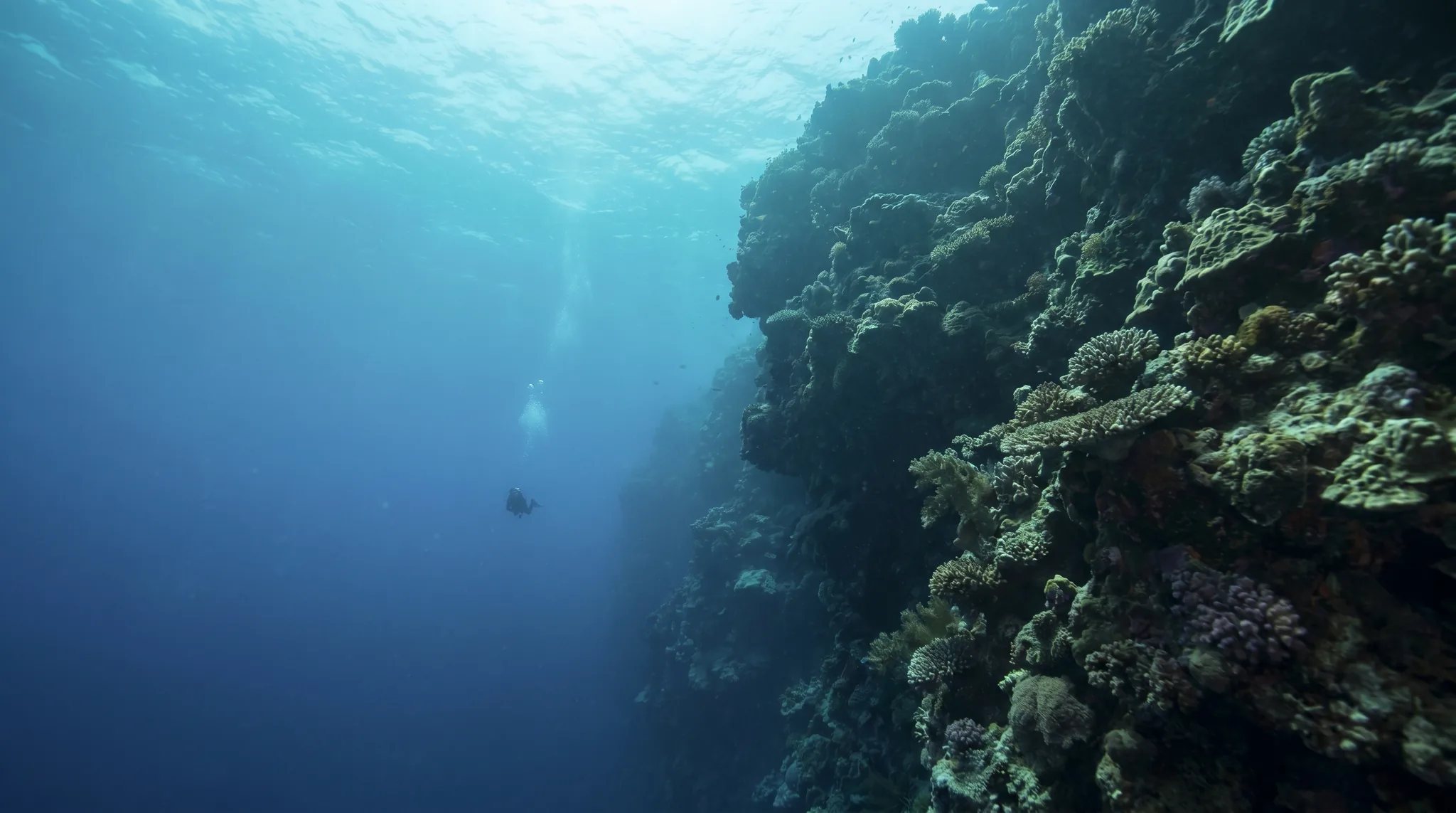
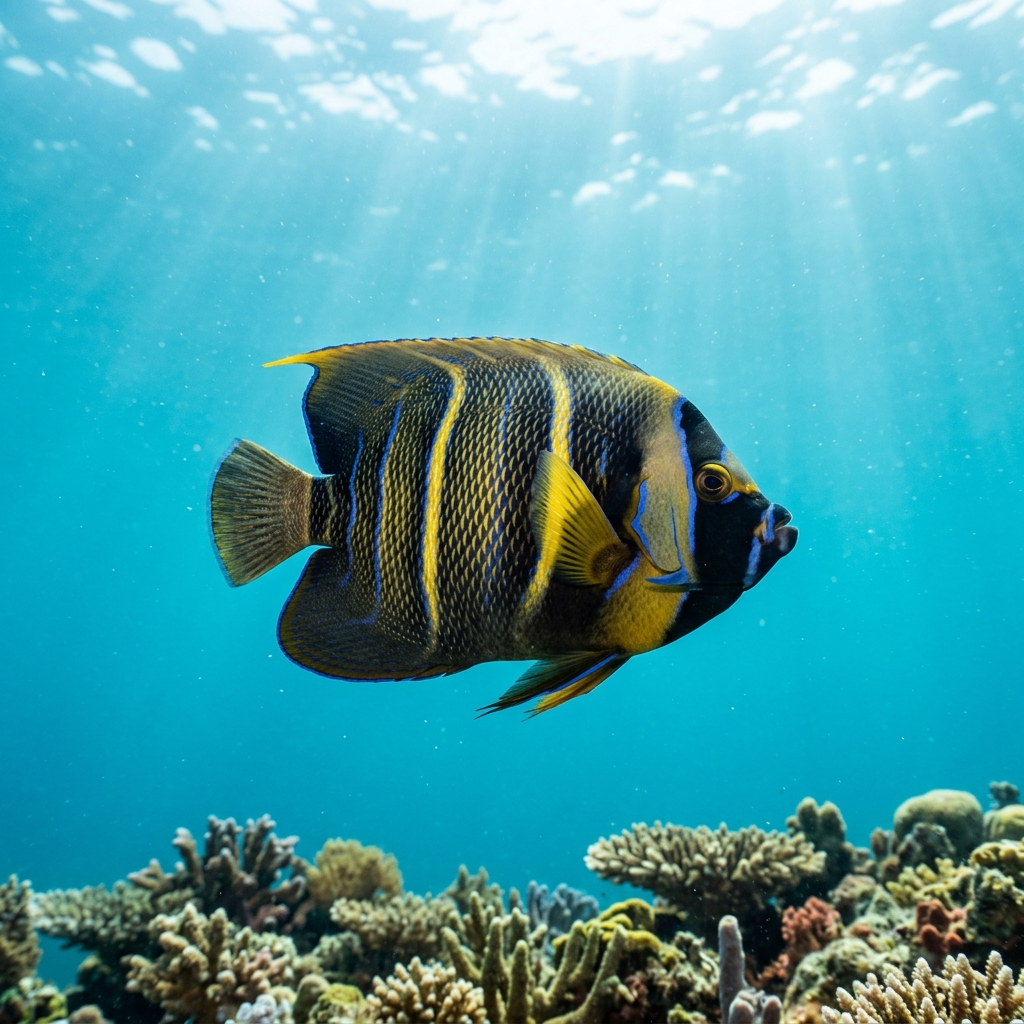
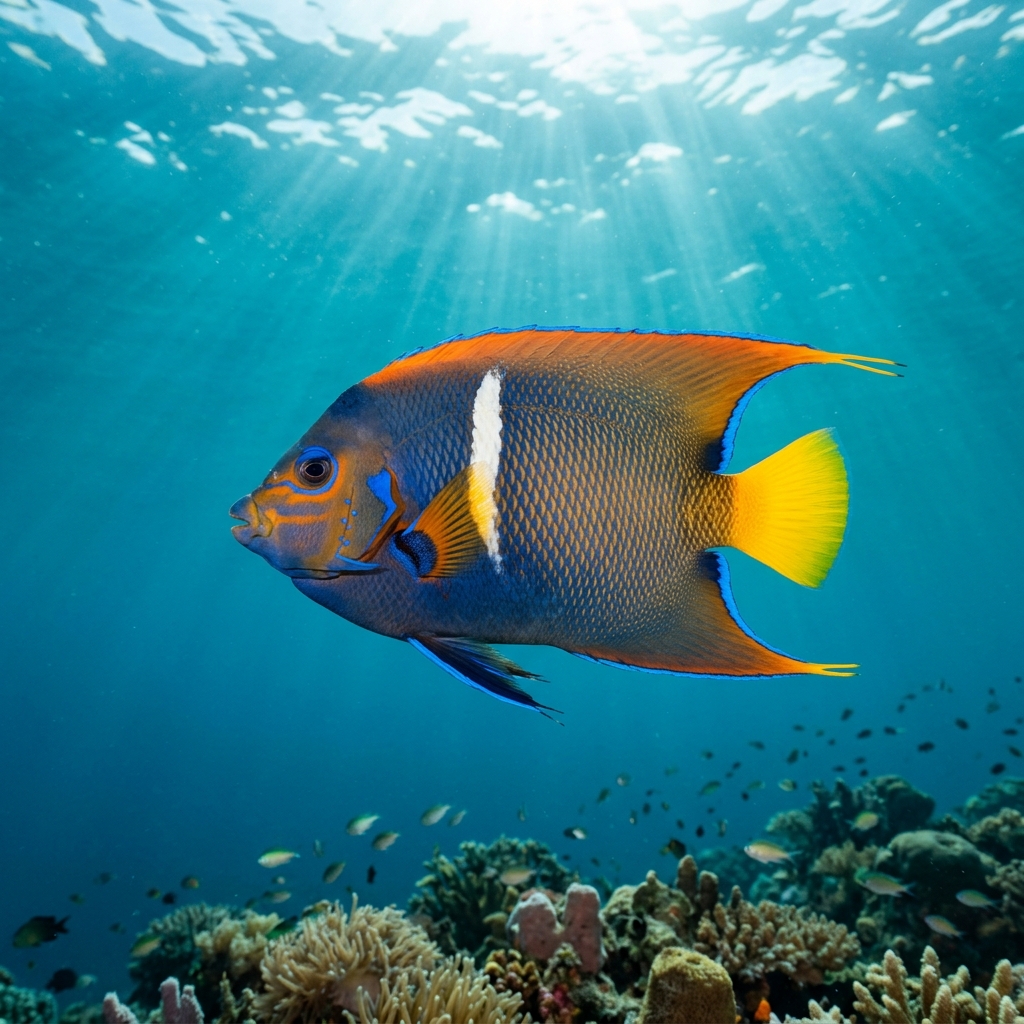
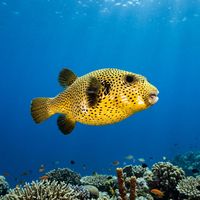
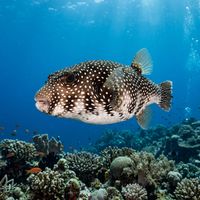
The Gulf of Papagayo divides neatly between Playas del Coco, which holds the bulk of the sites and suits divers from beginner level upward, and the Bat Islands, a smaller cluster where strong currents attract advanced divers. Reef and pinnacle sites dominate, with muck diving, wrecks, walls and artificial structures also represented. The Guineafowl Puffer and White-spotted Puffer are seen across almost every site, while the Whitetip Reef Shark, Spotted Eagle Ray, Cortez Angelfish and King Angelfish are consistent presences. Visibility varies considerably by season.
2 areas

Monthly water temperature across Gulf of Papagayo's sites, from satellite sea-surface data corrected for depth. The band shows the site-to-site spread.
Water stays warm year-round, with its coolest point in February and a peak through the late dry and early wet season from May into August. The best-months data favours June through August, when conditions and marine activity align well. Visibility fluctuates notably across the season, so divers chasing clearer water should consult current reports before booking.
26 operators
Sardinal, Costa Rica

Sardinal, Costa Rica
Sardinal, Costa Rica
23 more sites to explore
Boat-access reefs and pinnacles in the Gulf of Papagayo, with exceptionally rich angelfish and ray encounters.
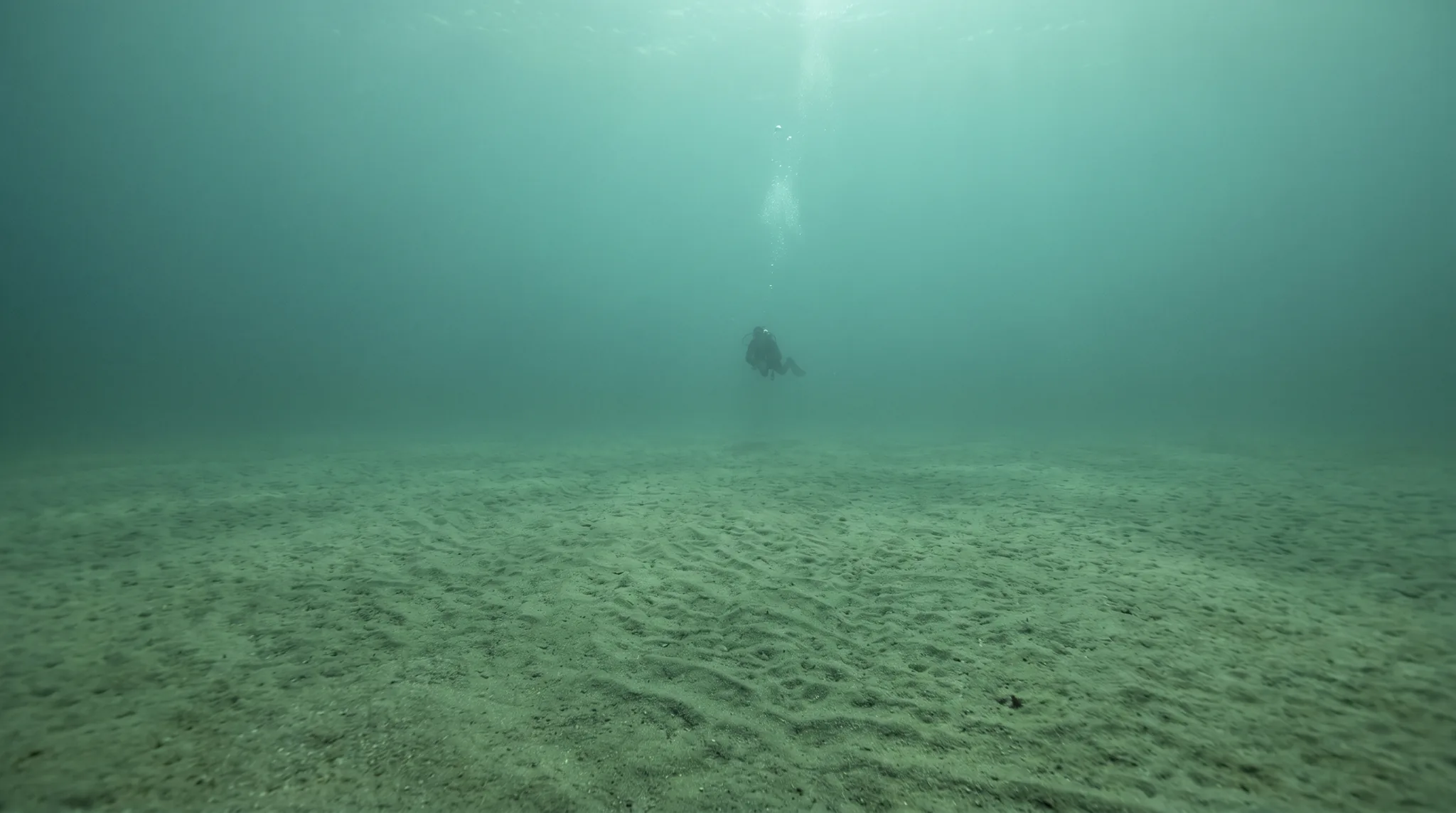
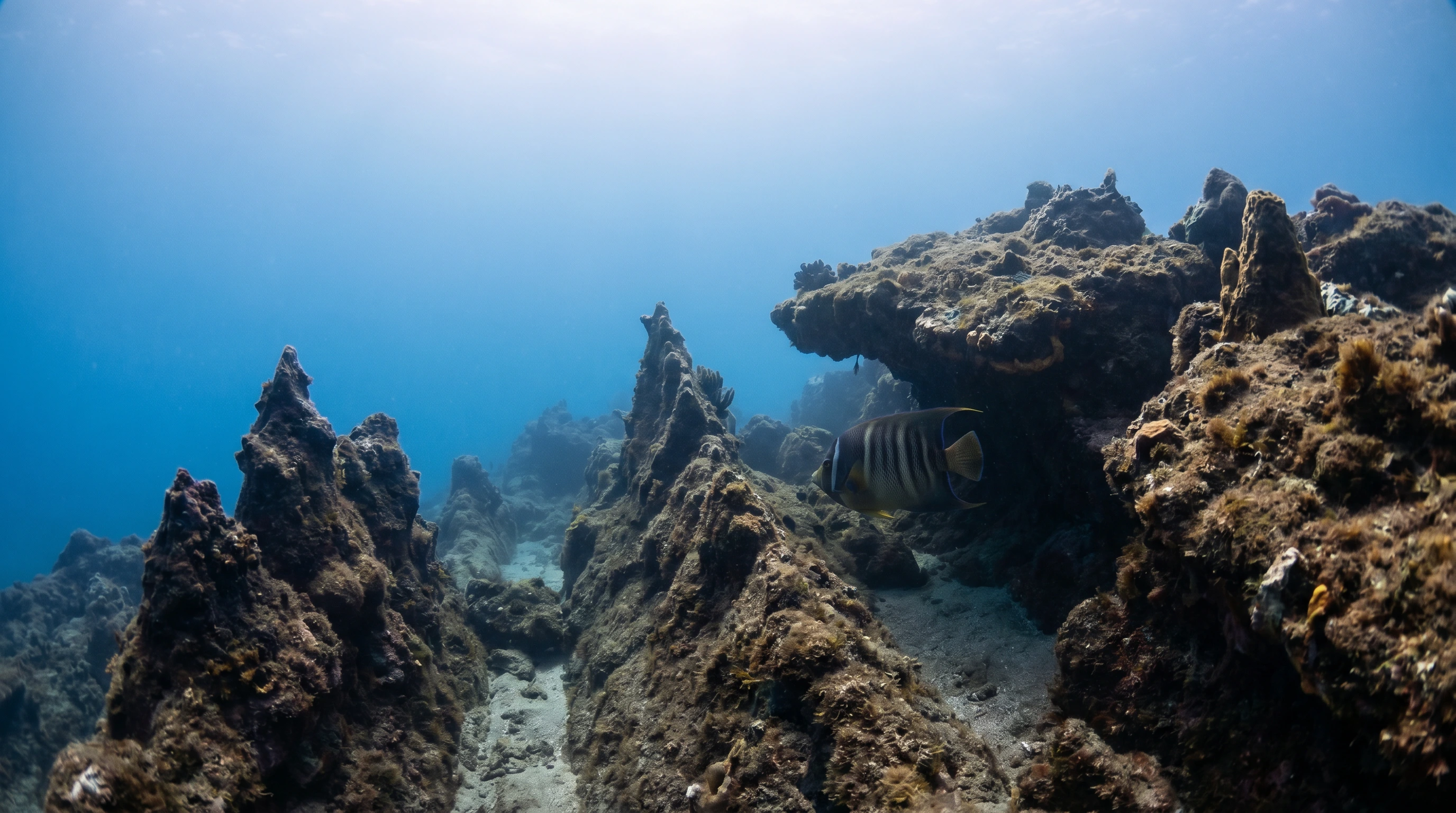
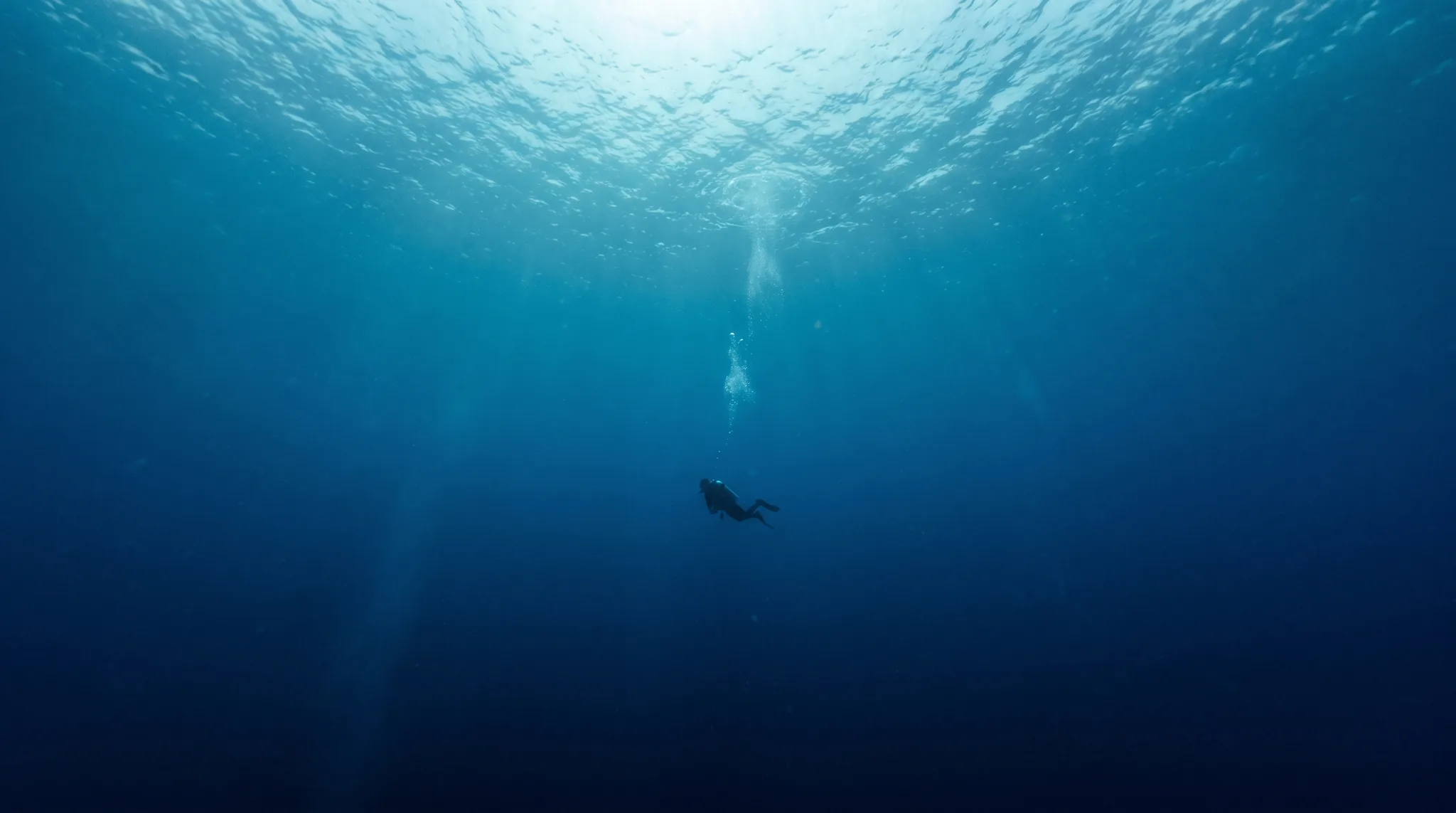
Water temperature around Gulf of Papagayo ranges from about 24°C in February to 28°C in May, based on satellite sea-temperature data for its dive sites.
In the warm season (about 28°C) a rash guard or 3mm shorty is comfortable in Gulf of Papagayo; in the coldest months (about 24°C) step up to a 3mm full suit.
Fin maps 35 sites in Gulf of Papagayo (31 scuba diving sites and 8 snorkelling spots, with some suited to both), organised into 2 areas.
Across Gulf of Papagayo's dive sites, April, May, June, July and August are most often reported as the best months to visit.
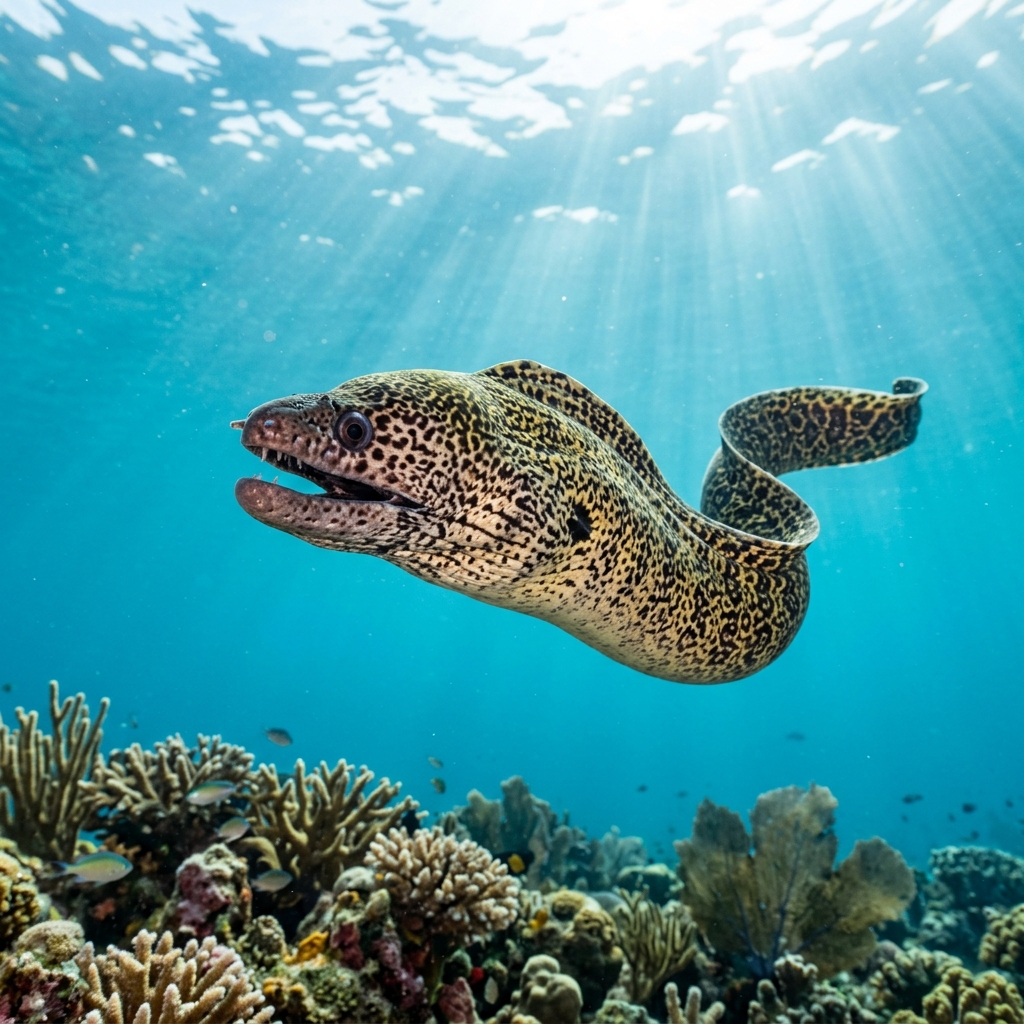
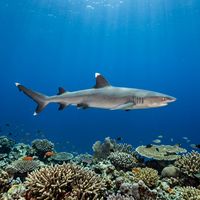
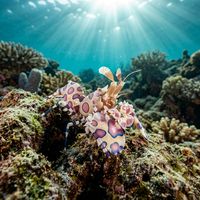
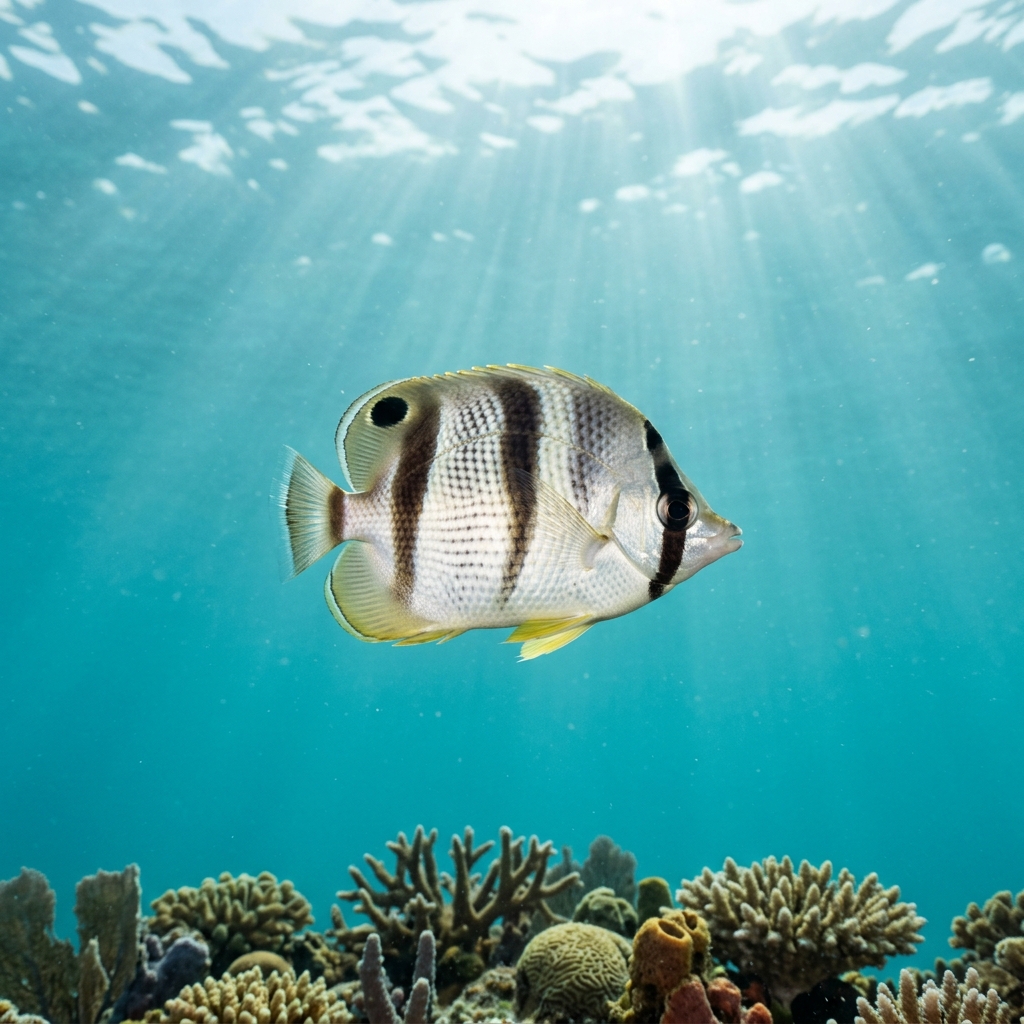
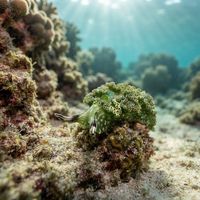
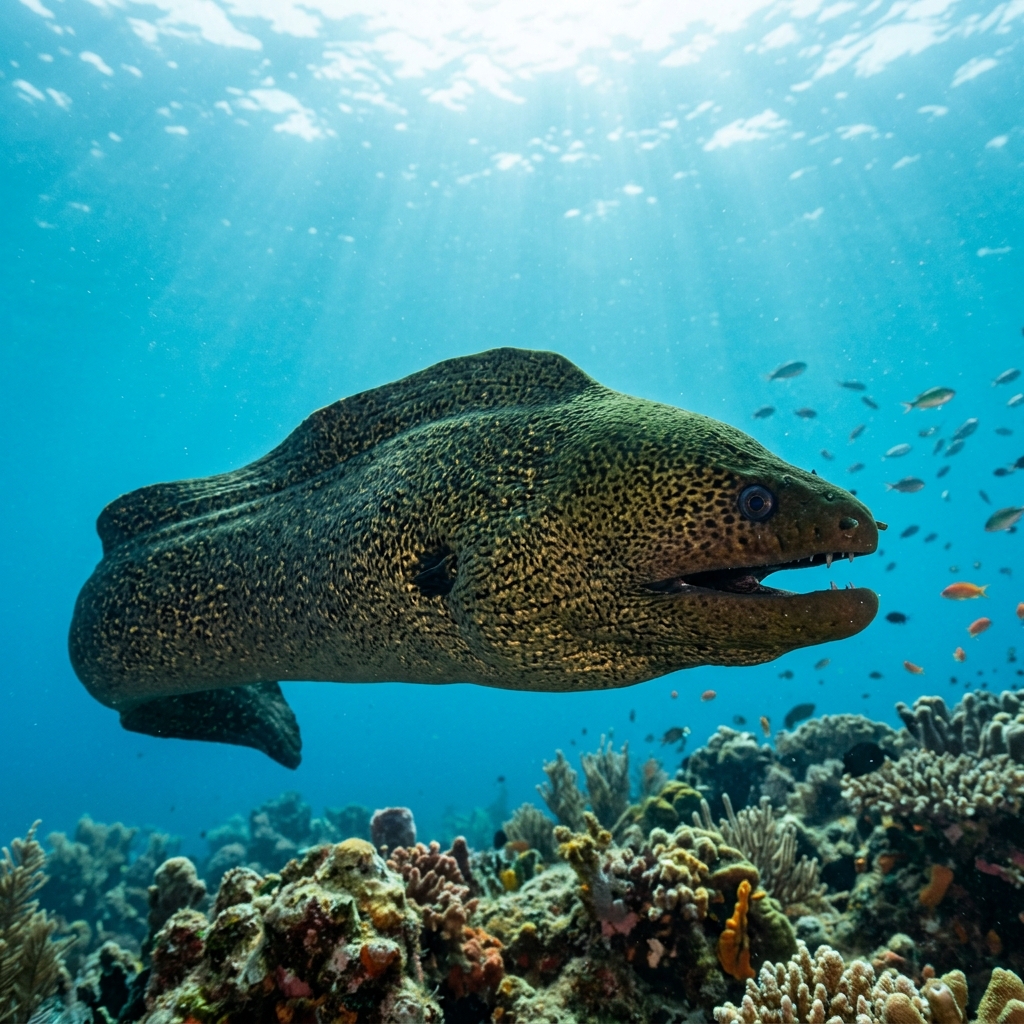
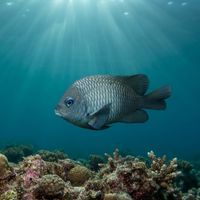
The region has strong observation records for a wide range of species. The Whitetip Reef Shark, Spotted Eagle Ray and Guitarfish represent the larger animals, while the Cortez Angelfish, King Angelfish, Barberfish and Threebanded Butterflyfish are very commonly encountered. Moray eel diversity is notable, with Jewel Moray, Panamic Green Moray, Snowflake Moray and Zebra Moray all recorded. The Harlequin Shrimp and Guineafowl Puffer are among the signature species of the area.
The majority of sites in the Gulf of Papagayo are rated for beginner divers, particularly across Playas del Coco. Sites such as Coco Bay, Meros, Cacique and Escorpiones offer shallow, sheltered conditions with mild currents. Intermediate and advanced divers are also catered for, with sites like Monkey Head and Sorpresa providing more demanding profiles, and Bajo Negro in the Bat Islands delivering strong currents suited to experienced divers.
Playas del Coco is the larger sub-area and offers the widest variety of site types, including reef, muck, wreck, pinnacle and artificial structures, across a broad range of skill levels. The Bat Islands is a smaller cluster focused on more advanced diving, with consistent strong currents at sites like Bajo Negro. Both sub-areas are accessed by boat.
Almost all dive sites in the Gulf of Papagayo require a boat. The sites are spread offshore from Playas del Coco and the Bat Islands, with several sitting a considerable distance from the coast. Numerous local operators including Rich Coast Diving, Rocket Frog Divers and Summer Salt Dive Center run regular boat trips to the main sites.