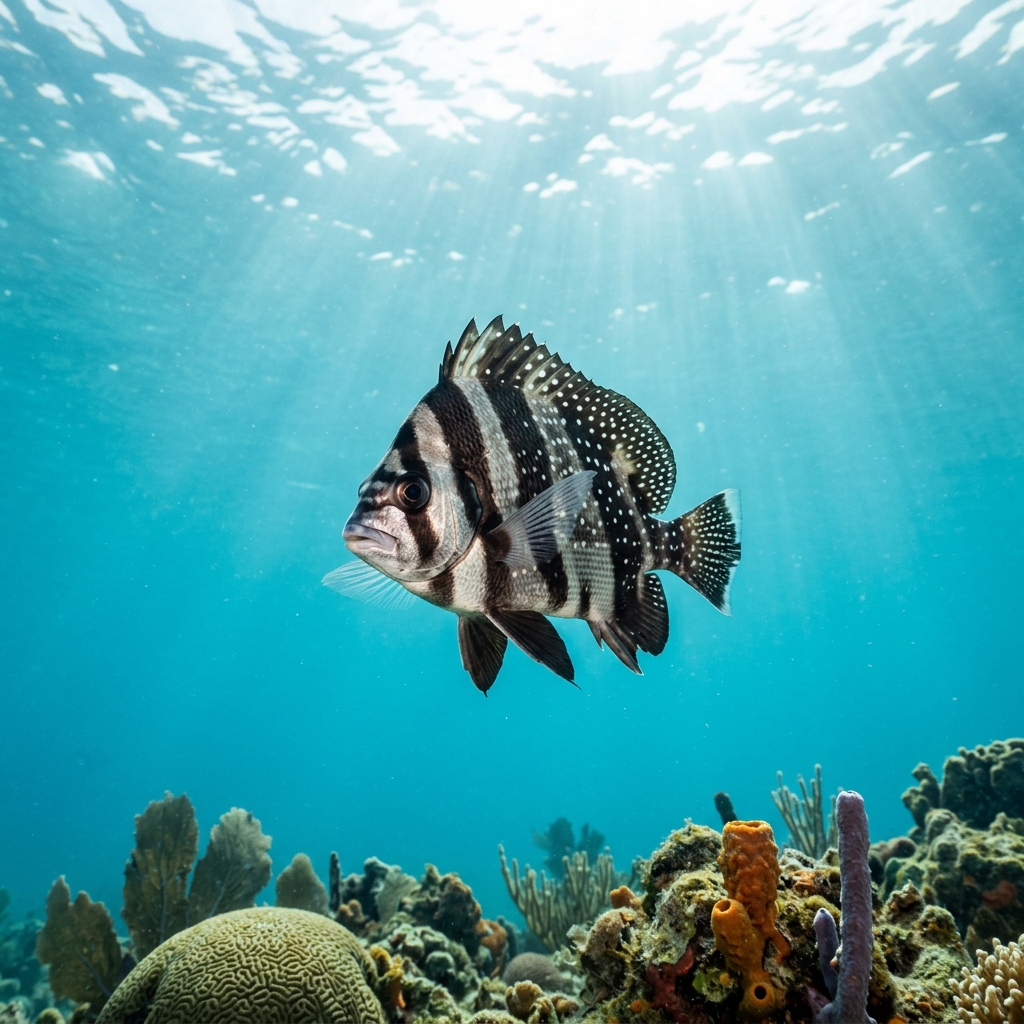
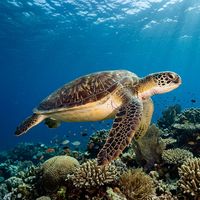
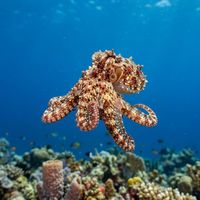
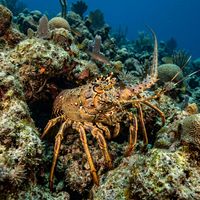
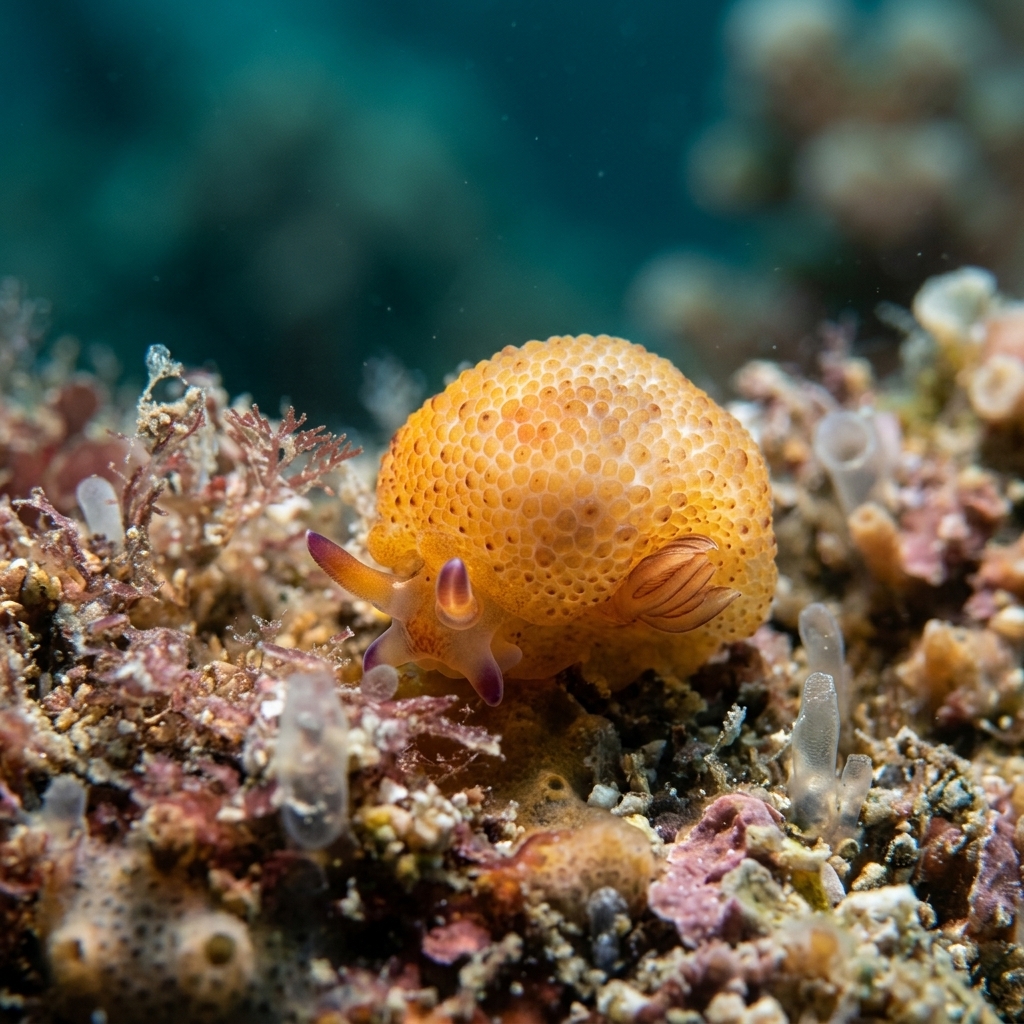
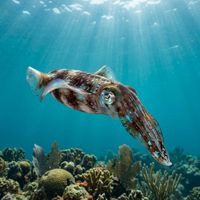
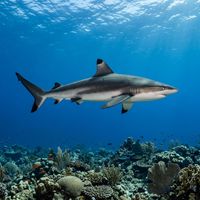
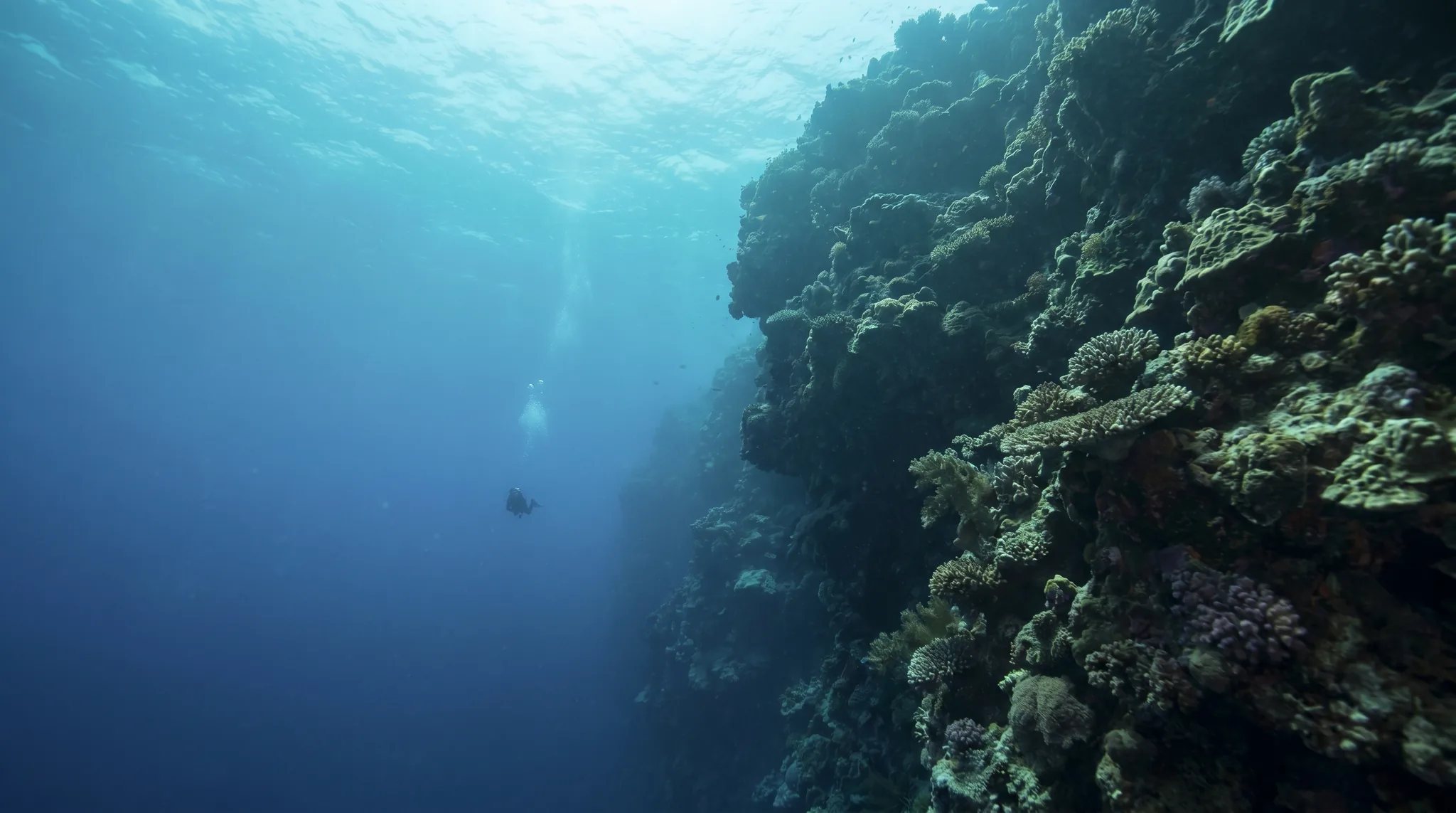
Colombia's Caribbean Coast offers a broad spread of reef diving across five distinct sub-areas, from the sites clustered around Santa Marta and Taganga in the north to the island groups of Islas de San Bernardo, Isla Fuerte, Islas del Rosario and the waters off Cartagena further south. Reef and wall combinations dominate, with the occasional wreck adding variety. Most sites suit beginners, though deeper walls at places like El Torin and El Gran Cañón reward advanced divers. Blue Tang, Sergeants and Soldierfish are ever-present, while Green Sea Turtle, Brazilian Reef Octopus and the occasional Whale Shark make this coast truly varied.
5 areas
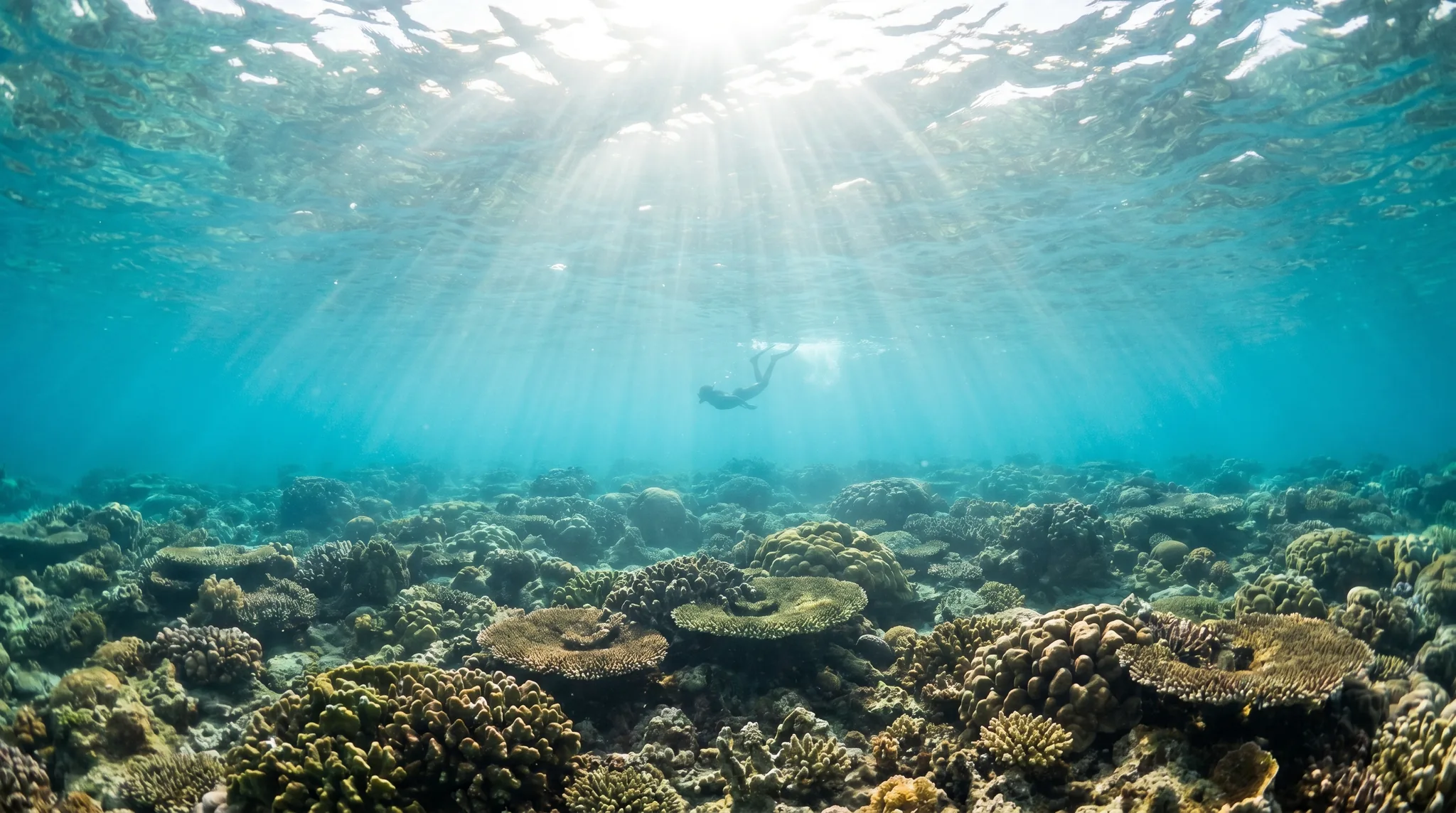 44
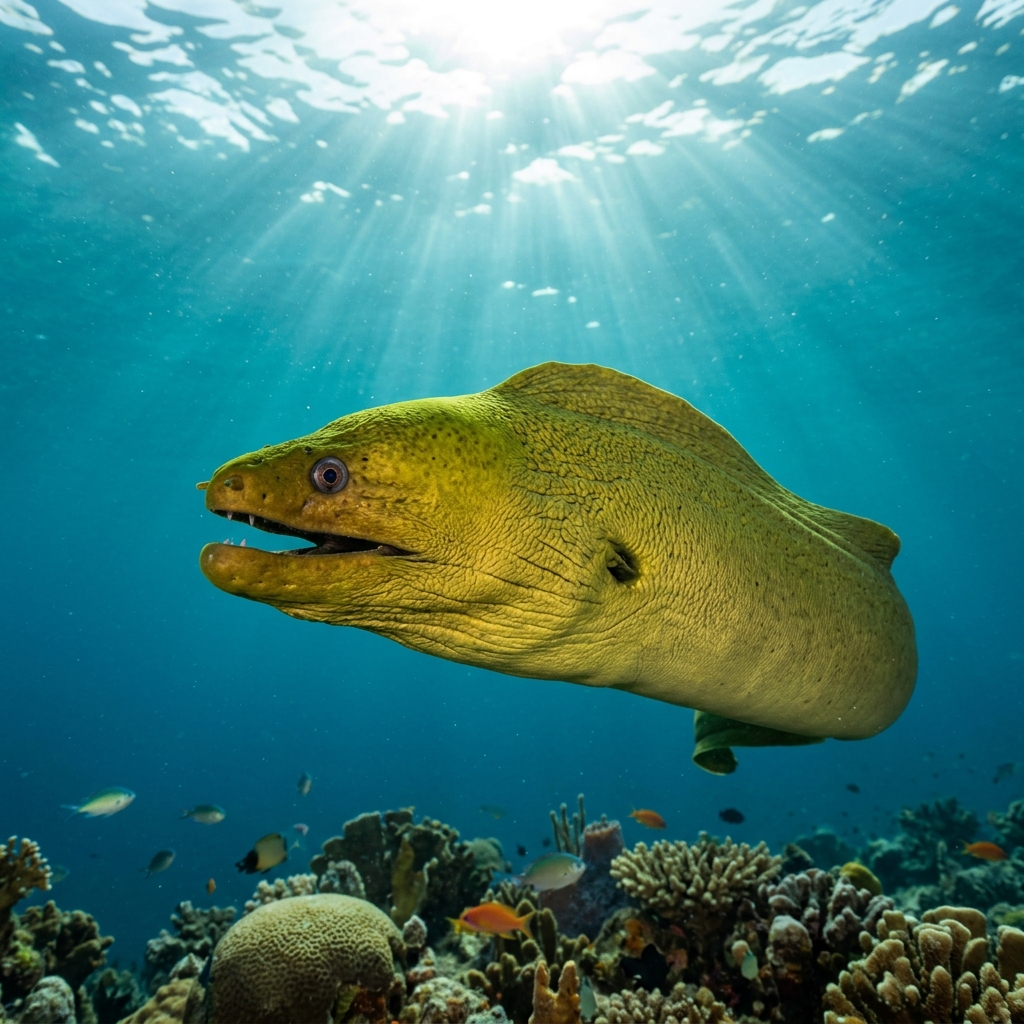
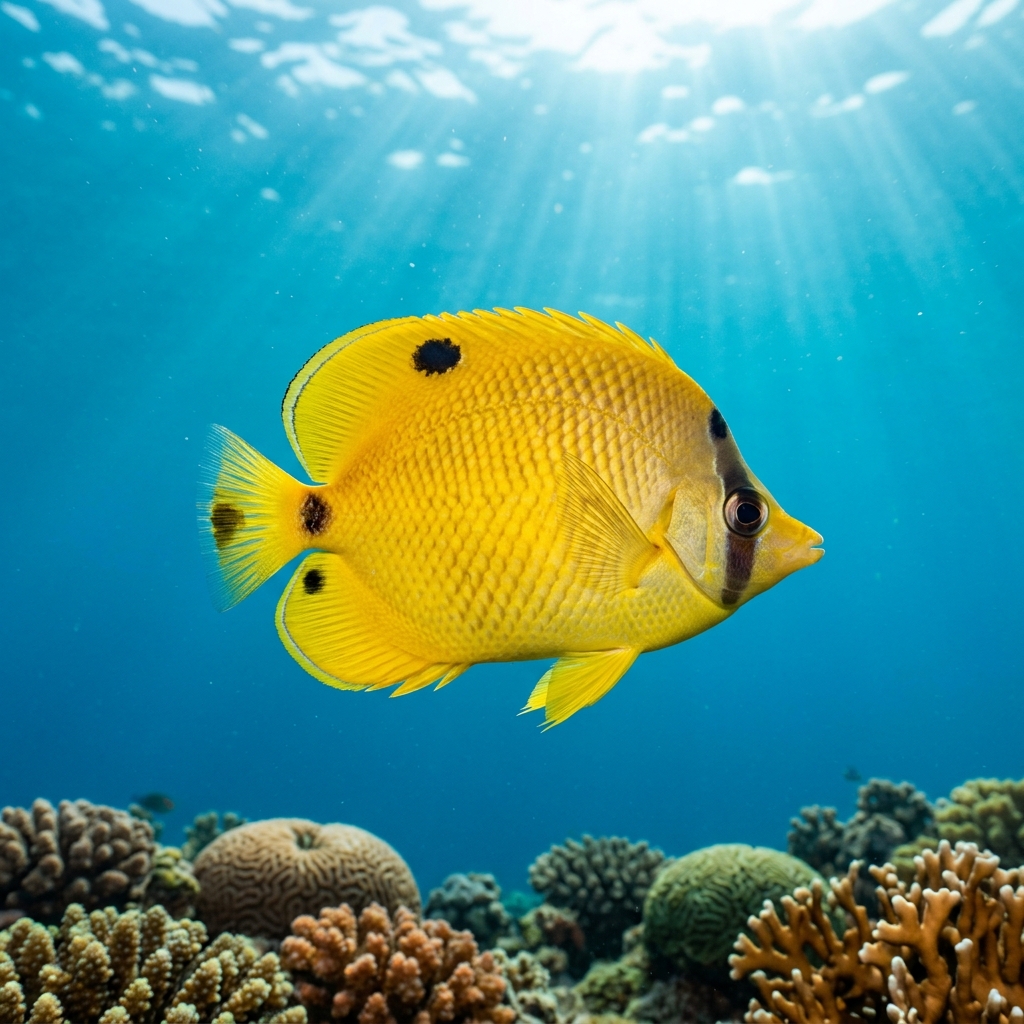
44Reef and wall diving off Colombia's Caribbean Coast, with consistent sightings of moray eels, angelfish and lionfish across a wide range of depths and skill levels.
38A reef-rich Caribbean archipelago where Green Sea Turtle encounters are near-guaranteed and wall dives drop alongside accessible coral gardens.
18Reef diving off Colombia's Caribbean Coast with near-certain Green Sea Turtle and Common Blacktip Shark encounters across a varied mix of walls, pinnacles and wrecks.
Monthly water temperature across Caribbean Coast's sites, from satellite sea-surface data corrected for depth. The band shows the site-to-site spread.
Water temperature stays warm throughout the year with very little seasonal swing, making the coast diveable at any time. The best-months data points strongly to December through April as the peak window, when conditions and visibility tend to be at their most reliable. May through October sees a quieter period, likely reflecting reduced visibility or increased swell during the wetter months.
82 operators

Reef diving off Colombia's Caribbean Coast, with wrecks, pinnacles, and a strong mix of shark, ray, and turtle encounters.
Water temperature around Caribbean Coast ranges from about 28°C in February to 30°C in June, based on satellite sea-temperature data for its dive sites.
With water around 28–30°C, a rash guard or 3mm shorty works in Caribbean Coast year-round.
Fin maps 125 sites in Caribbean Coast (115 scuba diving sites and 21 snorkelling spots, with some suited to both), organised into 5 areas.
Across Caribbean Coast's dive sites, January, February, March, April and December are most often reported as the best months to visit.
The reefs here support a wide range of species that have been directly observed across the sites. Blue Tang, Sergeants, Soldierfish, Christmas Tree Worm and Caribbean Spiny Lobster are very common. Green Sea Turtle and Brazilian Reef Octopus are frequently encountered, and there are occasional sightings of Whale Shark, Common Blacktip Shark, Seahorse and Spotted Drum.
The majority of sites are rated for beginners, with shallow reef structures and mild currents at spots like El Jardín, Bajo Alicia and Palomo. Intermediate and advanced sites such as Manto de Ela, Canal del Inglés and El Torin are also available for those looking to progress. The spread of skill levels across the sub-areas means divers at any stage of their training will find appropriate options.
Santa Marta has the largest concentration of sites and is home to deeper wall dives like El Torin. The Islas del Rosario cluster offers a broad mix of reef and wall sites, including wreck diving at Los Buzos and the deep wall of El Gran Cañón. Islas de San Bernardo and Isla Fuerte are significant in site count, while Cartagena offers a smaller but accessible selection close to a major city.
All of the featured sites are accessed by boat, reflecting the island and offshore nature of the reefs. Numerous dive operators are based in the region, including several centred around Taganga and Santa Marta, which serve as practical jumping-off points for many of the northern sites. Operators based in or near Cartagena cover the Islas del Rosario and Islas de San Bernardo.