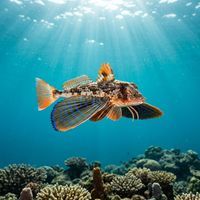
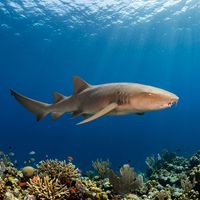
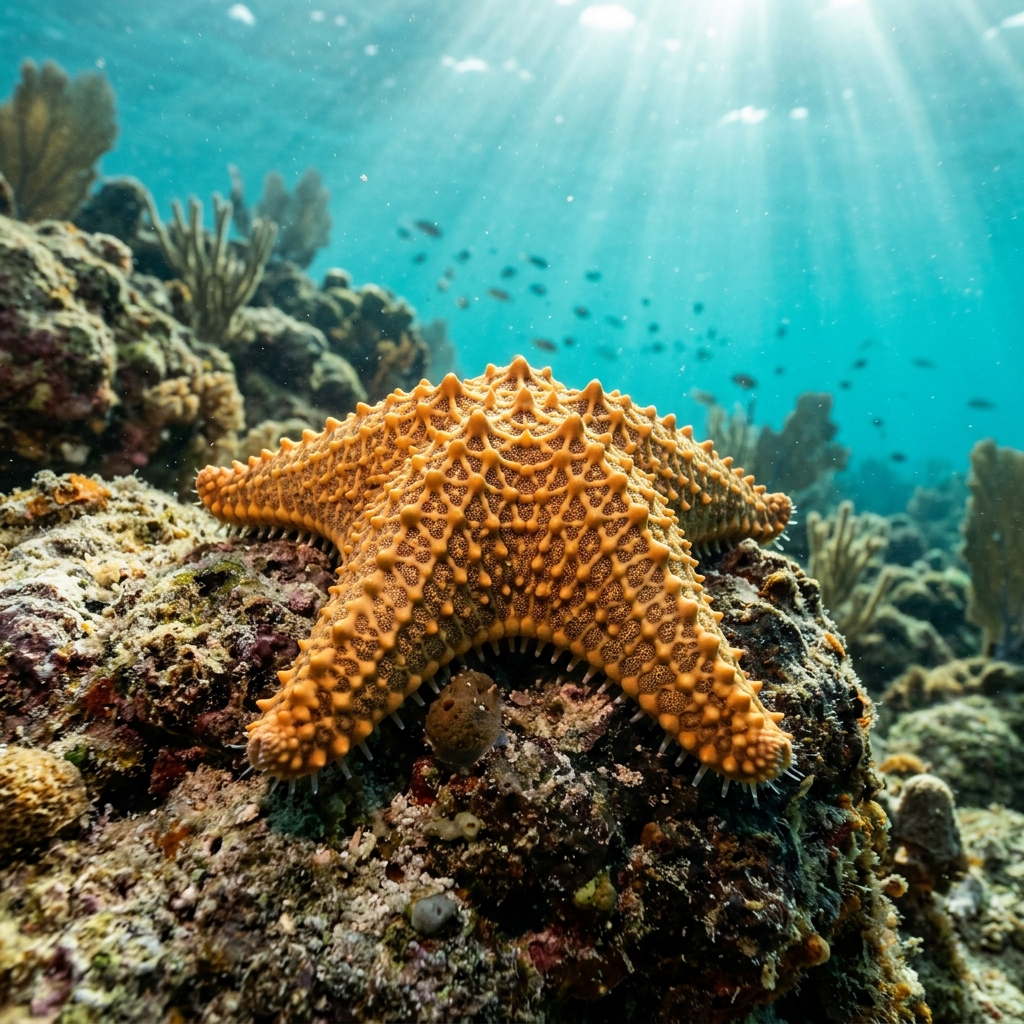
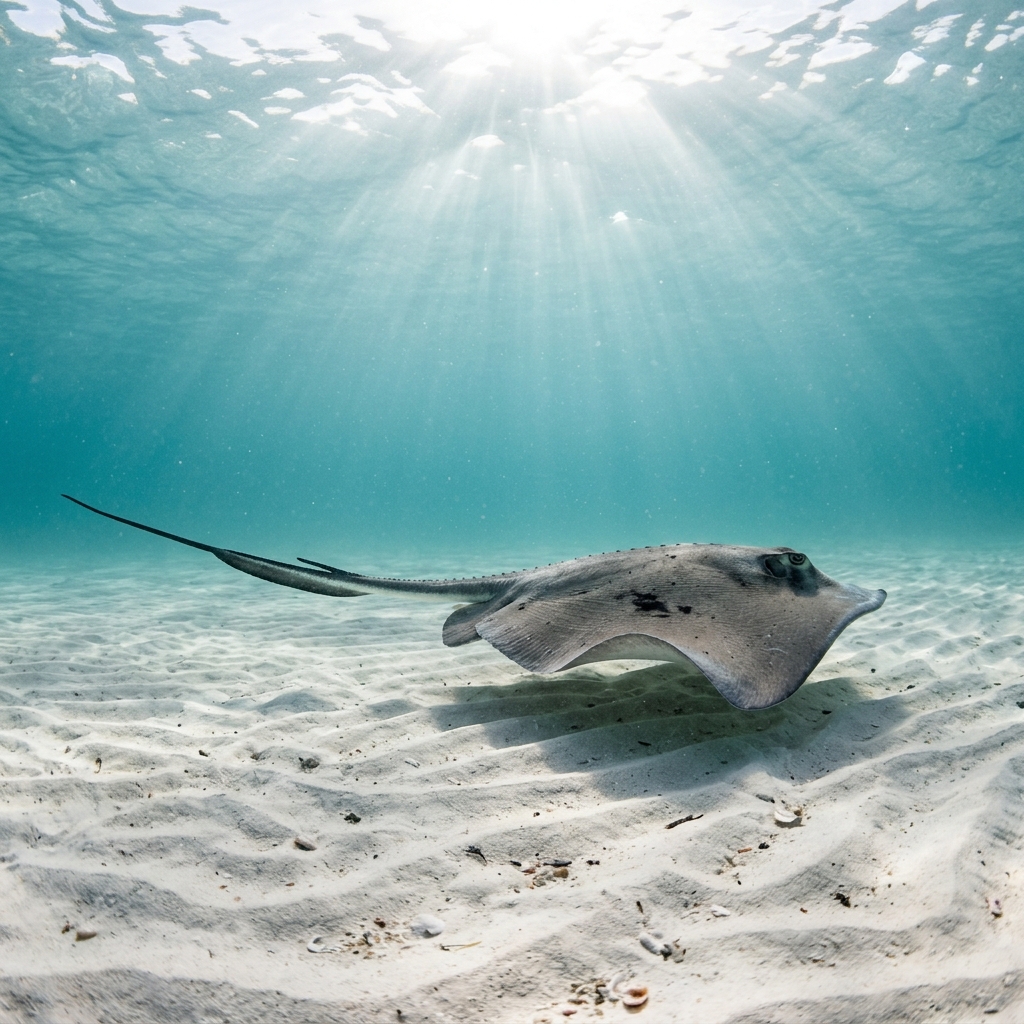
San Andrés and Providencia offer two distinct underwater personalities within one region. San Andrés concentrates the bulk of the sites, ranging from shallow wreck dives and cave entries to sheer walls that plunge well beyond sport-diving limits. Providencia, smaller and quieter, counters with dramatic multi-feature sites combining reef, wall, cave and pinnacle in a single dive. Across both islands the water stays warm year-round and visibility is consistently good. The Cushion Sea Star and Whiptail Stingray appear virtually everywhere, while Nurse Shark, Spotted Moray, Flying Gurnard and Great Barracuda define the signature encounters.
2 areas

Monthly water temperature across San Andrés & Providencia's sites, from satellite sea-surface data corrected for depth. The band shows the site-to-site spread.
Water temperature stays warm throughout the year, holding steady across all months with only the slightest dip in February. The best-months data points clearly toward December through April as peak conditions, with visitor preference dropping noticeably from June through October, likely reflecting unsettled seasonal weather. Divers planning a trip in the calmer dry-season window can expect the most consistent visibility and surface conditions across both islands.
30 operators
Water temperature around San Andrés & Providencia ranges from about 27°C in February to 29°C in July, based on satellite sea-temperature data for its dive sites.
With water around 27–29°C, a rash guard or 3mm shorty works in San Andrés & Providencia year-round.
Fin maps 55 sites in San Andrés & Providencia (47 scuba diving sites and 11 snorkelling spots, with some suited to both), organised into 2 areas.
Across San Andrés & Providencia's dive sites, January, February, March, April, May and December are most often reported as the best months to visit.
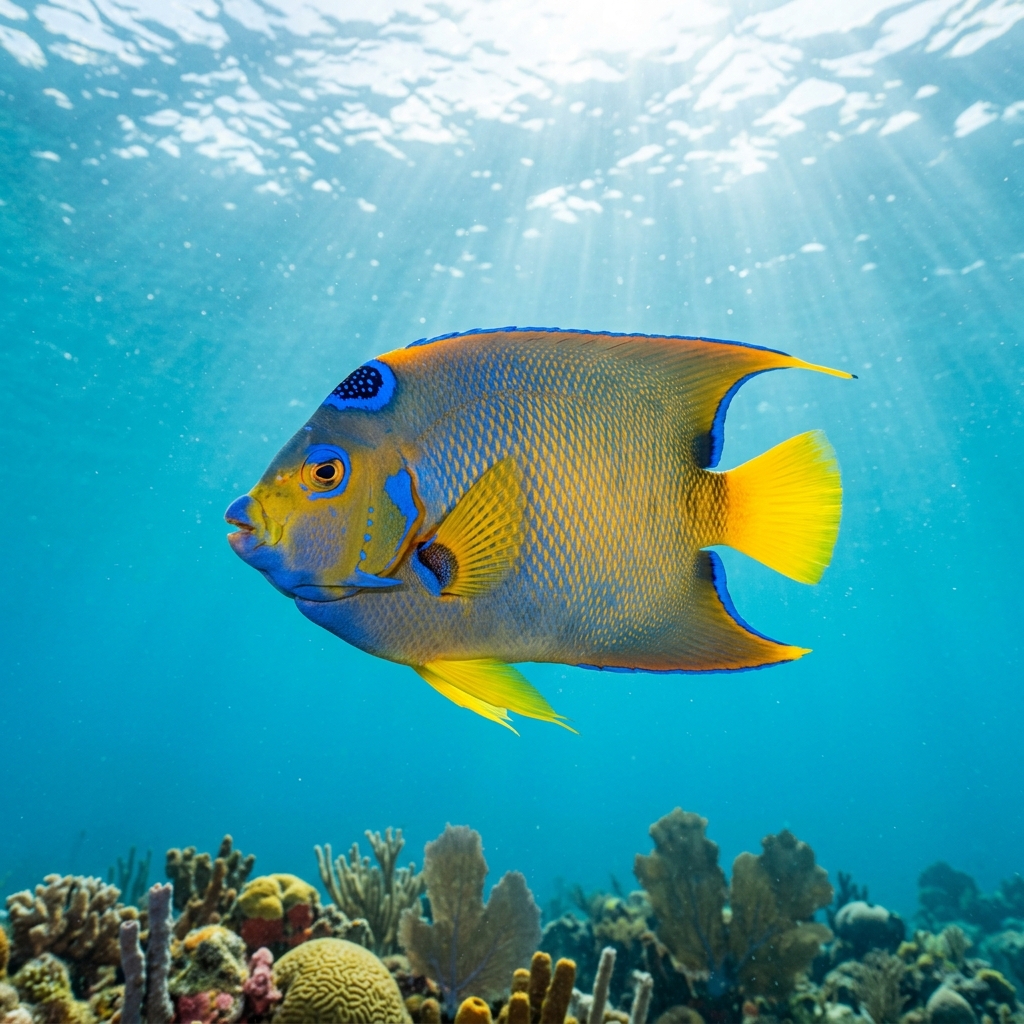
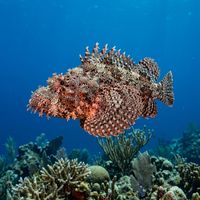
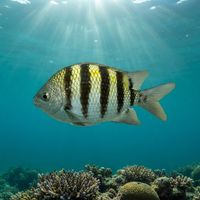
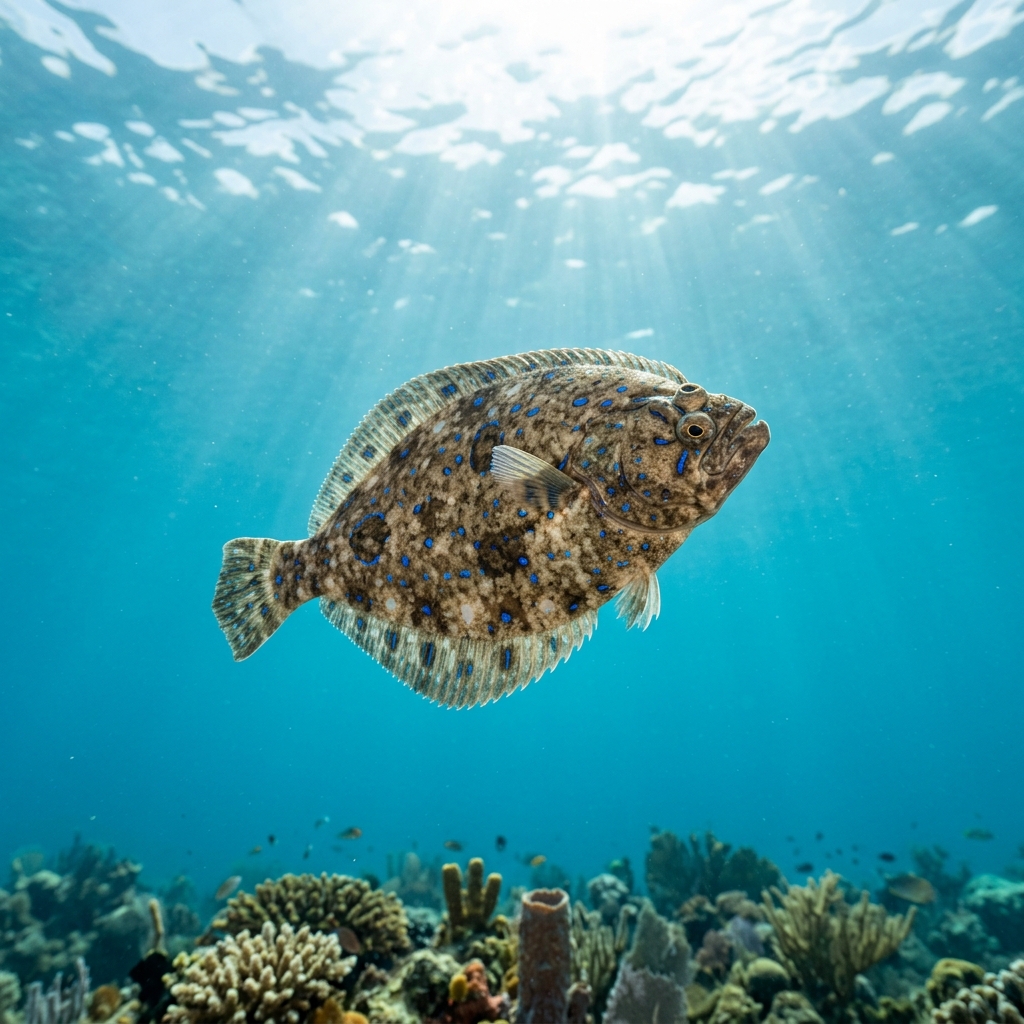
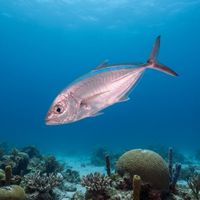
Observed species across the region include Nurse Shark, Spotted Moray, Great Barracuda, Flying Gurnard, Spotted Scorpionfish and Queen Angelfish as signature encounters. The Cushion Sea Star and Whiptail Stingray appear across virtually all sites. Peacock Flounder, Smooth Trunkfish, Scrawled Filefish and both Redband and Stoplight Parrotfish are also commonly recorded.
Yes. San Andrés has several shallow, shore-entry sites rated for beginners, including Las Cuevas with its small caves and reef formations, and La montañita which combines reef and cave topography at modest depths. The majority of sites across both islands sit at intermediate level, and a good number of advanced wall and drop-off dives are available for experienced divers.
San Andrés hosts the greater number of sites, covering everything from shallow wrecks like Blue Diamond to deep walls such as Trampa Tortuga and El Oasis. Providencia has far fewer sites but they tend toward complex, multi-feature topography: Turtle Rock, for example, combines reef, wall, cave and pinnacle in one dive. Providencia suits divers looking for a quieter, more focused experience.
Both access types are available. Shore entries include Nirvana and Las Cuevas in San Andrés, and Turtle Rock in Providencia. West Point and Blue Diamond offer the choice of either shore or boat entry. The majority of dive sites, particularly the deeper walls and offshore reefs, require a boat, and there are many operators across both islands to arrange this.