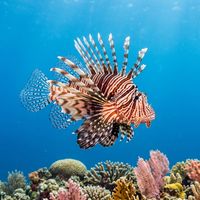
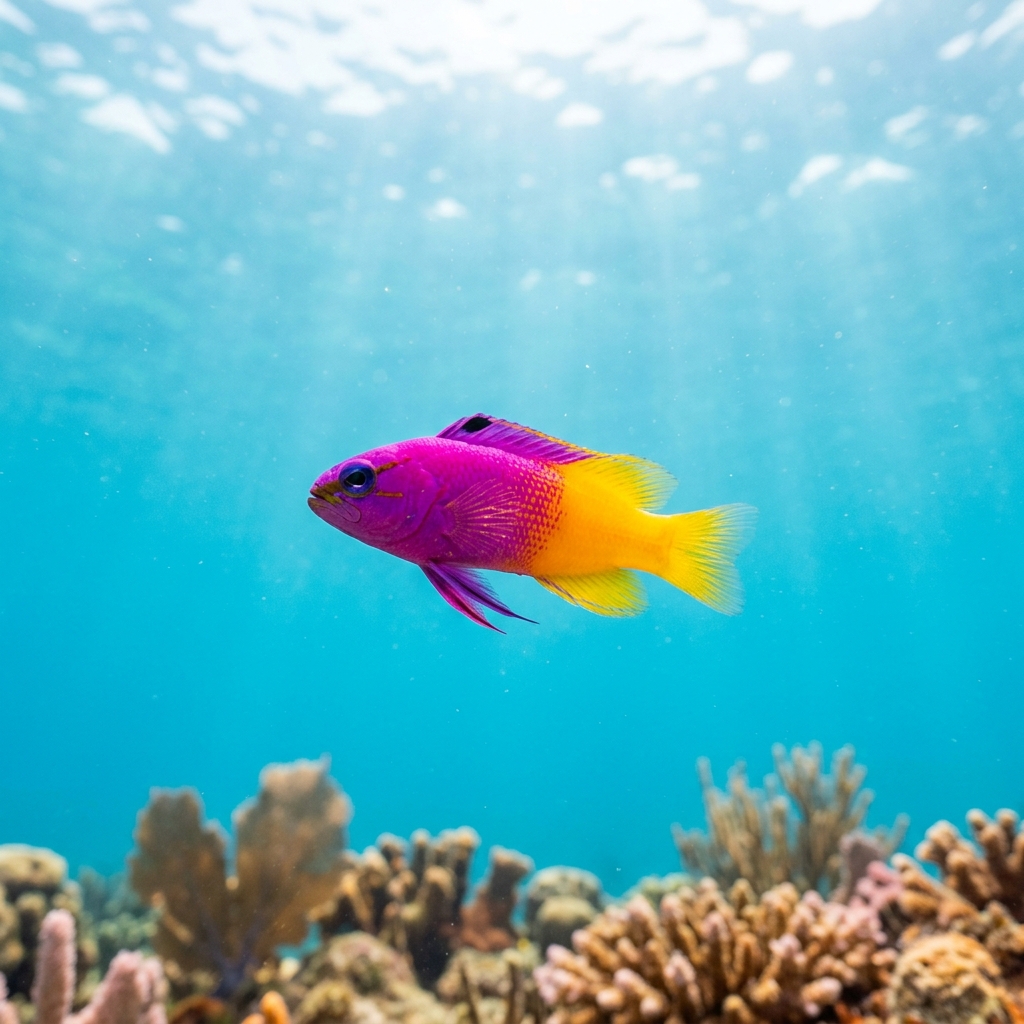
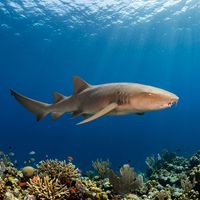
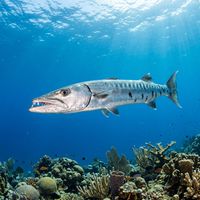
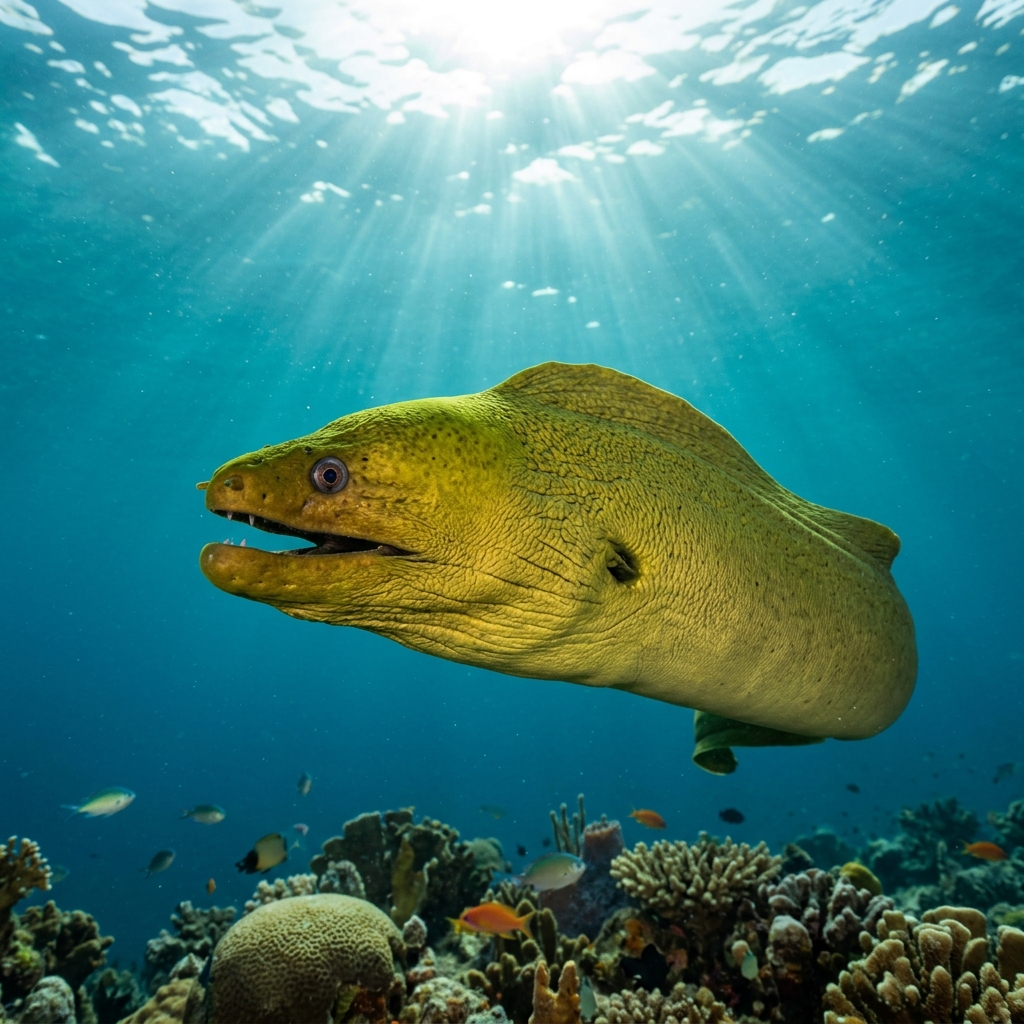
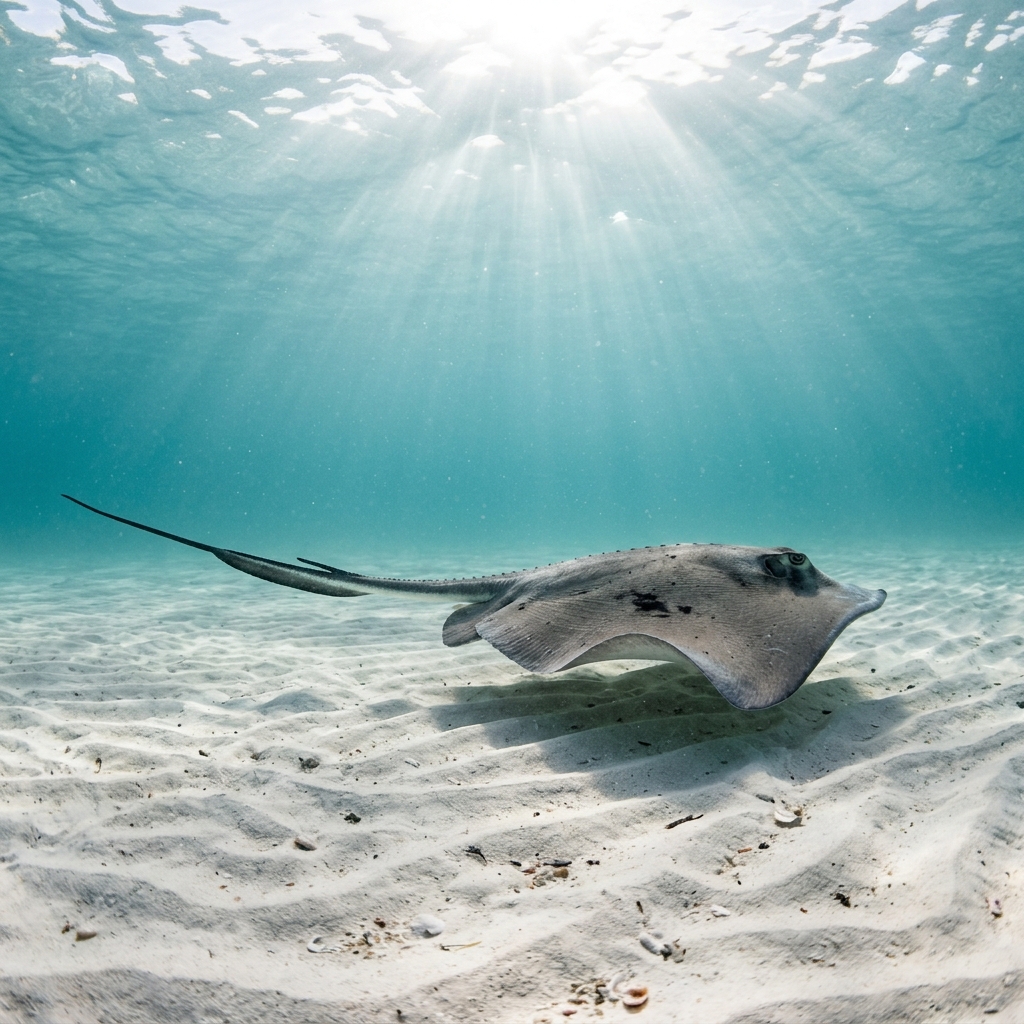
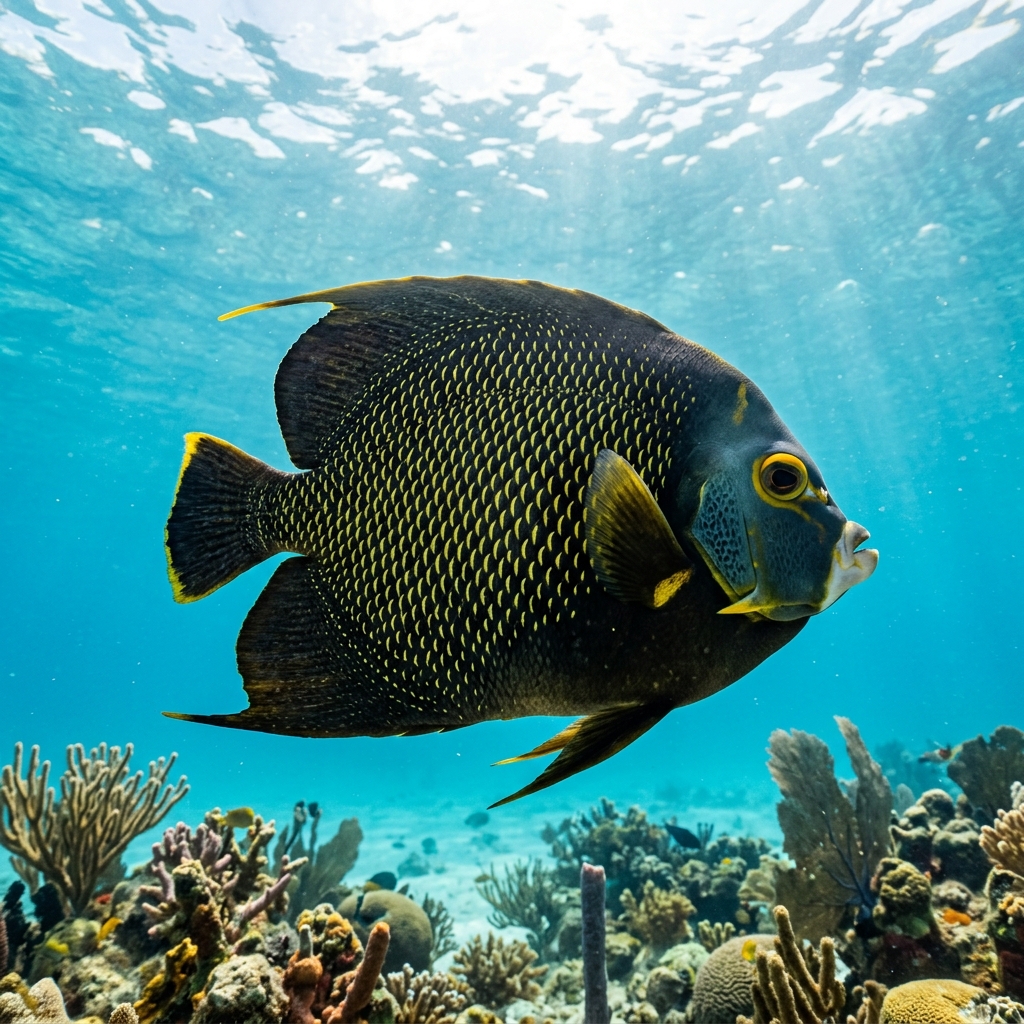
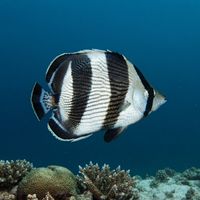
Little Cayman is defined by its walls. Shallow reef platforms, typically beginning just a few metres down, give way to near-vertical drop-offs that plunge into deep blue water, and this reef-to-wall transition is the signature experience across the island. Bloody Bay Marine Park, covering the north side, holds the greater concentration of named wall sites, while South Hole Sound offers a quieter complement to the south. The site mix also includes a deliberately sunk wreck, a cave system at Black Hole, and canyon topography at Lea Lea's Lookout. Marine life is diverse: Nurse Shark, Great Barracuda, Whiptail Stingray, Green Moray, and the vivid Fairy Basslet are observed consistently across sites.
2 areas
 21
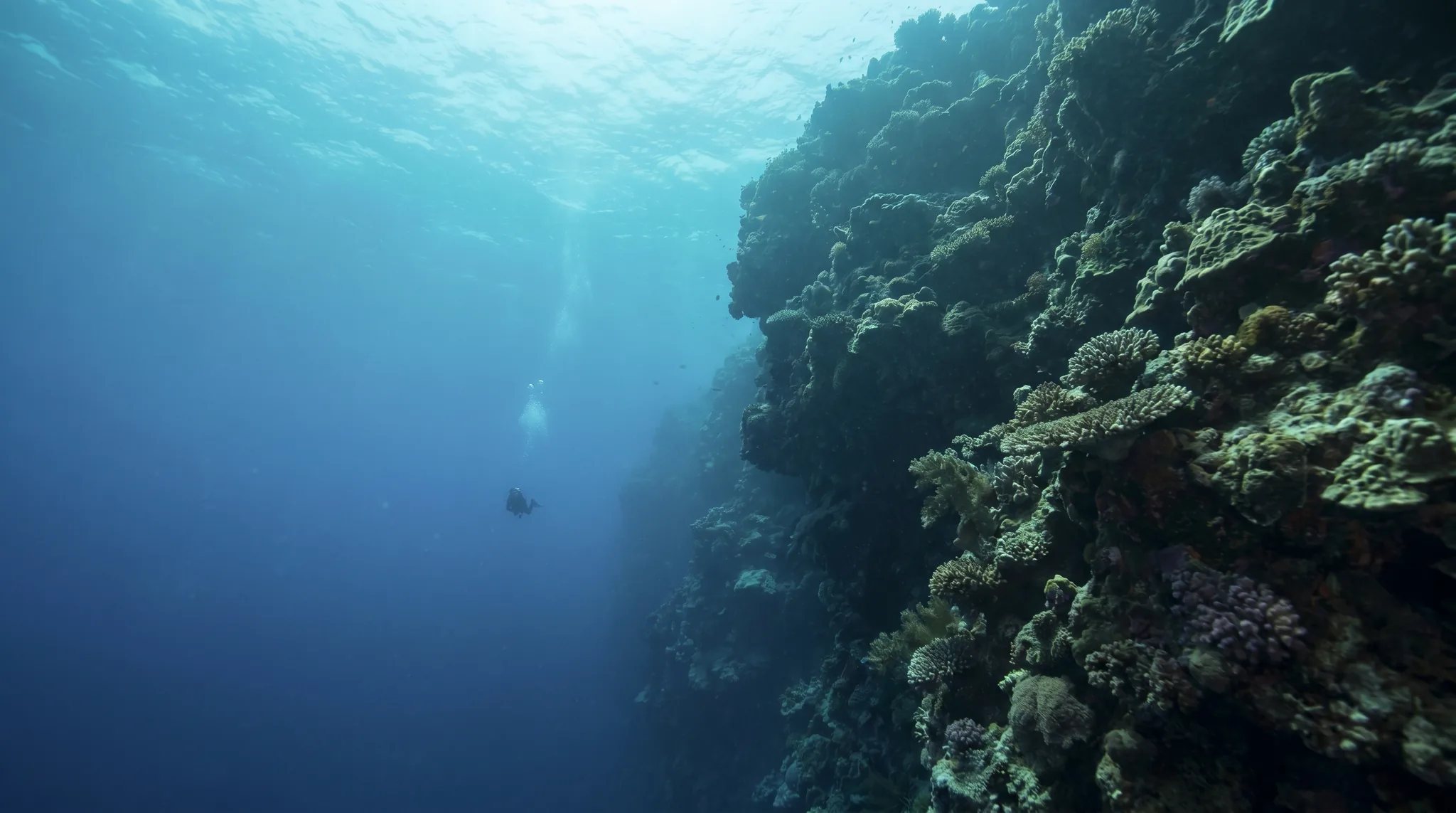
21Classic wall diving off Little Cayman, where shallow reef platforms drop suddenly into deep water rich with barracuda, sharks and colourful reef fish.
 14
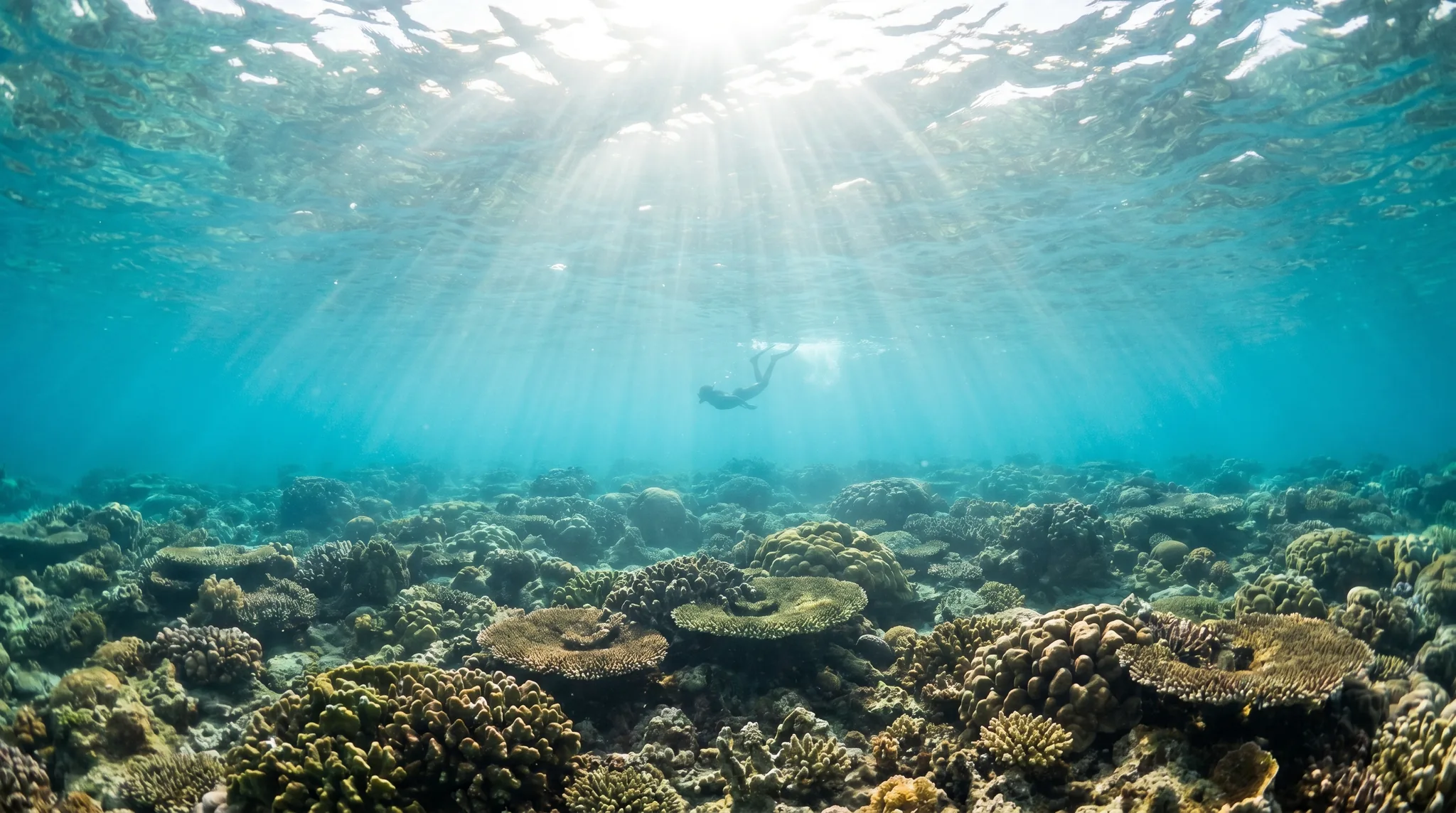
14Reef-to-wall diving off Little Cayman, with a deliberately sunk wreck, cave systems, and consistent Nurse Shark sightings across the sites.
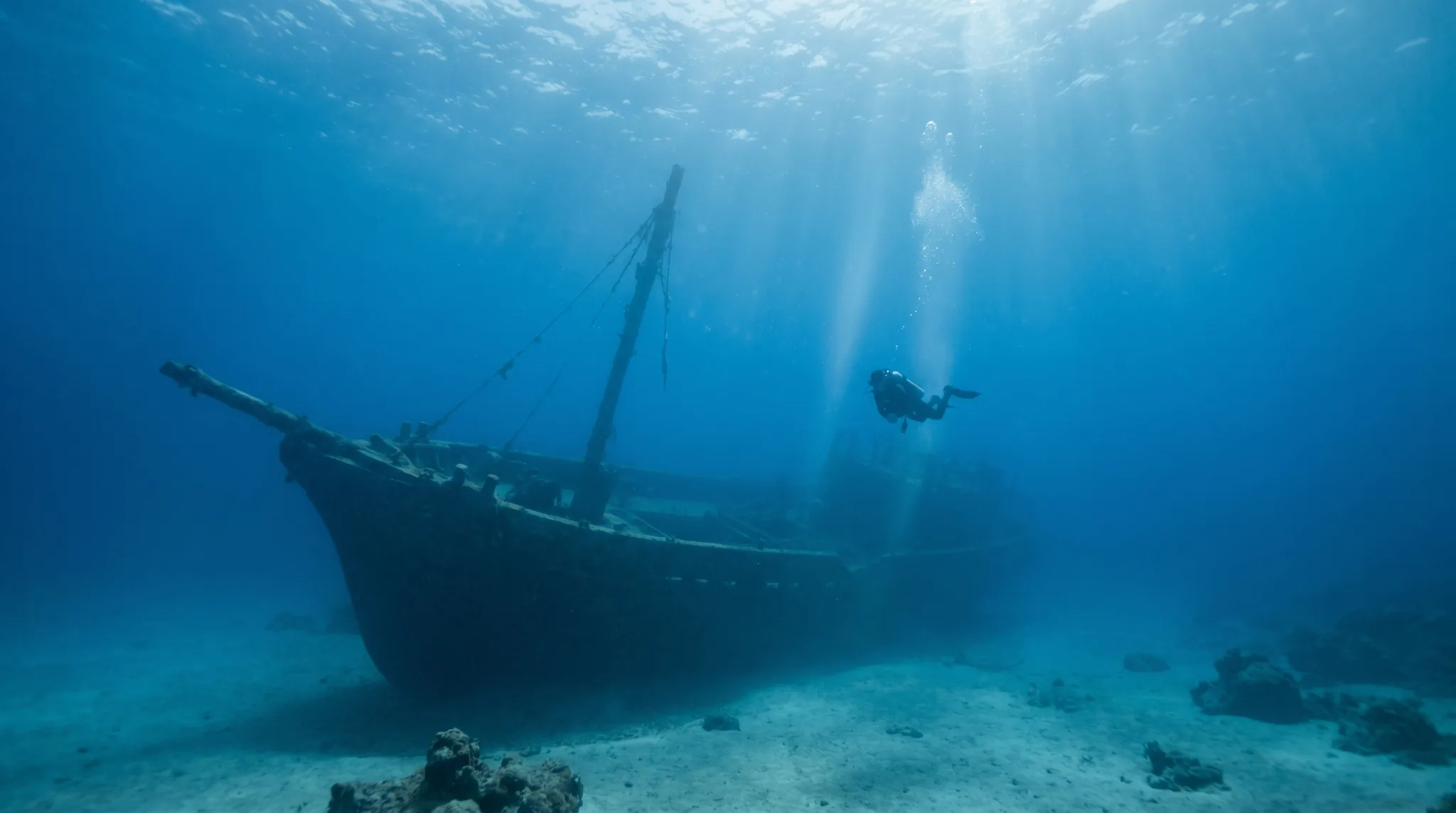
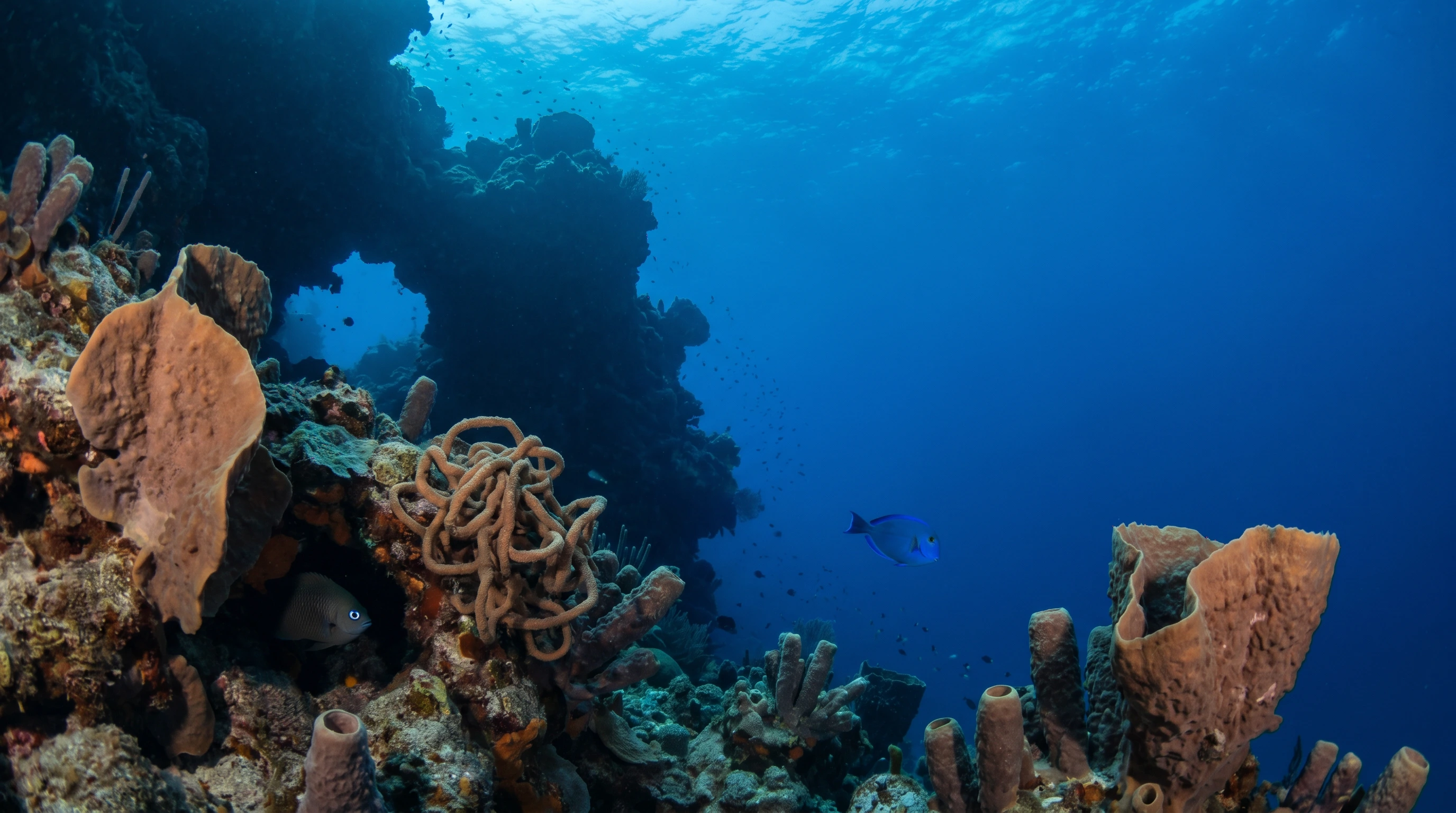
Monthly water temperature across Little Cayman's sites, from satellite sea-surface data corrected for depth. The band shows the site-to-site spread.
Water stays warm throughout the year, running slightly cooler in the early months before peaking through the summer and into autumn. Diver activity peaks from spring through early summer and again around December, suggesting these are the favoured windows for settled conditions. The wall sites are all boat-access, and the exposed drop-offs mean that even calm days can bring noticeable current along the face.
17 operators
Water temperature around Little Cayman ranges from about 27°C in February to 30°C in July, based on satellite sea-temperature data for its dive sites.
With water around 27–30°C, a rash guard or 3mm shorty works in Little Cayman year-round.
Fin maps 35 sites in Little Cayman (33 scuba diving sites and 9 snorkelling spots, with some suited to both), organised into 2 areas.
Across Little Cayman's dive sites, April and May are most often reported as the best months to visit.
Observation records across Little Cayman sites show Nurse Shark, Great Barracuda, Whiptail Stingray, and Green Moray as very commonly encountered. The vivid Fairy Basslet is present across the vast majority of sites, and Green Sea Turtle and Hawksbill Sea Turtle are listed among the island's signature species. Brazilian Reef Octopus, Caribbean Reef Octopus, and Grey Reef Shark round out the more notable sightings.
Most sites in Little Cayman are rated intermediate, reflecting the wall topography and potential for current along the drop-offs. That said, a handful of sites are specifically rated for beginners, including Windsock and Sand Castles, both of which offer gentler reef profiles accessible by boat. Beginners should expect guided boat dives rather than independent shore entry at most locations.
Bloody Bay Marine Park on the north side of Little Cayman holds the larger concentration of sites, including the renowned Bloody Bay Wall, Nancy's Cup of Tea, and a run of named wall and reef dives. South Hole Sound to the south has fewer sites but adds variety, including the Soto Trader wreck and the cave system at Black Hole. Between the two areas, divers get a broad spread of wall, reef, wreck, and cave topography.
Almost all dive sites in Little Cayman are boat-access only, with the sites located offshore rather than reachable from shore. Black Hole is the notable exception, listed as accessible by both shore and boat. Visiting divers should expect to join organised boat operations for the majority of their diving, as no operators are currently listed in the Fin database for this region.