Best for intermediate divers, 15-60m, boat entry, mild current.
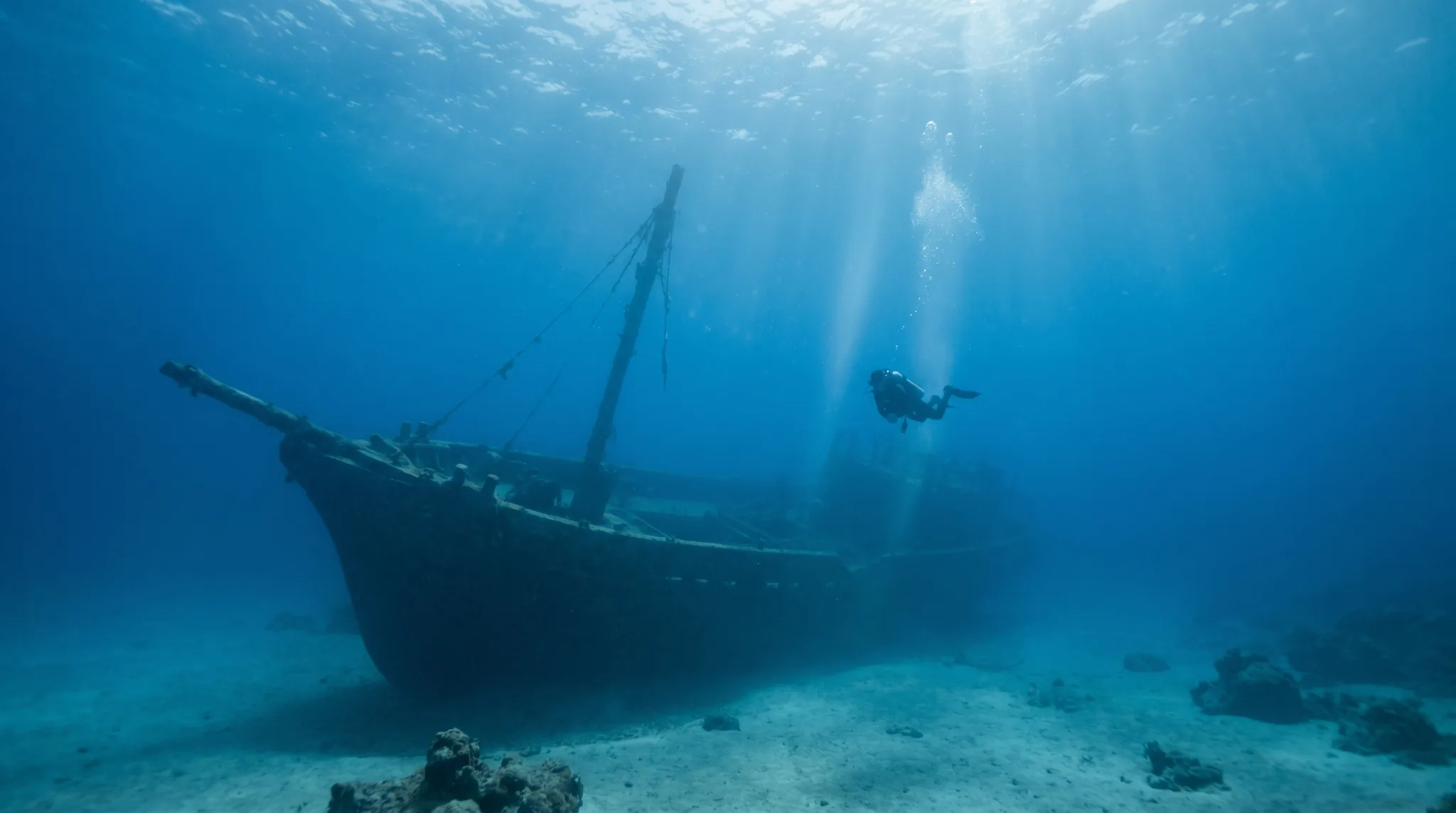
The Soto Trader is a deliberately sunk wreck located 1000 metres offshore from Little Cayman. The site features a combination of wreck and reef environments, with depths ranging from 15 to 60 metres. Divers can expect mild currents and visibility between 15 and 30 metres. Given the maximum depth of 60 metres, this site is suited for intermediate divers who should plan their target depth carefully. Access is by boat only, and the site is available for night diving. Local dive shops provide the necessary boat support to position divers correctly over the structure.
19.65515, -80.08230
Access is boat only, so book with a local dive shop who can position you correctly over the site and advise on the best depth for your certification and experience. The 60-metre maximum puts the deepest sections well beyond standard open-water limits, so plan your target depth before you hit the water.
The site is reached by boat, taking approximately less than 30 minutes from Little Cayman.
Recorded at this site
Depth
15-60m
Visibility
15-30m
Skill Level
Intermediate
Entry
Boat
Boat required
Water Temp
27-29°C
Current
Mild
Typical Dive
45 min
No, the site is rated for intermediate divers, with a maximum depth of 60 metres that exceeds standard open-water limits.
The wreck sits at depths between 15 and 60 metres, with an average depth of 50 metres.
The site is boat access only, located 1000 metres from the shore.
The site is primarily a dive location due to the depth of the wreck and reef structure.
Diving at Soto Trader Wreck in Little Cayman requires the following certifications: Open Water. Always dive within your training limits.
A rashguard or 2mm shorty is recommended for diving at Soto Trader Wreck in Little Cayman. Water temperatures range from 27°C to 29°C.
Soto Trader Wreck in Little Cayman typically has mild currents that most divers can handle comfortably.
Visibility at Soto Trader Wreck in Little Cayman typically ranges from 15 metres to 30 metres. Conditions vary with weather, tides, and seasons.