

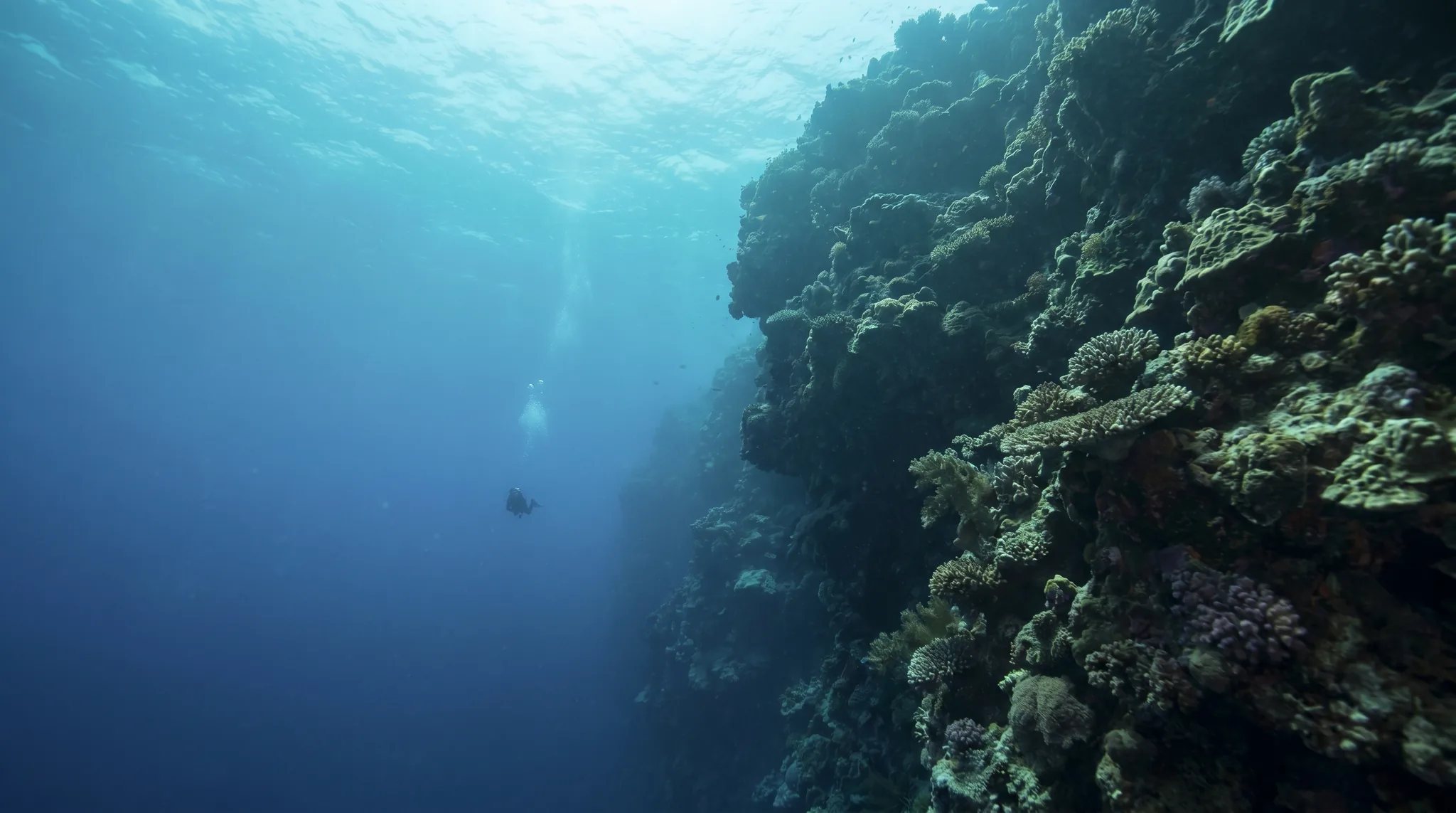
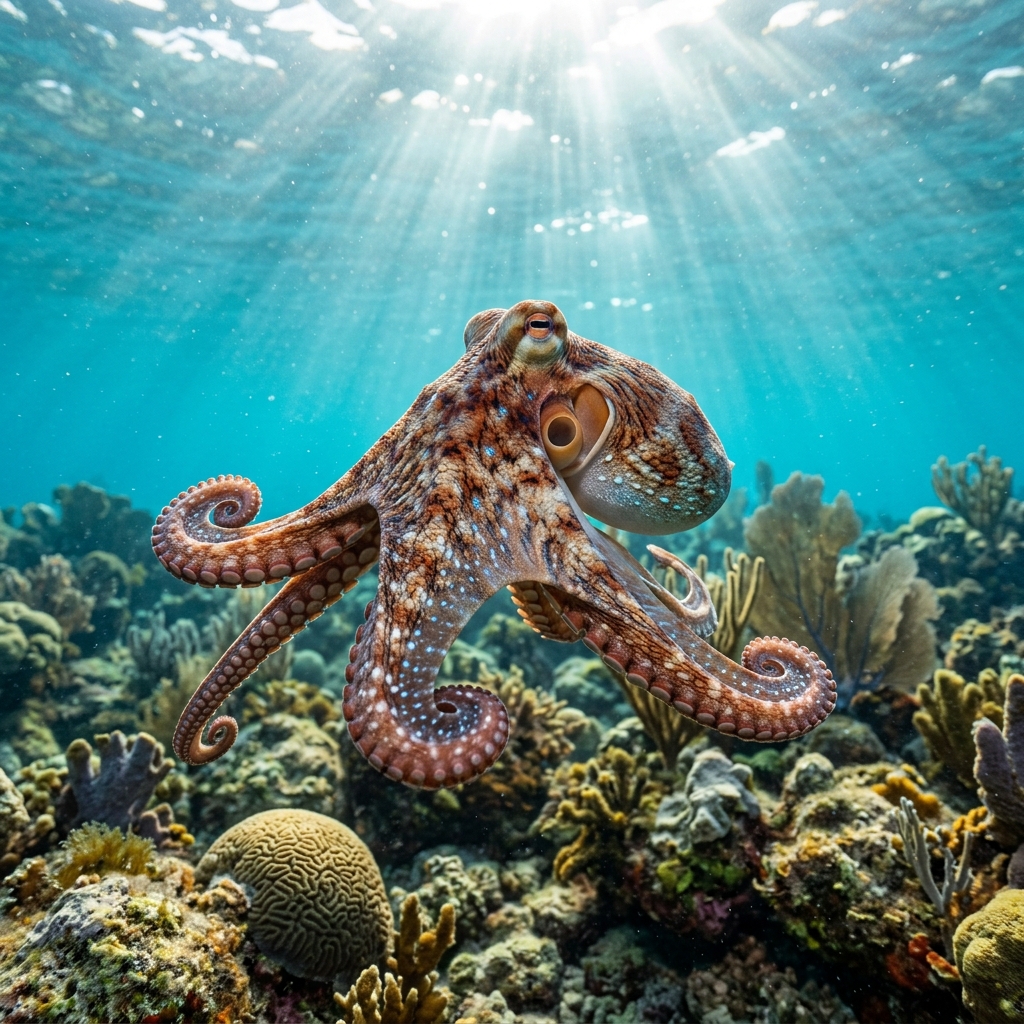
Cayman Brac's diving character is built on variety: walls, reefs, wrecks and artificial structures spread across sites that suit beginners and intermediate divers alike. The standout is the MV Captain Keith Tibbetts, a Russian frigate accessible from shallow water down to considerable depth. Alongside it, sites such as Double Wall and West Chute deliver real wall topography, while Sylvia's Reef adds cave features to the mix. Conditions stay warm year-round, with calmer months around May drawing the most attention. Marine life is rich, with Indian Lionfish, Whiptail Stingray, Caribbean Reef Octopus and Great Barracuda all observed consistently across the sites.
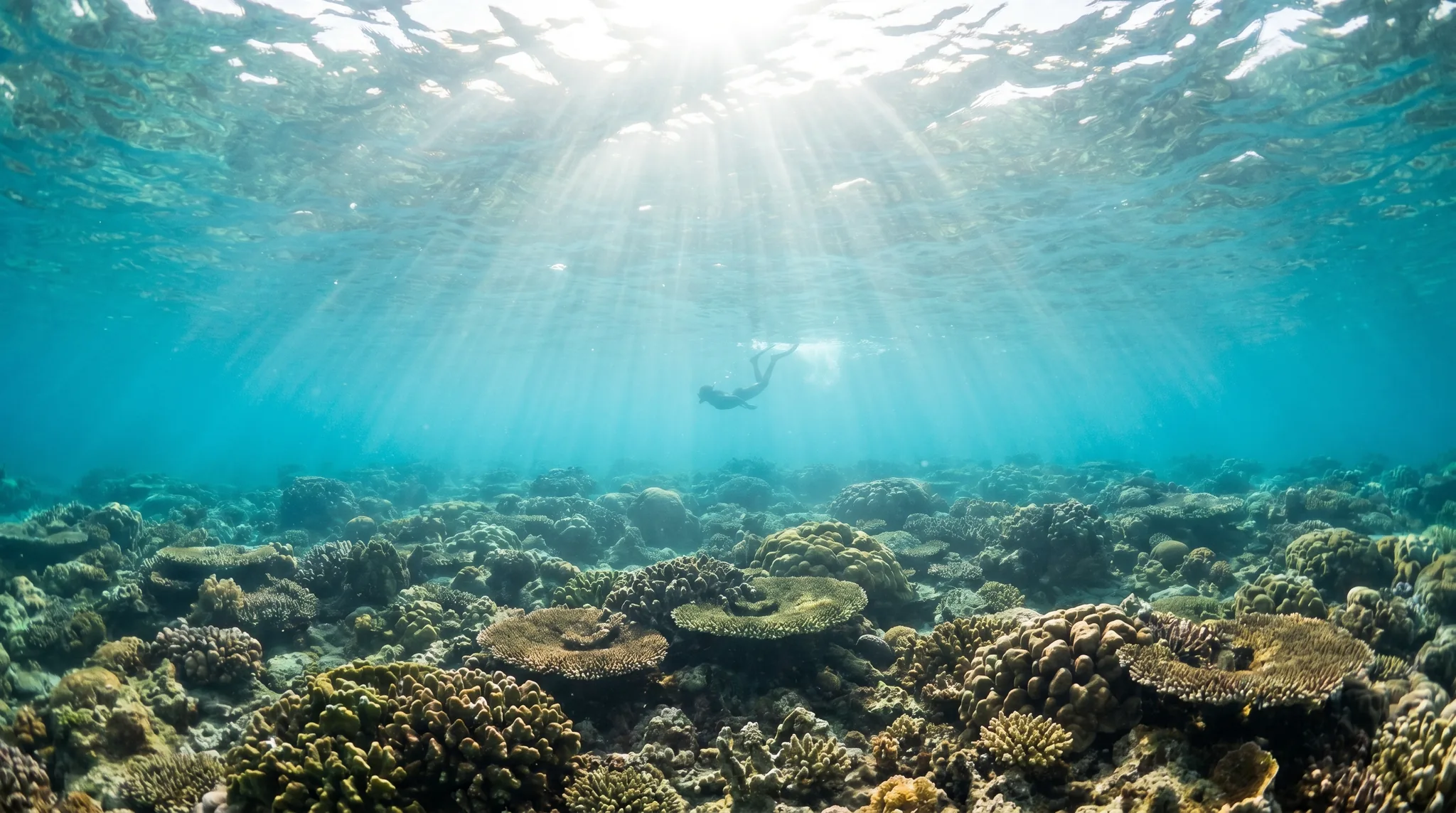
Monthly water temperature across Cayman Brac's sites, from satellite sea-surface data corrected for depth. The band shows the site-to-site spread.
Water temperature stays warm throughout the year, rising to its peak across the summer months and cooling only slightly through winter. This consistency makes Cayman Brac a comfortable year-round diving destination, though the data points to late spring as the period most favoured by divers. Exposed sites on the south side, such as Snapper Point, can carry current and suit intermediate divers, while many north-side and shallower sites offer relaxed conditions.
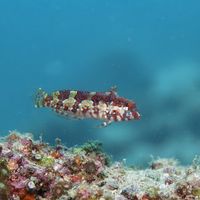
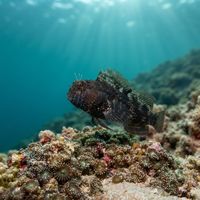
9 more sites to explore
Water temperature around Cayman Brac ranges from about 27°C in February to 30°C in July, based on satellite sea-temperature data for its dive sites.
With water around 27–30°C, a rash guard or 3mm shorty works in Cayman Brac year-round.
Fin maps 21 sites in Cayman Brac (21 scuba diving sites and 2 snorkelling spots, with some suited to both).
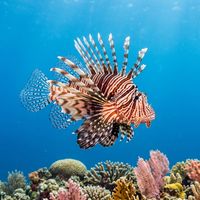
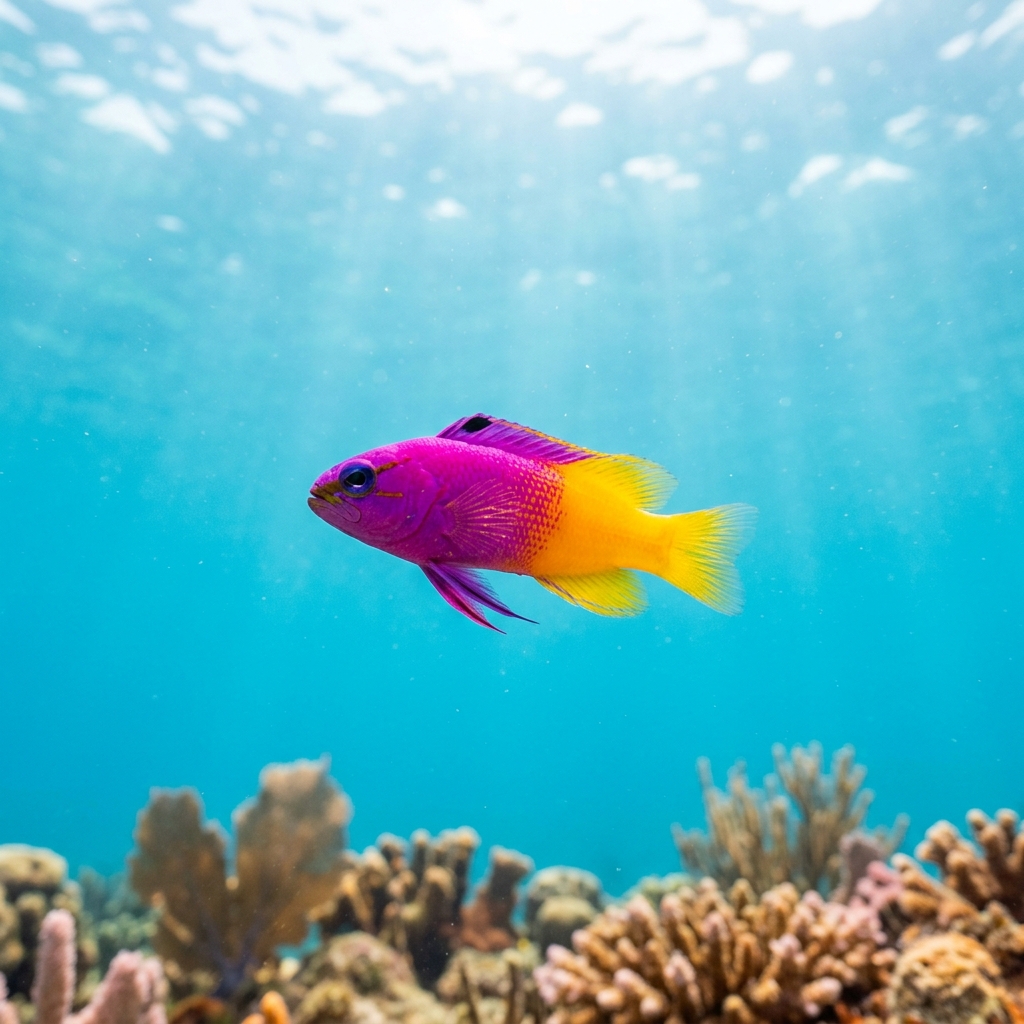
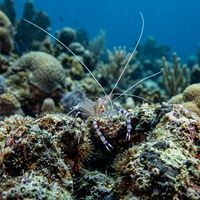
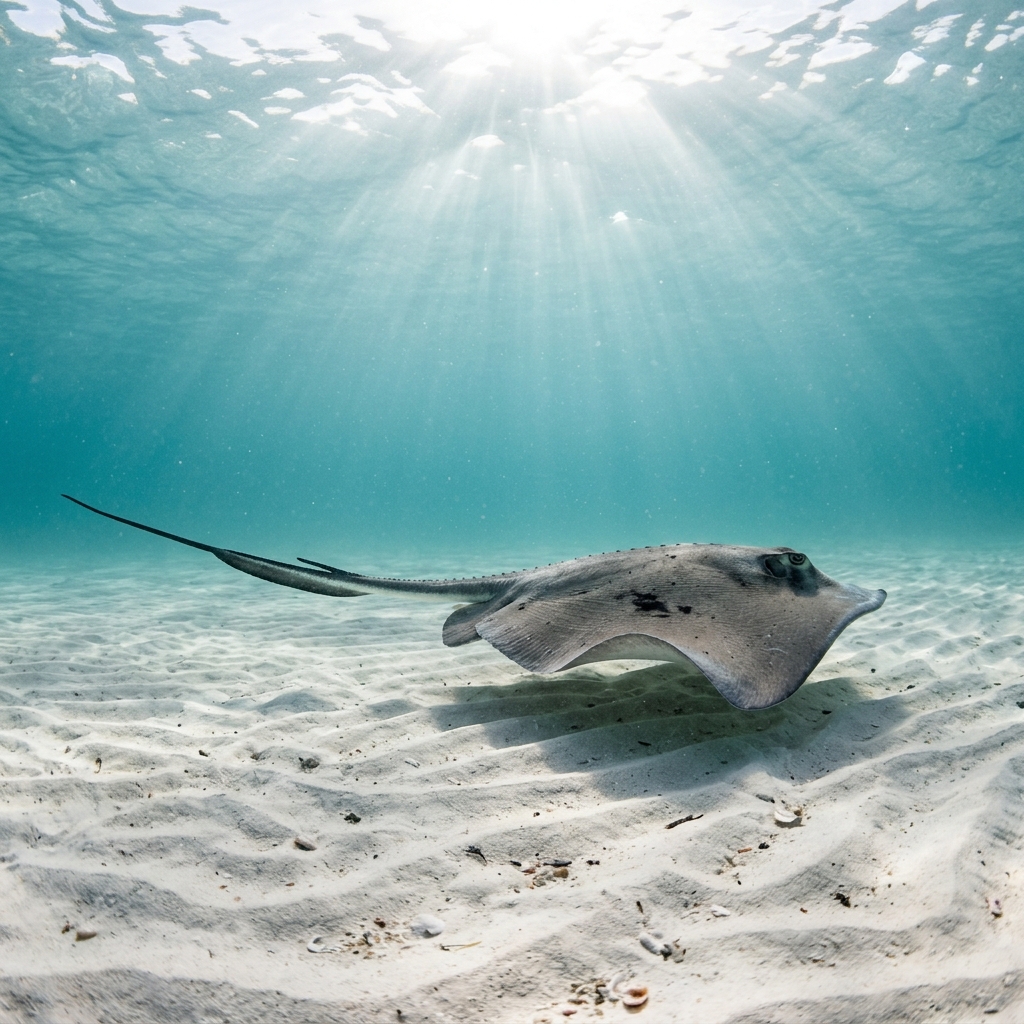
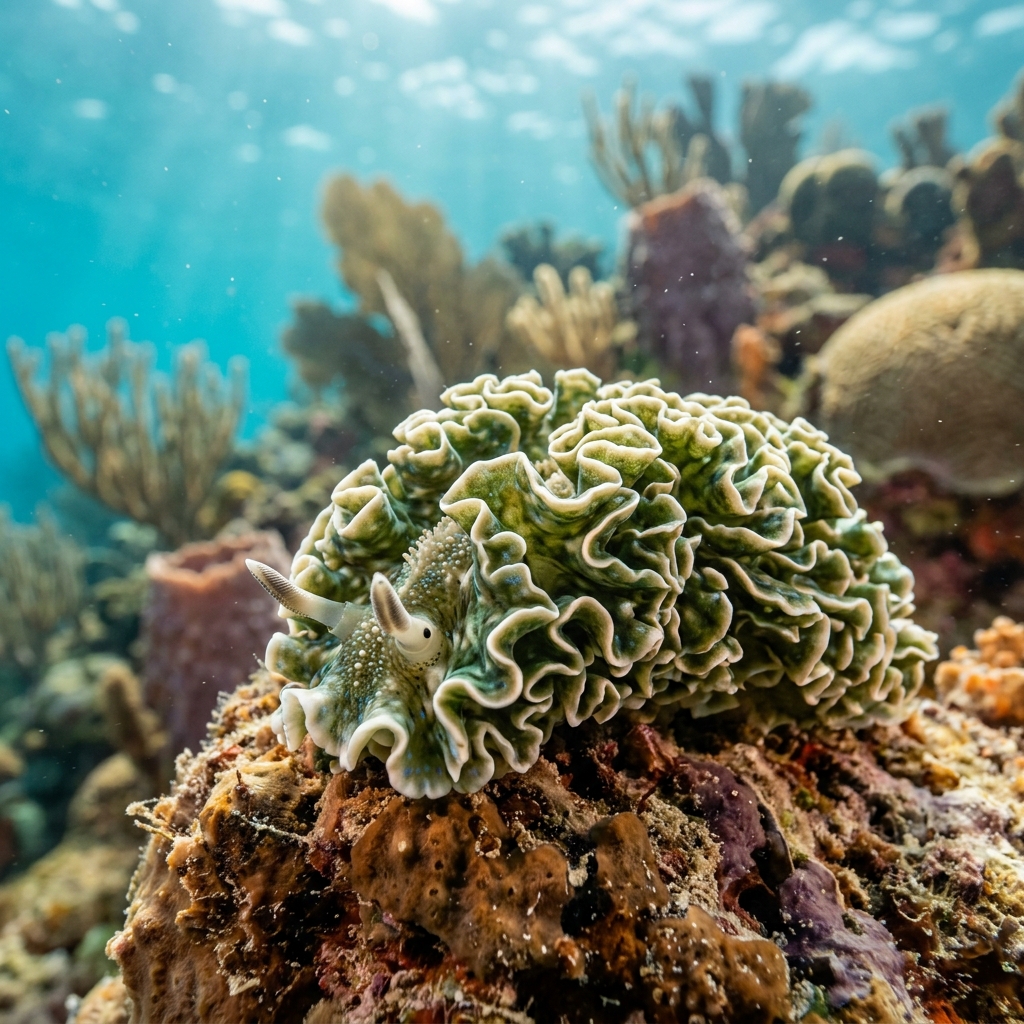
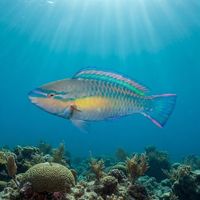
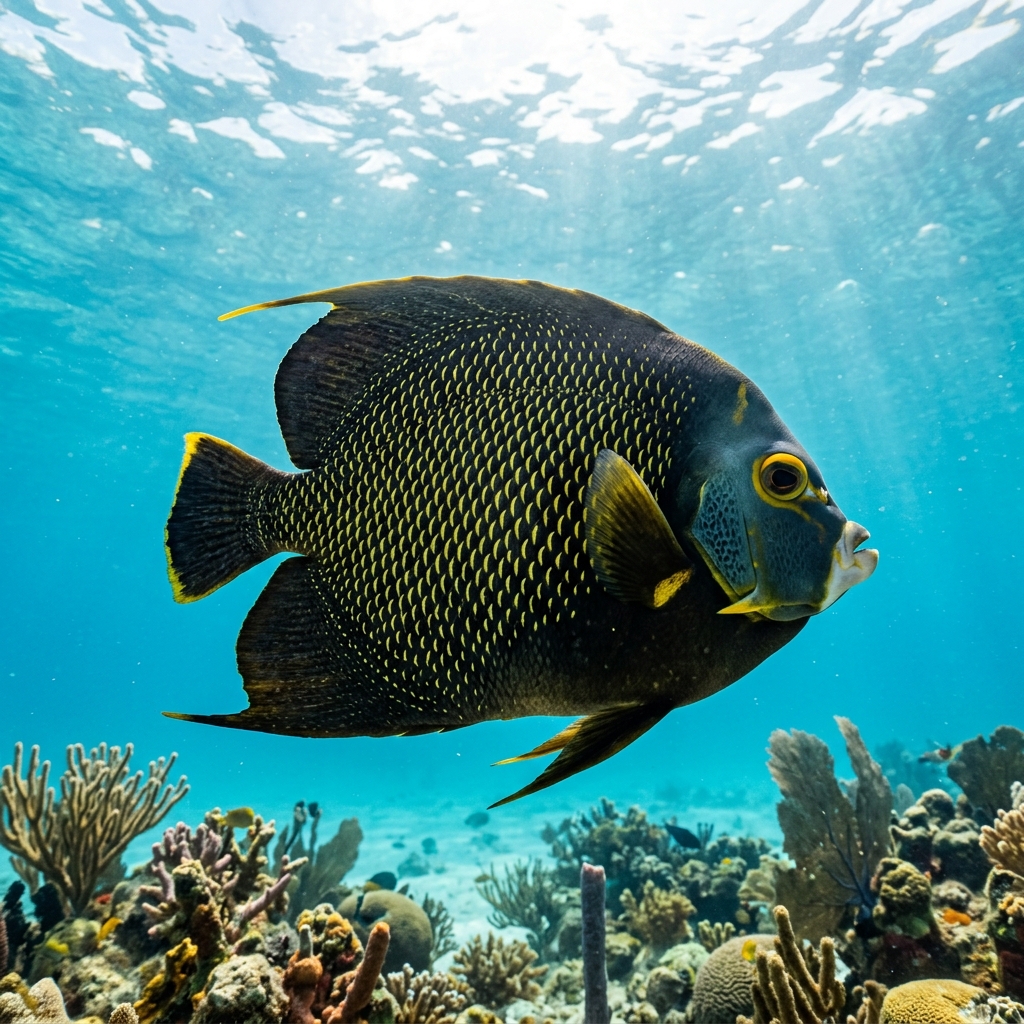
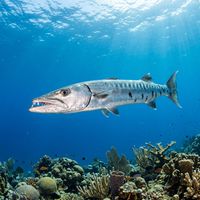
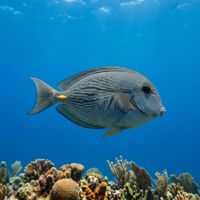
Cayman Brac has a broad roster of observed species. Indian Lionfish and Lettuce Sea Slug are seen at virtually every site, while Whiptail Stingray, Caribbean Ocean Surgeonfish and Wrasses are very common throughout. Signature encounters include French Angelfish, Great Barracuda, Green Moray and Caribbean Reef Octopus, with Pederson Cleaner Shrimp active at cleaning stations across the reefs.
A large proportion of Cayman Brac's sites are rated for beginners, including Double Wall, Turtle Alley, Lobster Pot and the MV Captain Keith Tibbetts wreck. Several of these are boat-access dives with sheltered conditions and shallow starting depths. Intermediate sites such as Snapper Point and East Chute are also available for those looking for more challenge, including drift and deeper wall diving.
Most sites in Cayman Brac require a boat, but shore entries are available at Sylvia's Reef and Buccaneer. The MV Captain Keith Tibbetts wreck can be reached from either shore or boat. Shore diving gives independent divers flexibility, particularly at Sylvia's Reef, which combines reef, wall and cave topography within a moderate depth range.
The MV Captain Keith Tibbetts is a decommissioned Russian frigate deliberately sunk as an artificial reef, and it is one of the few such vessels accessible in this part of the Caribbean. The wreck spans a wide depth range, from shallow enough for introductory exploration down to depth suited to more experienced divers. It is rated beginner-friendly and can be dived from shore or boat, making it accessible to a wide range of visitors.


