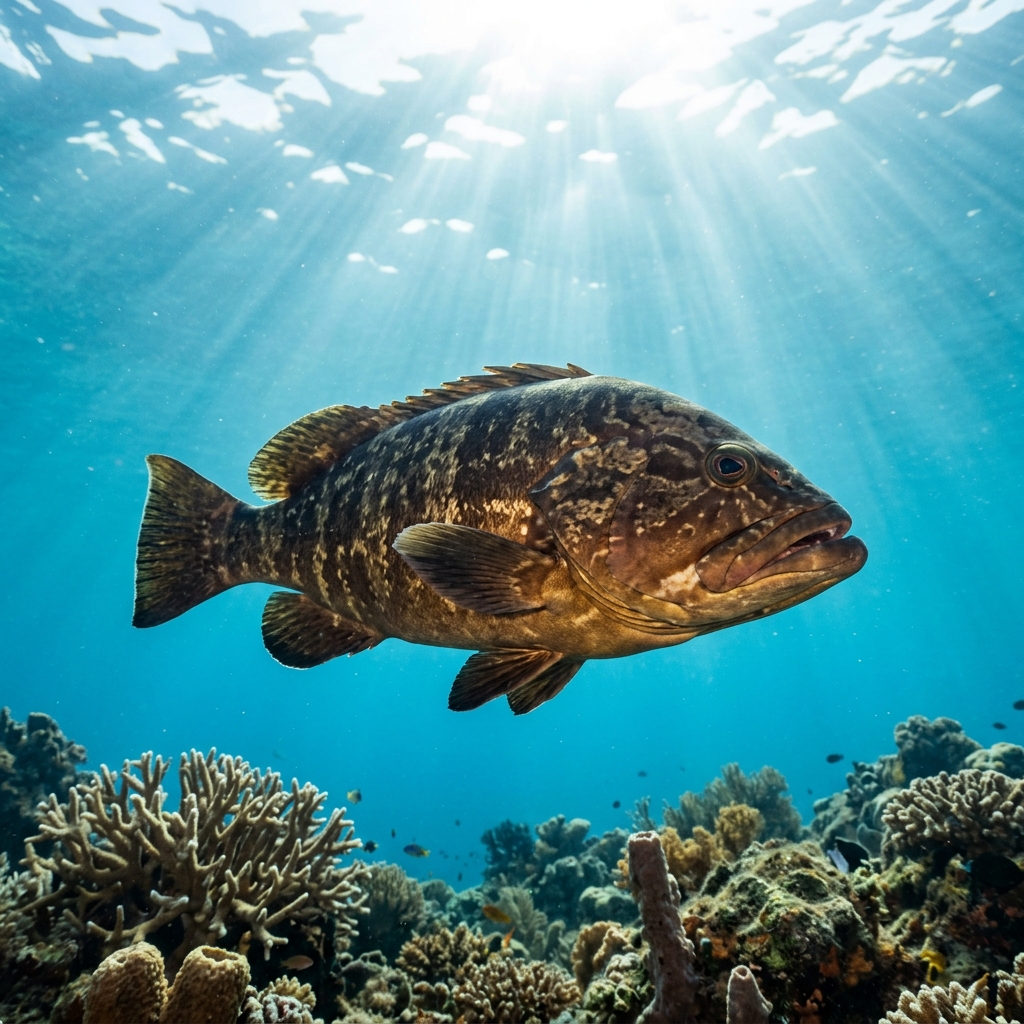
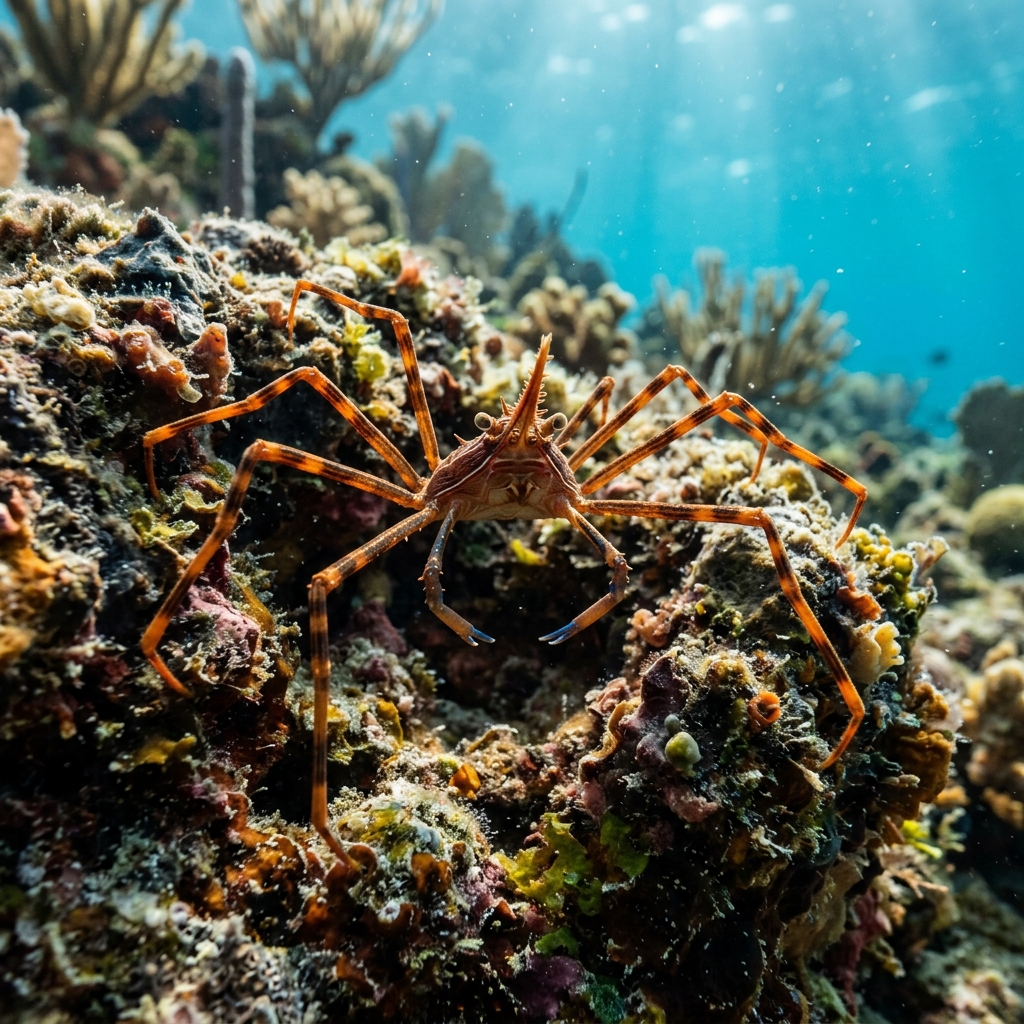
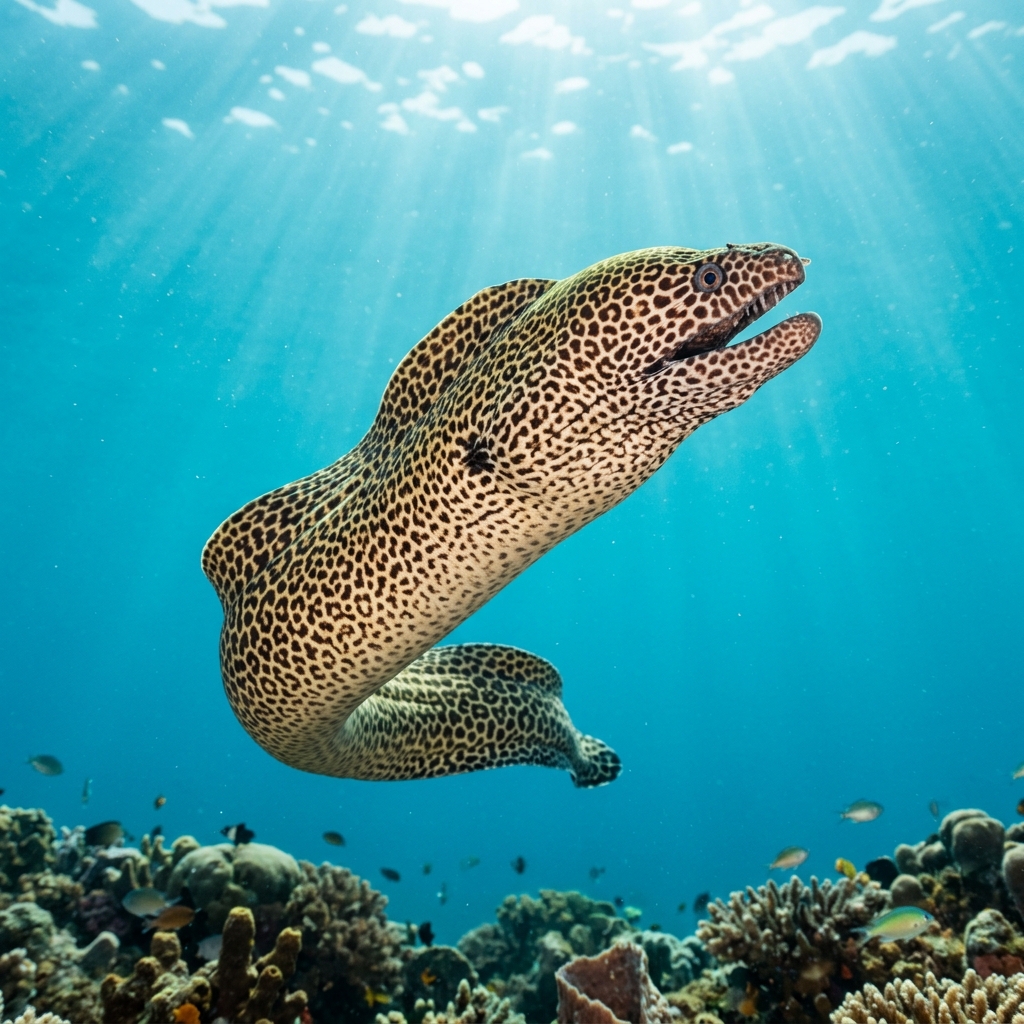
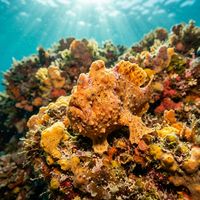
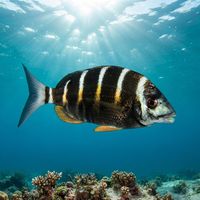
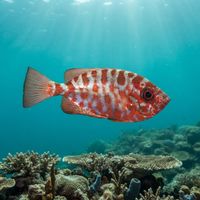
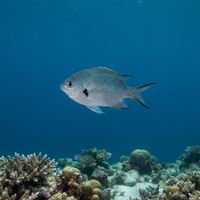
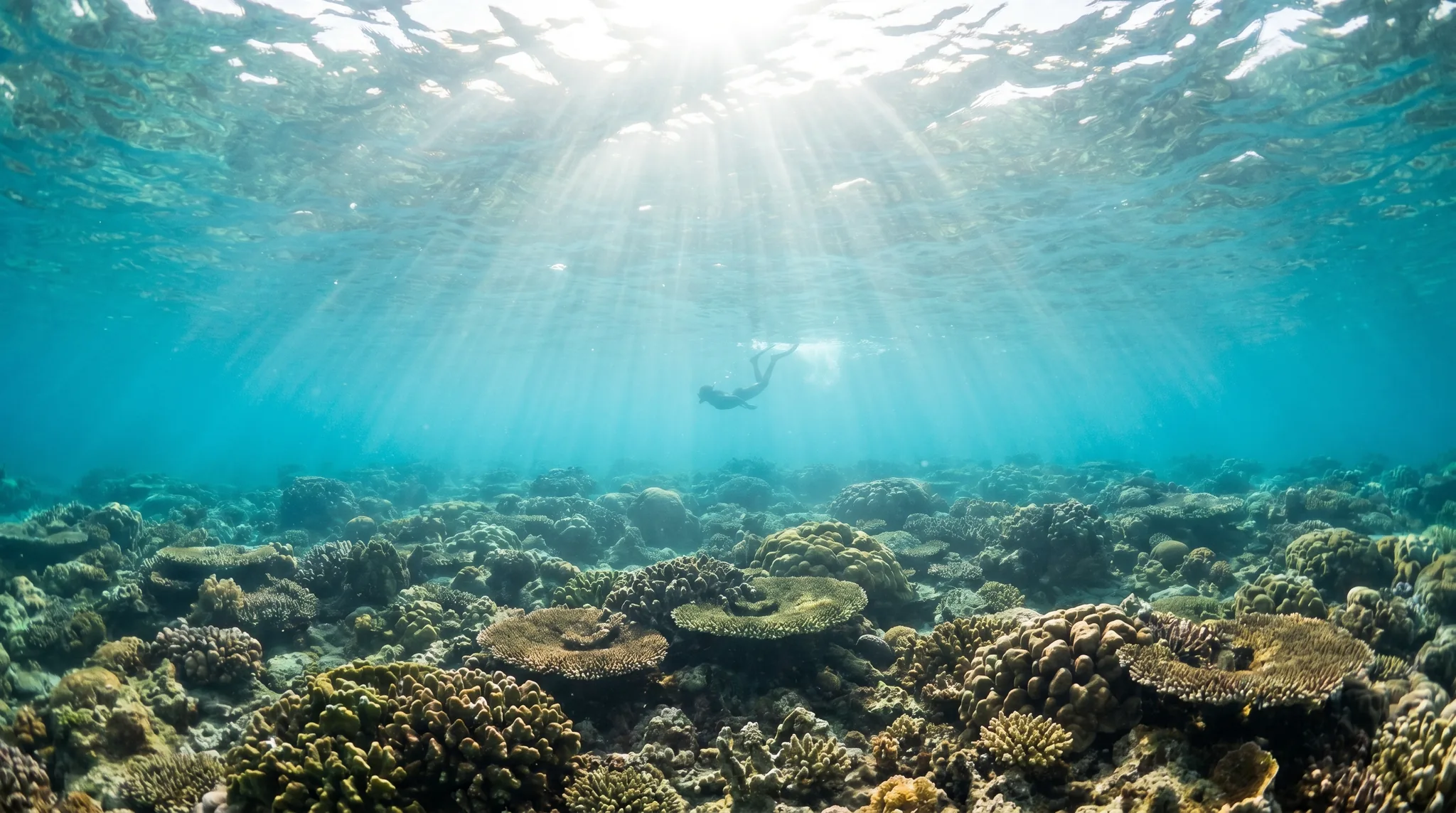
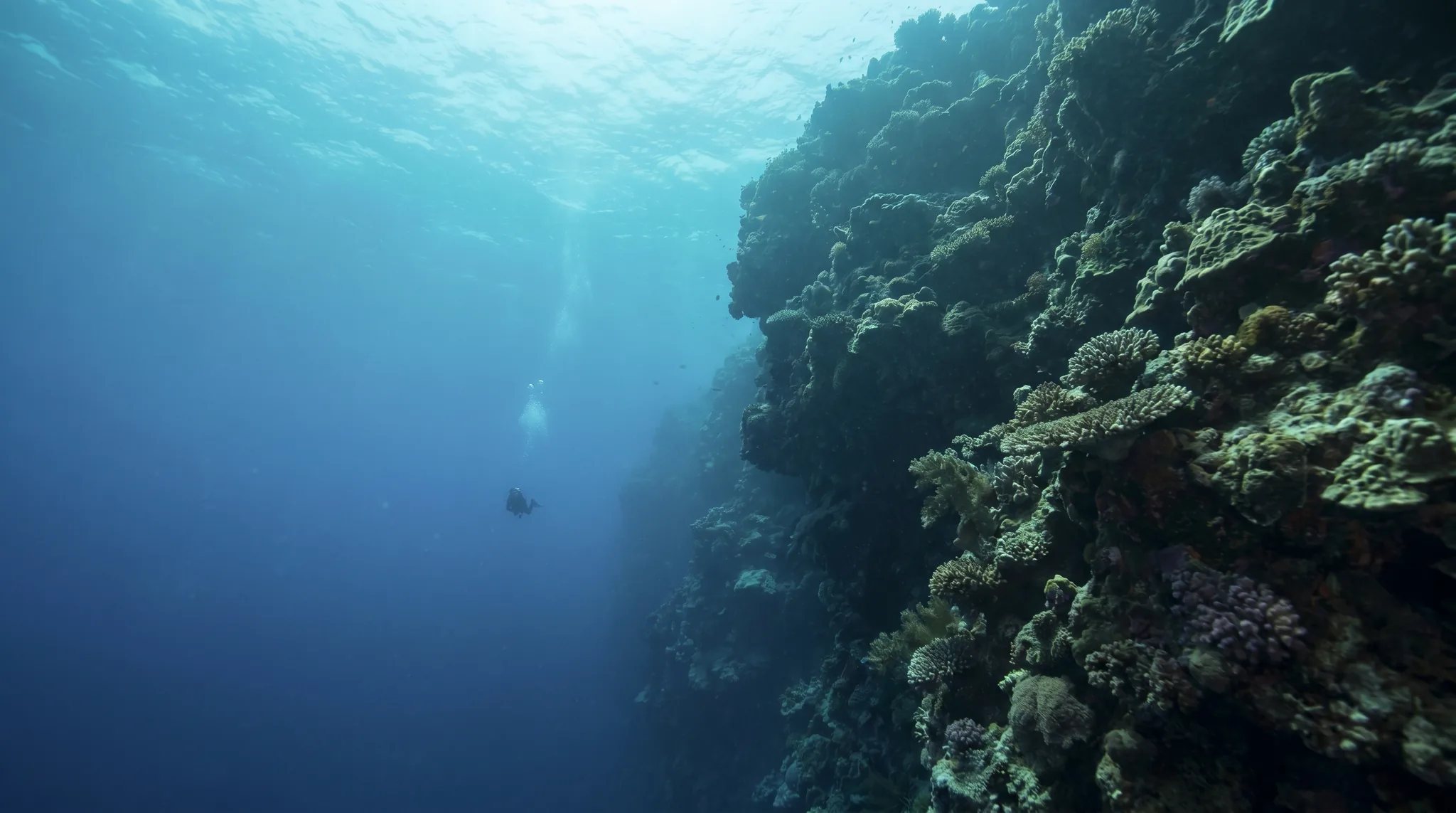
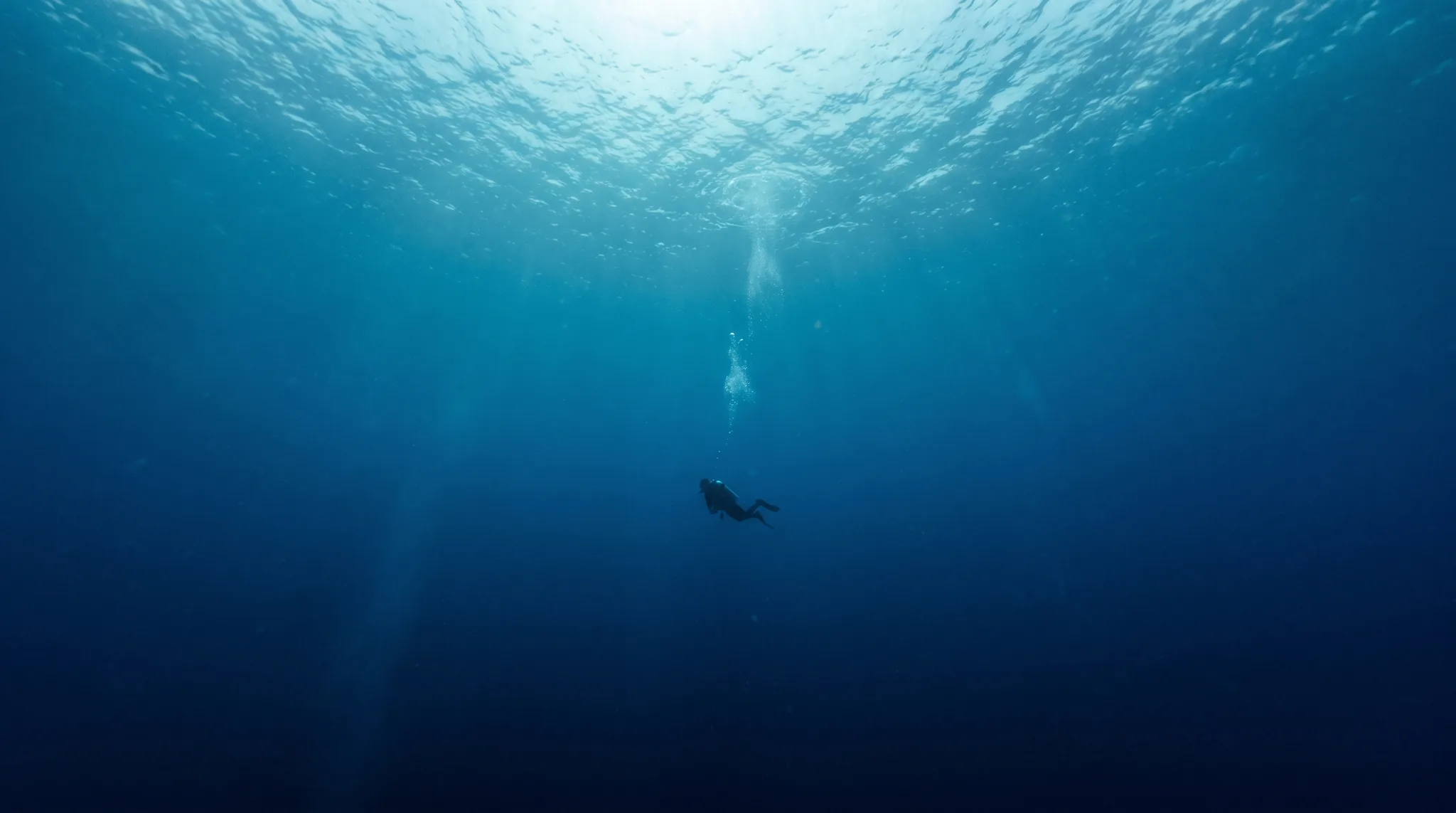
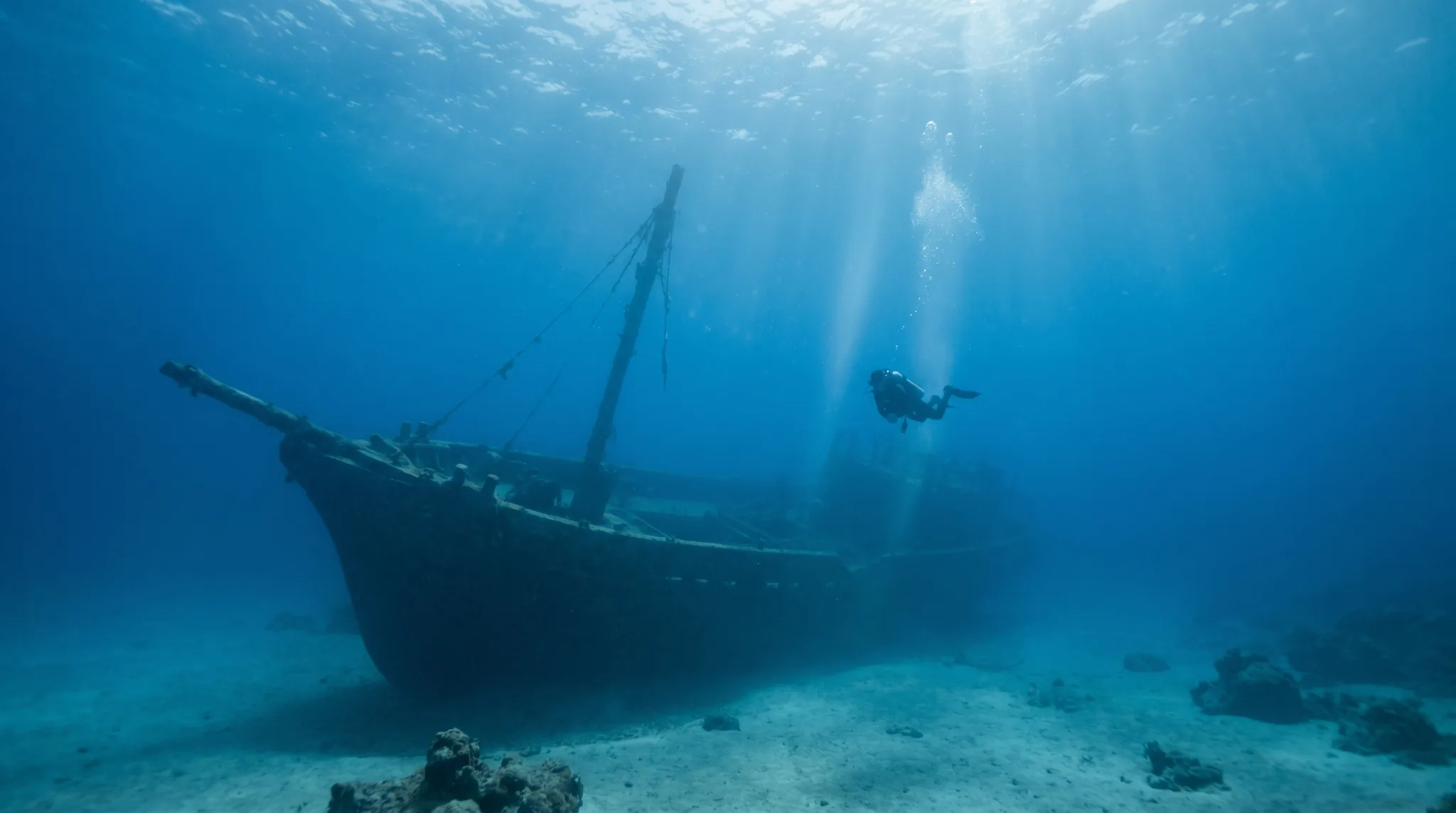
Santo Antão offers a varied dive landscape spread across three distinct sub-areas: Porto Novo, Tarrafal de Monte Trigo, and Ponta do Sol. Porto Novo holds the largest concentration of sites, ranging from beginner-friendly artificial reefs and shallow reef dives to deep walls and cave systems. Tarrafal de Monte Trigo adds exposed wall and drift diving for more experienced divers. The signature marine life leans heavily toward reef predators and cryptic species: Nurse Shark, Dusky Grouper, Honeycomb Moray, Scorpionfish, and Frogfish are all recorded here. Snake Eel and Arrow Crab appear with notable regularity across sites.
3 areas
18Reef, wall, cave and wreck diving off Santo Antão, with Snake Eel and Frogfish among the notable finds.
13Boat-access walls, drifts and a deep wreck off Santo Antão, with Dusky Grouper and Nurse Shark among the signature sightings.
 3
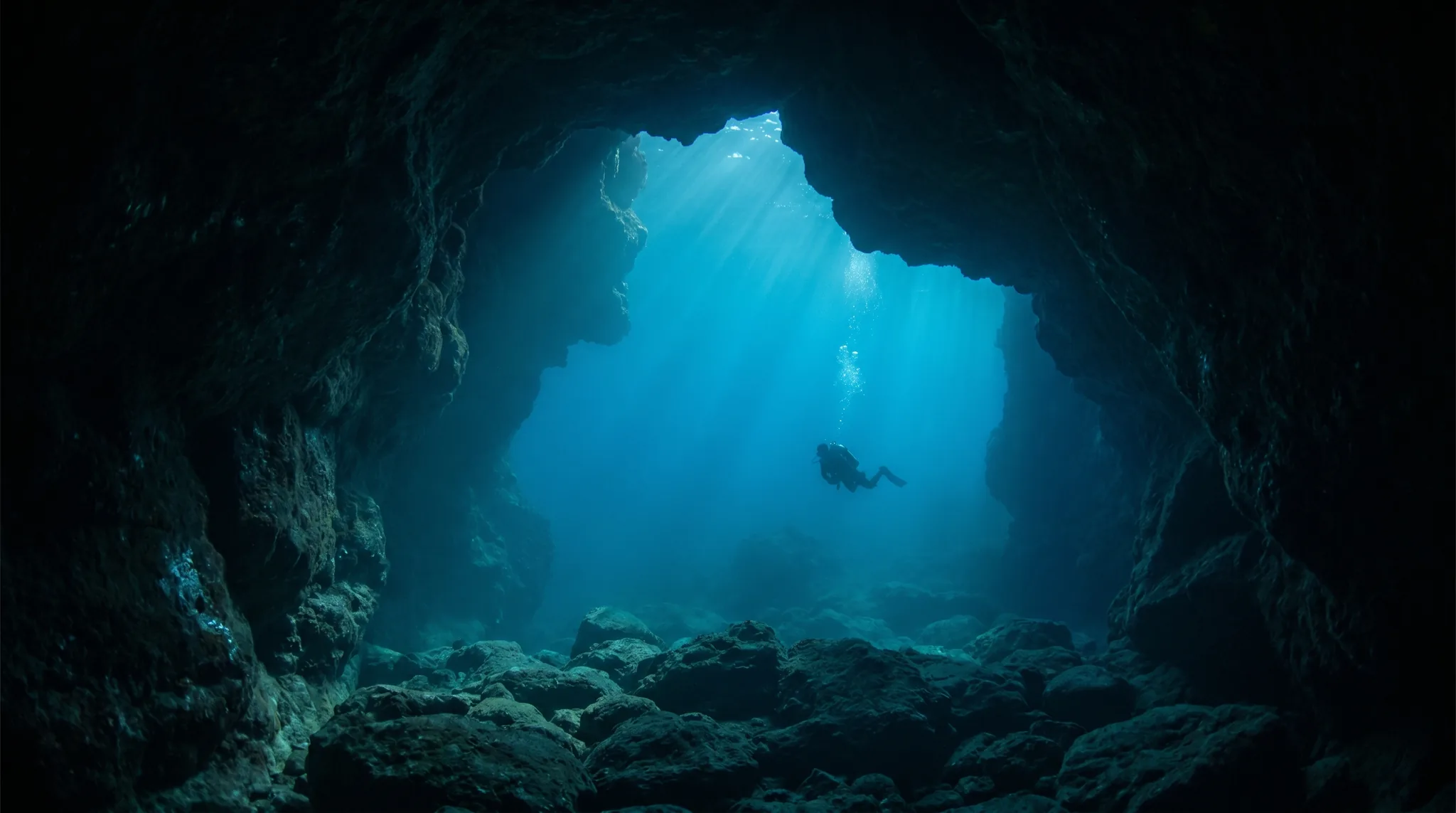
3Cave systems, volcanic walls, and a sheltered natural pool on the northern coast of Santo Antão, suited to beginners and intermediates.
Monthly water temperature across Santo Antão's sites, from satellite sea-surface data corrected for depth. The band shows the site-to-site spread.
Water temperature stays warm throughout the year, peaking in autumn and dipping only slightly in late winter and spring. The cooler months from roughly mid-year through early autumn see reduced diver traffic according to the best-months data, though conditions remain diveable. Exposed walls at Tarrafal de Monte Trigo and drift sites like Ponta d'Tum can carry meaningful current, so conditions vary considerably between the sheltered Porto Novo sites and the more open western coast.
2 operators
Porto Novo, Cape Verde
Cape Verde
Water temperature around Santo Antão ranges from about 23°C in February to 27°C in September, based on satellite sea-temperature data for its dive sites.
In the warm season (about 27°C) a rash guard or 3mm shorty is comfortable in Santo Antão; in the coldest months (about 23°C) step up to a 3mm full suit.
Fin maps 34 sites in Santo Antão (31 scuba diving sites and 3 snorkelling spots, with some suited to both), organised into 3 areas.
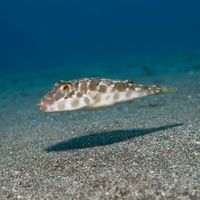
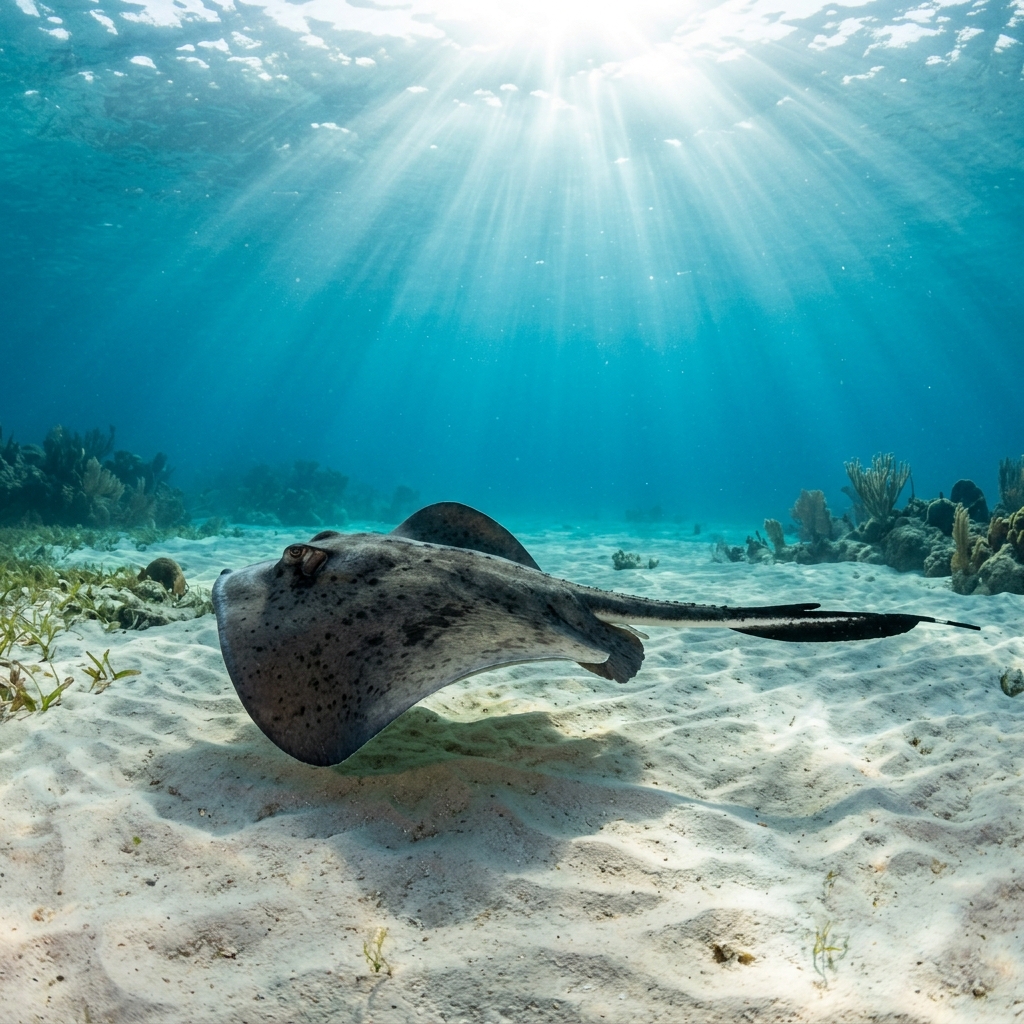
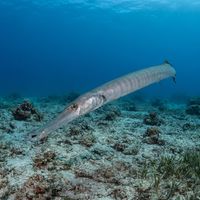
Santo Antão's reefs are well known for Nurse Shark, Dusky Grouper, and Honeycomb Moray, the three species most closely associated with the island's dive sites. Snake Eel and Arrow Crab are recorded frequently across much of the site list. Scorpionfish, Porcupinefish, Trumpetfish, Round Fantail Stingray, and Frogfish have all been observed here, and Humpback Whale, Whale Shark, and Orca appear in the records too, though less regularly.
Several sites are explicitly rated for beginners, including the shore-entry artificial reef at Molhe de Fora, the shallow Critters Walk reef, and Sharkys. These offer calm, shallow conditions and manageable currents. Intermediate and advanced sites, particularly the deep walls around Tarrafal de Monte Trigo and exposed drift dives, require more experience and should not be underestimated.
Porto Novo has the broadest range of sites, covering shallow beginner reefs, an artificial reef, cave dives, and deeper walls, with most access by boat and one shore-entry option. Tarrafal de Monte Trigo focuses on wall and drift diving and suits more experienced divers comfortable with open-water conditions and current. Ponta do Sol is the smallest cluster, but offers cave and wall diving with the option of shore or boat entry at Les Grottes.
Green Turtle Diving Center is the operator listed for Santo Antão. Given the island's site spread and the fact that the majority of dive sites require boat access, booking through a local operator is the practical route to reaching most of what the island offers.