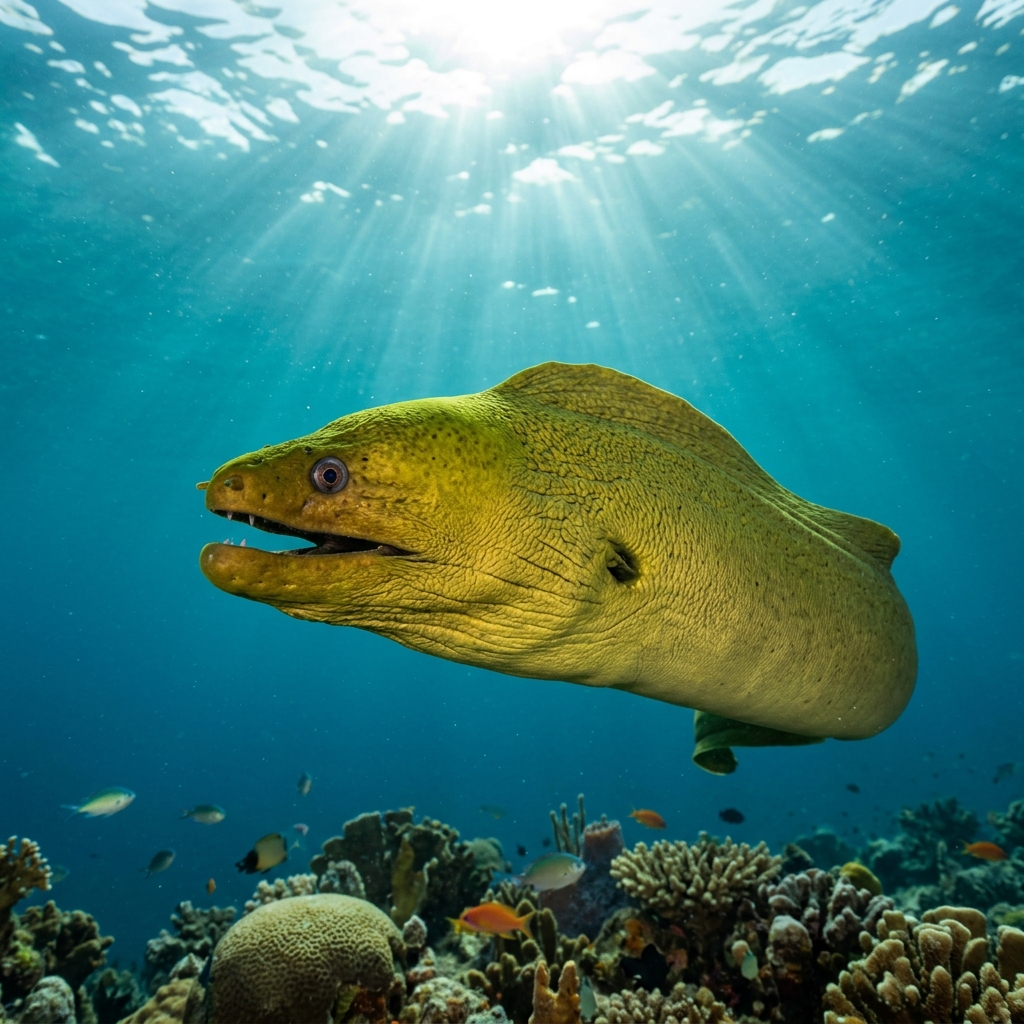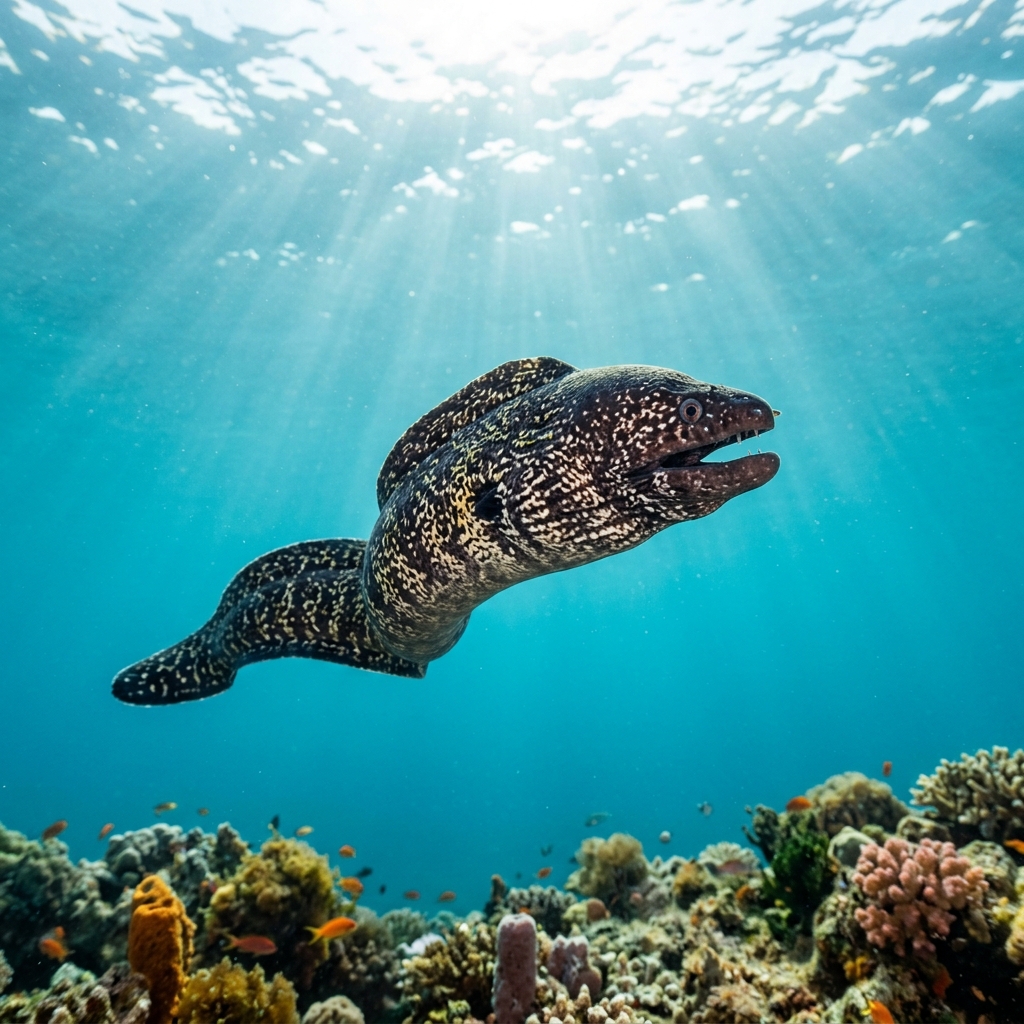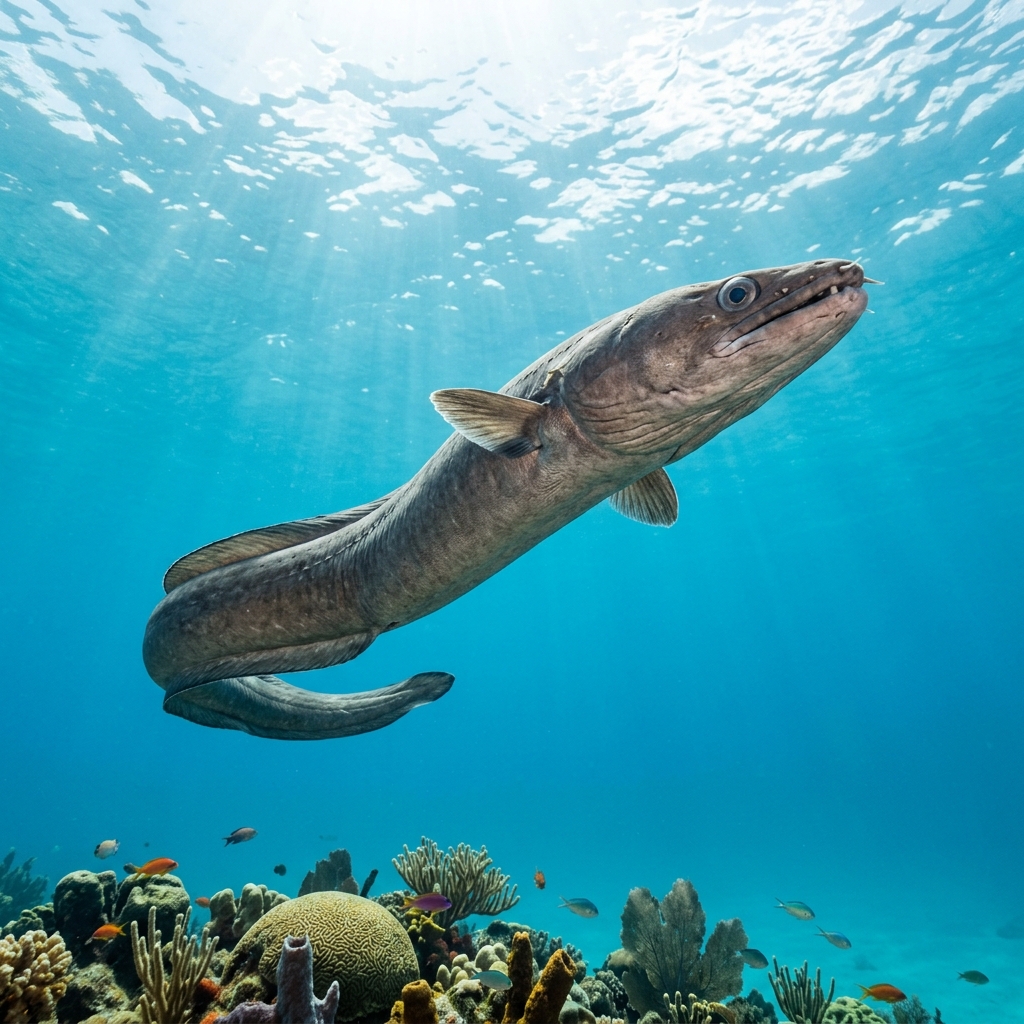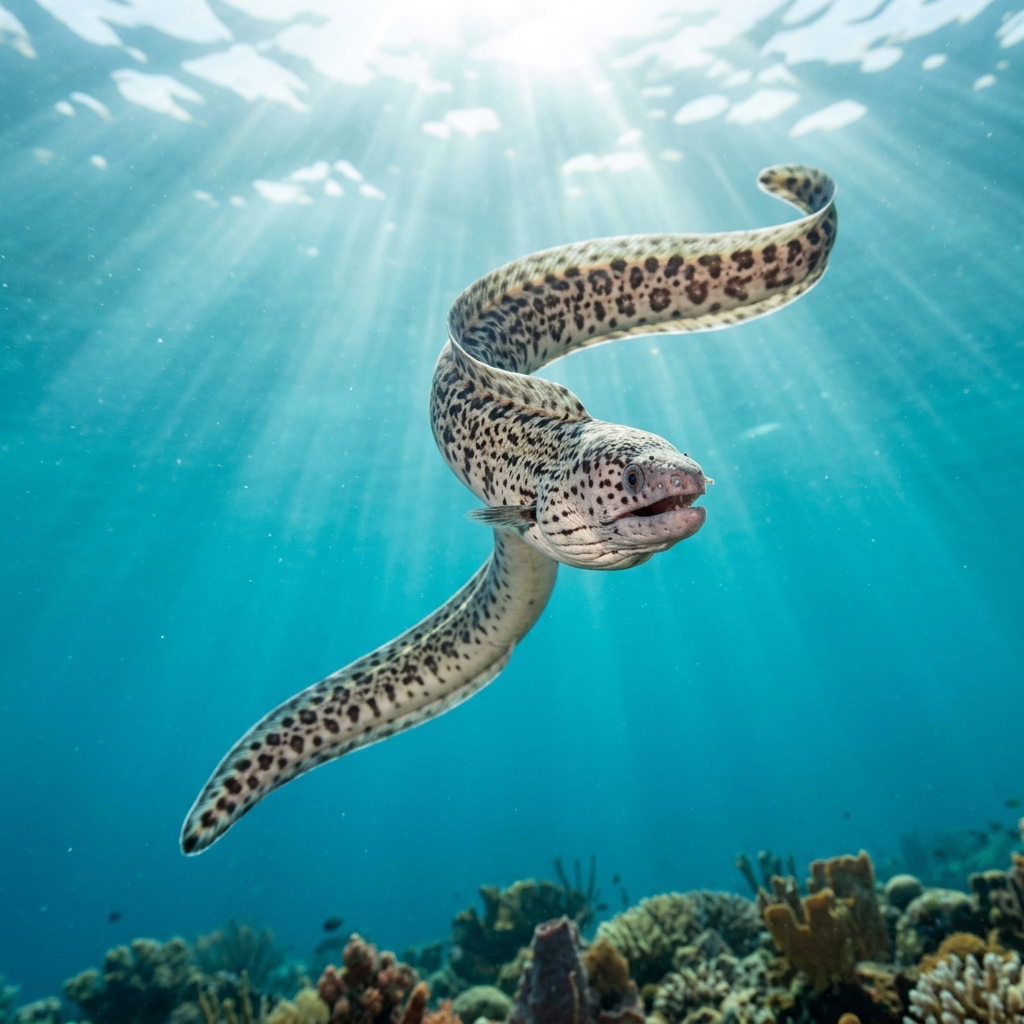
Muraena augusti
Find Black Moray in the Canary Islands, Azores, and Madeira. Sightings peak Jun, Dec in cool 16-20 °C Atlantic water. Here's what to look for.
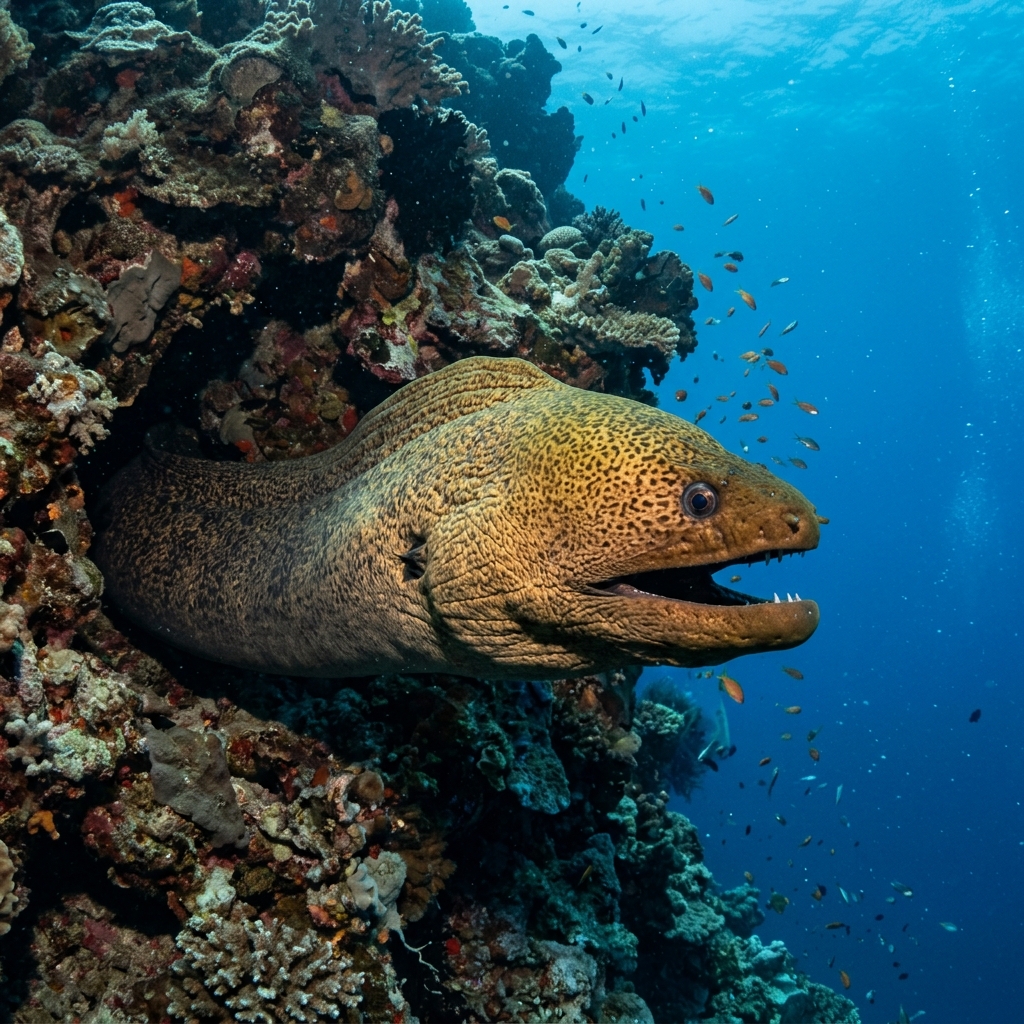
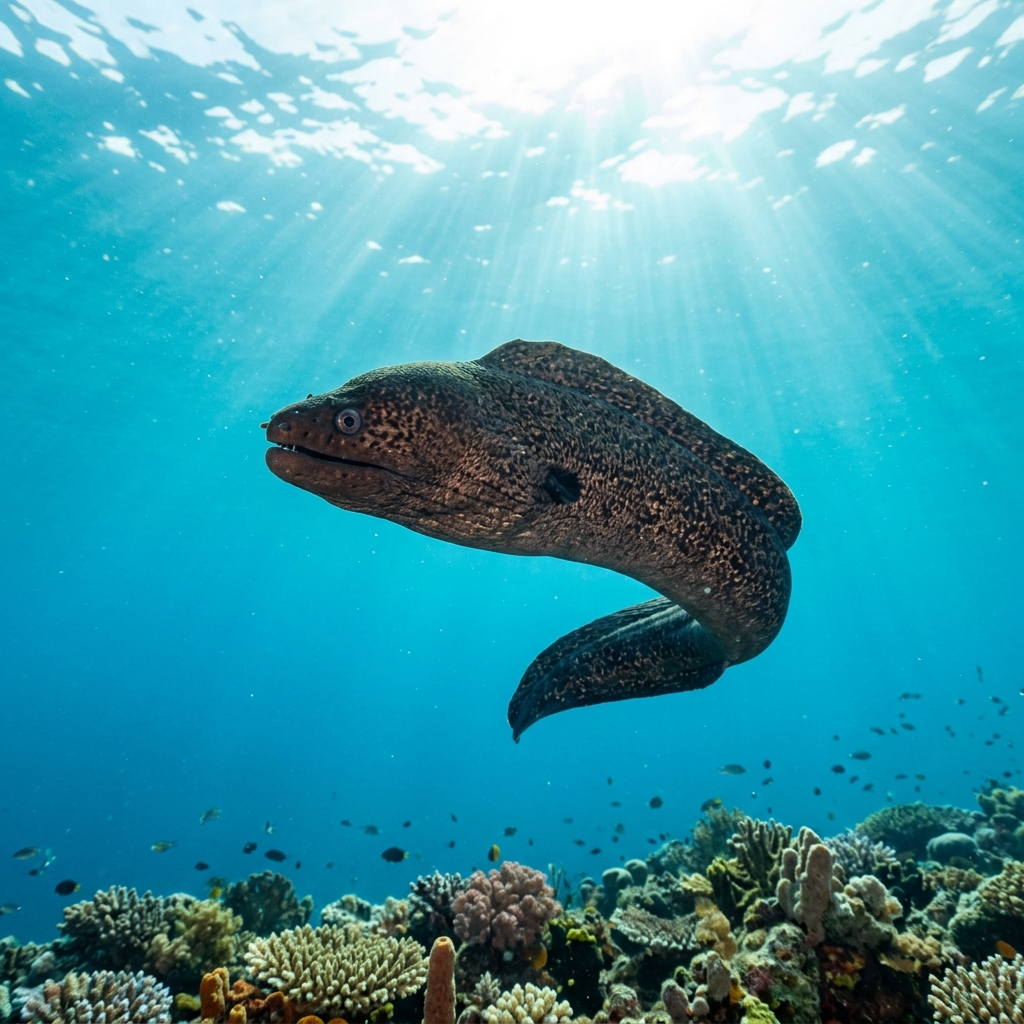
Uniformly very dark brown to near-black all over, including the fins and inside the mouth, which makes it one of the easiest Atlantic morays to confirm at a glance. At roughly 60 cm it sits in the mid-size range for morays, slender-bodied and lacking any spots, stripes, or pale edging. Look for it with just the head exposed from a rock crevice, mouth cycling open and closed as it breathes, the solid blackish colouration leaves no room for confusion with most other eels sharing these cool-water reefs.
Like most morays, it spends the bulk of its time wedged into crevices and lava reef cavities, head pointing outward and jaw working rhythmically to push water across its gills. When approached calmly it usually holds position and allows a close look; it may retreat deeper into the crack if a diver moves in quickly or blocks the entrance. Juveniles can occasionally be found in very shallow surge zones, while adults tend to settle in slightly deeper, calmer sections of the reef.
The black moray is restricted to the Macaronesian archipelagos and nearby Iberian coast, a biogeographic range so compact that every sighting is essentially a record of one of the Atlantic's more range-limited reef eels.
Northern Hemisphere sightings concentrate between June and December, so late summer through autumn is the most productive window across the Canaries, Azores, and Madeira.
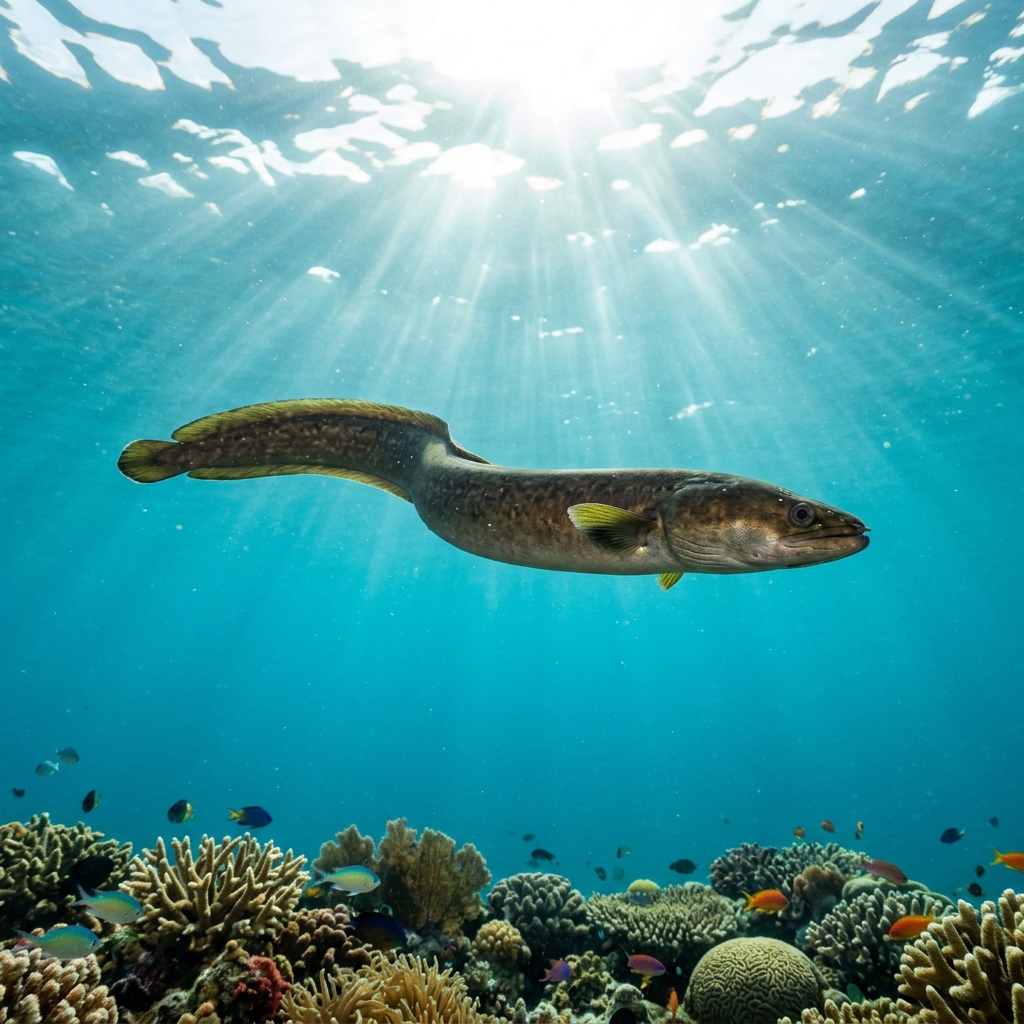
Reef neighbours a diver could mistake it for. Use the identification notes above to tell them apart.
The black moray is an eastern Atlantic endemic, logged most extensively across the Canary Islands, with Tenerife, Gran Canaria, and Fuerteventura all producing strong sighting records, and across the Azores, especially São Miguel and Santa Maria. Cape Verde and Madeira also hold meaningful populations, and a smaller number of sightings come from mainland Spain, France, and Portugal.
Mapping where Black Moray is logged…
The black moray is found almost exclusively across the Macaronesian islands and nearby Iberian coast. The Canary Islands, particularly Tenerife, Gran Canaria, and Fuerteventura, hold the strongest diver records, followed by the Azores (especially São Miguel and Santa Maria), Cape Verde, and Madeira.
Sightings across the Canaries, Azores, and Madeira concentrate from June through December. Late summer and autumn appear to be the most productive period, though the species is resident year-round in suitable habitat.
The uniformly dark brown-to-black colouration, with no spots, pale edges, or contrasting markings anywhere on the body or fins, is the key field mark. At around 60 cm, it is mid-sized for a moray. No other common eel on its Macaronesian reefs is quite so thoroughly dark all over.
Adults typically reach around 62 cm, making them a moderately sized moray. They are noticeably slimmer in build than species such as the giant moray, which can exceed 2 m.
No. Like all morays they have sharp teeth and may bite if harassed or cornered, but unprovoked aggression is not reported. Give them space, avoid blocking their crevice exit, and they will typically remain calm and curious during a dive encounter.
Site and sighting data is aggregated from diver logs, iNaturalist and GBIF. For taxonomy and conservation status:
Garden Eel
2,448 sites