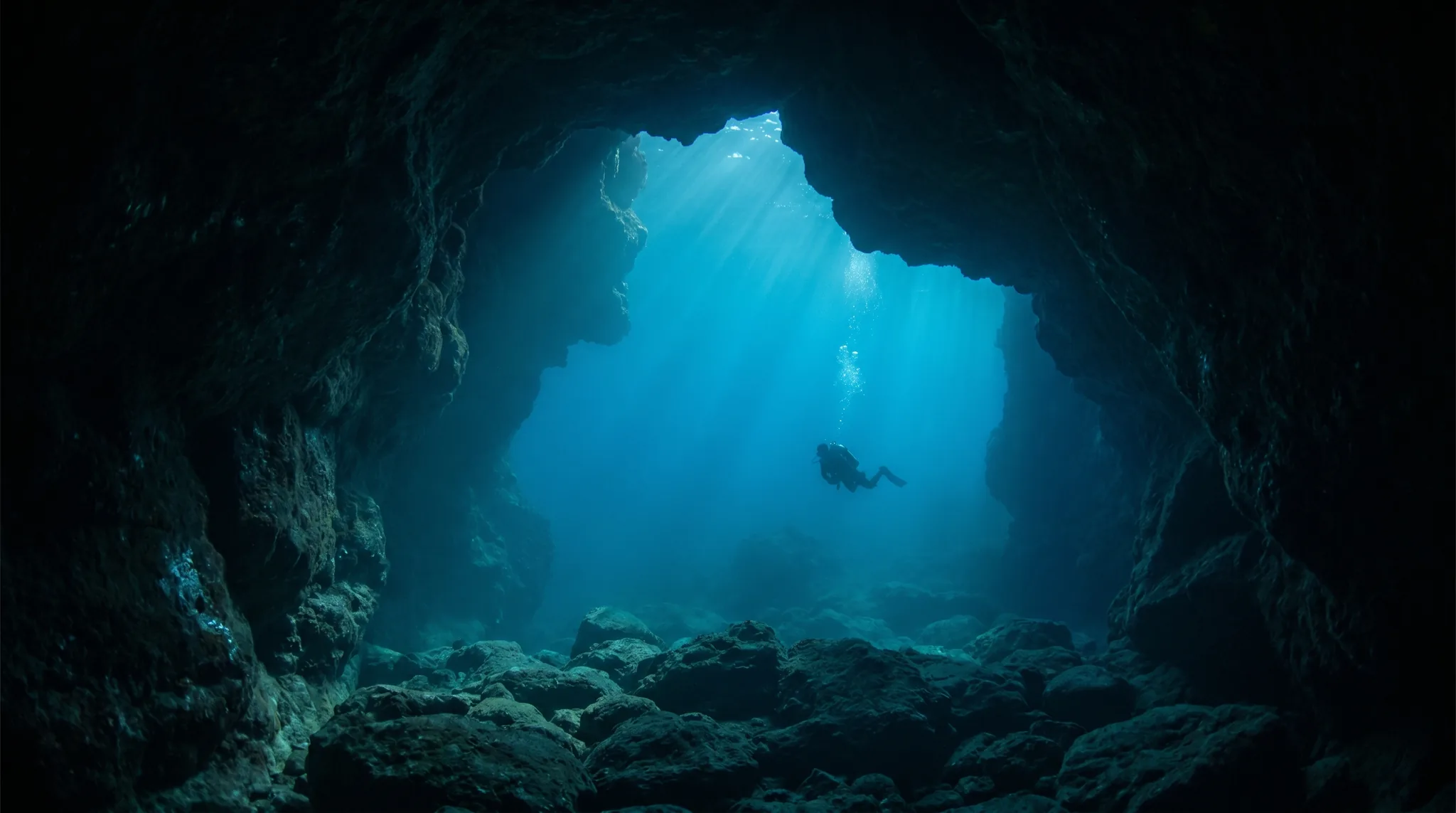
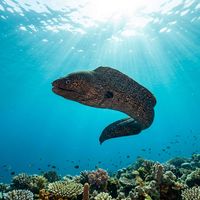
Fuencaliente and Puerto Naos offer a distinctly volcanic character: lava flows have shaped reefs, walls, caves, drop-offs and artificial structures across a compact stretch of La Palma's coastline. The majority of sites are shore-entry and accessible to beginners, though deeper wall and drop-off dives challenge intermediate and advanced divers too. Signature encounters include the Fangtooth Moray, Marbled Electric Ray, Common Octopus and Arrow Crab. Conditions are mild year-round, with the warmest water arriving in late summer and autumn.

Monthly water temperature across Fuencaliente & Puerto Naos's sites, from satellite sea-surface data corrected for depth. The band shows the site-to-site spread.
Water temperature stays mild throughout the year, rising gradually from early spring to peak warmth in September and October, then easing back through winter. The histogram of favoured months clusters around spring, October and December, suggesting those periods combine good visibility with comfortable temperatures. Summer months are also pleasant, making this a viable year-round destination with no pronounced off-season.


24 operators

9 more sites to explore
Water temperature around Fuencaliente & Puerto Naos ranges from about 20°C in February to 24°C in September, based on satellite sea-temperature data for its dive sites.
In the warm season (about 24°C) a 3mm full suit is comfortable in Fuencaliente & Puerto Naos; in the coldest months (about 20°C) step up to a 5mm suit.
Fin maps 21 sites in Fuencaliente & Puerto Naos (21 scuba diving sites and 6 snorkelling spots, with some suited to both).
Across Fuencaliente & Puerto Naos's dive sites, March, April, August, October and December are most often reported as the best months to visit.
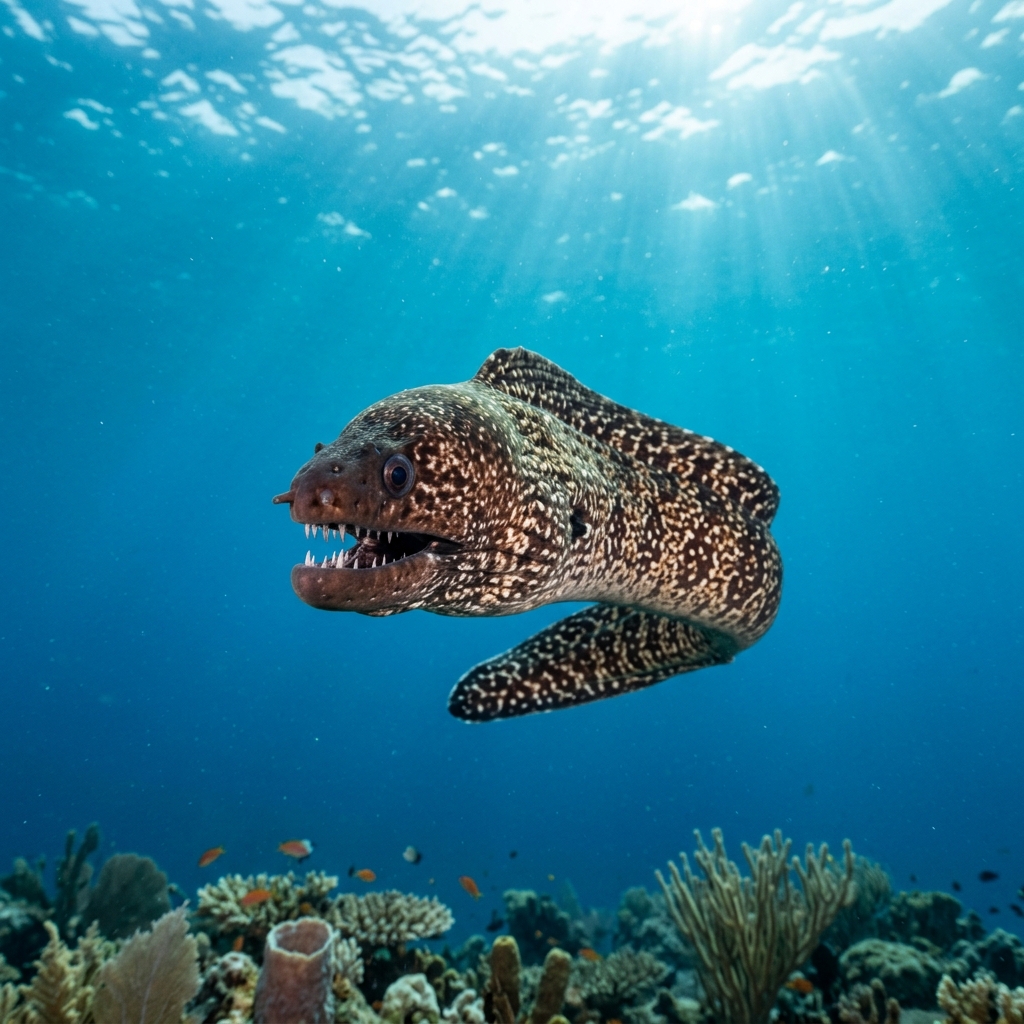
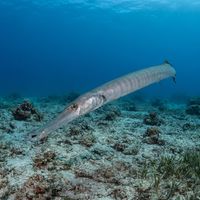
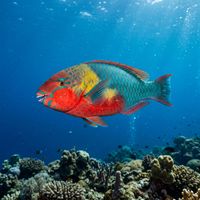
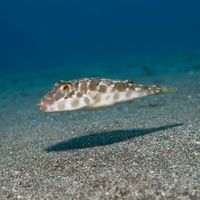
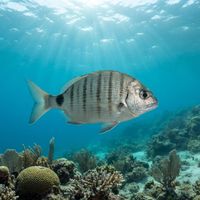
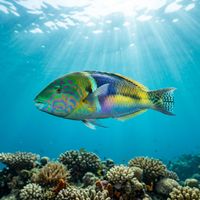
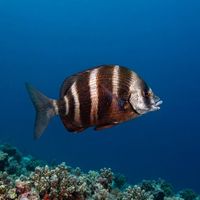
The reefs here are reliably populated with the Black Moray, Fangtooth Moray, Common Octopus and Arrow Crab. Larger animals including the Marbled Electric Ray, Great Barracuda and Common Stingray are regularly observed. The Canary Damsel, European Parrotfish, Trumpetfish and Pufferfish are present across nearly all sites, and Slipper Lobster and Conger Eel are frequent finds in crevices and caves.
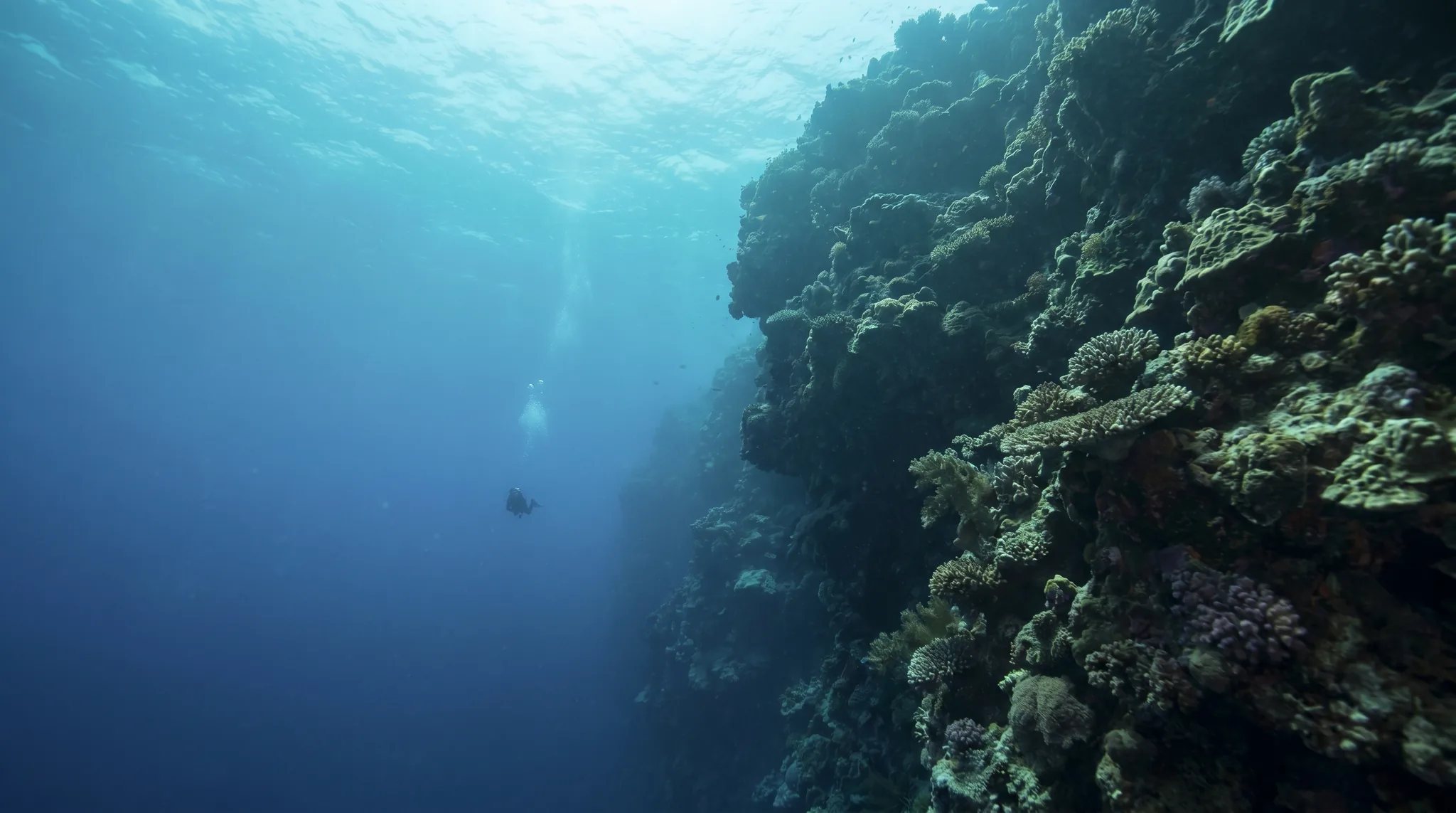
A large share of the sites here are rated beginner level, including shore-entry dives at Muelle Viejo, Porís de Mazo, El Veril, Faro de Fuencaliente and El Hotel. These sites feature reef, wall and cave topography at manageable depths. Intermediate and advanced divers also have options, such as the deep wall and drop-off system at Malpique, which demands precise buoyancy.
Shore entry is the dominant access style across this region, which makes independent diving straightforward without requiring a boat. A handful of sites, including Los Guirres and La Murga, are boat-access only, and a few sites such as Faro de Fuencaliente and Playa La Bombilla offer both options. There are currently no listed dive operators in the region, so divers should come equipped and self-sufficient.
Volcanic origin shapes almost every site here: hardened lava flows have produced reefs, walls, caves, caverns and drop-offs often found in combination at the same site. Several sites also feature artificial reef structures alongside the natural topography. Drift diving is possible at spots like Malpique: Colada Teneguía and Punta de los Molinos, adding variety to the mostly reef-and-wall character of the area.