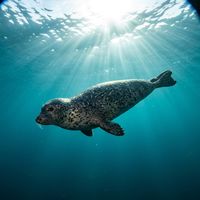
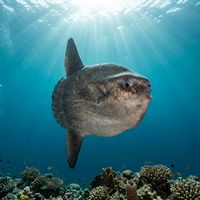
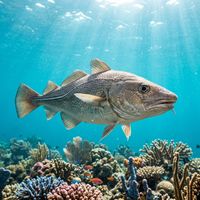
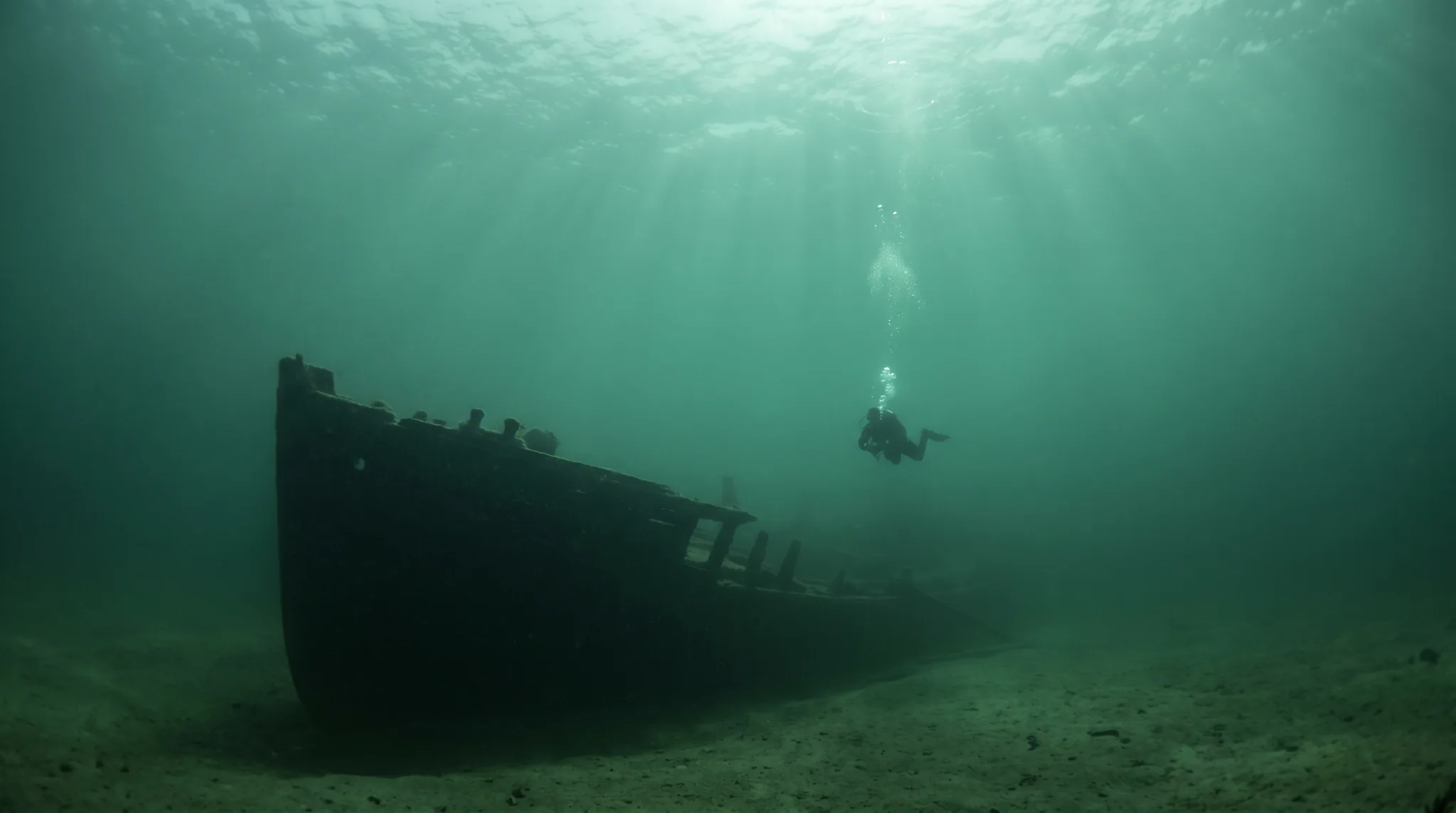
Canso and Guysborough is wreck country. The majority of dive sites here are sunken vessels, ranging from shallow boat-accessible wrecks suited to intermediate divers through to deep, advanced targets that demand technical preparation. Shore entries at Grand Narrows and Englishtown add reef, wall, kelp forest, and drift diving to the mix. Harbor Seal and Cod are reliably encountered across sites, while Ocean Sunfish and Blue Shark make occasional appearances. Cold water defines the experience year-round, with summer months offering the warmest conditions.
Monthly water temperature across Canso & Guysborough's sites, from satellite sea-surface data corrected for depth. The band shows the site-to-site spread.
Water temperatures climb slowly through spring and reach their warmest in late summer, making July through September the most comfortable months for diving. From autumn onward temperatures drop steadily, returning to near-freezing by late winter. Conditions across the sites vary from mild currents at sheltered shore entries to more demanding drift and depth at exposed wrecks.
5 more sites to explore
Water temperature around Canso & Guysborough ranges from about 0°C in March to 18°C in August, based on satellite sea-temperature data for its dive sites.
In the warm season (about 18°C) a 5mm suit is comfortable in Canso & Guysborough; in the coldest months (about 0°C) step up to a drysuit.
Fin maps 13 sites in Canso & Guysborough (10 scuba diving sites and 3 snorkelling spots).
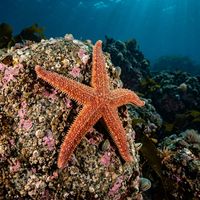
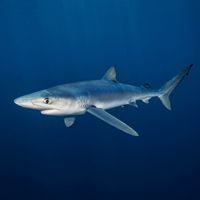
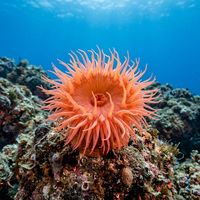
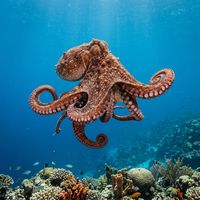
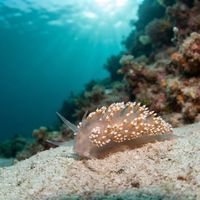
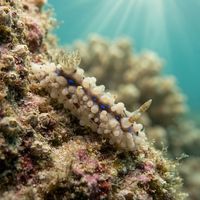
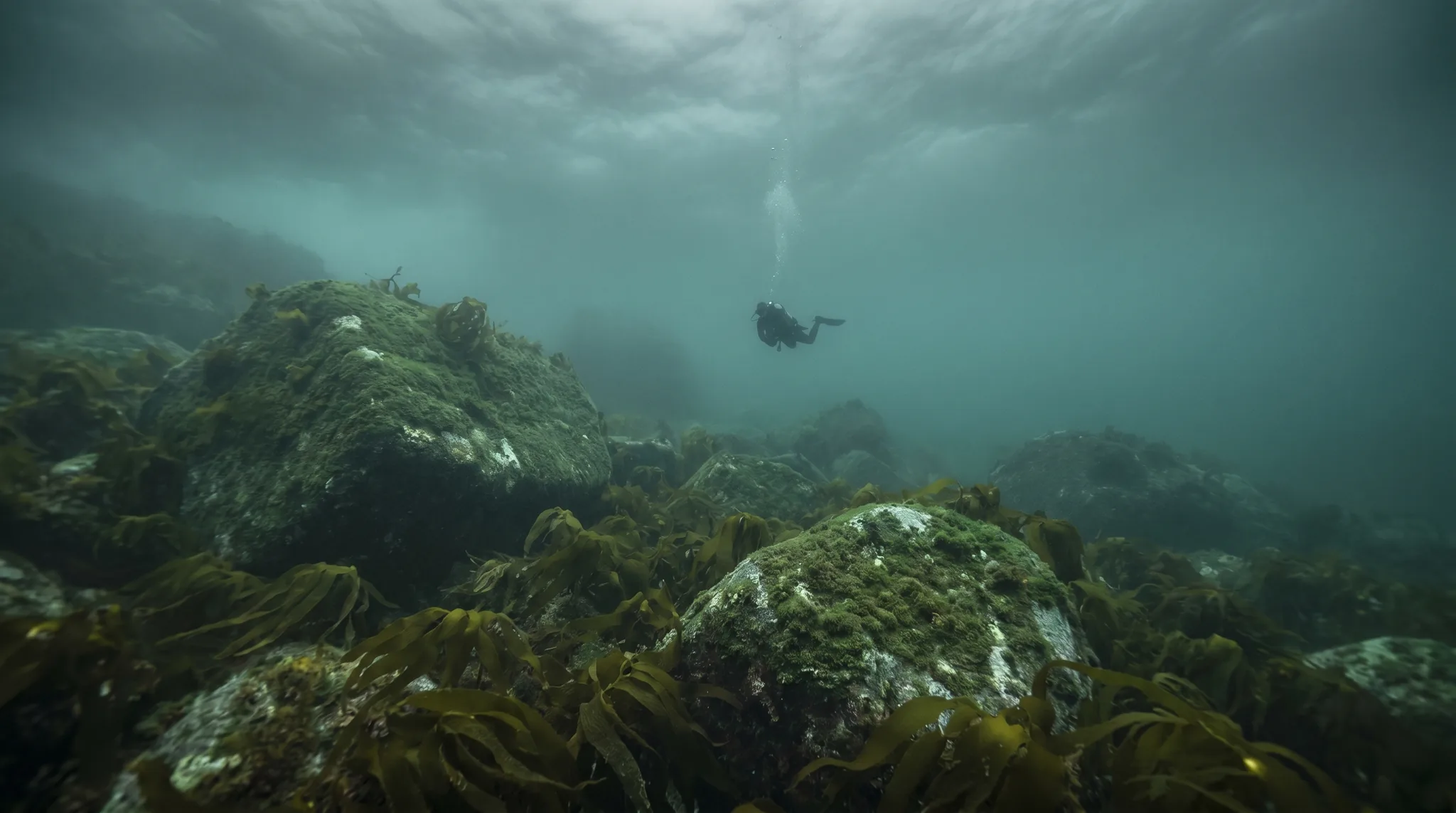
Harbor Seal and Cod are observed very commonly across sites, and Common Sea Star and Sea Anemone are frequently recorded. Ocean Sunfish and Blue Shark appear occasionally, making them a notable draw for visiting divers. Nudibranchs including Coryphella Verrucosa have also been logged, along with Cunner, Rock Crab, and Common Octopus.
Most sites are rated intermediate, and the deep wreck Baleine is advanced-only. Murray Point is the main exception, offering a very shallow shore entry that suits beginners. Divers newer to the sport should focus on shore-accessible sites and be prepared for cold-water conditions regardless of skill level.
Shore entries such as Grand Narrows and Englishtown give independent access to reef, kelp forest, wall, and drift diving without needing to arrange a vessel. The wreck sites including Arrow, Baleine, Evelyn, Celebre, and Prudent are boat-access only. With no listed operators in the region, divers planning boat dives should arrange their own vessel or source support from further afield.
Wrecks dominate the site list, giving the region a clear speciality among Nova Scotia's eastern shore. Grand Narrows stands out by combining reef, wall, wreck, and drift diving at a single shore-entry location. Englishtown adds kelp forest diving in shallow water, rounding out the variety for divers who want more than wreck exploration.