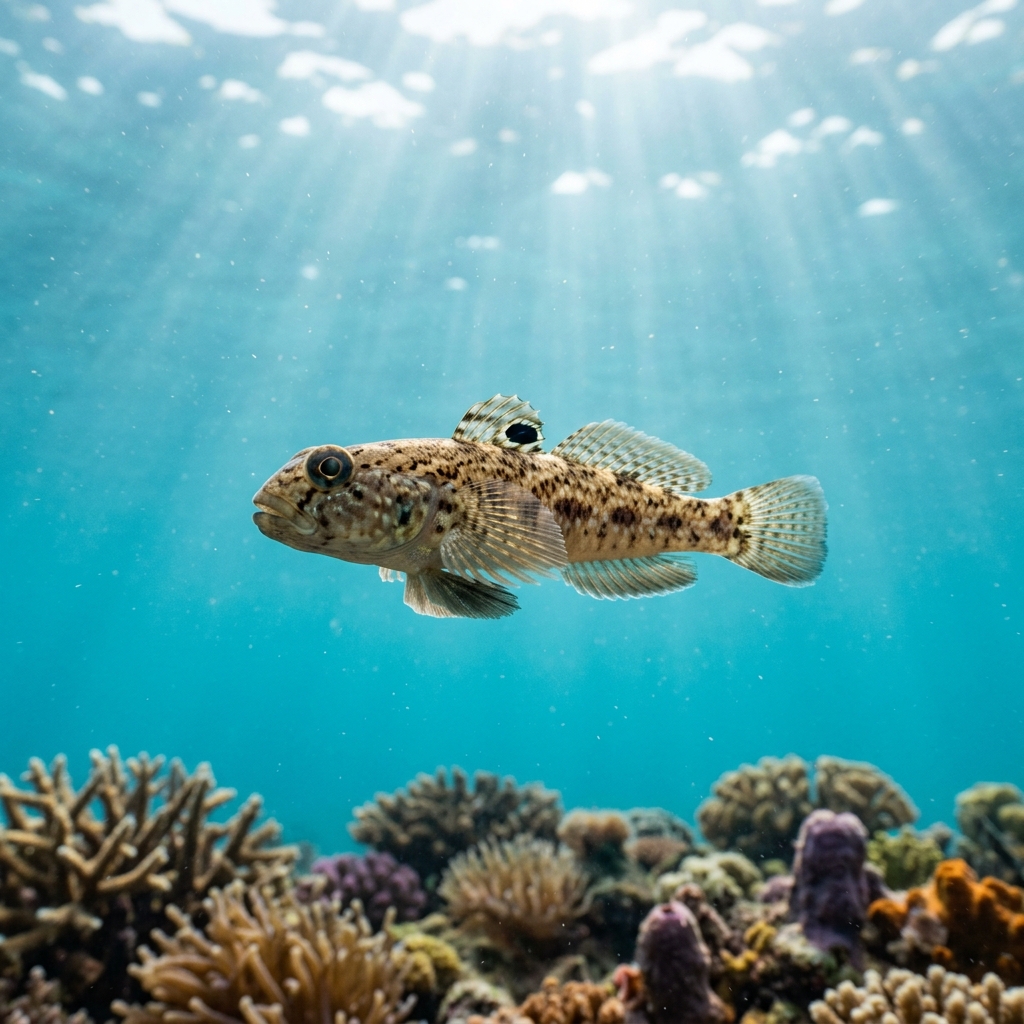
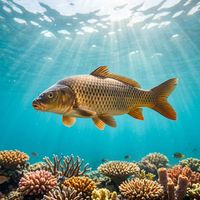
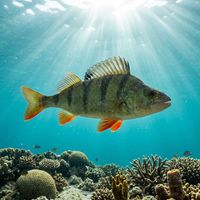
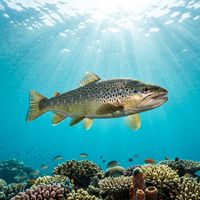
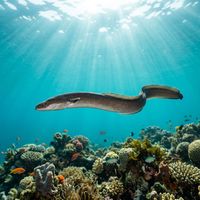
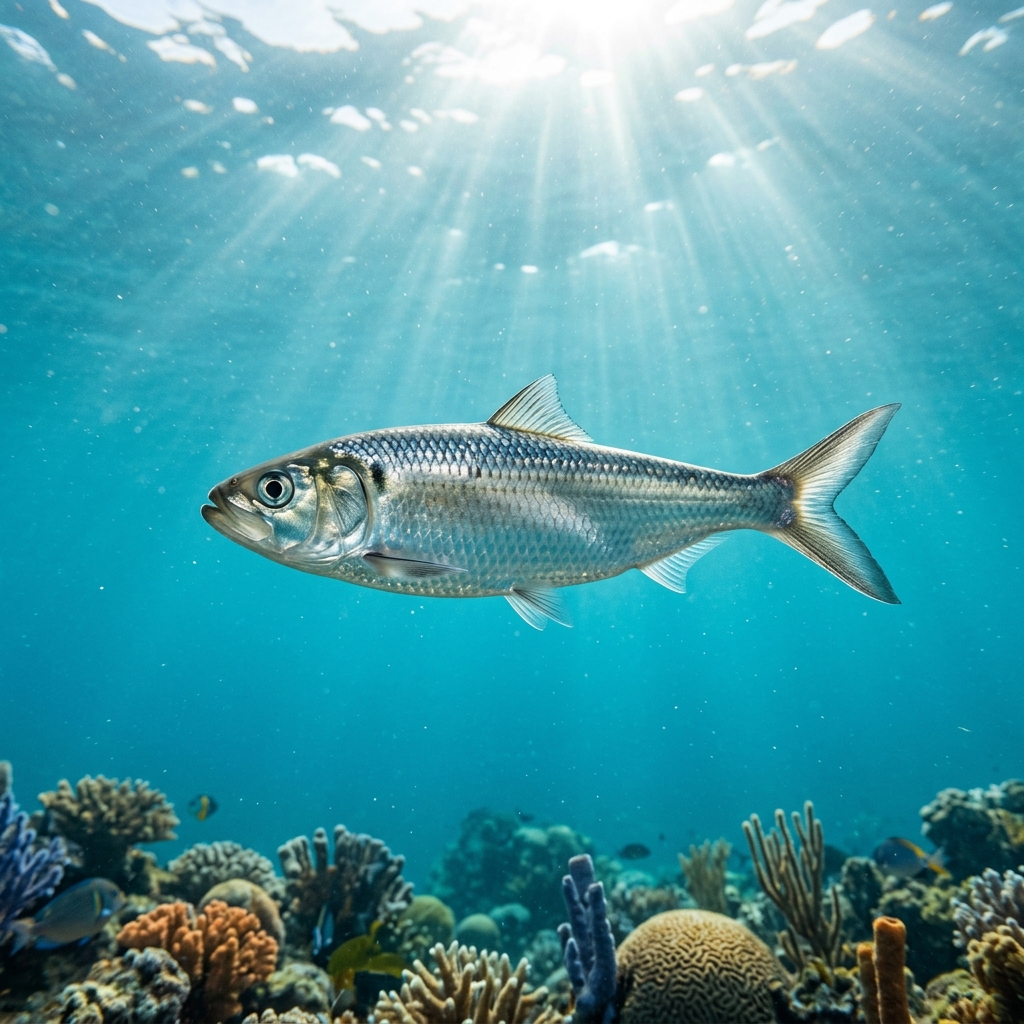
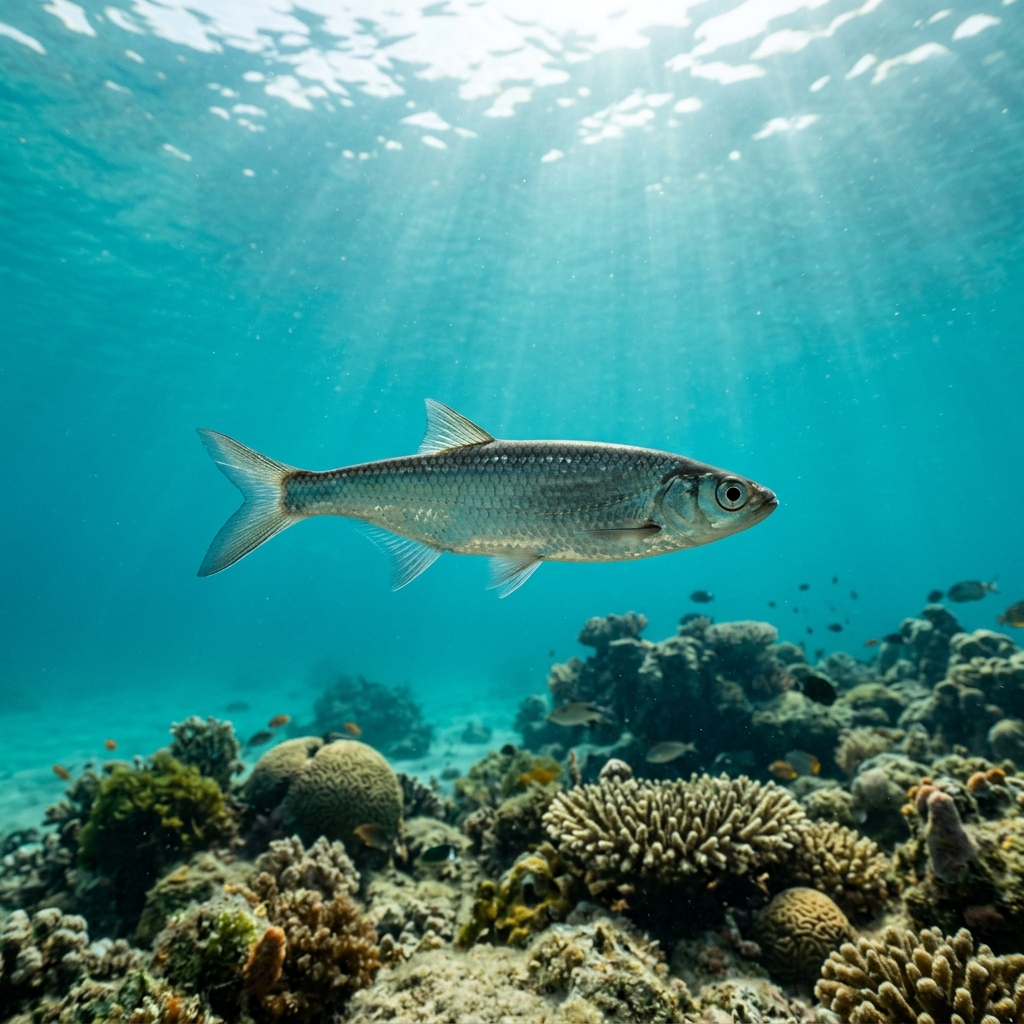
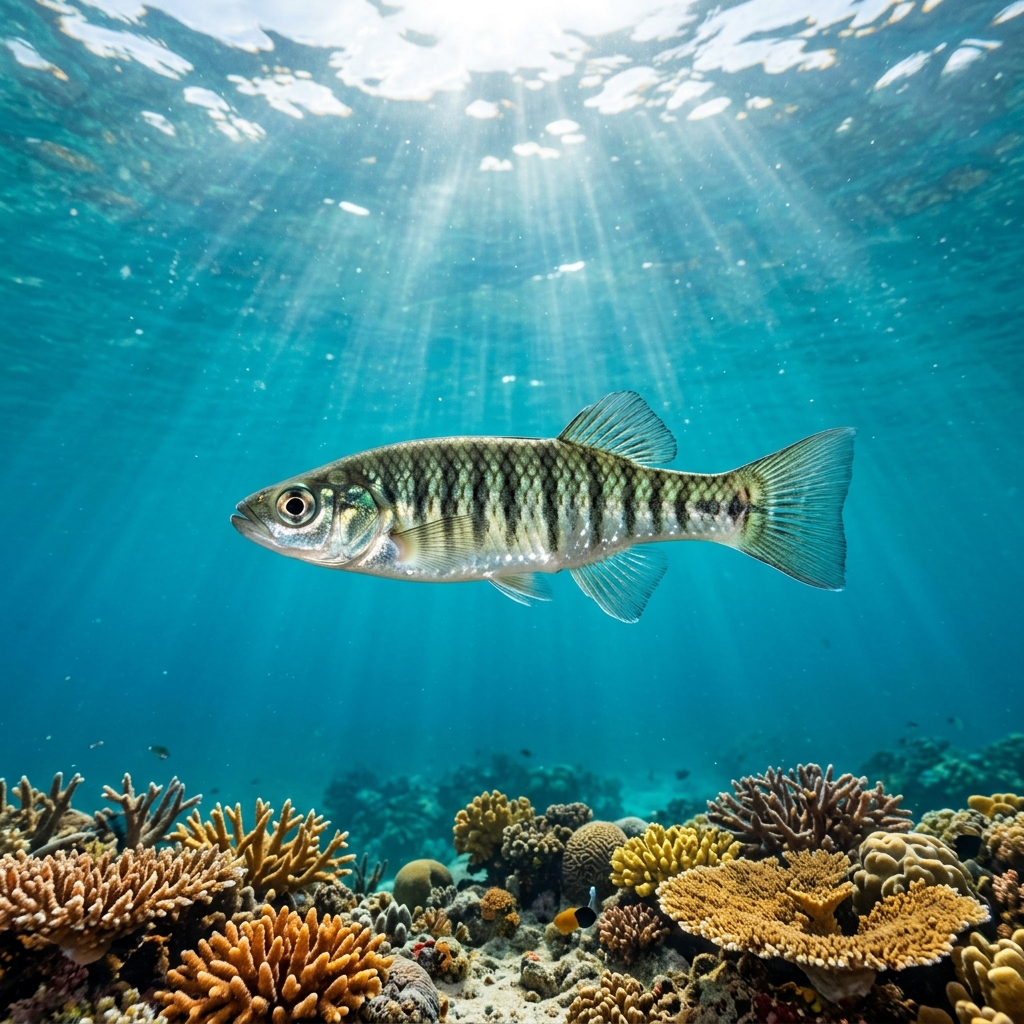
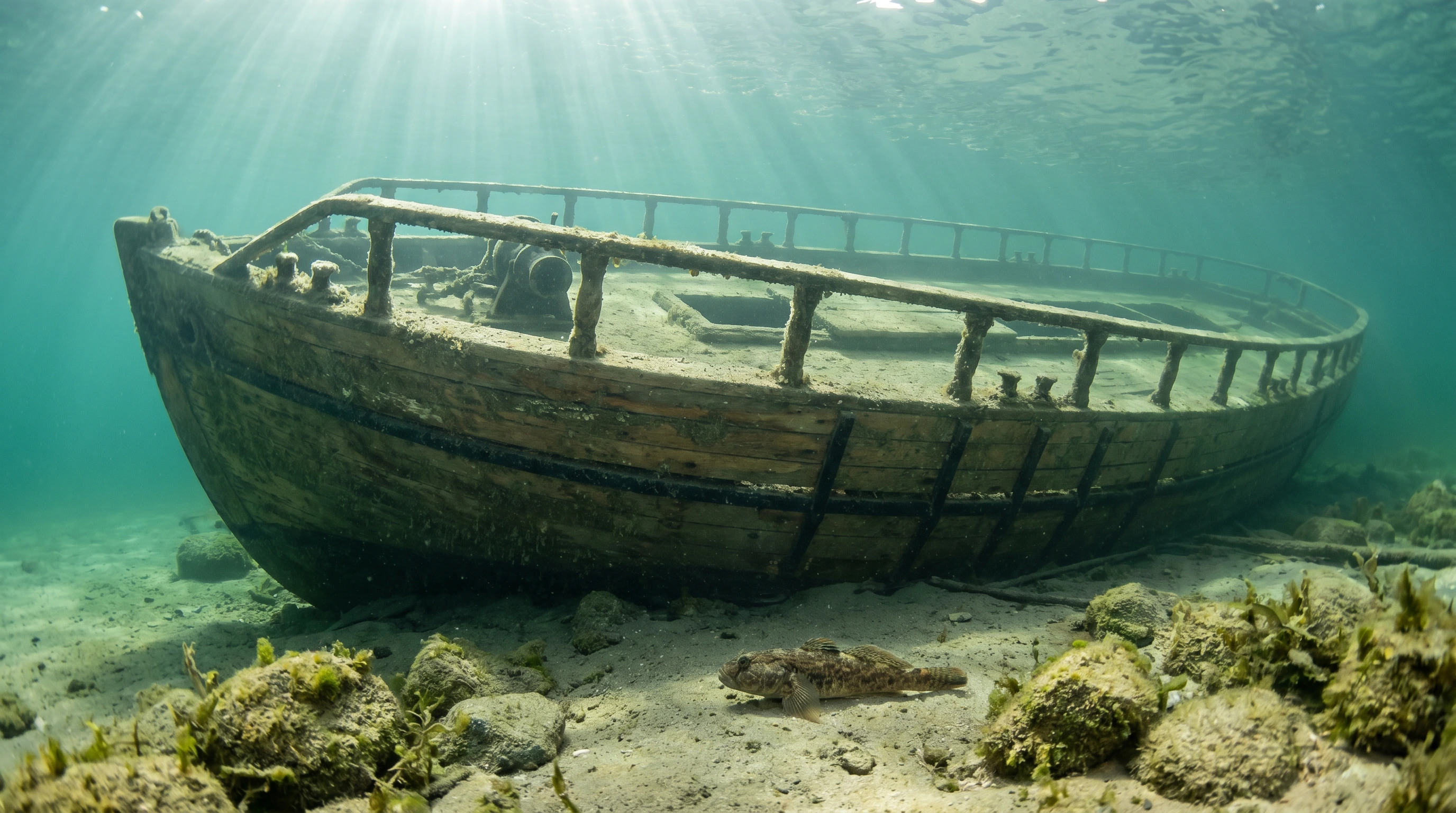
Georgian Bay Outer Sites is a freshwater diving and snorkelling destination built around wall topography, artificial reef structure, and clear inland water. Cedar Hills typifies the area: shore entry, wall and artificial reef combined, and accessible to beginners. The fish life is characteristically freshwater, with Round Goby observed very commonly, Carp and Perch frequent across most sites, and Trout appearing occasionally. Conditions are warmest from midsummer into early autumn, when water temperature peaks and the season is most inviting.
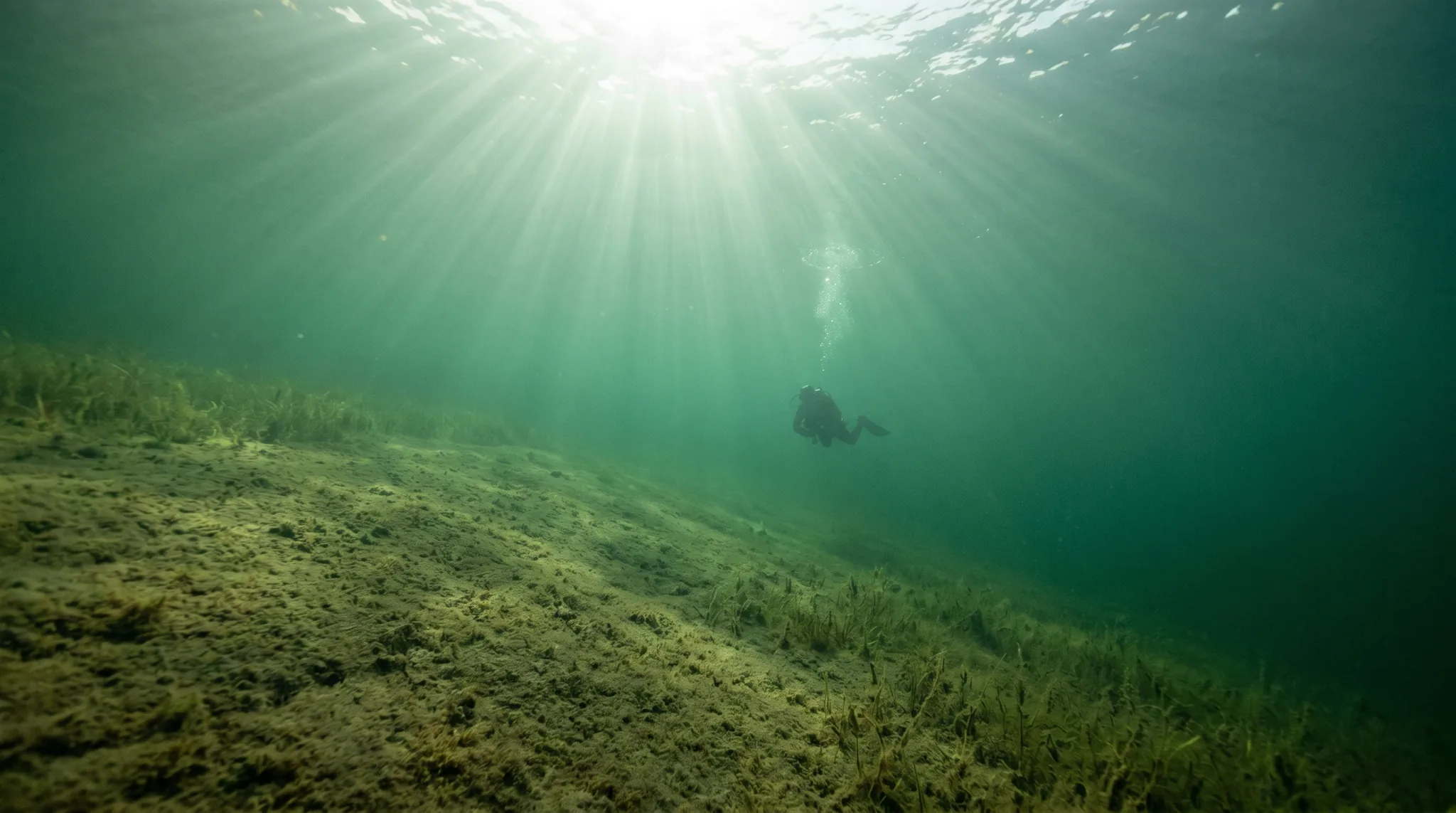
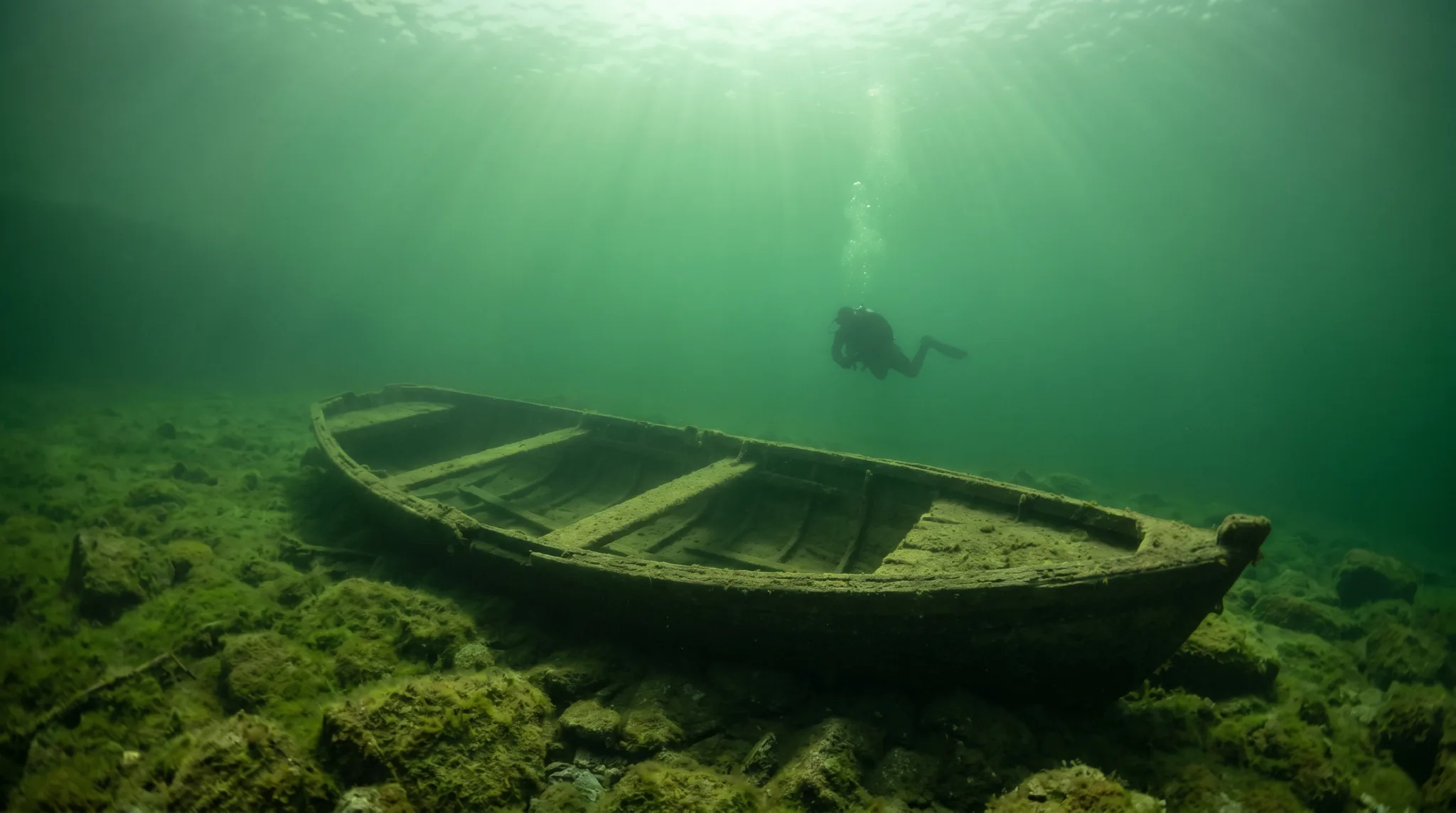
Monthly water temperature across Georgian Bay Outer Sites's sites, from satellite sea-surface data corrected for depth. The band shows the site-to-site spread.
Water temperatures rise steadily from late spring, peaking in late summer before cooling through autumn. The warmest and most comfortable diving falls between July and September, though the season runs broadly from May through October. Winter months bring near-freezing temperatures suited only to those with specialist cold-water training and equipment.
2 operators
15 more sites to explore
Water temperature around Georgian Bay Outer Sites ranges from about 2°C in February to 21°C in August, based on satellite sea-temperature data for its dive sites.
In the warm season (about 21°C) a 5mm suit is comfortable in Georgian Bay Outer Sites; in the coldest months (about 2°C) step up to a drysuit.
Fin maps 16 sites in Georgian Bay Outer Sites (8 scuba diving sites and 12 snorkelling spots, with some suited to both).
Across Georgian Bay Outer Sites's dive sites, May, June, July, August, September and October are most often reported as the best months to visit.
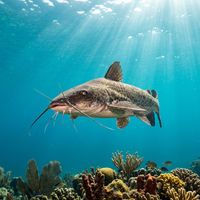
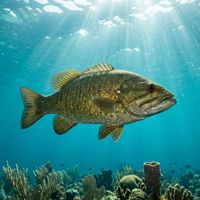
Observation-backed records show Round Goby as the most frequently encountered species, present across the great majority of sites. Carp and Perch are also commonly seen, while Trout appears on occasion. Catfish and Small Mouth Bass have been recorded too, rounding out a distinctly freshwater cast of characters.
Yes. Cedar Hills, the most detailed site in the area, is explicitly rated for beginners and uses a shore entry, removing any need for boat experience. The mix of wall and artificial reef topography gives newer divers something interesting to explore without demanding advanced skills.
Shore entry is available, as demonstrated at Cedar Hills, meaning many sites can be reached without organising boat transport. Operators in the area include Grey Sauble Conservation Authority, Blue North Scuba Club, and Memorial Park Meaford, any of which can advise on access arrangements for specific sites.
The area combines wall diving with artificial reef structure, giving divers varied topography within a freshwater setting. Sites range from relatively shallow to moderately deep, making them workable for a spread of experience levels. The artificial reef elements in particular tend to concentrate fish life, which suits both divers and snorkellers exploring the shallower sections.