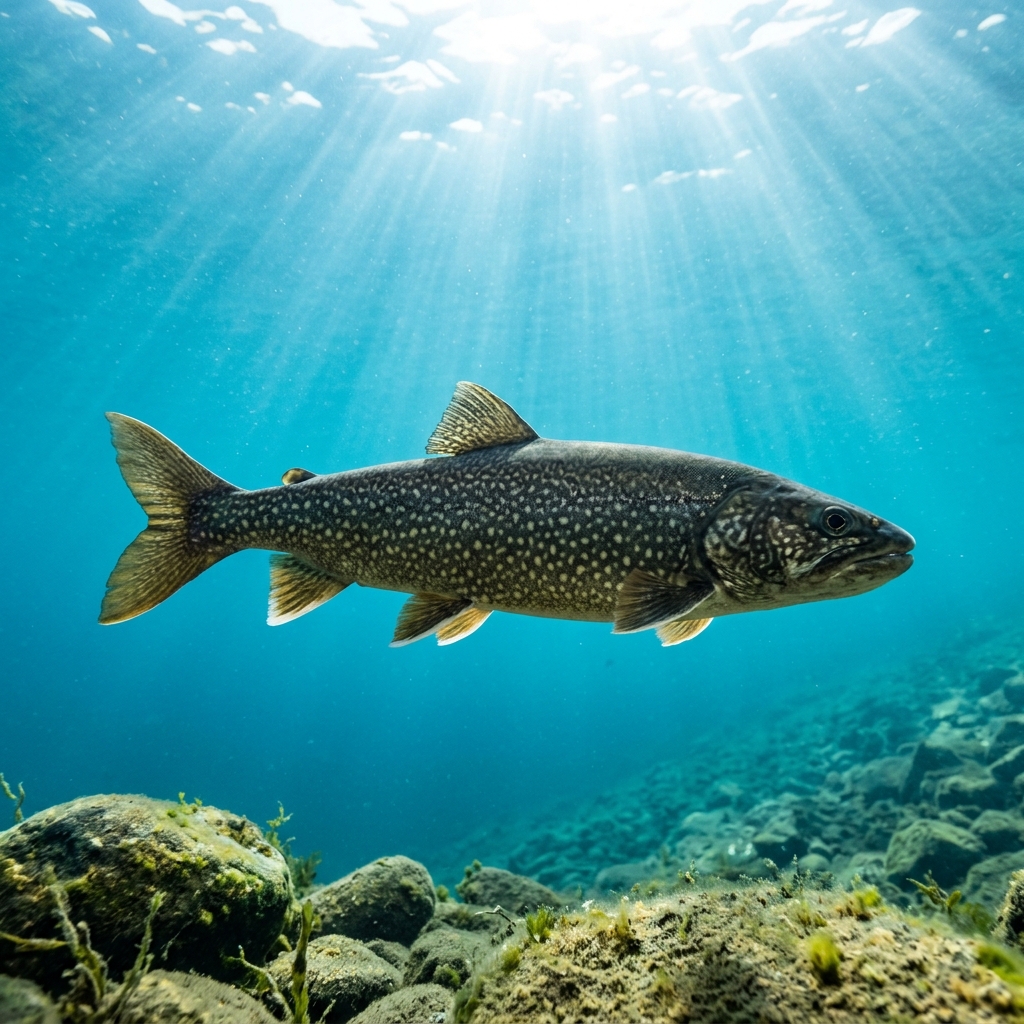
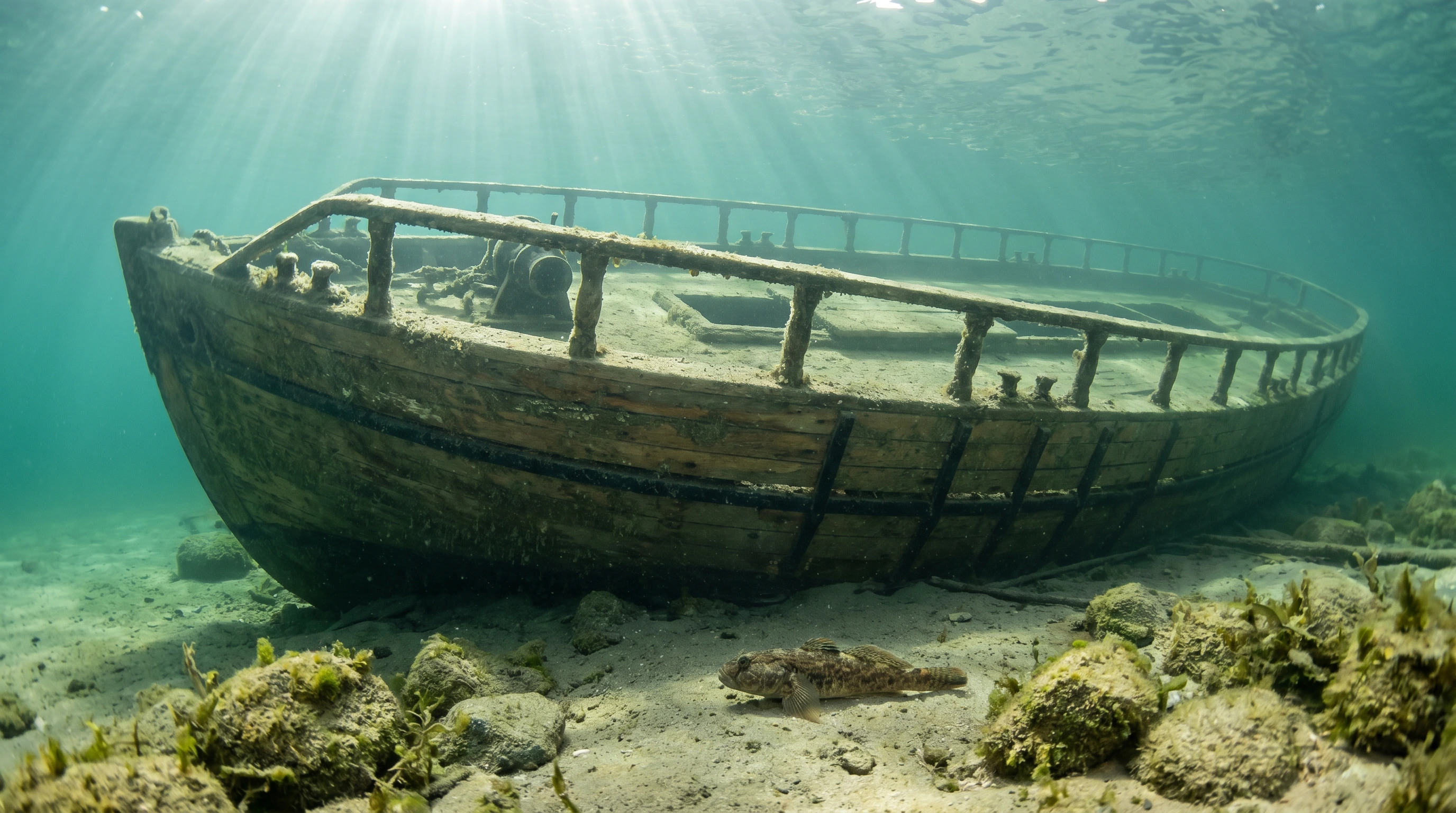
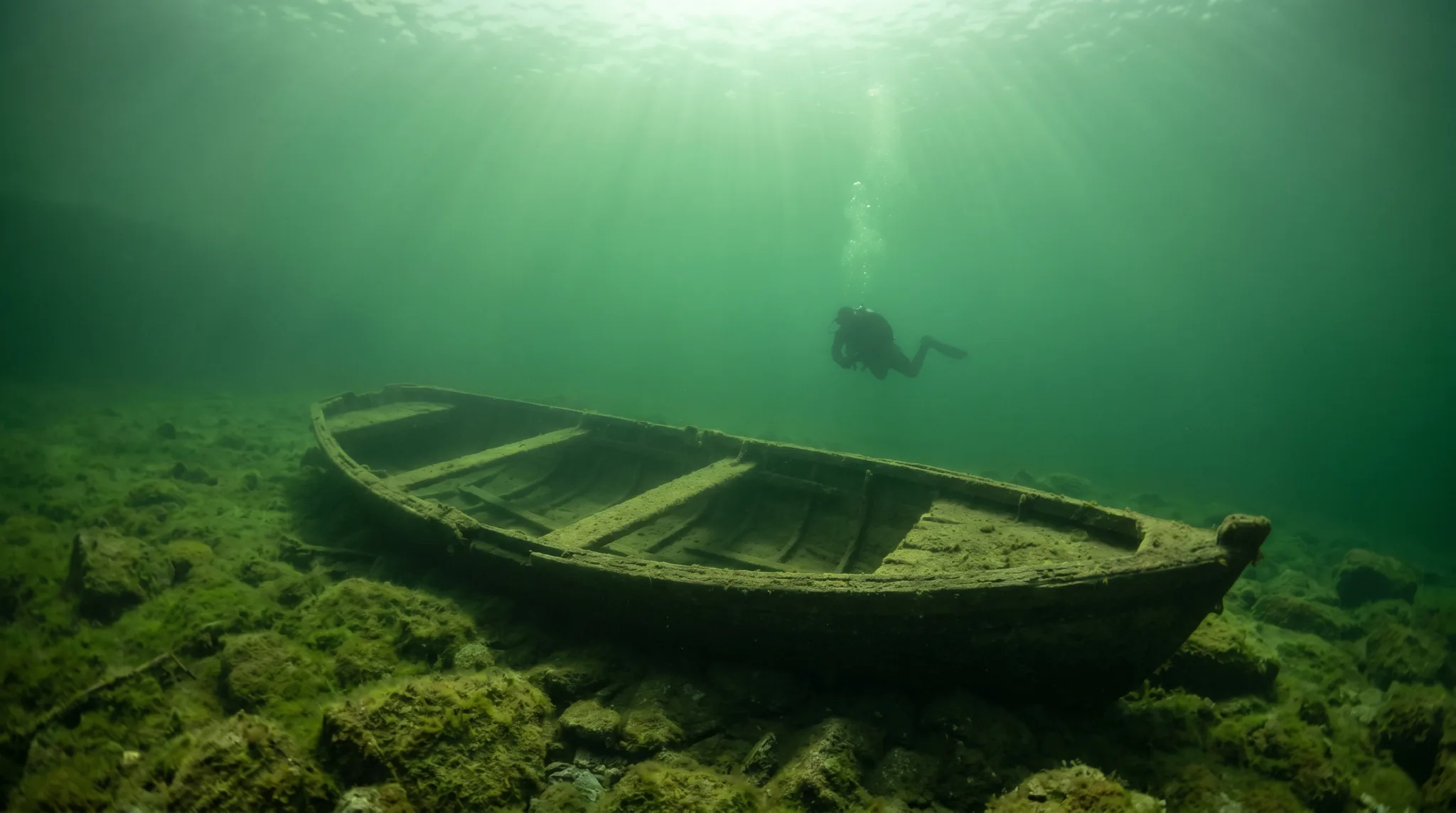
Fathom Five National Marine Park is defined by its concentration of freshwater wreck diving, with historic schooners and vessels resting across a wide range of depths within Big Tub Harbour. Beginner divers can explore shallow, accessible wrecks such as the Sweepstakes and W. L. Wetmore, while advanced divers push deeper on sites like The Arabia and The Forest City. Limestone cave formations add variety, and the resident freshwater life, including Pike, Lake Trout, and Small Mouth Bass, is consistently observed across the sites.
1 areas
Monthly water temperature across Fathom Five National Marine Park's sites, from satellite sea-surface data corrected for depth. The band shows the site-to-site spread.
Water temperatures follow a strong seasonal curve, rising from near-freezing in winter to warm summer conditions in July and August, then cooling steadily through autumn. The most popular diving runs from June through September, when conditions are most comfortable, though spring and early autumn also attract divers willing to manage colder water. Drysuits are worth considering outside peak summer months given how sharply temperatures drop at either end of the season.
15 more sites to explore
Water temperature around Fathom Five National Marine Park ranges from about 1°C in February to 19°C in August, based on satellite sea-temperature data for its dive sites.
In the warm season (about 19°C) a 5mm suit is comfortable in Fathom Five National Marine Park; in the coldest months (about 1°C) step up to a drysuit.
Fin maps 27 sites in Fathom Five National Marine Park (26 scuba diving sites and 6 snorkelling spots, with some suited to both).
Across Fathom Five National Marine Park's dive sites, June, July, August and September are most often reported as the best months to visit.
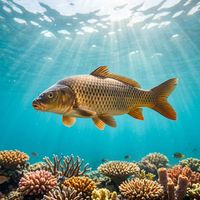
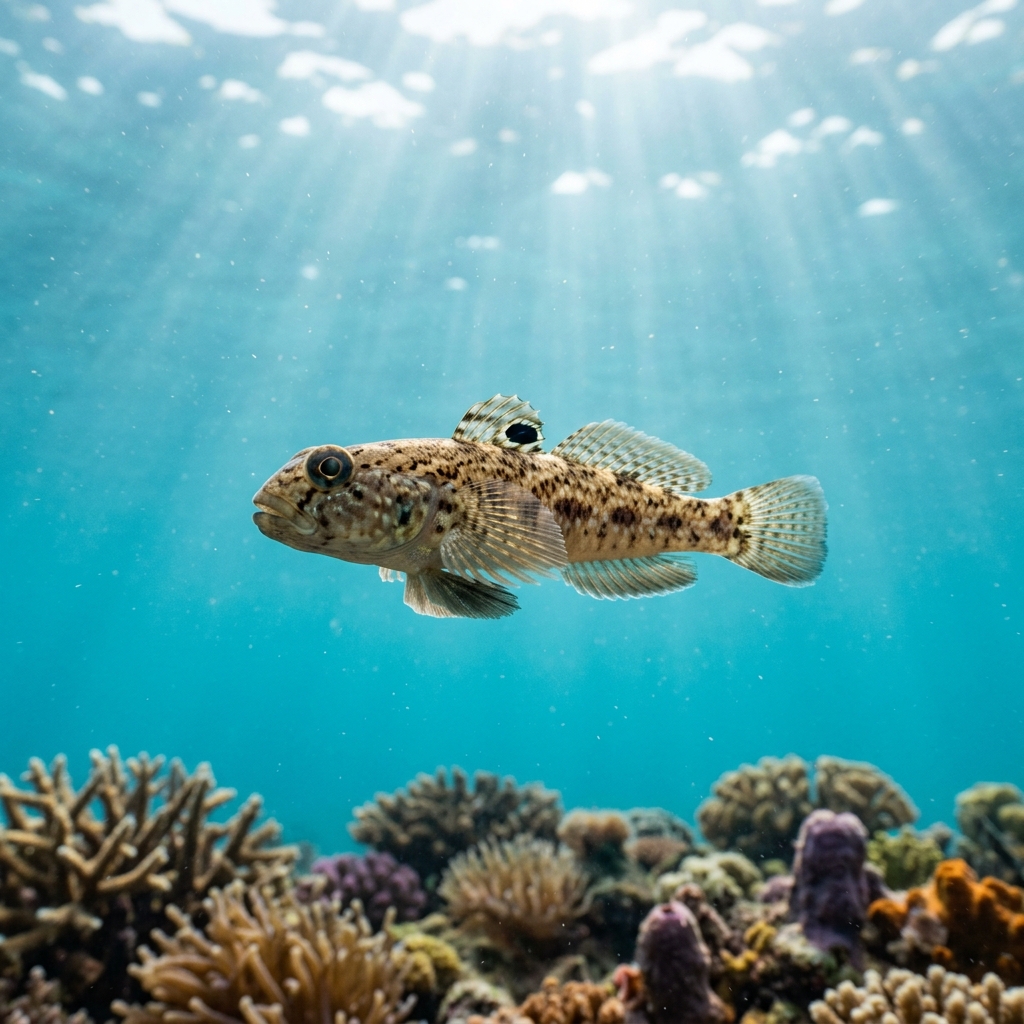
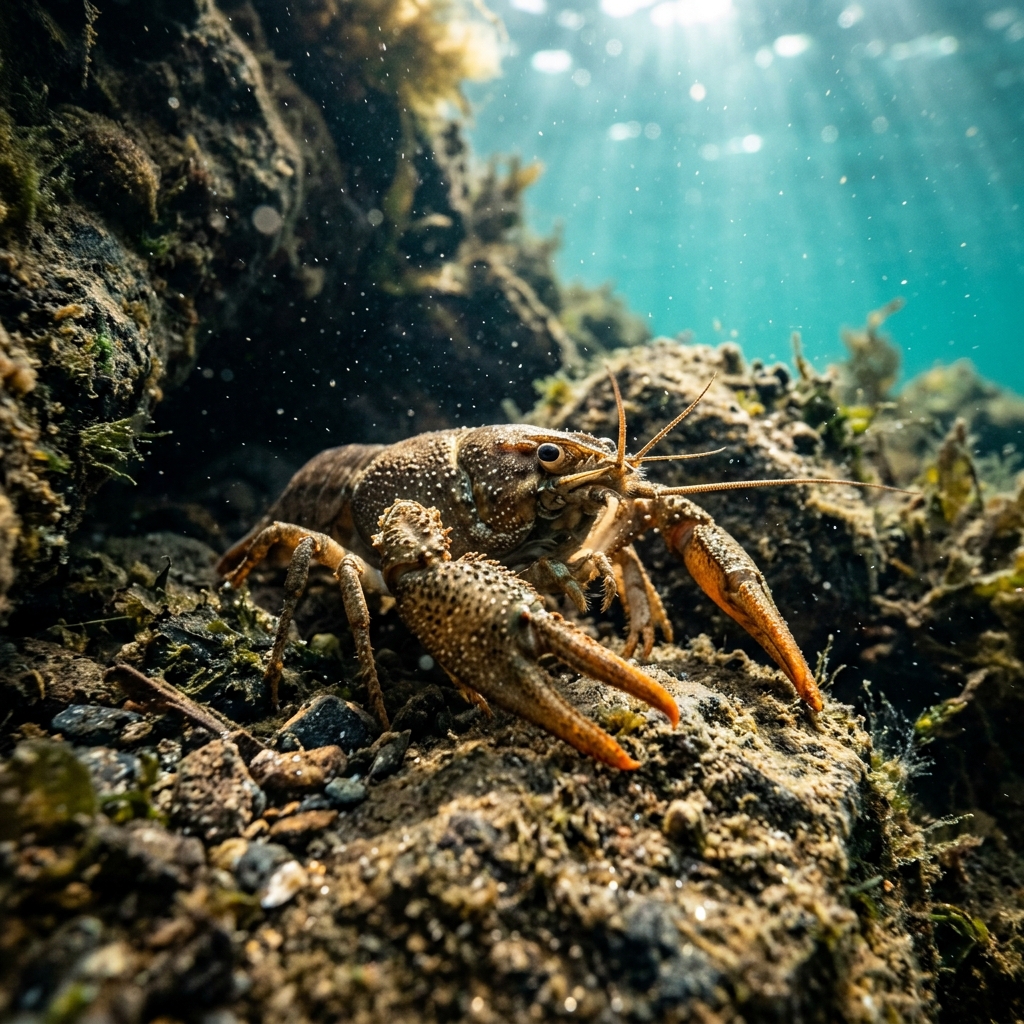
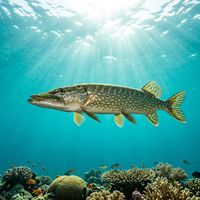
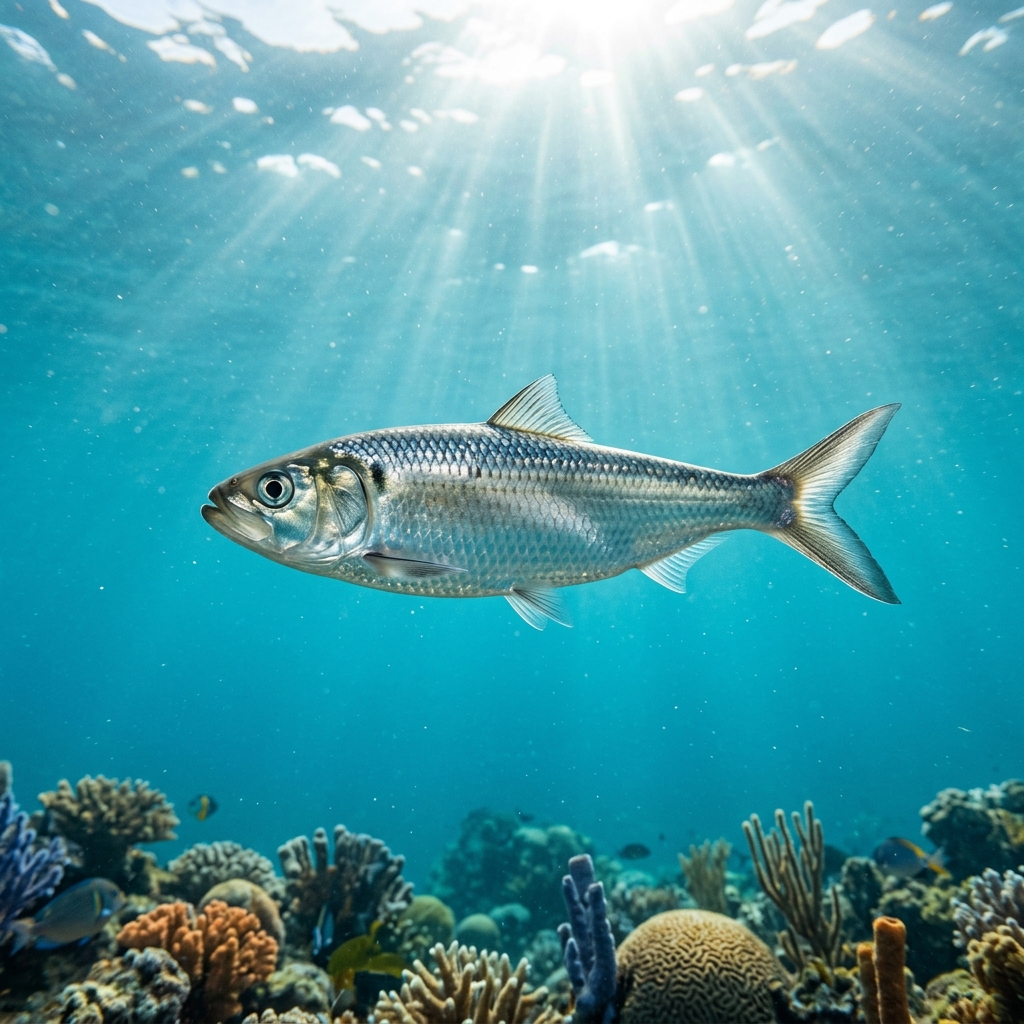
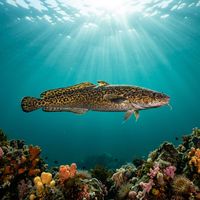
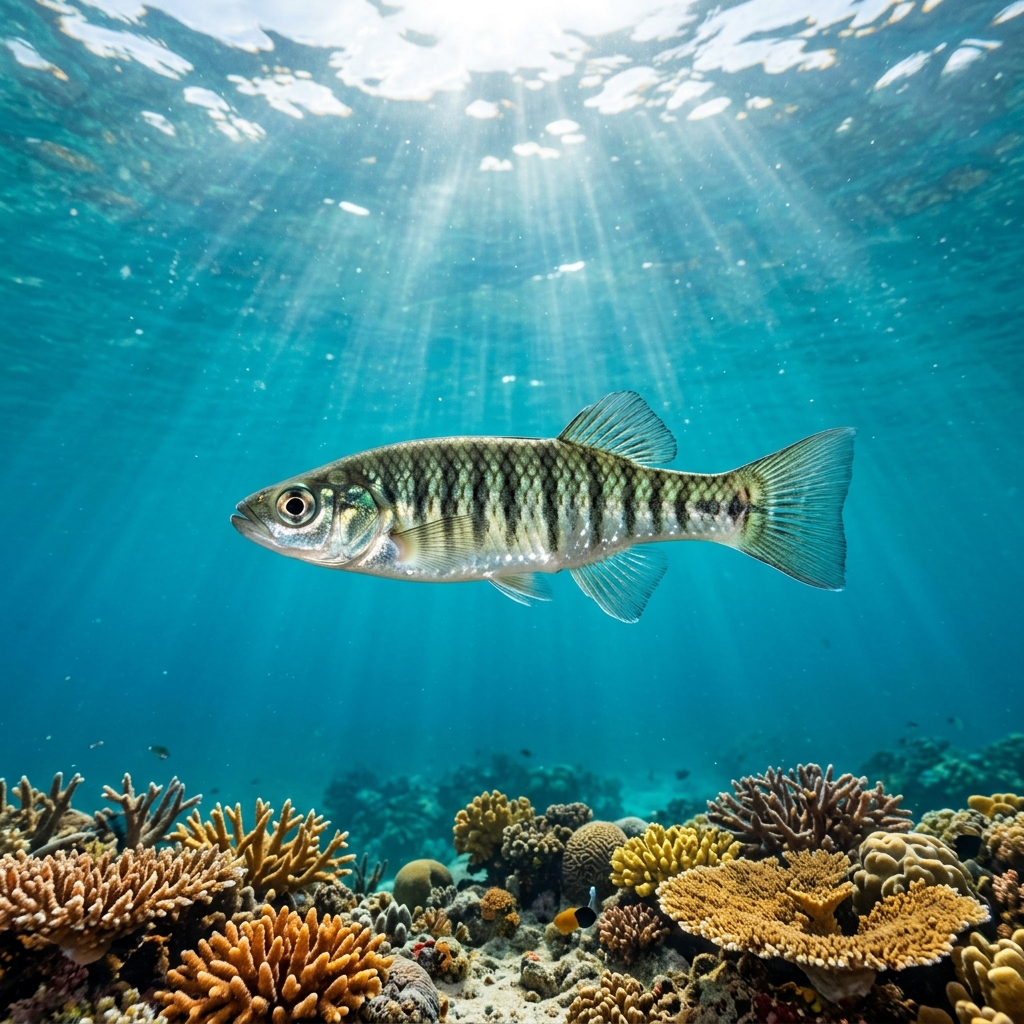
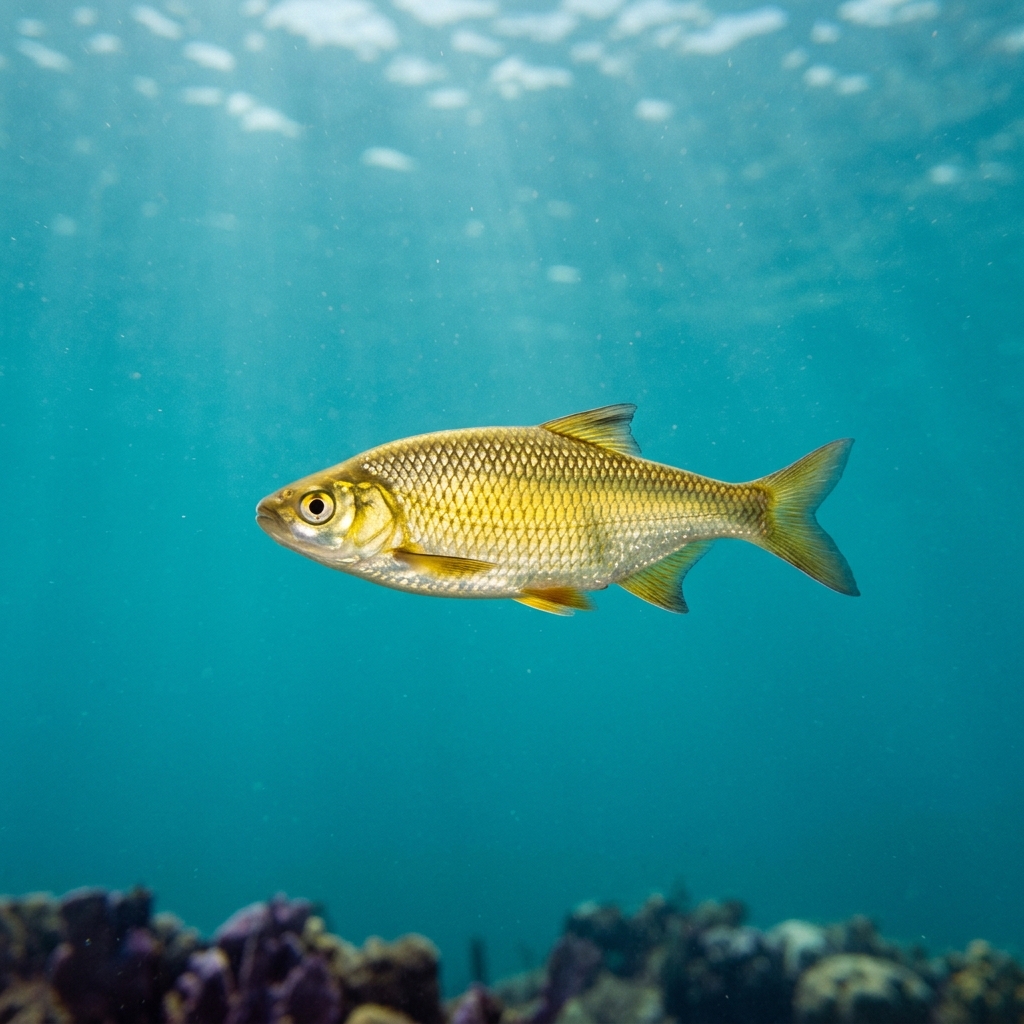
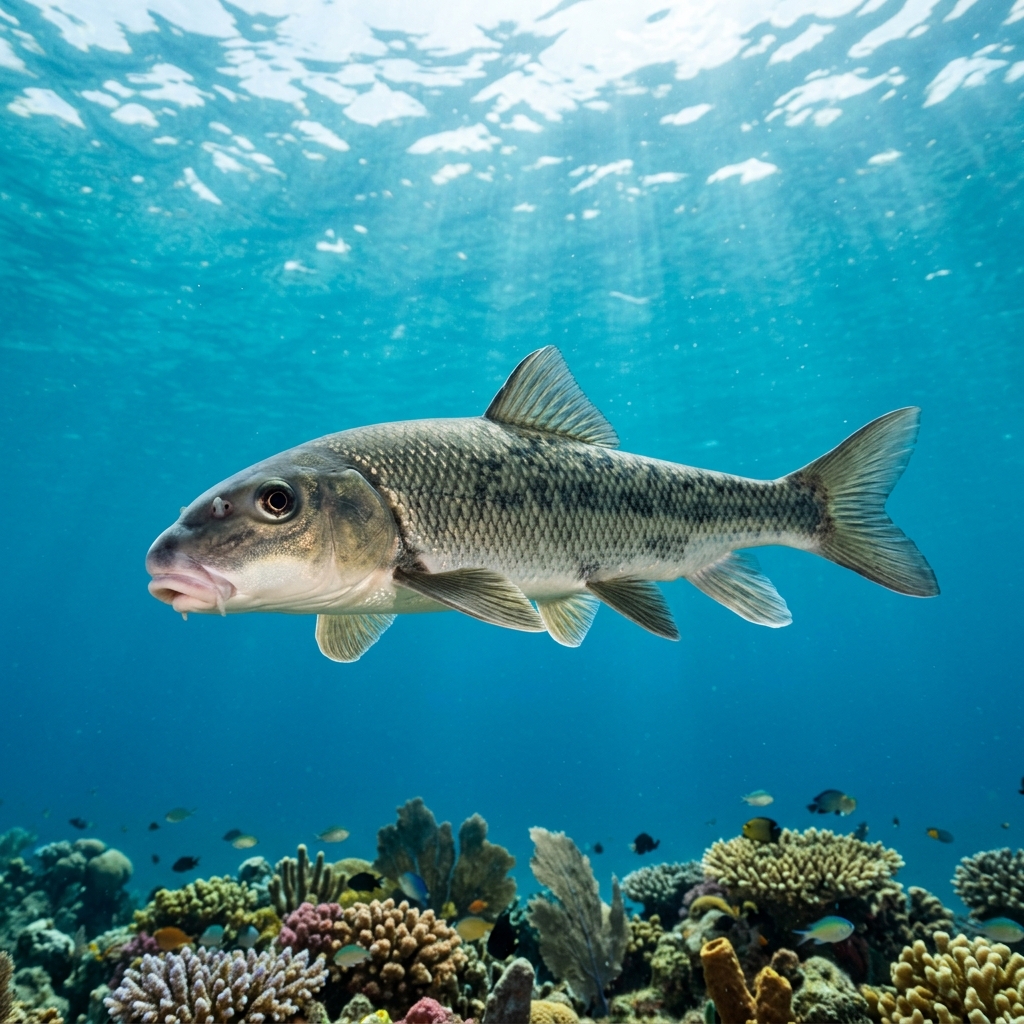
The park hosts a range of freshwater species observed regularly across its sites. Carp, American Crayfish, Pike, and Round Goby are all very commonly encountered, while Lake Trout and Small Mouth Bass are also frequently seen. Perch, Burbot, and Alewife appear at a number of sites as well. The freshwater fauna gives dives here a character quite distinct from coastal marine diving.
Yes, a good portion of the sites are rated for beginner divers. Shallow wrecks such as the Sweepstakes, W. L. Wetmore, Tobermory HBC, and The Tugs offer manageable depths and calm conditions for those building experience. Shore entry is available at several beginner sites, removing the need for a boat on a first visit. Intermediate and advanced sites are also available for those ready to progress.
Both options exist depending on the site. Shore entry is available at sites including Tobermory HBC, The Tugs, and Lake Wolsley, making them straightforward to reach independently. Many of the deeper or more exposed wrecks, such as The Arabia, North Wind Wreck, and the Caroline Rose, require boat access. Several operators based locally, including Divers Den, Dive Life Tobermory, and Great Lakes Divers, offer boat charter services.
While wrecks dominate the site list, the park also offers cave diving at The Caves, which features limestone formations and an underwater tunnel. Big Tub Lighthouse Point combines wall, reef, and wreck topography in a single dive. Lake Wolsley provides an artificial reef in a calm freshwater setting, and Thomas Place offers a very shallow reef environment suited to building confidence. The variety of site types means itineraries can be mixed across a multi-day visit.