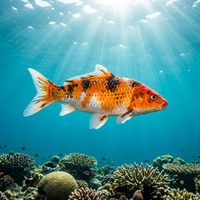
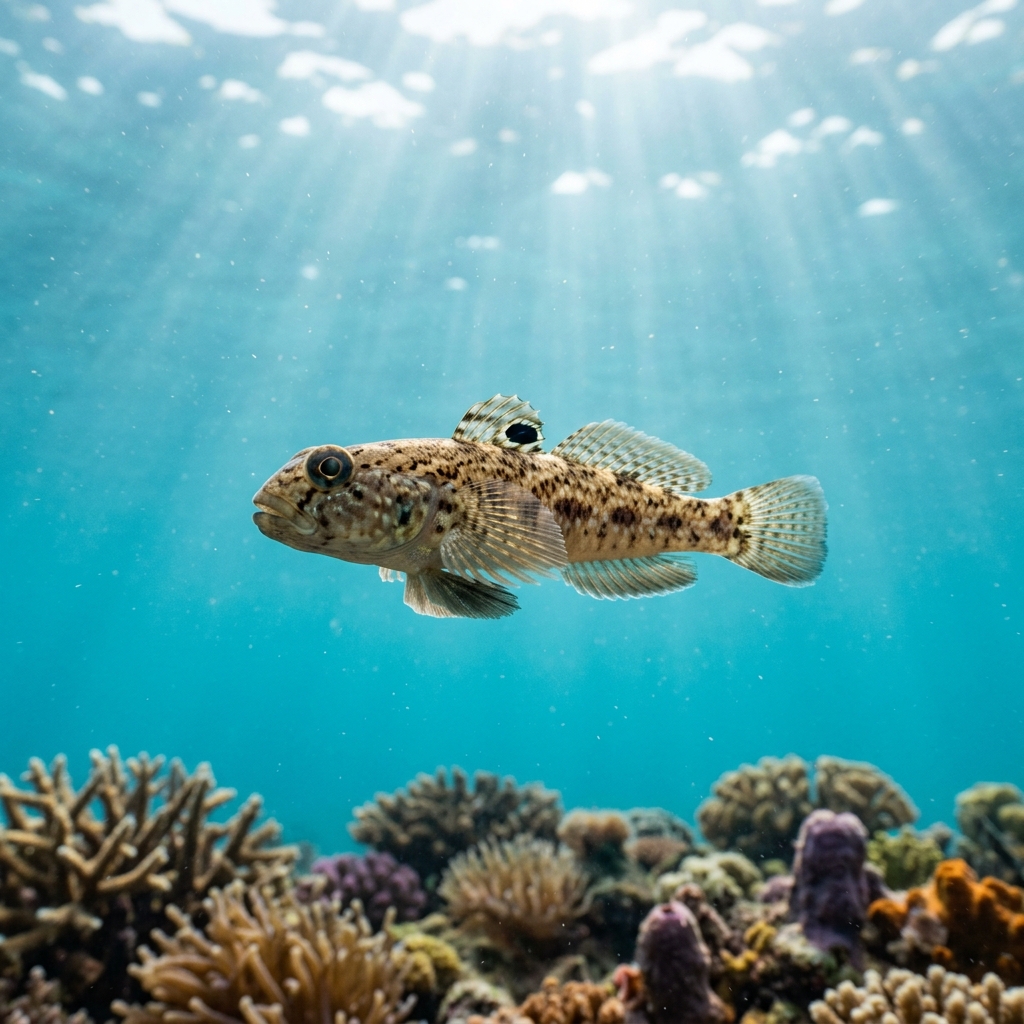
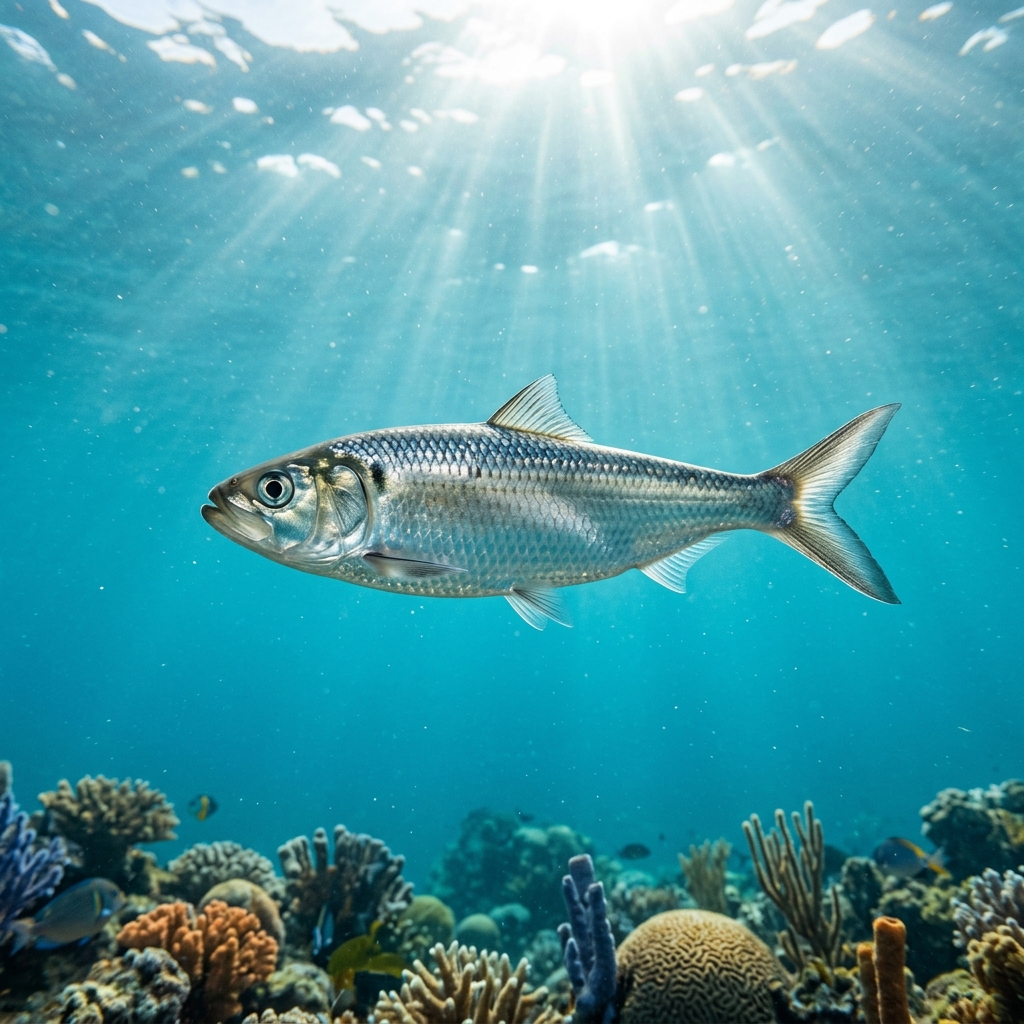
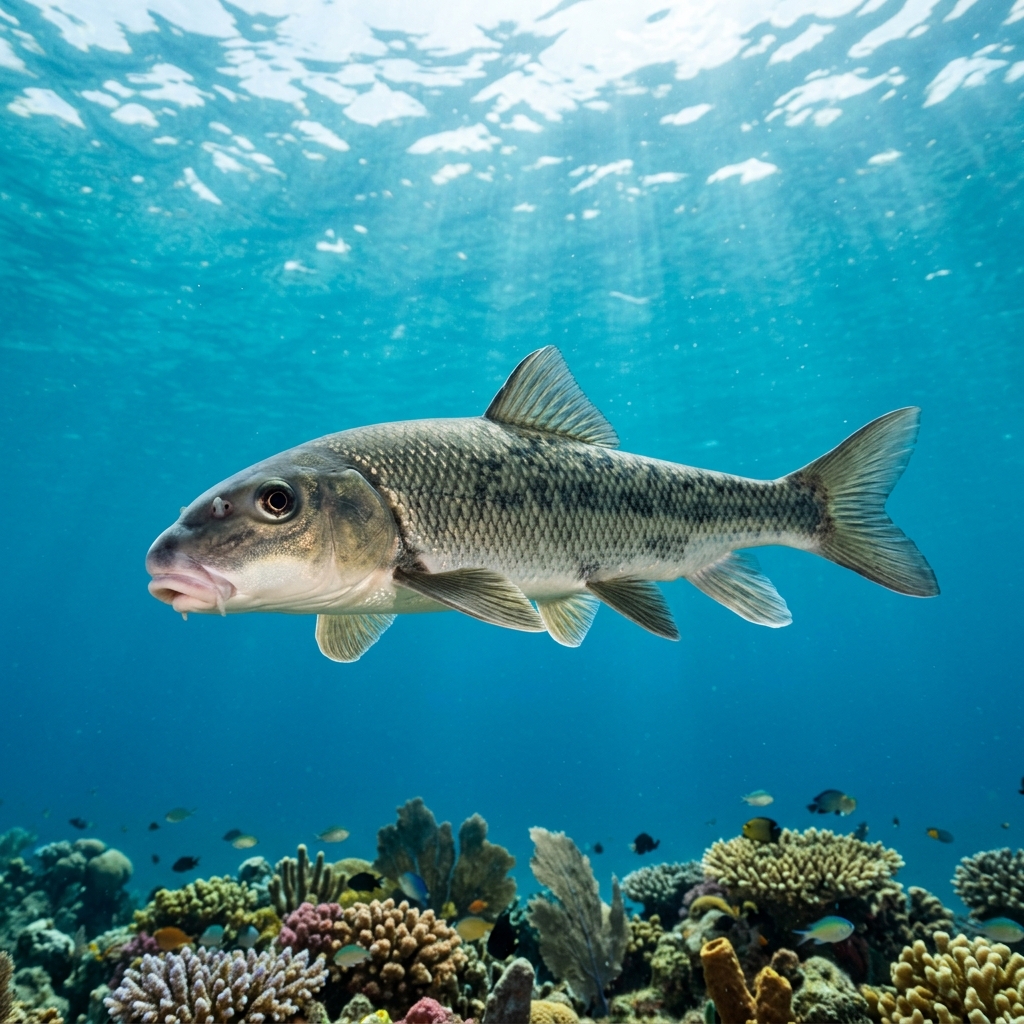
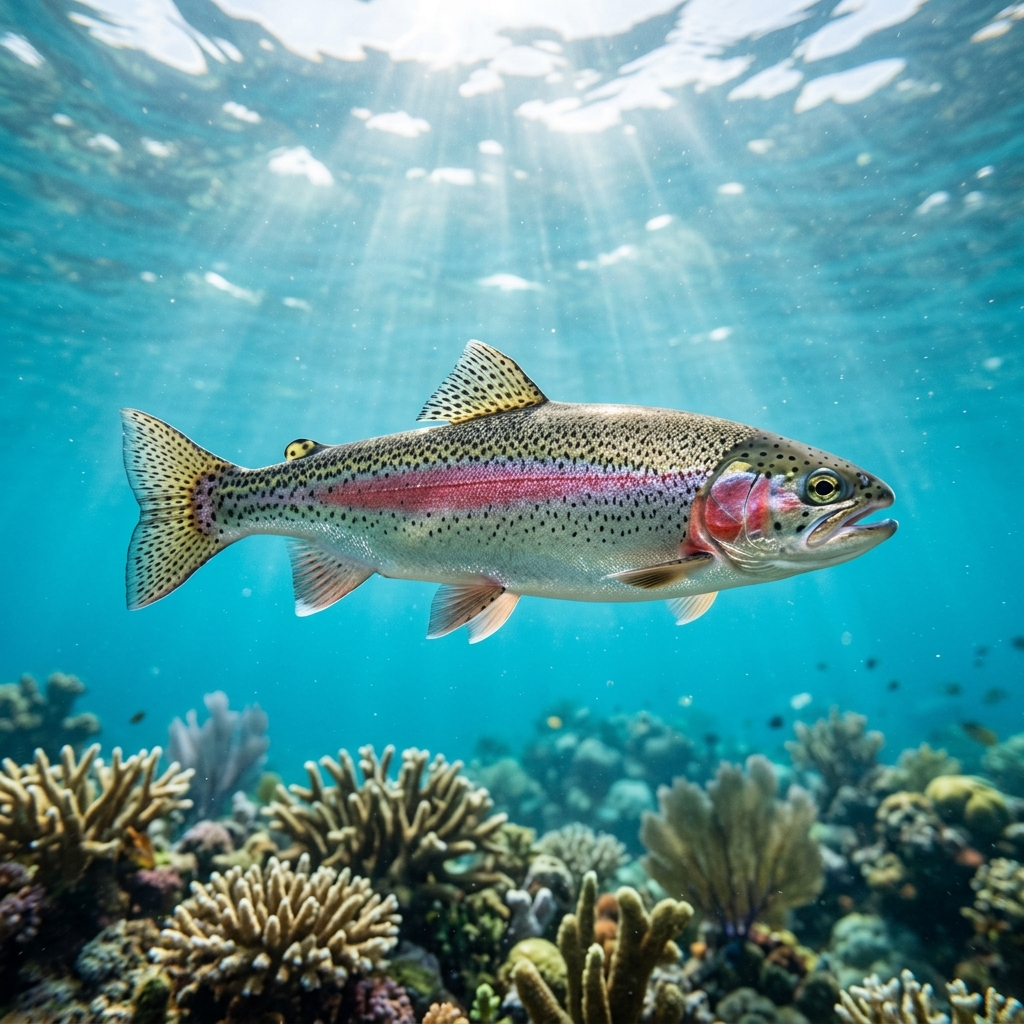
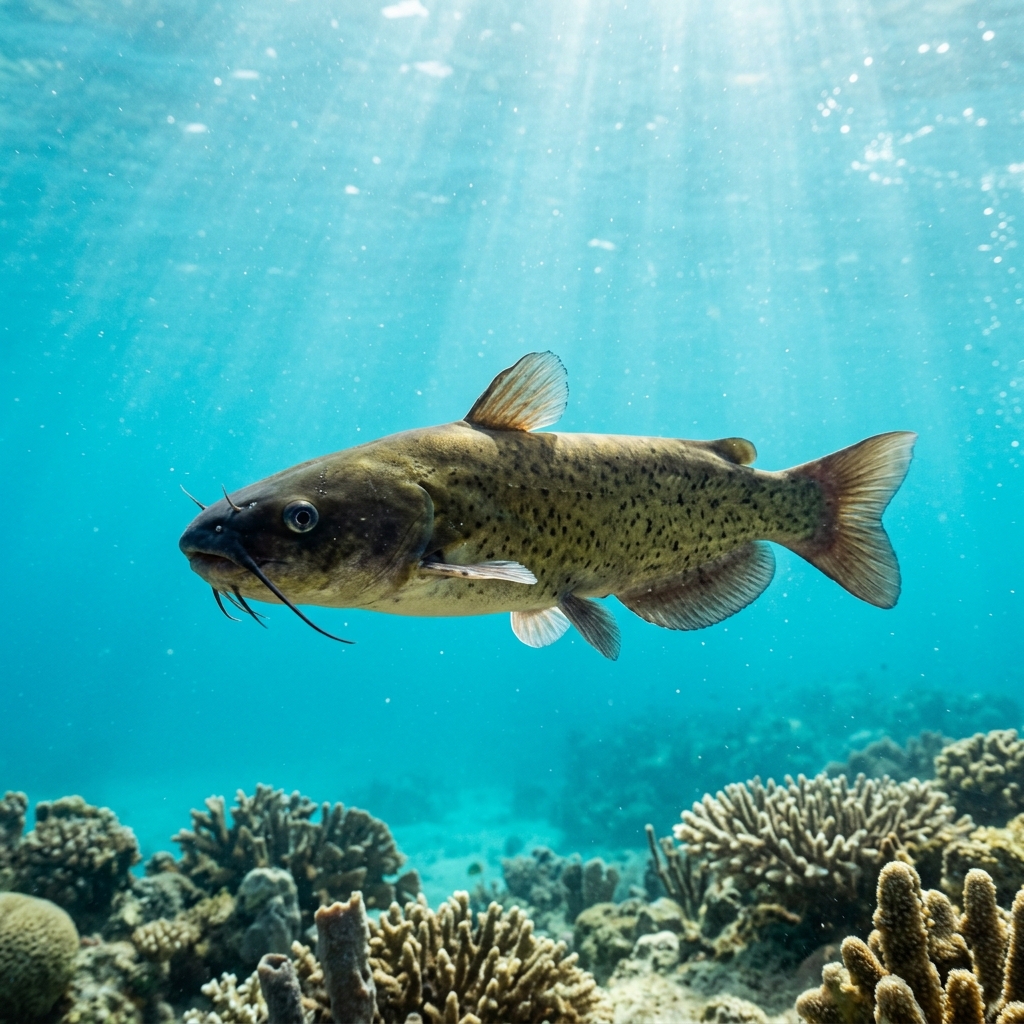
Whitby and Pickering offers a freshwater snorkelling experience shaped by the calm, shallow stretches along the Lake Ontario shoreline. The fish life is varied and reliably spotted: Common Carp, Round Goby, Pike, Alewife, and White Sucker are all very commonly observed, with Rainbow Trout, Small Mouth Bass, and Common Perch appearing regularly too. Water warms noticeably through summer, making July and August the most comfortable months for getting in. Visibility is modest, rewarding patient snorkellers who move slowly along the bottom.
Monthly water temperature across Whitby & Pickering's sites, from satellite sea-surface data corrected for depth. The band shows the site-to-site spread.
8 operators
Scarborough, Canada
Oshawa, Canada
25 more sites to explore
Water temperature around Whitby & Pickering ranges from about 4°C in January to 21°C in August, based on satellite sea-temperature data for its dive sites.
In the warm season (about 21°C) a 5mm suit is comfortable in Whitby & Pickering; in the coldest months (about 4°C) step up to a drysuit.
Fin maps 27 sites in Whitby & Pickering (7 scuba diving sites and 22 snorkelling spots, with some suited to both).
Across Whitby & Pickering's dive sites, June, July, August and September are most often reported as the best months to visit.
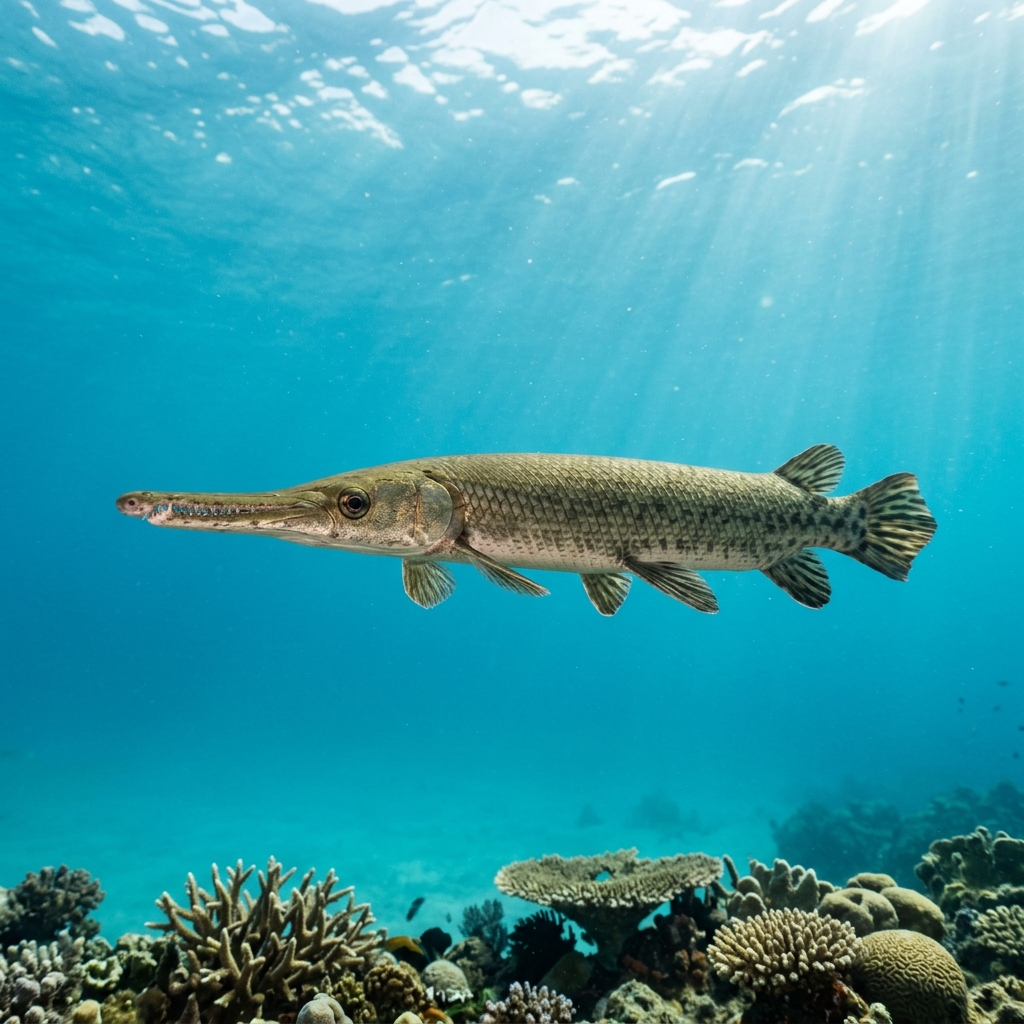
The most commonly observed species are Common Carp, Round Goby, Alewife, Pike, and White Sucker. Rainbow Trout, Common Perch, and Small Mouth Bass are also frequently spotted. Less common but observation-backed encounters include Longnose Gar, Lake Trout, and even Lamprey. Moving slowly and staying close to the bottom gives you the best chance of close encounters.
The majority of sites are shallow and calm, making them accessible to beginners and families with children. The broad mix of snorkel sites across the region means there are gentle entry points without strong exposure. Summer months bring the warmest water, reducing the chill that can make longer sessions uncomfortable for less experienced snorkellers.
Most snorkel sites in this region are shore-entry, which means no boat is required and access is straightforward. Several local operators and clubs, including the Toronto and Region Conservation Authority and the Central Lake Ontario Conservation Authority, are active in the area and can provide guidance. Checking with a local operator before visiting is a good way to confirm current conditions.
A number of operators and dive clubs serve this region, including Judokaa Dive Center, Dive Source Scuba, Innerspace Divers Supply, the Ajax SCUBA Club, Scuba Ontario Club, and the Scarborough Underwater Club Inc. The Toronto and Region Conservation Authority and the Central Lake Ontario Conservation Authority are also involved in local water access and conservation activities. Many of these organisations are a useful first contact for site information and guided experiences.