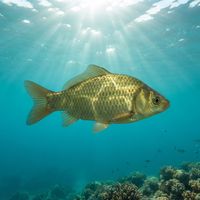
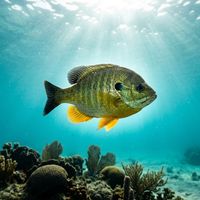
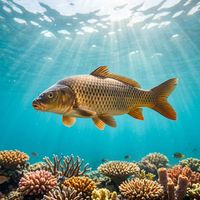
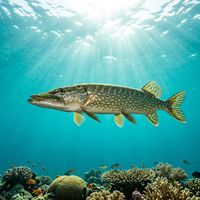
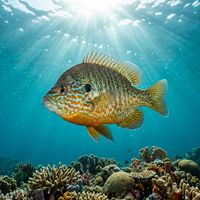
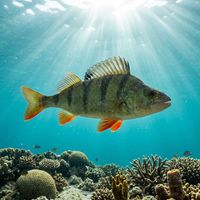
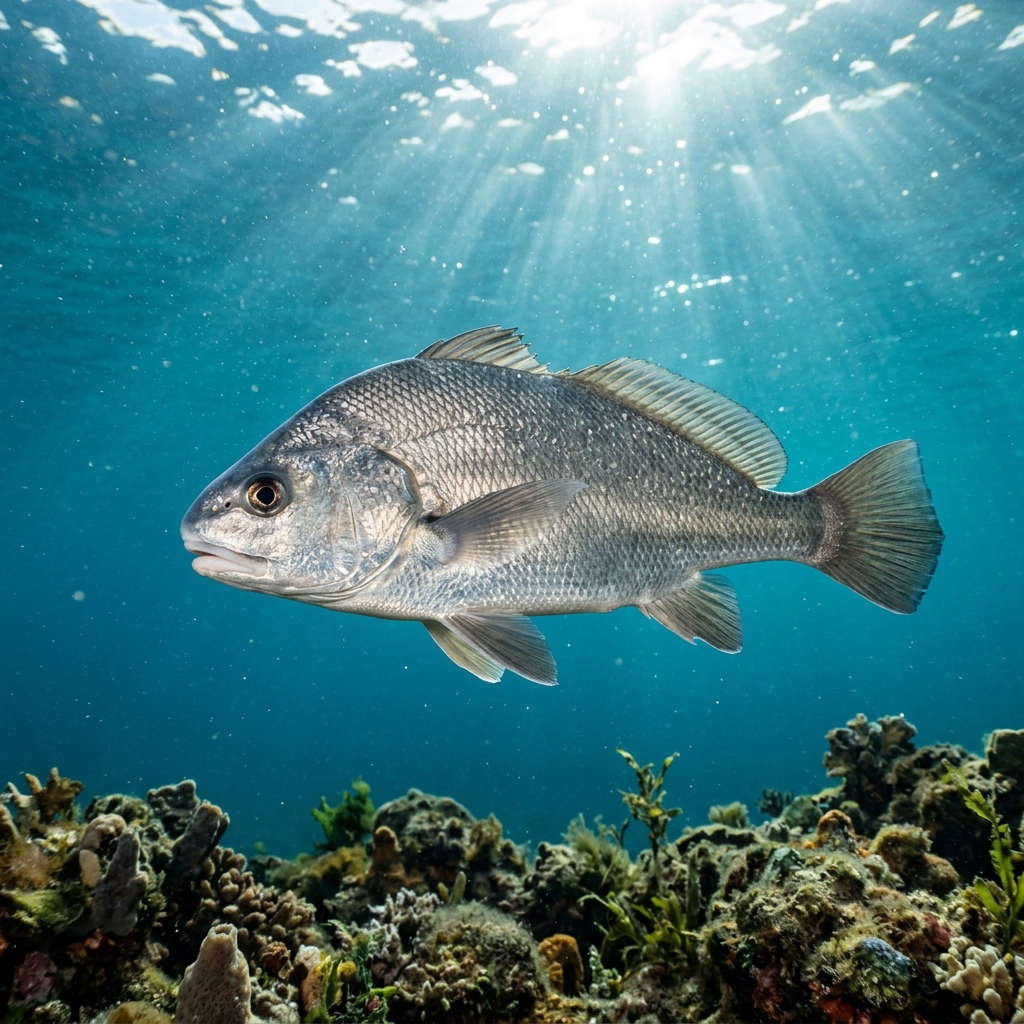
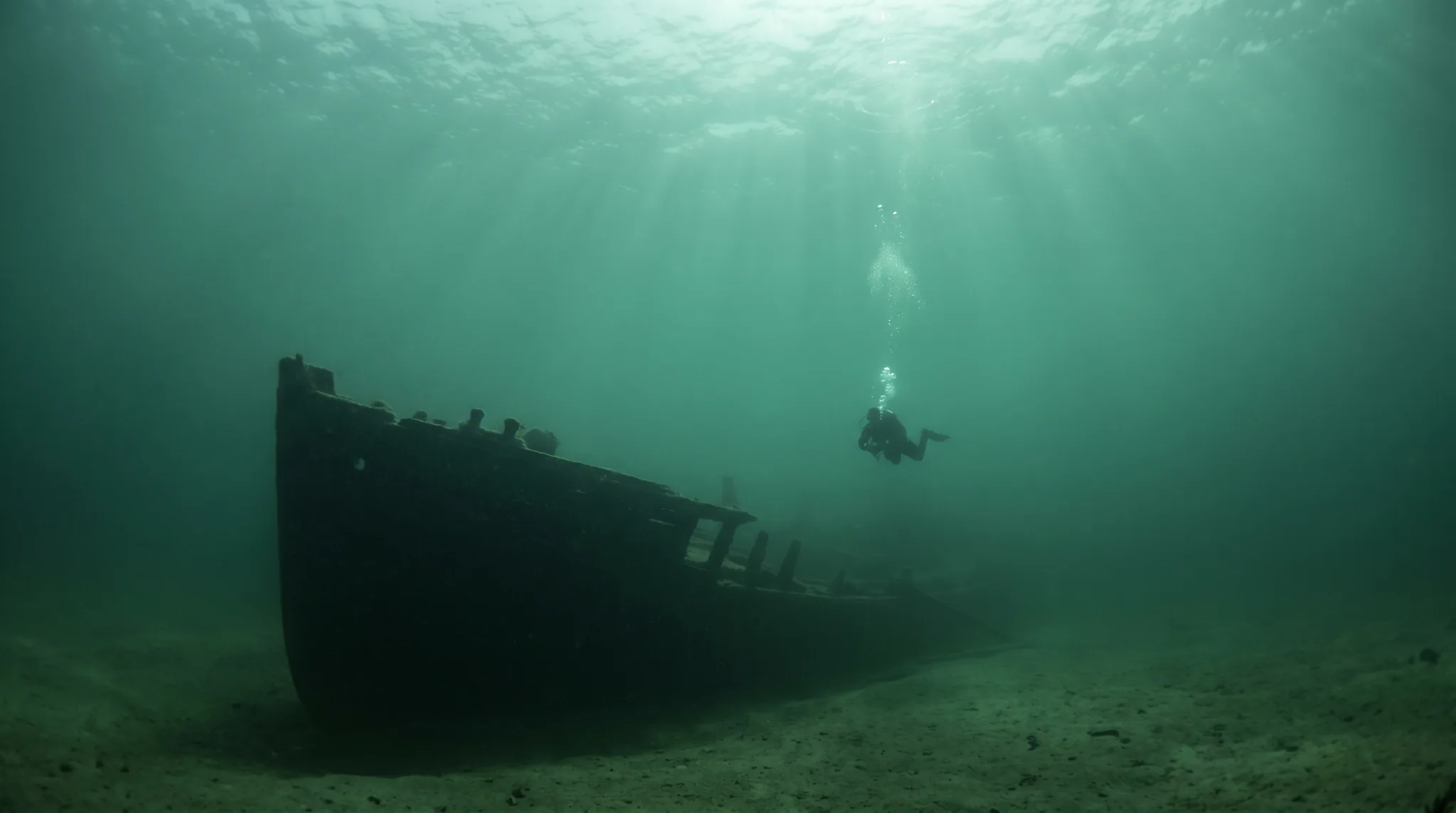
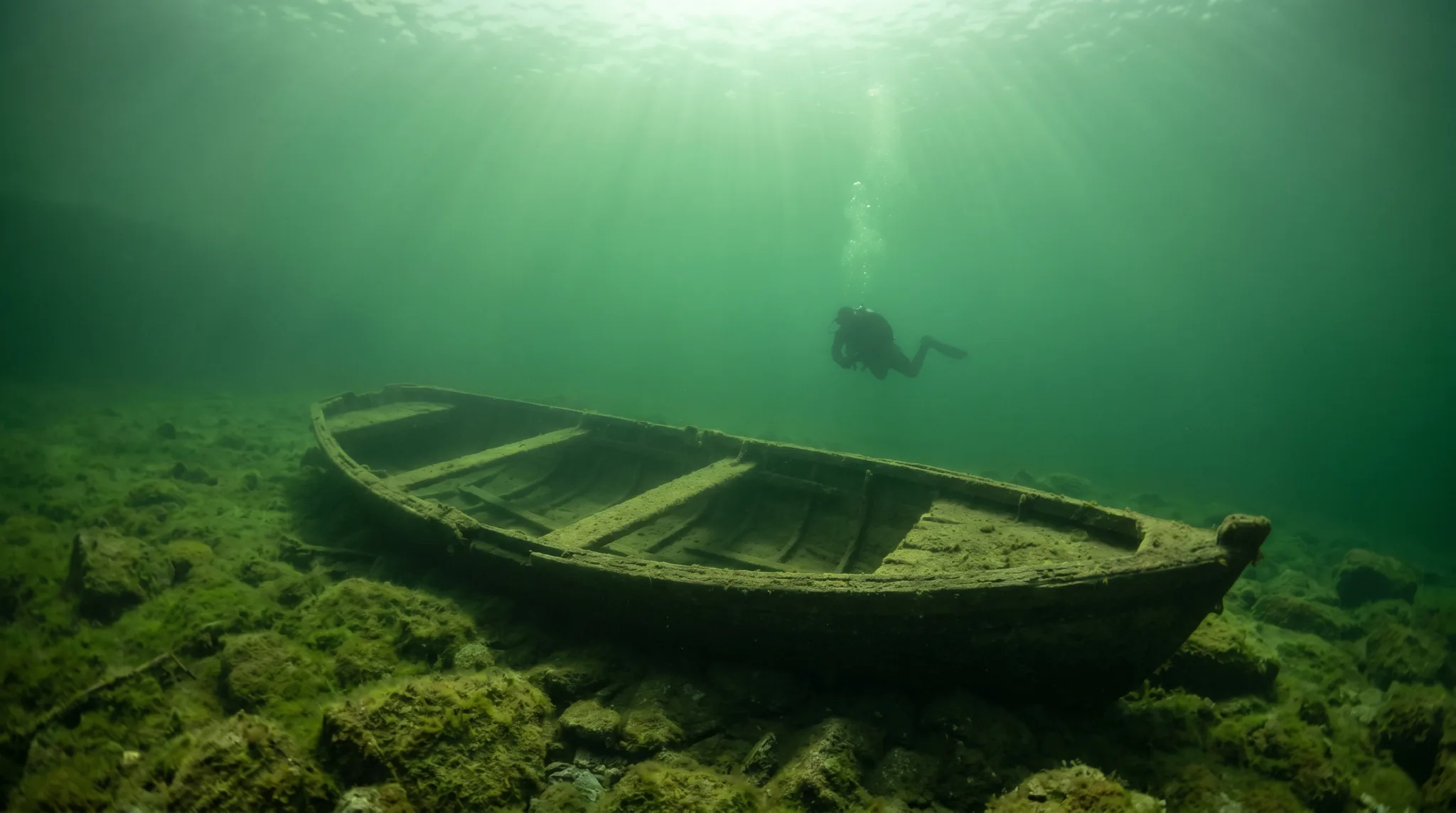
Long Point and Port Dover offer freshwater diving and snorkelling across a mix of wreck and shallow sites on Lake Erie. The Wilma Wreck is the standout dive, spanning a wide depth range and suited to intermediate divers arriving by boat. Marine life is dominated by familiar freshwater species: Blue Gill, Carp, Pike, and Sun Perch are very commonly sighted, with occasional encounters with Channel Catfish, Small Mouth Bass, and Freshwater Drum. Water warms considerably from late spring into summer, shaping a clear seasonal window.
Monthly water temperature across Long Point & Port Dover's sites, from satellite sea-surface data corrected for depth. The band shows the site-to-site spread.
Water temperatures rise steadily from May, peaking in July and August before cooling through autumn. The warmest months offer the most comfortable diving, though a drysuit or thick wetsuit remains wise outside midsummer given the cold winters and cool spring shoulder season. Visibility is reasonable across the season, making the summer window the most productive time to explore sites like the Wilma Wreck.
3 operators
18 more sites to explore
Water temperature around Long Point & Port Dover ranges from about 1°C in February to 23°C in August, based on satellite sea-temperature data for its dive sites.
In the warm season (about 23°C) a 3mm full suit is comfortable in Long Point & Port Dover; in the coldest months (about 1°C) step up to a drysuit.
Fin maps 19 sites in Long Point & Port Dover (12 scuba diving sites and 8 snorkelling spots, with some suited to both).
Across Long Point & Port Dover's dive sites, June, July, August and September are most often reported as the best months to visit.
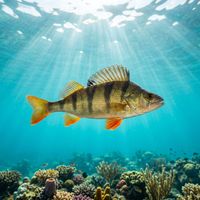
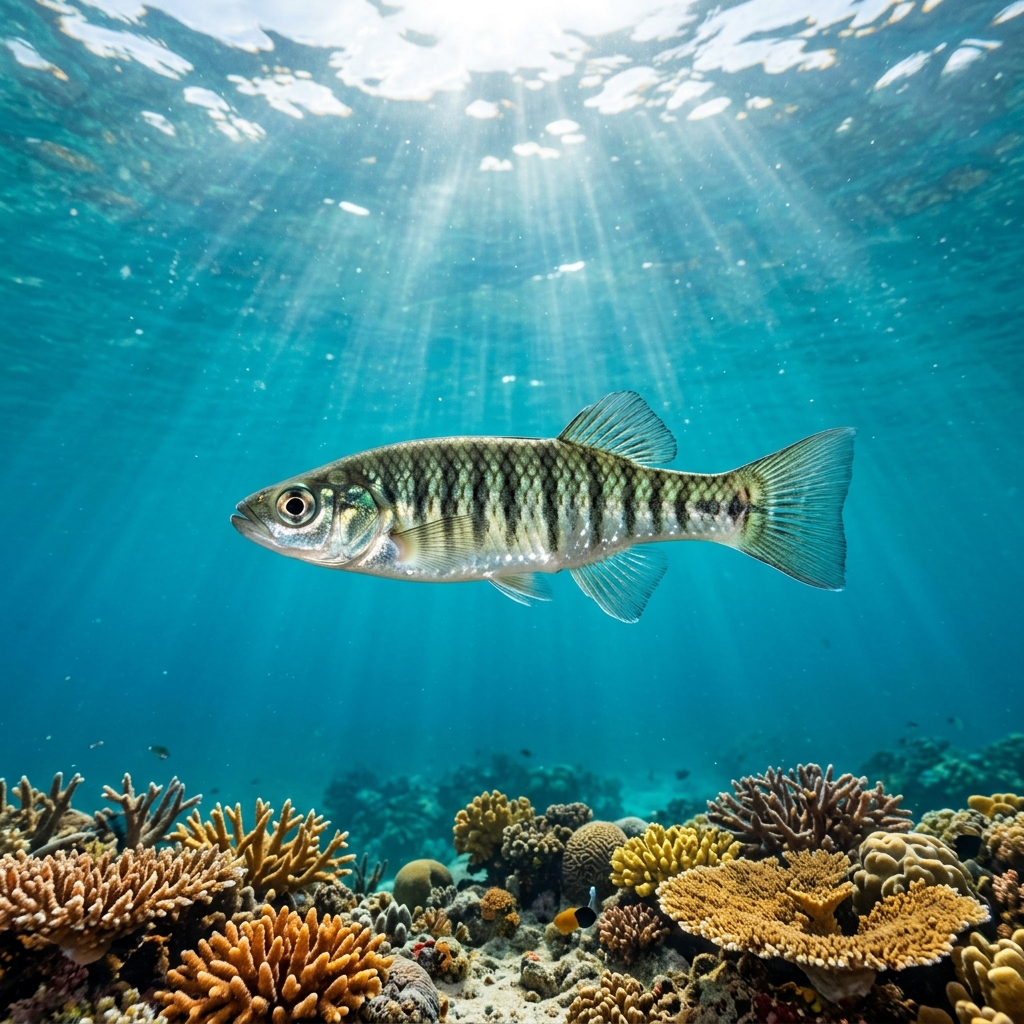
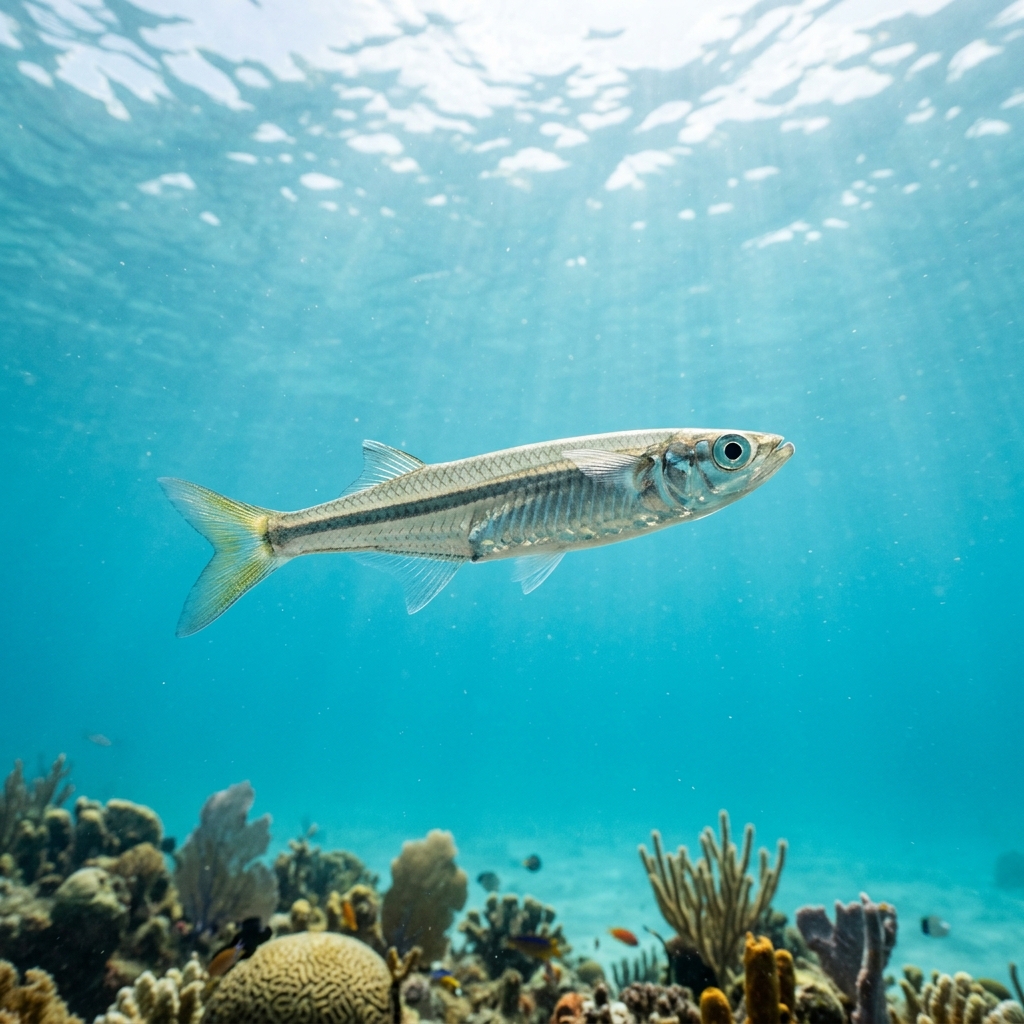
Blue Gill, Carp, Pike, and Sun Perch are all very commonly observed across the region's sites. Perch and Freshwater Drum appear regularly, while occasional sightings include Small Mouth Bass, Channel Catfish, Banded Killifish, and Brook Silverside. Less frequent encounters with Walleye, Black Crappie, and Bowfin are also on record.
The site mix includes entries at varying skill levels, and the Wilma Wreck is rated intermediate, so complete beginners may find some sites a stretch without guided support. Shallower sites offer a gentler introduction to freshwater diving. Several local operators are listed for the area, including London Scuba Centre and Pegasus Safety and Rescue Ltd., which may offer guidance.
Boat access is required for at least the Wilma Wreck, the region's most prominent dive site. A number of operators are active in the area, including Grand Experiences and Long Point Eco-Adventures, which may assist with access and logistics. Shore-accessible sites are also present across the broader site mix.
The region combines wreck diving with shallower sites suited to snorkelling, giving it a dual character. The Wilma Wreck offers the most varied depth profile and is the clear draw for divers seeking an underwater structure to explore. Shallower sites serve snorkellers well, with calm freshwater conditions and abundant fish life visible without depth.