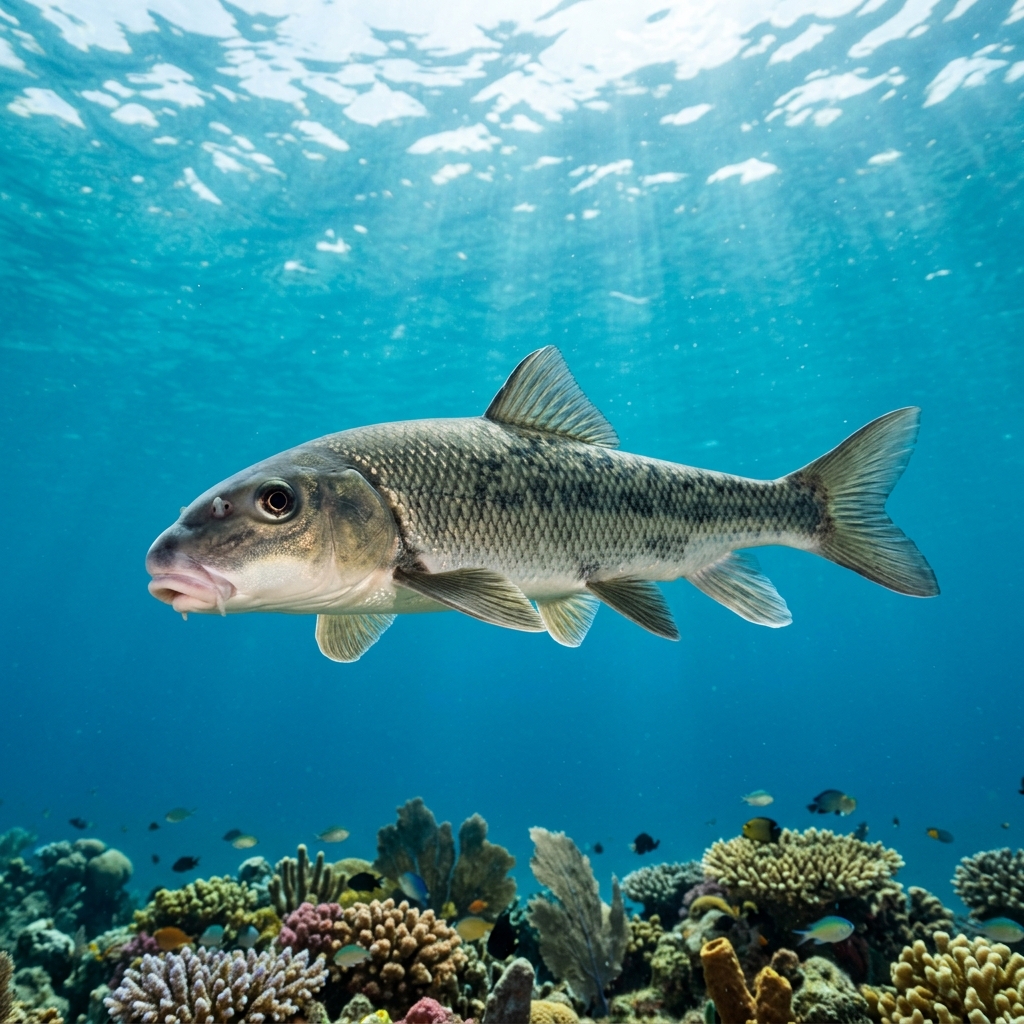
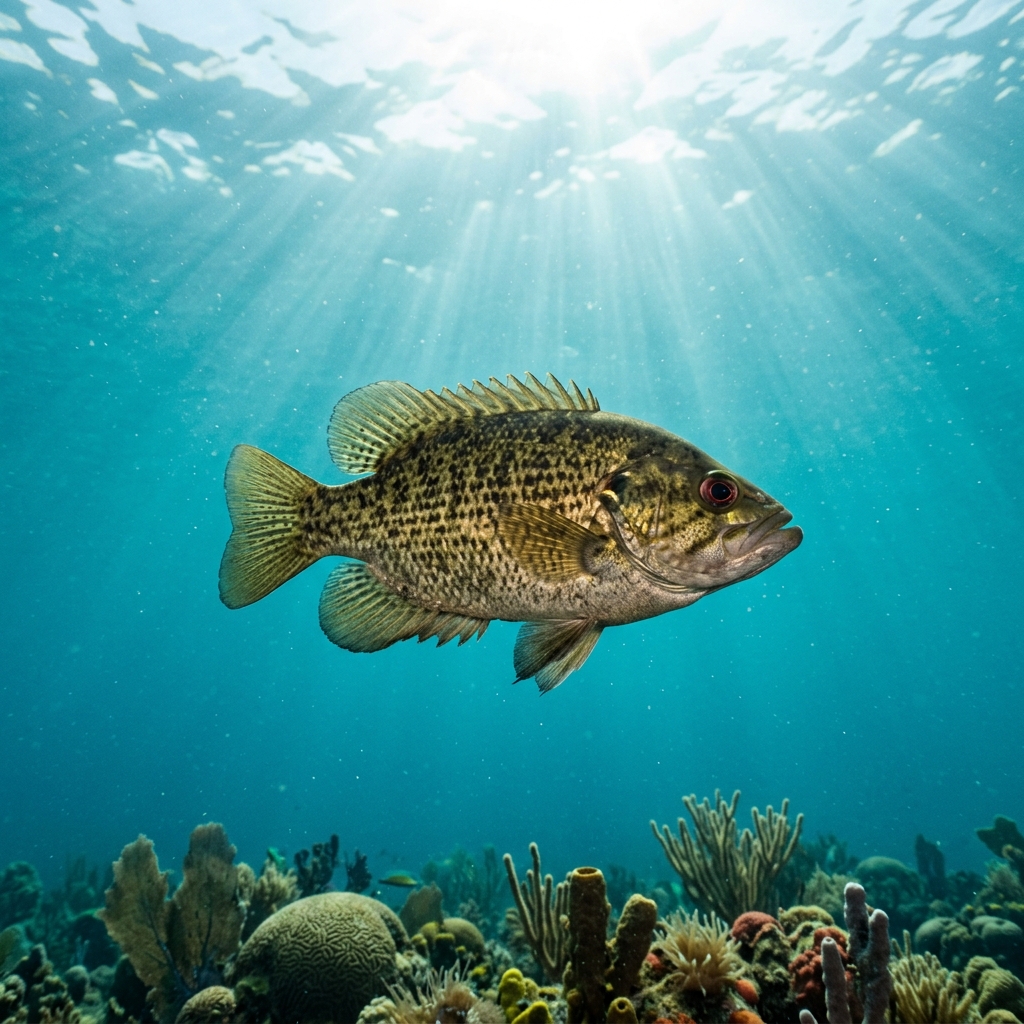
Rondeau and Erieau offer a mix of wreck diving, drift diving, and calm shallow sites across a freshwater setting. The St Clair River draws intermediate divers with strong currents and submerged wrecks, while shore-accessible sites like Gladstone suit beginners with gentle depths. Freshwater Drum is encountered across most sites, with Gizzard Shad, Common Carp, Sucker, and Perch also commonly sighted. Sturgeon and Longnose Gar add occasional encounters of a different character.
Monthly water temperature across Rondeau & Erieau's sites, from satellite sea-surface data corrected for depth. The band shows the site-to-site spread.
Water temperatures follow a pronounced seasonal curve, rising from cold winter lows to warm summer highs in July and August, which represent the most comfortable conditions for extended dives. Spring and early autumn offer a useful shoulder window, though a drysuit or thick wetsuit is wise outside the warmest months. The St Clair River's currents demand respect year-round, and conditions there are best assessed locally before entry.
1 operator
22 more sites to explore
Water temperature around Rondeau & Erieau ranges from about 1°C in February to 24°C in August, based on satellite sea-temperature data for its dive sites.
In the warm season (about 24°C) a 3mm full suit is comfortable in Rondeau & Erieau; in the coldest months (about 1°C) step up to a drysuit.
Fin maps 24 sites in Rondeau & Erieau (13 scuba diving sites and 12 snorkelling spots, with some suited to both).
Across Rondeau & Erieau's dive sites, June, July, August and September are most often reported as the best months to visit.
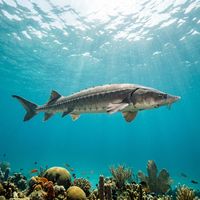
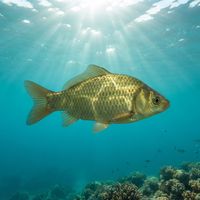
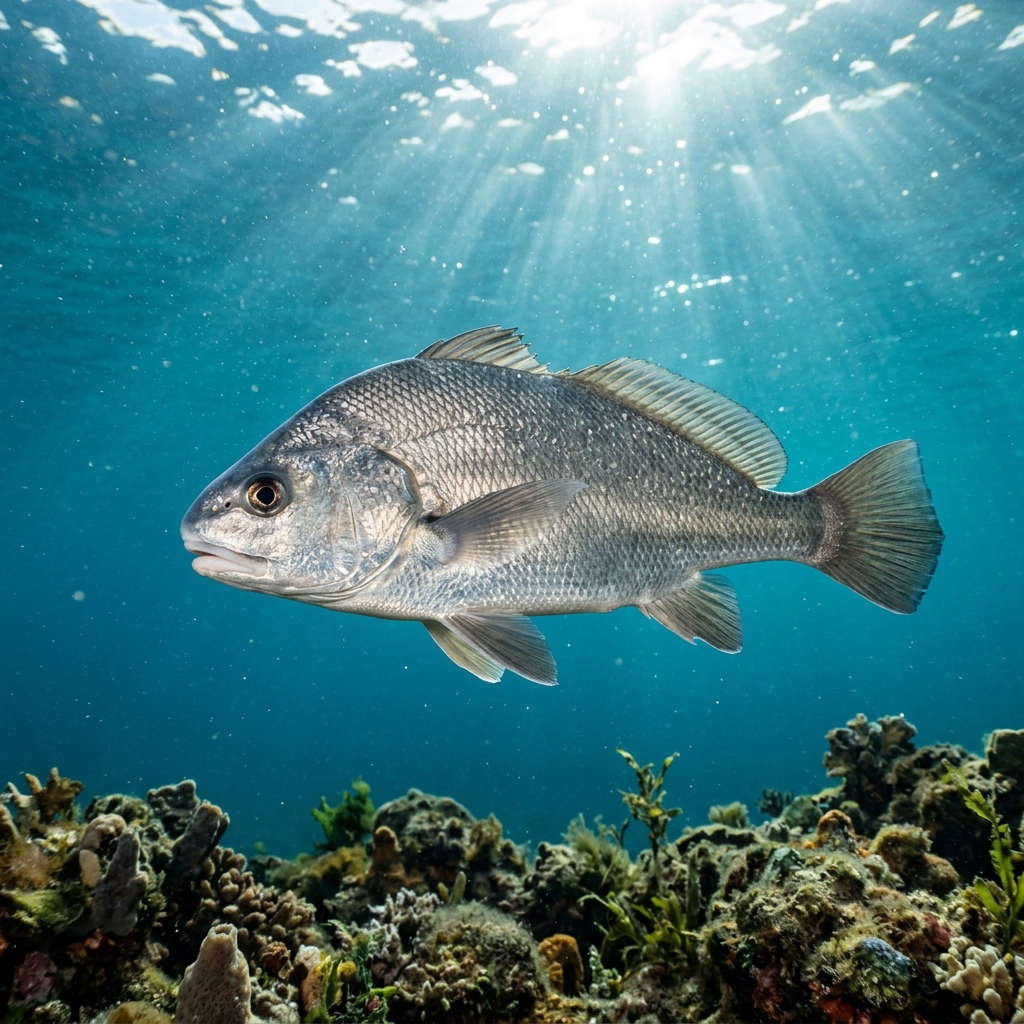
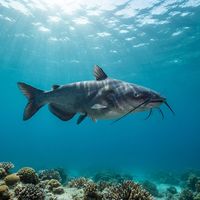
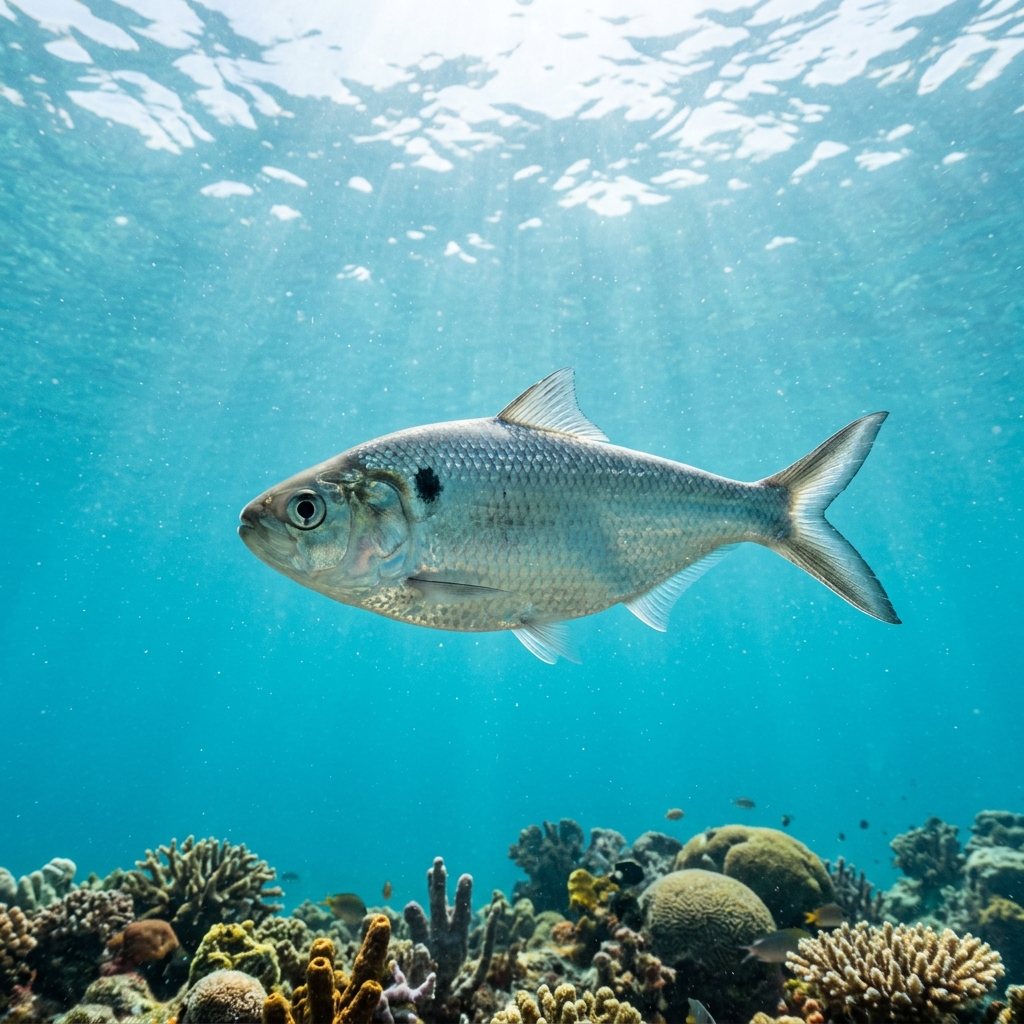
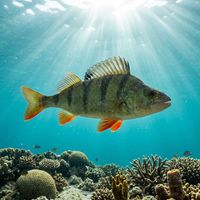
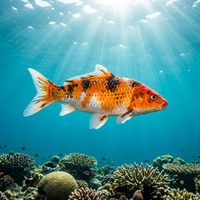
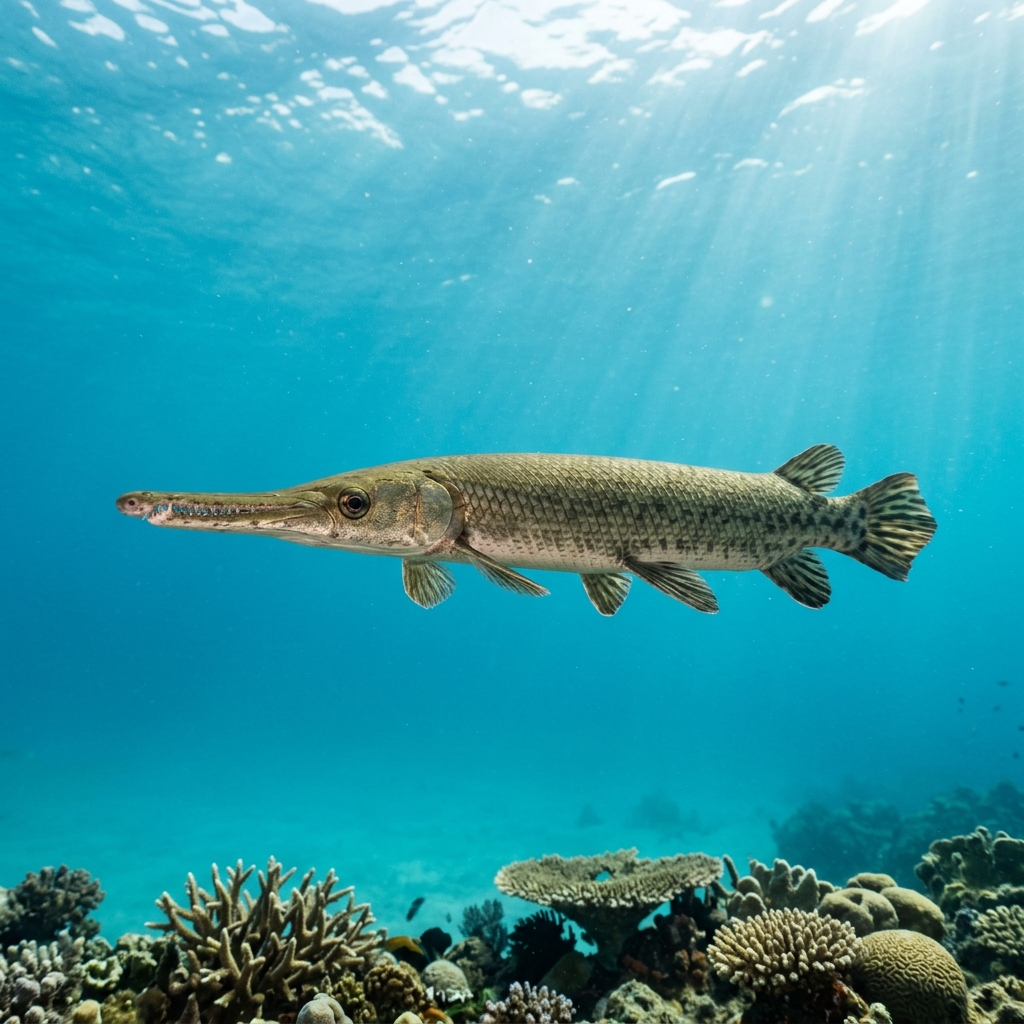
Freshwater Drum is the most consistently encountered species across the sites here. Gizzard Shad, Common Carp, White Sucker, Perch, and Rock Bass are all commonly observed, while Walleye, Pike, and White Bass appear occasionally. Patient divers have also recorded Sturgeon and the distinctively prehistoric-looking Longnose Gar.
Several sites here are well suited to newer divers. Gladstone is a shallow, shore-entry wreck and artificial reef that the data flags specifically as beginner-friendly. The St Clair River, by contrast, involves strong currents and boat access, making it better reserved for intermediate divers with drift experience.
Entry options vary by site. Gladstone can be reached directly from shore, keeping it accessible without arranging a boat. The St Clair River requires boat access due to the currents involved. Operators including Red Devil Scuba and Erieau Yacht Club are based in the area and can support both types of access.
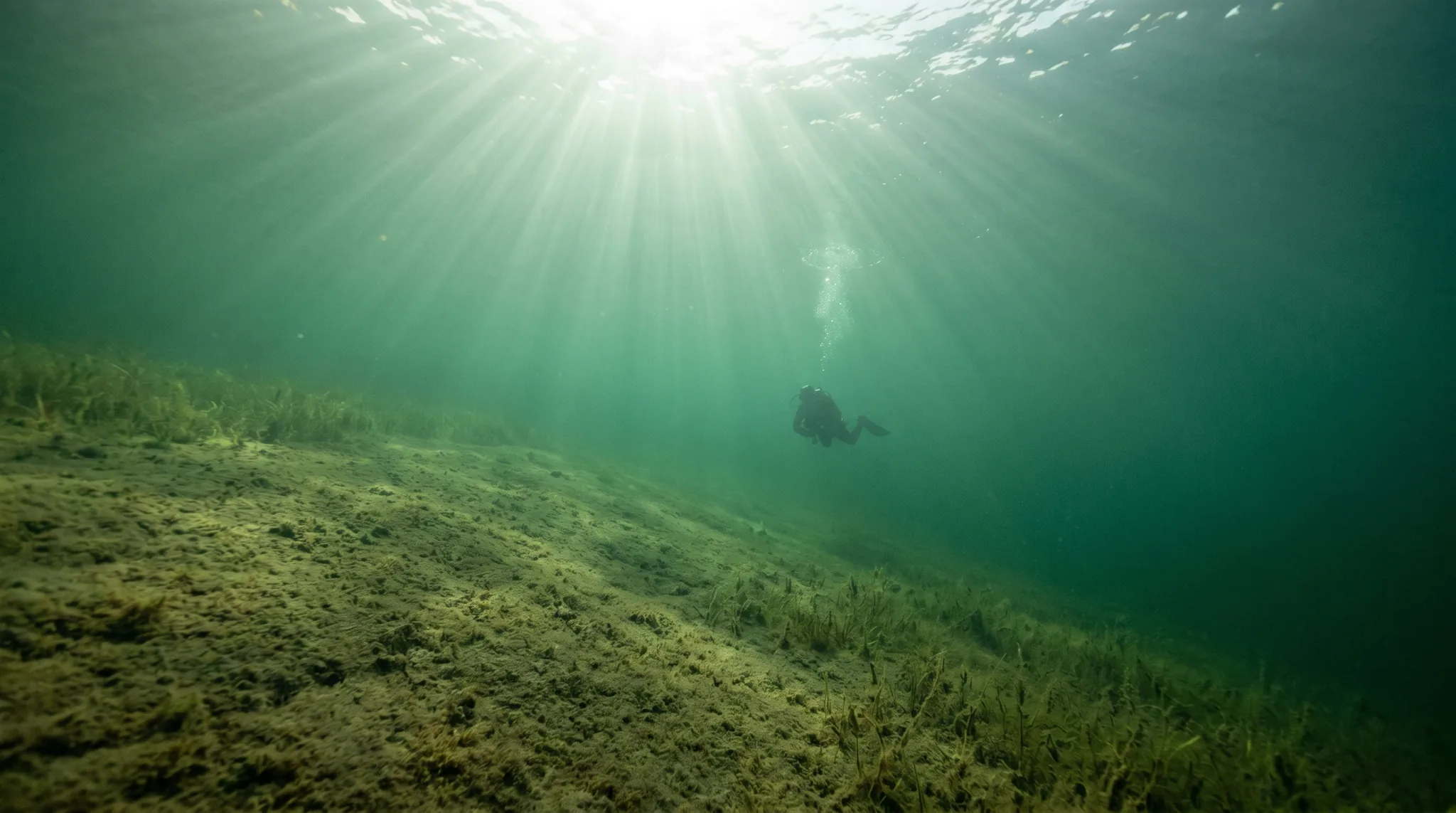
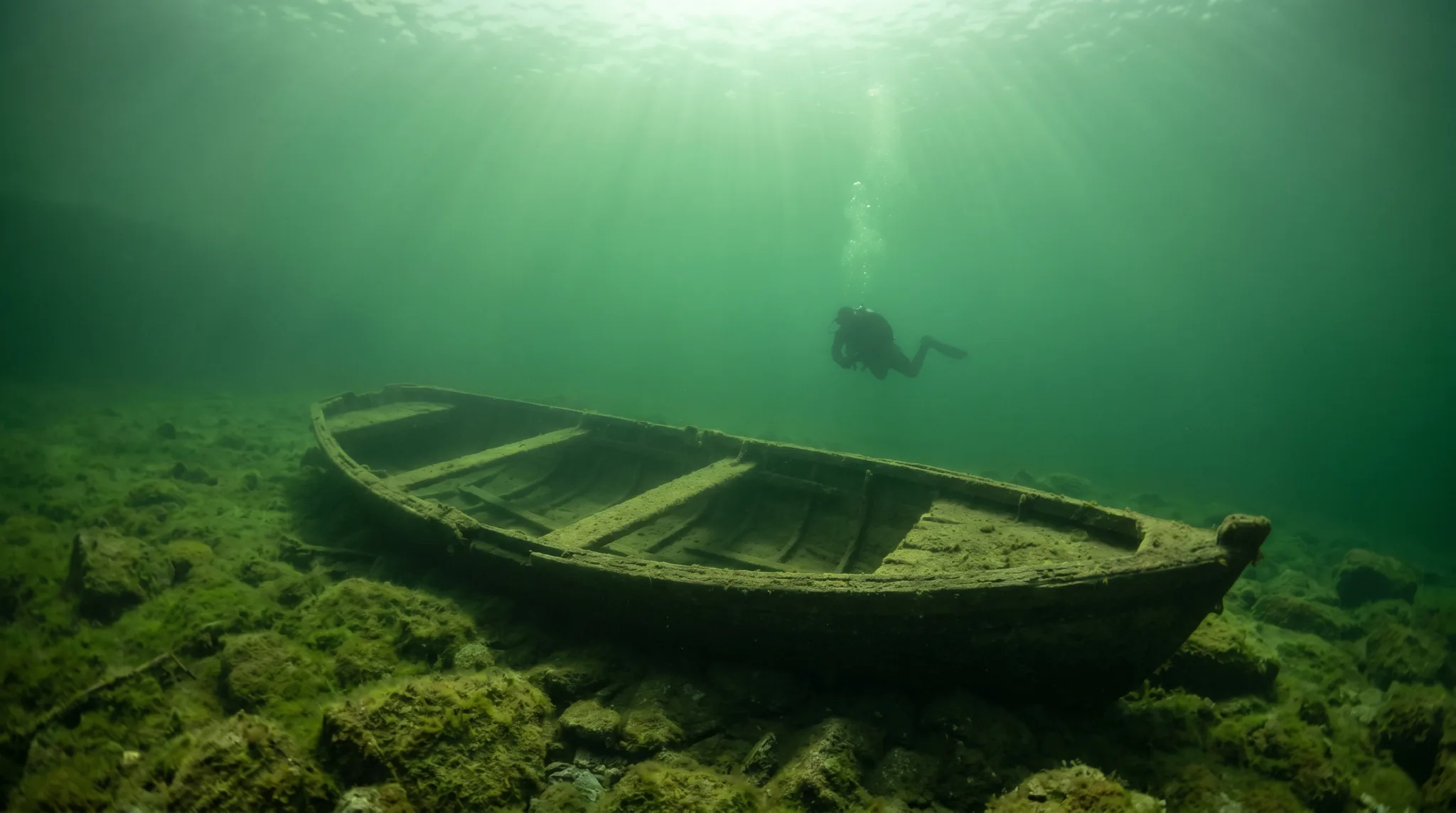
Wreck and artificial reef sites like Gladstone offer calm, shallow exploration in a sheltered setting, drawing a variety of resident freshwater fish. Drift diving at the St Clair River is a different proposition entirely, with strong currents carrying divers past submerged wrecks at a pace that demands good buoyancy control and pre-dive planning. Choosing between them largely comes down to experience level and what kind of dive you are looking for.