Niagara River and Fort Erie is a freshwater diving destination built around artificial reefs, bridge structures and scattered wrecks. Nearly all sites are shore-accessible, making entry straightforward, and depth ranges span the very shallow to moderately deep, suiting beginners through intermediate divers. Common Carp, Perch and Trout are regularly observed beneath the structures. Water temperature swings dramatically across the year, so seasonal timing shapes the experience considerably.
Monthly water temperature across Niagara River & Fort Erie's sites, from satellite sea-surface data corrected for depth. The band shows the site-to-site spread.
Water temperature climbs from near-freezing in late winter to warm summer highs by July and August, then drops steadily through autumn. The warmest and most comfortable diving falls between late spring and early autumn, when conditions attract the most activity. Outside these months, cold water demands significant thermal protection and suits experienced cold-water divers.
10 operators
13 more sites to explore
Water temperature around Niagara River & Fort Erie ranges from about 2°C in February to 24°C in August, based on satellite sea-temperature data for its dive sites.
In the warm season (about 24°C) a 3mm full suit is comfortable in Niagara River & Fort Erie; in the coldest months (about 2°C) step up to a drysuit.
Fin maps 18 sites in Niagara River & Fort Erie (15 scuba diving sites and 4 snorkelling spots, with some suited to both).
Across Niagara River & Fort Erie's dive sites, June, July, August, September and October are most often reported as the best months to visit.
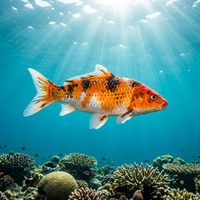
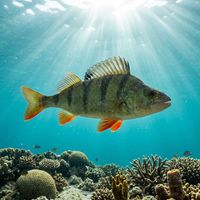
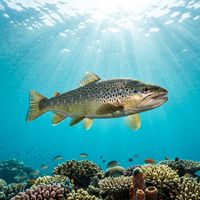
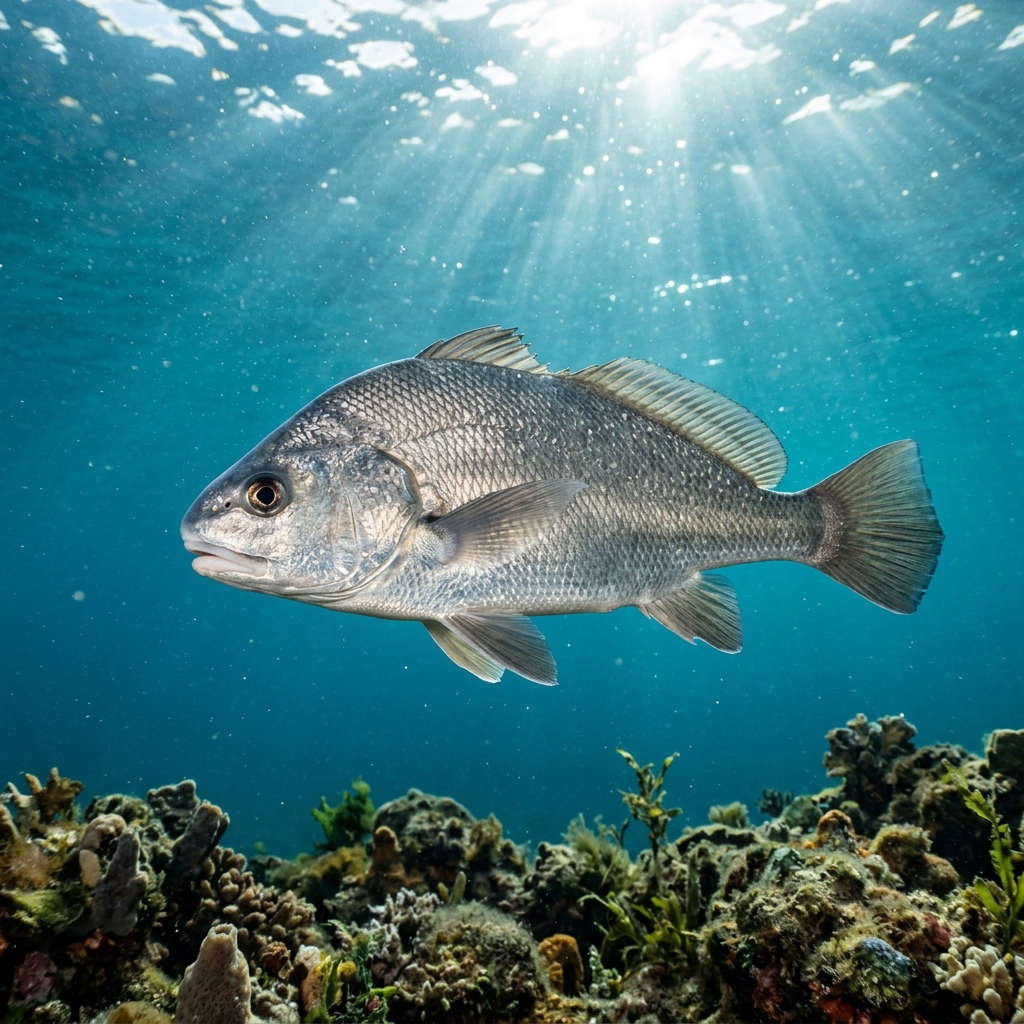
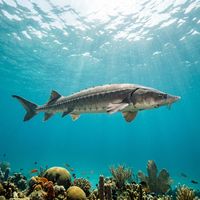
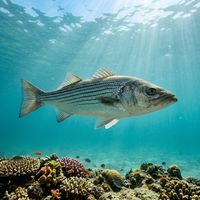
Common Carp and Perch are frequently observed across sites in this region, and Trout have also been recorded by divers. Freshwater Drum appears at a smaller number of sites. The artificial reef structures and bridge pilings tend to concentrate fish, making encounters reasonably reliable during the warmer months.
Many sites here are rated for beginners, including Lincoln St Bridge, Swing Bridge, Windmill Point Park and Ontario St Bridge. These are shallow, shore-entry dives with manageable conditions. The International Train Bridge steps up to intermediate level due to its greater depth and drift potential, so newer divers should build confidence at the shallower sites first.
Shore entry is the standard method across the region, with sites accessed directly from riverbanks or parks such as Windmill Point Park. Boat diving is also an option through local operators including Osprey Charters Inc. The concentration of shore-accessible sites means divers can explore independently without requiring a charter.
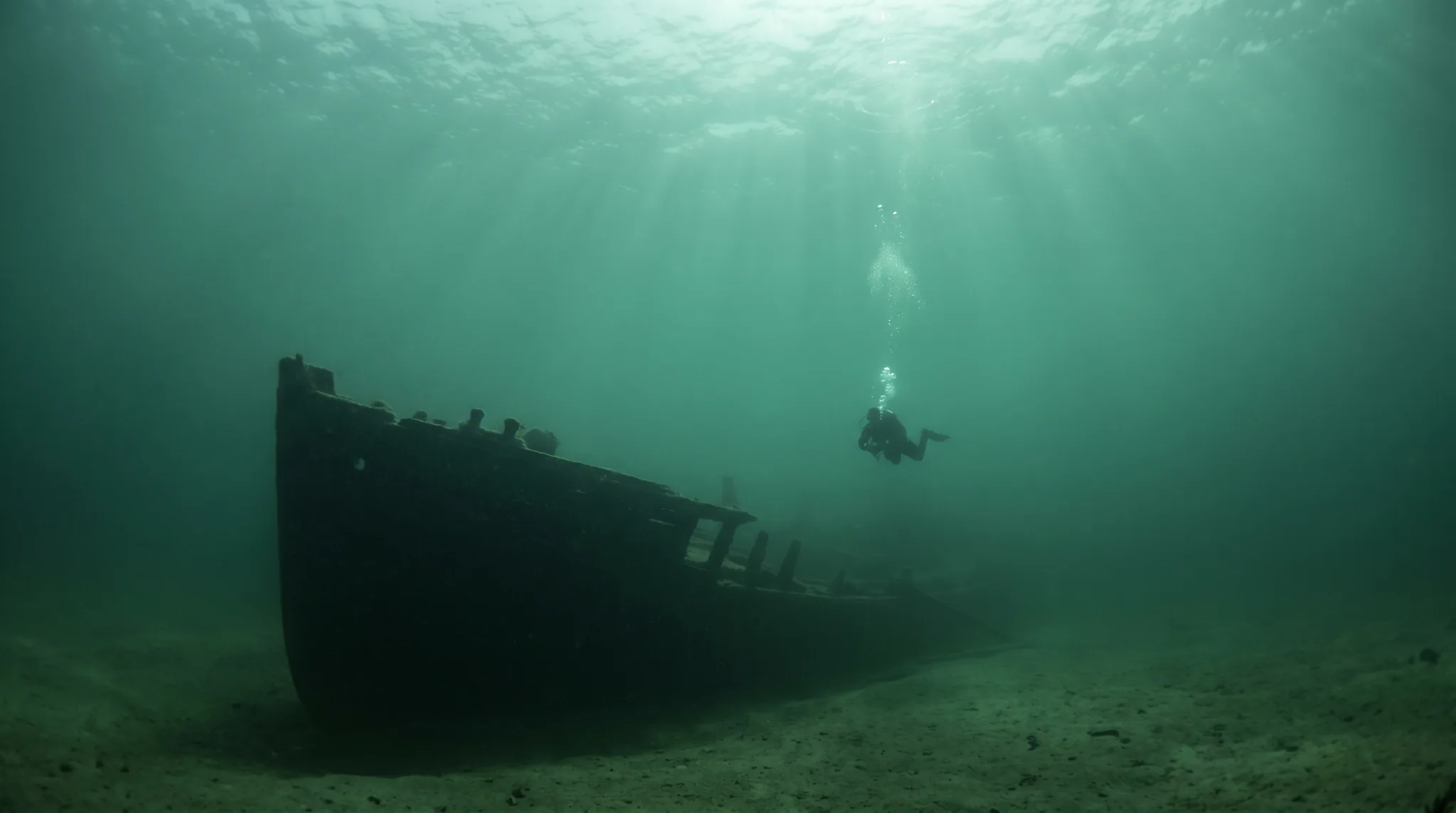
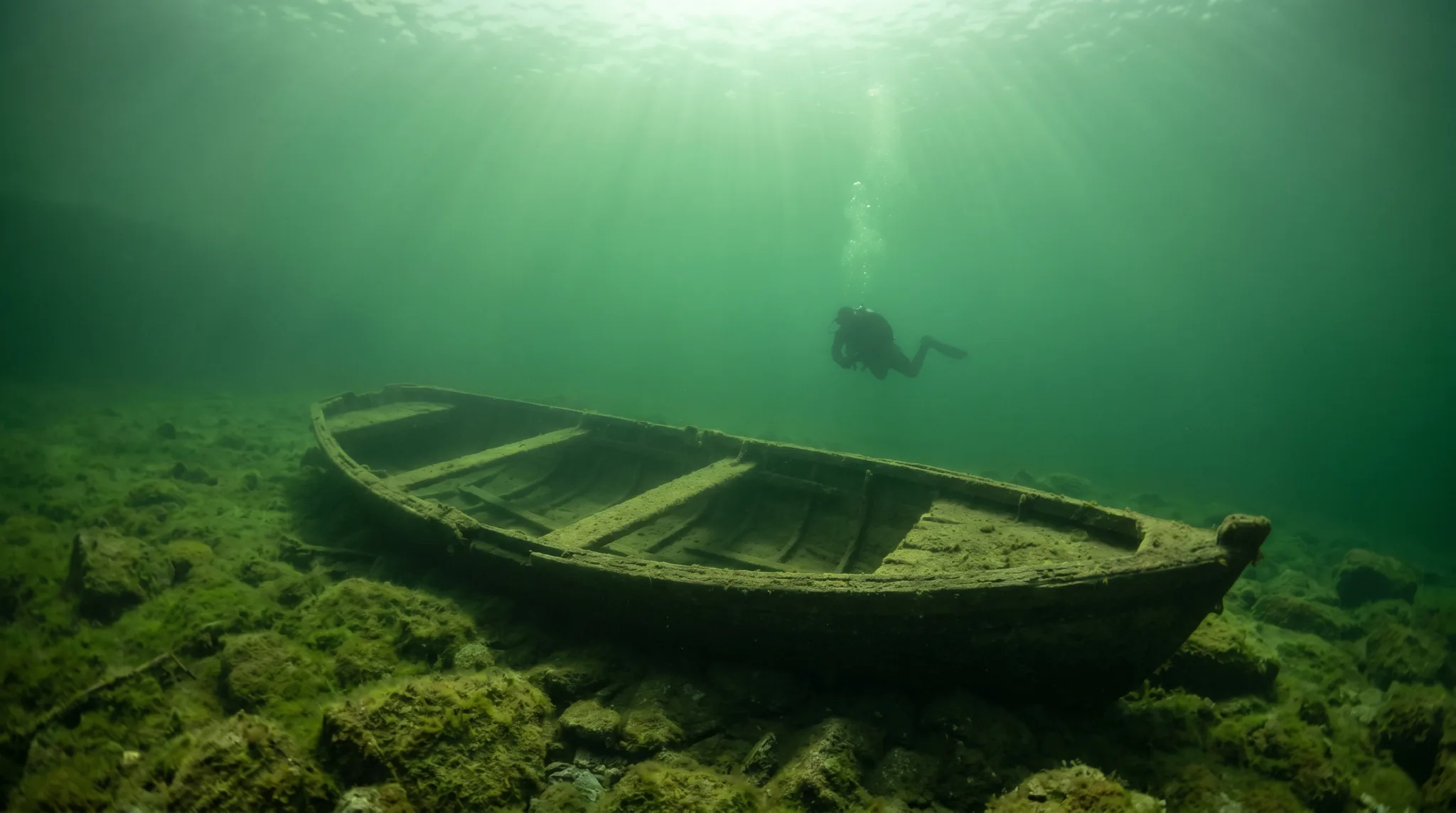
Artificial reefs are the dominant site type, often built around or beneath bridge structures such as Lincoln St Bridge, Ontario St Bridge and the International Train Bridge. Windmill Point Park also combines artificial reef habitat with wreck diving. The International Train Bridge adds a drift element, offering a different character to the otherwise calm, structure-focused sites nearby.