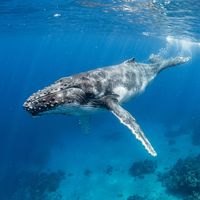
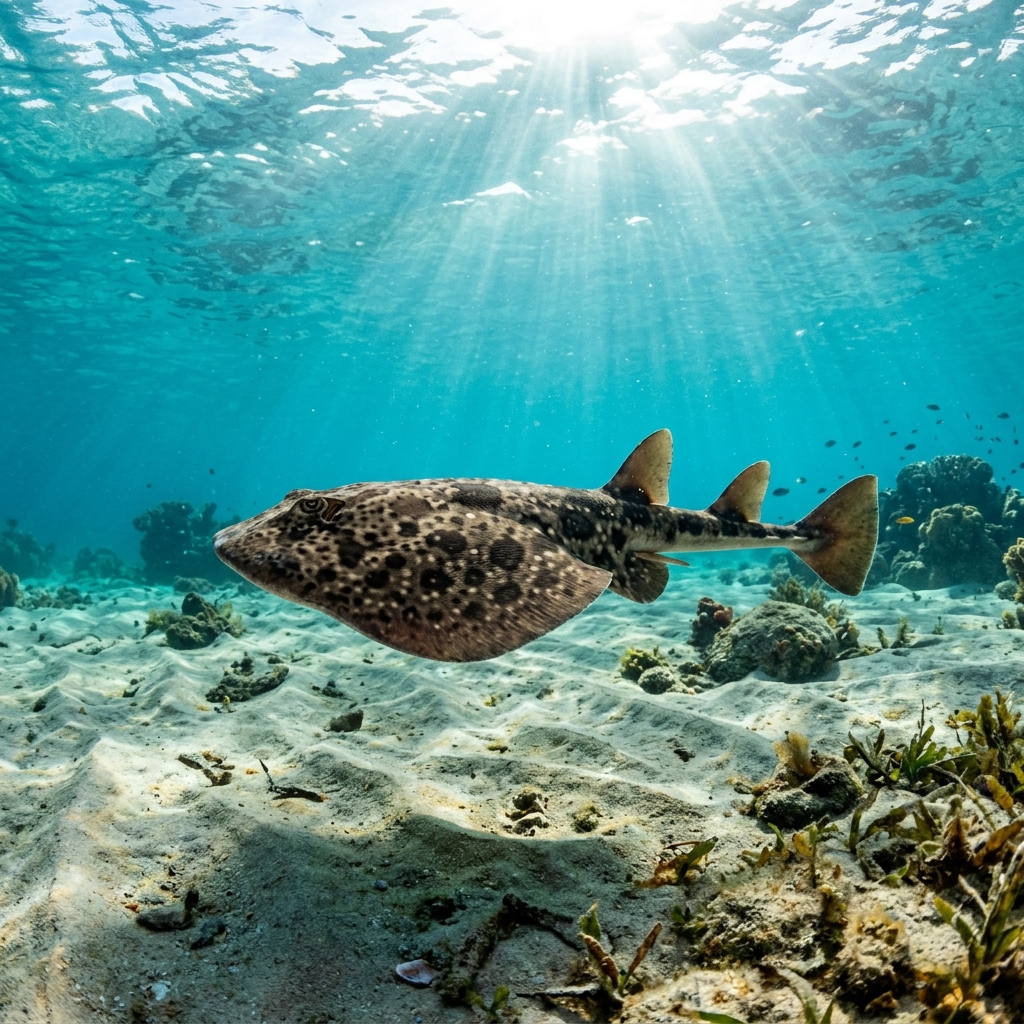
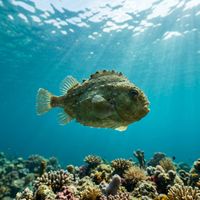
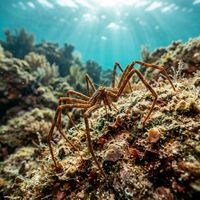
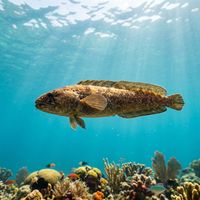
Inuvik and Tuktoyaktuk offer some of the most remote cold-water diving and snorkelling in Canada. Water stays near or below freezing for most of the year, opening briefly in summer to temperatures that support access for well-prepared divers and snorkellers. The short warm window runs from June through August, with a tail into September. Humpback Whale has been observed here, and expected species include Lumpfish, Sea Spider, and Pout.
Monthly water temperature across Inuvik & Tuktoyaktuk's sites, from satellite sea-surface data corrected for depth. The band shows the site-to-site spread.
Water remains at or below freezing from autumn through late spring, making summer the only practical diving season. Temperatures peak in July and August before dropping sharply again in September. Divers should expect cold-water conditions throughout, requiring appropriate thermal protection even at the warmest point of the year.
6 operators
Water temperature around Inuvik & Tuktoyaktuk ranges from about -1°C in January to 8°C in August, based on satellite sea-temperature data for its dive sites.
10 more sites to explore
With water around -1–8°C, a drysuit works in Inuvik & Tuktoyaktuk year-round.
Fin maps 10 sites in Inuvik & Tuktoyaktuk (4 scuba diving sites and 6 snorkelling spots).
Across Inuvik & Tuktoyaktuk's dive sites, June, July and August are most often reported as the best months to visit.
Humpback Whale has been observed in the region. Species expected to be present include Lumpfish, Sea Spider, and Pout. The species list here is short, reflecting the subarctic environment rather than tropical diversity.
The conditions here are demanding, with near-freezing water for much of the year and a very short accessible season. This region is best suited to experienced divers comfortable in cold water with appropriate exposure protection. Beginners would find conditions challenging.
There are currently no listed dive operators serving this region. Divers planning a trip will need to be self-sufficient or arrange support from outside the area. Independent expedition-style planning is strongly recommended.
The region has a mix of dive-only and snorkel-only sites, with no sites listed as suitable for both activities. Snorkel sites outnumber dive sites, suggesting shallower access points alongside deeper diving locations.