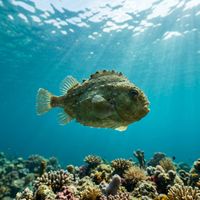
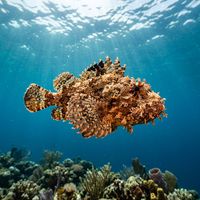
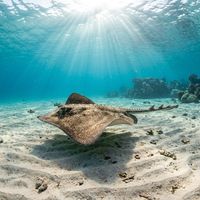
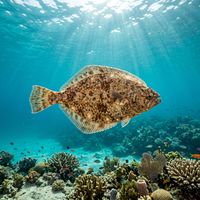
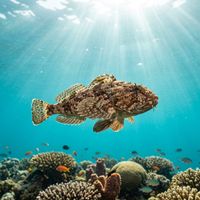
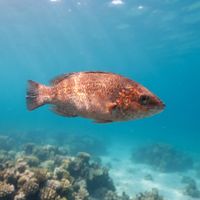
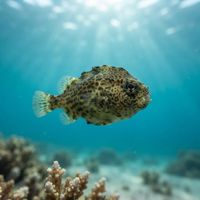
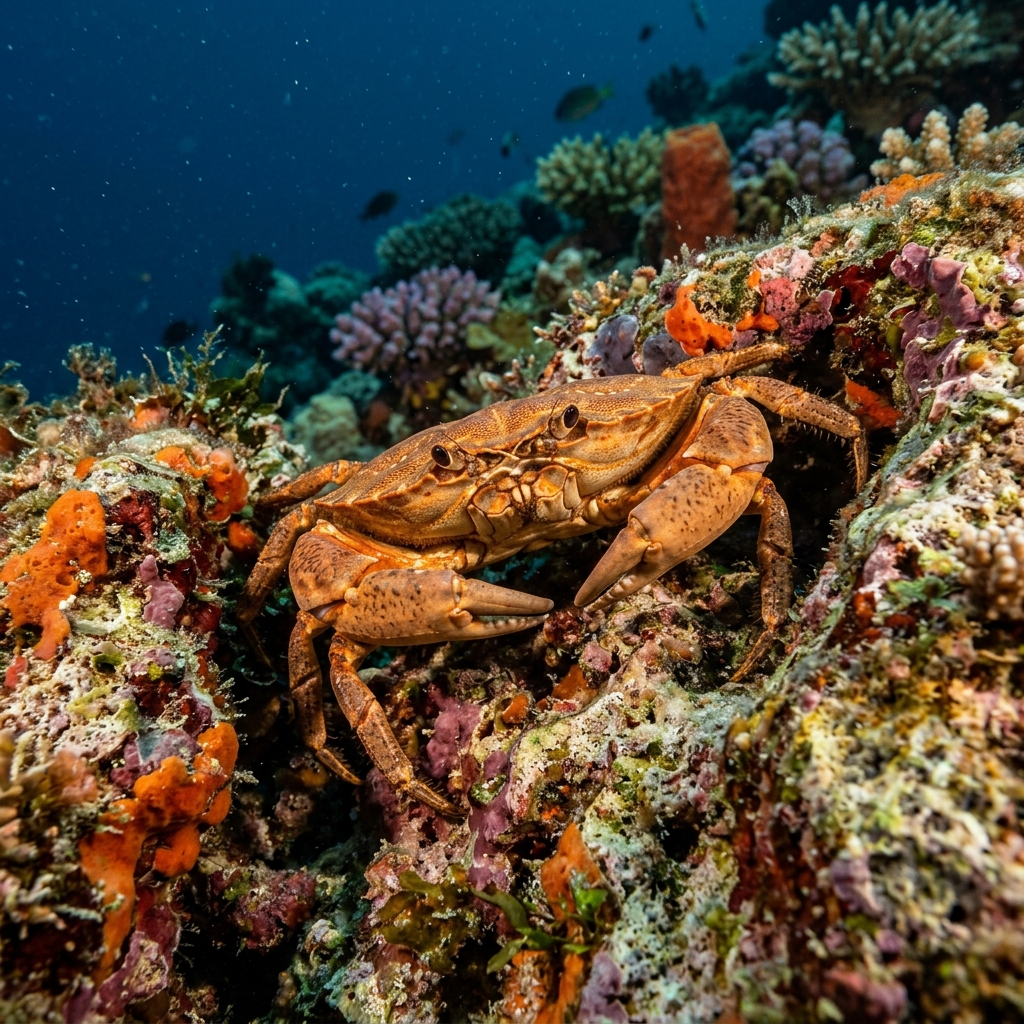
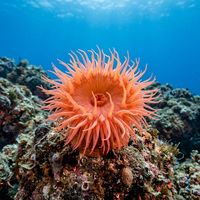
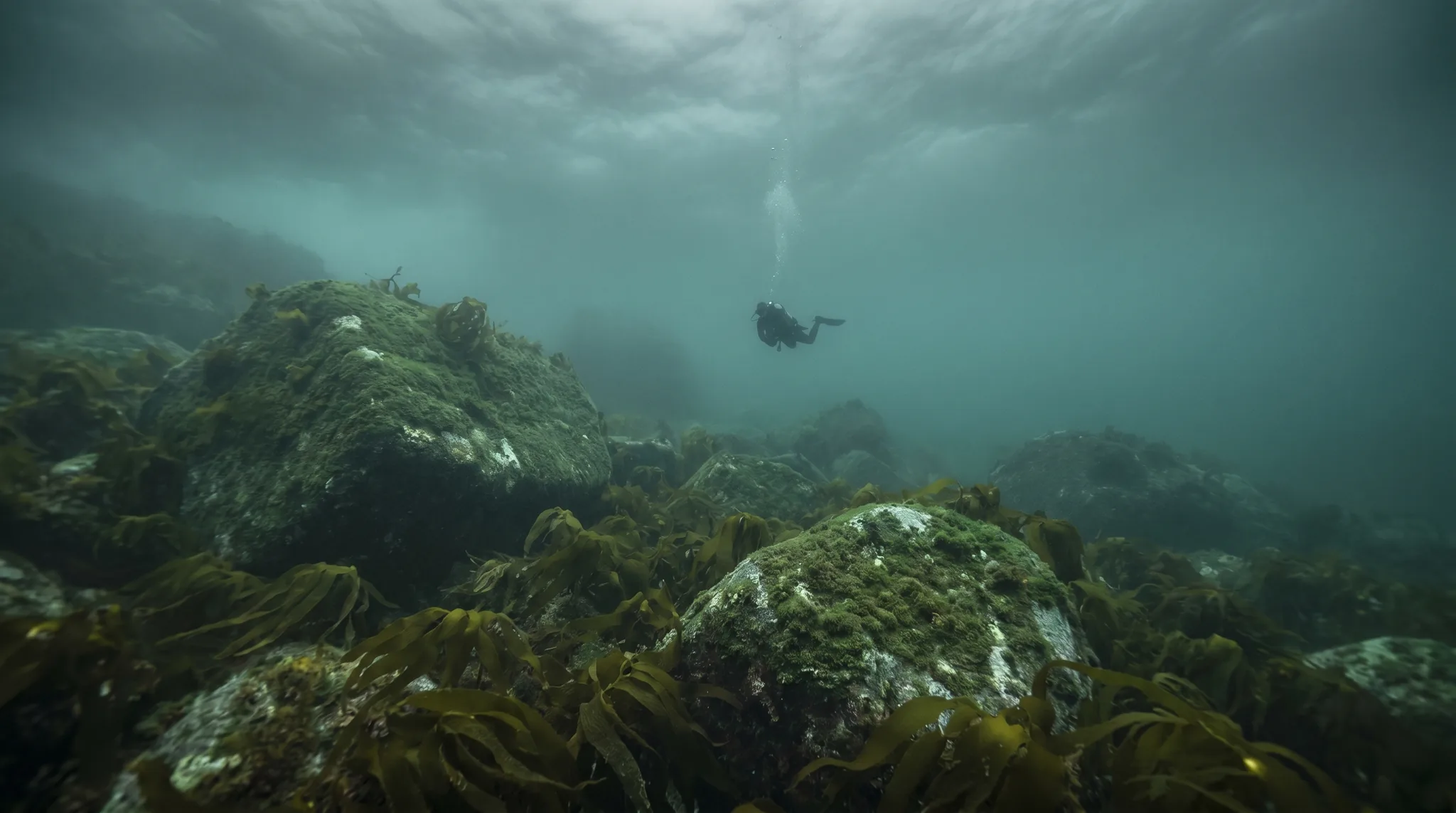
Bell Island Mine is defined by cold-water reef diving and snorkelling, with shore-accessible sites drawing divers of all levels. The marine life here leans towards characterful bottom-dwellers: Lumpfish and Sea Raven are encountered with great regularity, joined by Skate, Righteye Flounder, and Sculpin across the reefs. Sea Anemone and Crab add colour to rocky substrate. Water stays cold year-round, peaking only modestly in late summer, so exposure protection is essential.
Monthly water temperature across Bell Island Mine's sites, from satellite sea-surface data corrected for depth. The band shows the site-to-site spread.
Water temperature remains cold throughout the year, barely climbing above cool even at its late-summer peak, so a drysuit or thick wetsuit is essential on every dive. The warmest and most visited window runs from July through September, when conditions are at their most comfortable and diver activity is highest. Outside these months, diving continues but requires greater thermal preparation and tolerance for very cold water.
1 operator
15 more sites to explore
Water temperature around Bell Island Mine ranges from about 0°C in March to 10°C in September, based on satellite sea-temperature data for its dive sites.
With water around 0–10°C, a drysuit works in Bell Island Mine year-round.
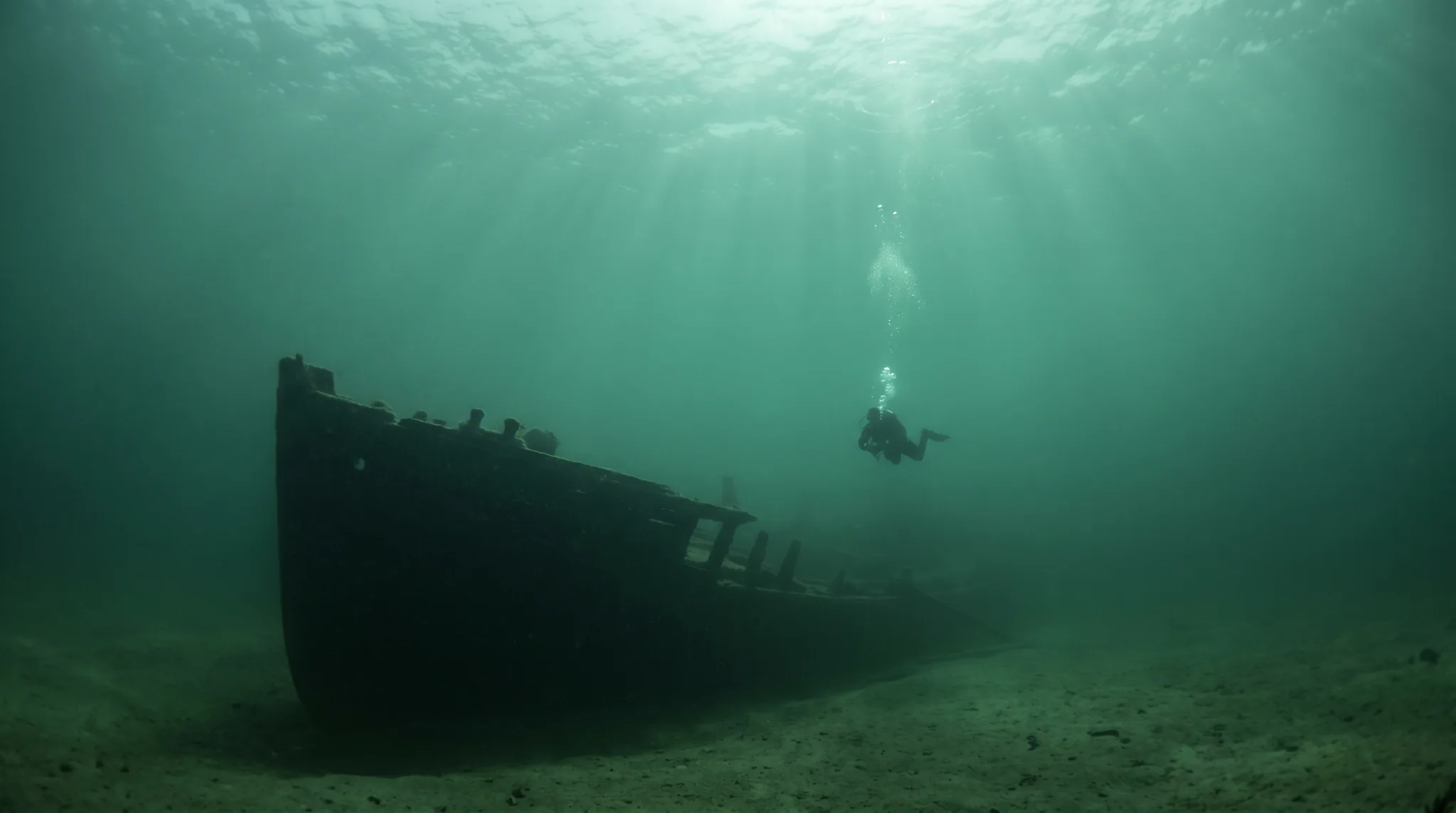
Fin maps 16 sites in Bell Island Mine (11 scuba diving sites and 7 snorkelling spots, with some suited to both).
Across Bell Island Mine's dive sites, July, August and September are most often reported as the best months to visit.
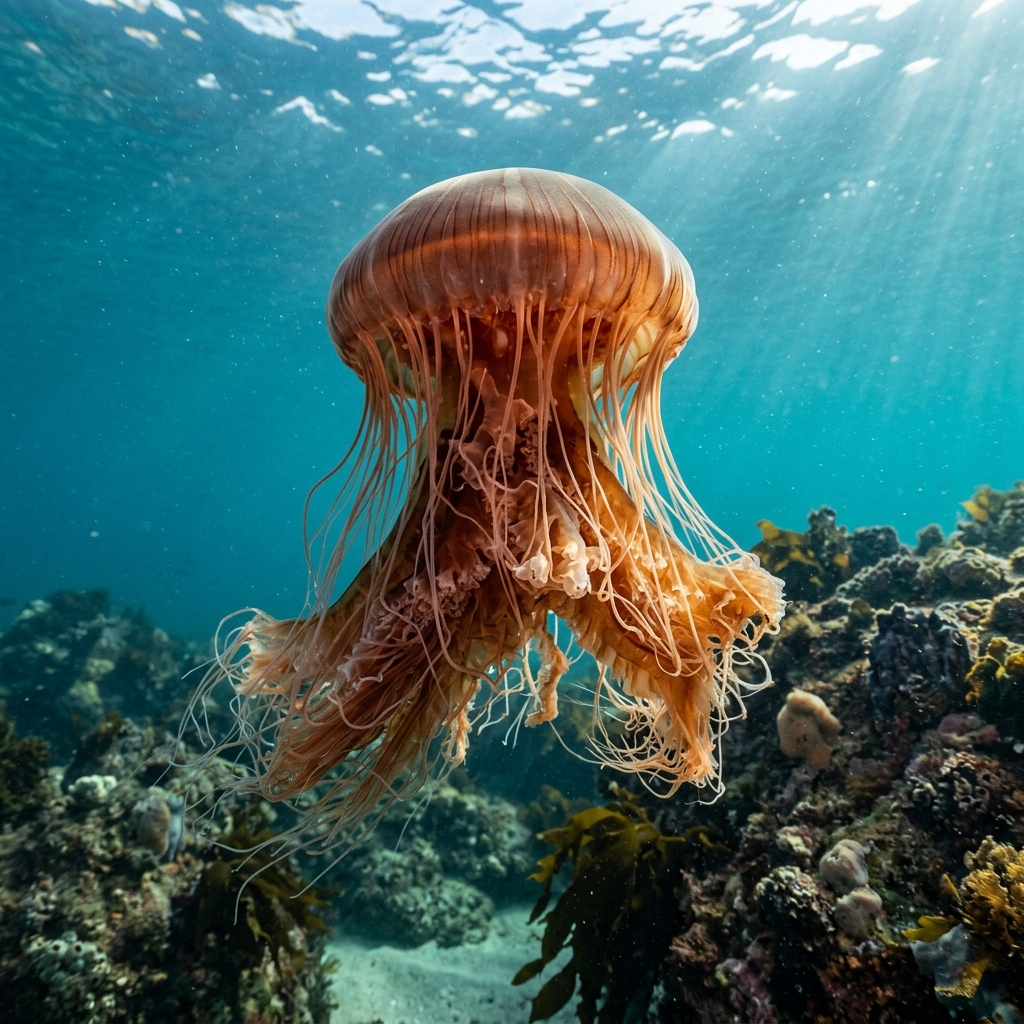
The reefs here are particularly well known for Lumpfish and Sea Raven, both observed very frequently across sites. Skate, Righteye Flounder, and Sculpin are also consistent encounters. Less frequent but recorded sightings include Crab, Sea Anemone, Cunner, and Giant Jellyfish.
At least some sites, including Portugal Cove–St. Philip's, are rated for beginner skill levels, and shore entry removes the need for boat logistics. However, the cold water demands proper exposure protection regardless of experience, so new divers should be comfortable in a drysuit or thick wetsuit before visiting.
Shore entry is available at the sites listed for this area, which makes access relatively straightforward without relying on a boat. Ocean Quest Adventures is the local operator who can assist with guided dives and equipment support for those who need it.
Water stays very cold for most of the year, with temperatures only rising to cool levels in late summer. Diver activity peaks strongly in July, August, and September, reflecting the most comfortable thermal window. Diving is possible outside these months but the cold intensifies considerably, making it a more demanding proposition.