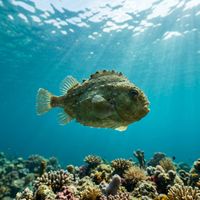
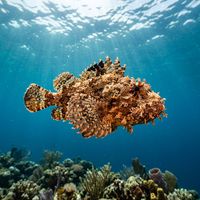
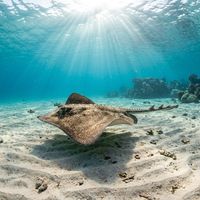
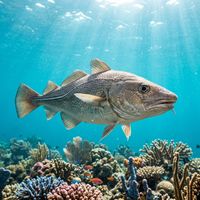
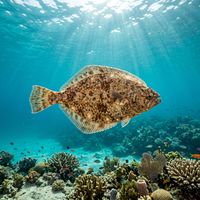
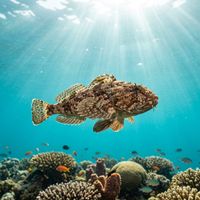
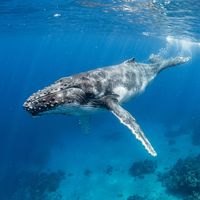
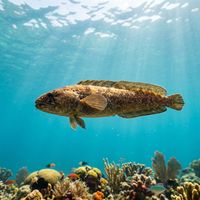
Bell Island divides neatly into two distinct underwater worlds: the flooded mine workings of Bell Island Mine and the wrecked vessels of Bell Island Shipwrecks. Both areas reward divers willing to suit up for cold water, and the marine life that thrives here is a real draw. Lumpfish, Sea Raven, Sculpin, Cod, Skate, and Righteye Flounder are observed consistently across sites, while Atlantic Wolffish and Humpback Whale appear on occasion. Shore entries keep logistics simple, and beginner-friendly reef sites sit alongside more challenging structures.
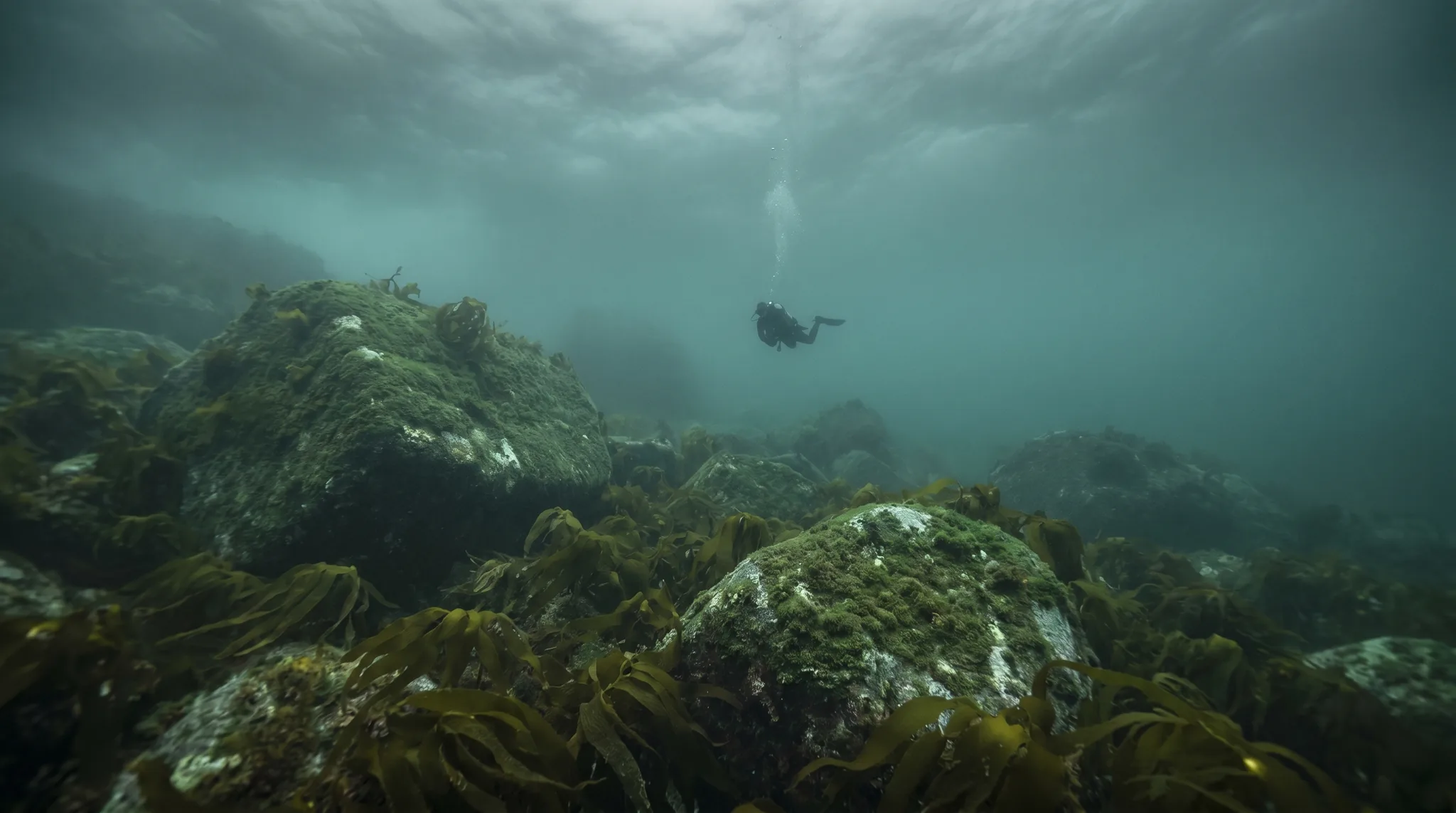
Monthly water temperature across Bell Island's sites, from satellite sea-surface data corrected for depth. The band shows the site-to-site spread.
Water temperatures stay near freezing from winter through late spring, then climb through summer to their warmest in August and September before dropping again through autumn. The peak diving window falls in mid-summer, when temperatures are at their highest and diver activity is concentrated. A drysuit or well-configured wetsuit is essential year-round given the persistently cold conditions.
2 operators
23 more sites to explore
2 areas
16Cold-water reef sites on Bell Island, best known for frequent Lumpfish, Sea Raven, and Sculpin encounters via easy shore entry.
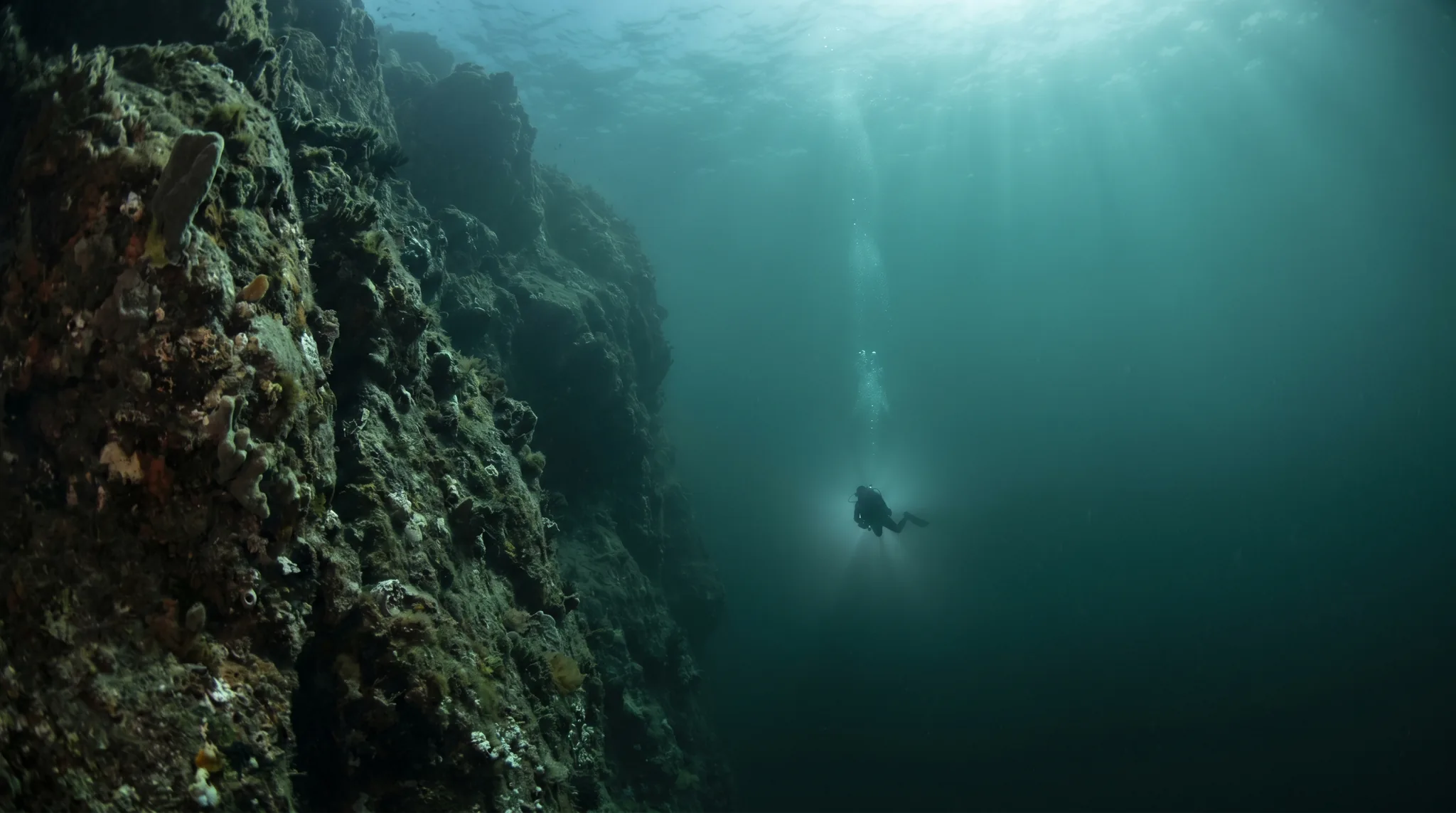
8Cold North Atlantic diving across Newfoundland's Avalon coast, with wrecks, caves, kelp forests, and fjord walls for all skill levels.
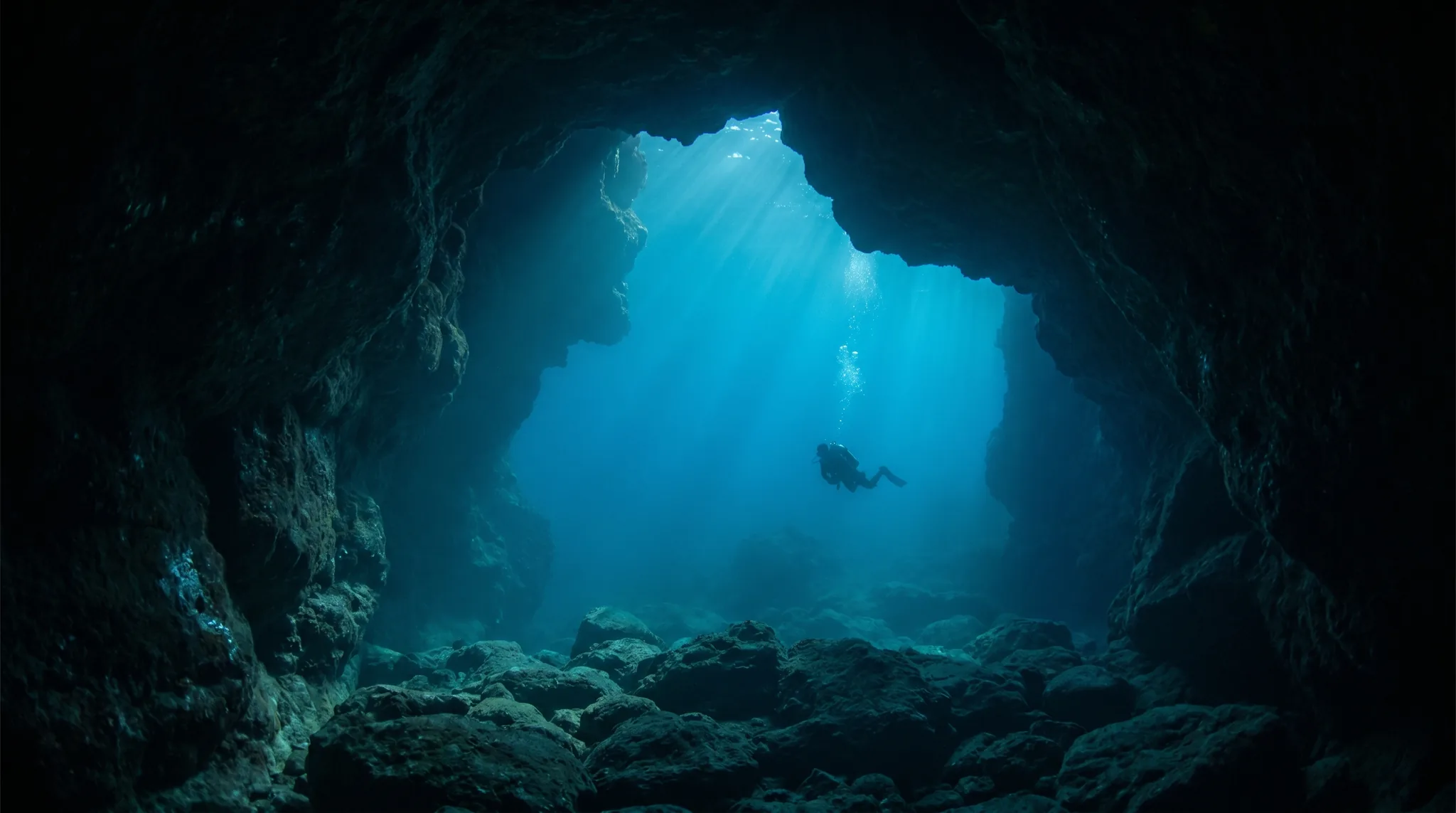
Water temperature around Bell Island ranges from about 0°C in March to 12°C in August, based on satellite sea-temperature data for its dive sites.
In the warm season (about 12°C) a 7mm or semi-dry suit is comfortable in Bell Island; in the coldest months (about 0°C) step up to a drysuit.
Fin maps 24 sites in Bell Island (16 scuba diving sites and 11 snorkelling spots, with some suited to both), organised into 2 areas.
Across Bell Island's dive sites, July, August and September are most often reported as the best months to visit.
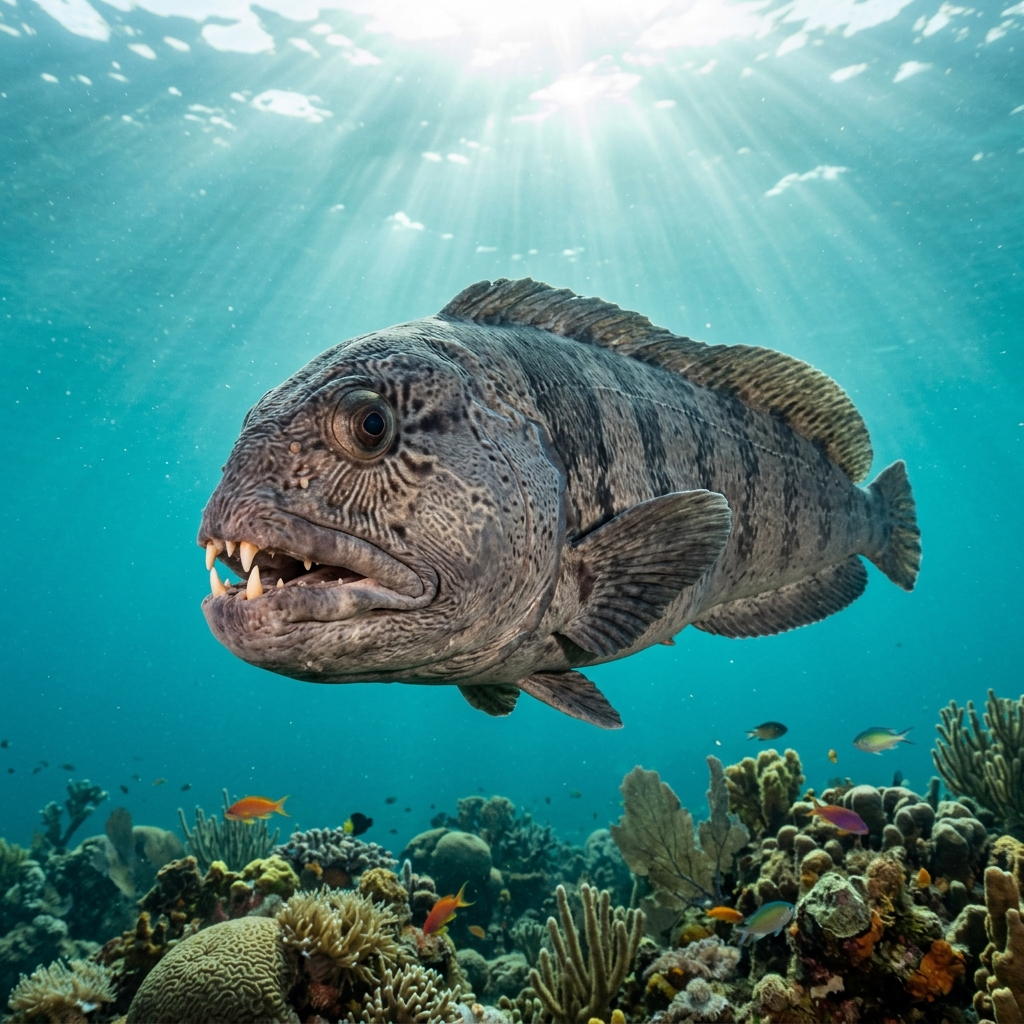
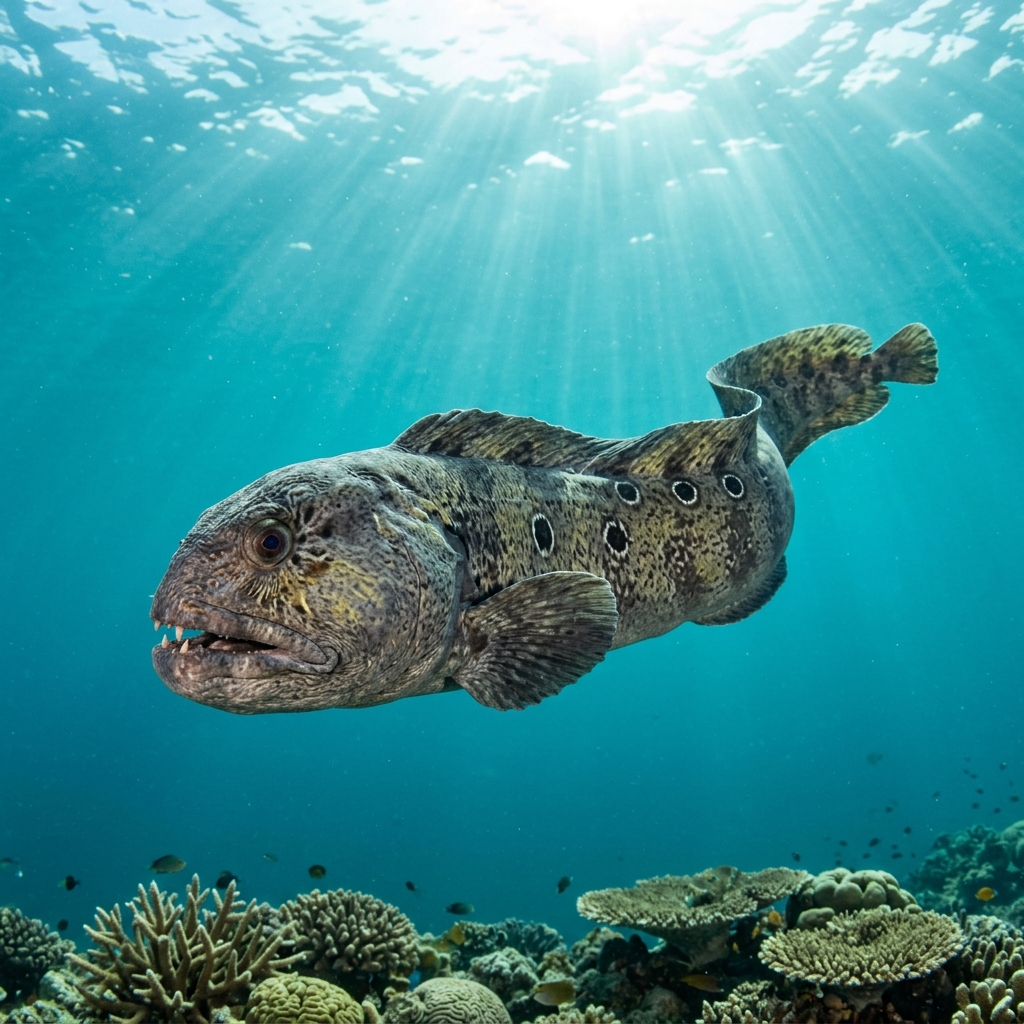
The most consistently observed species are Lumpfish, Sea Raven, Pout, Cod, Skate, Righteye Flounder, and Sculpin. Atlantic Wolffish and Wolf-eel have been sighted, though less frequently. Humpback Whale and Giant Jellyfish are also on record from the area.
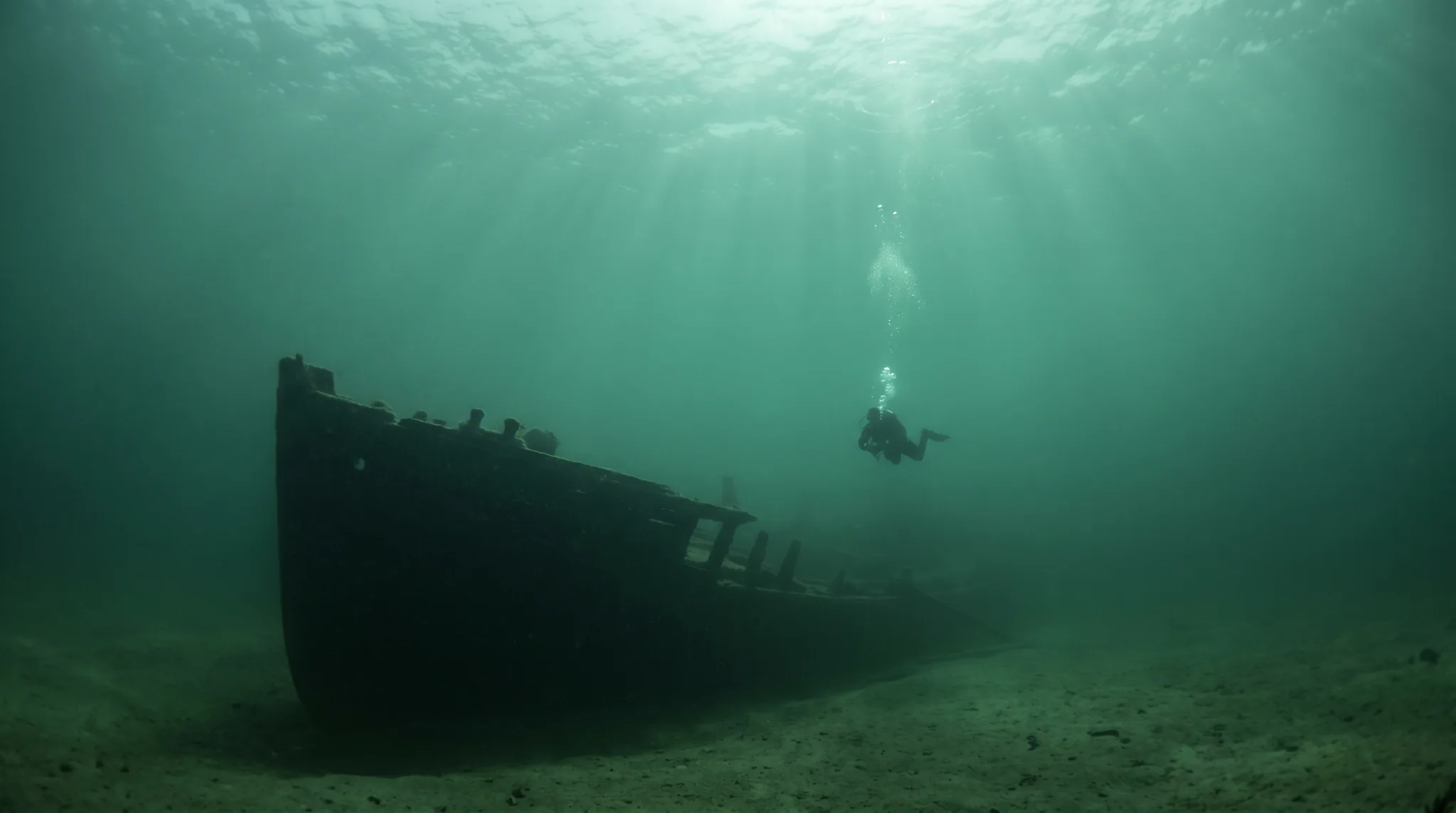
Bell Island Mine focuses on flooded mine workings, offering a reef diving experience within an unusual industrial structure. Bell Island Shipwrecks centres on sunken vessels and carries more sites dedicated to wreck diving. Both areas share the same cold-water conditions and shore-accessible entries.
At least some sites, including Portugal Cove–St. Philip's, are rated for beginners and accessed from shore at moderate depths. However, the water is cold throughout the year, so beginners should be comfortable diving in full thermal protection before visiting Bell Island.
Ocean Quest Adventures is the operator listed for Bell Island. Having a local operator is particularly useful here given the specialised nature of the mine and wreck sites, and the thermal exposure demands of the cold water.