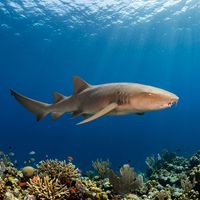
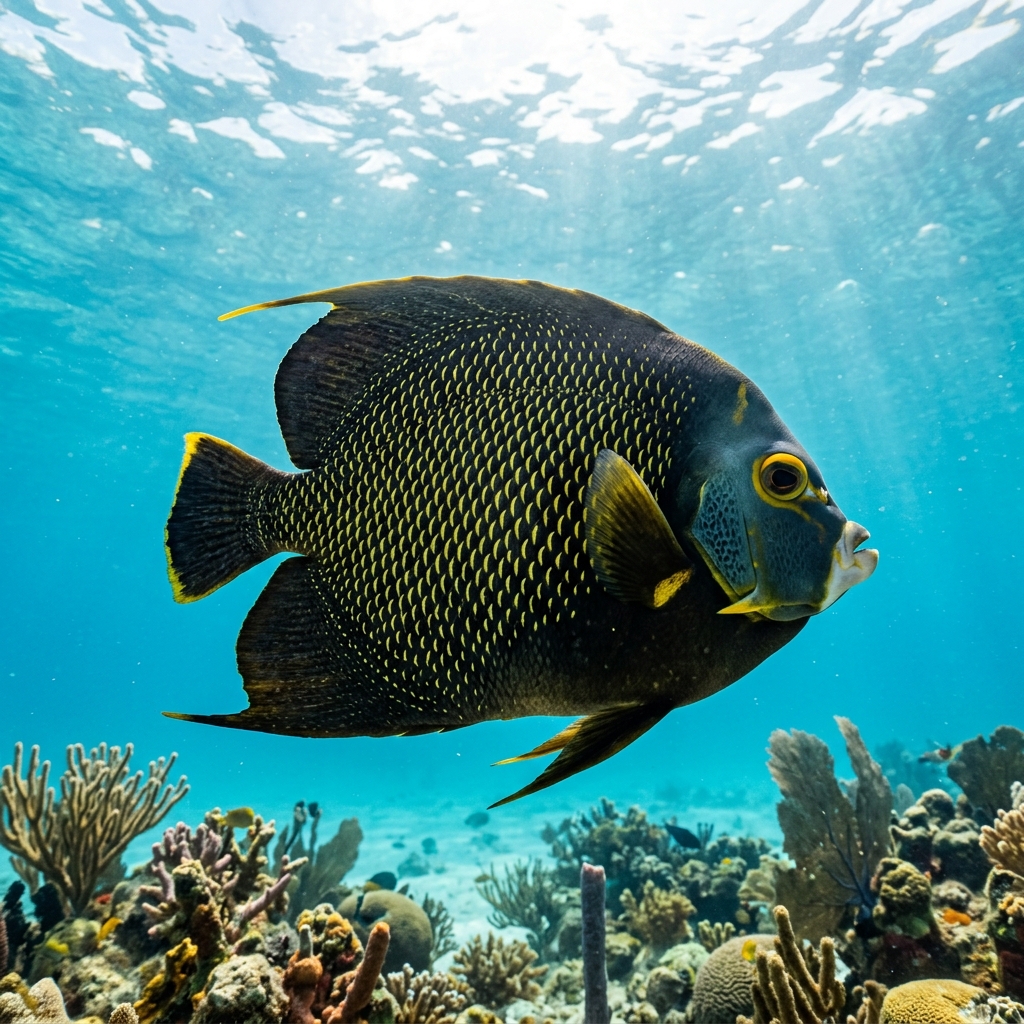
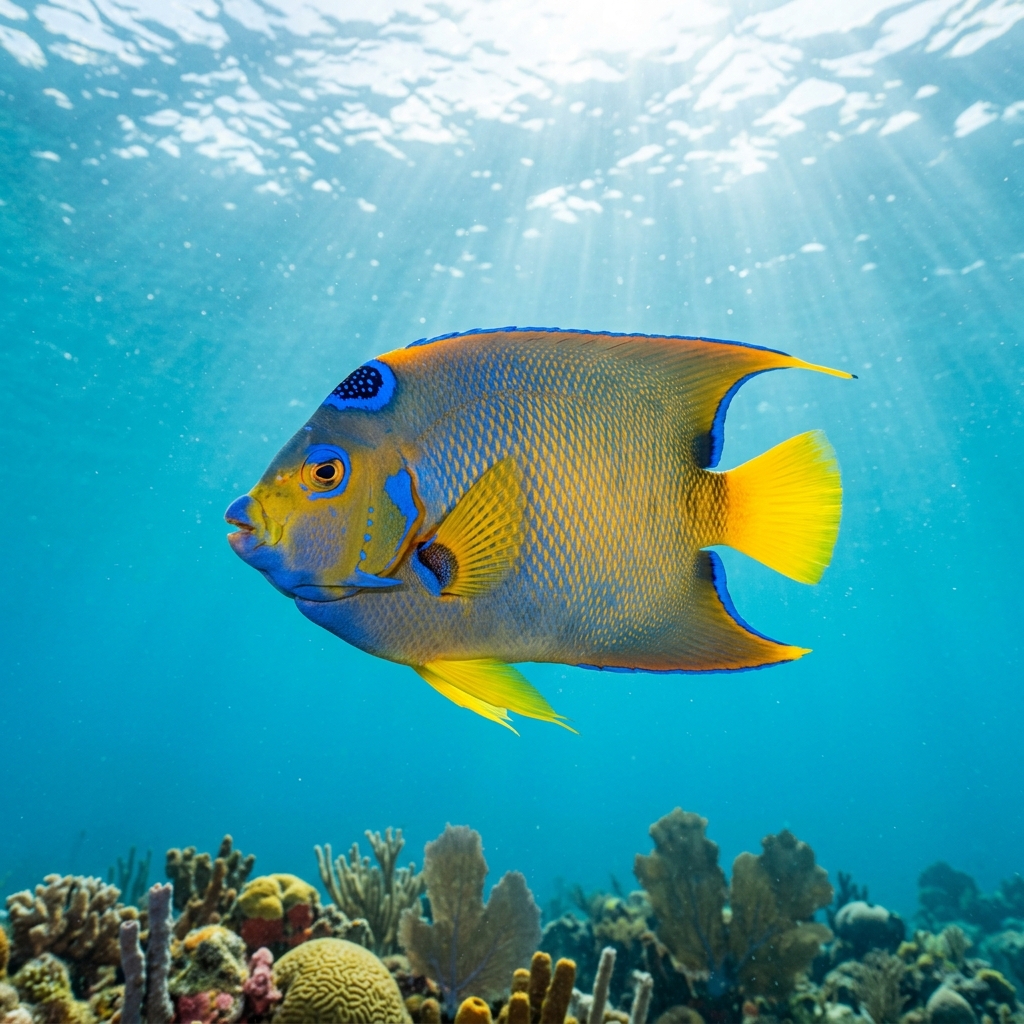
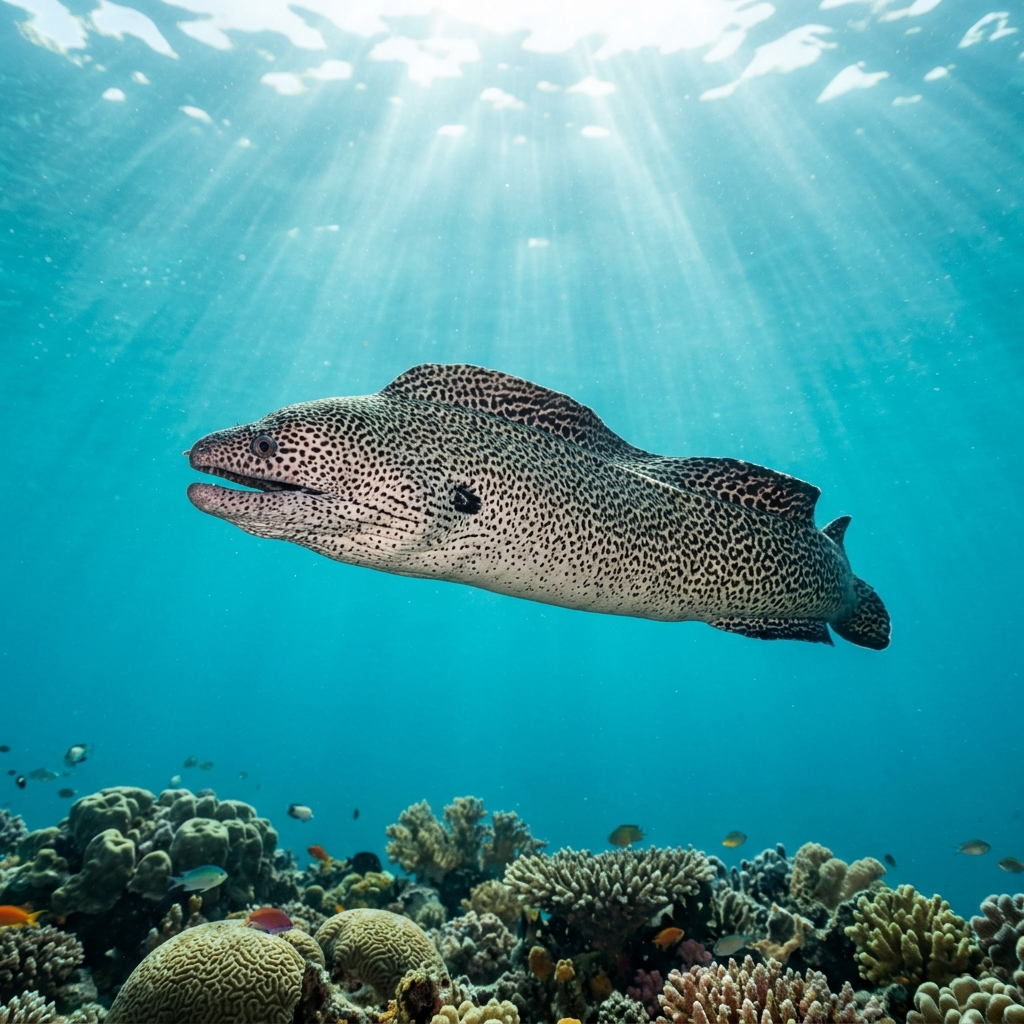
Tortola and Southern Islands divides naturally across three sub-areas: Cooper Island, Norman Island, and Salt Island (Wreck Alley). Salt Island anchors the region's character with the RMS Rhone, a historic shipwreck that draws divers to its bow and stern sections across a wide range of depths. Cooper Island adds multi-level walls at Ginger Steps and relaxed reef diving at Chromis Reef. Norman Island brings drift, wall, and canyon terrain at sites like Jeff Rocks and Shark Point. Across all three, Nurse Shark, Spotted Moray, Queen Angelfish, and Fairy Basslet are consistently observed, with Wrasses, Stoplight Parrotfish, and Whiptail Stingray present at almost every site.
3 areas
39Boat-access diving ranging from shallow grottos and artificial wrecks to stepped walls and drift sites, with Nurse Shark and angelfish as highlights.
20Wrecks, caves, walls and rich reef life across a compact island with sites suited to every level.
19Home to the RMS Rhone wreck, Salt Island pairs a celebrated artificial reef with varied reef, pinnacle and cave diving for all levels.
Monthly water temperature across Tortola and Southern Islands's sites, from satellite sea-surface data corrected for depth. The band shows the site-to-site spread.
Water stays warm year-round, rising slightly through summer and early autumn. The best-months data points clearly to December through April as the prime window, when conditions are most consistently favourable for diving. Sites range from sheltered beginner reefs to exposed drift and wall dives where currents can run strongly, so sub-area choice matters as much as season.
24 operators
Water temperature around Tortola and Southern Islands ranges from about 27°C in January to 30°C in September, based on satellite sea-temperature data for its dive sites.
With water around 27–30°C, a rash guard or 3mm shorty works in Tortola and Southern Islands year-round.
Fin maps 78 sites in Tortola and Southern Islands (75 scuba diving sites and 13 snorkelling spots, with some suited to both), organised into 3 areas.
Across Tortola and Southern Islands's dive sites, January, February, March, April, May and December are most often reported as the best months to visit.
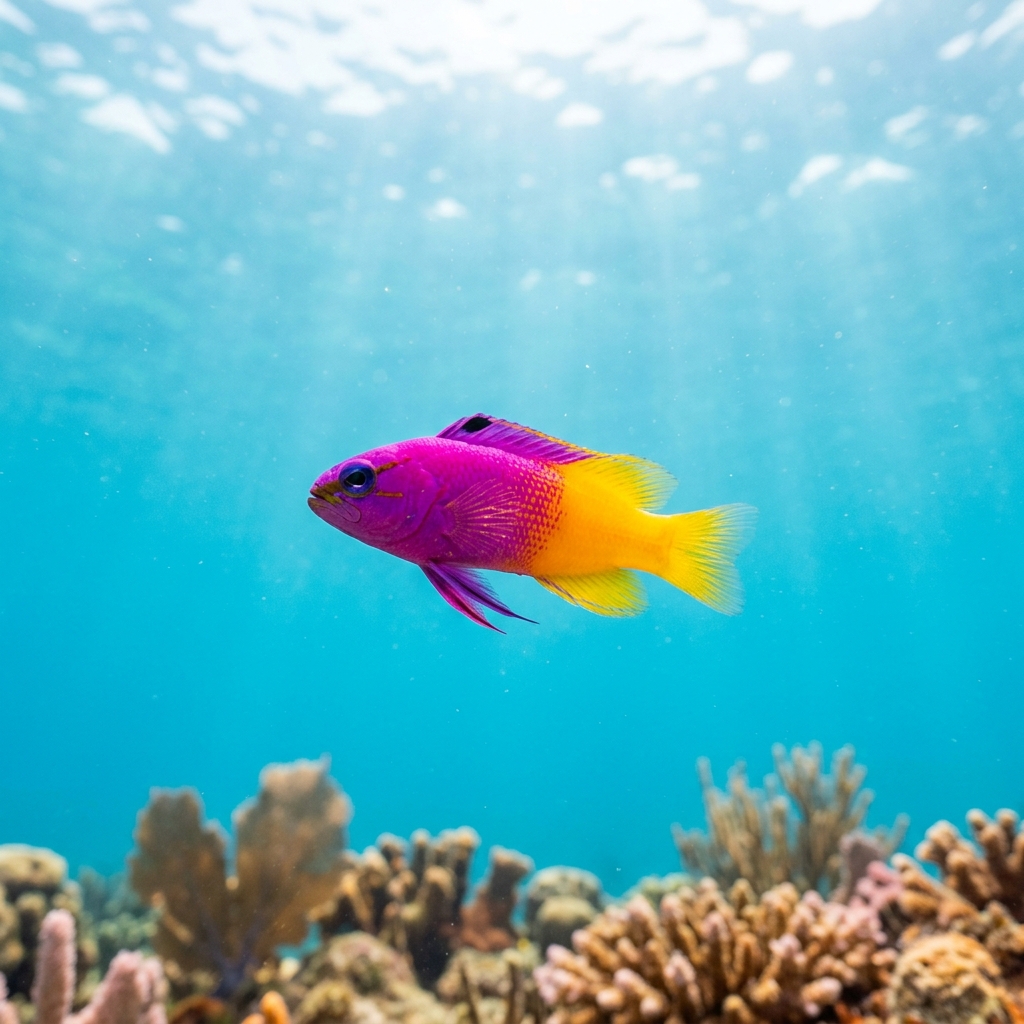
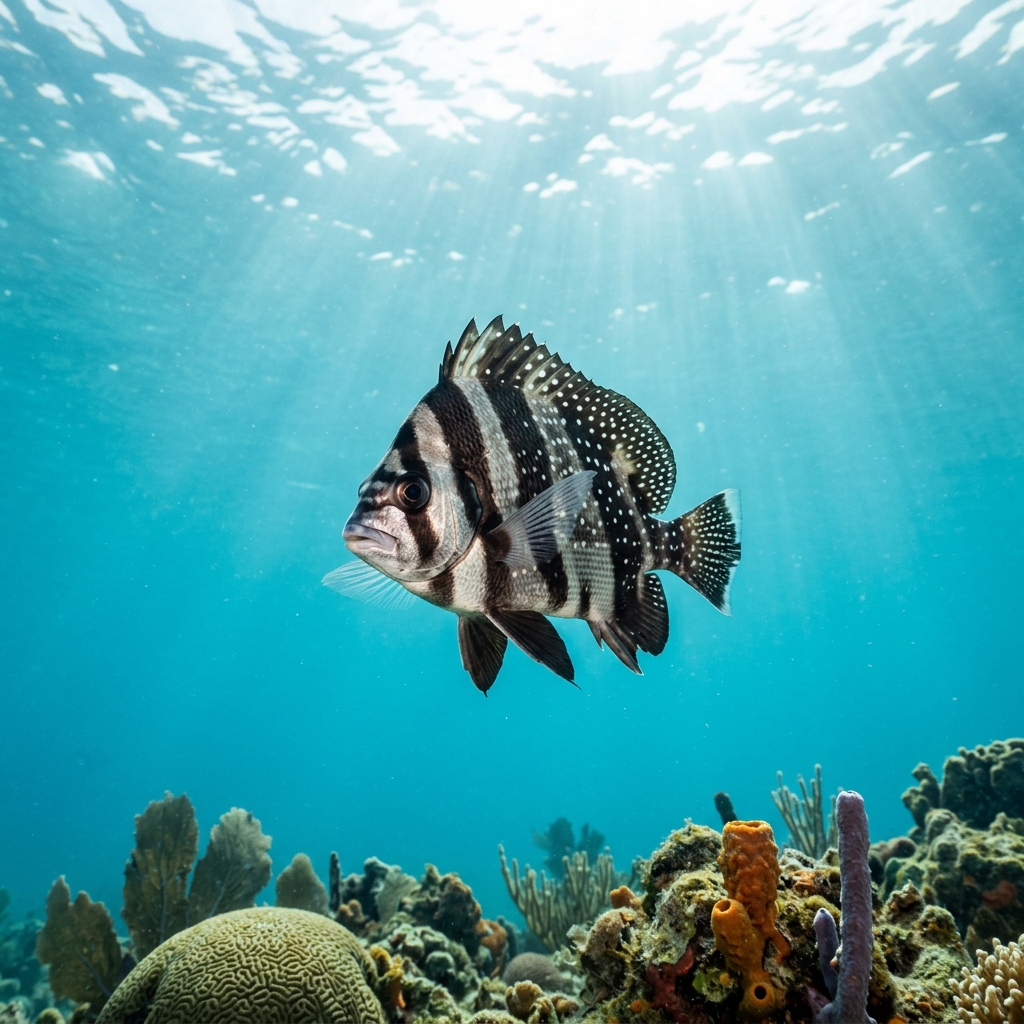
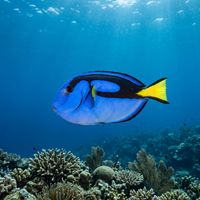
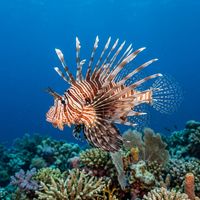
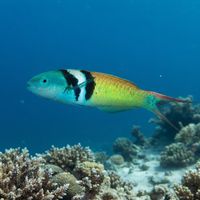
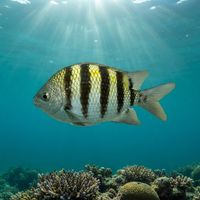
Observation-backed sightings across the region include Nurse Shark, Spotted Moray, Fairy Basslet, French Angelfish, and Queen Angelfish at very high frequency. Wrasses, Stoplight Parrotfish, Pacific Trumpetfish, Whiptail Stingray, and Flamingo Tongue are also consistently recorded. Brazilian Reef Octopus and Great Barracuda are common, and Green Sea Turtle is encountered occasionally across sites.
A good portion of the sites are rated beginner level, including Chromis Reef off Cooper Island, Painted Walls and Monkey Point at Salt Island, and Vanishing Rock with its pillar coral formations. Currents are described as mild at several of these spots, and depths are manageable. More challenging drift and wall dives such as Shark Point and Jeff Rocks are rated intermediate or advanced, so there is real range across skill levels.
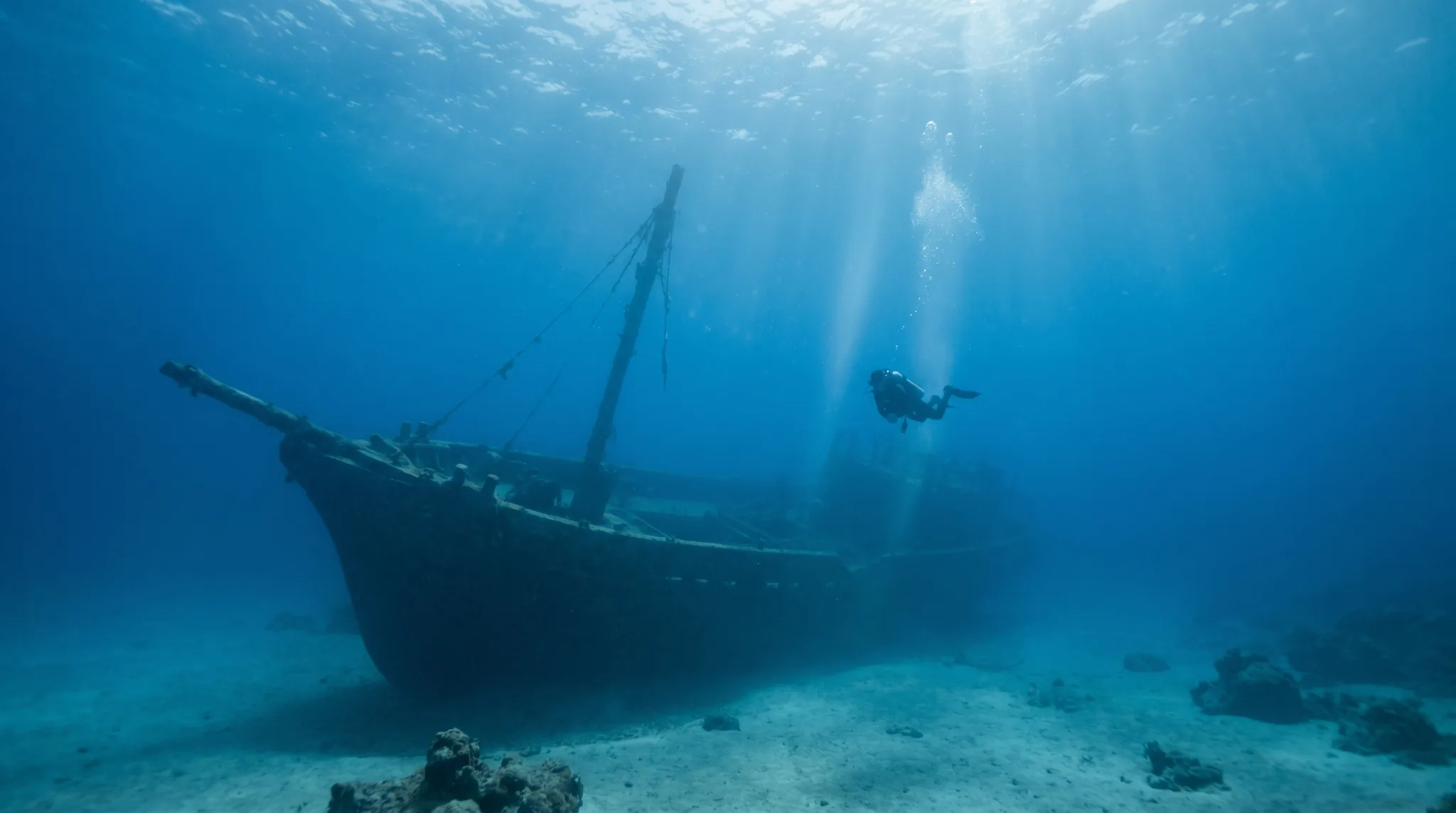
Salt Island (Wreck Alley) is defined by the RMS Rhone and a cluster of reef and wall sites ranging from very shallow to deep. Cooper Island offers multi-level wall diving at Ginger Steps alongside accessible reef sites. Norman Island brings together drift, wall, and canyon terrain at The Caves and The Indians, plus the deliberately sunk Willy T schooner, which functions as an artificial reef visited by both divers and snorkellers.
All listed sites across the region are boat-access only. Operators including Sail Caribbean Divers, Dive BVI, Blue Water Divers, BVI Scuba Co, We Be Divin', and Day Trips BVI serve the area, giving a solid range of options for guided trips. Because sites are spread across Cooper Island, Norman Island, and Salt Island, choosing an operator familiar with your target sub-area is worthwhile.