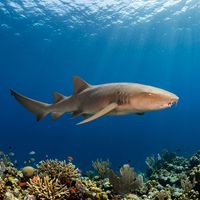
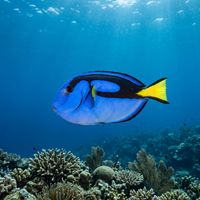
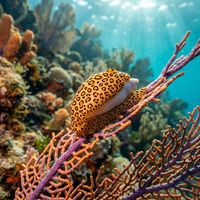
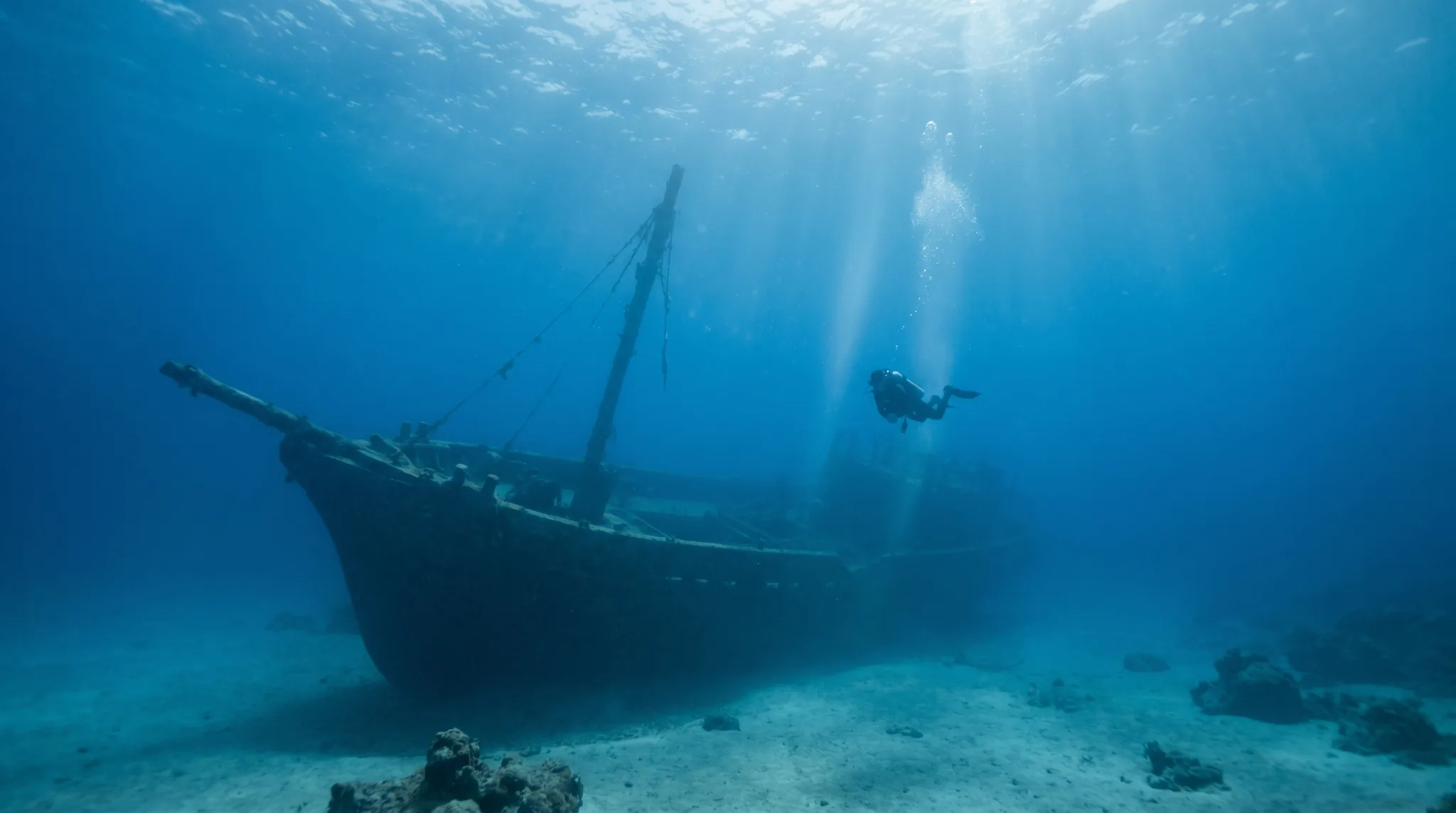
Saint John offers a varied dive landscape built around reef diving, with sites ranging from shallow shore entries to deep walls and drift dives. Beginner-friendly reefs such as Cabrita, Cathedral, and Dog Island sit alongside more demanding sites like Congo, where walls and canyons drop steeply, and Mercurius Rock, a seamount featuring caves and caverns. Warm water persists year-round, peaking in late summer and early autumn. Green Sea Turtle, Nurse Shark, and Brazilian Reef Octopus are regularly observed, and Wrasses, Blue Tang, and Flamingo Tongue appear across almost every site. Cruz Bay Watersports serves the area.

Monthly water temperature across Saint John's sites, from satellite sea-surface data corrected for depth. The band shows the site-to-site spread.
Water stays warm throughout the year, with temperatures rising gradually from early spring through summer and peaking in September and October. The best conditions for diving fall broadly from late spring through autumn, when visibility tends to be at its highest. December sees a modest dip in diver activity, though the water remains comfortably warm even then.
11 operators
US Virgin Islands
US Virgin Islands
US Virgin Islands
28 more sites to explore
Water temperature around Saint John ranges from about 27°C in January to 30°C in September, based on satellite sea-temperature data for its dive sites.
With water around 27–30°C, a rash guard or 3mm shorty works in Saint John year-round.
Fin maps 40 sites in Saint John (39 scuba diving sites and 8 snorkelling spots, with some suited to both).
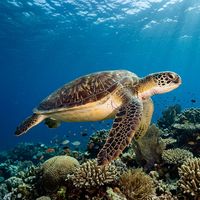
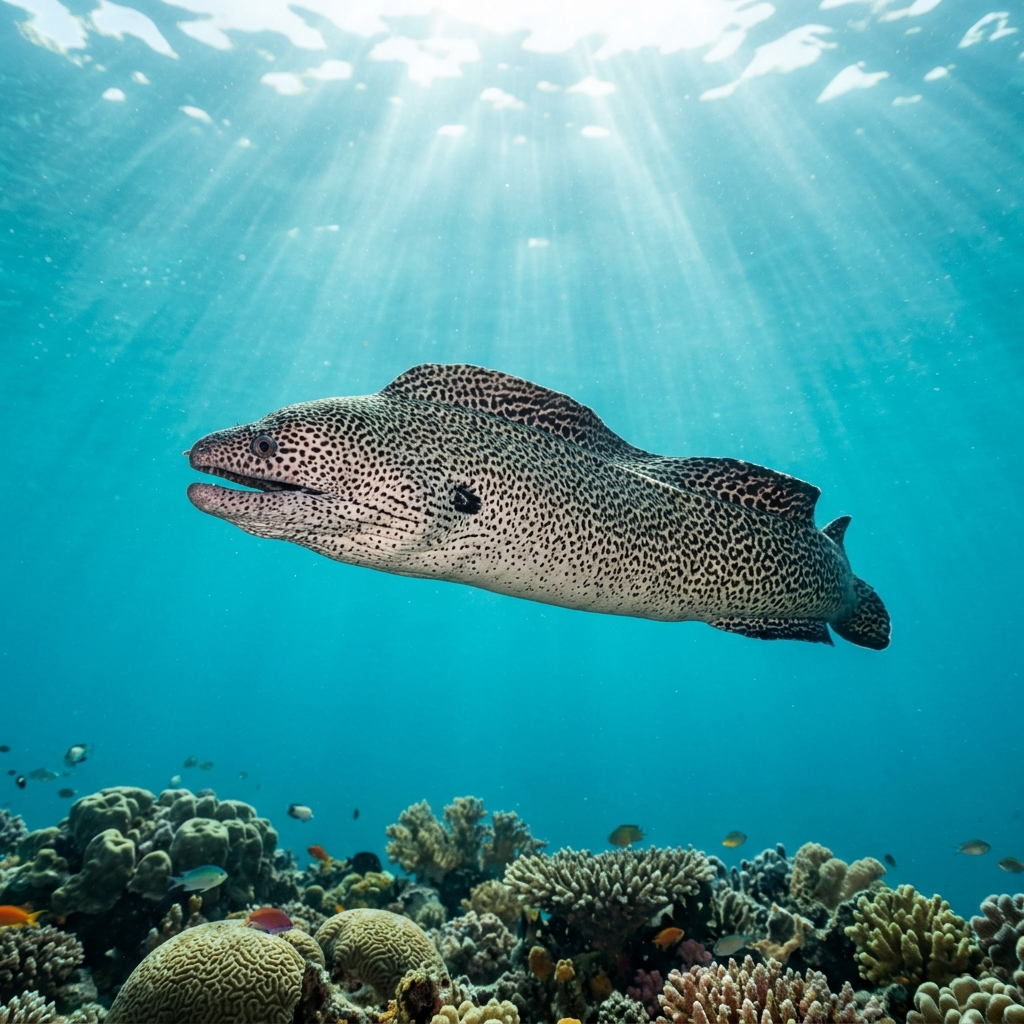
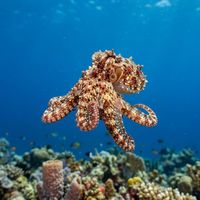
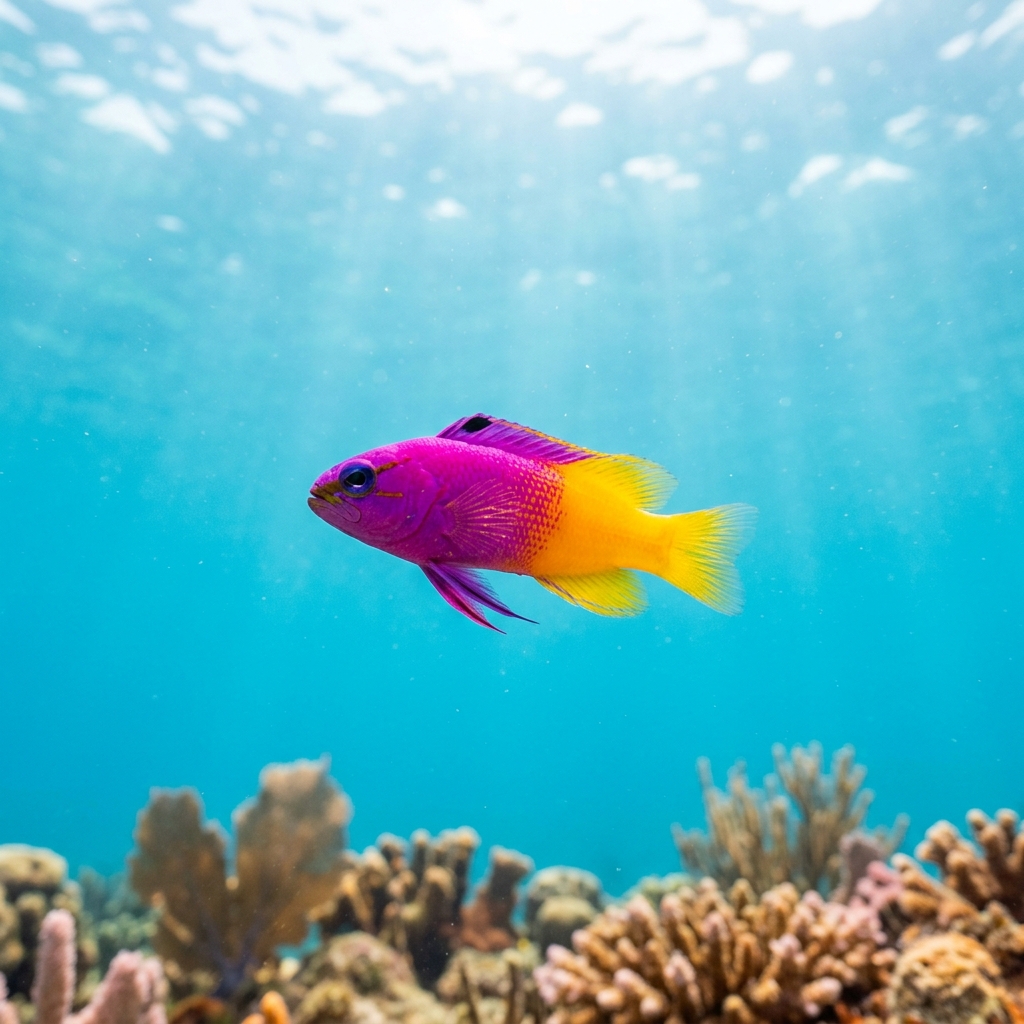
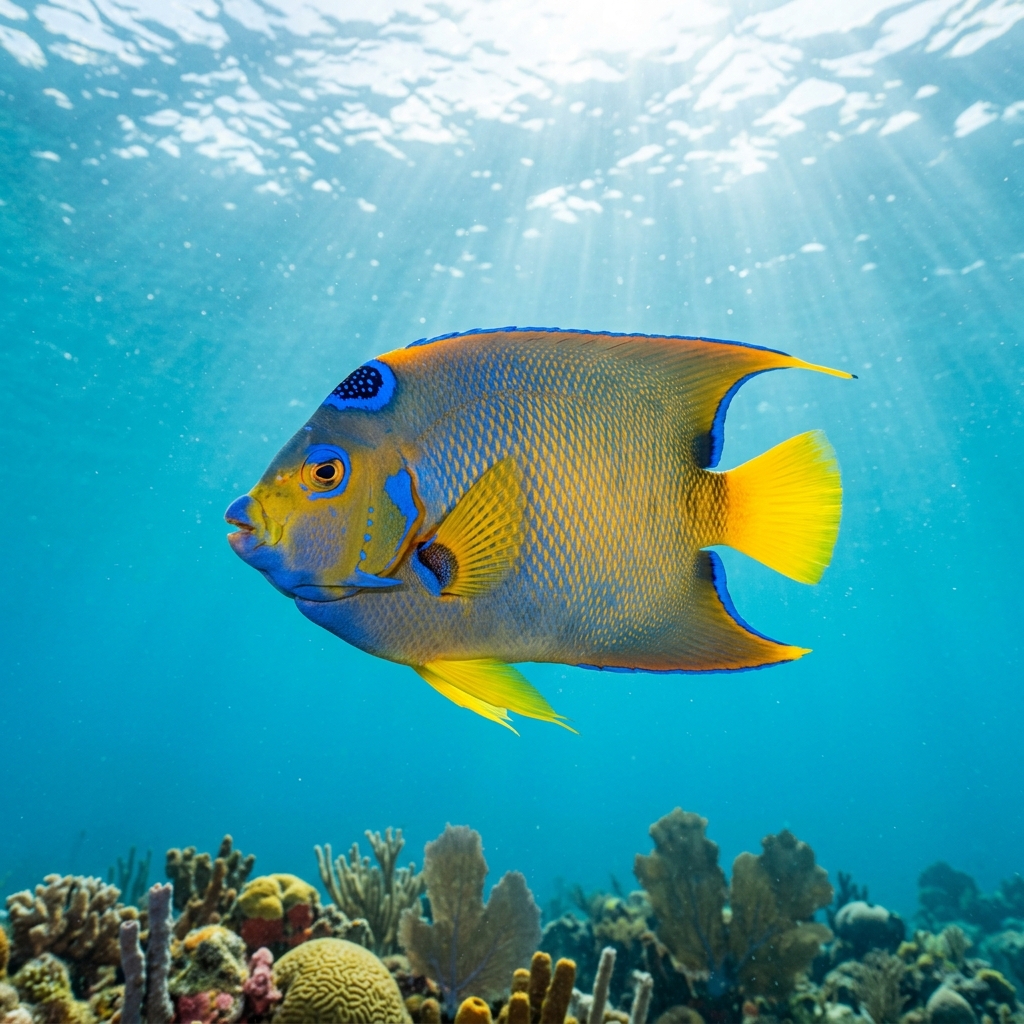
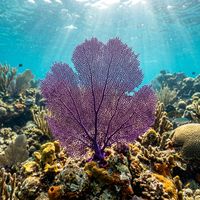
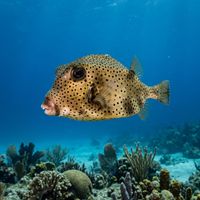
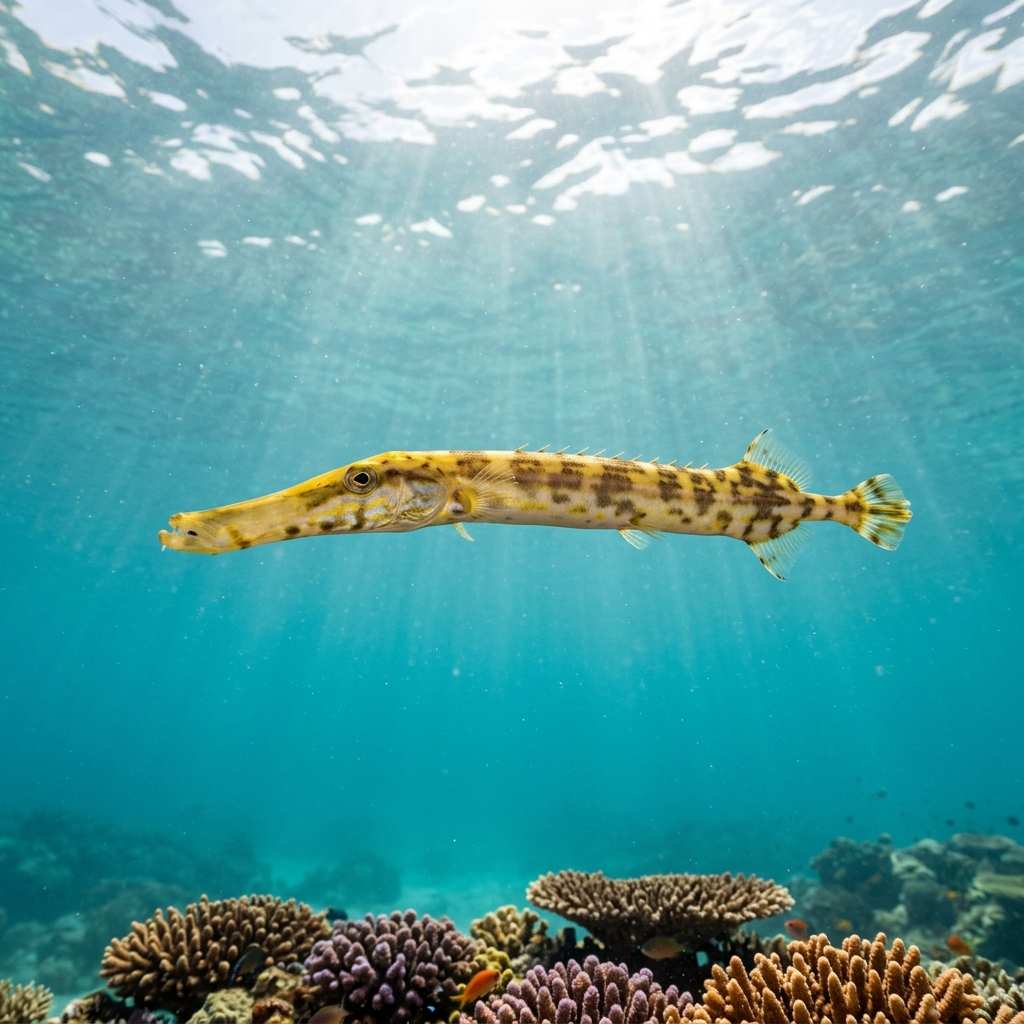
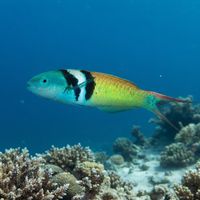
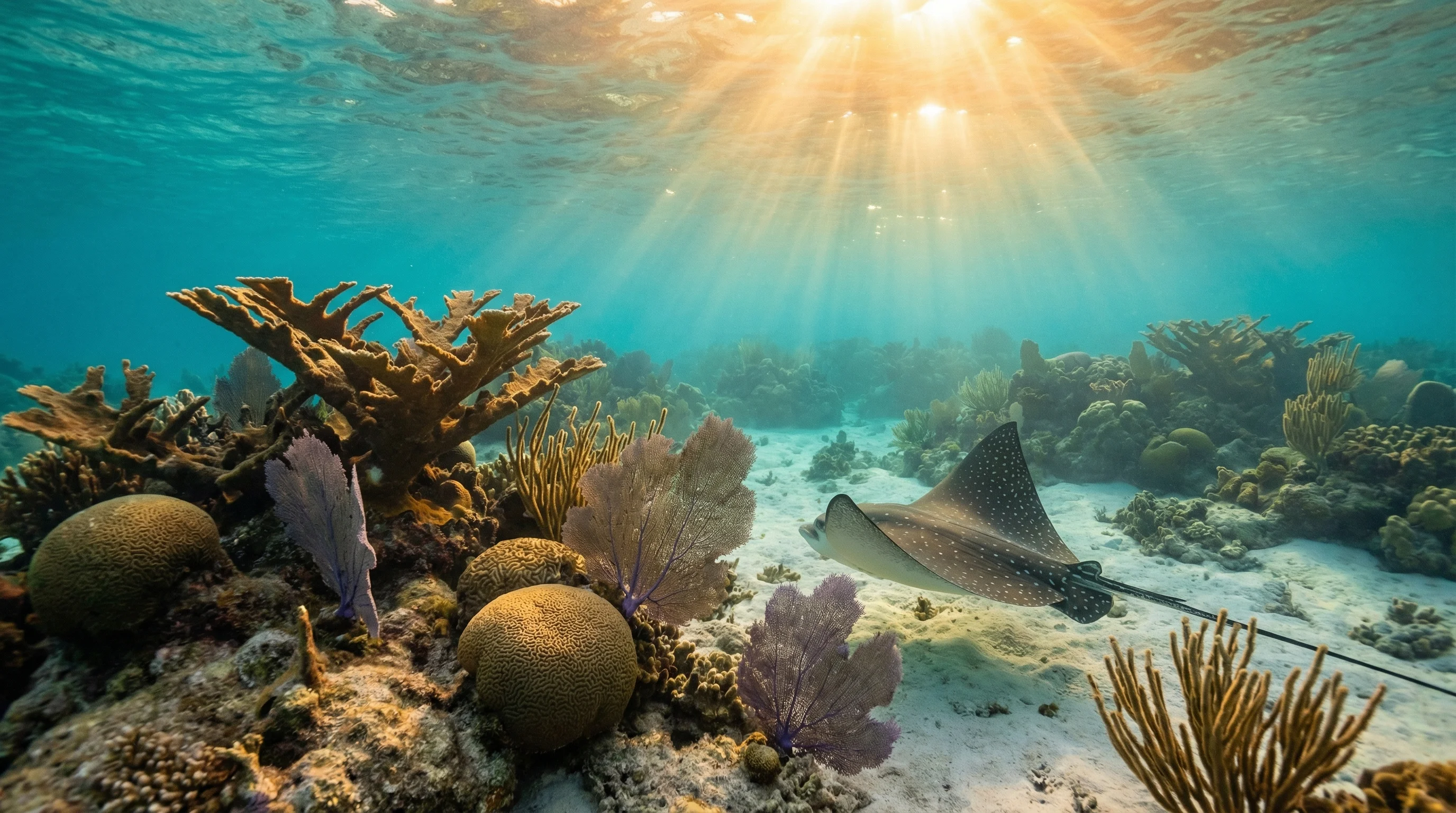
Saint John's reefs support a rich mix of observed species. Green Sea Turtle and Nurse Shark are commonly encountered, while Brazilian Reef Octopus and Spotted Moray reward divers who look carefully into crevices. Queen Angelfish, Fairy Basslet, and Foureye Butterfly Fish add vivid colour to the reef, and Wrasses and Blue Tang are present on virtually every site.
The majority of sites listed in Saint John are rated for beginner divers, including shore-accessible spots such as Hawksnest Beach and Caneel Bay, as well as boat-access reefs like Cabrita, Cathedral, and Mingo Key. Intermediate divers have their own targets in Congo and Mercurius Rock, where walls, caverns, and deeper terrain add challenge. There is a strong foundation here for newly certified divers, provided they dive within their training.
Most sites in Saint John are reached by boat, which is the standard entry type across the dive list. A handful of sites, including Hawksnest Beach and Caneel Bay, are directly accessible from shore. Cruz Bay Watersports operates in the area and can arrange boat-based trips to the wider selection of sites.
Saint John spans a broad range of underwater terrain. Shallow reef sites like Cathedral and Mingo Mounds suit casual dives, while Carval Rock introduces drift diving alongside reef and swim-throughs. Congo stands out for its combination of walls, drop-offs, and canyons. Grass Cay adds seagrass habitat to the mix, and Mercurius Rock offers seamount topography with pinnacles and caves for divers seeking more complex navigation.