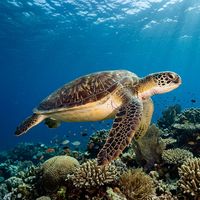
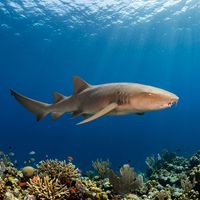
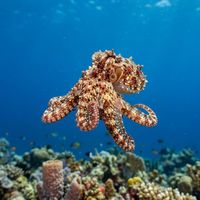
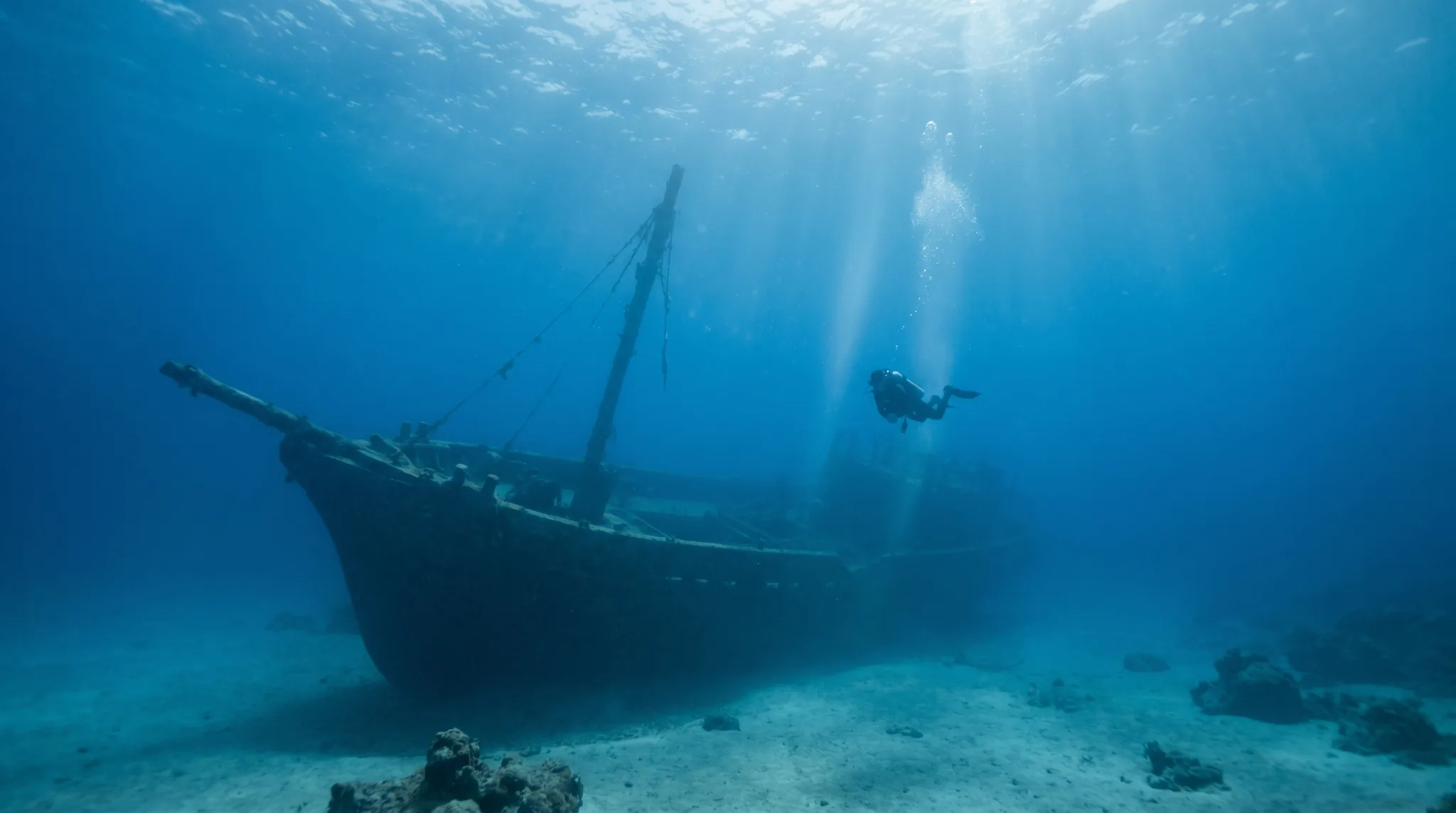
Jost Van Dyke sits in the Caribbean Sea, and its eight sites span reefs, pinnacles, and walls that suit divers of all levels. Depths run from shallow snorkelling ground to around thirty metres, with water staying warm throughout the year and cooling slightly in late winter. Sites such as Twin Towers feature two distinct pinnacles where currents can build quickly, while Playground Point and Turtle Head offer calmer terrain for beginners. The Kingfish Banks reefs sit well offshore and reward those who time their dive to slack water. Green sea turtles, nurse sharks, flying gurnards, and octopus are regularly recorded here. Peak visibility and settled conditions come between December and May.
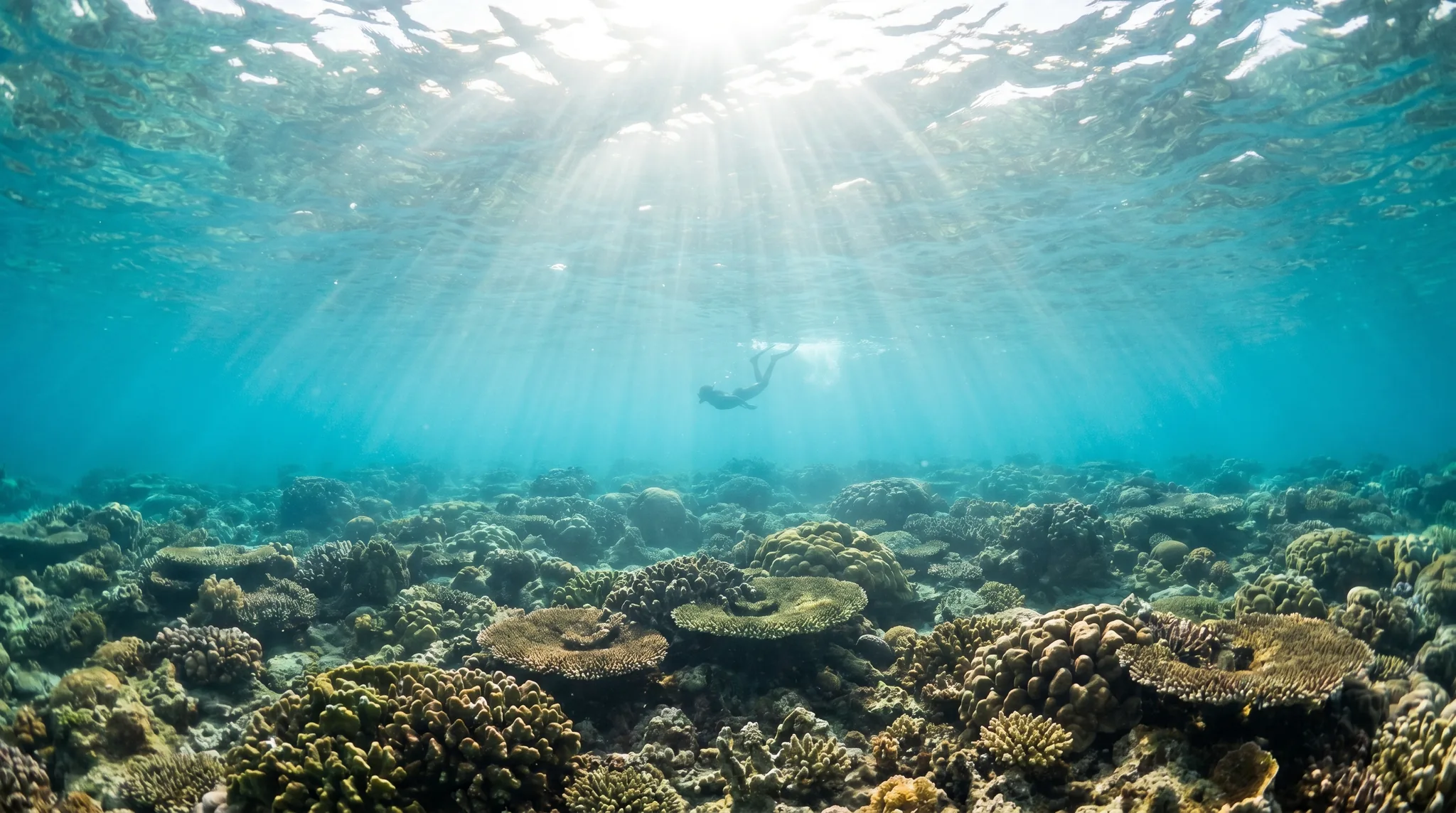

Jost Van Dyke covers a wide stretch of coastline, so conditions vary by area. The band below shows the spread across its sites through the year.
Water temperature stays warm year-round, rising to its highest in late summer and early autumn, and dipping slightly in late winter. The calmest, clearest conditions tend to fall between December and May, making that the preferred window for visiting divers. Outside that period, currents and surge can increase at exposed sites such as the Kingfish Banks, so checking tidal timing with a local operator matters.
Jost Van Dyke spans a wide latitude range, so water temperature varies a lot by area: roughly 26-30°C across its dive sites. Check the individual area pages for local conditions.
Fin maps 8 sites in Jost Van Dyke (8 scuba diving sites).
1 more site to explore