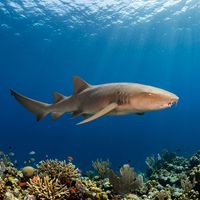
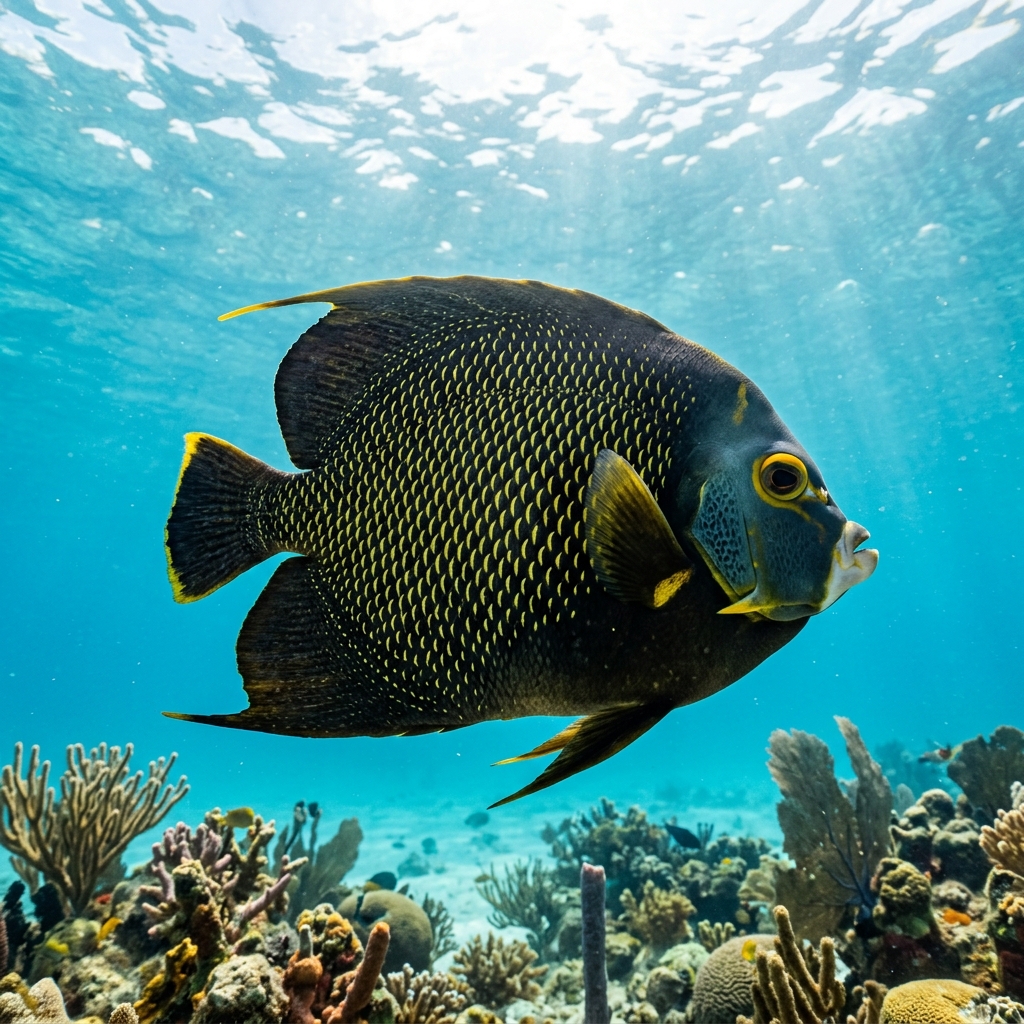
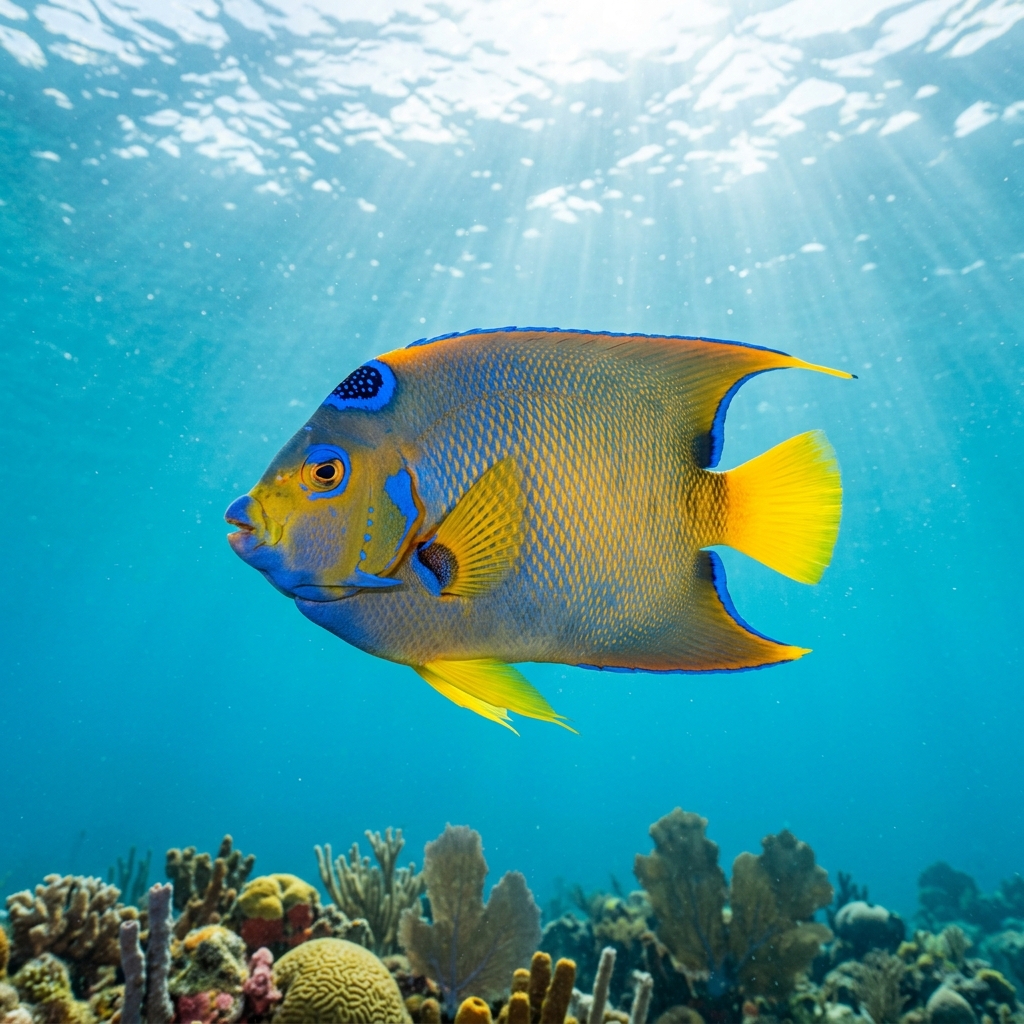
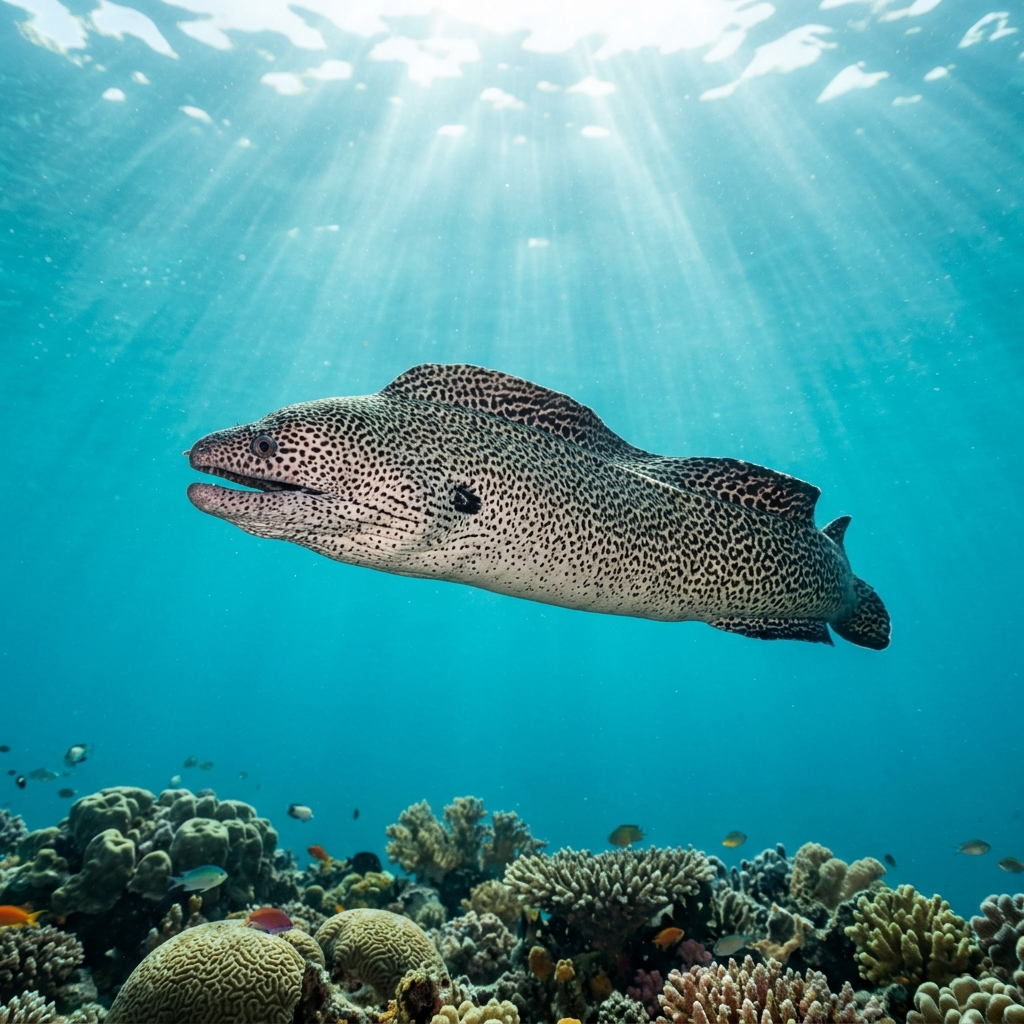
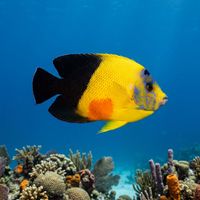
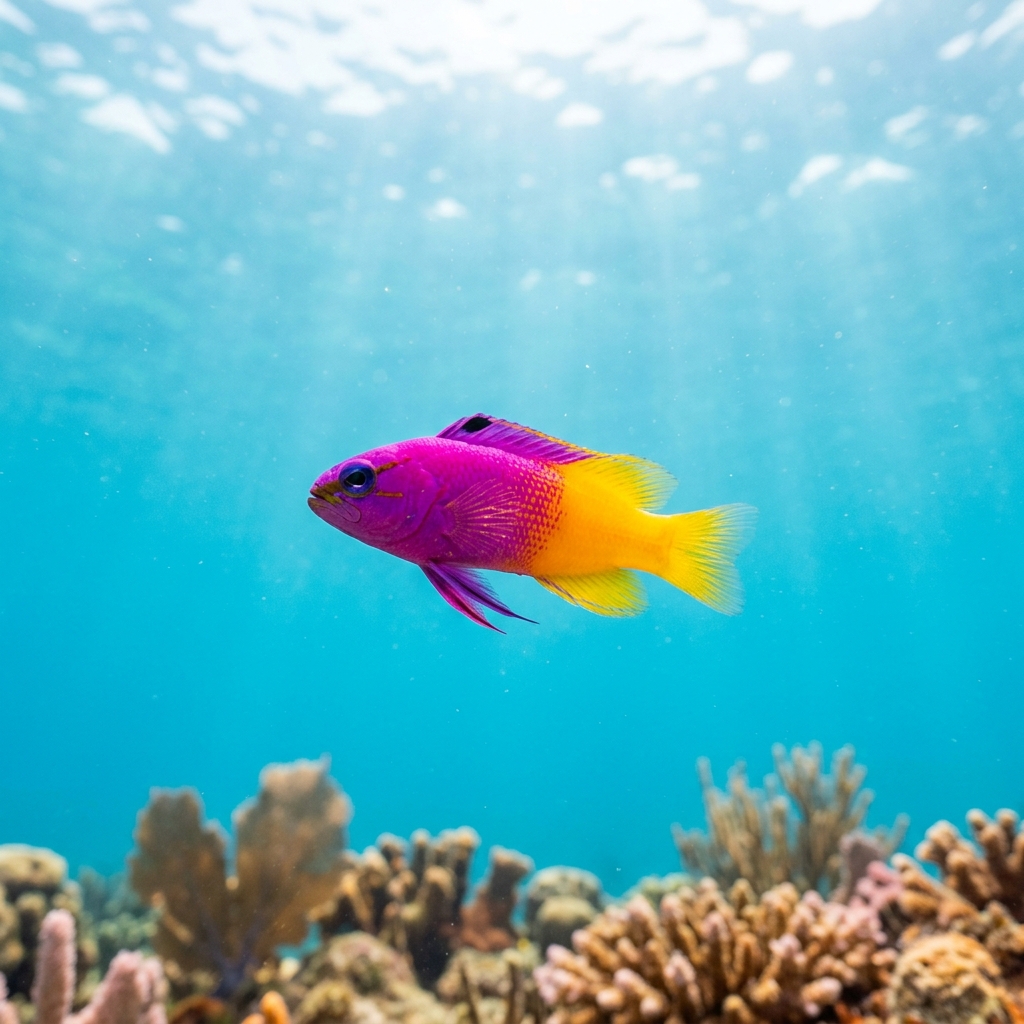
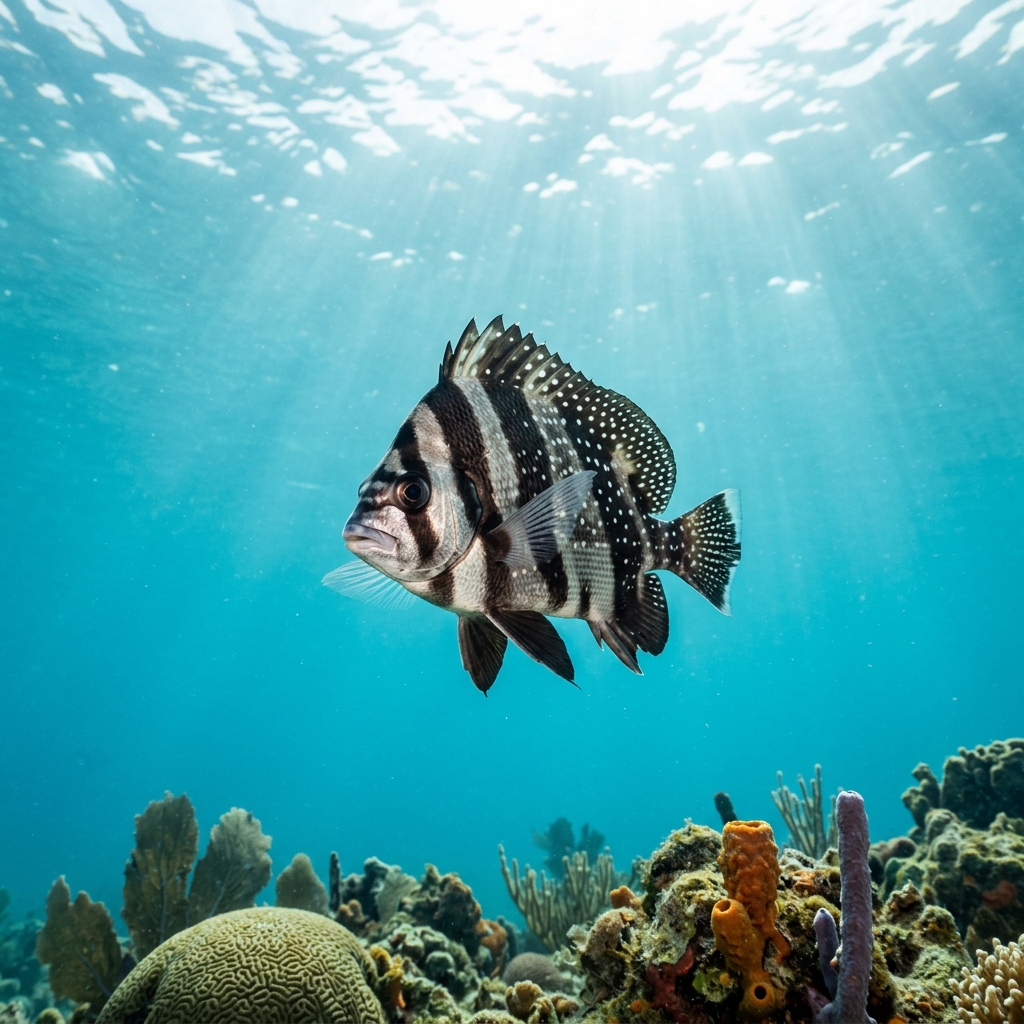
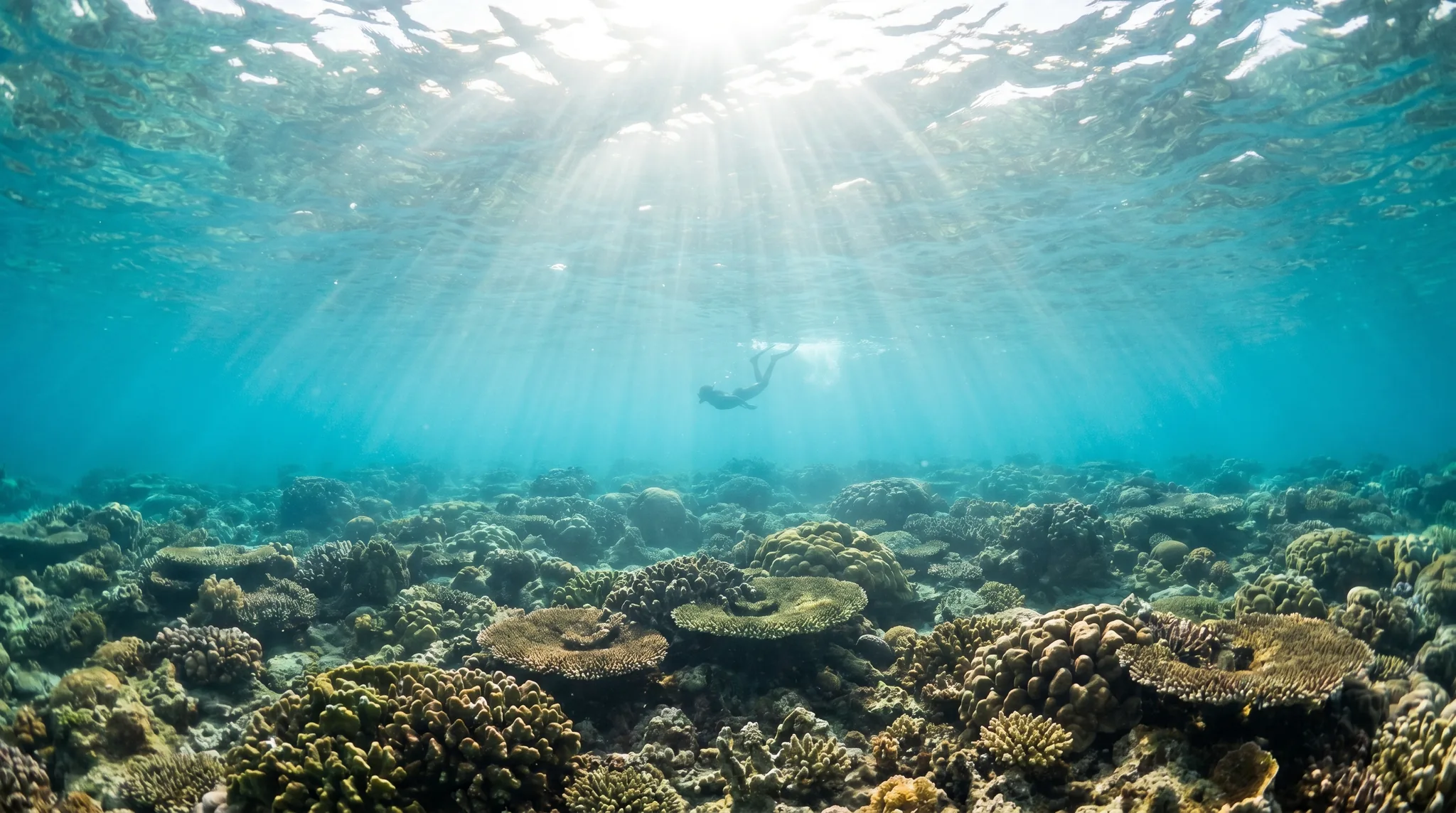
Cooper Island offers a concentrated mix of reef, wall, wreck, cave and drift diving, all accessed by boat. Artificial structures such as the Kodiak Queen and Sharkplaneo sit alongside natural grottos and stepped wall systems like Ginger Steps. Beginner-friendly reef sites share the area with stronger drift dives suited to advanced divers. Signature encounters include the Nurse Shark, French Angelfish, Queen Angelfish, Spotted Moray and Green Sea Turtle across a wide spread of sites.
Monthly water temperature across Cooper Island's sites, from satellite sea-surface data corrected for depth. The band shows the site-to-site spread.
Water temperature stays warm throughout the year, rising to its peak in late summer and early autumn, then easing slightly through winter, which remains mild. The best-months data points clearly toward December through April as the prime window, likely reflecting calmer conditions and cleaner visibility outside the summer hurricane season. Drift sites such as The Visibles and Seal Dog Rock carry strong currents regardless of season and require careful timing.
8 operators
British Virgin Islands
British Virgin Islands
British Virgin Islands
27 more sites to explore
Water temperature around Cooper Island ranges from about 27°C in January to 30°C in September, based on satellite sea-temperature data for its dive sites.
With water around 27–30°C, a rash guard or 3mm shorty works in Cooper Island year-round.
Fin maps 39 sites in Cooper Island (38 scuba diving sites and 6 snorkelling spots, with some suited to both).
Across Cooper Island's dive sites, January, February, March, April and December are most often reported as the best months to visit.
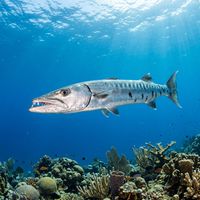
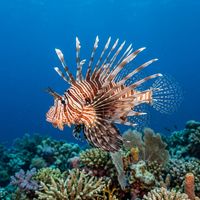
Cooper Island's reefs are well documented for Nurse Shark, French Angelfish, Queen Angelfish, Spotted Moray and Green Sea Turtle as signature species. Wider reef communities include Great Barracuda, Atlantic Tarpon, Blue Tang, Rock Beauty, Fairy Basslet, Caribbean Spiny Lobster and Brazilian Reef Octopus. Indian Lionfish are also frequently observed across many of the sites.
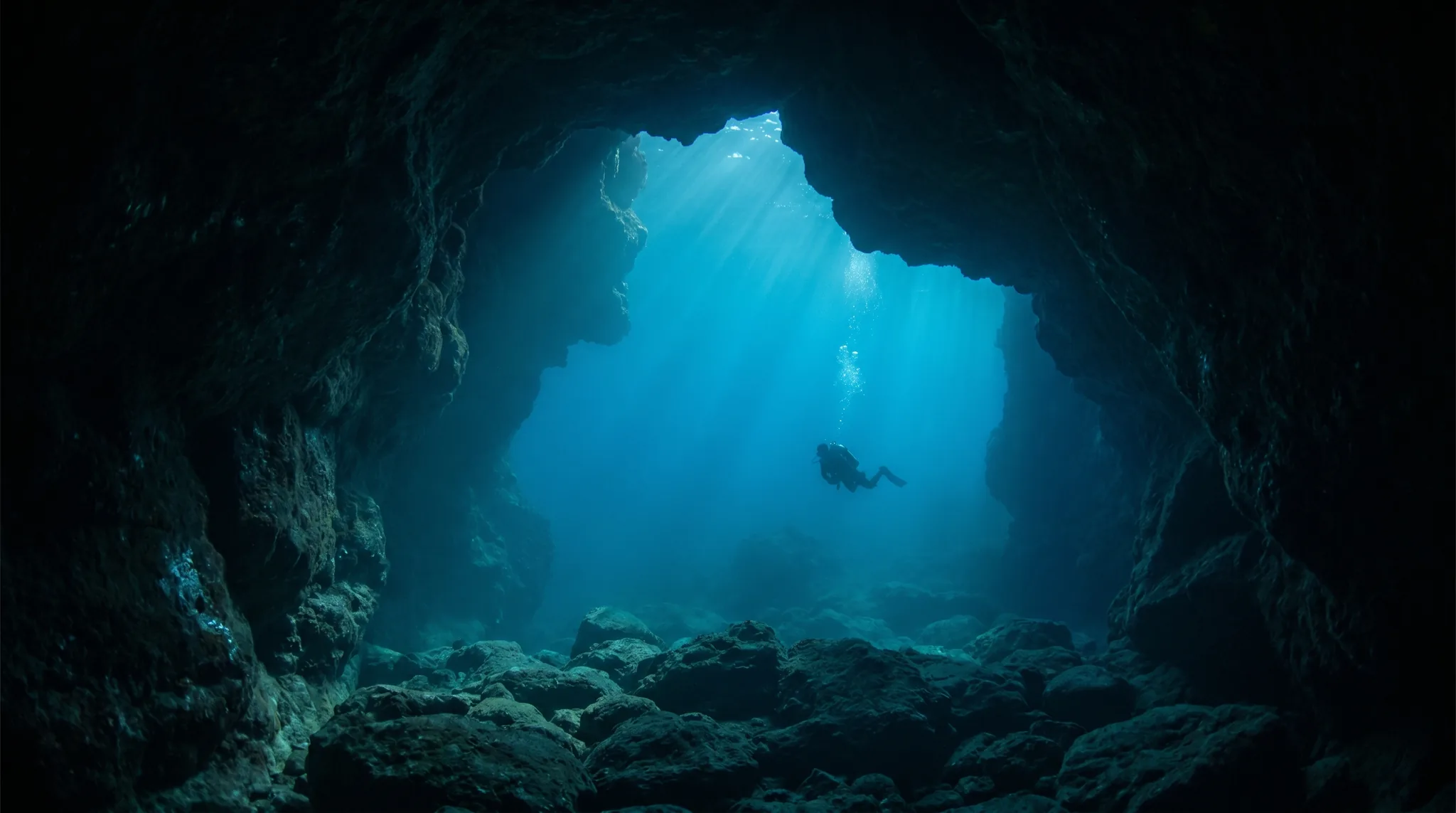
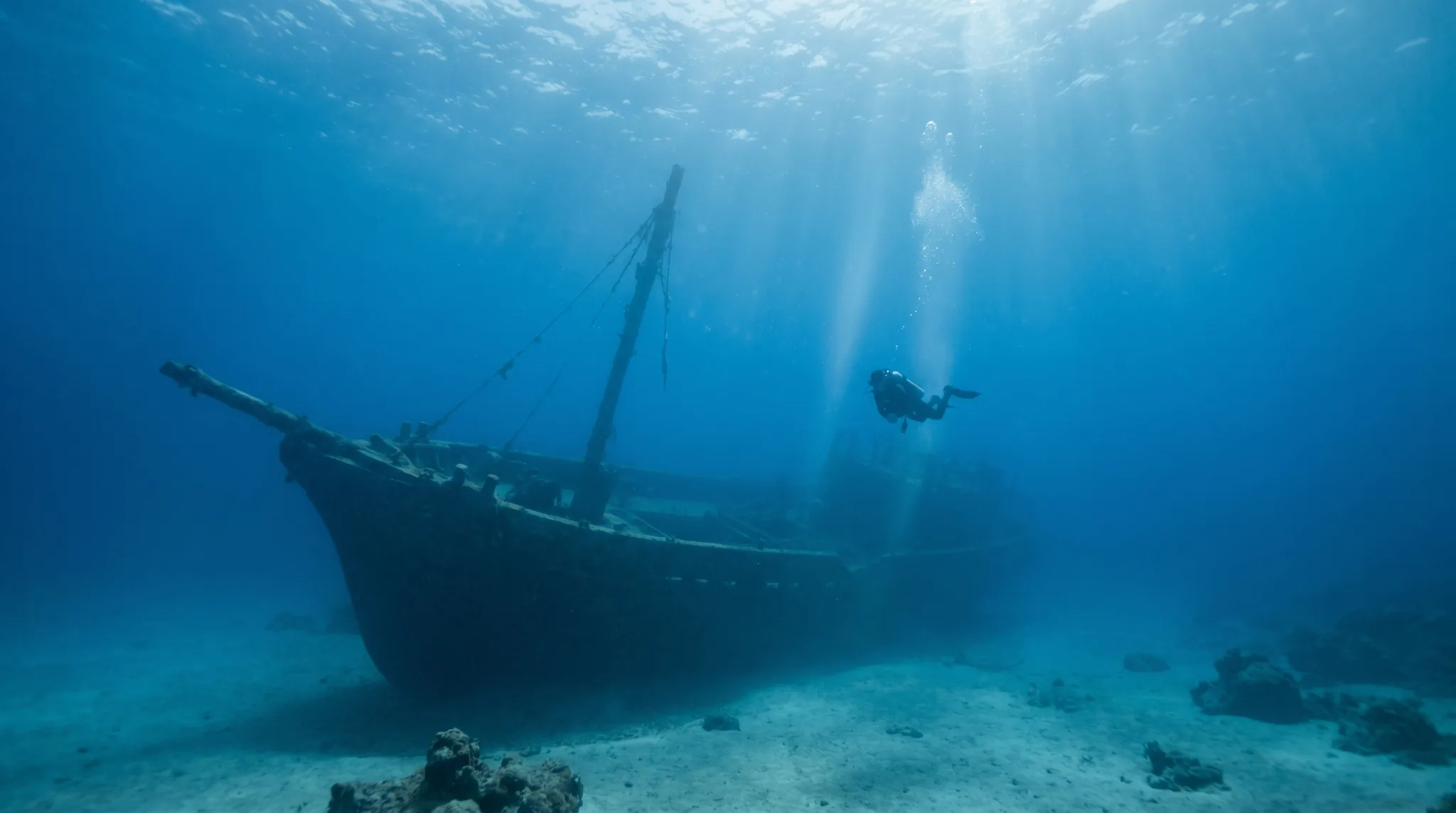
A good portion of Cooper Island's sites are rated for beginners, including shallow reef and cave dives such as Big Grotto, Little Grotto and Chromis Reef, as well as the accessible wreck of the Kodiak Queen. Intermediate and advanced ratings apply to drift sites like The Visibles and current-exposed locations such as Seal Dog Rock and P.O.S. at Cockroach Island, so there is real variety across skill levels.
All listed dive sites around Cooper Island are boat-access only. Sail Caribbean Divers is the operator serving the area. There are no shore-entry sites in the site listing, so planning around boat departures is essential for every dive.
Cooper Island covers an unusually varied range of site types for a single area. Divers can explore natural cave and grotto systems, sloping and stepped reef walls, pinnacles, artificial reefs featuring plane and vessel wrecks including the Kodiak Queen and the tugboats at Wreck Alley, and open-water drift dives. This variety means a multi-day itinerary rarely repeats the same underwater character.