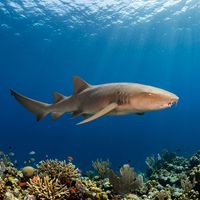
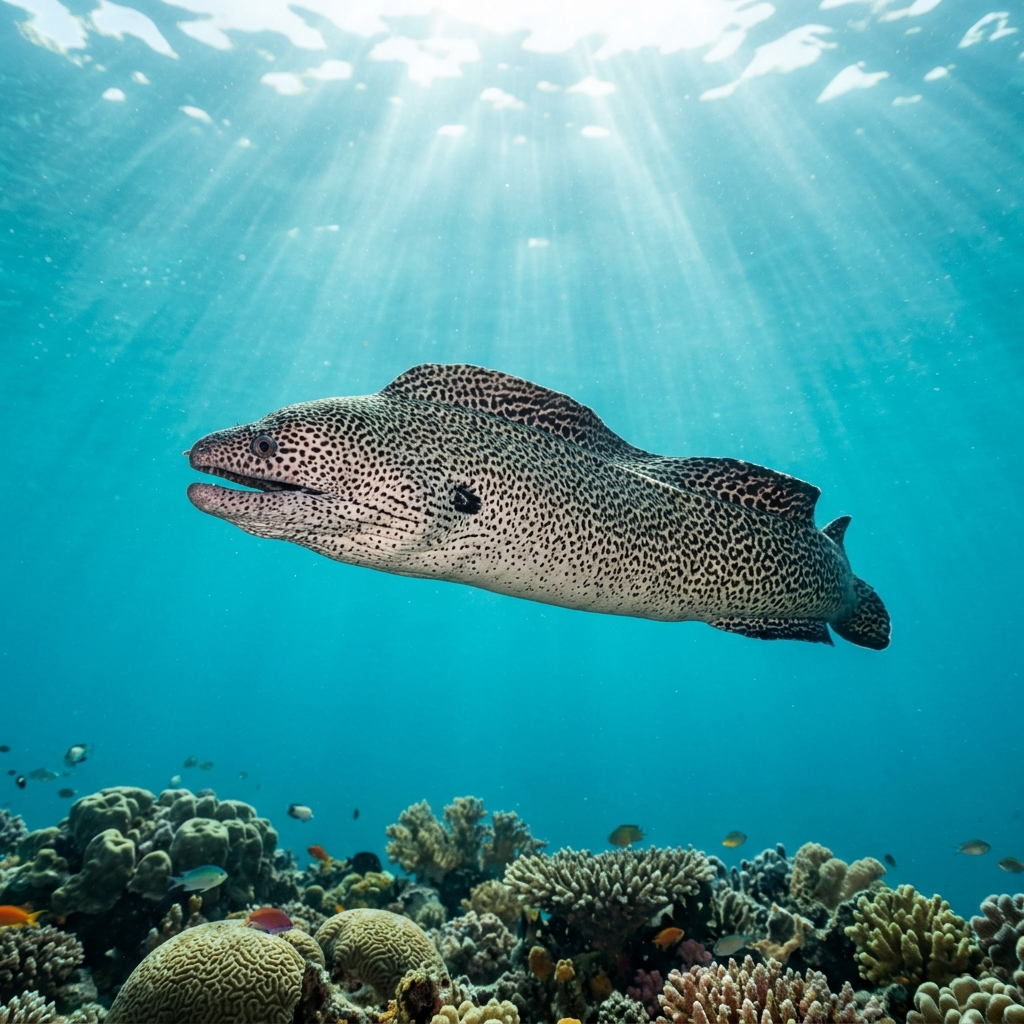
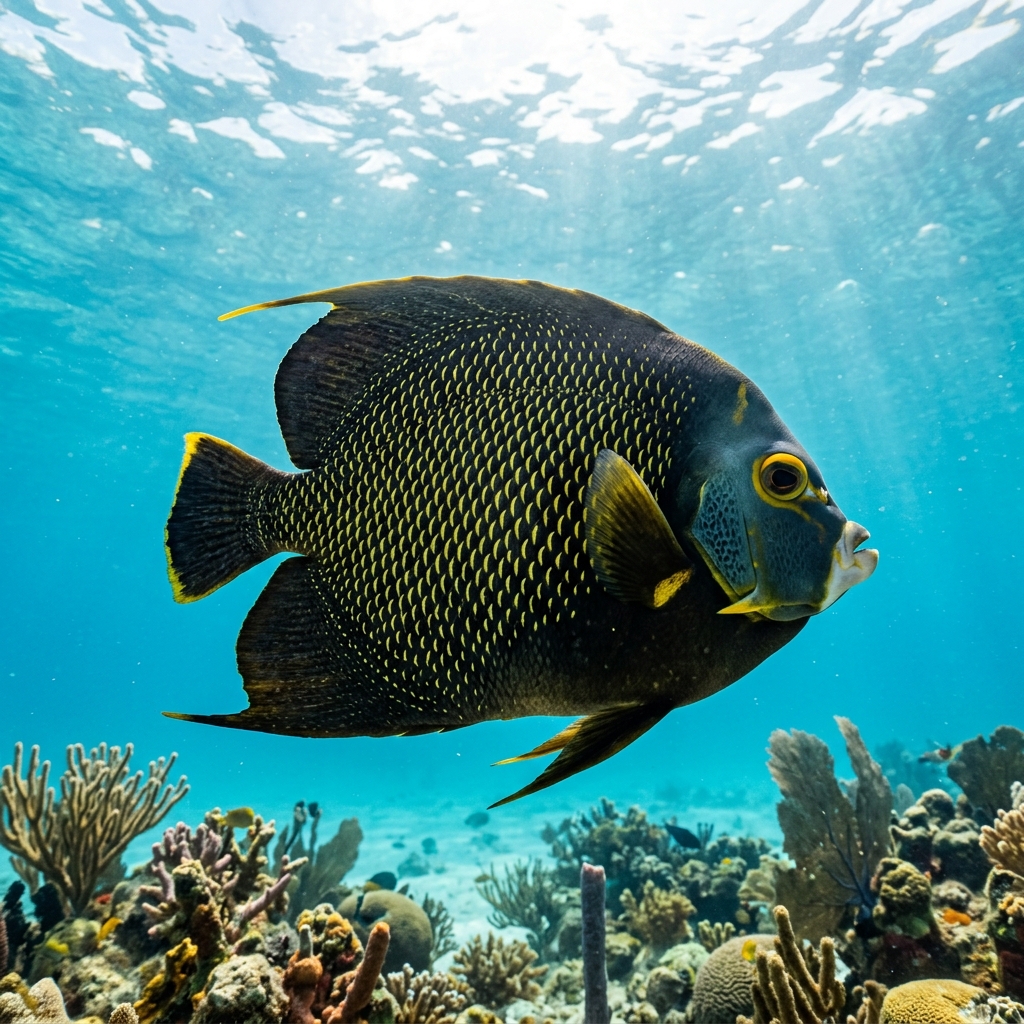
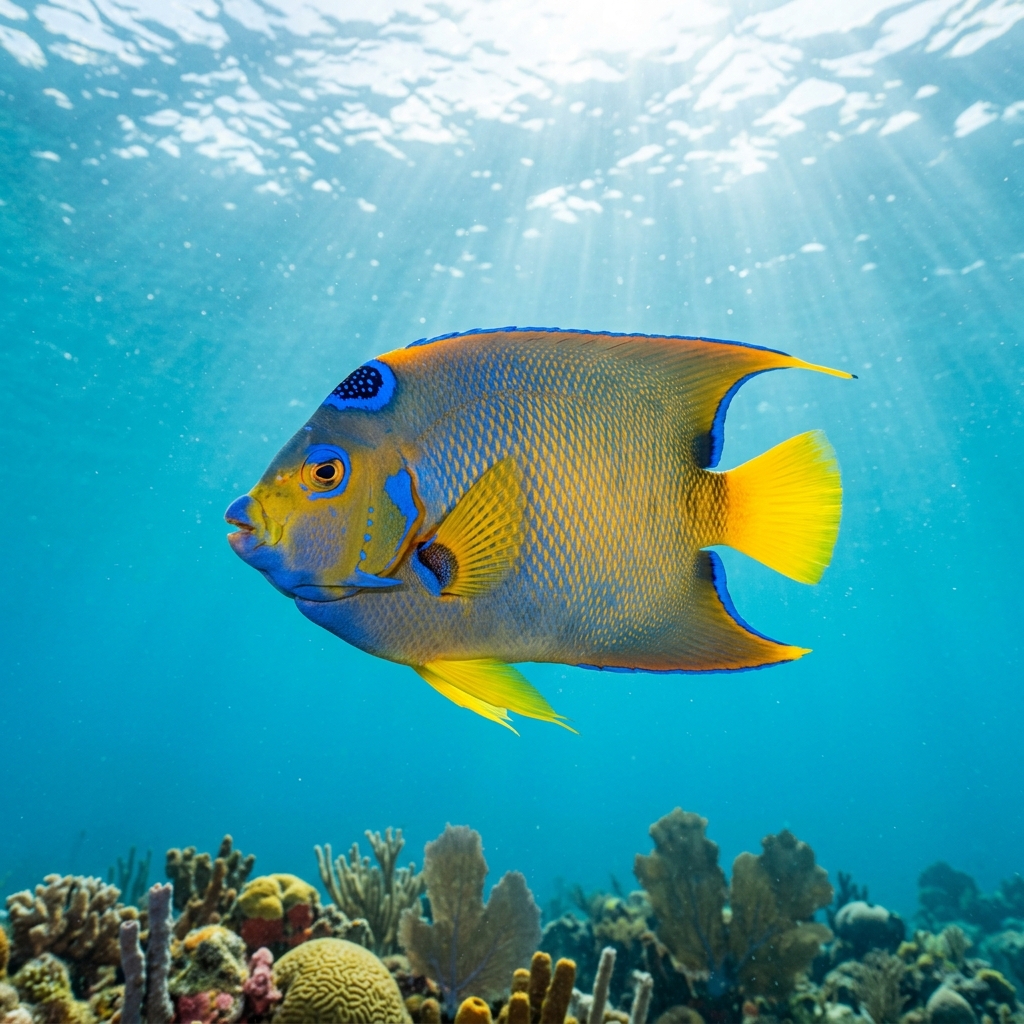
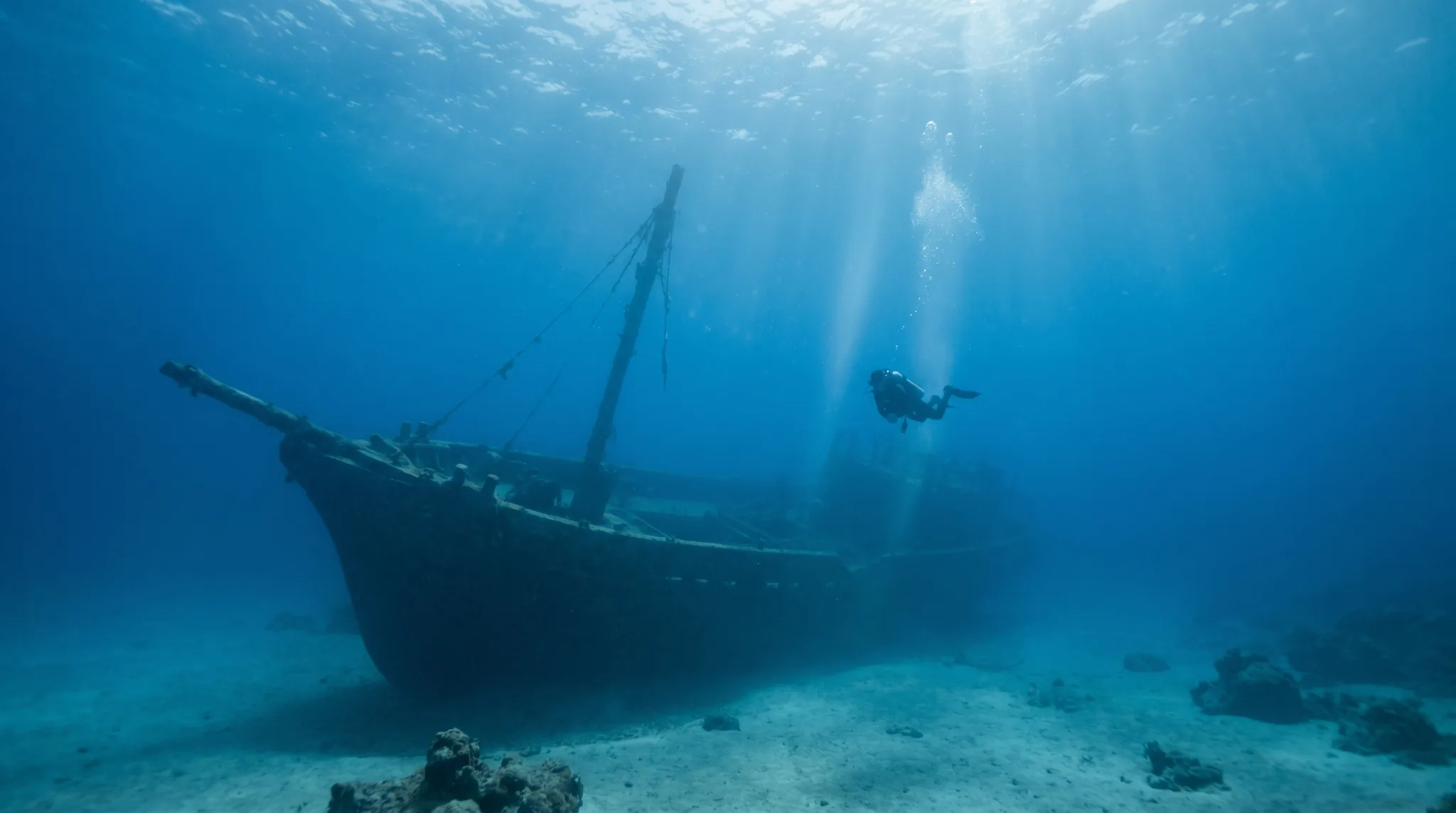
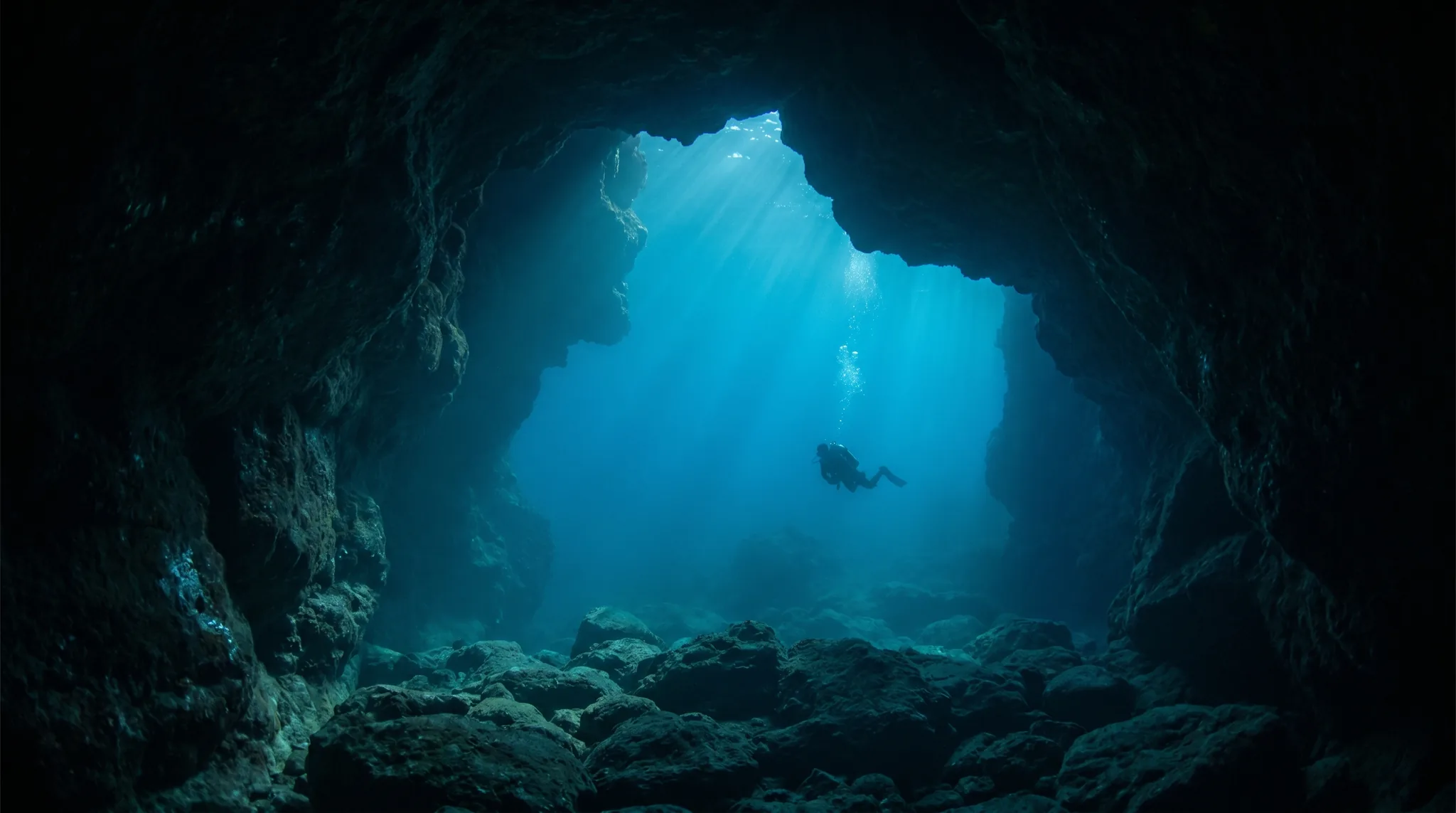
Salt Island earns its Wreck Alley name through the RMS Rhone, a historic shipwreck that forms the centrepiece of diving here and functions as a thriving artificial reef. Beyond the Rhone, the area offers considerable variety: shallow reef dives at Cistern Point and Painted Walls suit beginners, while drift diving at Brewers Bay Pinnacles and the cave system at Grand Central Station challenge more experienced divers. Nurse Shark, Spotted Moray, Green Sea Turtle and both French and Queen Angelfish are consistently observed across the sites.

Monthly water temperature across Salt Island (Wreck Alley)'s sites, from satellite sea-surface data corrected for depth. The band shows the site-to-site spread.
Water stays warm year-round, climbing to its peak through the late summer and early autumn months, making thermal comfort rarely a concern. The best-months data points to late spring and December as particularly favoured periods, though January through April also draws regular visitors. Exposed pinnacle sites such as Brewers Bay Pinnacles carry stronger currents that demand attention, while sheltered sites like Cistern Point and Brewers Bay Inside offer calmer conditions.
11 operators
Road Town, British Virgin Islands
Tortola, British Virgin Islands
British Virgin Islands
7 more sites to explore
Water temperature around Salt Island (Wreck Alley) ranges from about 27°C in January to 30°C in September, based on satellite sea-temperature data for its dive sites.
With water around 27–30°C, a rash guard or 3mm shorty works in Salt Island (Wreck Alley) year-round.
Fin maps 19 sites in Salt Island (Wreck Alley) (17 scuba diving sites and 4 snorkelling spots, with some suited to both).
Across Salt Island (Wreck Alley)'s dive sites, January, February, March, April, May and December are most often reported as the best months to visit.
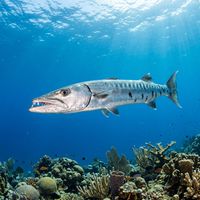
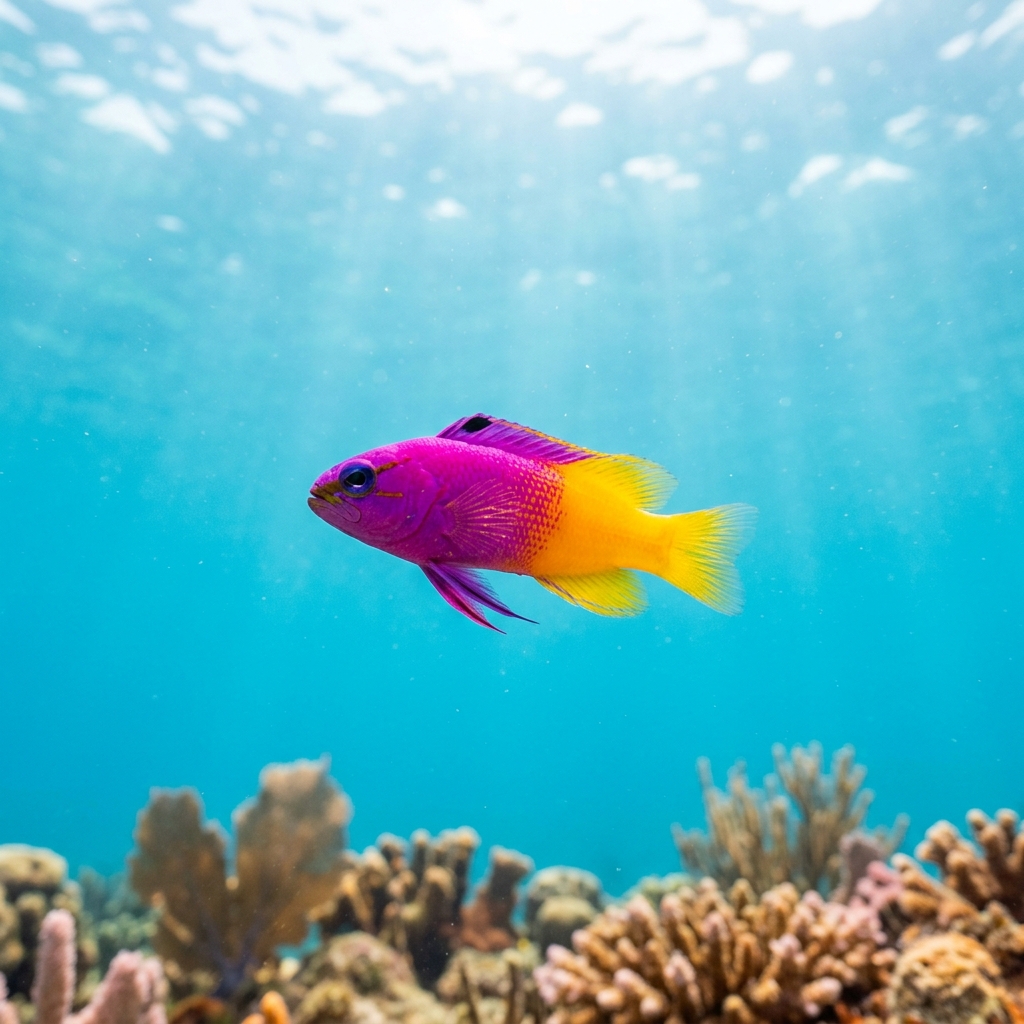
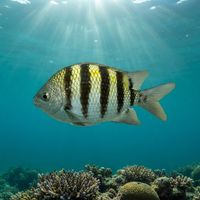
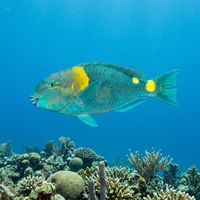
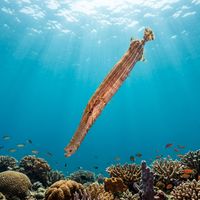
Observed species across the sites include Nurse Shark, Spotted Moray, French Angelfish, Queen Angelfish, Great Barracuda and Green Sea Turtle. Wrasse, Blue Tang, Stoplight Parrotfish and Pacific Trumpetfish are seen on virtually every dive. Brazilian Reef Octopus, Indian Lionfish, Caribbean Spiny Lobster and Porcupinefish also appear regularly, and Purple Sea Fan colonies are common throughout the reef structures.
A good proportion of the sites here are rated beginner level, including Cistern Point, Painted Walls, Vanishing Rock and Brewer's Bay Pinnacle. These offer shallow, sheltered reef diving with rich fish life. The RMS Rhone is rated intermediate, and the cave system at Grand Central Station is advanced, so there is meaningful progression for divers developing their skills.
Almost all sites in Salt Island (Wreck Alley) are reached by boat. Brewers Bay Inside is one exception, offering access by both boat and shore. Operators including We Be Divin', Sail Caribbean Divers, Last Stop Sports, BVI Scuba Co and Dive BVI all run trips to the area.
The Rhone is a shipwreck that also functions as an artificial reef, with the bow and stern sections lying at different depths and drawing a distinct range of marine life. The surrounding reef sites, from shallow colourful walls to deep pinnacles and a cave system, offer complementary dive experiences that make Salt Island worth more than a single-wreck visit.