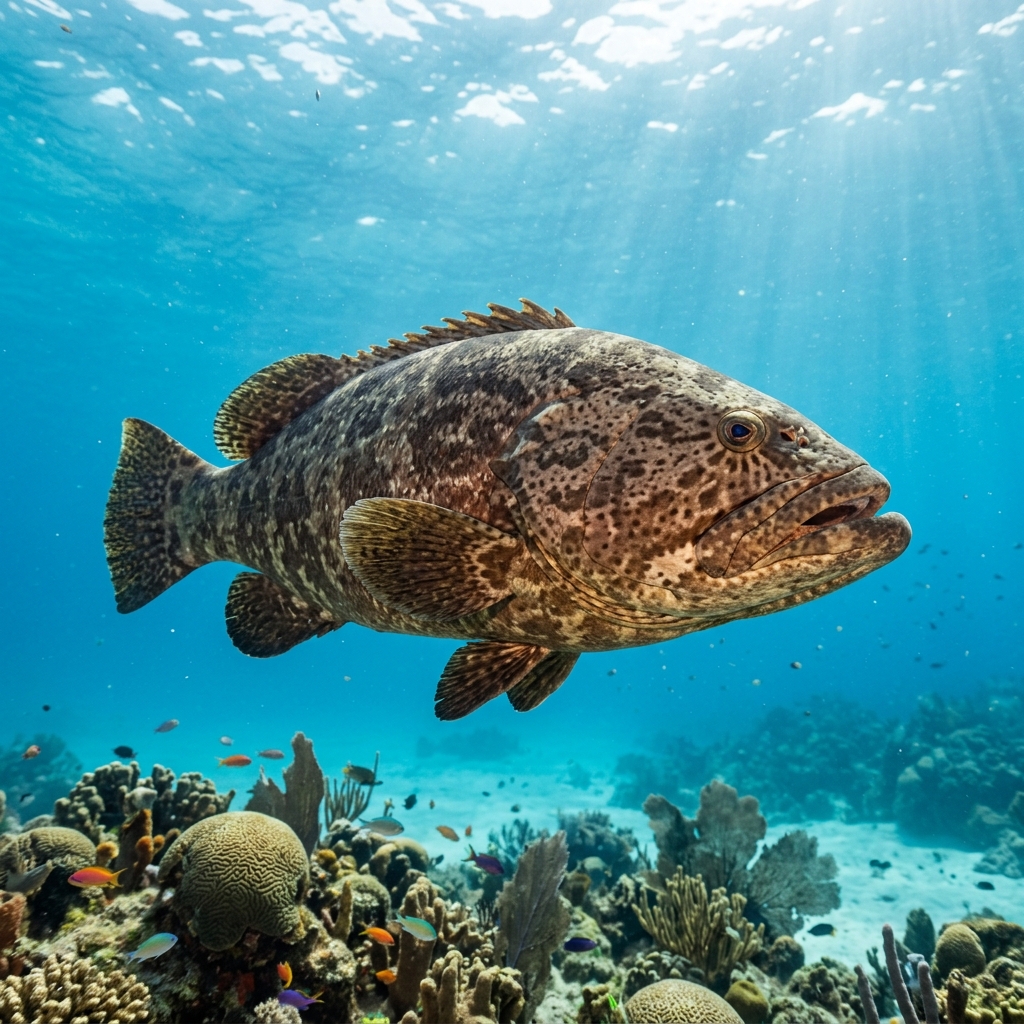
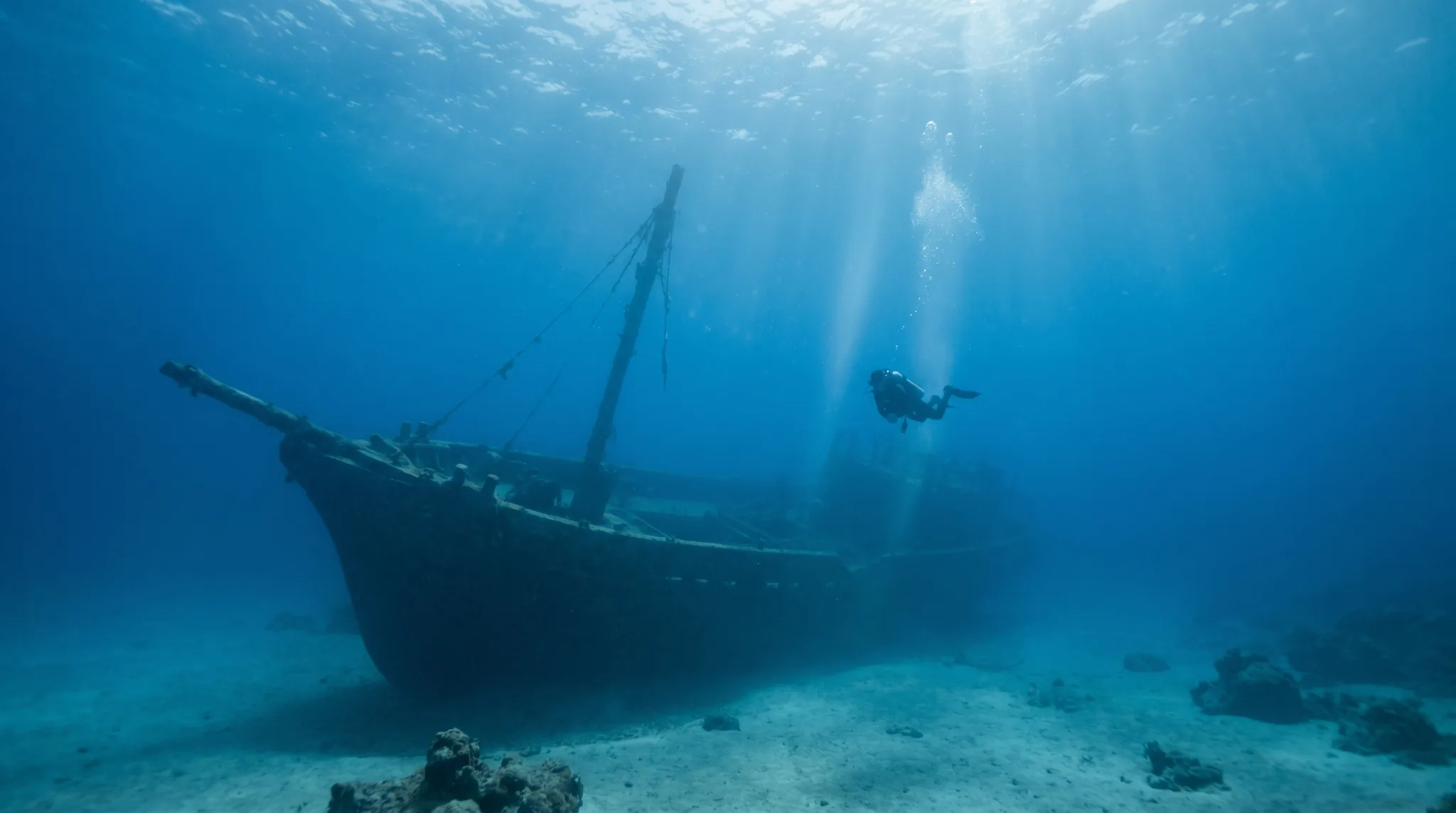
Laje de Santos is defined by offshore boat-only diving across a spread of reefs, walls, pinnacles and a wreck. The Atlantic Goliath Grouper and Green Sea Turtle are encountered with remarkable regularity across sites, while the Grey Reef Shark appears occasionally. Sites range from shallow reef suited to beginners, such as the Tocantins wreck, to demanding drift and wall dives like Calhaus. Strong currents and variable visibility shape every dive here.

Monthly water temperature across Laje de Santos's sites, from satellite sea-surface data corrected for depth. The band shows the site-to-site spread.
Water temperatures remain moderate year-round, dipping slightly in the latter part of the year and rising through autumn. Visibility varies considerably and conditions are influenced by currents, particularly at deeper sites. September and October draw the most favourable ratings from divers, though the site sees consistent activity across all months.
28 operators


7 more sites to explore
Water temperature around Laje de Santos ranges from about 20°C in November to 24°C in April, based on satellite sea-temperature data for its dive sites.
In the warm season (about 24°C) a 3mm full suit is comfortable in Laje de Santos; in the coldest months (about 20°C) step up to a 5mm suit.
Fin maps 12 sites in Laje de Santos (12 scuba diving sites and 1 snorkelling spots, with some suited to both).
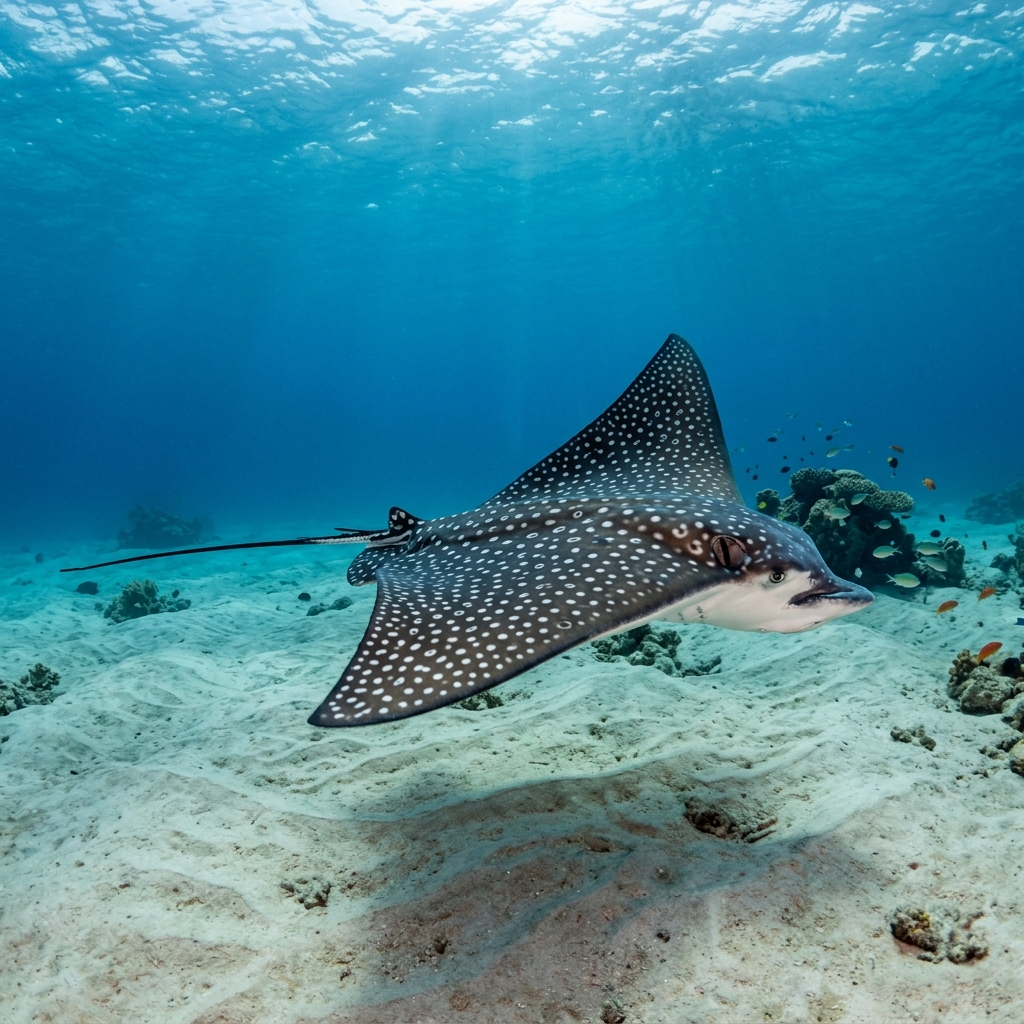
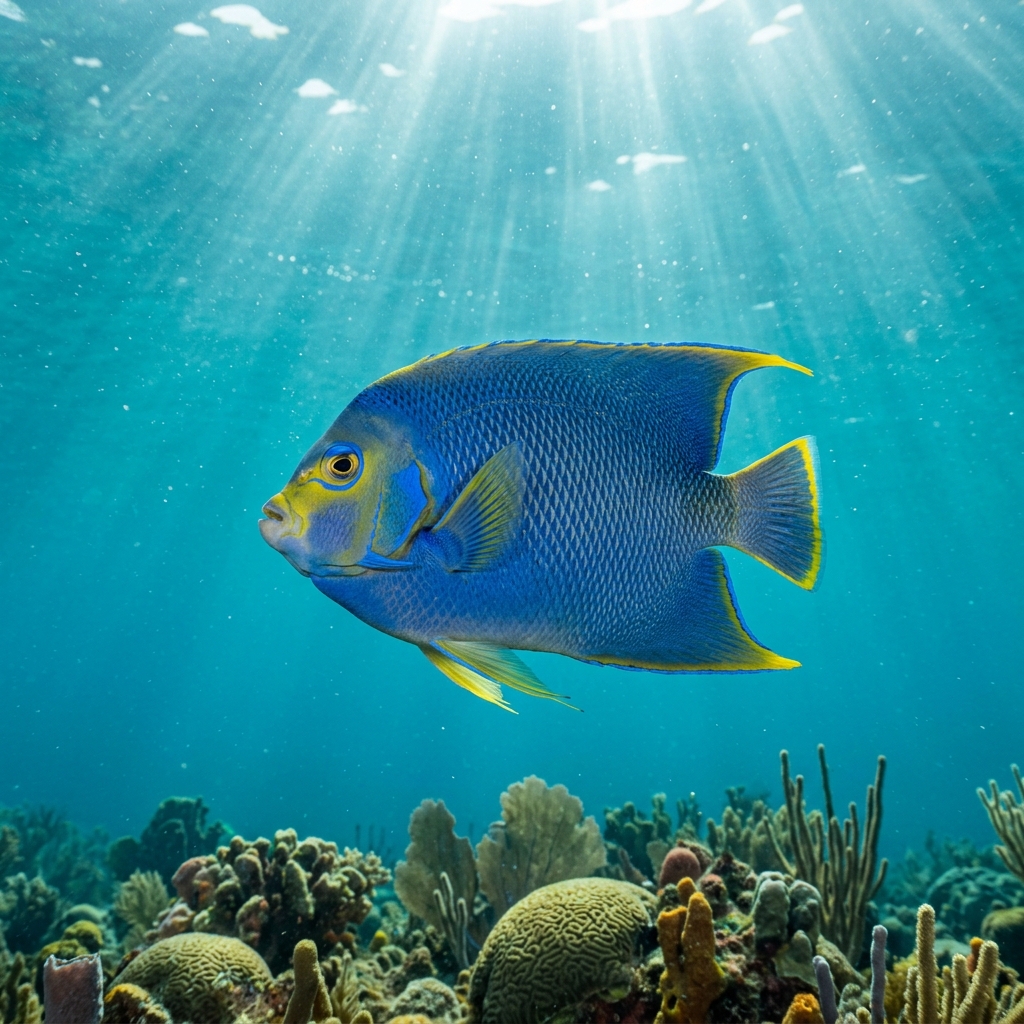
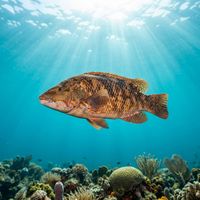
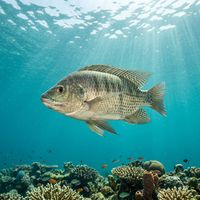
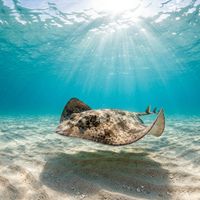
The Atlantic Goliath Grouper and Green Sea Turtle are very commonly encountered across the sites here. The Grey Reef Shark appears on an occasional basis. Sponge coverage is also notably dense, and divers have observed Eagle Ray and Queensland Grouper at some sites.
Several sites are rated for beginners, including the Tocantins wreck and Parcel das Ancoras, both of which are boat-accessed reef or wreck dives at manageable depths. Sites like Calhaus and Boca da Baleia are marked as advanced due to deeper water, stronger currents and more complex structure. Beginners should discuss site selection with their operator before heading out.
No shore diving is available in Laje de Santos. Every site is reached exclusively by boat, reflecting the offshore nature of the diving here. A wide range of local operators run trips to the area, giving divers plenty of options for booking guided boat dives.
The site mix covers wrecks, pinnacles, reefs, walls and drift dives, offering considerable variety within a single offshore area. The Tocantins wreck suits those new to diving, while Calhaus delivers a deep wall and drift experience for advanced divers. Boca da Baleia combines natural reef, pinnacle and artificial structures, making it one of the more complex dives in the region.