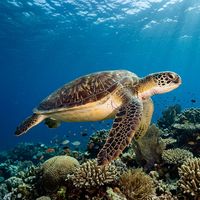
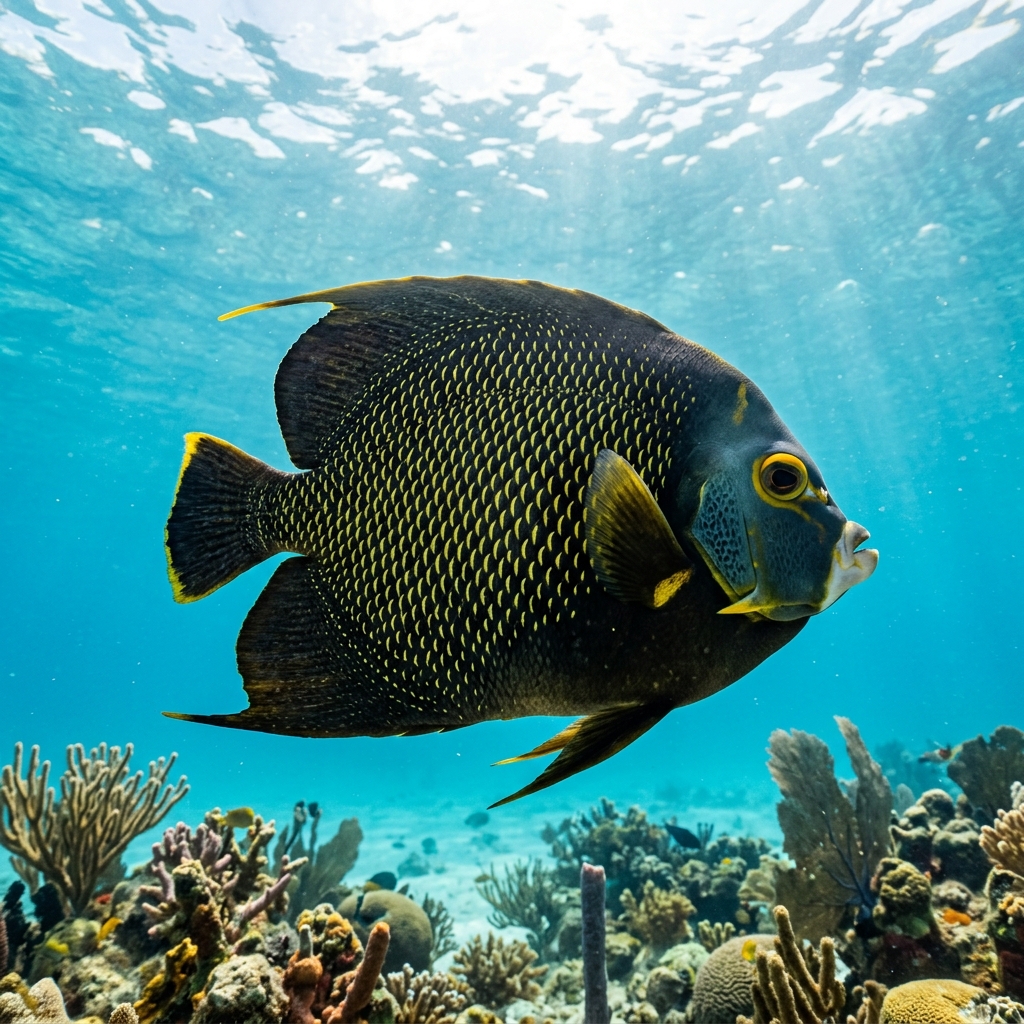
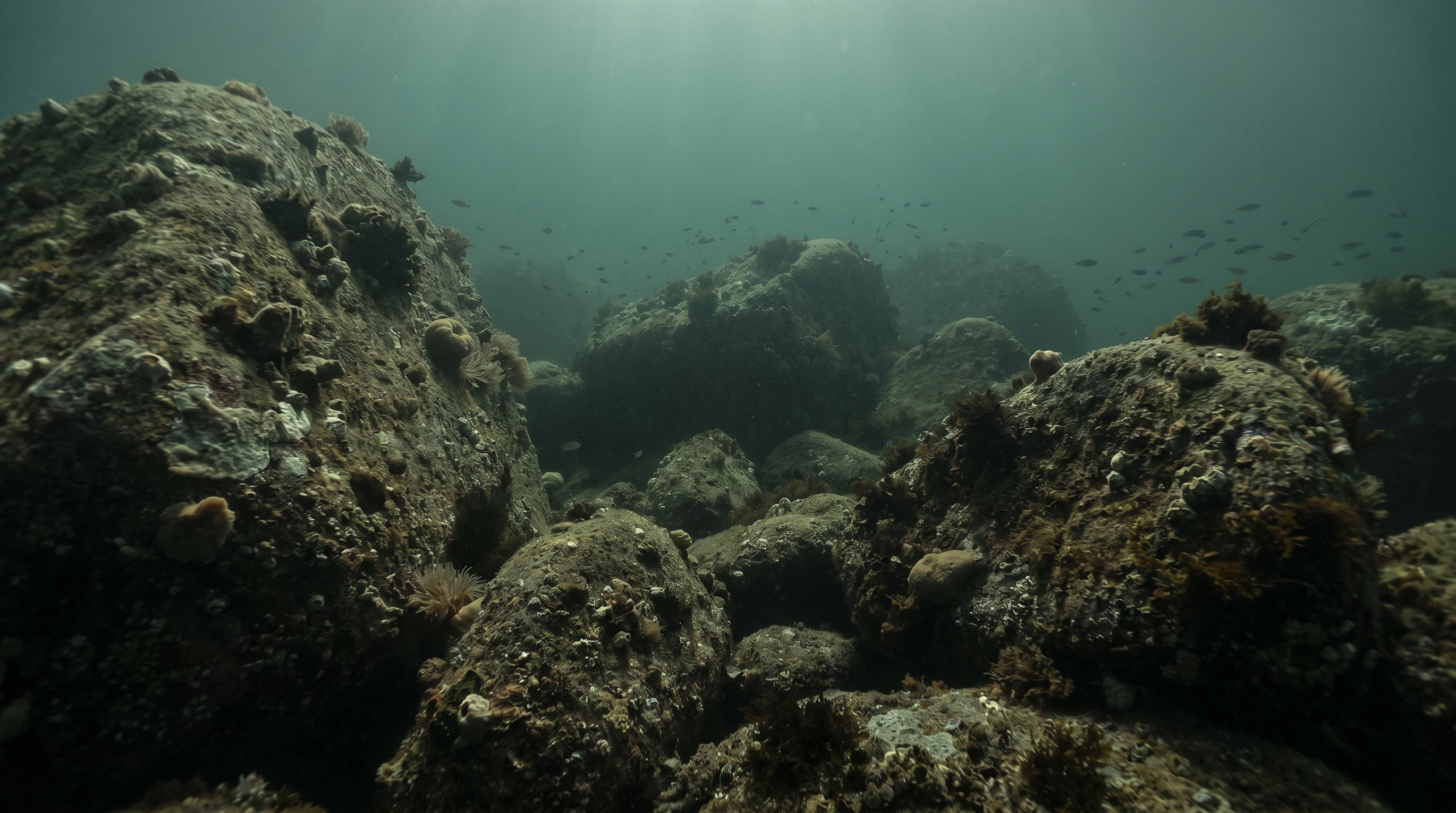
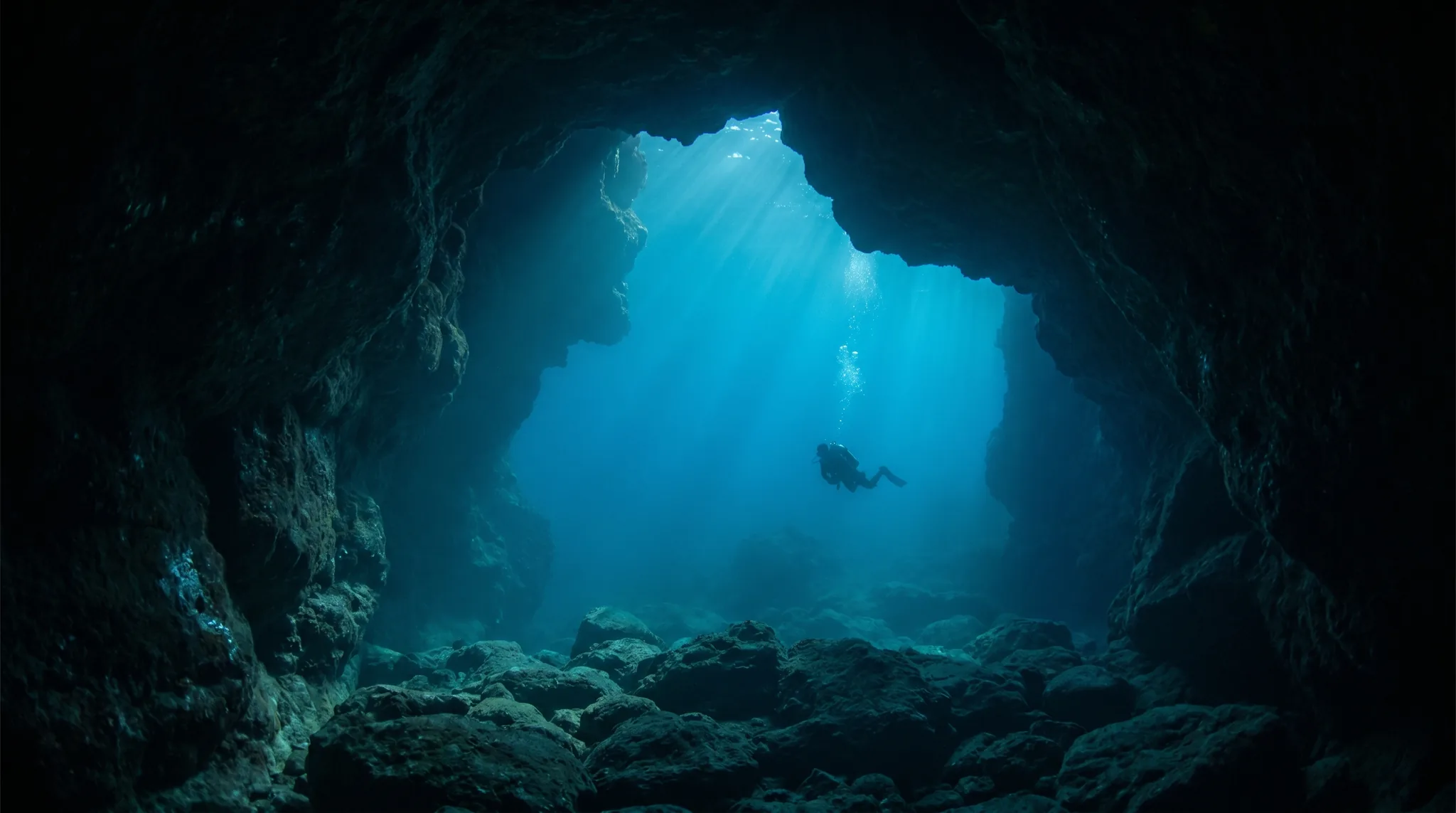
Ilhabela's diving centres on boat-access reef sites, with cave and cavern topography at Montao de Trigo adding structural variety. Most sites suit beginners, with shallow to moderate depths across the area. The Green Sea Turtle is the signature encounter, observed with high frequency across sites, while Eagle Ray, Seahorse, and French Angelfish also appear. Conditions peak through the warmer summer months, and the single local operator, Bellsub Esportes, serves as the practical gateway to the water.

Monthly water temperature across Ilhabela's sites, from satellite sea-surface data corrected for depth. The band shows the site-to-site spread.
Water temperature stays warm year-round with only modest seasonal variation, dipping slightly cooler through the middle of the year. Summer months from December through March draw the most favourable conditions and represent the clear preference among visiting divers. Visibility varies considerably depending on conditions, so timing a trip toward the warmer end of the year generally offers the most reliable experience.
6 more sites to explore
Water temperature around Ilhabela ranges from about 21°C in August to 24°C in January, based on satellite sea-temperature data for its dive sites.
In the warm season (about 24°C) a 3mm full suit is comfortable in Ilhabela; in the coldest months (about 21°C) step up to a 5mm suit.
Fin maps 14 sites in Ilhabela (14 scuba diving sites and 2 snorkelling spots, with some suited to both).
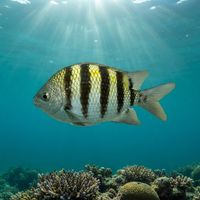
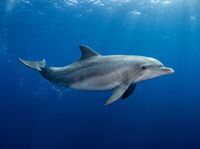
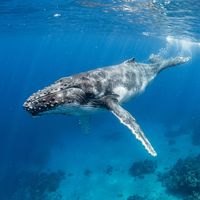
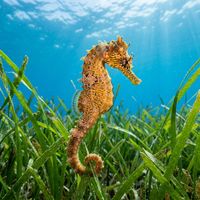
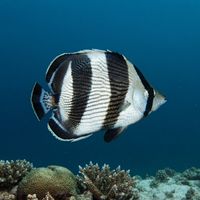
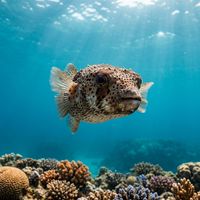
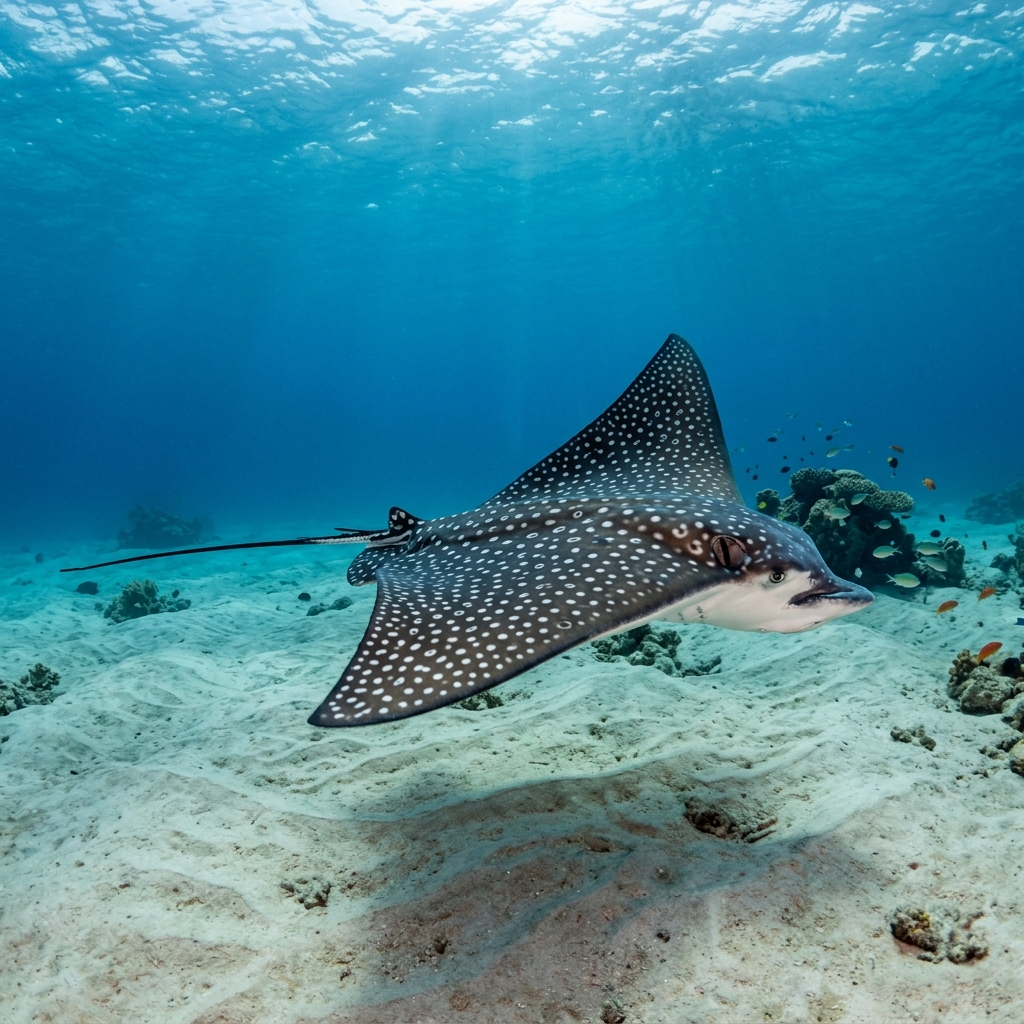
The Green Sea Turtle is by far the most reliably seen animal, recorded across the vast majority of sites. Beyond turtles, divers have observed Eagle Ray, Seahorse, French Angelfish, Pufferfish, and Wrasses, along with reef species such as Gorette and Porkfish. Bottlenose Dolphin and Humpback Whale have also been recorded in the area.
Most sites in Ilhabela are rated for beginners, with shallow reef dives and manageable conditions at locations such as Praia do Juliao and Saco do Eustaquio. Montao de Trigo adds cave and cavern sections that remain accessible to confident beginners. One site, Costão dos Aquários, is rated intermediate due to drift conditions, so newer divers should discuss site selection with Bellsub Esportes before heading out.
The majority of sites are boat-access only, and most diving in the area is organised through Bellsub Esportes, the local operator. Praia do Juliao is an exception, offering a shore entry suitable for beginners. Boat-dependent sites such as Montao de Trigo sit well offshore, so coordinating with the operator is essential for reaching them.
Reef diving is the backbone of the area, with several sites offering coral structures at shallow to moderate depths. Montao de Trigo stands out for combining open reef with cave and cavern sections, providing more topographic variety. Saco do Eustaquio adds seagrass habitat alongside the reef, and Costão dos Aquários offers a drift experience for those seeking current.