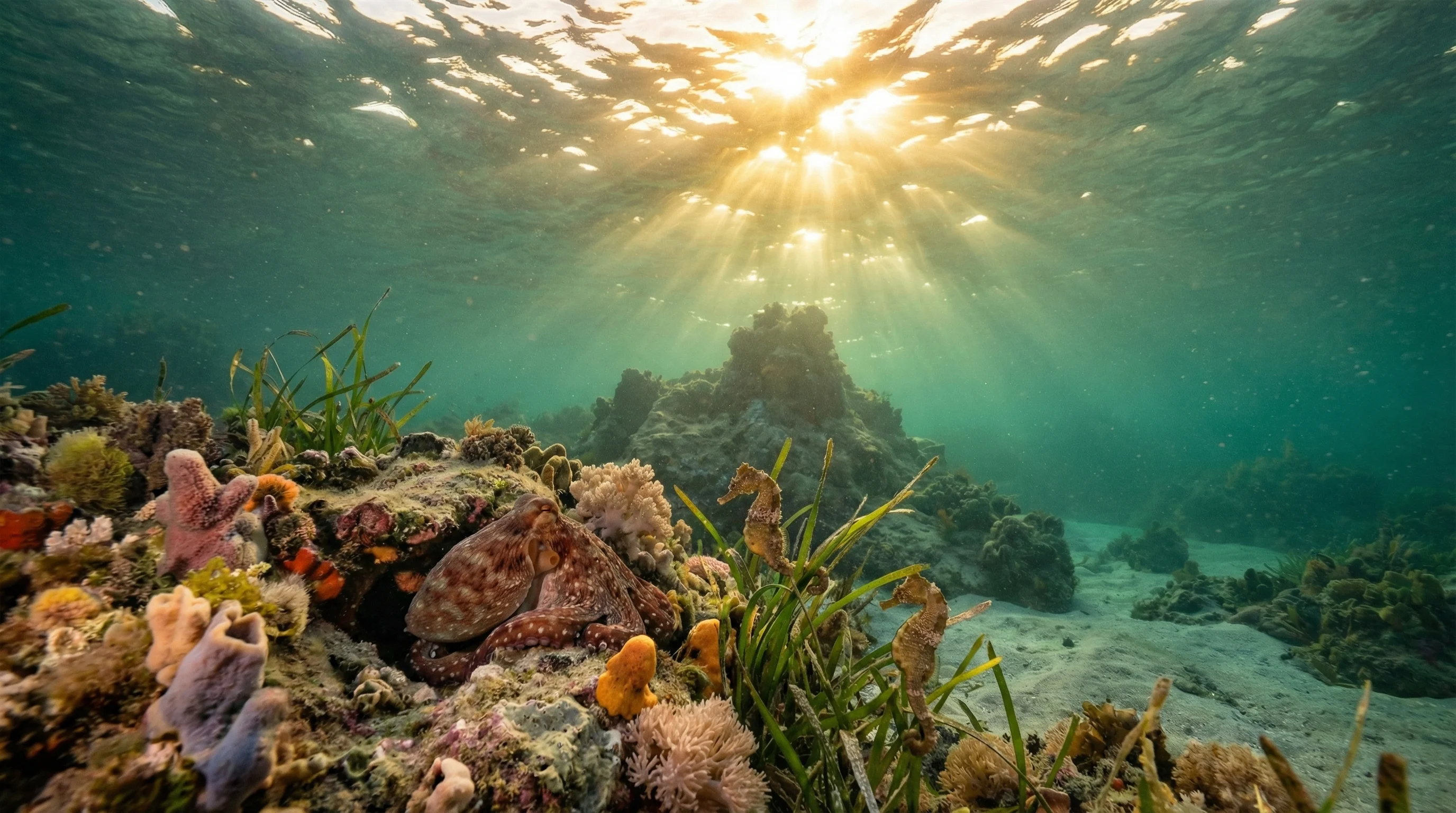
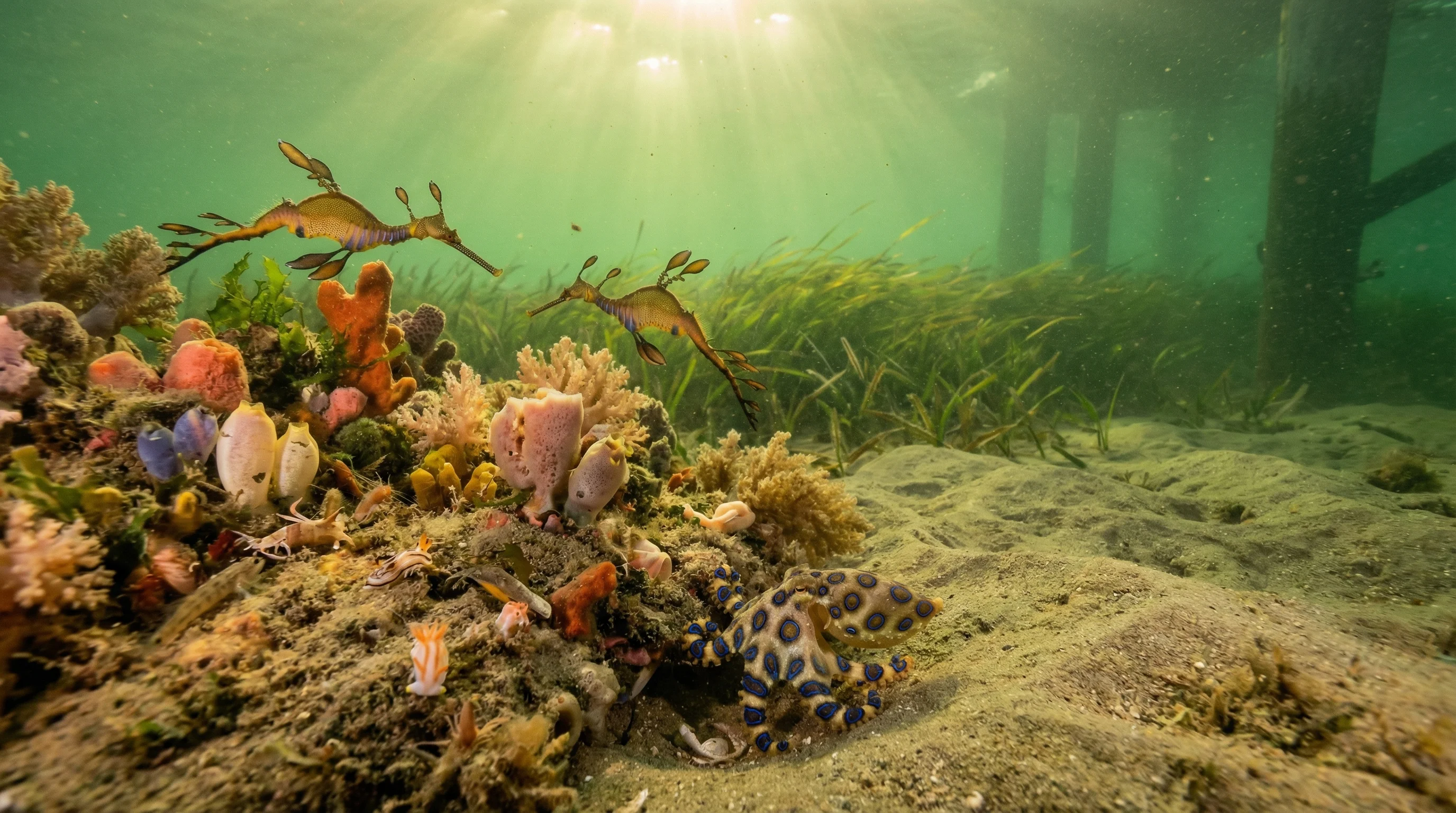
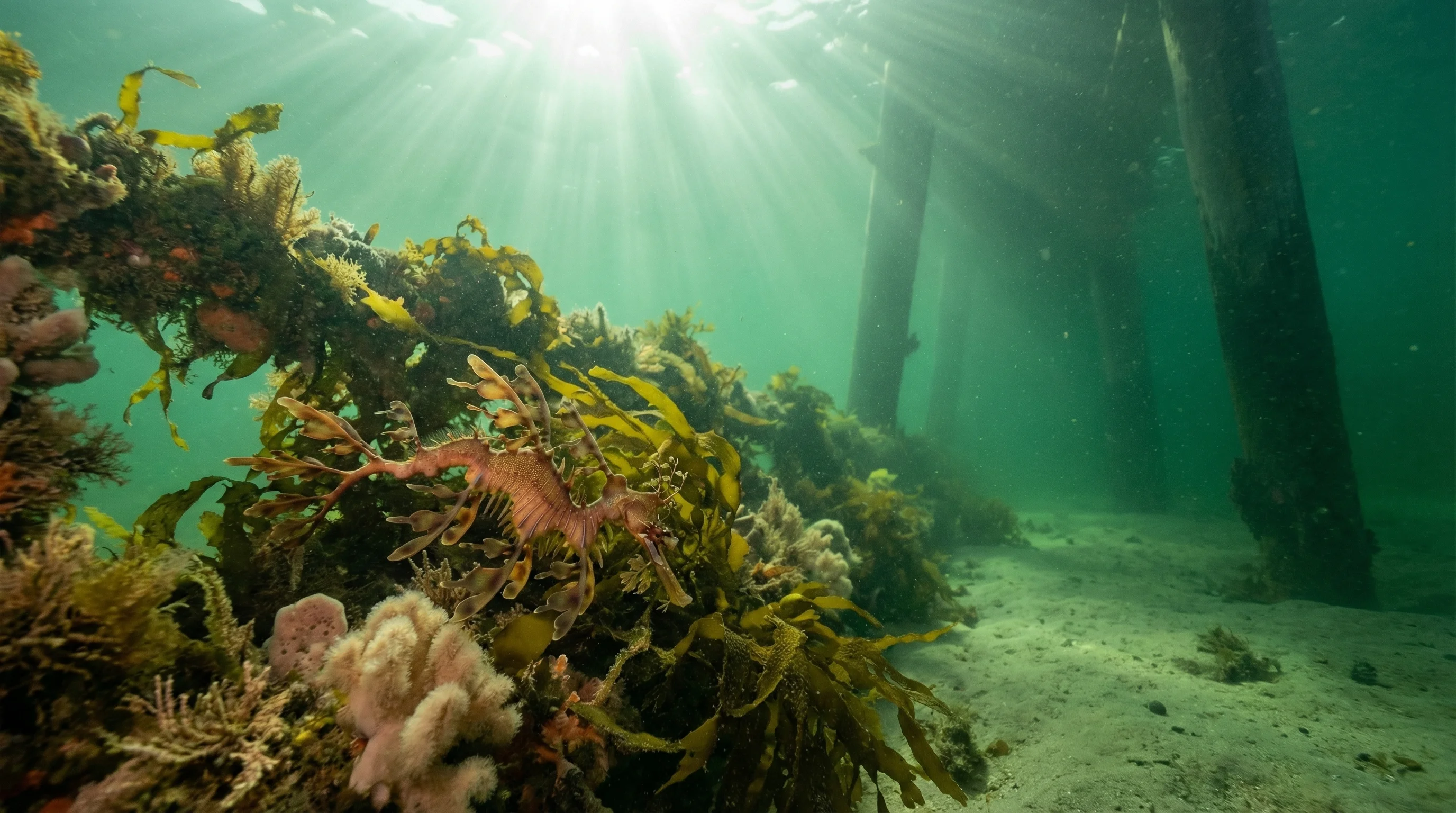
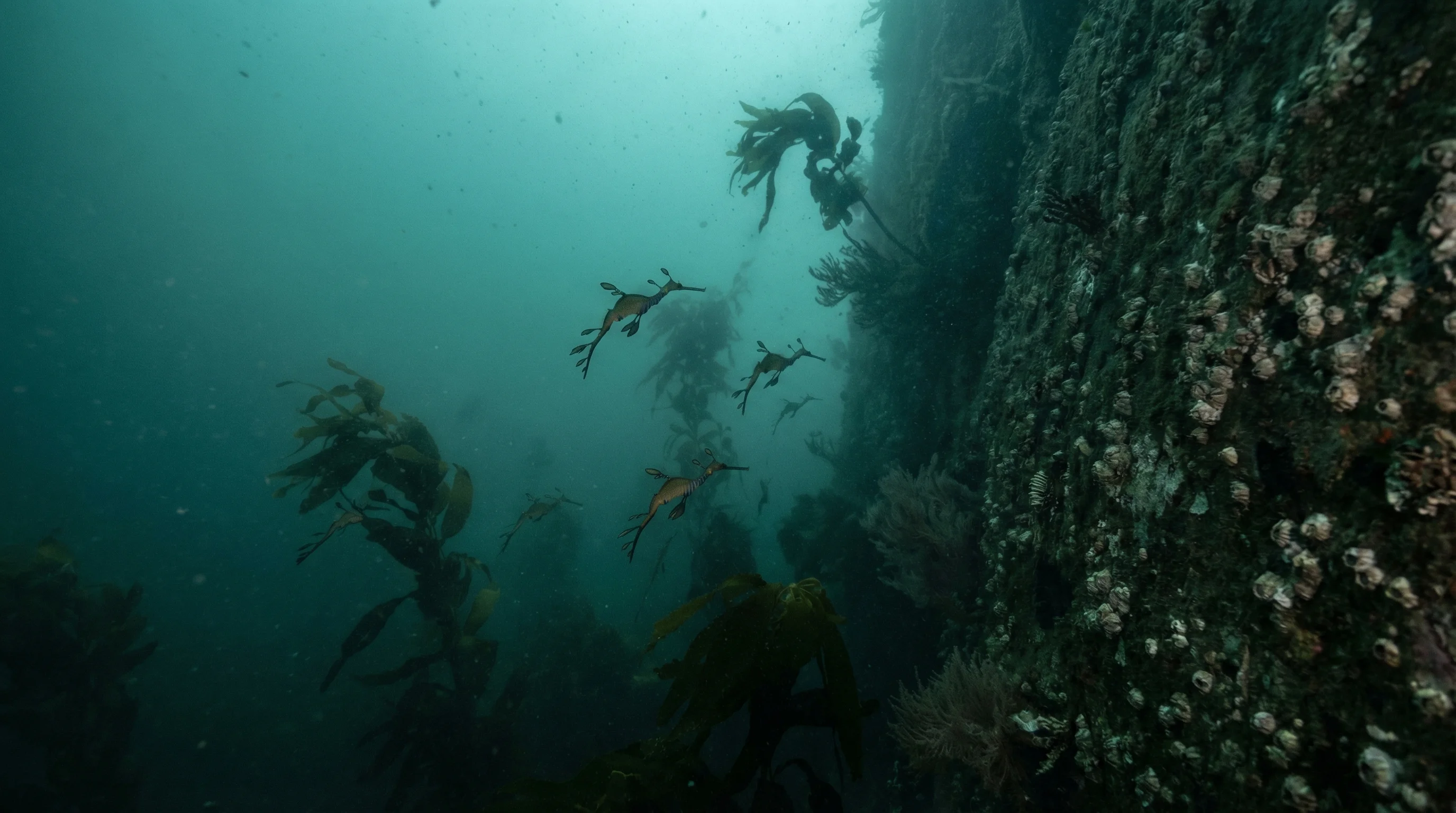
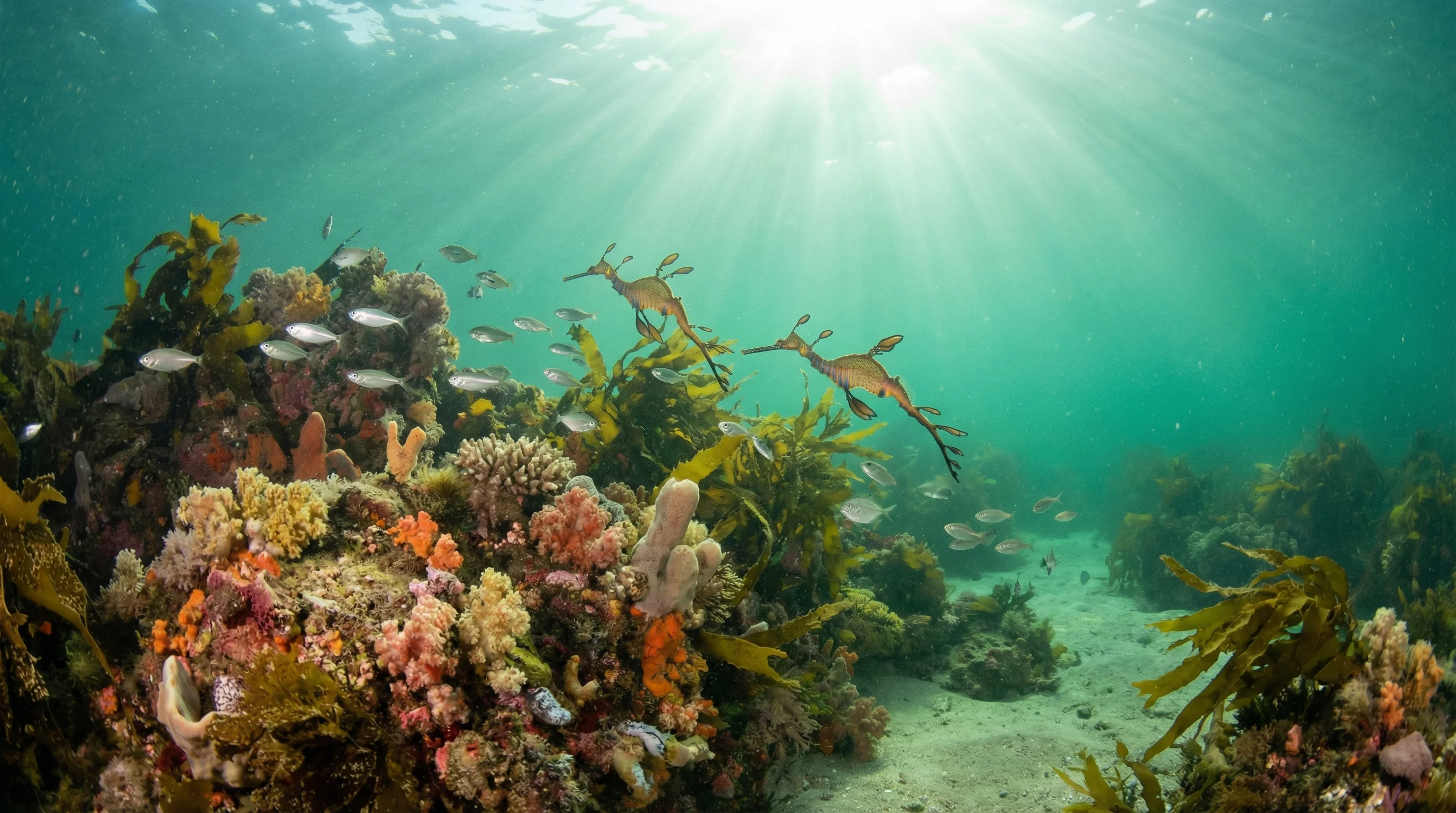
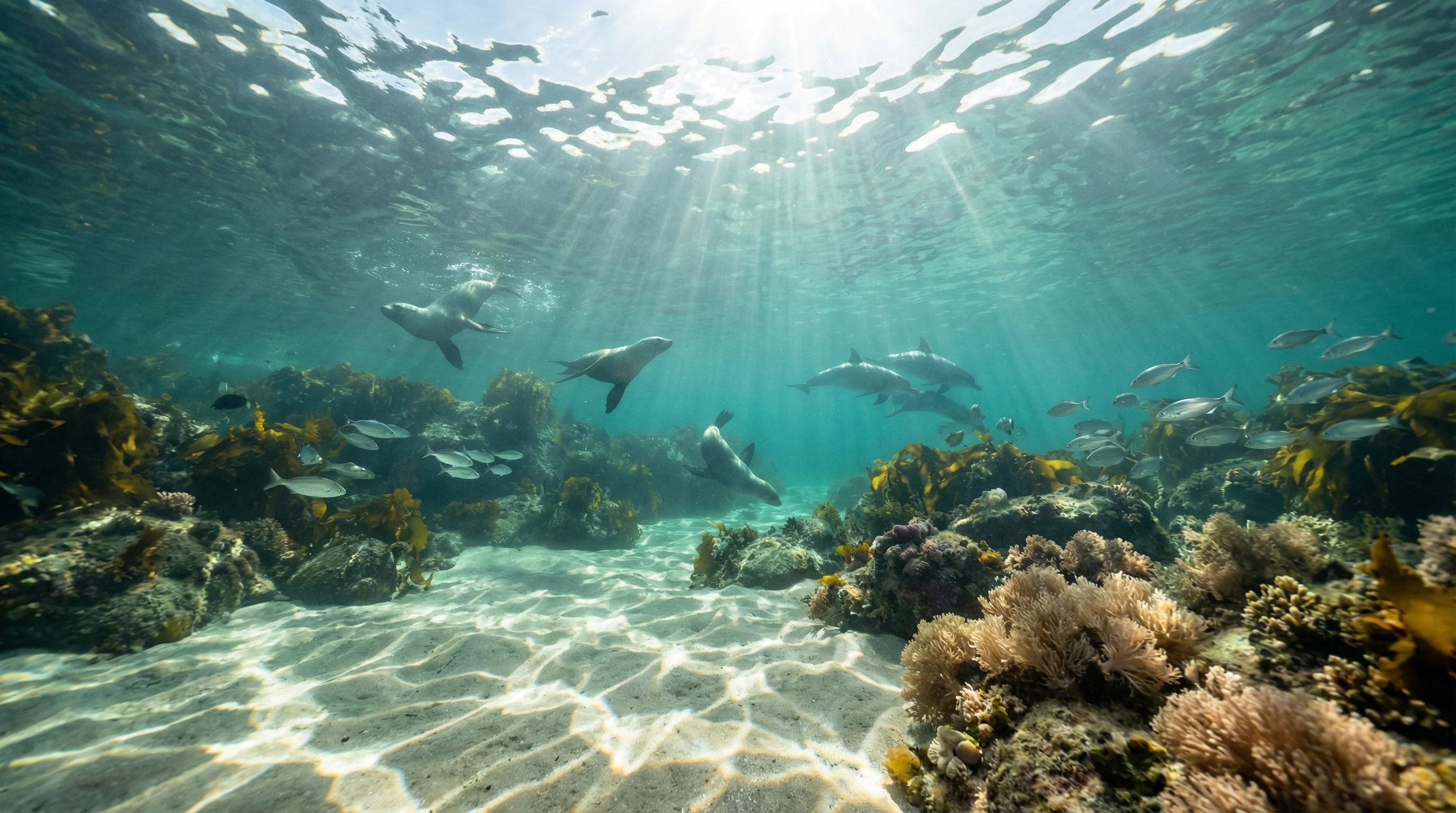
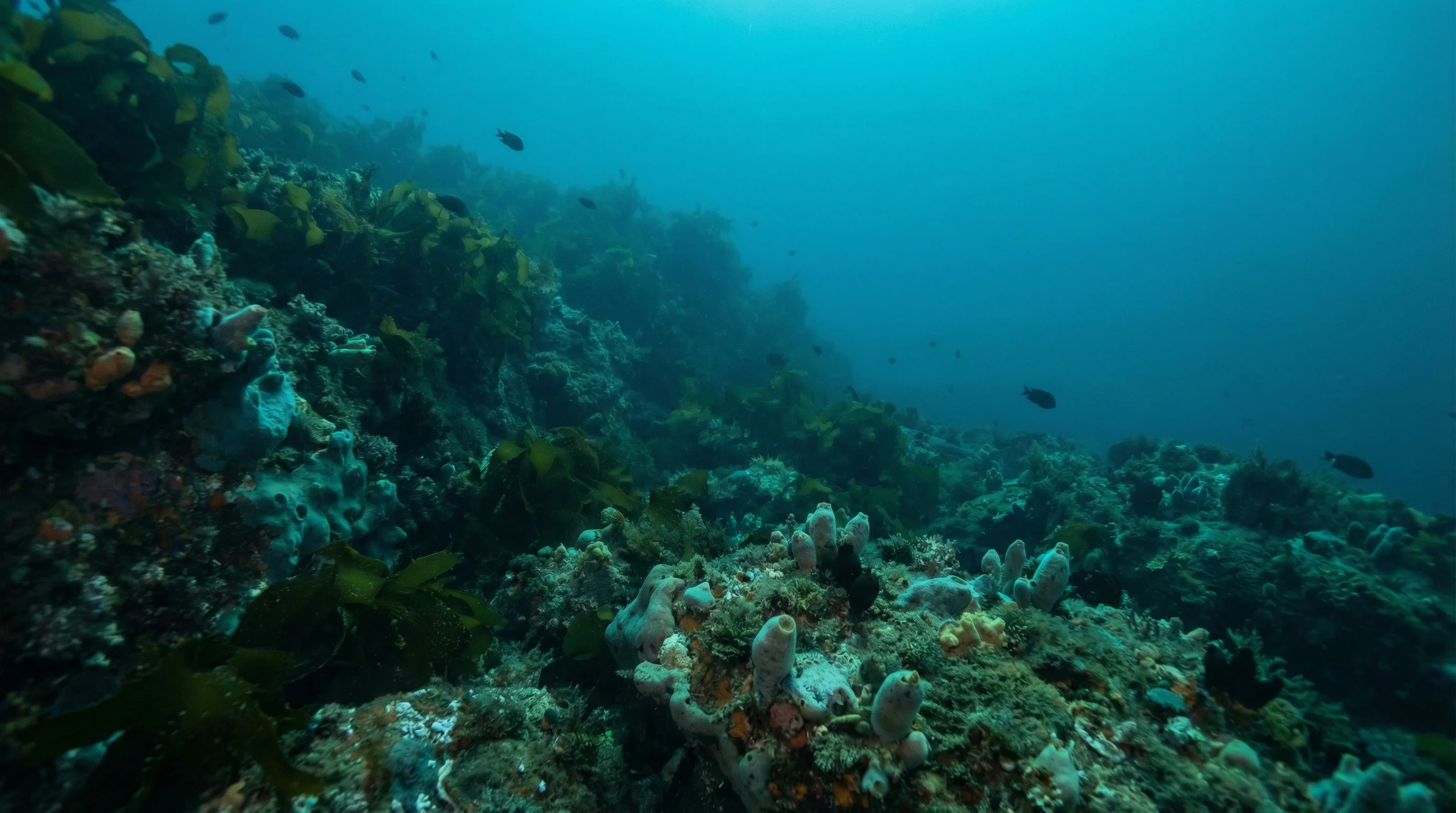
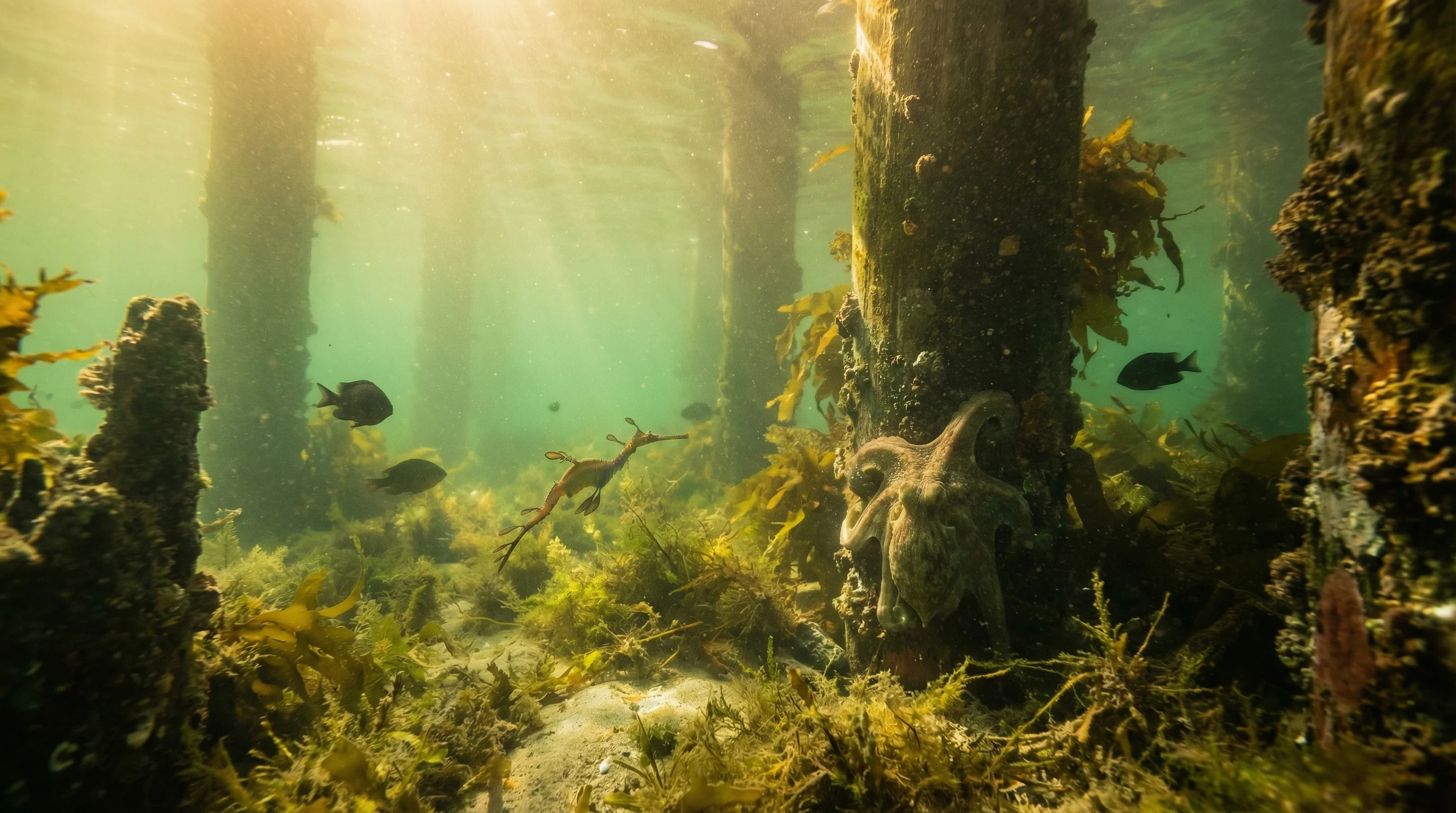
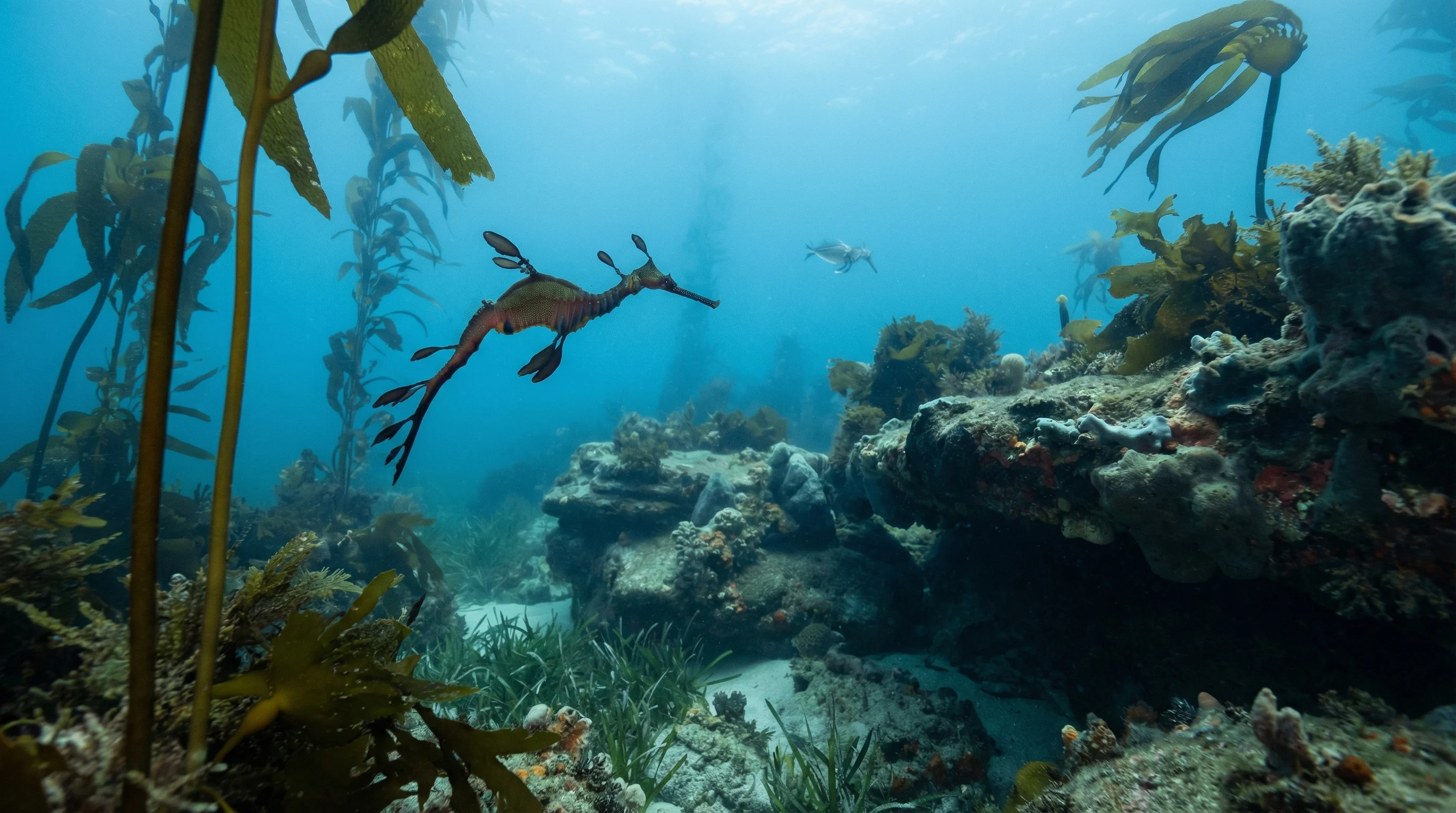
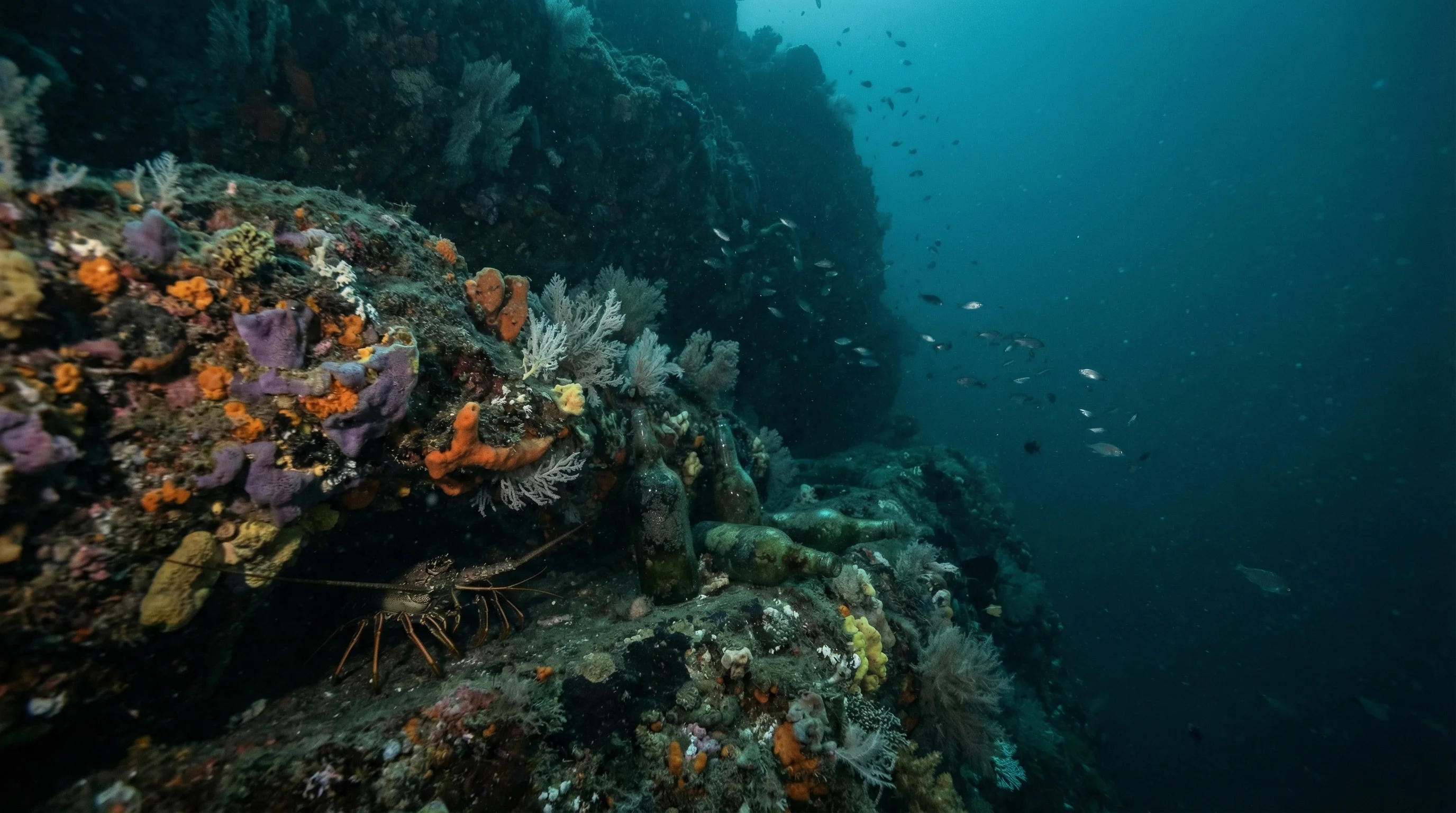
Sorrento sits on the Port Phillip Bay side of the Mornington Peninsula and delivers a diverse mix of reef, drift, kelp forest and artificial reef diving. The signature draw is the marine life: Weedy Seadragon, Pot-bellied Seahorse, Giant Cuttlefish and Blue-ringed Octopus are all regularly observed. Sites range from sheltered beginner-friendly shallows to committed drift dives through the Heads, suiting a wide range of experience levels.
Monthly water temperature across Sorrento's sites, from satellite sea-surface data corrected for depth. The band shows the site-to-site spread.
Water is warmest over the summer months from December through March, making that period the most comfortable for longer dives. Through the cooler months from June to September temperatures drop noticeably, and exposure protection becomes more important, though drift sites through the Heads remain active year-round. Visibility is variable and tends to be at its best in late summer and autumn when conditions settle.
3 operators
Sorrento, Australia
9 more sites to explore
Water temperature around Sorrento ranges from about 13°C in July to 19°C in January, based on satellite sea-temperature data for its dive sites.
In the warm season (about 19°C) a 5mm suit is comfortable in Sorrento; in the coldest months (about 13°C) step up to a 7mm or semi-dry suit.
Fin maps 16 sites in Sorrento (15 scuba diving sites and 5 snorkelling spots, with some suited to both).
Across Sorrento's dive sites, January, February, March, April, May and December are most often reported as the best months to visit.
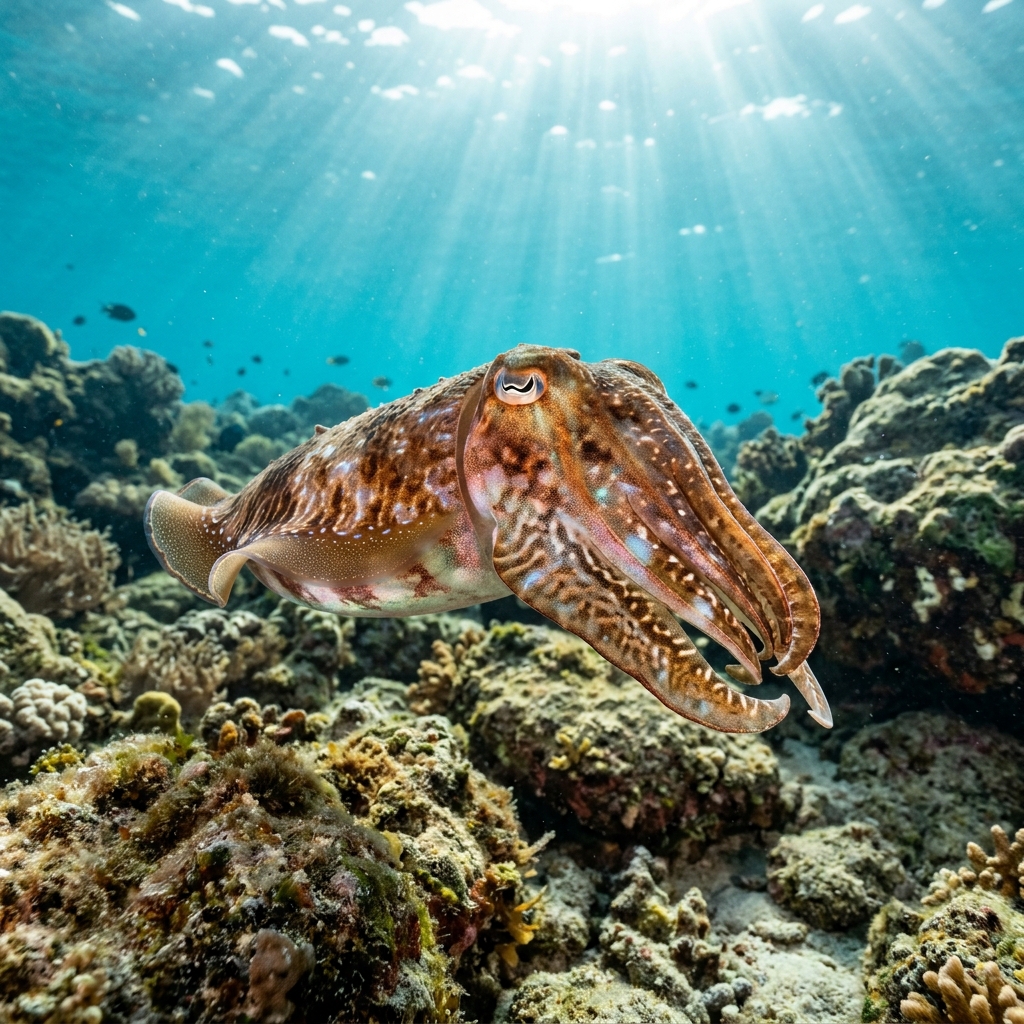
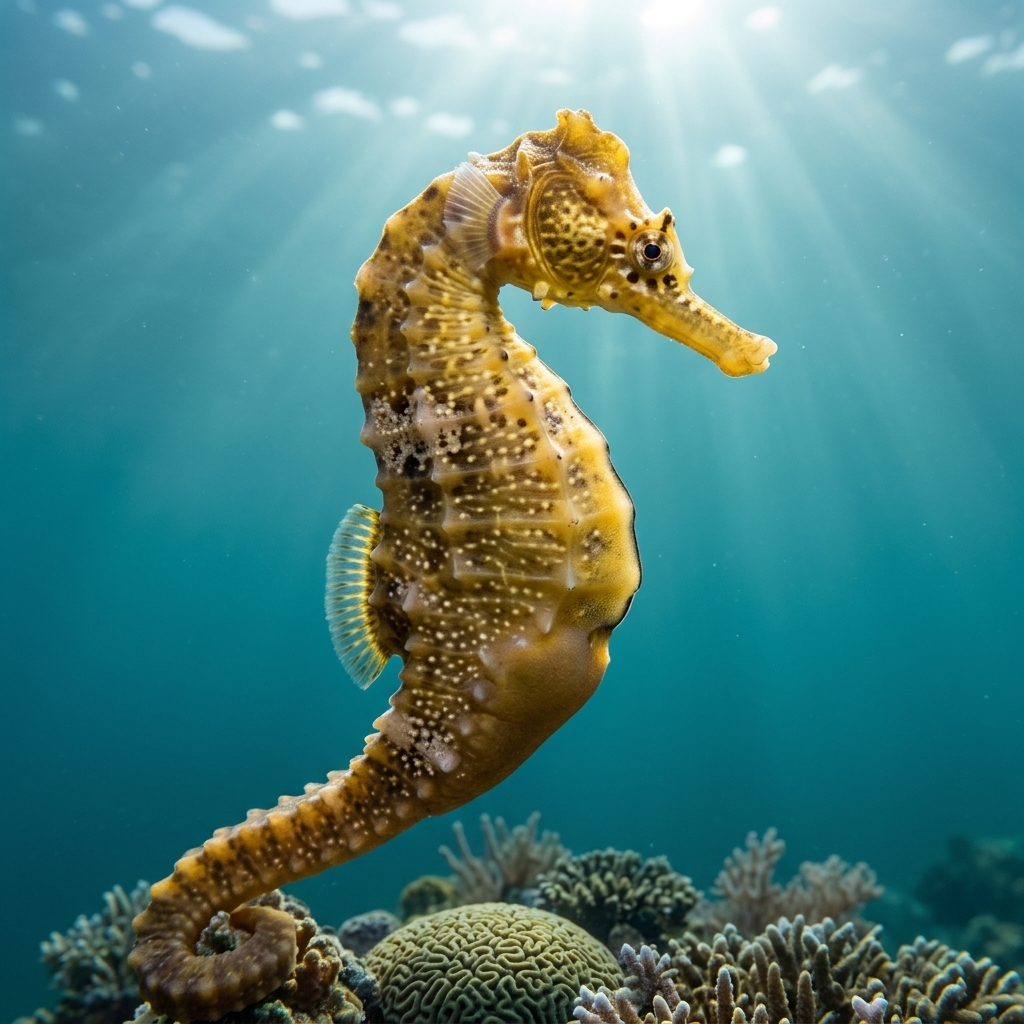
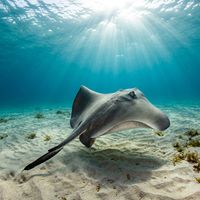
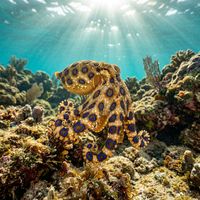
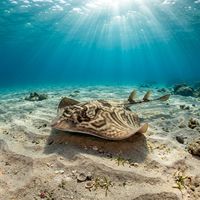
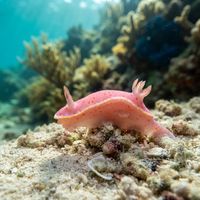
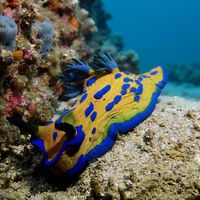
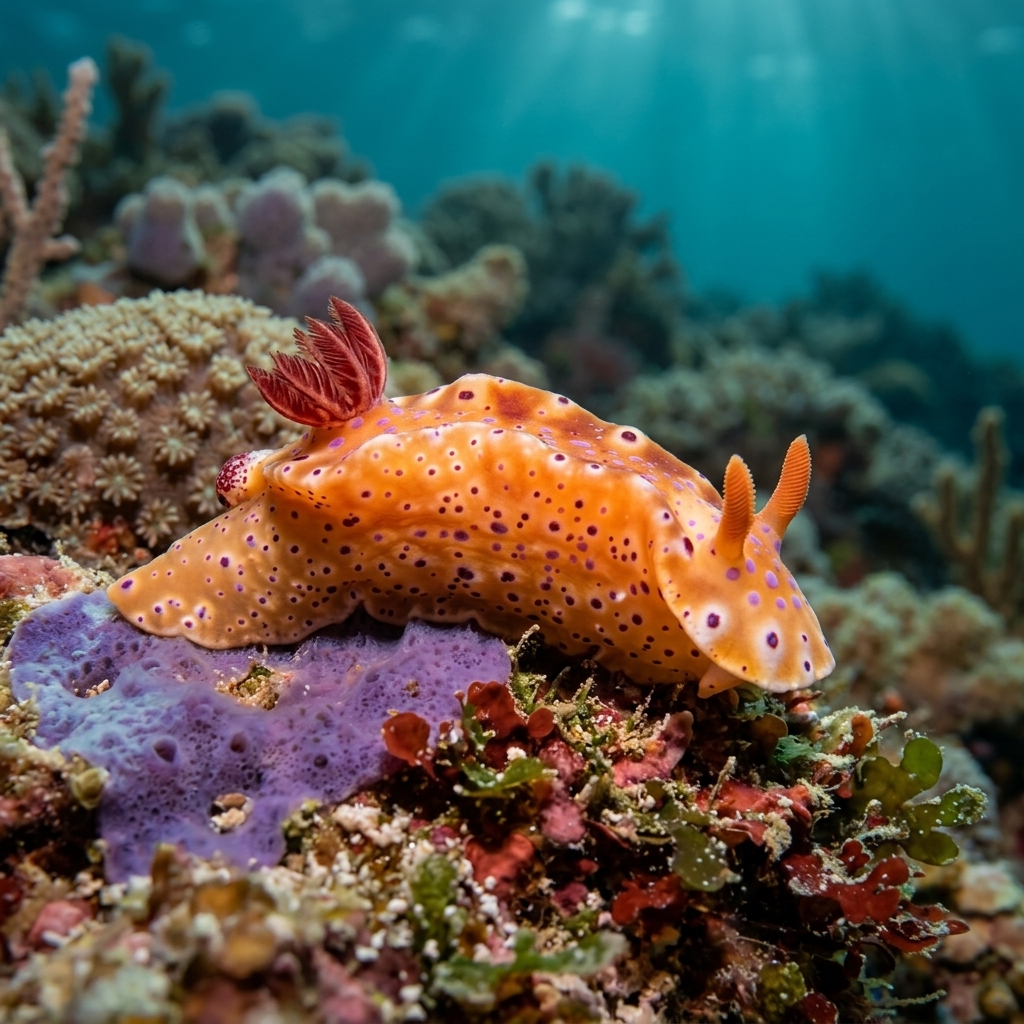
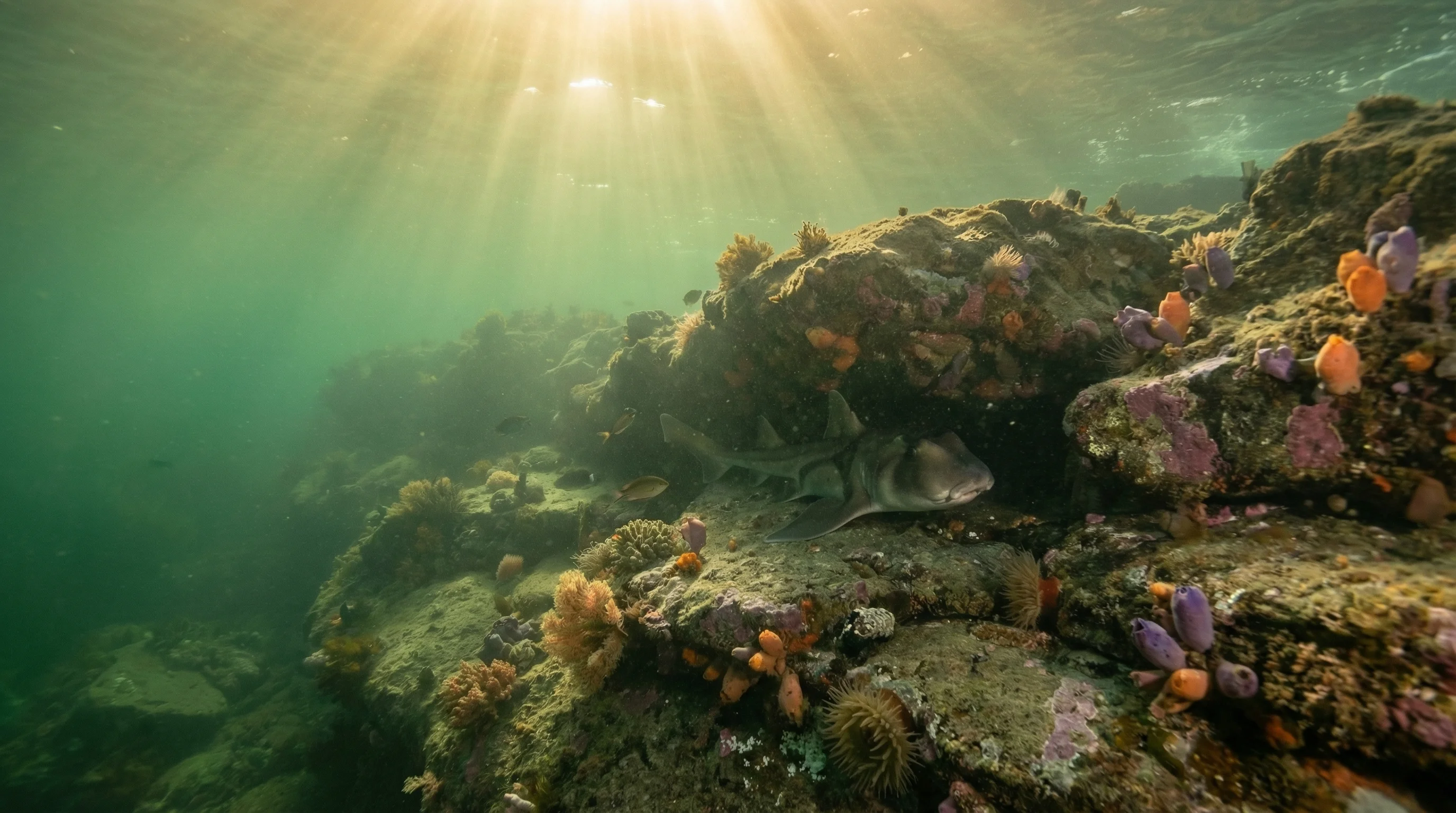
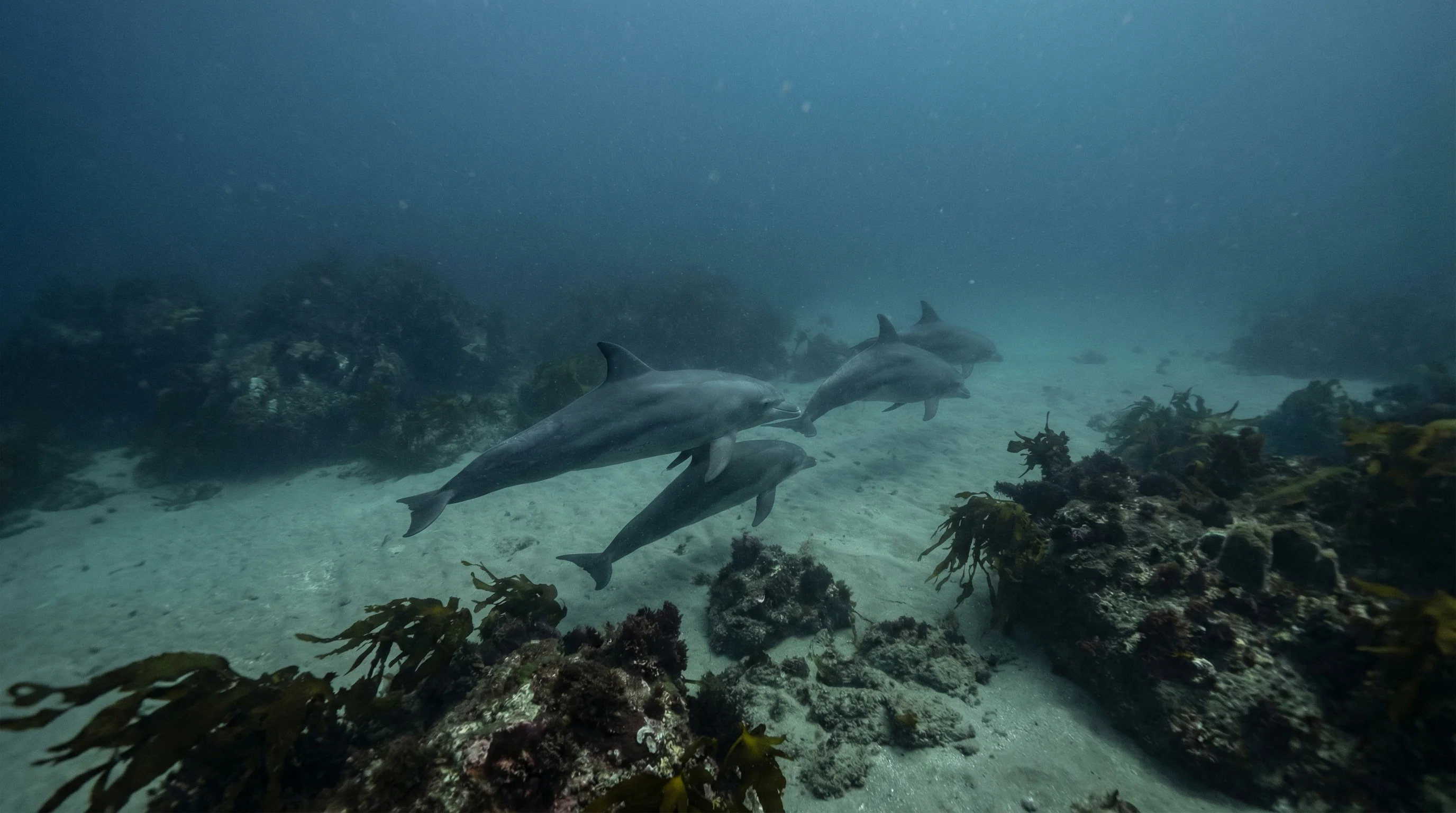
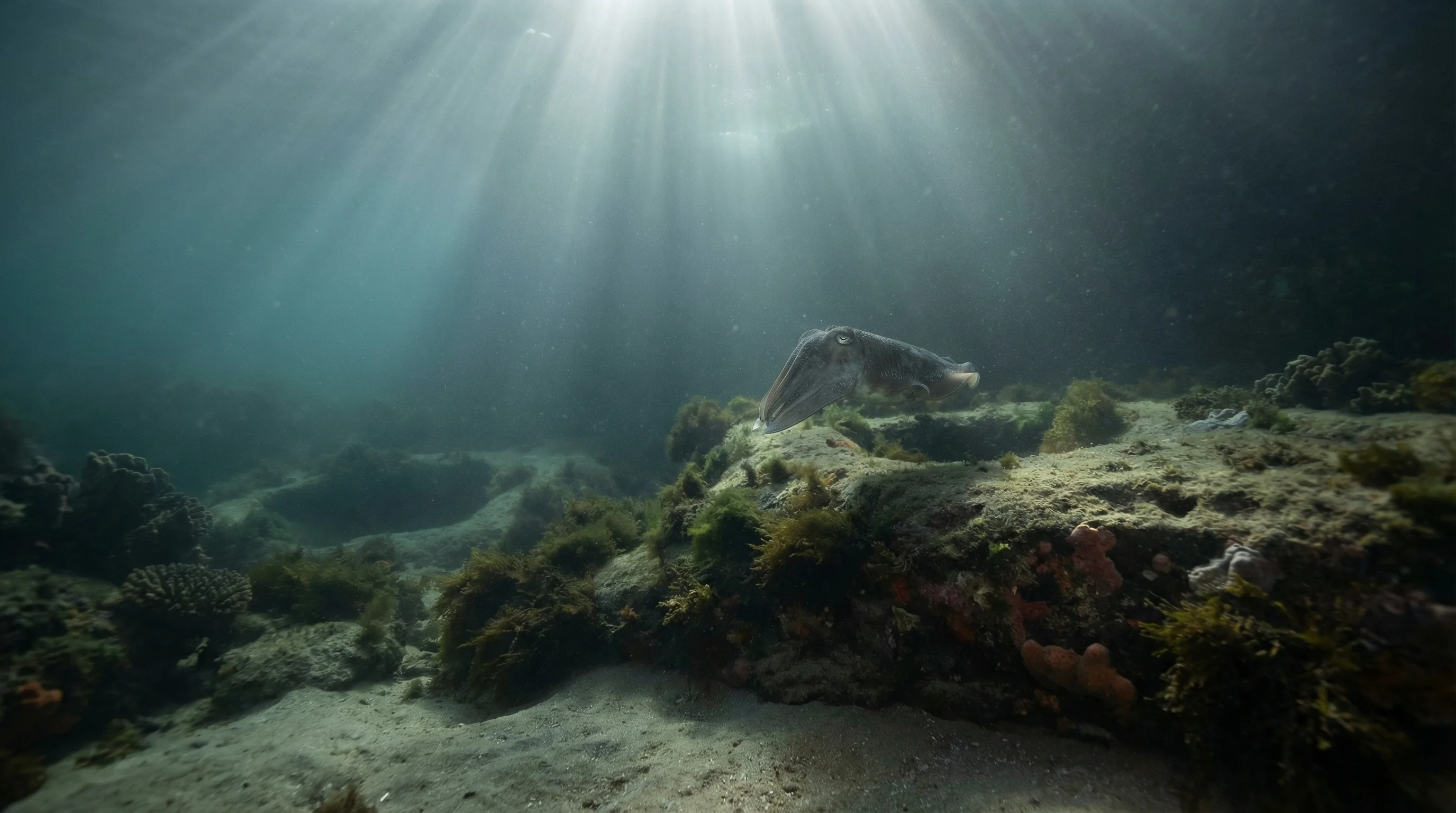
Sorrento is particularly well known for Weedy Seadragon, Pot-bellied Seahorse and Giant Cuttlefish, all of which are commonly observed across the sites. Rays are a highlight too, with Smooth Ray and Fiddler Ray encountered very frequently. Keep an eye in rocky crevices for Blue-ringed Octopus and Port Jackson Shark, and nudibranchs such as Short-tailed Ceratosoma and Verco's Nudibranch are found across most sites.
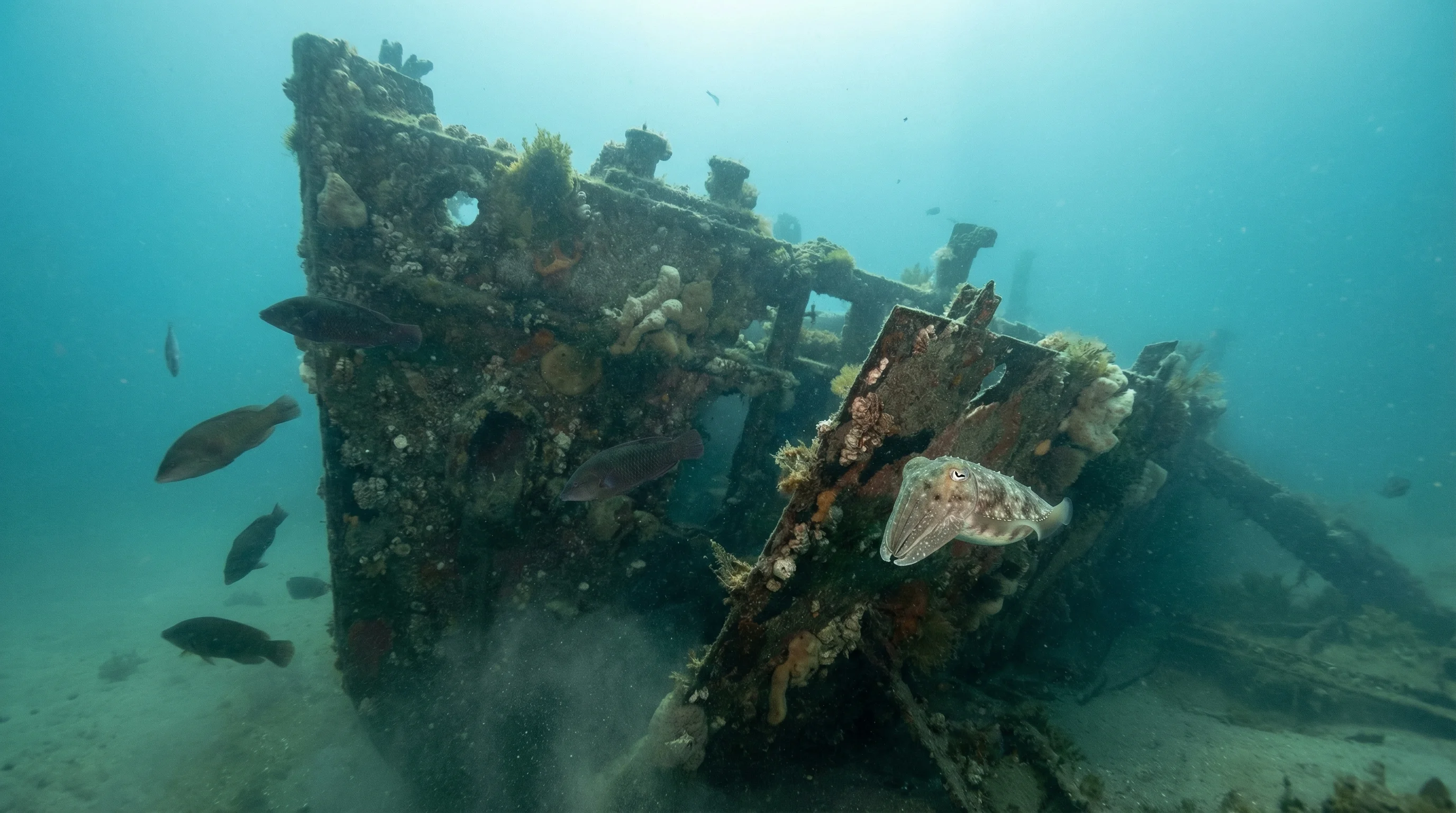
Several sites are well suited to beginner divers, including the shallow artificial reef at Popes Eye, the Chimanan's Hat structure in the South Channel, and the easy shore dive at Queenscliff Pier. More advanced divers can step up to the wall and drift at Portsea Hole or the deep drift at Queenscliff Bottle Drift. There is a good spread of skill levels represented across the site mix.
Both options are available. Franklin Point and Quarantine Station Wall are shore-entry dives, and Queenscliff Pier is also accessed from shore. Several of the more popular sites, including Popes Eye and Chimanan's Hat, require a boat. Local operators including Bayplay Adventure Tours, Scubabo Dive Victoria and Aquatic Adventures Rowville run guided boat trips to many of these sites.
The drift dives, particularly Portsea Hole and Franklin Point, are driven by currents through the Heads and reward experienced divers with fast-paced, dynamic conditions along walls and kelp forest. The reef and artificial reef sites such as Popes Eye and Chimanan's Hat are calmer and shallower, better suited to divers who want to linger and look for seahorses, cuttlefish and nudibranchs at a slower pace.