Cephaloscyllium laticeps
Spot the Draughtboard Shark in Tasmania and South Australia in cool 14-18°C waters. Learn how to ID it and where divers log it most.
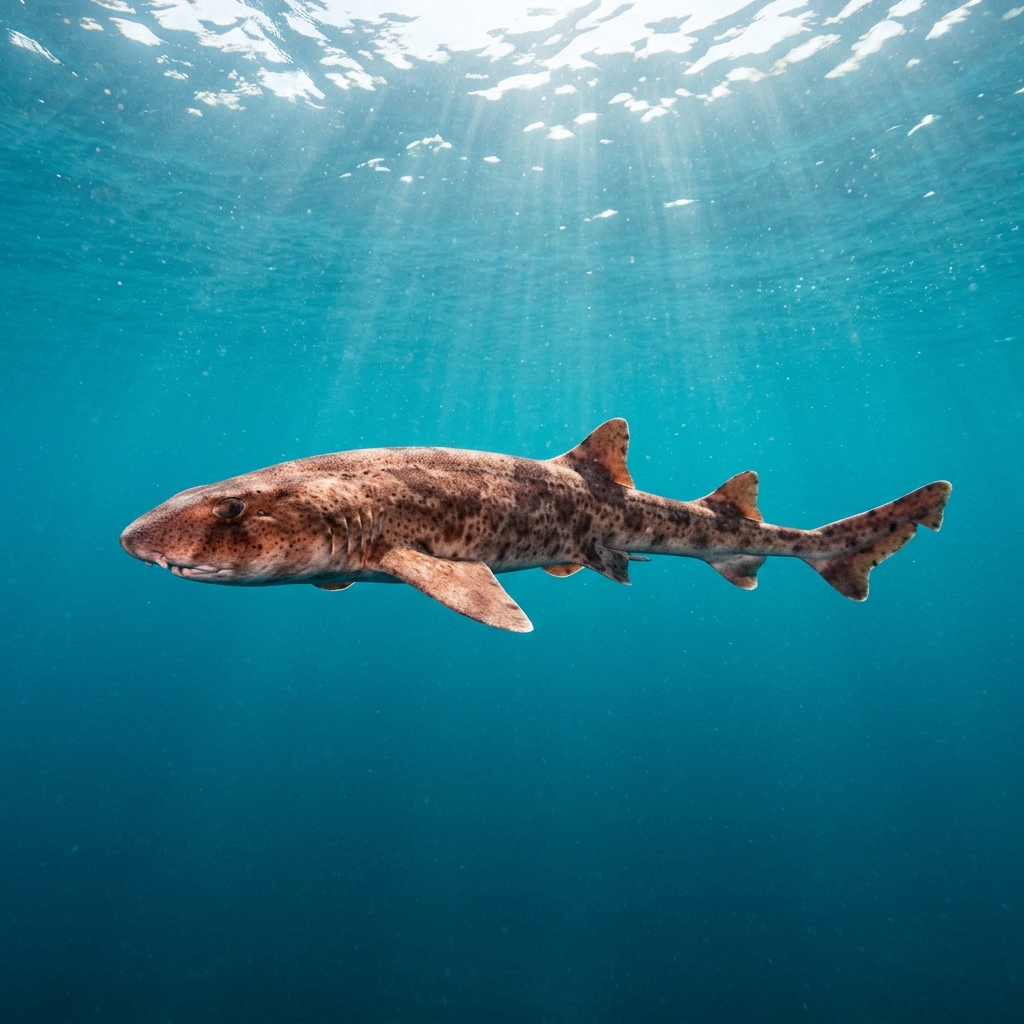
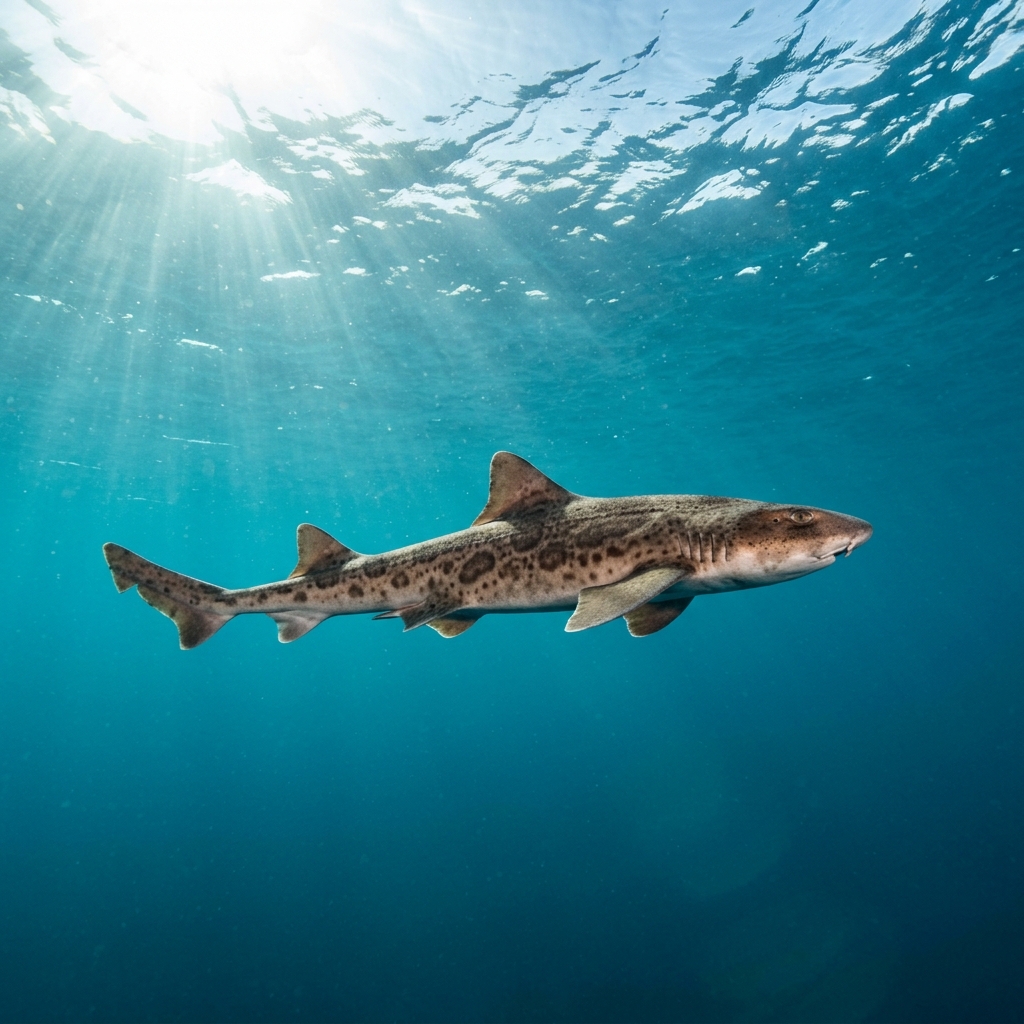
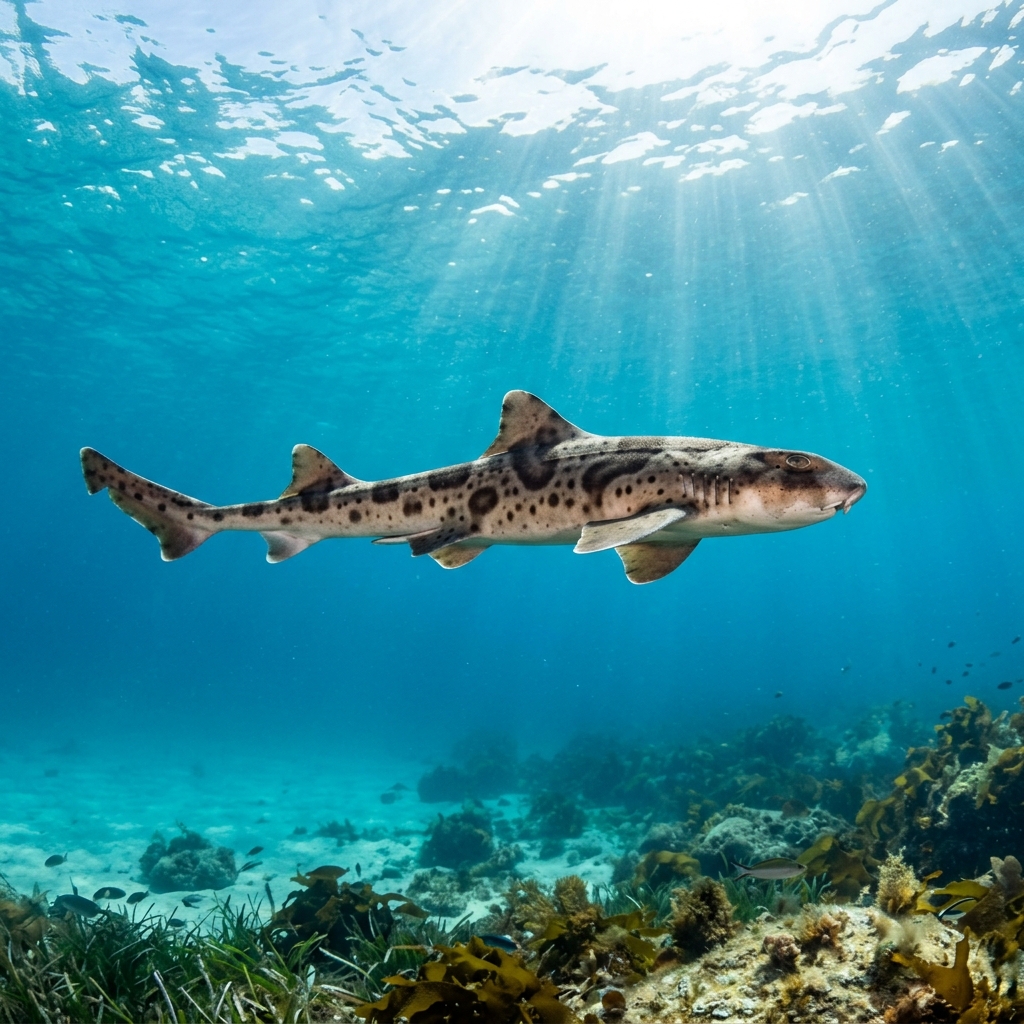
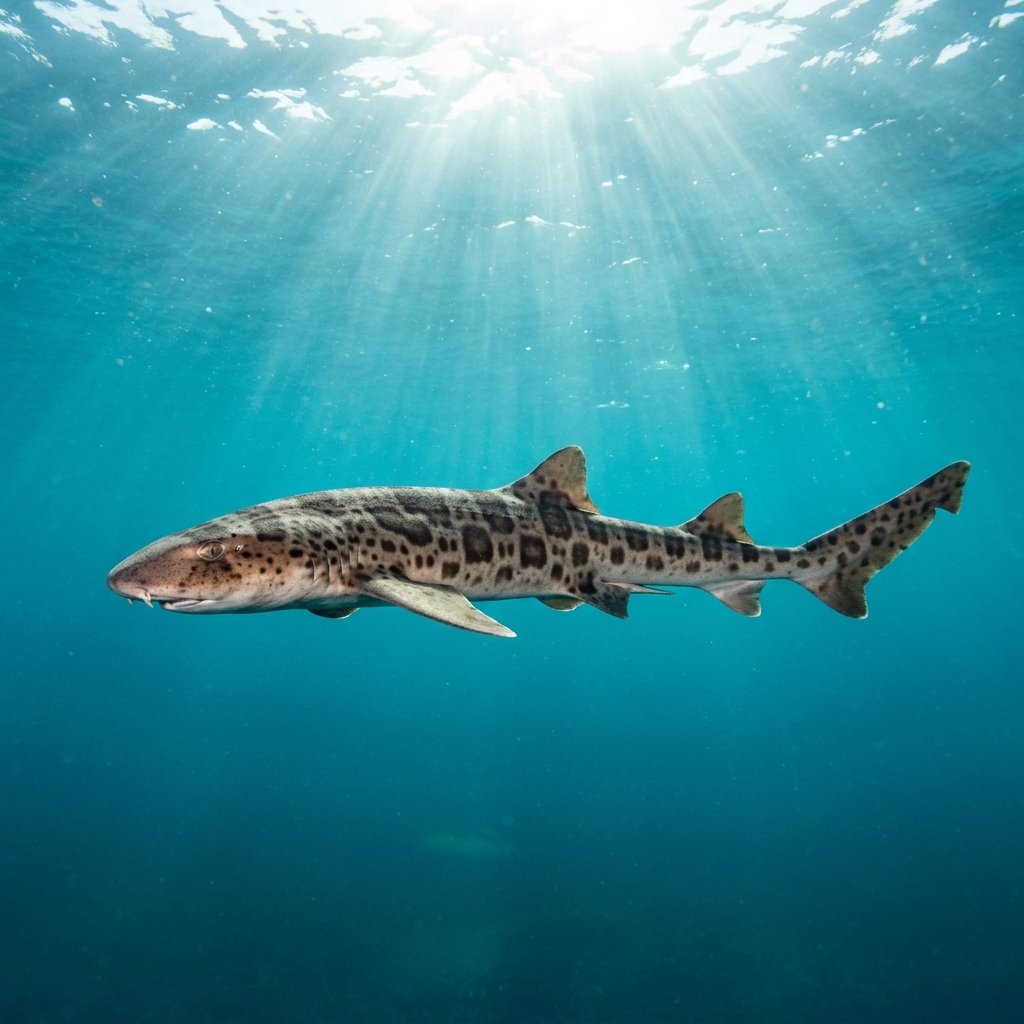
A stocky, bottom-dwelling shark reaching around a metre in length, covered in a bold pattern of dark brown saddles and blotches on a pale background, the checkerboard look that gives it the name. The head is broad and cat-like with a short, rounded snout, and the skin texture is noticeably rough. When threatened it can inflate its body with water, making it appear considerably bulkier than it rests.
Expect to find this shark resting motionless on rocky or sandy substrate, often tucked under ledges or into crevices on the seafloor. It is a calm, slow-moving animal that tends to stay put when a diver approaches rather than bolting. Night dives give a better chance of seeing it actively moving and foraging.
Like the closely related swell shark, the draughtboard shark can inflate its stomach with water or air when threatened, wedging itself into a crevice or making itself much harder for a predator to swallow.
There is not enough monthly sighting data to point to a peak season, so it is best treated as a year-round resident. Its preference for cool water (14-18°C) means the temperate southern Australian coast suits it in all seasons.
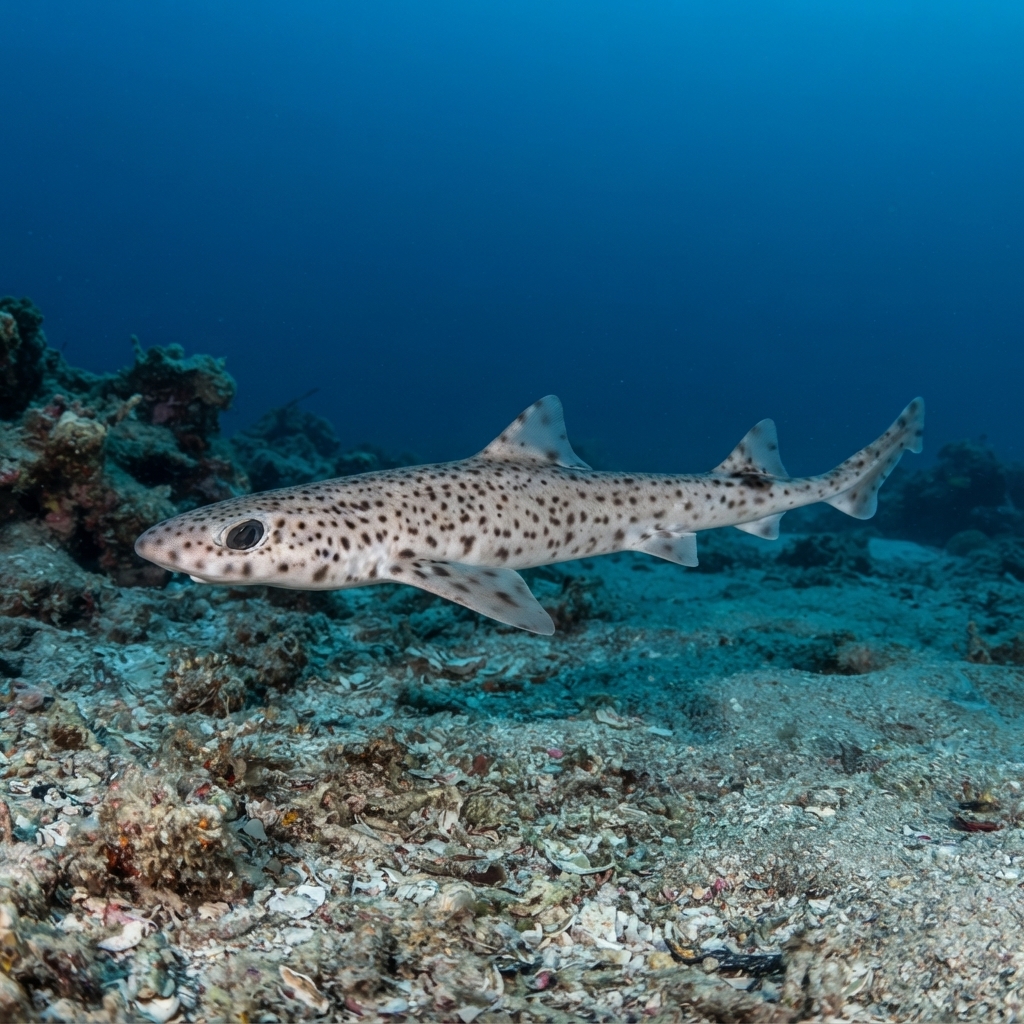
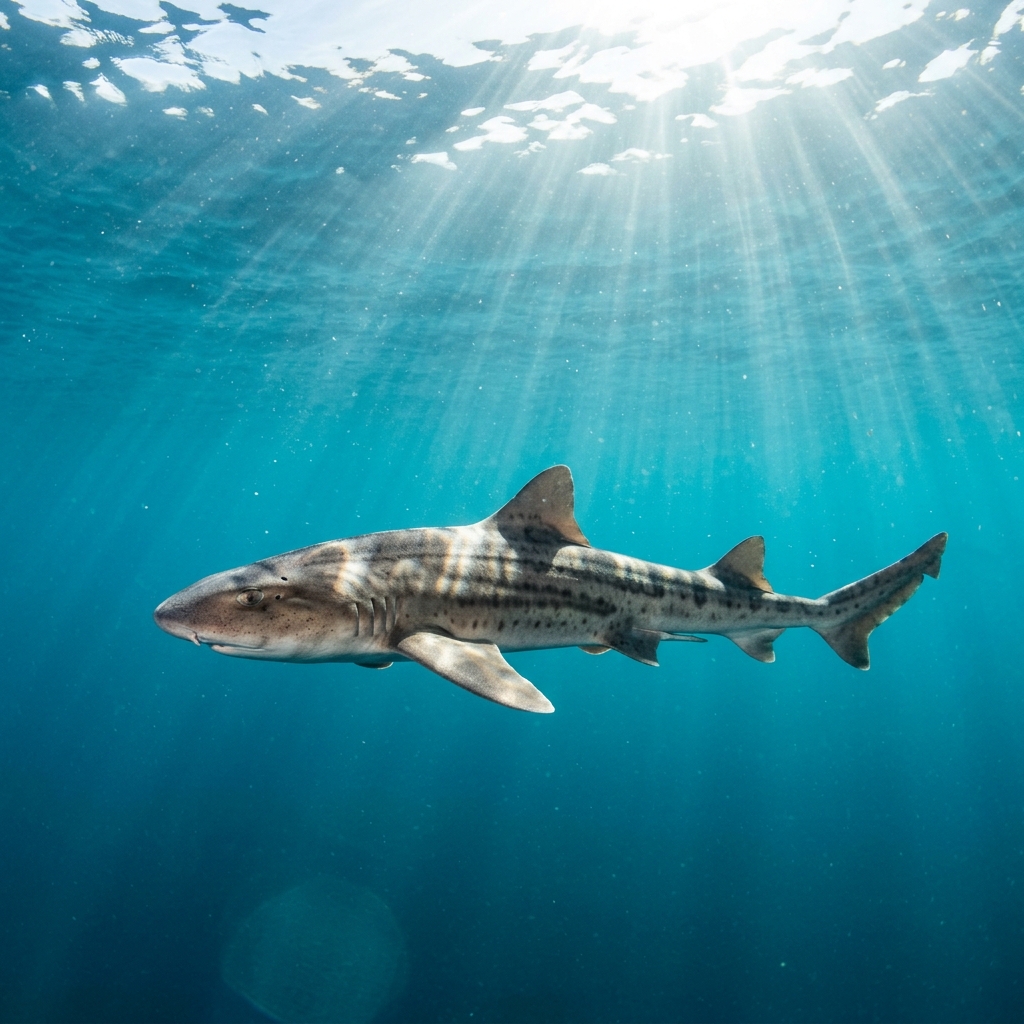
Reef neighbours a diver could mistake it for. Use the identification notes above to tell them apart.
Almost all logged sightings come from Australia, with the strongest concentration in Tasmania and South Australia, followed by Victoria. Queensland and Western Australia also hold a scatter of records, but the cool-water southern and eastern coastlines are firmly the heartland for this species.
Mapping where Draughtboard Shark is logged…
Draughtboard Sharks are found almost exclusively in Australia. Tasmania and South Australia have the strongest concentration of logged sightings, with Victoria also well represented. They favour rocky reef and sandy bottom habitats along the cooler southern and eastern coastlines.
There is no clear peak season from available sighting data, so they can be encountered year-round. Their preference for cool water between 14 and 18°C means the temperate southern Australian coast is consistently suitable throughout the year.
Look for the bold, dark-brown saddle and blotch pattern on a pale body, it really does resemble a draughtboard. The body is stocky, the snout is short and rounded, and it typically sits motionless on the bottom. At around a metre long it is a medium-sized shark, and its ability to puff up its body is a clincher if you see it do so.
Adults typically reach around 105 cm in length. They are a solidly built shark for their size, with a broad head and thick body, though they are not considered large by shark standards.
No. Draughtboard Sharks are harmless to divers. They are slow-moving, bottom-resting animals that generally ignore divers or stay still when approached. No special precautions are needed beyond the standard advice not to handle or harass any shark.
Site and sighting data is aggregated from diver logs, iNaturalist and GBIF. For taxonomy and conservation status:
Pyjama Shark
91 sites