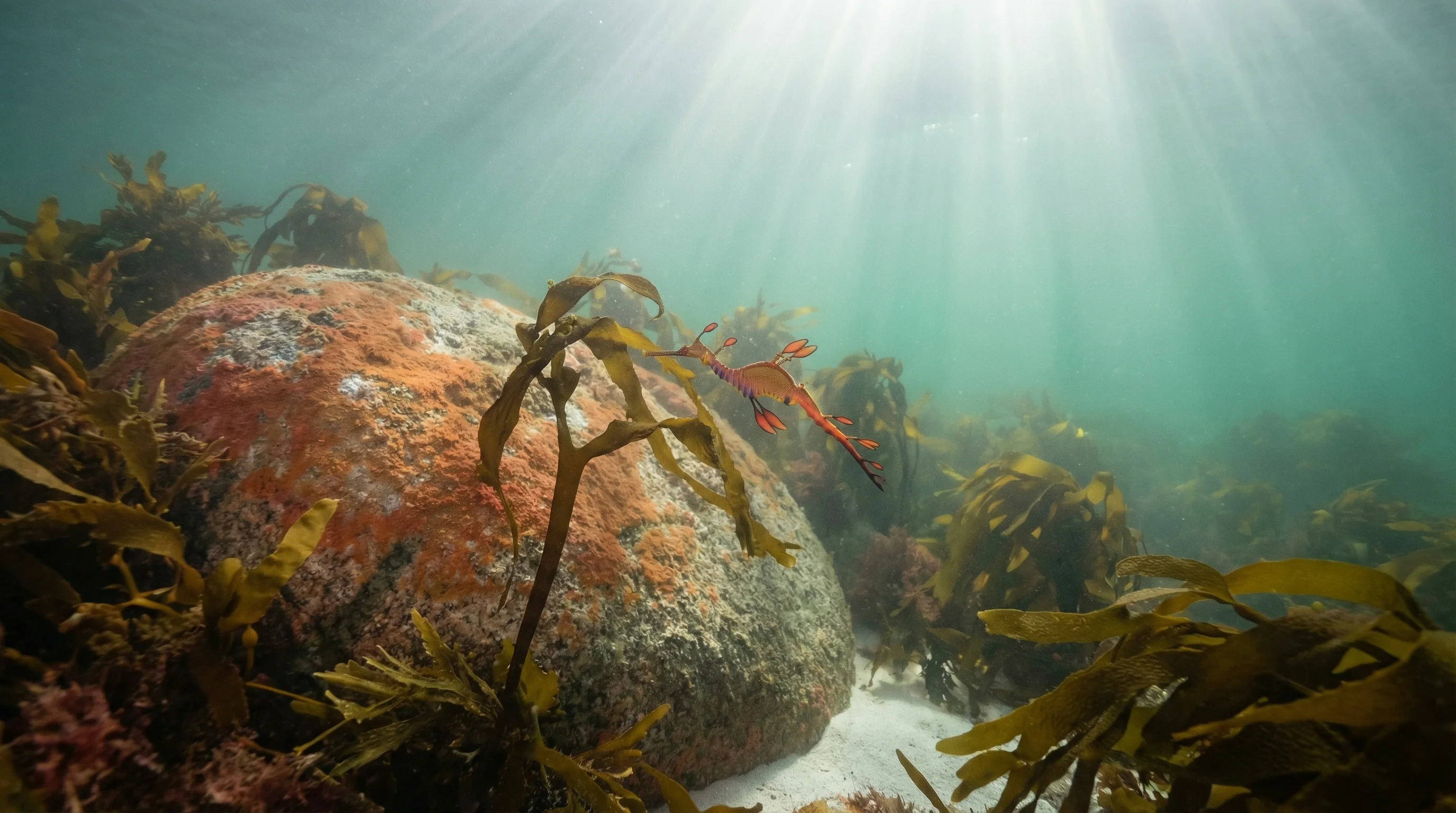
Best for beginner divers, 0m, shore entry, mild current.
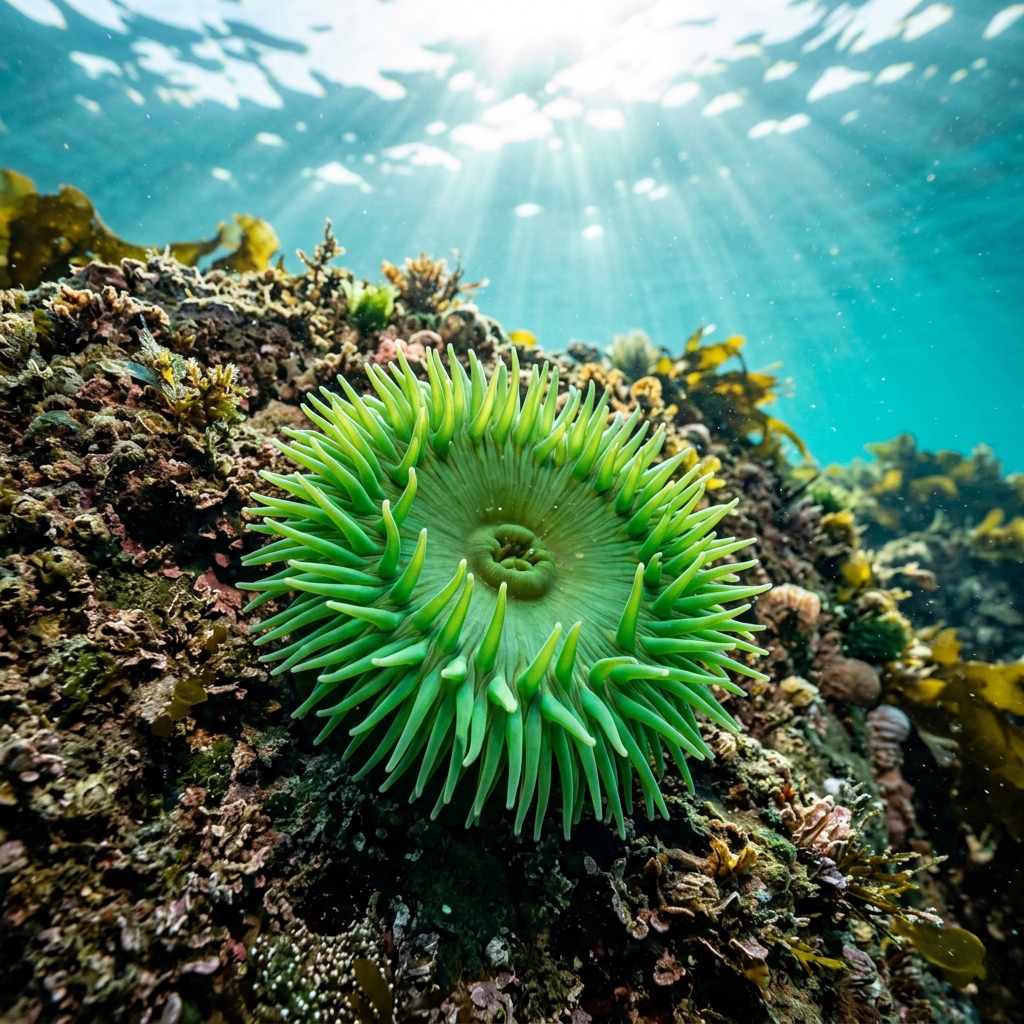
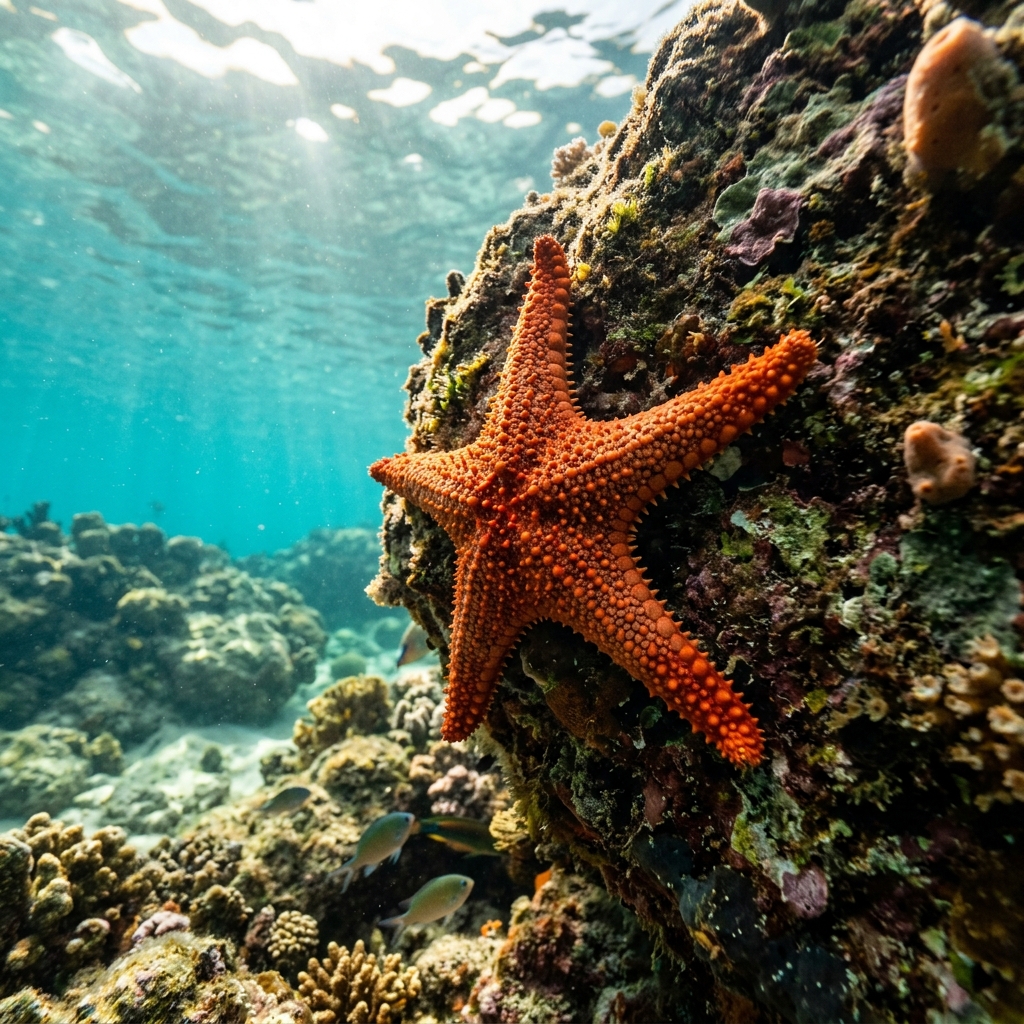
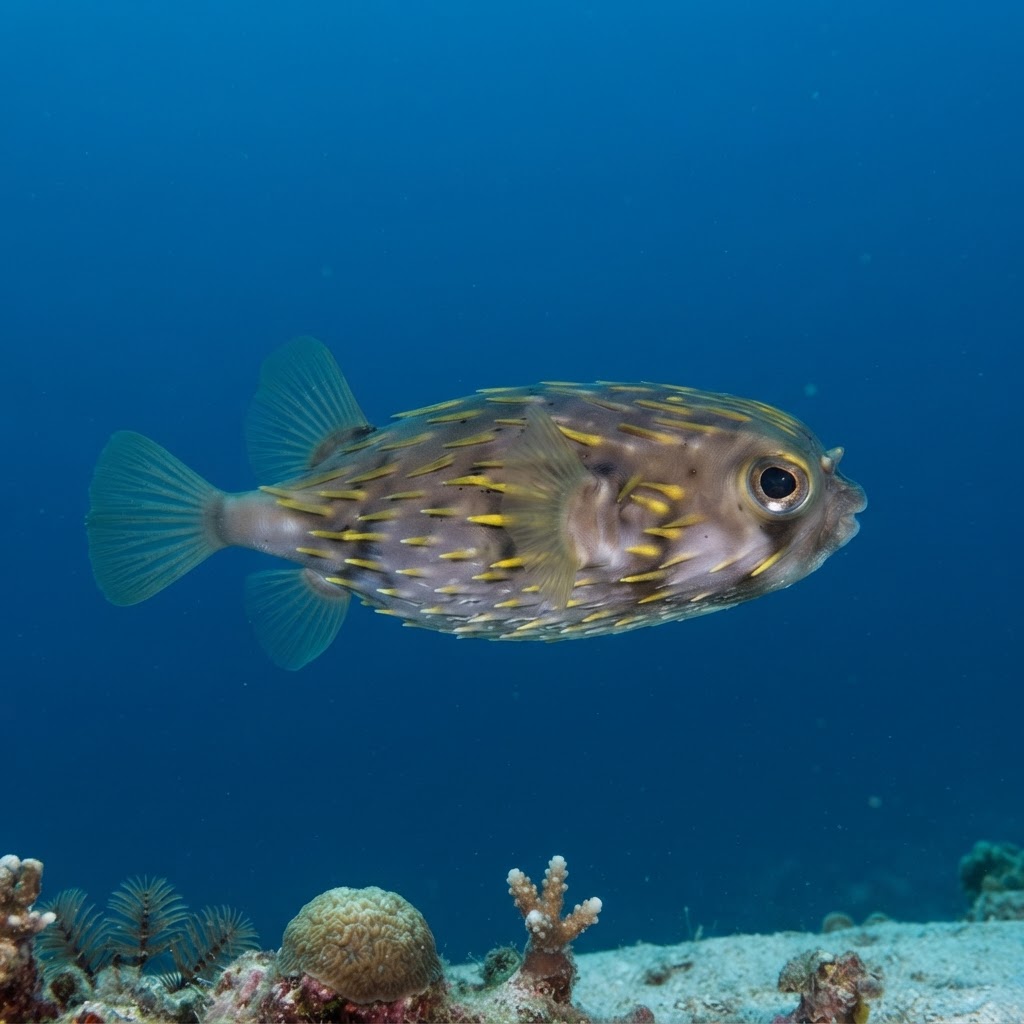
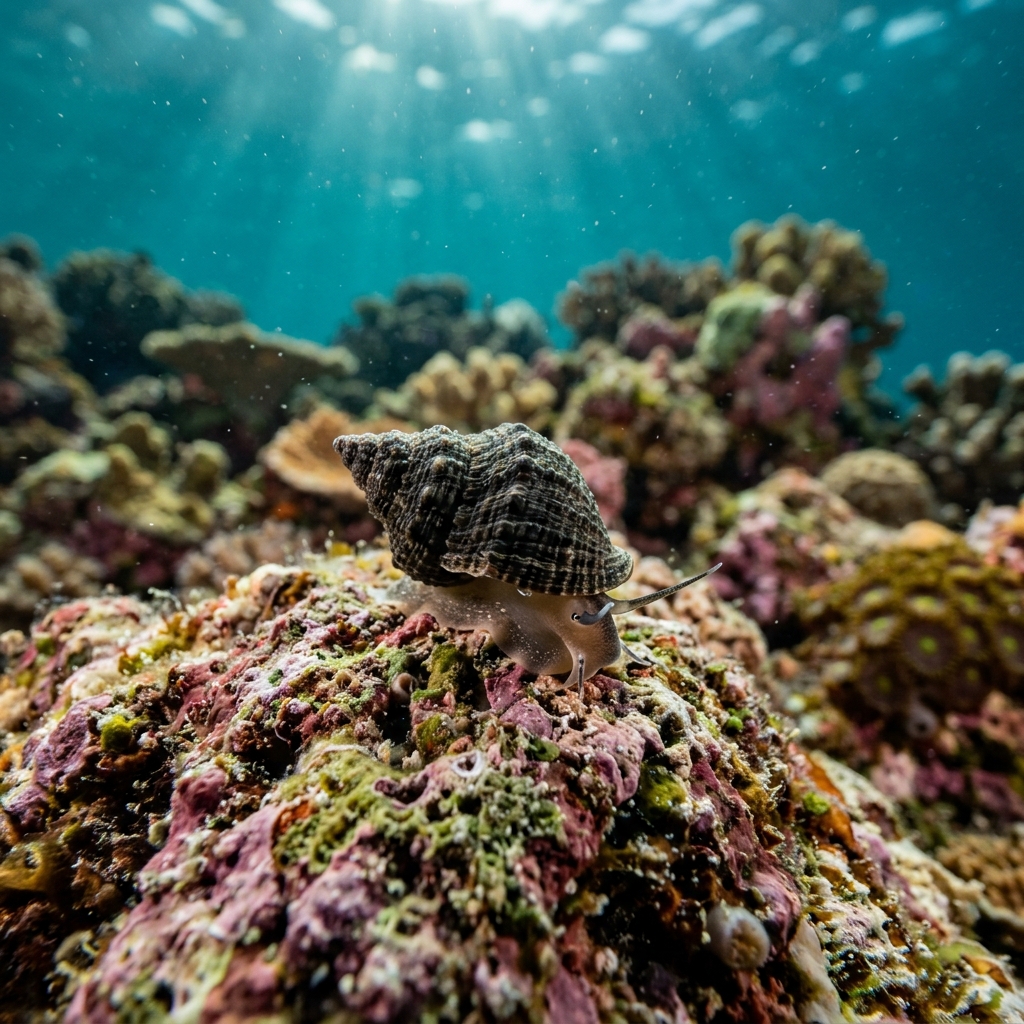
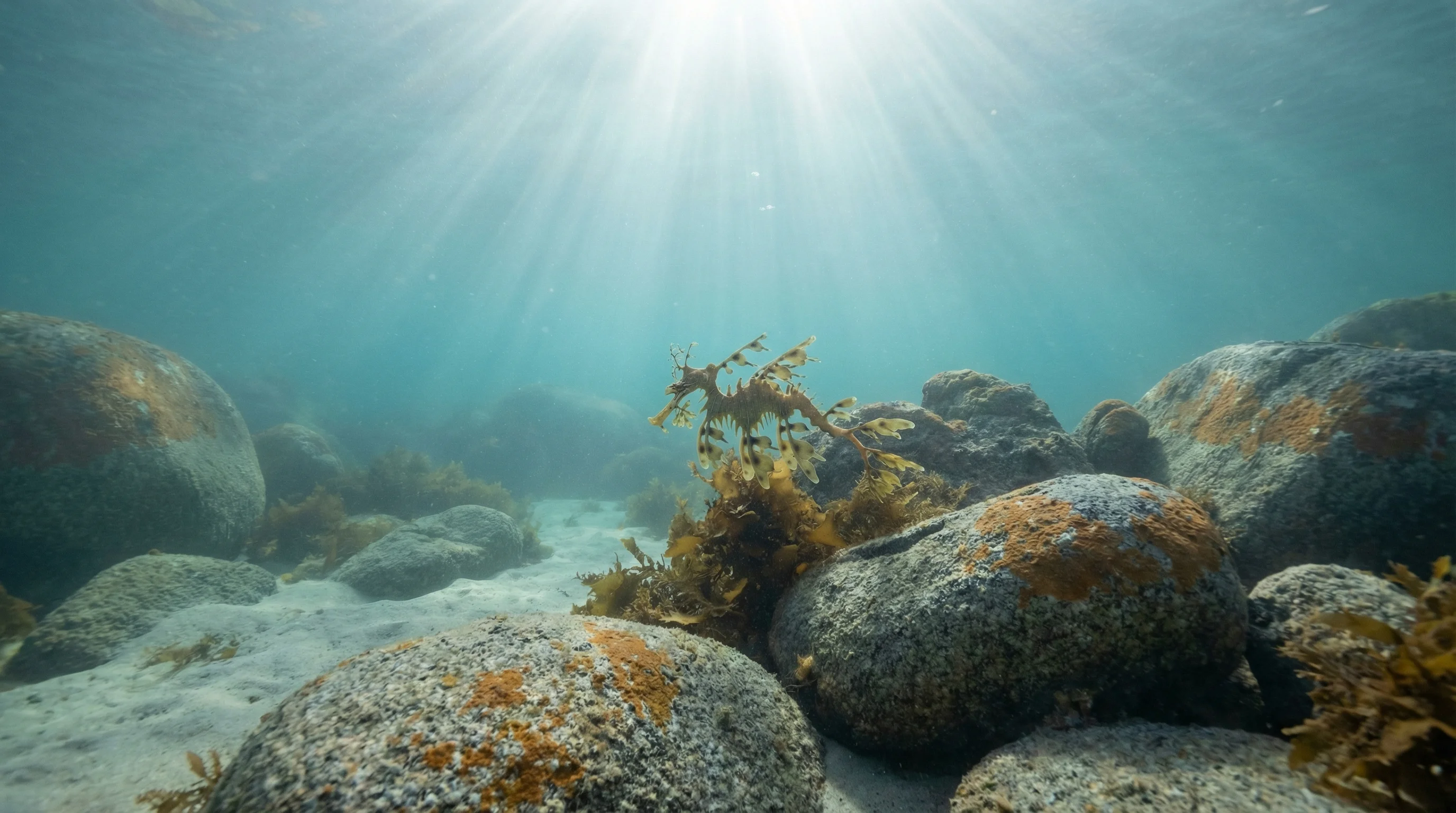
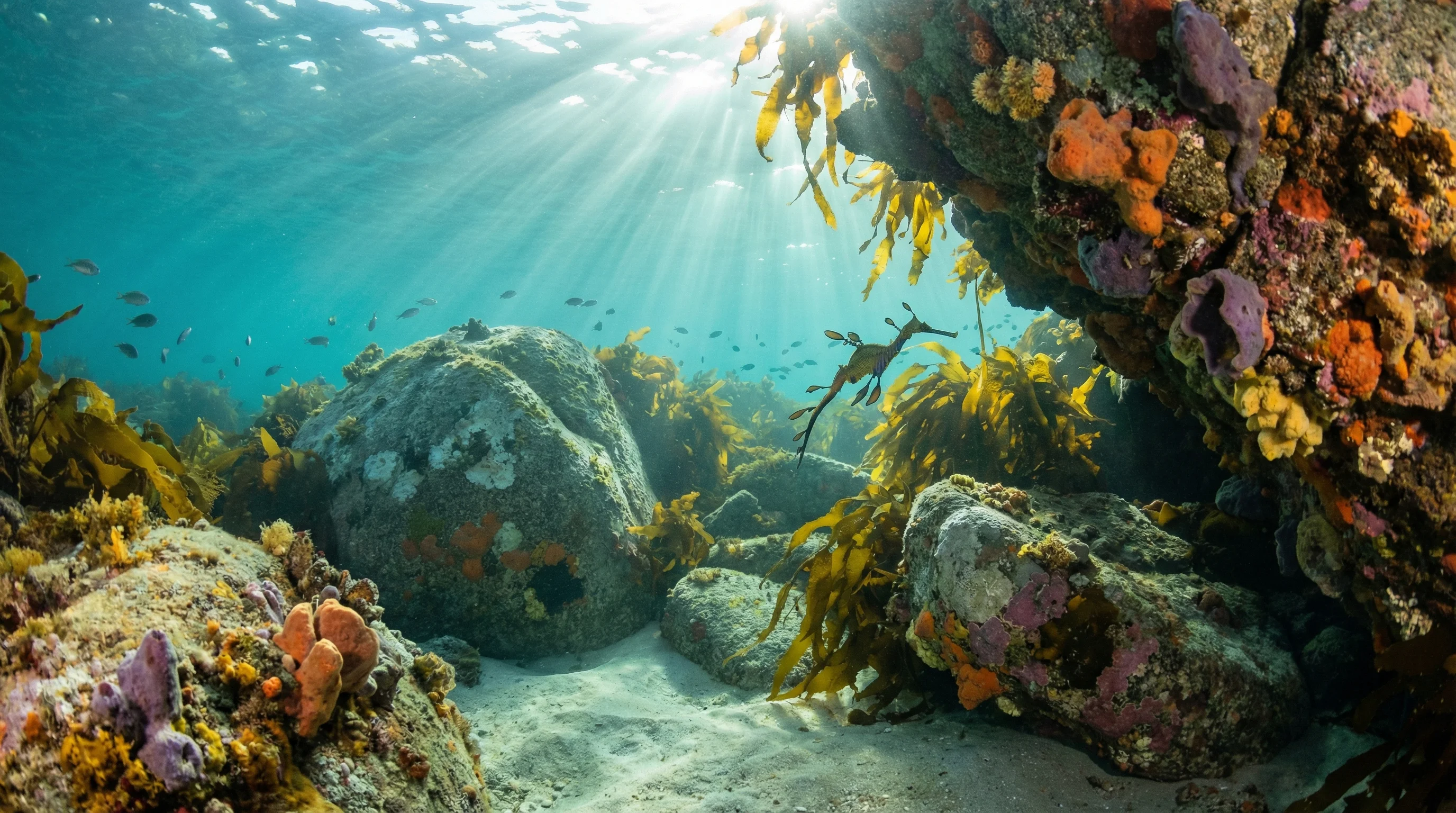
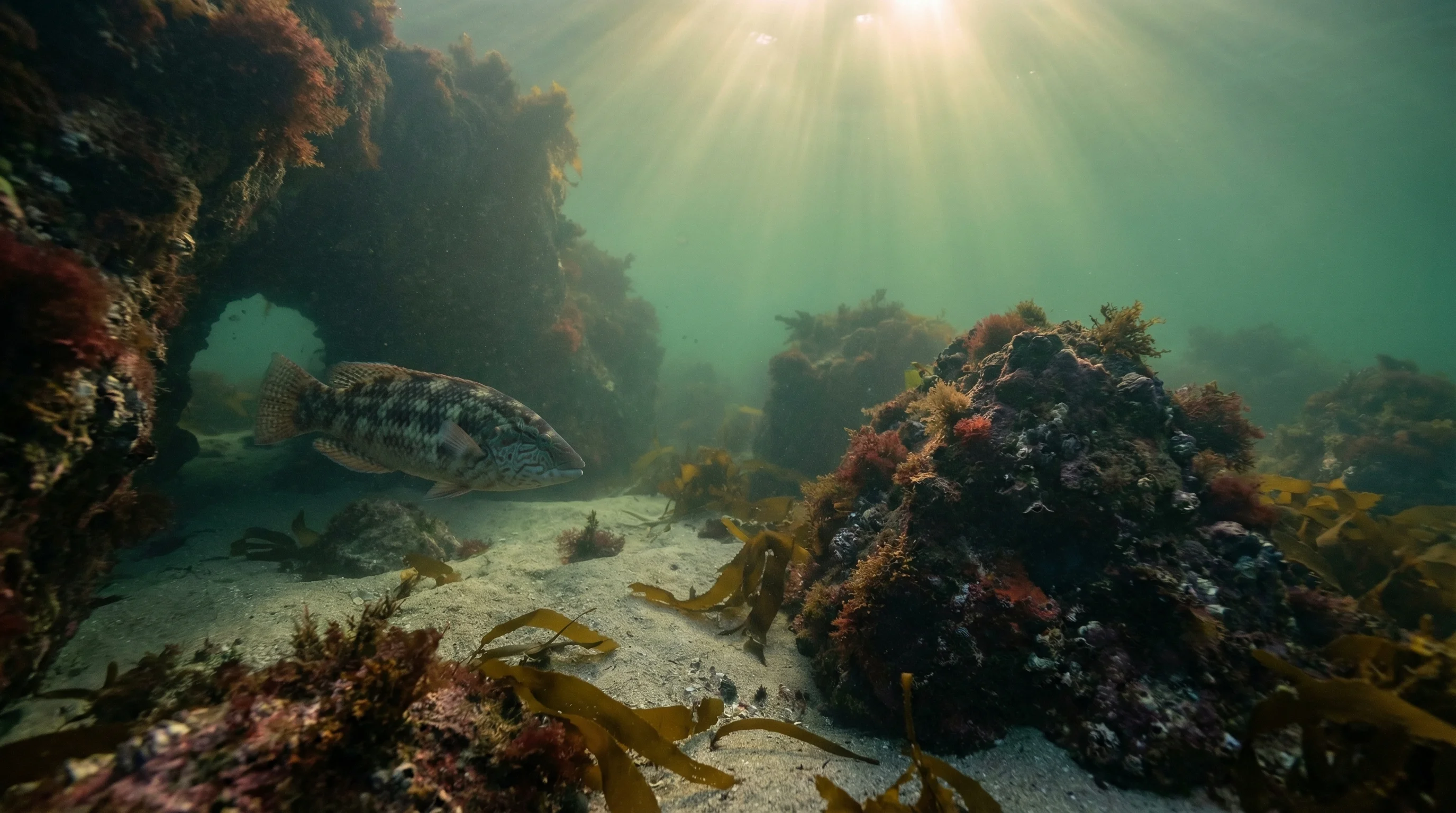
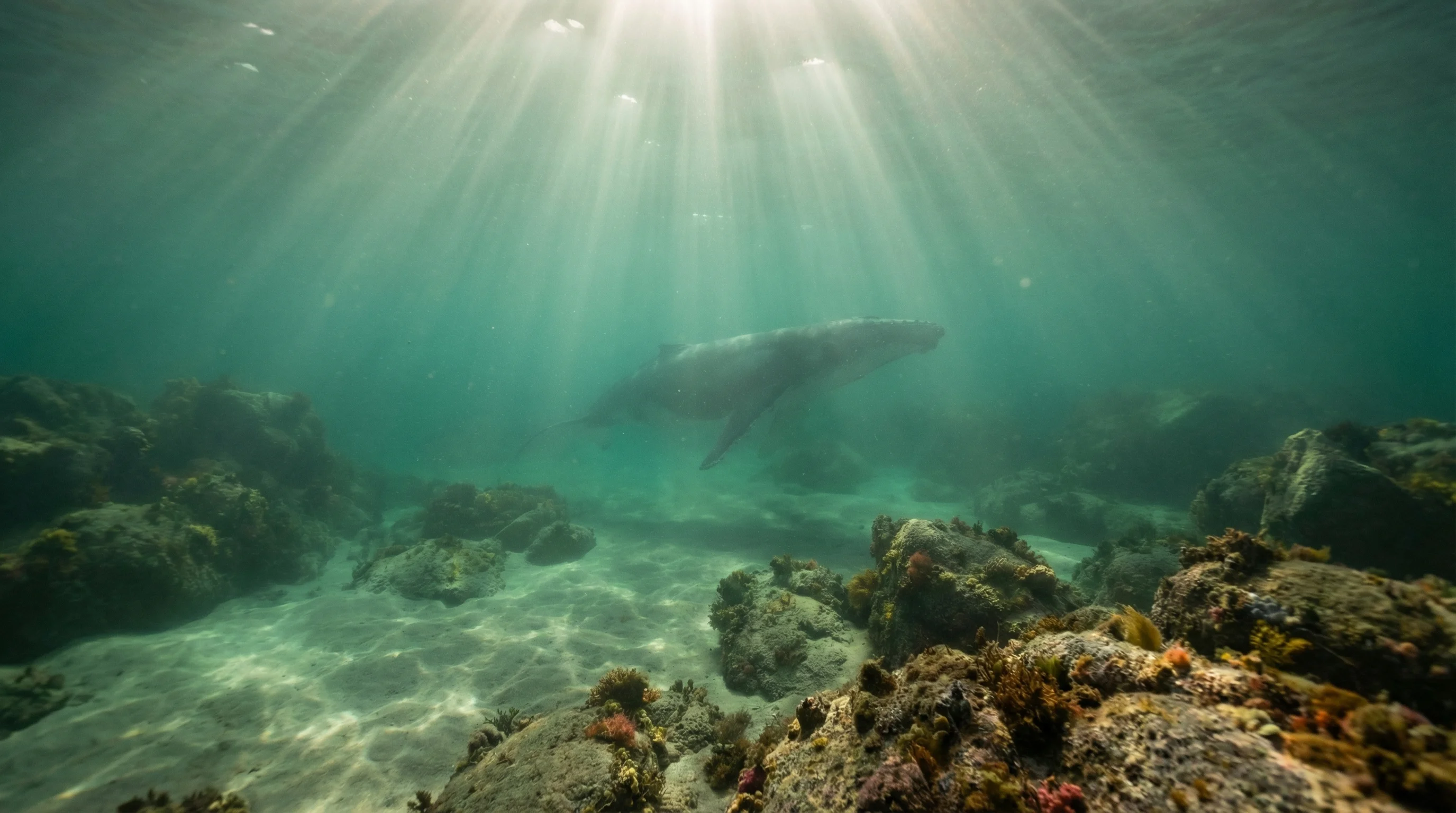
Bay of Fires near Bicheno offers shore-based diving and snorkelling within reef and kelp forest habitats. The site is suitable for beginners, featuring mild currents and shallow depths. Divers and snorkellers should be aware of potential rip currents and steep drop-offs at some beach entries. Visibility typically ranges from 5 to 12 metres. Due to water temperatures between 13C and 19C, a 5mm or thicker wetsuit is required year-round. Facilities at the site include toilets. For the best experience, enter on an incoming tide to ensure clearer water and to mitigate the effects of rip currents near the entry point.
-41.25180, 148.30550
Enter on an incoming tide to get the clearest water and to avoid being pushed around by any rip current forming near the entry point. Bring a 5mm or thicker wetsuit regardless of the season, as the water stays cold even in summer.
Access is from the various beaches and rocky points within the Bay of Fires Conservation Area. The southern section is accessed from St Helens via Binalong Bay Road (C850). Popular spots like Seatons Cove and Skeleton Bay Reserve are accessible directly from the shore.
Recorded nearby, within 20km
Depth
0m
Visibility
5-12m
Skill Level
Beginner
Entry
Shore
Water Temp
13-19°C
Current
Mild
Best Time
Jan, Feb, Mar, Apr, Nov, Dec
Yes, the site is suitable for beginners as it features mild currents and shallow, sheltered areas.
Yes, both diving and snorkelling are popular activities at this shore-based site.
Yes, Bay of Fires is a shore-entry site. Divers and snorkellers should be cautious of rip currents and steep drop-offs when entering.
A 5mm or thicker wetsuit is essential year-round, as water temperatures remain cold even during the summer months.
Diving at Bay of Fires in East Coast requires the following certifications: Open Water. Always dive within your training limits.
A 7mm wetsuit or semi-dry is recommended for diving at Bay of Fires in East Coast. Water temperatures range from 13°C to 19°C.
The best months to visit Bay of Fires in East Coast are November, December, January, February, March, and April. Conditions outside these months can still be good but are less predictable.
Bay of Fires in East Coast offers snorkelling with a rating of 1 out of 5. Shallow areas start from 0 metres, making it accessible for snorkellers.