Neosebastes scorpaenoides
Uncommon but findable off Tasmania in 14.5-18.4C water, this spiny bottom-dweller is a year-round spot for cold-water Aussie divers.
Safety warning
Like other scorpionfish relatives, it carries venomous spines on its fins, and a sting from careless handling or an accidental brush can be painful. Keep hands and fins off rock ledges and rubble where it rests, and give any resting fish a clear berth rather than reaching past it.
If you're stung
Venomous spinesGeneral first-aid guidance, not a substitute for professional medical care. In an emergency, call your local emergency number.
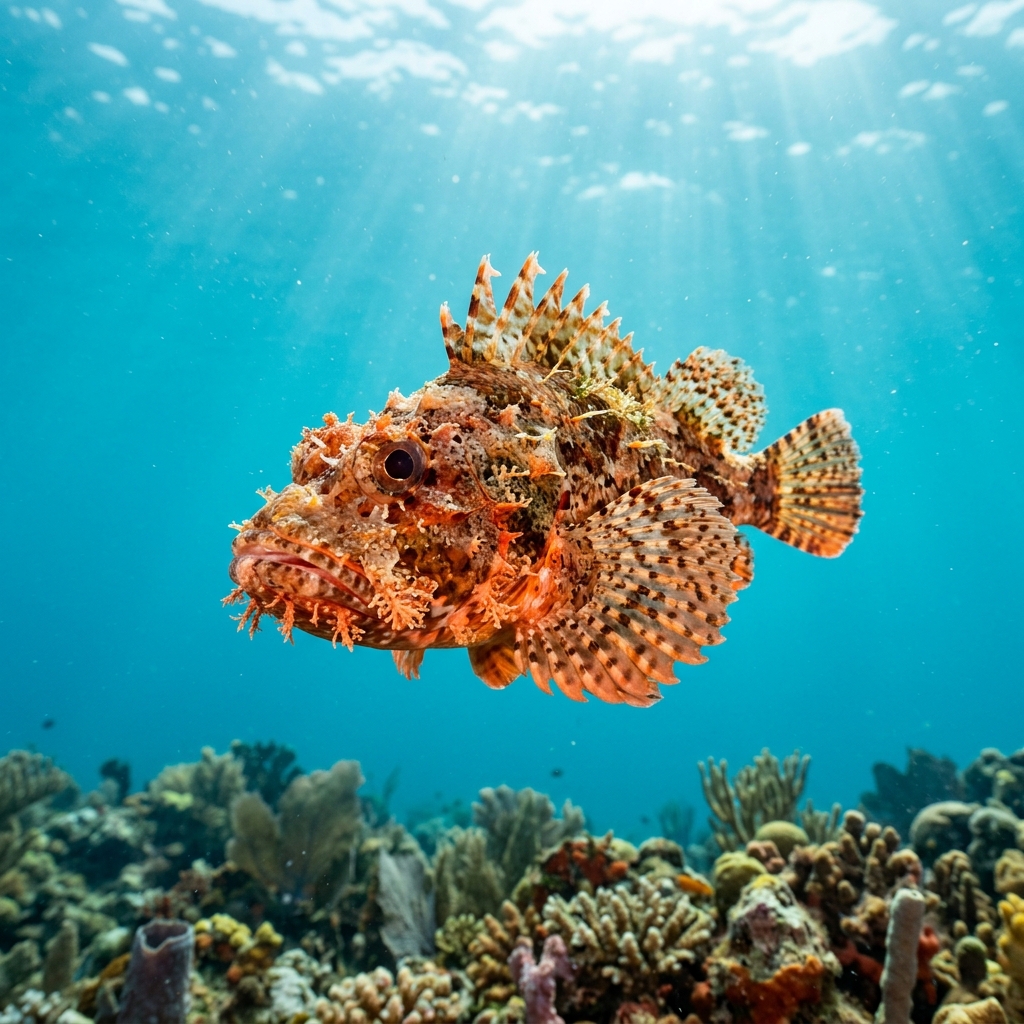
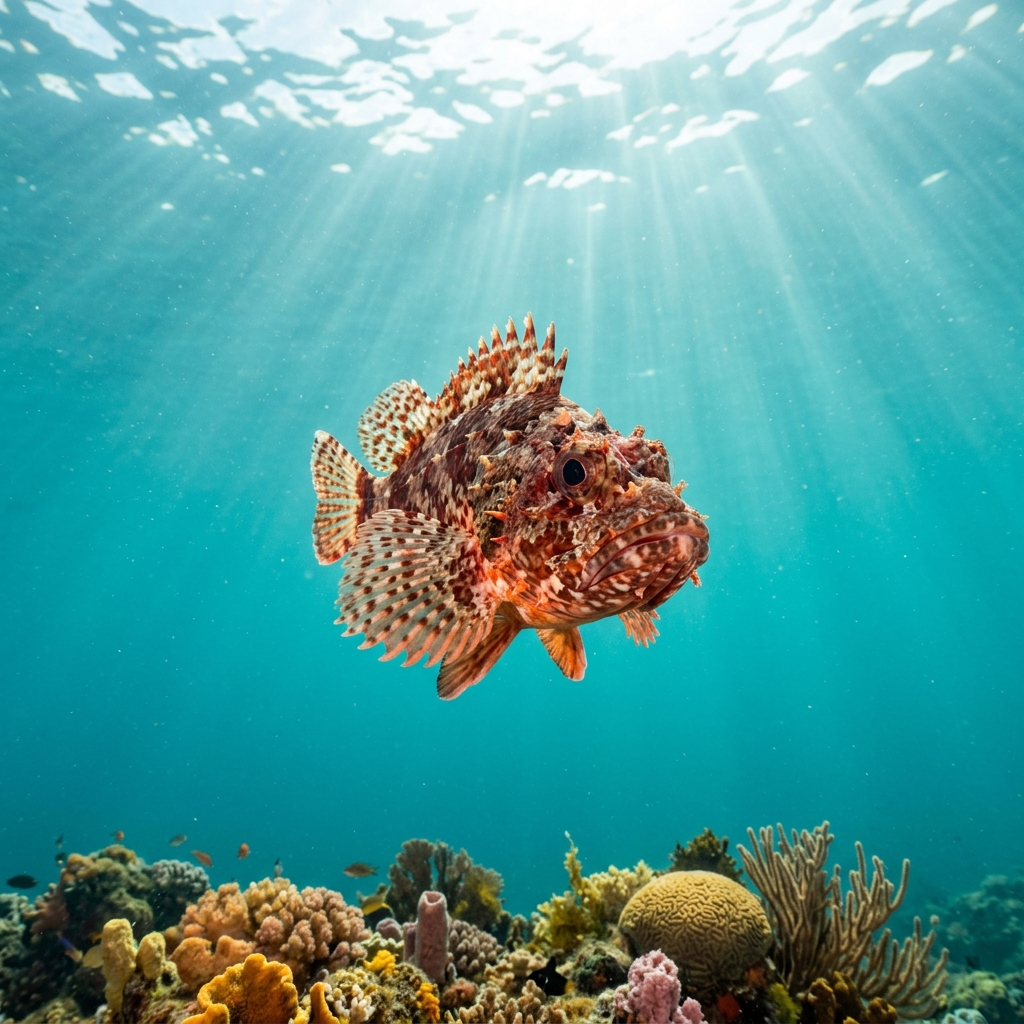
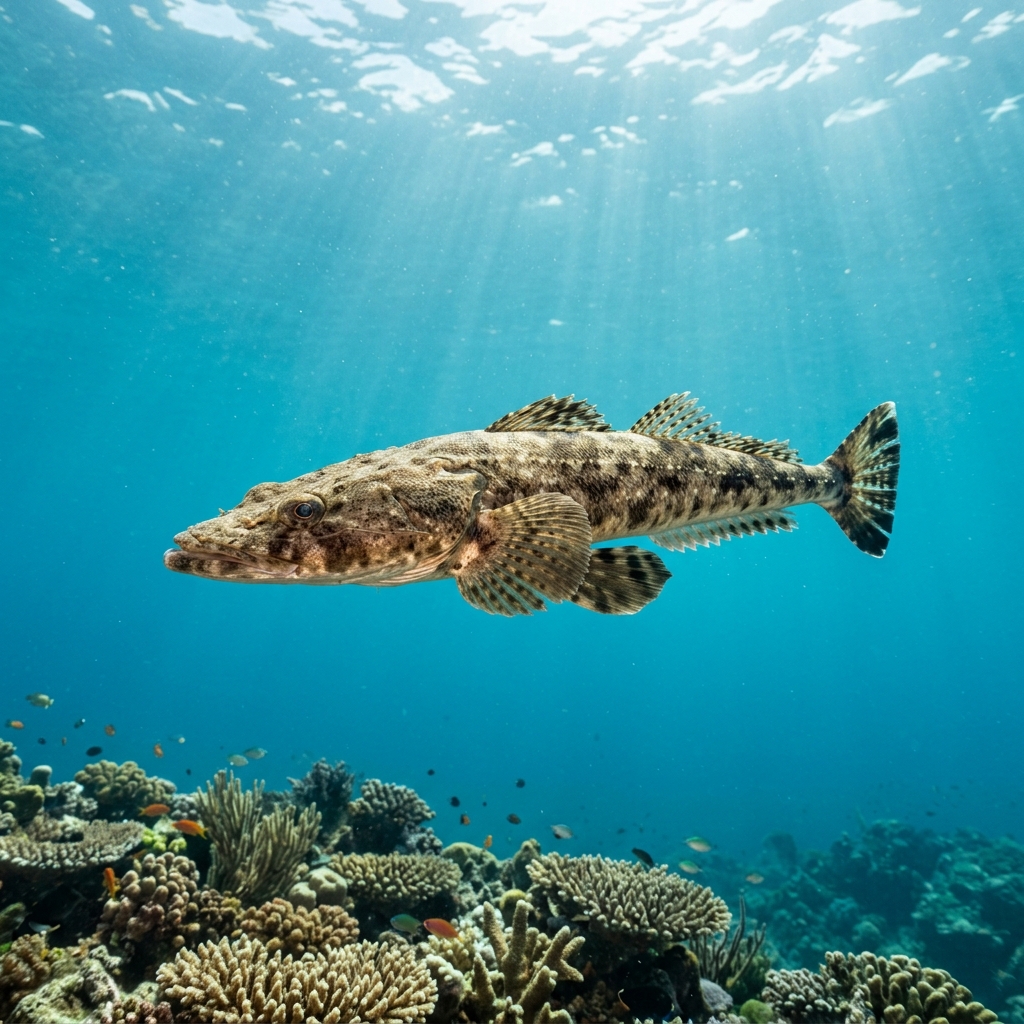
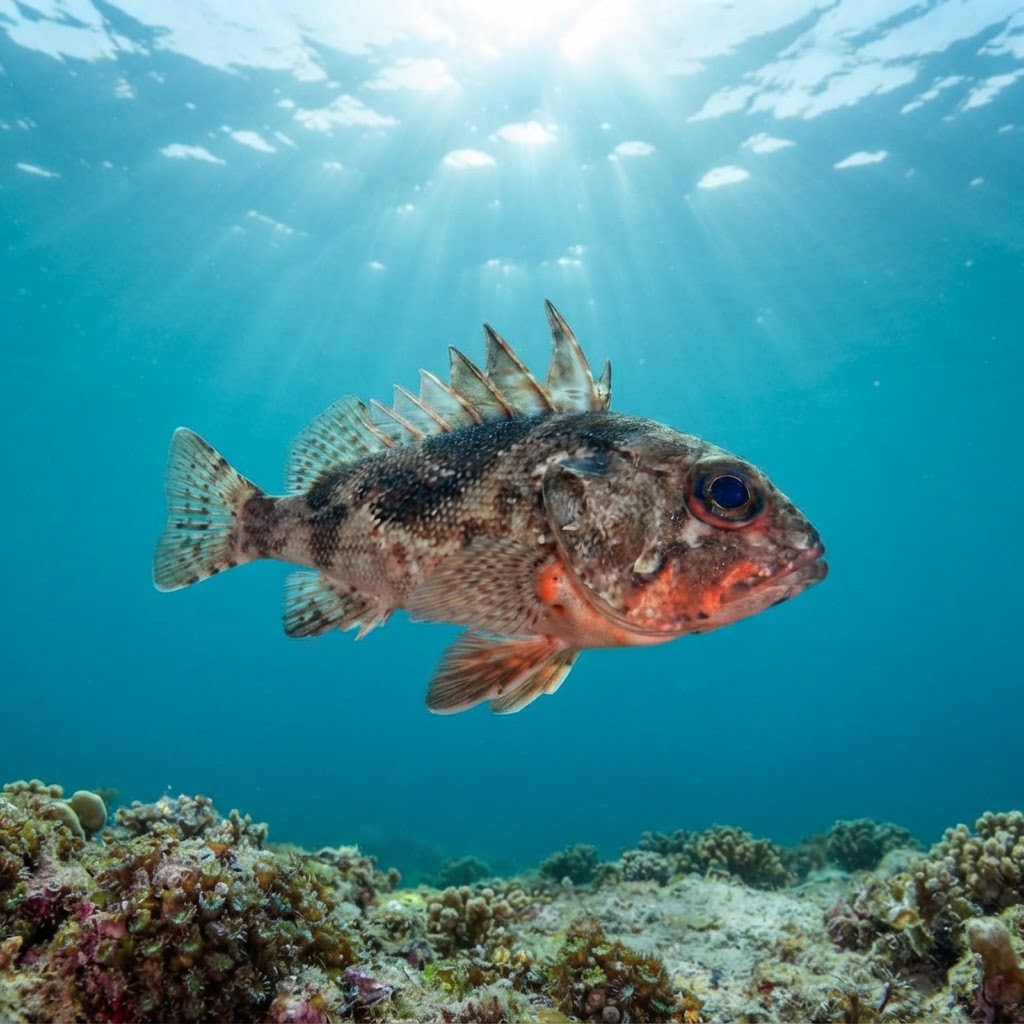
Squat, heavy-headed bottom fish to about 28cm, with a mottled reddish-brown to grey body that blends into rock and rubble. Look for the spiny, raised head ridges and large pectoral fins it braces on when perched on a ledge. It sits still rather than swims, so divers usually spot it by shape first, colour second.
Expect to find it motionless on rock ledges, in rubble, or tucked against reef structure rather than out swimming in open water. It relies on camouflage and stillness rather than fleeing, so a slow approach usually gets you a close, unbothered look. Most divers log it as an uncommon or rare find rather than a species that shows up on every dive.
Its mottled, spine-covered look is a classic scorpionfish-relative strategy: sit still, blend in, and let prey or threats come to you rather than chasing or fleeing.
Sightings show no clear season, and with a temperature niche of 14.5 to 18.4C it fits the cooler water that Tasmania and Victoria hold most of the year, so plan around good visibility and conditions rather than a calendar month.
Tasmania is the strongest bet by far, with sites clustered there far outnumbering anywhere else logged. Victoria also turns up sightings fairly reliably, with South Australia adding a smaller scatter of records, so southern Australian temperate reefs are the place to look.
Mapping where Common Gurnard Perch is logged…
Tasmania is the most reliable region, with Victoria also producing regular sightings and a smaller number from South Australia. All records logged so far come from southern Australian temperate reefs.
There's no detected seasonal pattern, so it's considered a year-round sighting. It sits in a 14.5 to 18.4C water temperature band, which matches southern Australian conditions for much of the year.
Yes, it carries venomous spines typical of its scorpionfish relatives, and a sting is painful if you brush against it or handle it. It won't chase you, so simply avoid touching rock ledges or rubble where one might be resting.
Look for a squat, spiny-headed fish around 28cm long, mottled reddish-brown to grey, sitting motionless on rock or rubble. Its stillness and camouflage are often the giveaway before any colour detail stands out.
They typically reach around 28cm, making them a compact bottom-dwelling fish rather than a large reef predator.
It relies almost entirely on camouflage and stillness against rock and rubble rather than active swimming, backed up by venomous spines as a defence if disturbed.
Site and sighting data is aggregated from diver logs, iNaturalist and GBIF. For taxonomy and conservation status:
Madeira Rockfish
2,773 sites