Chromileptes altivelis
Spot the polka-dotted Barramundi Cod on Queensland reefs. Logged across Australia in 21-29°C waters, here's where and how to find one.
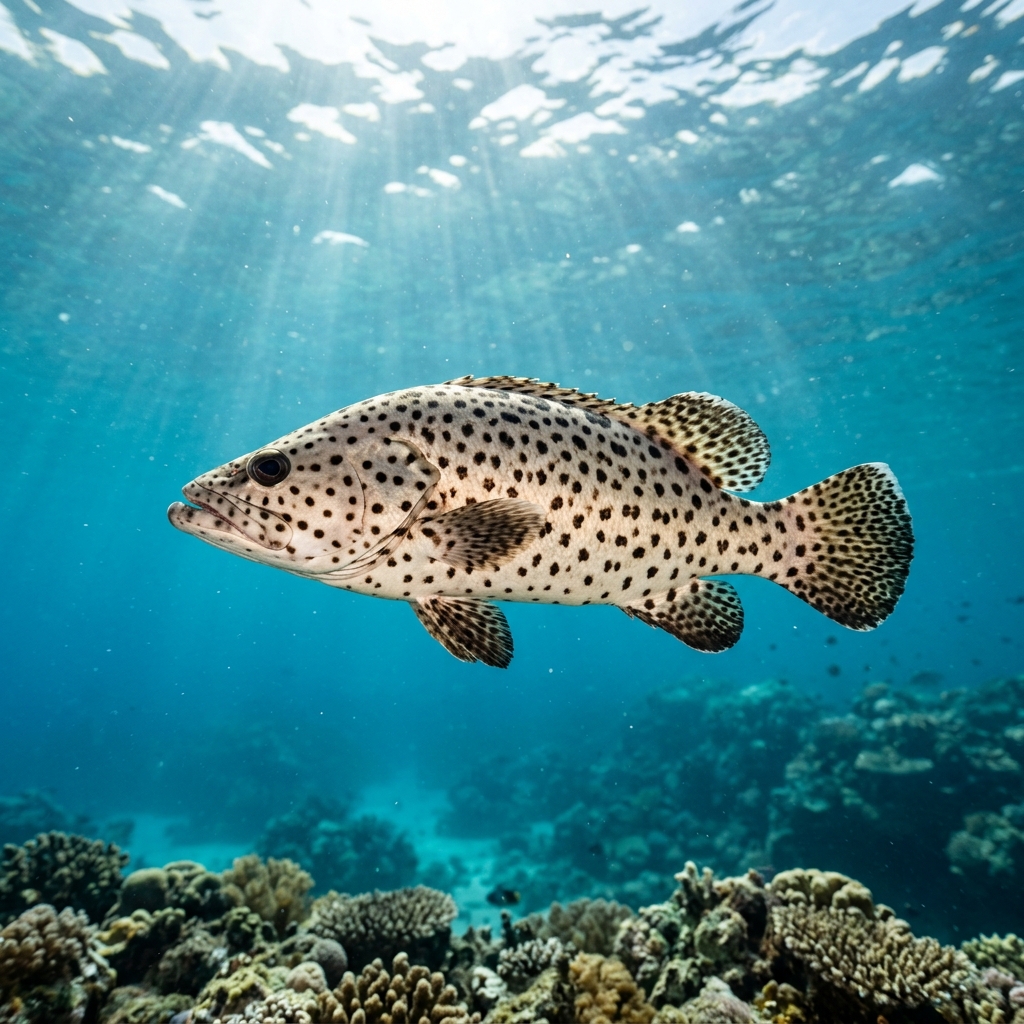
That strongly arched back and dramatically sloping head profile make this grouper unlike almost anything else on an Australian reef, it looks almost hunchbacked compared to its relatives. The body is white to pale grey and covered top-to-tail in small, evenly spaced dark brown or black spots, including on the fins. Juveniles carry the same spot pattern but are noticeably more boldly marked, with higher contrast between the white base and the dark spots.
Barramundi Cod tend to hang in and around coral structure, often in sheltered reef sections, and are typically encountered alone rather than in groups. They are not particularly skittish but will retreat into reef crevices if approached too directly, slow, patient approaches tend to reward divers with a longer look. Sightings are most often of a single fish hovering close to the substrate, showing little urgency.
This species is a protogynous hermaphrodite, meaning individuals begin life as females and the dominant fish in a group can transition to male, a reproductive strategy shared with many groupers that has significant implications for populations where large adults are removed.
There is not enough monthly sighting data to pinpoint a seasonal peak, so treat it as potentially year-round. Observed water temperatures range from roughly 22 to 29°C, consistent with tropical and subtropical reef systems that stay warm across most of the year.
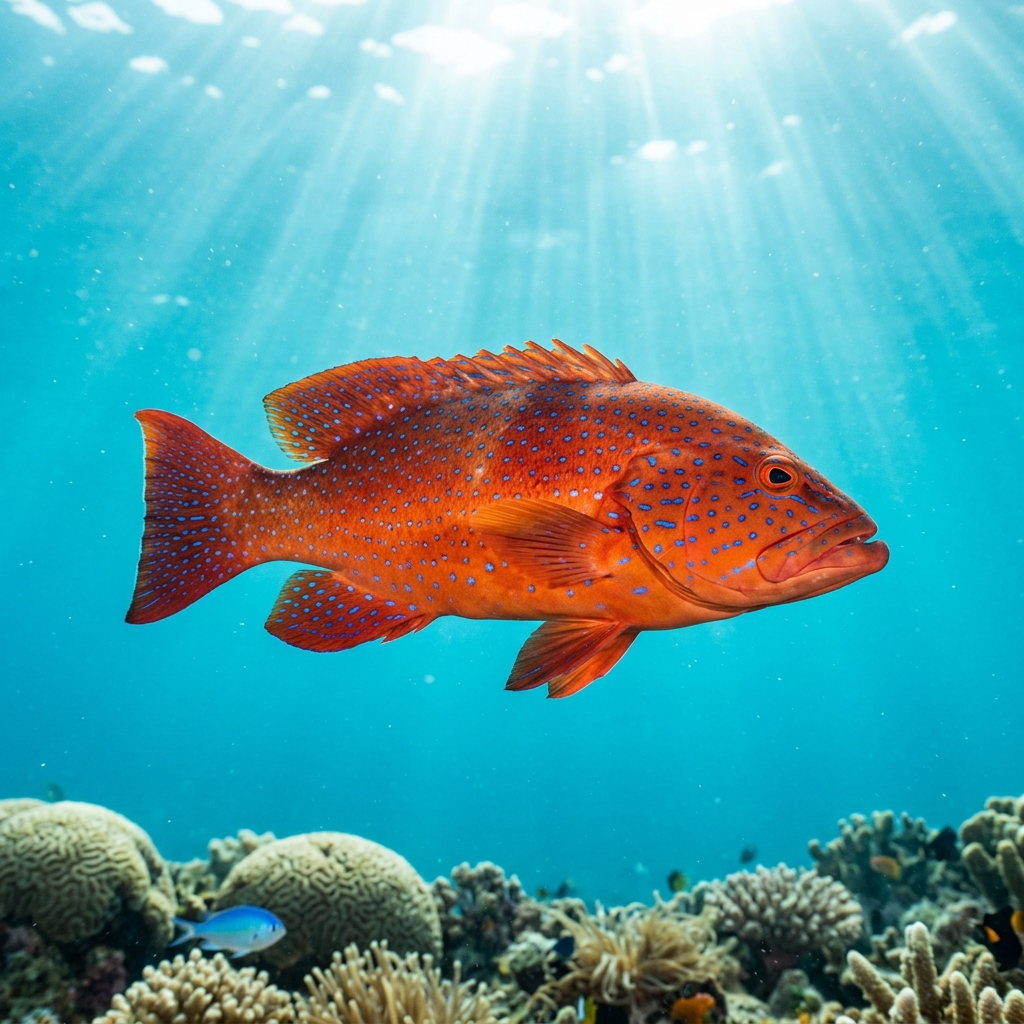
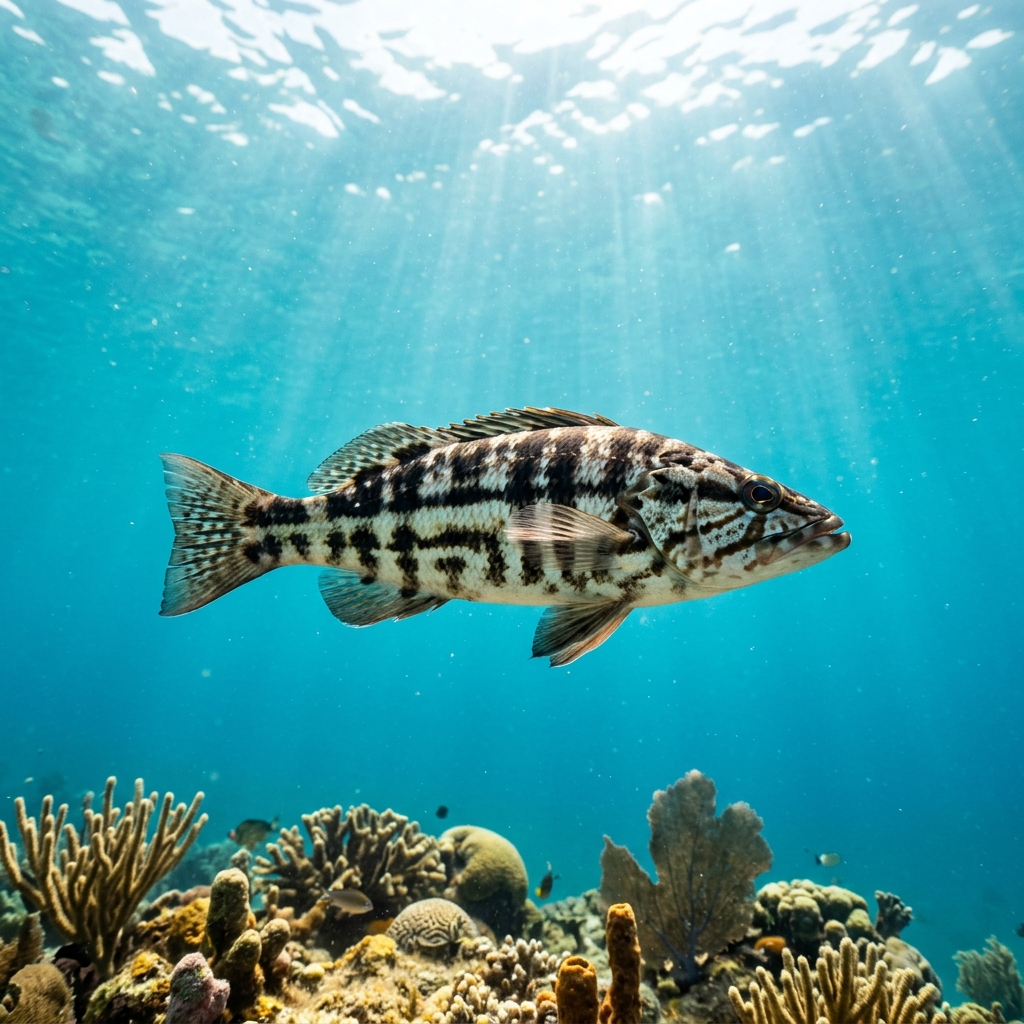
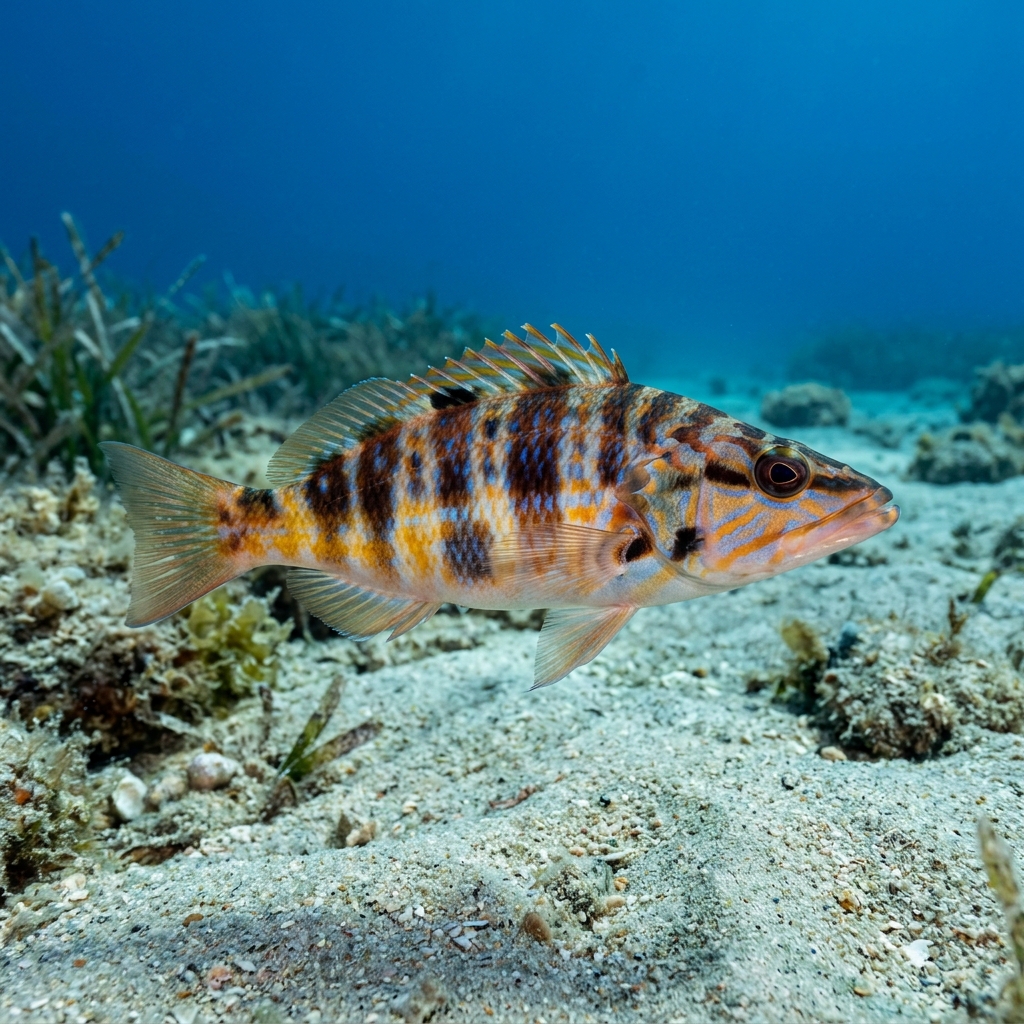
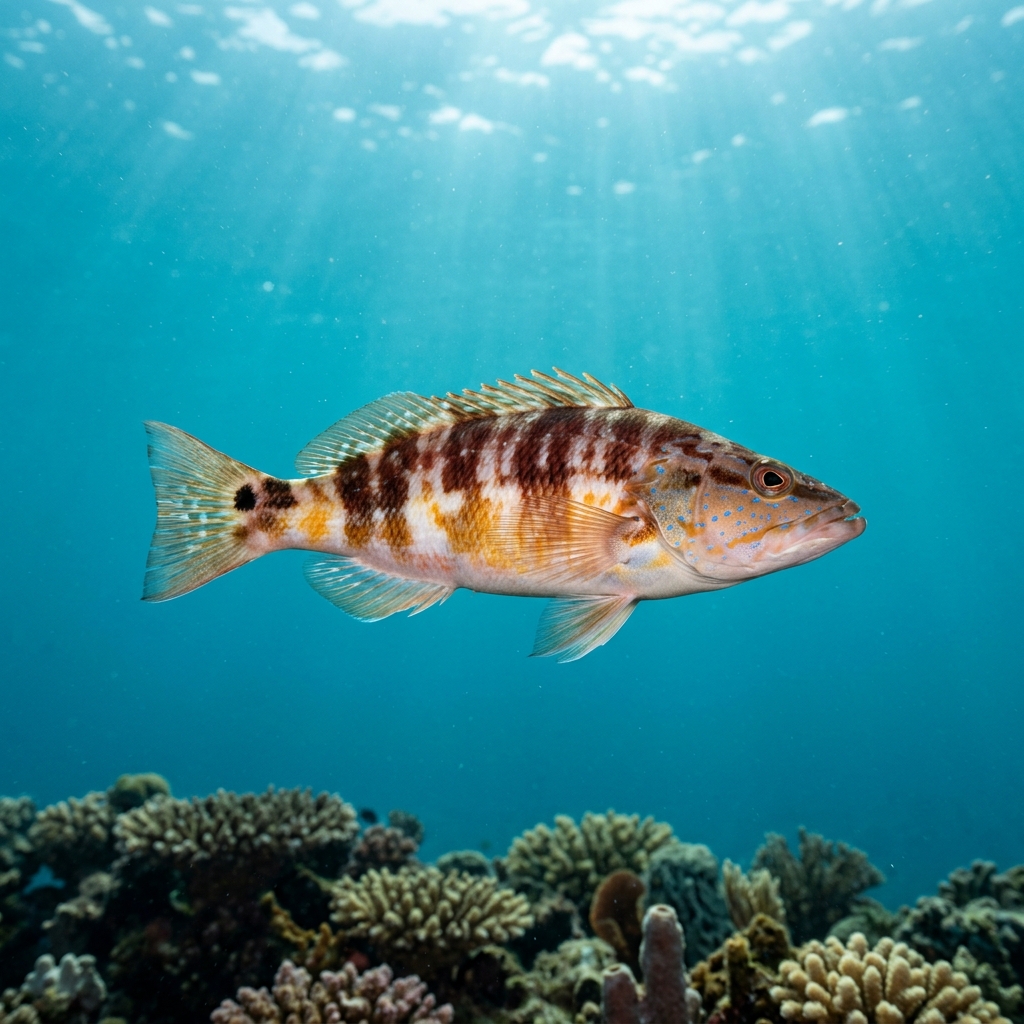
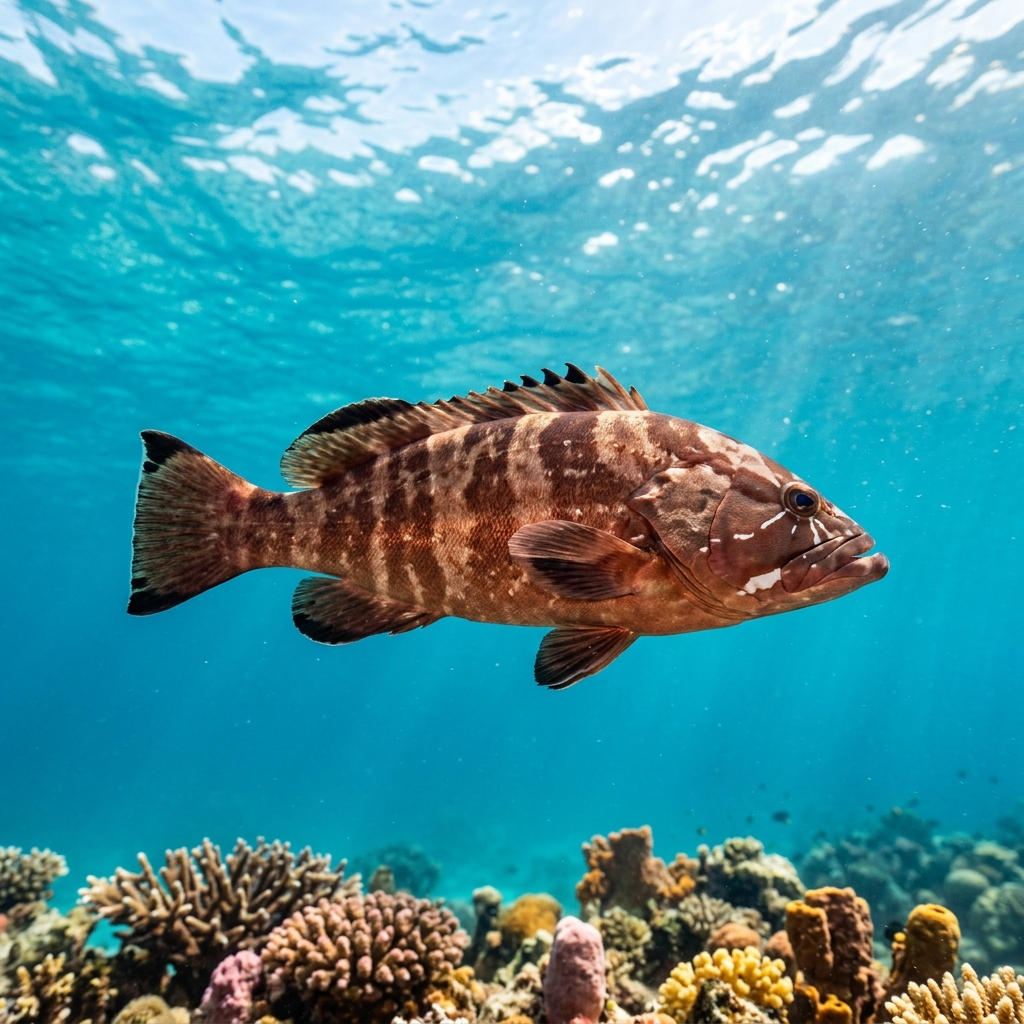
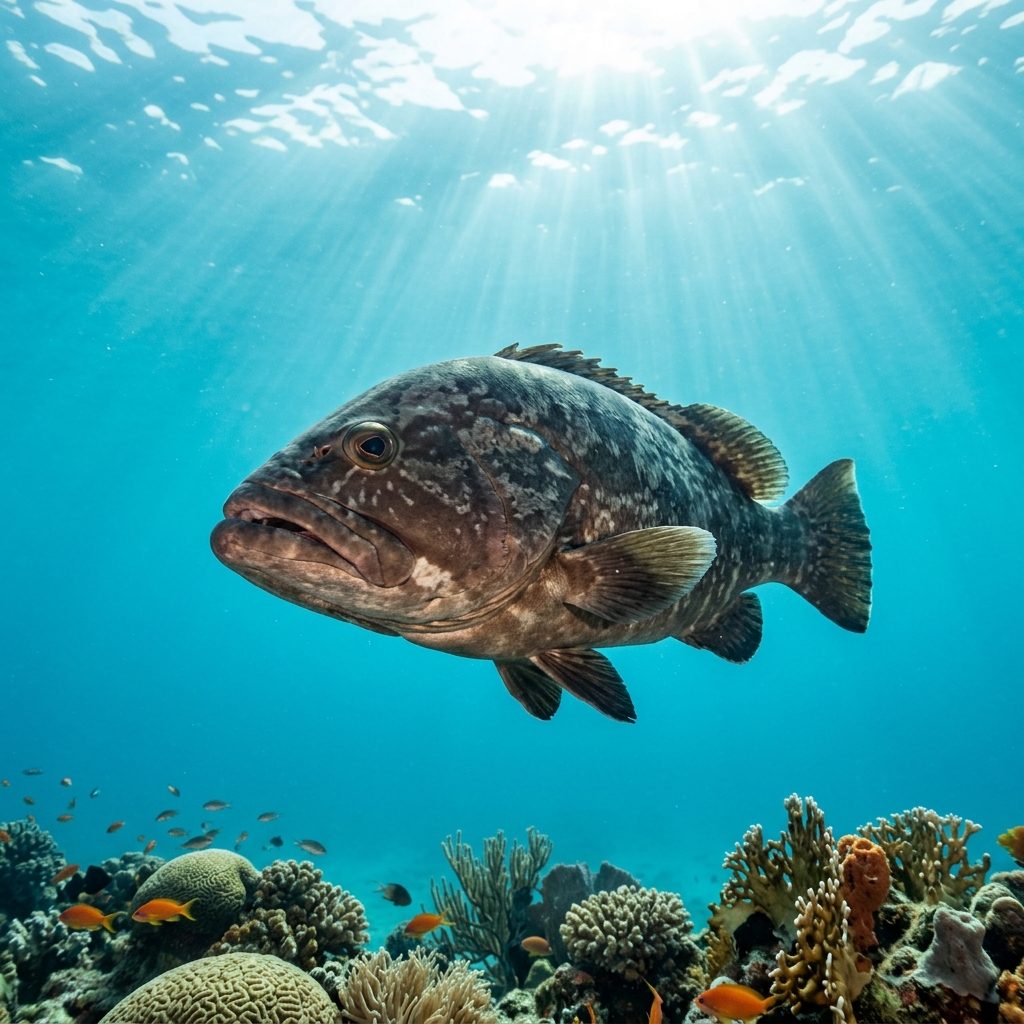
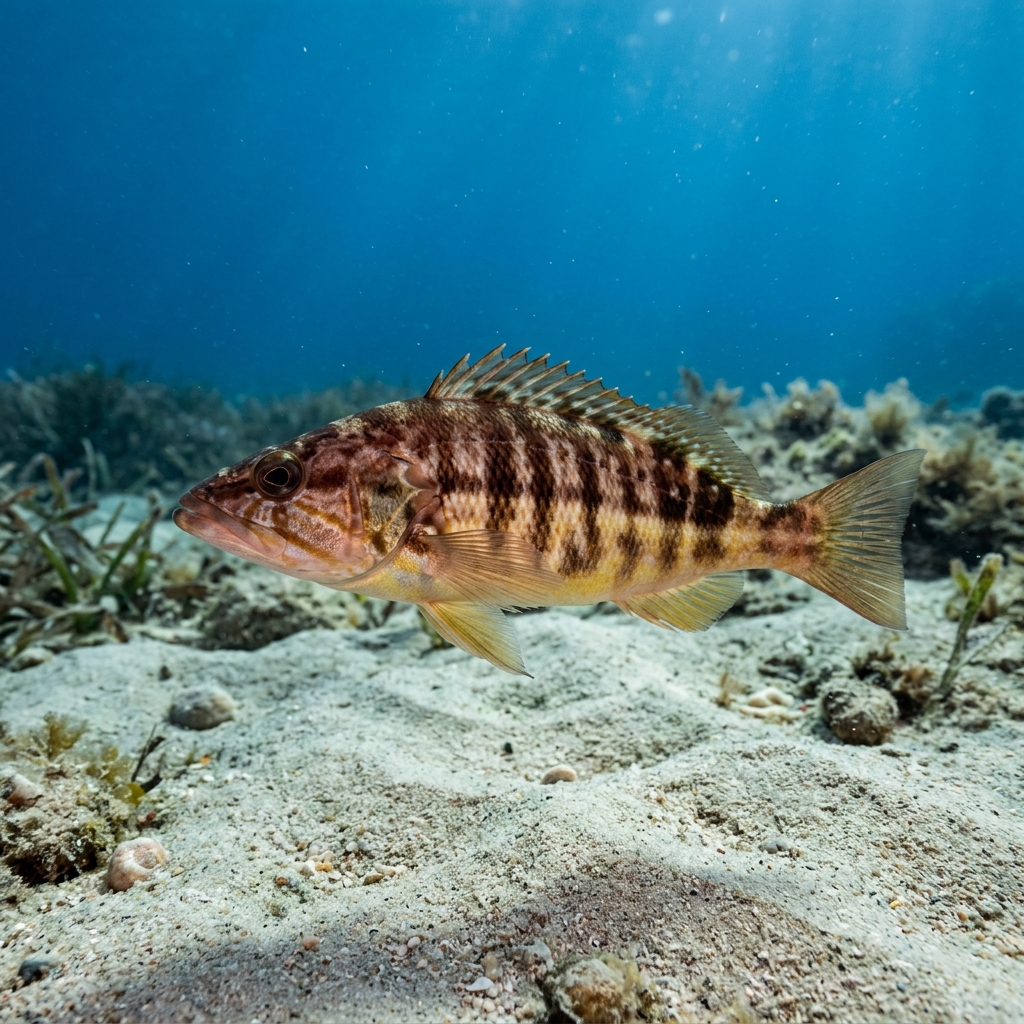
Reef neighbours a diver could mistake it for. Use the identification notes above to tell them apart.
All confirmed sightings come from Australia, with Queensland accounting for the vast majority of logged encounters, making it the go-to destination for a realistic chance of finding one. Western Australia contributes a smaller but meaningful share of records. This is essentially an Australian specialty for visiting divers.
Mapping where Barramundi Cod is logged…
All logged sightings are from Australia, with Queensland reefs hosting the most encounters by a clear margin. Western Australia also has a smaller number of confirmed sightings. If you're specifically chasing this species, Queensland is your best bet.
There isn't enough seasonal data to pin down a peak month. Sightings span water temperatures of around 22 to 29°C, suggesting they are present on suitable reefs year-round. Your best strategy is simply to dive Queensland reefs and look carefully around sheltered coral structure.
Look for the distinctively humped back and steep, sloping forehead, no other common reef grouper in Australian waters has quite that silhouette. The pale body covered in uniform small dark spots from snout to tail seals the ID. Coral Grouper also has spots but lacks the pronounced hump.
No. Barramundi Cod pose no meaningful threat to divers. They are wary rather than aggressive and will typically retreat if approached. Standard respectful dive behaviour applies: keep your distance and avoid cornering them in crevices.
Like many groupers, Barramundi Cod are protogynous hermaphrodites, they start life as females and the dominant individual in a social group can change sex to become male. This means removing large individuals from a population can disproportionately affect reproduction.
Site and sighting data is aggregated from diver logs, iNaturalist and GBIF. For taxonomy and conservation status:
Blacktip Grouper
2,726 sites