Epinephelus quoyanus
Small reef grouper with honeycomb spots, logged at 44 sites around Koh Tao and widely seen in Queensland year-round in warm 24-29C water.
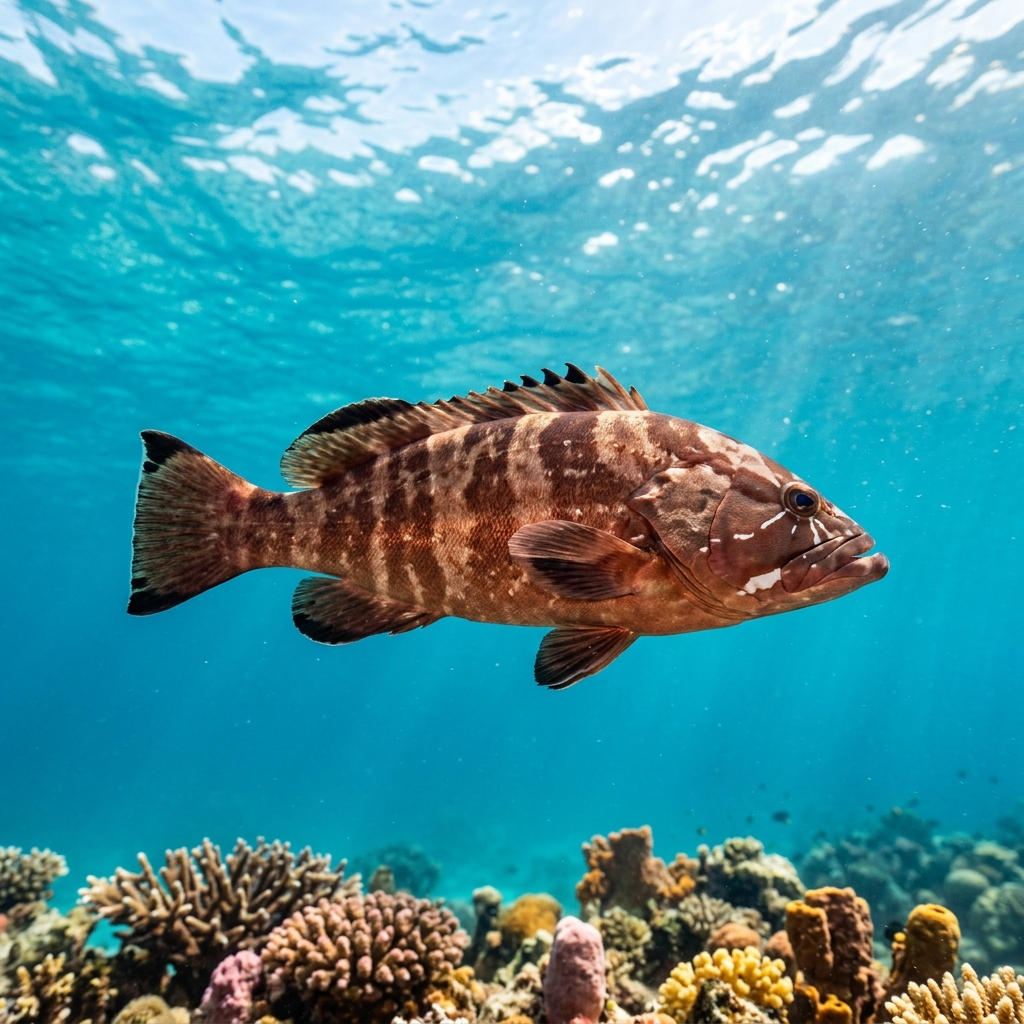
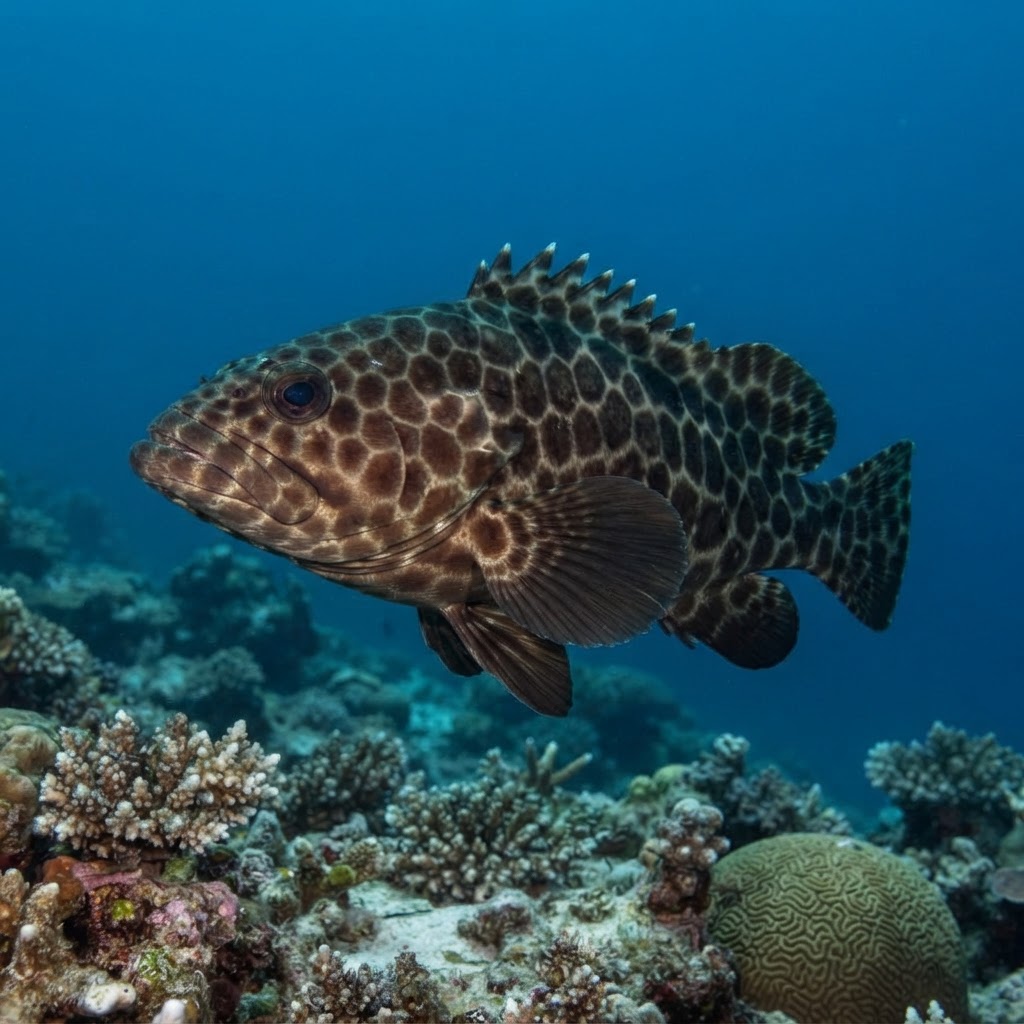
A small, thickset grouper that rarely tops 30 cm, covered head to tail in dense hexagonal brown-and-cream spots that give it a honeycomb look. It sits low on the reef with a stocky, slightly compressed body and a broad head typical of groupers, often propped on pectoral fins against rubble or coral. The spot pattern is finer and more uniform than on the larger reef groupers divers tend to compare it to, which is the quickest tell underwater.
Usually found parked on the bottom near coral heads, rubble patches or under ledges rather than out swimming in open water. It is an ambush hunter, staying still for long stretches while watching for small fish and crustaceans to come within striking range. Divers who move slowly and keep some distance often get a longer look, since it tends to hold its position rather than bolt at the first approach.
Like many groupers it is a protogynous hermaphrodite, meaning individuals start life as females and some later change into males as they grow, a reproductive strategy common across the family.
No strong seasonal pattern shows up in the sightings, and with a comfortable range of roughly 24.5 to 28.9C it stays on these reefs year-round, so any month works at the sites above.
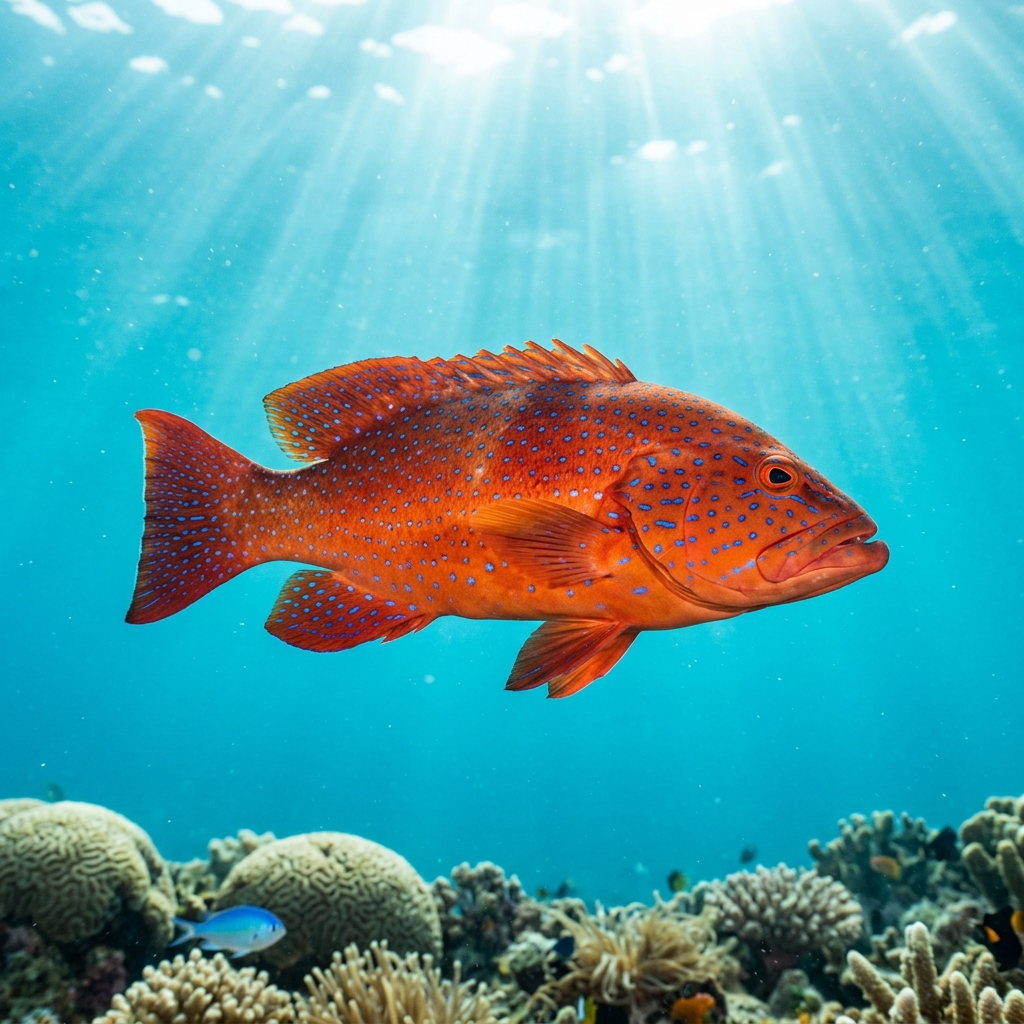
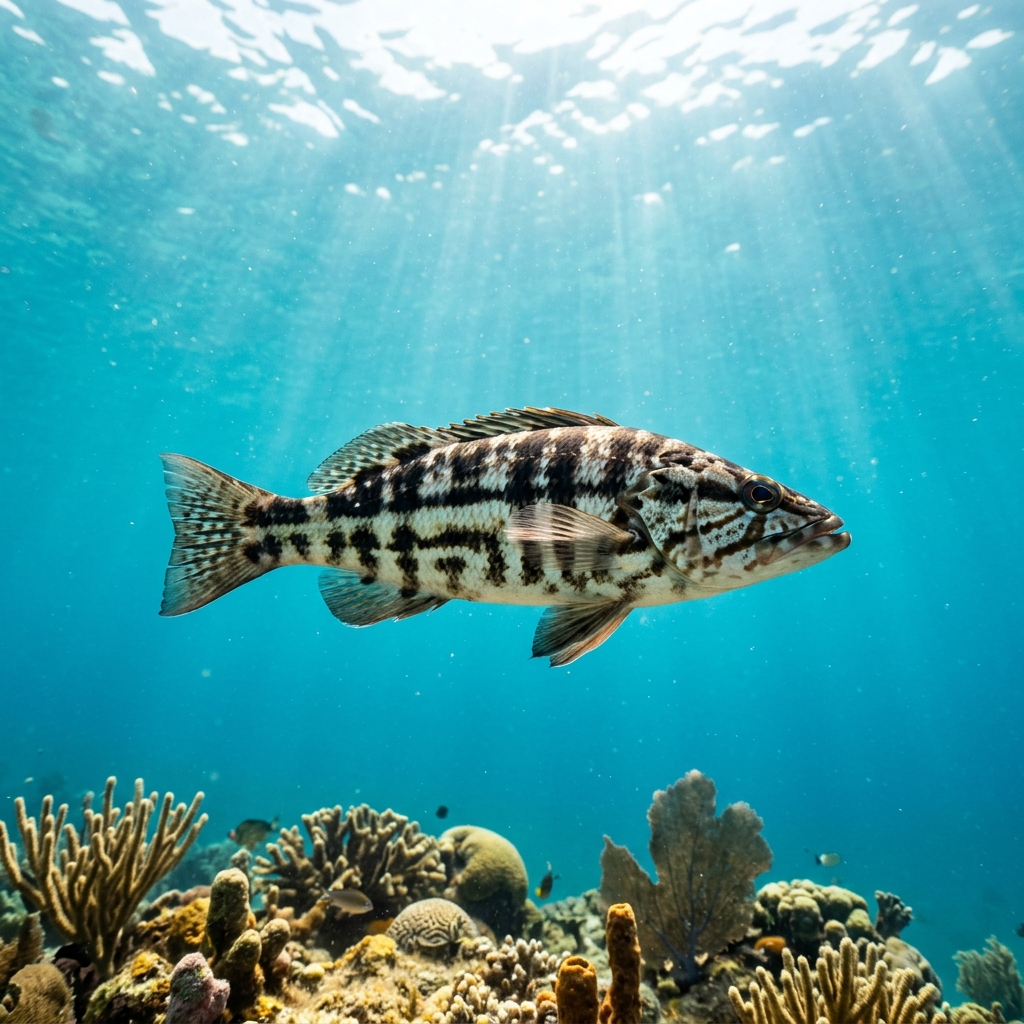
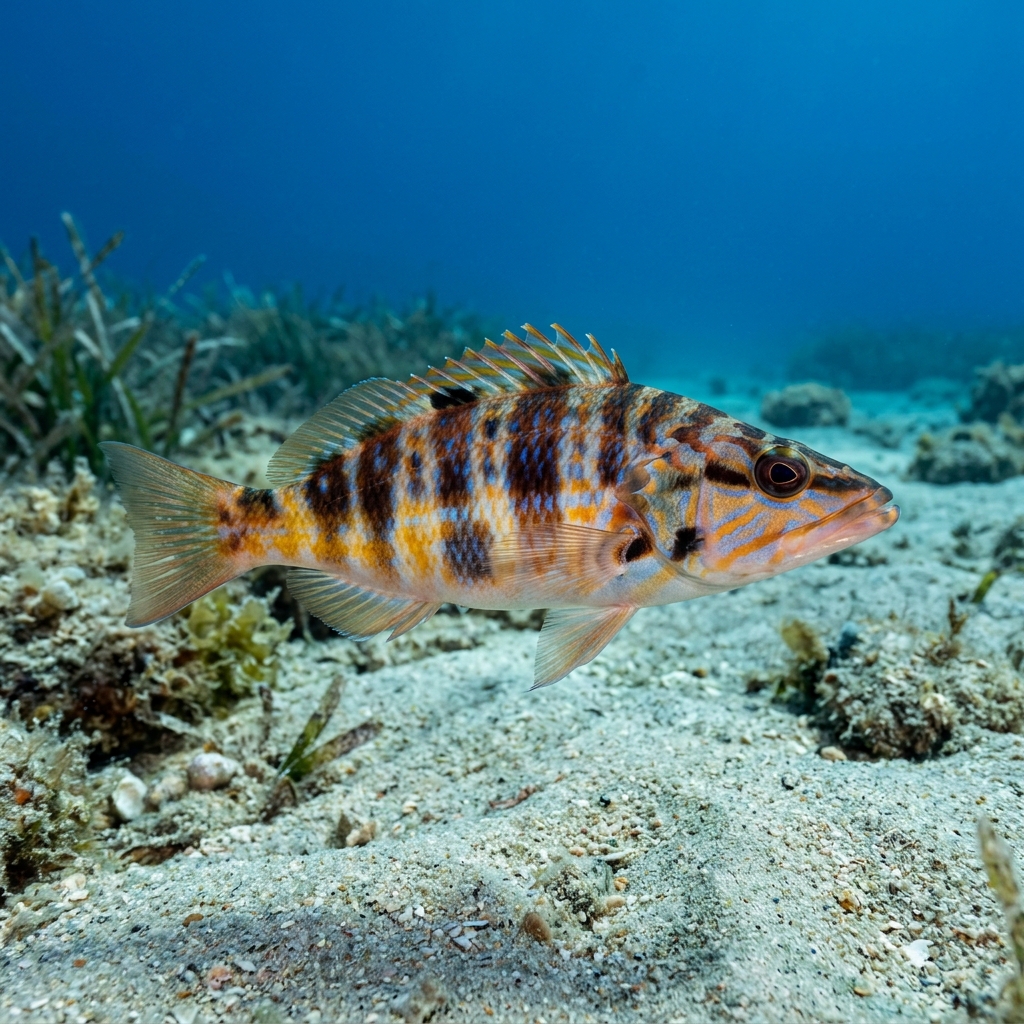
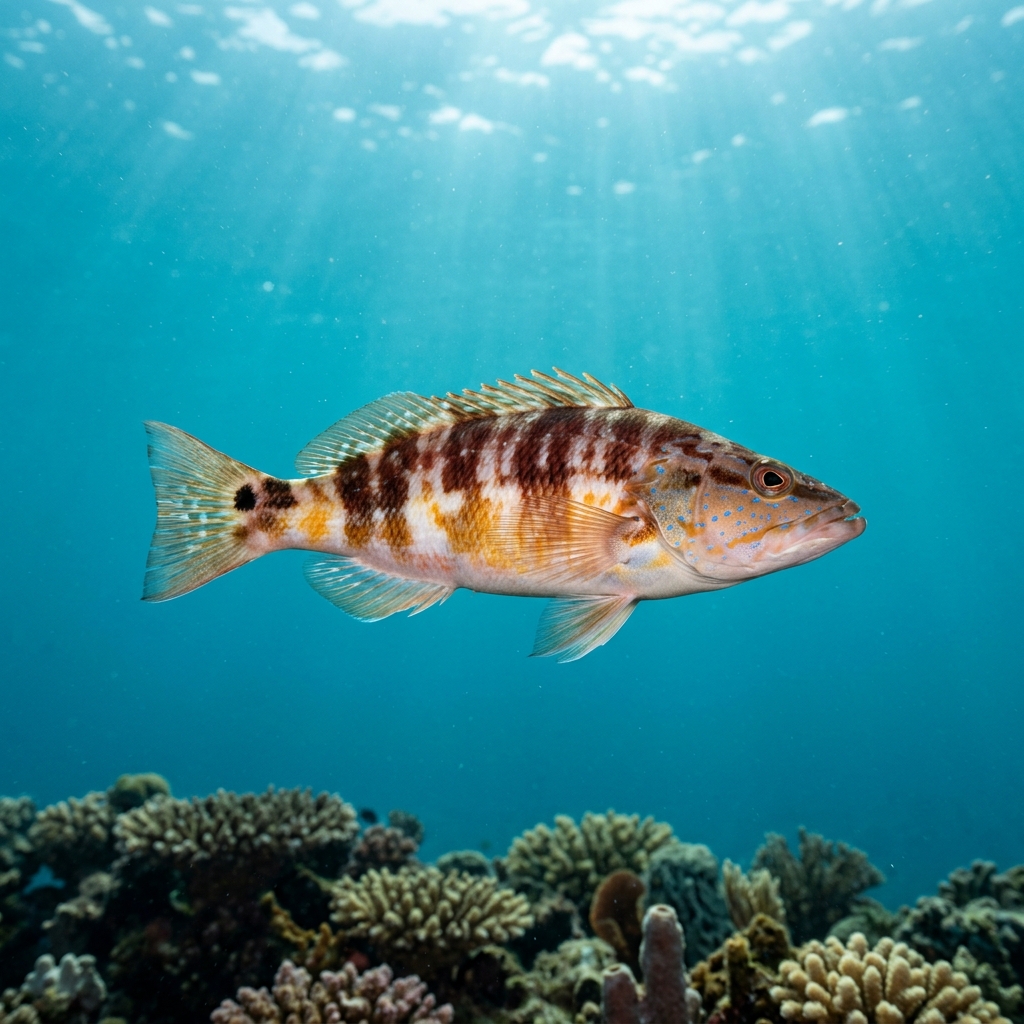
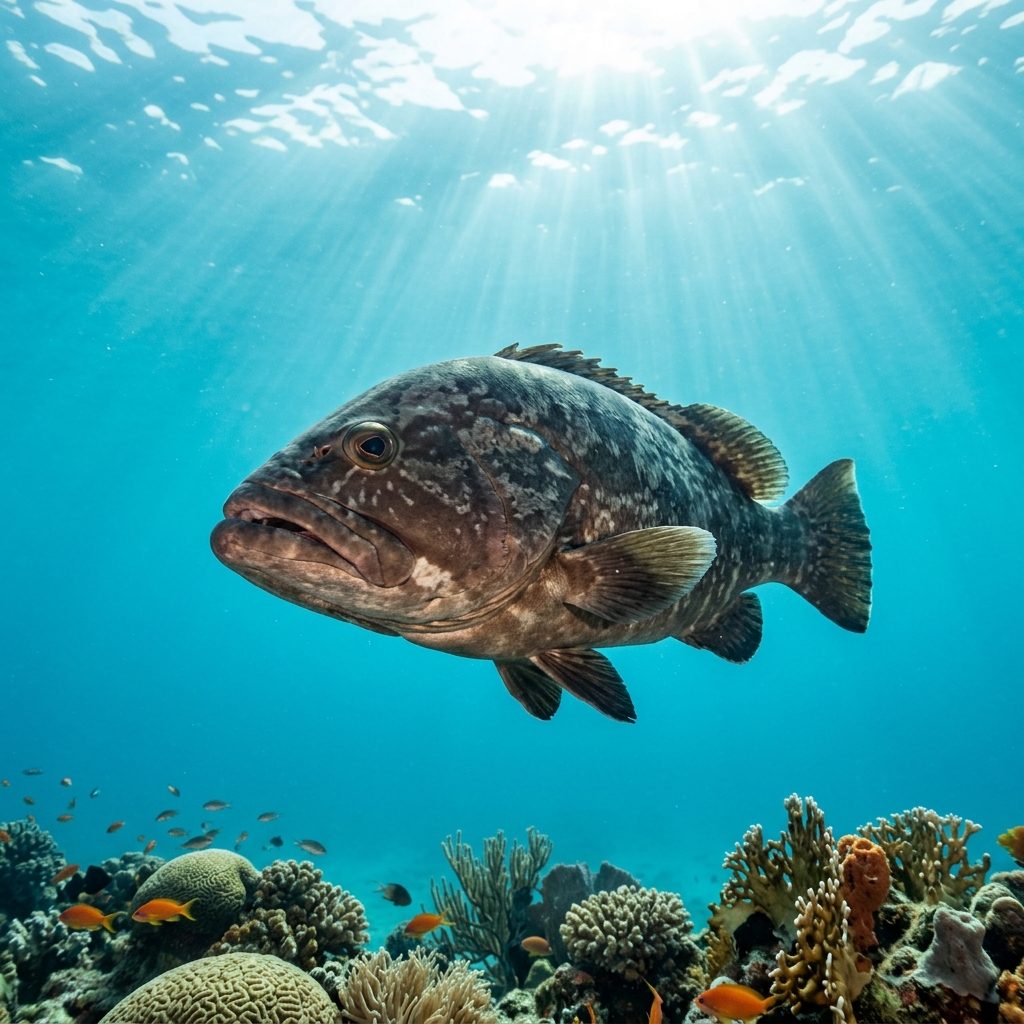
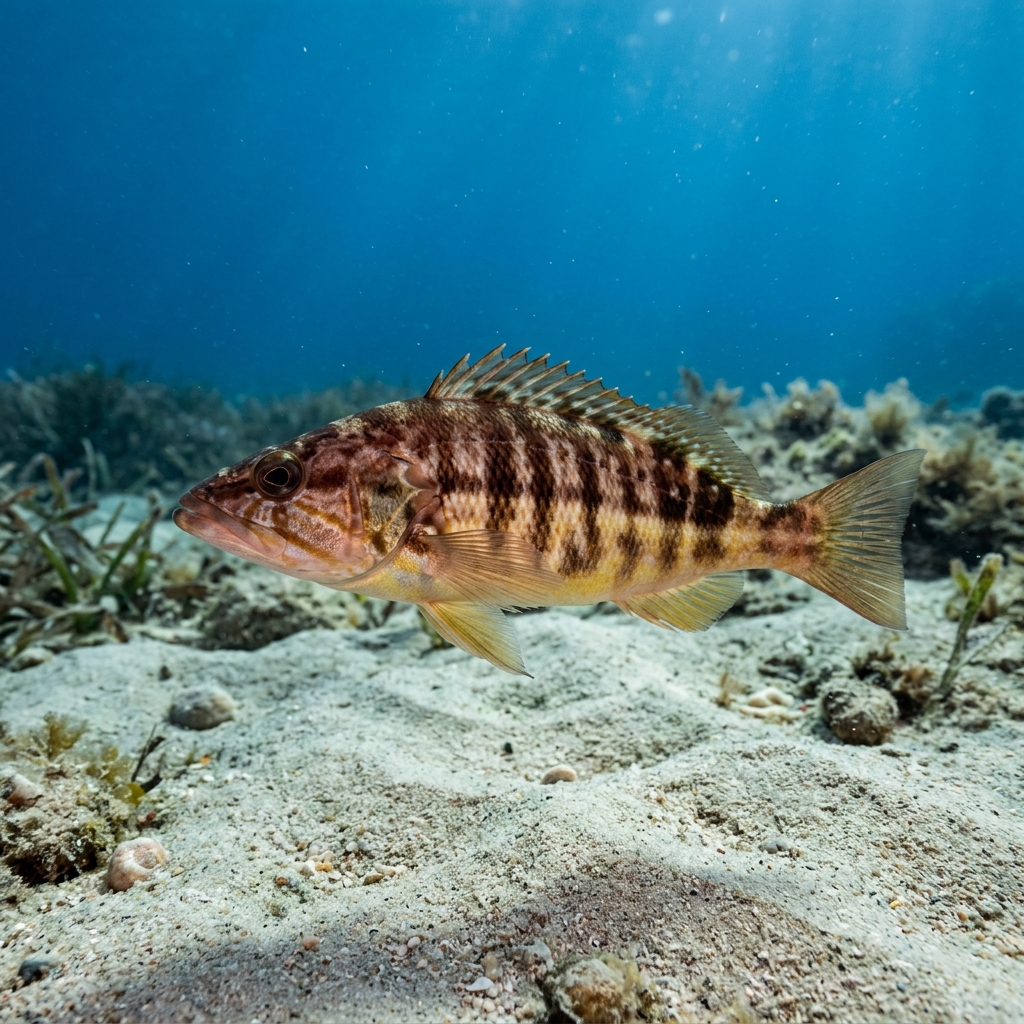
Reef neighbours a diver could mistake it for. Use the identification notes above to tell them apart.
Most reliably logged in Thailand, especially around Koh Tao, Koh Chang and Koh Phi Phi, and it also turns up strongly on reefs off Queensland, Australia. Good numbers are reported from Peninsular Malaysia's east coast and around Sihanoukville in Cambodia, with further sightings in Palawan in the Philippines, Taiwan, Hong Kong and Singapore.
Mapping where Longfin Grouper is logged…
Thailand is the strongest bet, particularly Koh Tao, Koh Chang and Koh Phi Phi, alongside Queensland in Australia. It is also regularly seen off Peninsular Malaysia's east coast and around Sihanoukville, Cambodia.
There is no clear seasonal spike in sightings, and the species tolerates a wide warm-water range of about 24.5 to 28.9C, so it is present on these reefs throughout the year.
Look for a small, stocky grouper under 30 cm covered in fine, even honeycomb-like brown spots, usually resting on rubble or coral rather than swimming freely. The dense, uniform spot pattern is the main giveaway compared with similarly patterned groupers.
They are a small grouper species, typically reaching around 28 cm, which makes them easy to overlook against reef rubble compared with the bigger grouper species divers know.
No, they pose no threat to divers. They are shy, bottom-dwelling ambush predators that keep their distance and have no history of aggressive behaviour towards people.
Site and sighting data is aggregated from diver logs, iNaturalist and GBIF. For taxonomy and conservation status:
Blacktip Grouper
2,726 sites