Pseudolabrus guentheri
Small reef wrasse logged across New South Wales and Queensland, most often at 22 to 27C on temperate and subtropical reefs.
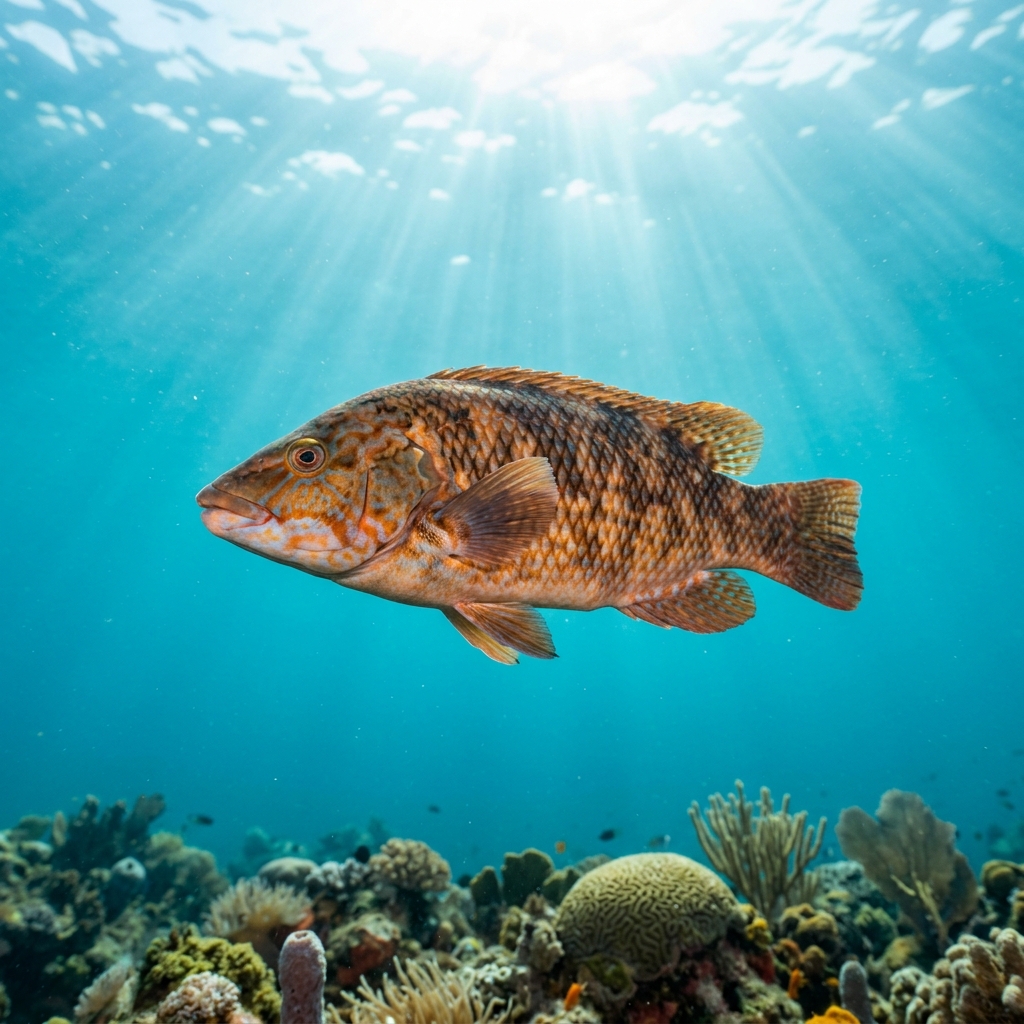
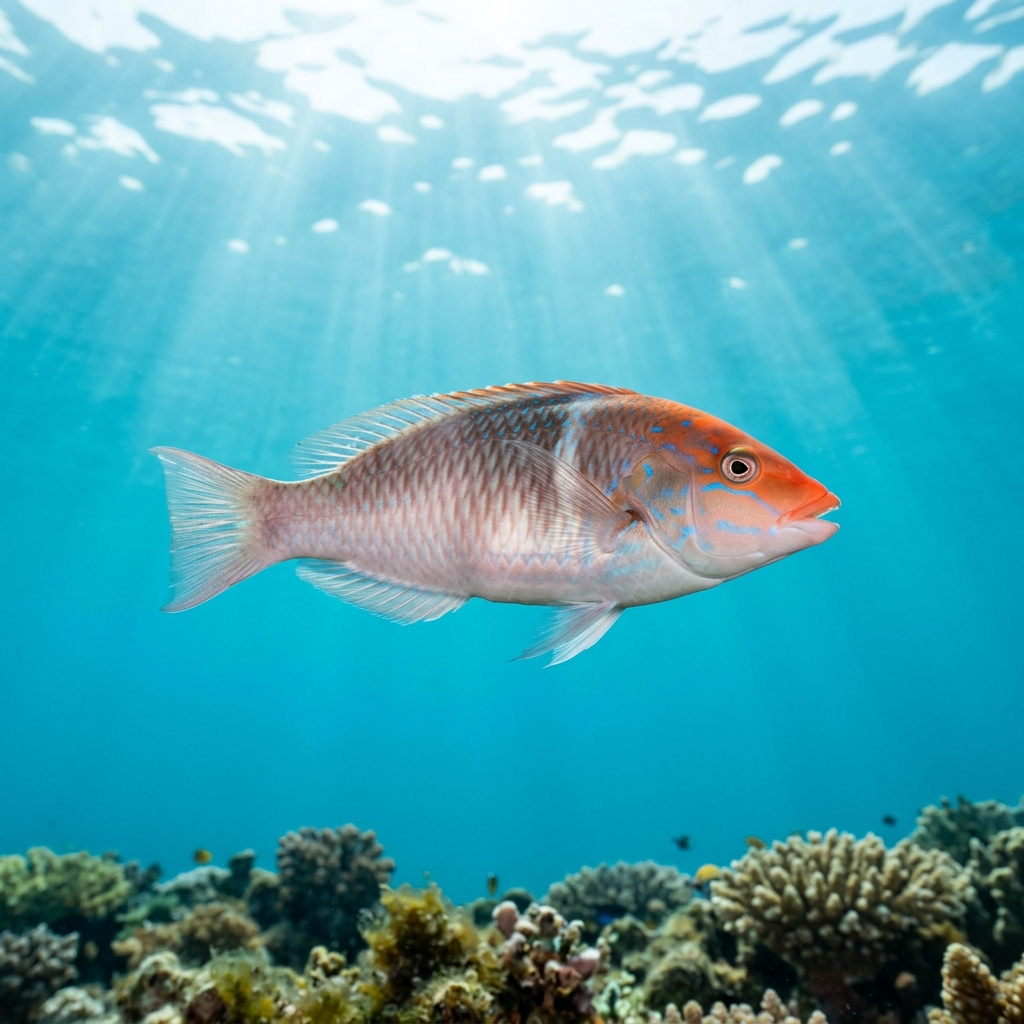
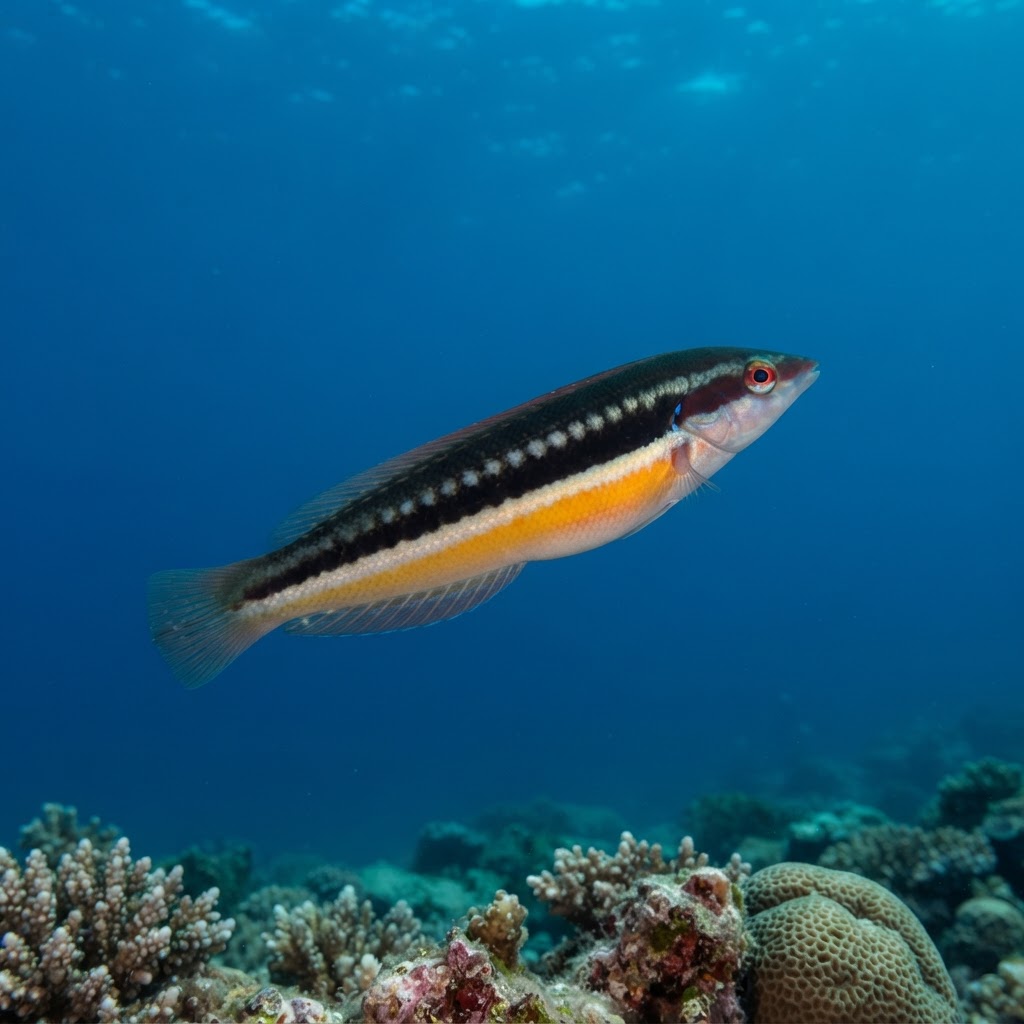
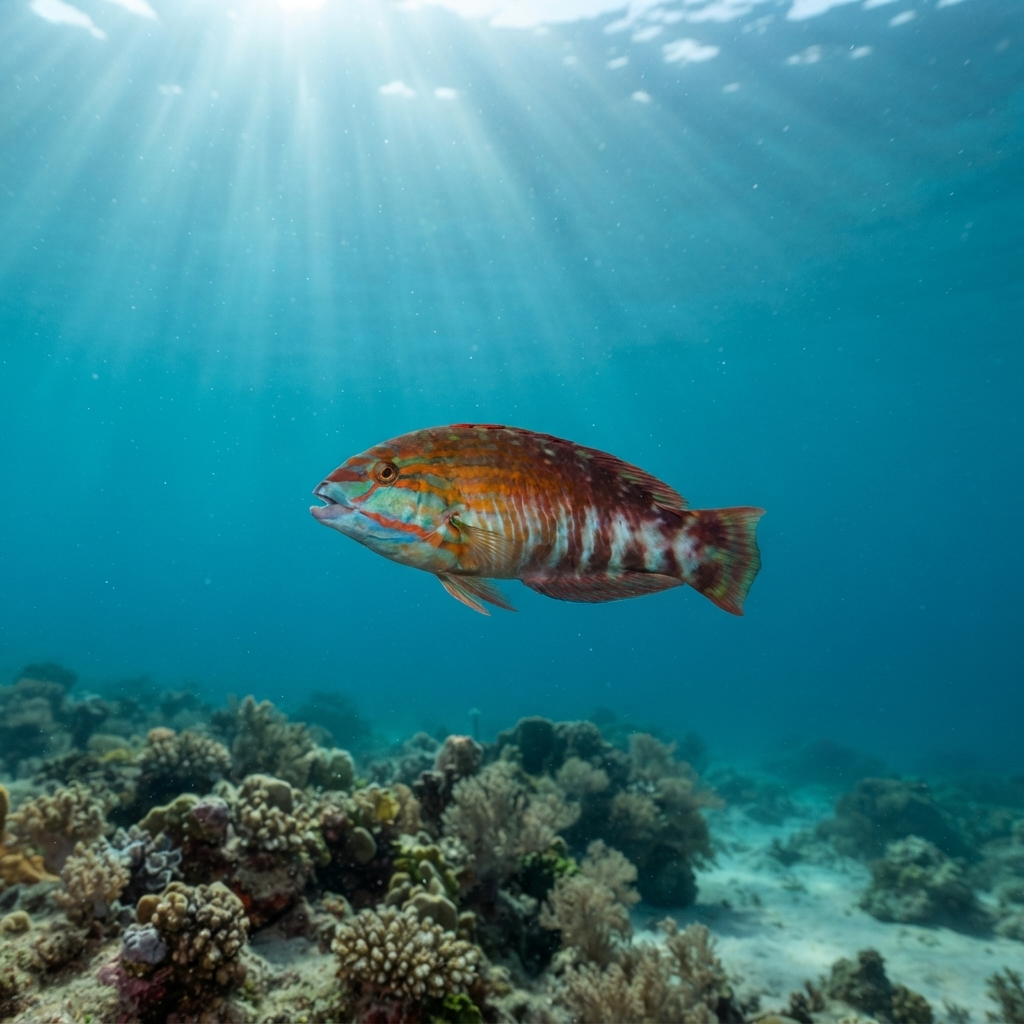
A small, slender wrasse topping out around 12cm, so it reads more like a reef fish darting between crevices than a showpiece swimmer. Base colour runs reddish-brown to olive with mottled or blotchy patterning along the flanks, giving it a camouflaged, textured look rather than bold stripes or a single obvious stripe. Look for the typical wrasse swimming style, quick pectoral-fin strokes and a habit of hugging rocky and reef structure rather than swimming in open water.
Expect to find it picking around rocky reef and low-relief structure, working crevices and weedy patches for small invertebrates rather than schooling in open water. It's logged more often as uncommon than common at most sites, so sightings tend to be a case of spotting one or two individuals going about their business rather than encountering numbers. Divers generally find it unbothered by a slow, quiet approach, typical of small reef-associated wrasses that would rather duck into structure than flee far.
Like many wrasses in the family, Günther's Wrasse is a carnivore that forages by picking small invertebrates off and out of reef structure rather than hunting in open water, making close-in, patient viewing more productive than chasing it around.
No clear seasonal pattern shows up in the sightings, and the 22.2 to 27.3C temperature range it's been recorded in spans most of the diving calendar on Australia's east coast, so treat it as a year-round find rather than a seasonal target.
Every logged sighting in the data comes from Australia, making it effectively an Australian speciality among reef divers. New South Wales carries the bulk of the records, with Queensland close behind, so temperate reef and rocky headland sites down the NSW coast plus subtropical reefs further north in Queensland are your best bet.
Mapping where Günther's Wrasse is logged…
It's an Australian species, most reliably logged in New South Wales and Queensland. Rocky reef and headland dive sites along the NSW coast hold the largest share of sightings, with Queensland reef sites also producing regular records.
There's no strong seasonal signal in the sightings, and it's been recorded across a broad 22.2 to 27.3C range, so it's reasonable to look for it on any dive at the right sites rather than planning around a particular season.
Look for a small, slim wrasse around 12cm with reddish-brown to olive mottled colouring rather than bold stripes. It sticks close to rocky or reef structure and swims with the quick, darting style typical of small wrasses.
They're a small wrasse, typically reaching around 12cm, so don't expect a large or showy fish, it's more of a spot-and-note species for divers scanning reef structure.
No, they pose no danger to divers. They're a small, reef-associated carnivore that keeps to invertebrate foraging and poses no threat to people in the water.
Site and sighting data is aggregated from diver logs, iNaturalist and GBIF. For taxonomy and conservation status:
Bird Wrasses
3,632 sites